REVIEW · CAIRO
10 Days Egypt wonders Cairo pyramid cruise Hurghada Flight
Book on Viator →Operated by Great Egypt travel · Bookable on Viator
Cairo to the Red Sea in 10 days sounds intense, and it is. What makes this trip click is the big-wins planning: you cover Giza and Cairo, then fly to Luxor for temples and a Luxor-to-Aswan Nile cruise, and finish with an all-inclusive Hurghada break. I also like that the pacing includes real downtime at the end, not just monument photos and onward travel.
Two things I especially like: you get an in-person English-speaking guide with Egypt context (the Egyptology storytelling really helps), and the package handles the heavy logistics—hotels, meals, transfers, and domestic flights. One thing to keep in mind: the advertised price doesn’t cover all entrance fees or optional add-ons like Abu Simbel, so your final spend will depend on how many extras you choose and your tipping style.
If your group wants a no-drama route through Egypt’s greatest hits, this one is built for it. It also keeps the group small, with a maximum of 20 people, which usually makes long days feel less chaotic.
In This Review
- Key things that make this trip work
- How Giza and Cairo kick off your Egypt plan
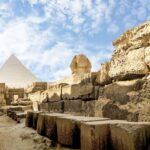
- Pyramids of Giza and the Sphinx: the wow + the logistics
- Papyrus stop: a small stop with useful context
- Egyptian Museum: choose what you care about
- Temple mornings in Luxor: Karnak and Luxor Temple in context
- Why doing Karnak and Luxor Temple together helps
- The Nile cruise: Luxor to Aswan, with the day trips that matter
- Valley of the Kings, Hatshepsut, Colossi: history in layers
- Alabaster factory and Edfu sailing: practical stops that add color
- Edfu and Kom Ombo: Horus temple to the two-god stop
- How Kom Ombo’s two-god setup feels different
- Aswan time: felucca, Philae, and an unhurried river vibe
- Philae Temple: Isis on an island setting
- The spa break is not just a luxury add-on
- The hop to Hurghada: from Luxor nights to Red Sea afternoons
- What all-inclusive time gives you
- Getting home: flights and final Cairo handoff
- Value check: what the $1,600 covers (and what can add up)
- What isn’t included can affect your final budget
- Who this trip fits best (and who should look elsewhere)
- Should you book this Cairo pyramid cruise + Hurghada combo?
- FAQ
- Is pickup included, and where do they pick me up?
- What domestic flights are included?
- Are entrance fees for the included excursions included?
- Are meals included during the cruise and Red Sea part?
- Is the Hurghada resort all-inclusive?
- Are optional experiences part of the main price?
- Can the tour accommodate dietary restrictions?
Key things that make this trip work
- Egyptologist-style guidance built into the day so the temples aren’t just old rocks with captions
- Nile cruise time from Luxor to Aswan with meals and accommodation included
- Domestic flights included (Cairo to Luxor, and Hurghada back to Cairo) to save you hours of road travel
- All-inclusive Red Sea resort days with drinks from 8 am to midnight
- A balanced hit list: pyramids, museums, major temples, then a real beach reset
- A named guide shows up in feedback (Hassan)—planning and storytelling are repeatedly credited
How Giza and Cairo kick off your Egypt plan
Your trip starts with pickup in Cairo or Giza, or at Cairo International Airport, then a transfer to a Giza-area hotel for your first night. Even though the tour window is described as starting after midday and finishing around early evening, the official start time listed is 7:00 am—so expect some early movement depending on your exact pickup point and timing.
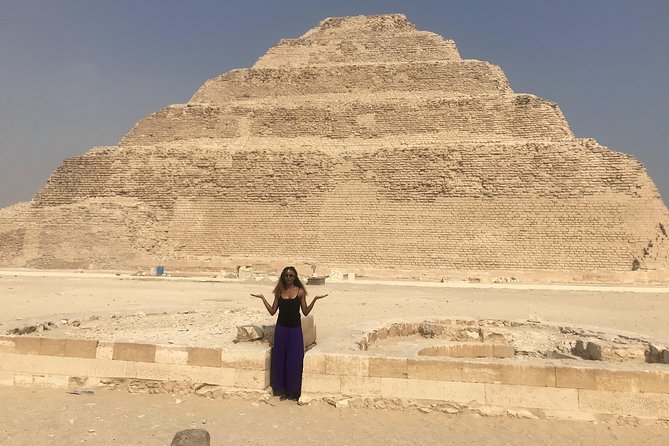
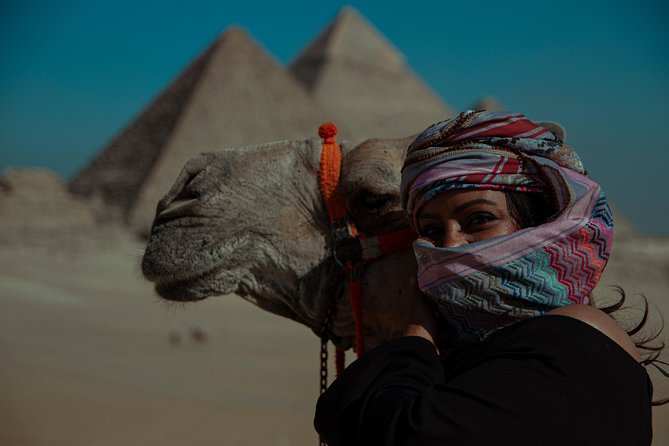
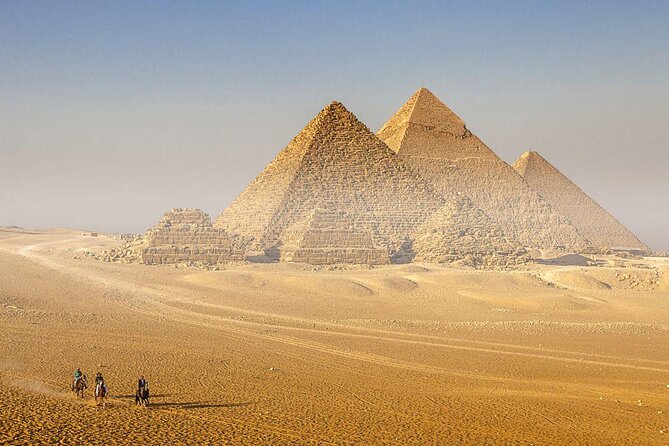
On Day 2, the highlights are classic for a reason. You’ll do the Pyramids of Giza first, then the Great Sphinx, and later hit the Egyptian Museum. This is one of those days where going in with realistic expectations helps. The pyramids are jaw-dropping in person, but the site can feel busy and the walking adds up, so wear shoes you actually trust.
You can also read our reviews of more boat tours in Cairo



Pyramids of Giza and the Sphinx: the wow + the logistics
The pyramids are the oldest and biggest stone constructions in the world, and standing near them changes the scale you thought you understood. Plan for sun and wind. Hydration is included in the form of bottled water during tours, but you’ll still want to bring your own extra water habit if you’re a sweater.
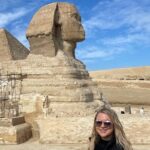
The Great Sphinx is quick—about 40 minutes in the schedule—so don’t treat it as a slow stroll. If you’re trying to spot details, do it fast and focus on the face and the surrounding symbolism rather than trying to capture everything.
Papyrus stop: a small stop with useful context
The Papyrus shop is only about 30 minutes, and it’s easy to wonder why it’s there. I like it because it gives you a practical sense of how papyrus paper was made from the plants in ancient Egypt. It’s not the main event, but it helps you connect the dots when you later see manuscripts, carved surfaces, and the way Egyptians engineered everyday life.
Egyptian Museum: choose what you care about
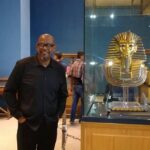
The Egyptian Museum visit is about 2 hours. That’s not long enough to see everything, so you’ll get the best experience if you mentally pick a few targets before you arrive. You’ll find more than 100,000 treasures covering Egypt’s history, and the real value of a guided visit is narrowing the chaos into the stories that matter.
Temple mornings in Luxor: Karnak and Luxor Temple in context
Day 3 turns the page fast. You get picked up for your flight from Cairo to Luxor, then transferred to the Luxor airport and on to temple time. The flight is included, which is a big deal for value because it saves you the long overland push.
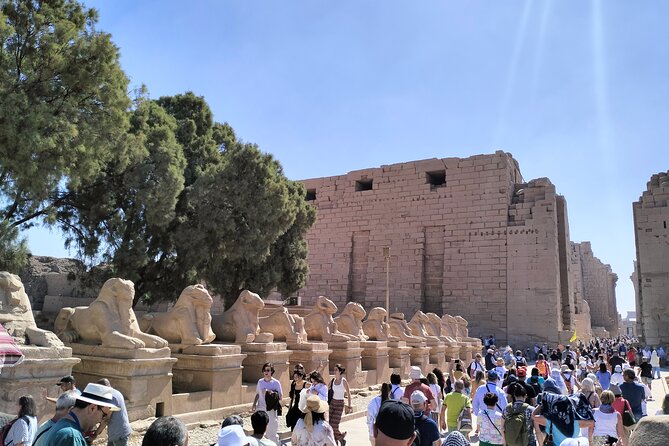
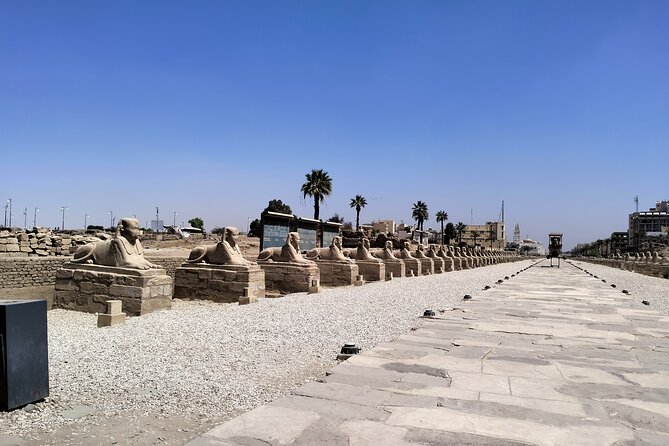
Then you hit Karnak and Luxor Temple on the same day. Karnak is scheduled for around 2 hours and is dedicated to Amon Ra, tied to the ancient sun god. Luxor Temple is shorter at about 1 hour and focuses on Mut, the wife of Amon Ra.
Why doing Karnak and Luxor Temple together helps
If you visit just one of these, it’s easy to feel like you’re seeing a pile of columns. Doing both gives you a better sense of how the sacred spaces worked together—religion, architecture, and power expressed in stone. With a guide (the tour includes in-person English), you’re more likely to notice the themes rather than just the size.
The Nile cruise: Luxor to Aswan, with the day trips that matter
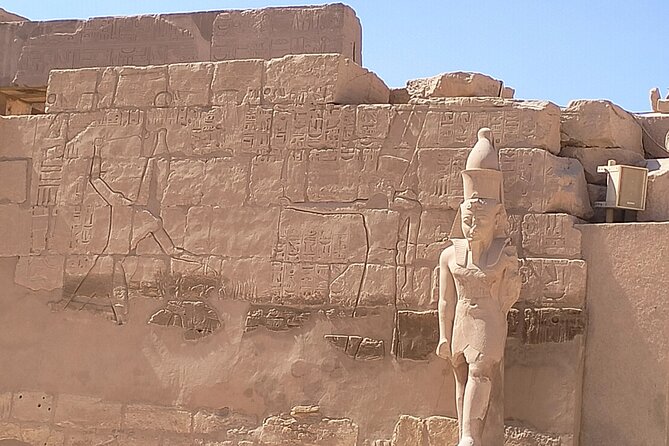
After lunch and a check-in, your cruise segment starts. You’ll have 4 nights on a 5-star deluxe cruise ship (listed as Concerto or Steigenberger Legacy), with breakfast, lunch, and dinner included. You also get onboard extras like afternoon tea/coffee/cake when the ship sails. It sounds small, but those breaks make travel days feel less like nonstop motion.
This portion is usually the core value of the whole trip. You’re not only sleeping on the river—you’re using the cruise as your base for temple days up and down the Nile corridor.
Valley of the Kings, Hatshepsut, Colossi: history in layers
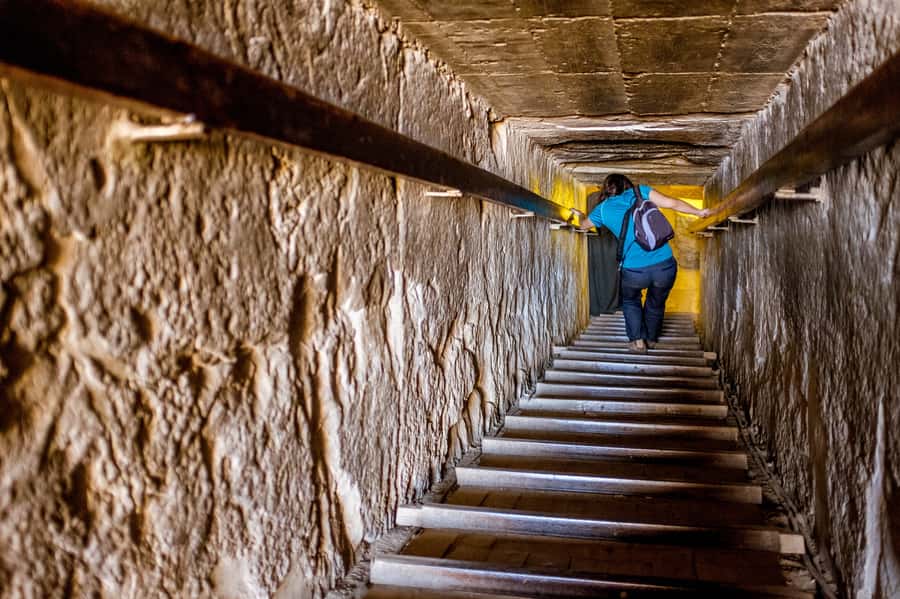
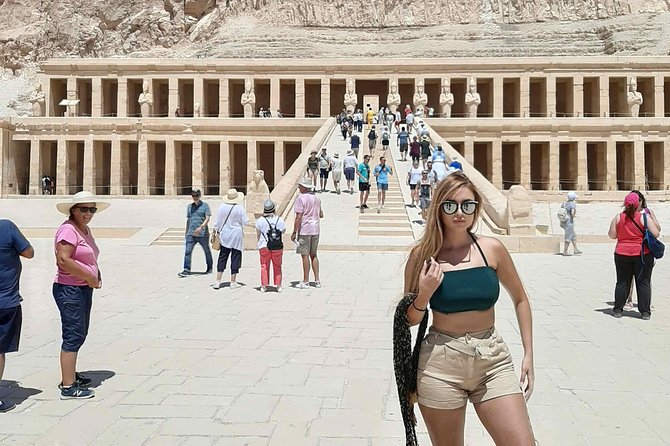
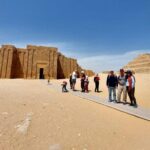
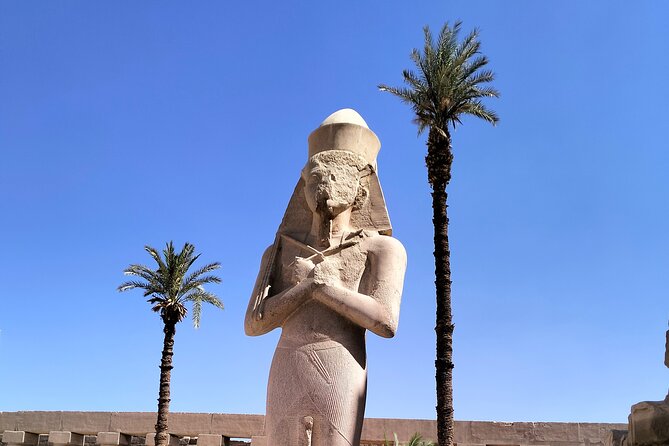
Day 4 starts with the Valley of the Kings (about 2 hours). The schedule notes paintings and colors that can look newly made, and that’s the reason the place feels so alive compared with other tomb sites. Next is Deir el Bahari for the Temple of Hatshepsut, about 1 hour. Hatshepsut matters because she’s described as the only Egyptian woman who ruled as king, which gives you a clearer emotional anchor when you’re there.
Then you get the Colossi of Memnon (around 20 minutes). It’s short, but they’re famous for a reason. Think of this as a quick photo-and-perspective stop, not a deep exploration.
Alabaster factory and Edfu sailing: practical stops that add color
The Luxor alabaster factory is scheduled for about 20 minutes. Again, it’s not the headline, but it adds an economic and craft connection to ancient stonework.
Then the cruise sails after lunch to Edfu. The day includes long sailing time—about 8 hours—and that’s where you’ll want to balance sun time with shade. If you like being active, use the cruise as a moving home. If you prefer calm, this is your built-in buffer.
Edfu and Kom Ombo: Horus temple to the two-god stop
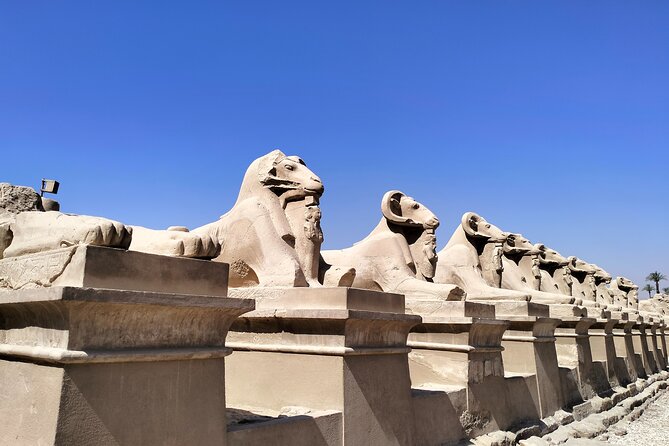
Day 5 is built around two major temple visits: Edfu Temple and Kom Ombo Temple. Edfu first, about 2 hours, and the schedule notes morning visit by horse and carriage. You’re also told it’s one of the most complete temples, dedicated to Horus.
Then it’s sailing to Kom Ombo, followed by the temple visit. Kom Ombo is unique because it’s dedicated to two gods: Horus and Sobek. The schedule also includes a crocodile mummies museum for about 1 hour.
How Kom Ombo’s two-god setup feels different
Most temple sites focus on one main deity. Kom Ombo’s two-god theme helps you understand why Egyptian religion was flexible in how it organized power and protection. If you enjoy symbolism, this is the kind of stop that makes later temple details click.
Aswan time: felucca, Philae, and an unhurried river vibe
Aswan is where the pace starts to feel more relaxed. Day 6 includes an afternoon felucca ride—your boat sailing on the Nile—with about an hour of time for relaxing, plus optional market time.
You can treat Aswan like a reset day. You don’t have to turn every hour into a quest. The ship already takes care of meals, and you’ll likely appreciate the slower rhythm after big temple days.
Philae Temple: Isis on an island setting
Day 7 includes Philae Temple on Philae Island, about 1.5 hours. It’s described as dedicated to goddess Isis and the magic of ancient Egypt. This stop often feels different from mainland temples because it’s framed by the water and the crossing mood.
Also on Day 7 is the Cleopatra Palace Perfume Bazaar for about 30 minutes, with essential oil-making from flowers described in the itinerary. There’s also a transfer to a Luxor hotel area and time at a spa—scheduled as Spa at Jolie Ville Luxor Hotel for about 3 hours.
The spa break is not just a luxury add-on
I like that this trip doesn’t only reward you with history. It gives you a chance to handle the heat and sore feet. If you’ve been walking a lot around pyramids and temples, this kind of recovery time is genuinely useful, not just an indulgence.
The hop to Hurghada: from Luxor nights to Red Sea afternoons
Day 8 is your transfer day to the Red Sea. You’ll move from Luxor to Hurghada by private transfer and visit Sindbad Aqua Park (about 3 hours). That’s a smart way to break the trip’s emotional rhythm. You’re done with temple intensity, and you’re about to start swimming-mode.
Day 9 is the real reward: a full day at the all-inclusive Hurghada resort. The schedule says 9 hours, and it includes all drinks from 8 am to midnight at the Red Sea portion. This is where the trip becomes less about ticking boxes and more about actually enjoying your vacation.
What all-inclusive time gives you
All-inclusive is great when you want control without decisions. You won’t spend energy figuring out where to eat and what’s worth paying for. It also helps if you’re traveling with anyone who needs a break from history days.
Getting home: flights and final Cairo handoff
On Day 10, you’ll get picked up from your Hurghada resort to Hurghada airport, fly back to Cairo, then transfer to your end location in Cairo or Giza or to the airport. Domestic flights are included here, which is a clear value add compared with road travel.
The schedule mentions a 20-minute transfer to the airport and a 1 hour 15 minute flight. You’ll be done with the core sightseeing, so use the final day for a calm wrap-up: pack smart, keep a small bag accessible, and don’t schedule anything intense after you land.
Value check: what the $1,600 covers (and what can add up)
At $1,600 per person for 10 days, this package is competing in a price zone where many trips leave out one big chunk—often the domestic flights or major lodging. Here, you get 2 nights in Giza at a 4-star hotel, 4 nights on the 5-star deluxe cruise, and 1 night in Luxor at a 4-star hotel, plus 2 nights in Hurghada at a Red Sea resort with all-inclusive meals and drinks.
What’s included matters. You’ll have breakfast, and most days include lunch and dinner during cruise and Red Sea time. You’ll also have professional licensed drivers and the newest transportation listed for the itinerary, plus Wi‑Fi at hotels and at the resort.
What isn’t included can affect your final budget
Entrance fees for excursions listed in the itinerary are not included, even though it says they’re government prices. Tipping isn’t included either, covering everyone except tour guides. Optional experiences listed in the itinerary—like Abu Simbel, hot air balloon, snorkeling, and safari—are also extra.
If you’re trying to budget tightly, treat entrance fees and optional add-ons as your main variable. If you’re okay with paying for priorities, this tour can still be a good deal because the big fixed pieces are handled.
Who this trip fits best (and who should look elsewhere)
This is a great fit if you want a structured Egypt trip: pyramids, major temples, a genuine Nile cruise, and an end-of-trip beach unwind. The itinerary includes both “learn mode” and “rest mode,” and that mix is hard to find in one line item.
You should consider another style if you hate early starts and packed days. Even with included meals and transfers, Egypt’s key sites take time. The most intense stretches are around Cairo/Giza and the temple-heavy Nile days.
It also suits couples, small groups, and families who want support without micromanaging. The maximum group size of 20 helps, and the in-person English guide keeps you from getting lost in the details.
Should you book this Cairo pyramid cruise + Hurghada combo?
I’d book it if you want maximum Egypt coverage with minimal planning stress. The value is strong because domestic flights and lodging are included, and the cruise portion gives you more than one temple day without requiring constant hotel changes. Ending in Hurghada with all-inclusive drinks is a smart way to finish instead of flying home exhausted.
Don’t book it blindly if you’re extremely cost-sensitive. Entrance fees aren’t included, and optional add-ons can raise the final number fast. If you’re flexible and choose only one or two extras—like the famous Abu Simbel day trip—you’ll likely feel the trip is worth it.
If you want a smooth, guided Egypt highlight run that ends with a real break, this package is built for you.
FAQ
Is pickup included, and where do they pick me up?
Yes. You’ll get pickup from your location in Cairo or Giza, or from Cairo International Airport. On the last day, pickup is included from your Hurghada resort to Hurghada airport.
What domestic flights are included?
The tour includes domestic flights from Cairo to Luxor, and from Hurghada to Cairo.
Are entrance fees for the included excursions included?
No. Entrance fees for excursions are not included in the package price. The info provided says these are government prices.
Are meals included during the cruise and Red Sea part?
Yes. The cruise includes breakfast, lunch, and dinner for 4 nights, and the Red Sea resort includes breakfast, lunch, and dinner for 2 nights.
Is the Hurghada resort all-inclusive?
Yes. The Red Sea resort portion is all-inclusive, including drinks from 8 am to midnight.
Are optional experiences part of the main price?
No. Abu Simbel is optional, and the itinerary also lists other optional activities such as hot air balloon, snorkeling, safari, and a Nubian village visit.
Can the tour accommodate dietary restrictions?
Yes. The tour notes that dietary restrictions like vegetarian, vegan, and gluten-free can be accommodated if you indicate them when booking.
If you’d like, tell me your travel dates and whether you’re considering Abu Simbel or a hot air balloon, and I’ll help you estimate a realistic “total trip budget” beyond the $1,600.