REVIEW · LUXOR
Hurghada: 2-Day Luxor Tour with Hotel, Balloon, & Boat Ride
Book on GetYourGuide →Operated by Nice Tours · Bookable on GetYourGuide
A balloon over Luxor changes the pace fast. I love the sunrise hot air balloon part because the light over the temples is something you can’t fake with a camera. I also love how a real Egyptologist-style guide makes Luxor Temple and Karnak click into place instead of feeling like random stones. One catch: you’re up early, with a 5:00 am pickup from Hurghada, and day two starts even earlier.
What makes this tour work is the low-stress setup. A local driver handles the route in an air-conditioned vehicle, and the day’s stops are timed so you’re not wasting time figuring out logistics or chasing directions. You also get lunch both days plus dinner on day one, which is a quiet win when you’re trying to enjoy Luxor without constantly making decisions.
The package is packed, but in a good way: East Bank temples, a sunset felucca sail, then West Bank tombs and temples the next day. Still, do note that the balloon sits on nature’s schedule, and if weather doesn’t cooperate, the plan can change.
In This Review
- Key points I’d highlight
- Hurghada to Luxor: the early start that sets the tone
- East Bank temples: Luxor Temple and Karnak in the right order
- Lunch, downtime, and the hotel you’ll actually use
- Sunset felucca on the Nile: slow water, good photos
- Day two dawn: the sunrise balloon experience
- A real-world warning: weather can change things
- West Bank power stops: Valley of the Kings, Hatshepsut, Memnon
- Valley of the Kings: Place of Truth energy
- Queen Hatshepsut: not just another temple
- Colossi of Memnon: the best quick photo stop
- Camel ride through villages: culture close-up, not a theme park
- Meals included: what you should expect and what to plan for
- Guide and driver: why names keep coming up
- Price and value: what $270 per person really covers
- Where this tour can feel stressful (and how to handle it)
- Who should book this Luxor 2-day experience
- Should you book it?
- FAQ
- Where do I get picked up?
- Is the balloon ride included?
- What’s included besides the balloon?
- Are entry fees included?
- What about drinks?
- Are there age limits for the balloon?
- What languages are available for the guide?
Key points I’d highlight
- A 5:00 am Hurghada pickup so Luxor feels like an experience, not a rushed stopover
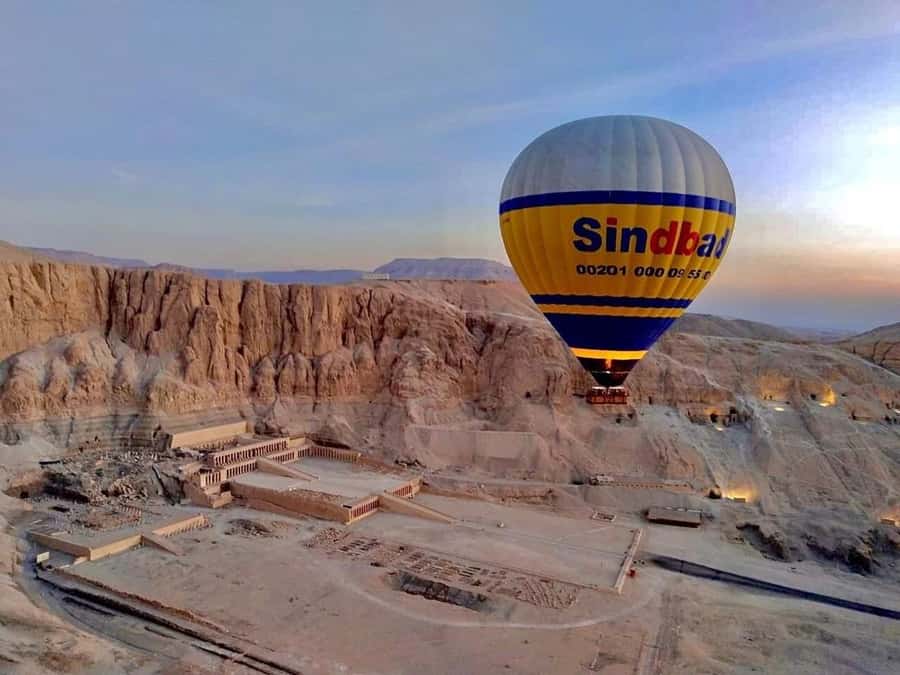
- Sunrise balloon flight with classic Luxor views from above
- Luxor Temple and Karnak with an English-speaking guide who explains what you’re looking at
- Felucca on the Nile at sunset for slower photos and an easy, scenic break
- West Bank big hits: Valley of the Kings, Hatshepsut, and the Colossi of Memnon
- Camel ride through villages for a more local, hands-on Egypt moment
Hurghada to Luxor: the early start that sets the tone
You leave Hurghada at 5:00 am in a private, air-conditioned car, and the ride is about four hours. It’s early, yes, but it buys you cooler temperatures and more calm time in Luxor while the day is still getting going. When you reach town, the schedule is built around not only the sights, but also the light.
This is the kind of trip where the driving matters. One reason people rate it highly is that you’re not bouncing between stations and searching for gates. Your driver keeps things moving and takes care of the map work, and the car is set for comfort on a long transfer.
Bring a small bag for the essentials. Think water, sunscreen, and a layer for the mornings. For day two, you’ll also want to keep your phone charged, because sunrise balloon photos drain batteries fast.
You can also read our reviews of more boat tours in Luxor
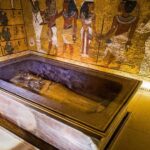
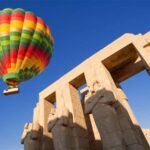

East Bank temples: Luxor Temple and Karnak in the right order
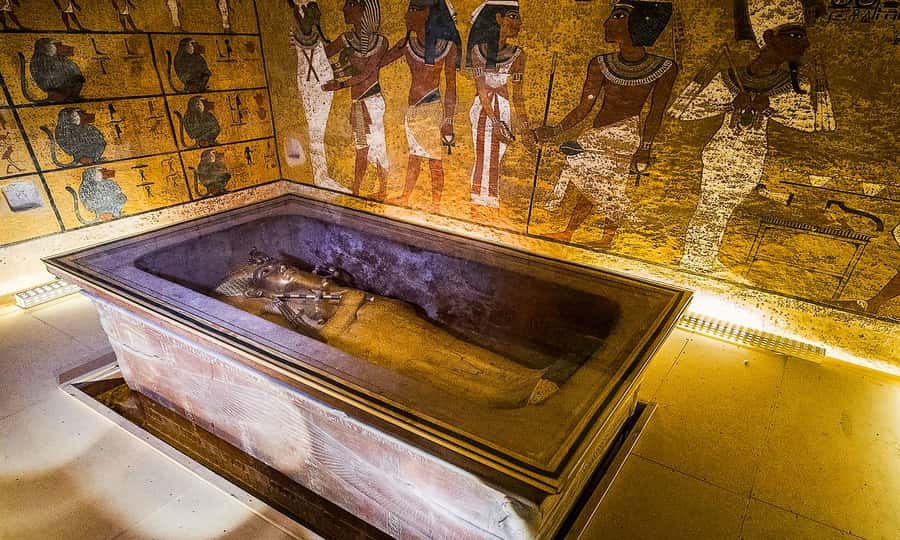
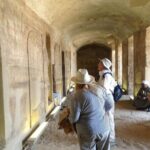
After arriving and eating an Egyptian lunch in town, you start with the East Bank—Luxor Temple first, then Karnak Temple.
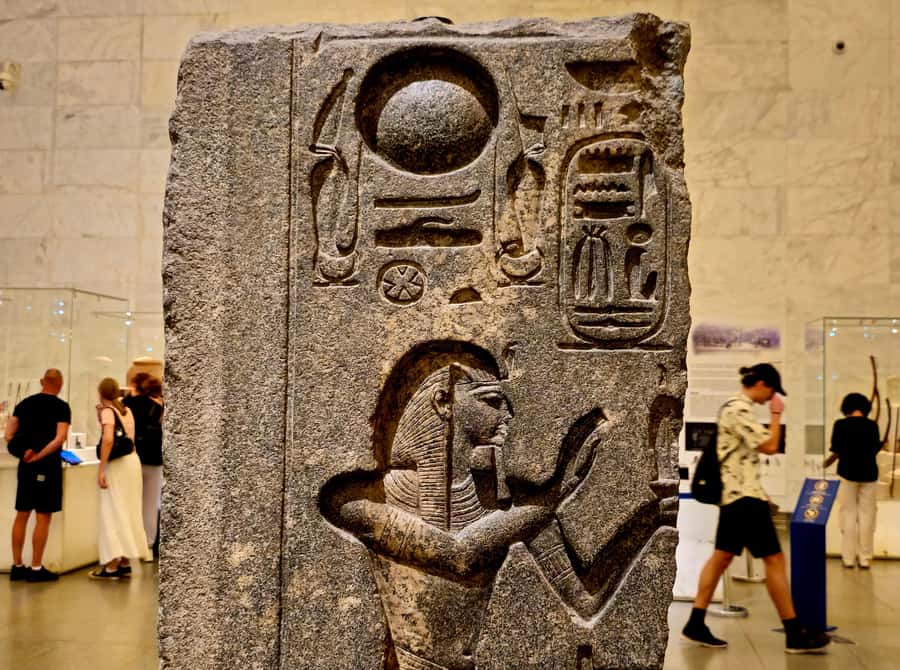
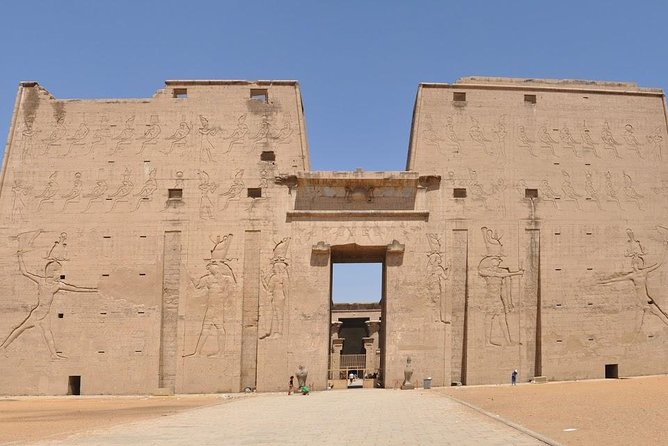
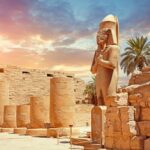
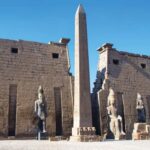
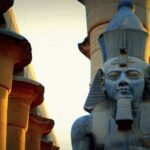
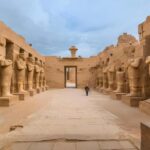
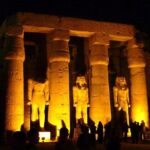
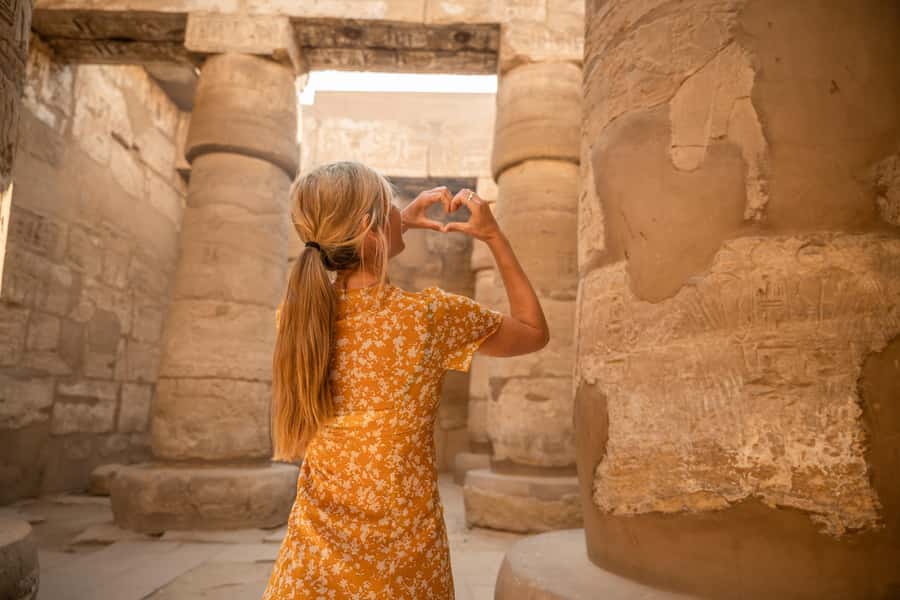
Luxor Temple is the more emotional warm-up. It’s tied to major pharaohs like Amenhotep III and Ramses II, and it’s easy to see why people call Luxor Temple a key religious center. Even if you’re not a “temple person,” this stop usually grabs you because the scale and symmetry are instantly readable, and the guide helps you see what each area was meant to do.
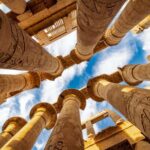
Then comes Karnak, which is what happens when Egypt decides to go big. Karnak isn’t just one temple. It’s a complex where multiple pharaohs added buildings over time, and it includes key precincts for gods such as Amun-Re, Mut, and Montu. The value here is time. In a tight 2-day plan, you want context fast, so the guide can point out the most important sections before your eyes start to blur from all the stone.
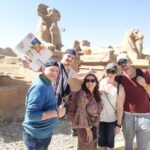
If you’re the kind of person who likes photos, you’ll also appreciate how the guide times viewpoints. Many guide reviews mention photo help, and in temple areas that can mean the difference between awkward group shots and images where everyone actually looks at the camera.
Lunch, downtime, and the hotel you’ll actually use
After the East Bank sites, the driver drops you at your 4-star hotel in Luxor for a rest break. That mid-day pause matters because day one is packed, and day two starts again before most people in Egypt have finished breakfast.
Dinner is set for the evening at a local restaurant, so you’re not hunting for food at sunset. Lunch on both days is included, too, which reduces the usual “what should we eat now?” stress.
One practical note: hotel quality can vary. Some people love their room and staff, while a few mentioned issues like small room sizes, noise from busy streets, or cigarette smell. If you’re sensitive to room comfort, it’s worth packing earplugs and keeping expectations flexible about the exact room layout.
Sunset felucca on the Nile: slow water, good photos
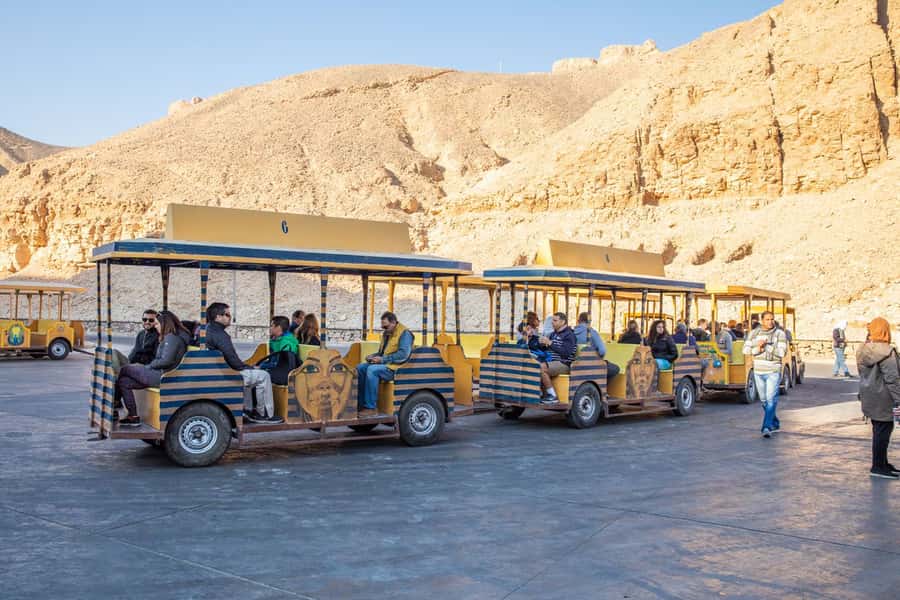
At sunset, the driver picks you up again for a felucca ride on the Nile. This is one of the most relaxing parts of the schedule because the boat pace is different from the usual speedboat feel. It’s also one of the easier “yes, we did something different” moments, because feluccas are the traditional sailing boats you expect in Egypt.
The felucca portion is short, so don’t expect a long entertainment program. A few reviews called it quick, and one person even said they’d skip it if they were choosing again. My take: it’s worth it when you treat it as a photo and atmosphere stop. The goal is the light over the Nile and a calm break between temple days, not a full activity.
If you want better photos, ask your guide or crew when the best angles will be. Sunrise and sunset are where the Nile turns into your background instead of your distraction.
Day two dawn: the sunrise balloon experience
Day two starts with an early pickup. You’ll check out before you go, leaving your luggage as needed for the day, then head to the balloon airport area where the magic begins.
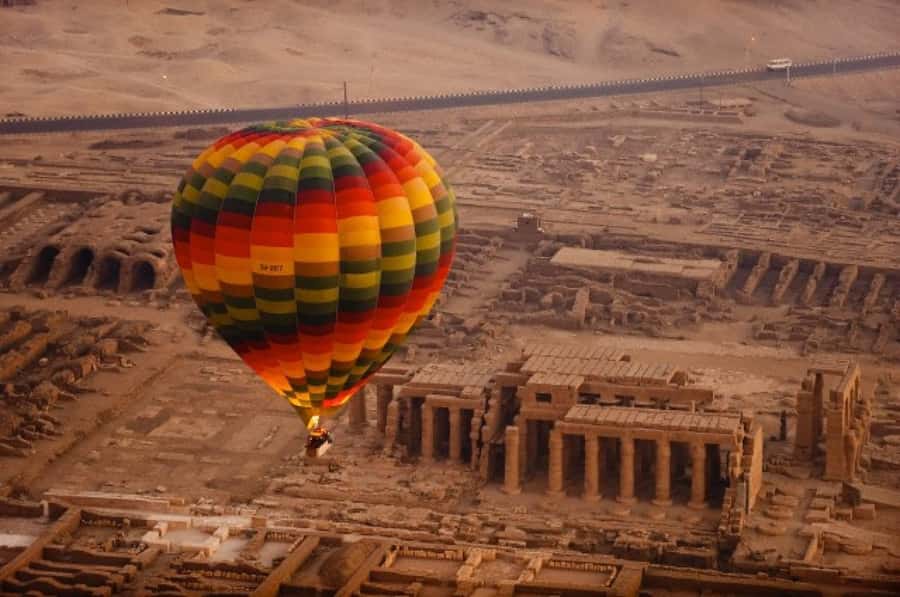
The balloon process is part of the show. You get to watch balloons being filled with hot air and then rising into the sky, and that alone is memorable even before you fly. Once airborne, the views are the whole point: Luxor looks like the world’s largest open-air museum, and you get a special angle on the temple complex from above.
You also fly over the kinds of areas you spent the previous day on the ground, which makes the whole trip feel connected. It’s one thing to walk Karnak. It’s another to see the “why” of its layout from the sky.
A few more Luxor tours and experiences worth a look
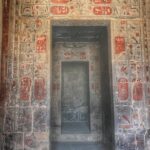
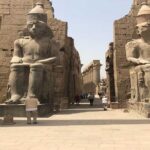
A real-world warning: weather can change things
Here’s the honest part: hot air balloons can be canceled due to weather. Several people reported a cancellation, and it’s not something your tour operator can override. If balloon flight is your main reason for booking, be sure you’re traveling with the ability to handle plan changes without losing your mind.
West Bank power stops: Valley of the Kings, Hatshepsut, Memnon
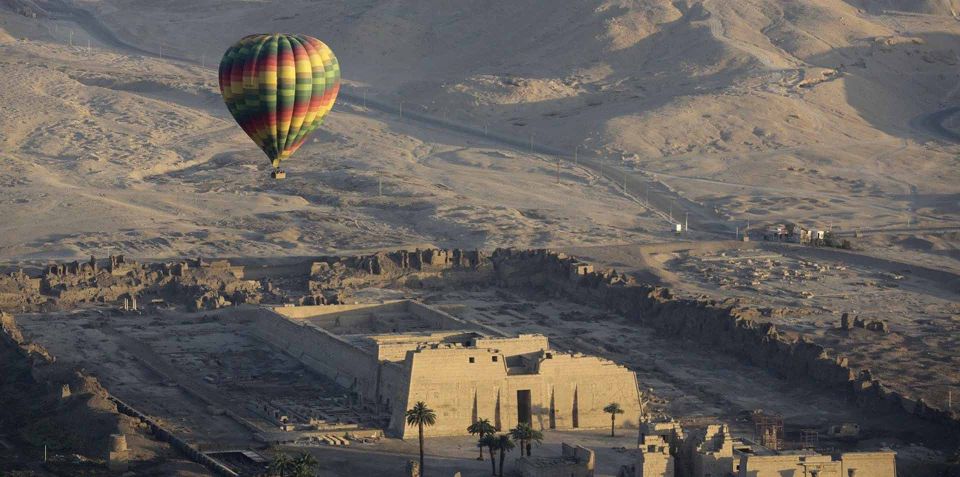
After the balloon, you shift to the West Bank, the area tied to the tombs and mortuary temples—where ancient Egypt sent people to “live” again in stone.
Valley of the Kings: Place of Truth energy
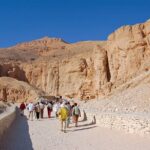
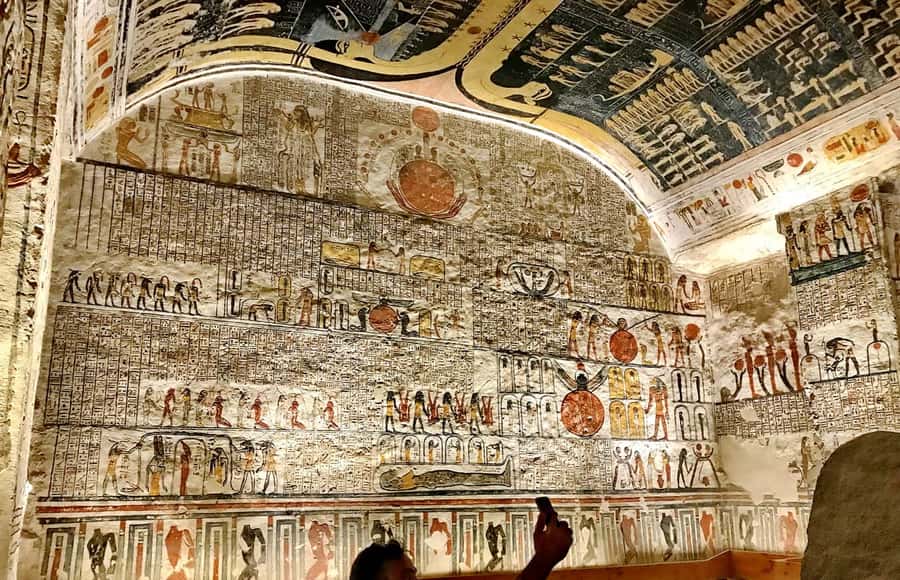
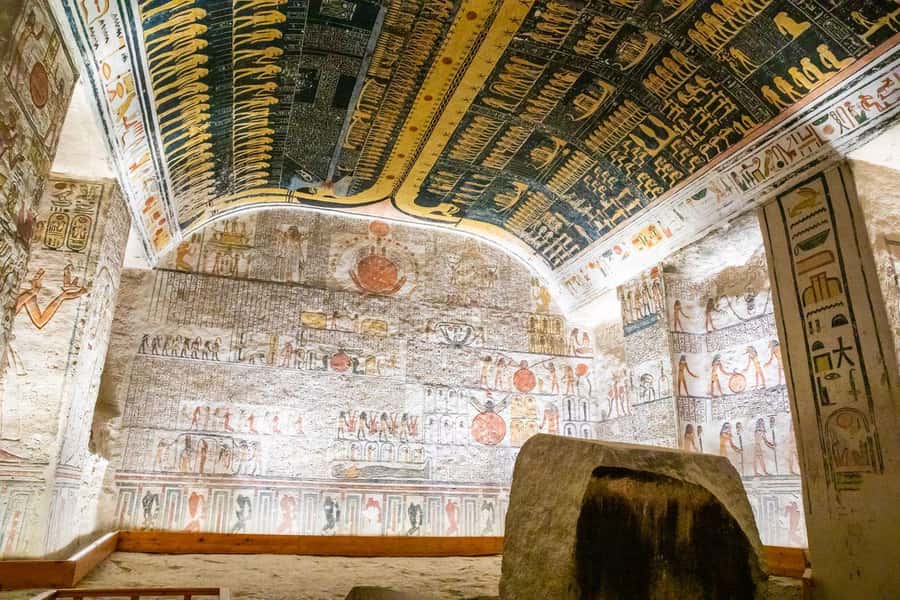
The day begins with the Valley of the Kings, often called the Great Necropolis of Millions of Years of Pharaoh, and also known as the Place of Truth. There are 63 royal tombs, and they aren’t just copies of each other. They vary in design and emphasis, and the guide’s job here is to help you understand what you’re seeing without drowning you in names.
This is also where you’ll appreciate a guide who can pick the right tomb emphasis for your group. A strong guide can help you avoid the trap of trying to see everything and leaving feeling overwhelmed. If you’re short on time, good prioritization is the difference between meaningful and tiring.
Queen Hatshepsut: not just another temple
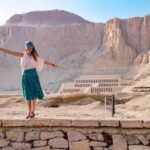
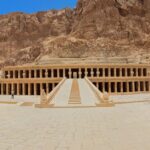
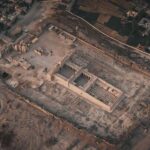
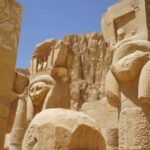
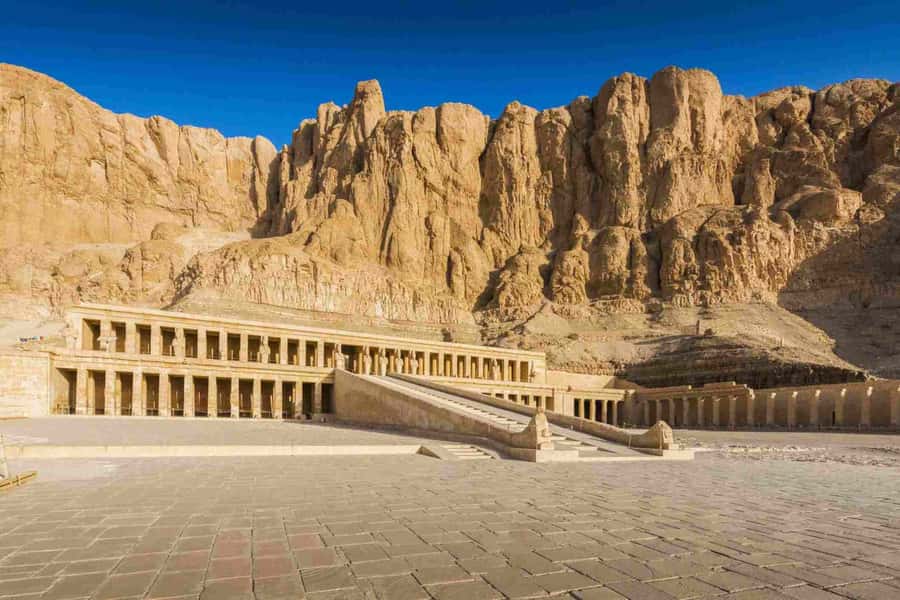
Next is the Mortuary Temple of Queen Hatshepsut. The standout detail is how it mirrors an earlier design inspiration linked to Mentuhotep II, but on a larger scale, built right next to the older temple. That “built next to” relationship is a key story you might miss without a guide.
This stop tends to land well because Hatshepsut’s temple feels both grand and precise. The guide helps translate the symbolism into something you can picture, not just something you can read on a sign.
Colossi of Memnon: the best quick photo stop
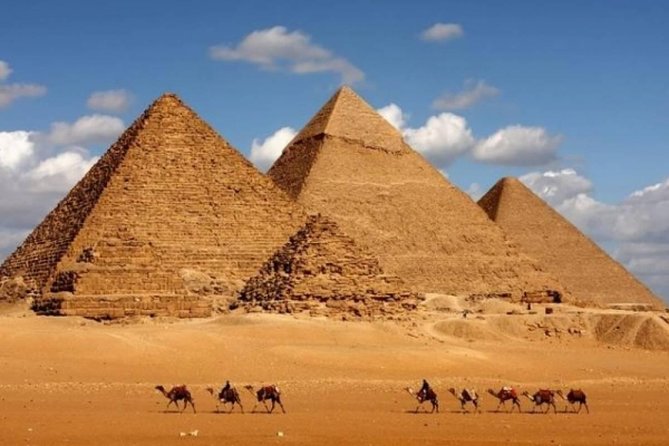
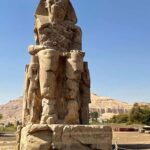
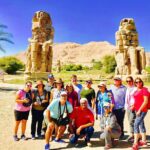
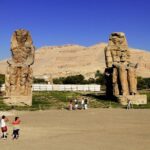
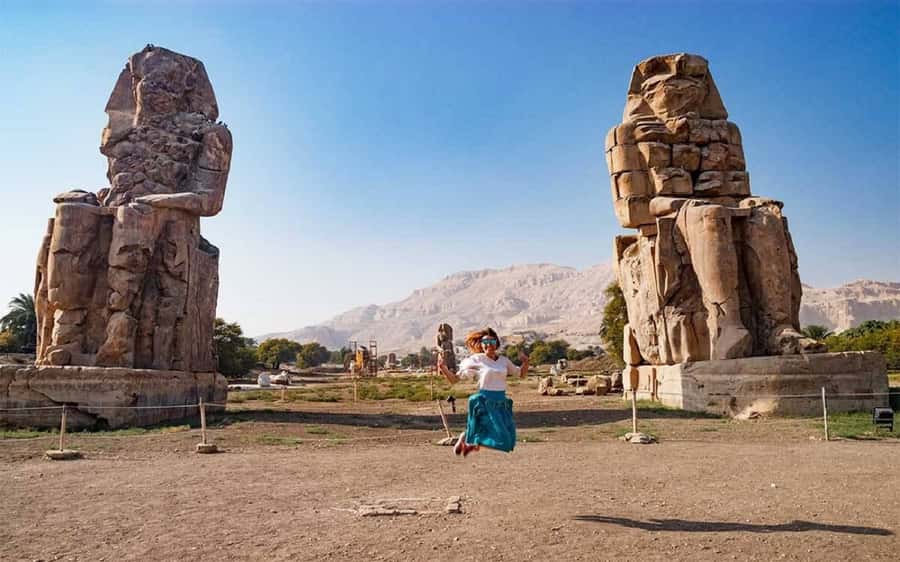
You finish with the Colossi of Memnon—massive statues that you’ll mostly enjoy for pictures and scale. It’s a shorter stop compared with Valley of the Kings and Hatshepsut, but the payoff is the human sense of scale. Standing near them makes the stone feel less abstract.
Camel ride through villages: culture close-up, not a theme park
After the main temple/tomb stops, there’s a camel ride. The description emphasizes passing through villages and seeing how local people live and work the land.
This is the part that can feel most “real,” because you get out of pure monument viewing and see everyday Egypt around the sights. But keep it practical: camel rides are typically not long, and they’re more about movement and perspective than about riding for hours.
If you’re camera-ready, ask your guide about timing. In village areas, light can change fast and you’ll want shots that don’t look like you were just pulled into a pose. Also, use a steady posture and expect the camel to have its own rhythm.
Meals included: what you should expect and what to plan for
Meals are handled on both days: lunch on day one and day two, and dinner on day one, plus breakfast at the Luxor hotel.
Food quality is usually decent, but dining is still dining in Egypt, not a five-star buffet fantasy. One review mentioned lunch with a view as a pleasant surprise, and several praised the overall food provided. I’d treat the included meals as “taken care of,” not as the highlight you should plan your expectations around.
Drinks aren’t included. So plan to buy water and other drinks as you go. Sunscreen and heat make hydration a priority, especially if you’re doing Valley of the Kings in the warmer part of the day.
Guide and driver: why names keep coming up
This tour depends on the human team doing the right things at the right times. The driver role is about safety, punctual pickup, clean vehicle comfort, and sensible stops. People praised drivers like Mahmoud, Nour El-Din, Abu, Hassan, and Abdulla for being on time and helpful, including toilet breaks and smooth driving.
Guides are where the story becomes clear. Multiple reviews highlighted guides such as Hassan, Aladdin, Hamdy, Basem, Roman, Miriam, Manal, Ahmed, Adam, and Mohamed Alazeb. What they seem to have in common is that they explain what you’re looking at, help with photos, and manage the “too many vendors” pressure that can pop up near tourist sights.
If you want shopping, ask your guide how to handle it. One review said Hassan could haggle for good prices and keep things from turning into a stressful situation. On the flip side, a couple people felt certain stops became sales-heavy, so it’s smart to be clear you want to prioritize monuments first.
Price and value: what $270 per person really covers
At $270 per person for a 2-day, from-Hurghada Luxor experience, the value is mostly in what you’re not juggling.
You’re paying for:
- Private pickup and drop-off in a comfortable car
- An included 4-star hotel with breakfast
- Sunrise balloon
- English-speaking guide
- Driver
- Felucca and camel ride
- Lunch both days and dinner on day one
- A plan that’s built to fit Luxor Temple, Karnak, and West Bank highlights without you having to self-organize everything
Entry fees and drinks aren’t included, which is worth planning for. If you don’t already know what those fees will add up to in your travel dates, you should budget extra and you won’t end up surprised at the last moment.
Is it cheap? Not really. Is it good value compared with assembling balloon tickets, car transfers, and a guide on your own? For many people, yes—especially if you value organization and want your time in Luxor to feel “spent,” not “spent searching.”
Where this tour can feel stressful (and how to handle it)
Two things can create friction.
Balloon weather risk: if the balloon is canceled, you’ll still do the Luxor West Bank portion, but the main sunrise highlight changes. If balloon flight is your top priority, travel with backup flexibility.
Schedule pressure and optional shopping stops: the trip is packed into two days. If your guide includes extra craft or workshop stops, it can turn into a sales detour. Your best move is simple: ask early if you can focus time on temples and photos first, and say no to purchases without feeling pressured.
Finally, hotel room quality can be inconsistent. If you’re sensitive to noise or smell, bring a small comfort kit and plan to use your hotel room mostly for sleep, not for hanging out for hours.
Who should book this Luxor 2-day experience
This tour fits best if you want:
- A big Luxor highlights hit in just two days
- The sunrise balloon experience without organizing anything
- Temple context from a human guide, not just signboards
- Comfortable transport from Hurghada with pickup handled for you
- Included meals so you’re not constantly scheduling food
It may not fit you as well if you hate early mornings, dislike tightly timed days, or can’t handle the idea that a balloon can be canceled by weather.
Should you book it?
I think this is a strong choice for most first-time Luxor visits from Hurghada, mainly because the balloon plus East and West Bank temples are hard to assemble cleanly on your own. If you want your time to feel efficient, and you like having someone handle logistics so you can focus on the monuments and photos, it’s a very workable plan.
Book it if you’re okay with early wake-ups and you’re prepared for a weather-dependent balloon. Skip or consider alternatives if sunrise balloon is non-negotiable and you’d be upset by a possible cancellation.
If you do book, I’d do one thing: tell your guide what you care about most—balloon photos, Valley of the Kings tomb priorities, or specific temple focus. In Luxor, that kind of direction usually makes the experience feel personal, not generic.
FAQ
Where do I get picked up?
You’re picked up from your accommodation in Hurghada at 5:00 am on day one, and you’re dropped back at your Hurghada accommodation at the end of the tour.
Is the balloon ride included?
Yes. The tour includes a sunrise hot air balloon ride, and you’ll go to the balloon airport area early in the morning on day two.
What’s included besides the balloon?
You’ll also get Luxor Temple and Karnak, an Egyptian lunch on both days, a felucca ride at sunset, Valley of the Kings, Hatshepsut Temple, Colossi of Memnon, and a camel ride. Dinner on day one is included too.
Are entry fees included?
No. Entry fees are not included.
What about drinks?
Drinks are not included.
Are there age limits for the balloon?
Yes. Children under 6 years can’t join the balloon flight due to civil aviation rules.
What languages are available for the guide?
The guide is available in English, French, German, Spanish, and Arabic. If you need Spanish, German, or French, there may be an additional cost.