REVIEW · LUXOR
Luxor: Medinet Habu, Deir el-Medina & Valley of Queens Tour
Book on GetYourGuide →Operated by Sun Pyramids Tours · Bookable on GetYourGuide
Three sites. One smart morning plan.
This private Luxor West Bank tour makes ancient Egypt feel doable in just 3 hours, with air-conditioned transport and a guide who keeps everything clear as you move site to site. I particularly like the Medinet Habu stop and its massive Mortuary Temple of Ramesses III, plus the value of having entrance fees included. One thing to keep in mind: a key tomb in the Valley of the Queens can be closed sometimes, and your guide may need to adjust what you see on the day.
You’ll start with convenient pickup from your hotel or Nile cruise, then work your way through three of the most meaningful West Bank locations. The route is tight, but it’s not rushed in a stressful way, thanks to planned guided time plus free time for photos and your own wandering.
In This Review
- Key Highlights You’ll Care About
- How the Pickup, AC Ride, and Timing Really Work
- Medinet Habu: Ramesses III’s Mortuary Temple and the Sense of Scale
- Deir el-Medina: The Workers’ Village Behind the Tombs
- Valley of the Queens and Ta-Set-Neferu: Queens, Royal Children, and Royal Power
- A real-world consideration: closures happen
- Private Guide Quality: The Difference Between Knowing and Understanding
- Price and Value: What $85 Gets You (and What It Doesn’t)
- What the Itinerary Feels Like in Real Life
- Who This Tour Is Best For
- Should You Book This Luxor West Bank Tour?
- FAQ
- How long is the Luxor West Bank tour?
- Where does the tour start and end?
- Is air-conditioned transport included?
- Are entrance fees included?
- What sites are visited during the tour?
- What language options are available for the live tour guide?
- Is the tour wheelchair accessible?
- Is tipping included in the price?
- Is there any extra cost for certain pickup locations?
Key Highlights You’ll Care About
- Medinet Habu’s Mortuary Temple of Ramesses III: A long temple reach, traditional layout, big visual impact.
- Deir el-Medina’s Workers’ Village: Evidence of the people behind the tombs, not just the tomb walls.
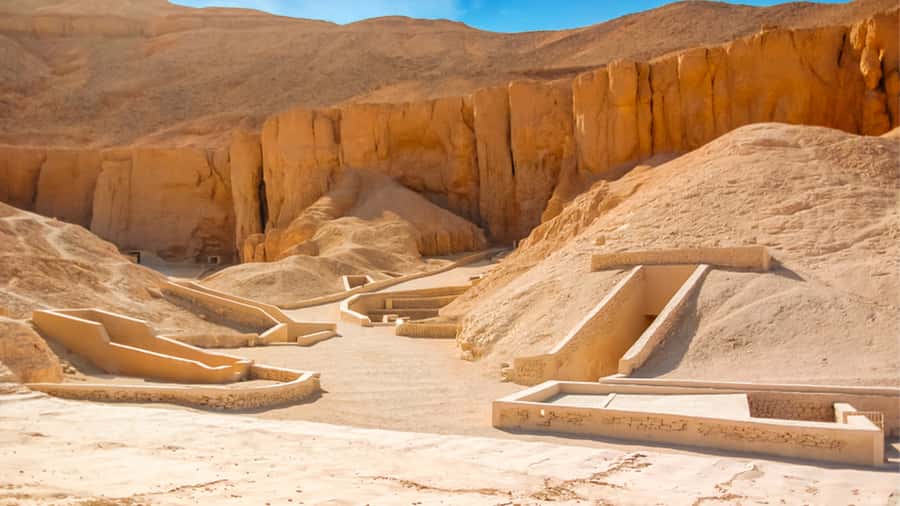
- Valley of the Queens (Ta-Set-Neferu): Queens and royal family burials from the 18th to 20th dynasties.
- 1-hour free time at each main site: Space to breathe, take photos, and compare what your guide said.
- Air-conditioned private transport: A real comfort upgrade in Luxor’s heat.
- Guides speaking multiple languages: Japanese, French, German, Spanish, English, and Arabic.
How the Pickup, AC Ride, and Timing Really Work
This is a private tour built for convenience. You get pickup in Luxor (hotel or Nile cruise) and return to the same area afterward. Transport is air-conditioned, and you’re not sharing the ride with a big crowd, which matters on the West Bank where traffic and waiting can eat up your energy.
The overall duration is listed as 3 hours, and the day’s structure is simple: you move to each site, get guided time, then you have a block of free time at two of the stops (each listed as 1 hour) plus photo stops. That rhythm is useful. A guided pass helps you understand what you’re looking at, and the free time helps you actually enjoy it instead of racing through photos like you’re late for a train.
One practical note: if you want pickup from Luxor airport or from the West Bank, there’s an extra cost added to the current price. It’s not a hidden fee, but it can change the final number, so I’d confirm it early.
You can also read our reviews of more tours and experiences in Luxor.

Medinet Habu: Ramesses III’s Mortuary Temple and the Sense of Scale
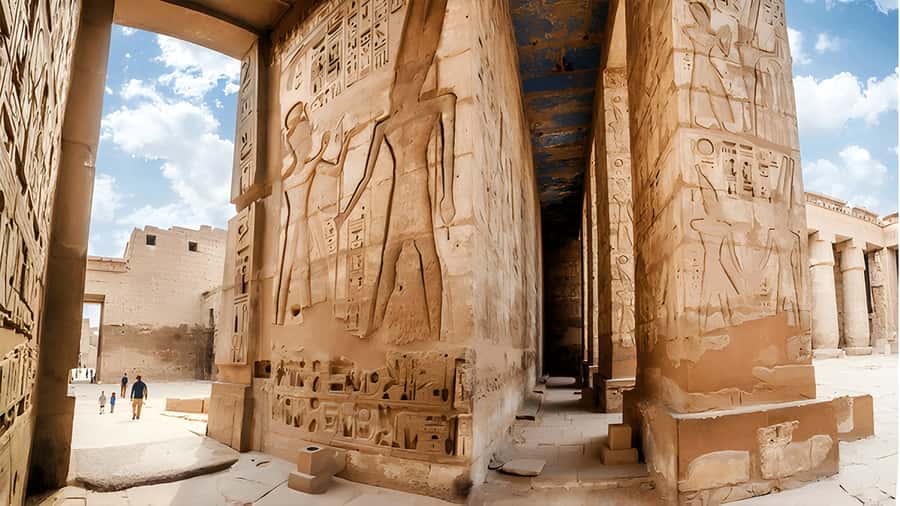
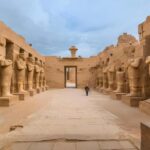
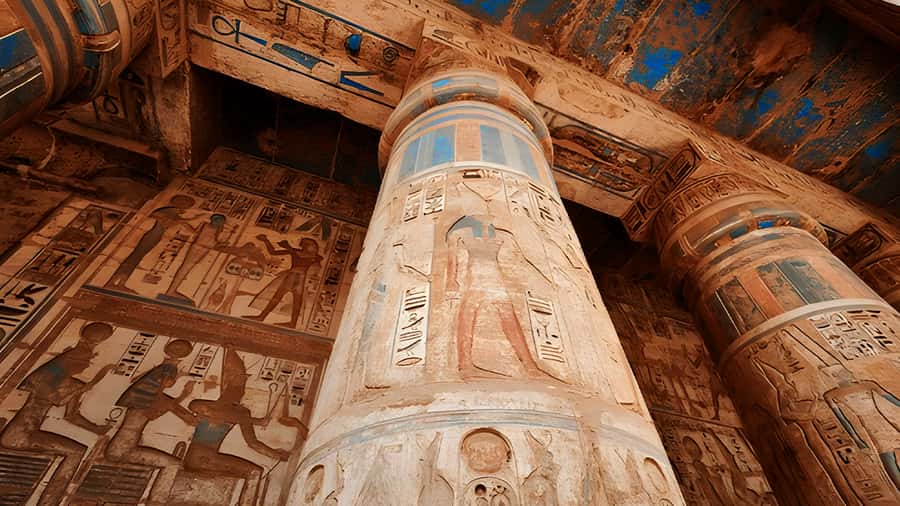
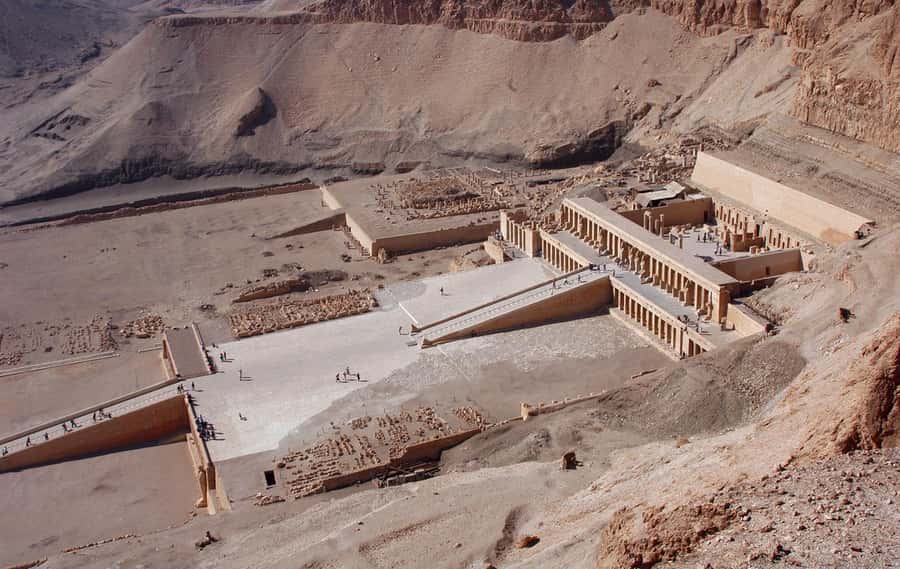
Medinet Habu is one of those places where you instantly feel the weight of time the moment you step in. This stop focuses on the Mortuary Temple of Ramesses III, which stretches about 150 meters. That length is not just trivia. When you walk it, you get a better sense of how Egyptian royal building projects were designed for long-term symbolic presence, not quick viewing.
The temple is described as a traditional architectural style with a resemblance to the Ramesseum. Even if you’ve seen other big temple sites in Luxor, Medinet Habu has a different mood. It feels like you’re reading a visual story at walking speed: corridors, chambers, and decorative elements that guide your eye along the layout.
What makes this a smart choice inside a short tour is that Medinet Habu gives you both:
- a major royal name (Ramesses III) tied to one landmark
- and architectural cues that help you understand why temple design mattered
If you’re the kind of traveler who likes your photos to look purposeful, you’ll also appreciate the temple’s straightforward scale. You can stand back and catch broad views, then move closer to see details your guide points out.
Deir el-Medina: The Workers’ Village Behind the Tombs
After Medinet Habu, the tour shifts from royal monument power to human craftsmanship. Deir el-Medina is also known as the Valley of the Workers, and it’s the home base where artisans who built tombs in the Valley of the Kings once lived.
This stop is valuable because it adds a missing character to your day. Instead of only focusing on pharaohs and queens, you’re reminded that the tombs were made by people with daily routines, skills, and a community built around one enormous job. That perspective tends to make the later tomb visits hit harder.
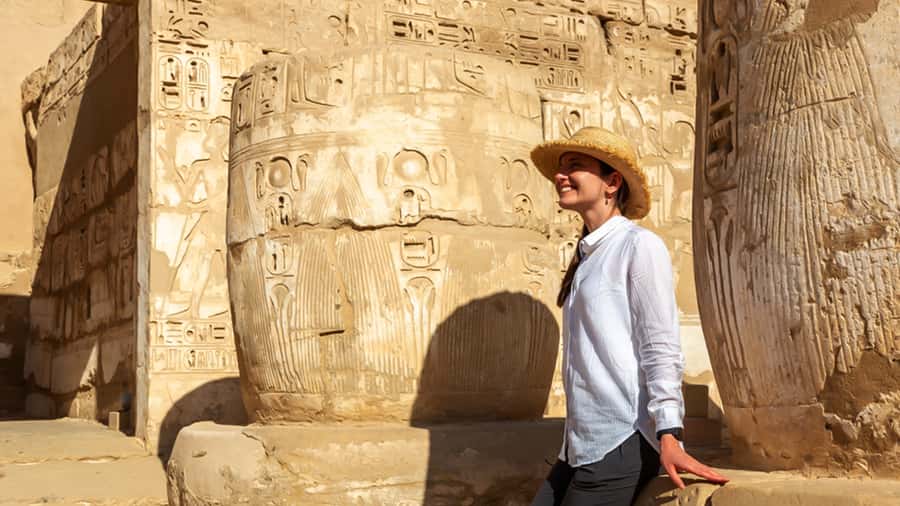
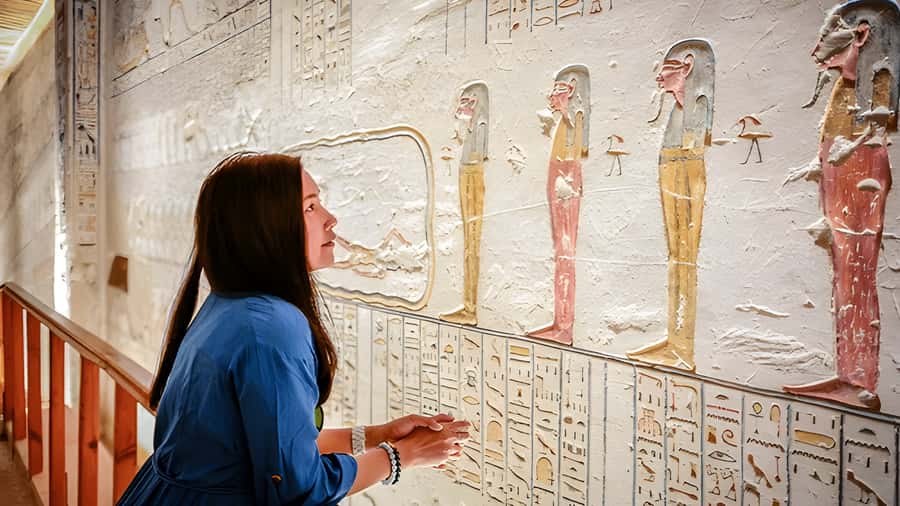
One highlight here is that the site includes ancient frescoes that are notably well-preserved. Frescoes can be fragile at many sites, so their survival changes the experience. You’re not just seeing stone shapes. You can also connect with painting as a way of communicating status, work, and belief.
There’s also a “workshop feel” to Deir el-Medina. You’ll often get more from it if you slow down during free time. Take a few minutes to look at how surfaces are positioned, how the space supports the story, and how the art connects to the setting.
Valley of the Queens and Ta-Set-Neferu: Queens, Royal Children, and Royal Power
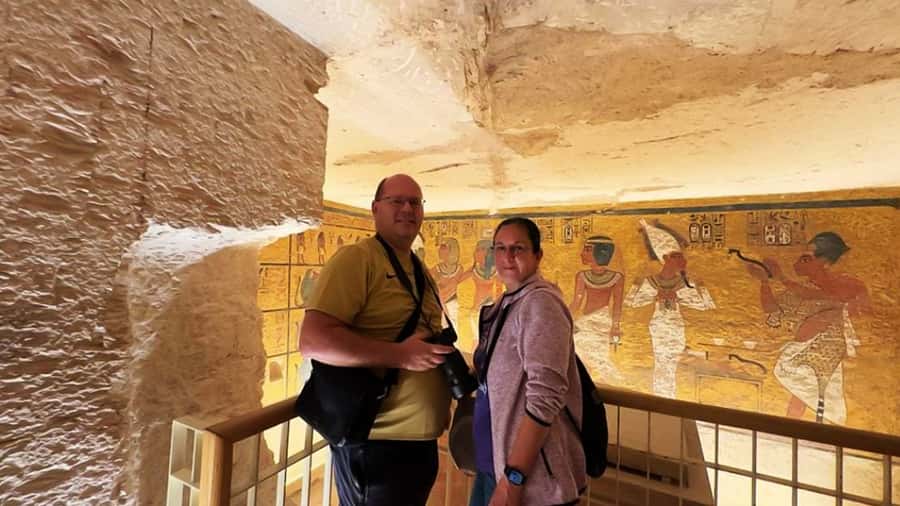
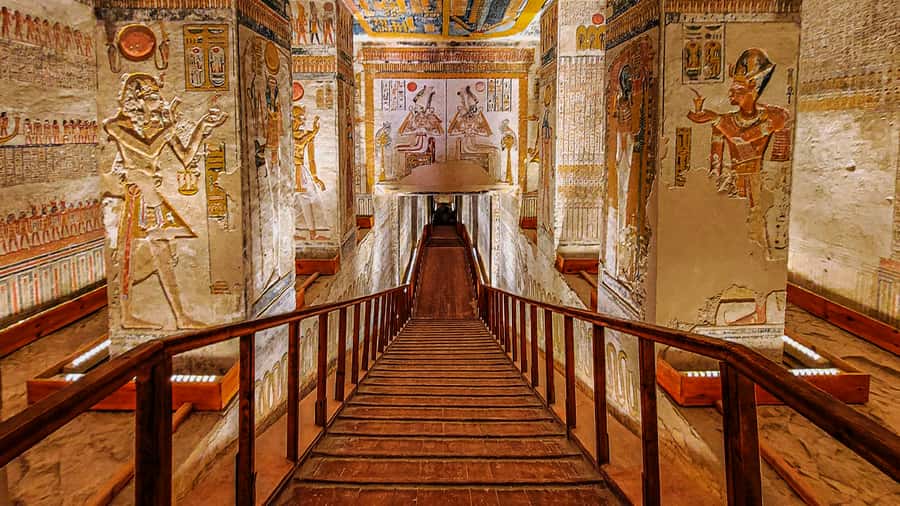
The tour ends (and starts, in the listed order) with the Valley of the Queens, known in ancient times as Ta-Set-Neferu, the Place of Pharaoh’s Children. That name matters because it frames the valley as more than “tombs for wives.” It’s also about royal family members—especially queens and children—across the 18th to 20th dynasties.
You’ll get a guided tour here plus free time (listed as 1 hour). That free time is important for this valley because tomb spaces can vary in how much you can actually see, depending on what’s open and accessible that day. It’s also where your photos improve: the best shots often come when you have a little quiet time to choose your angles and compare what you saw with what’s in your guide’s explanation.
A real-world consideration: closures happen
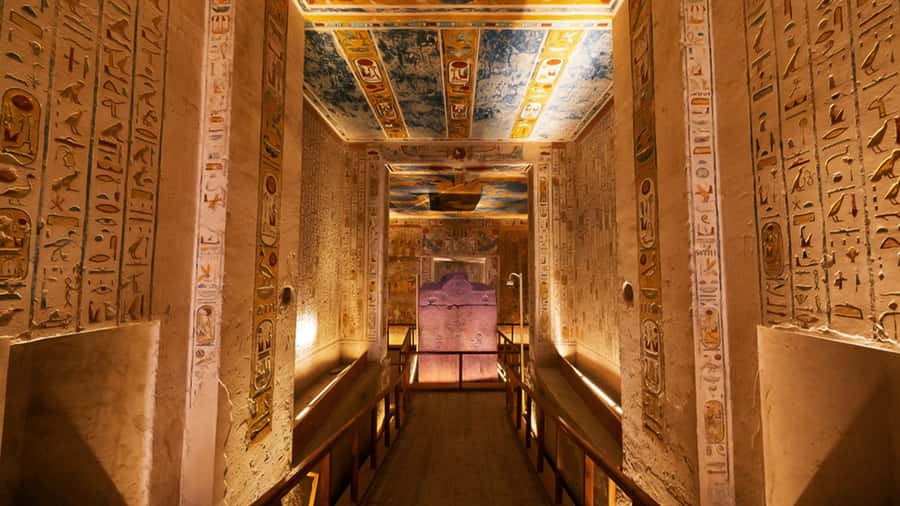
One caution worth taking seriously is that a major tomb in the Valley of the Queens—Nefertari’s tomb—can be closed on occasion. When that happened on a tour day, the guide shared the situation during pickup and offered other options rather than forcing a visit that couldn’t happen. So if this is a top priority for you, I’d treat it as a must-ask question before you go. You want to know what your plan is if the most famous tomb isn’t available.
Private Guide Quality: The Difference Between Knowing and Understanding
The biggest upgrade in this tour is the guide. The reviews you provided highlight a pattern: guides who explain with clarity and adapt to what you care about. Names that came up include Abdul/Abod (an Egyptology expert in one account), Mustafa (called an outstanding guide), and Mahmoud (mentioned both as a kind host and as a reliable driver in another account).
Here’s why that matters beyond personality. At West Bank sites, it’s easy to feel overwhelmed—there’s a lot of stone, a lot of symbols, and not enough time to sort it all out alone. A good guide helps you turn what you see into something you can remember: which monument element is important, what role the valley served, and how worker life connects to royal construction.
Also, transport reliability and driver comfort matter more than people think. One review specifically praised the driver for being highly reliable and safe, which is a big deal when you’re spending your limited time on the West Bank.
Price and Value: What $85 Gets You (and What It Doesn’t)
At $85 per person for 3 hours, this is priced like a mid-range private option—but the inclusions make a difference. Your tour includes:
- hotel pickup and drop-off (or Nile cruise pickup)
- private guide
- air-conditioned transfers
- entrance fees included
- complimentary bottled water
- all taxes and service charges included
So you’re not paying separate site tickets on top. That’s usually where tours start to creep in cost.
What’s not included is also straightforward:
- any additional expenses not in the itinerary
- tipping
If you want a simple value check, ask yourself this: would you pay entrance fees plus a guide plus comfortable private transport if you booked separately? For many people, this package approach is the easier route.
And don’t forget the earlier note: pickup from Luxor airport or from the West Bank adds an extra cost to the base price.
What the Itinerary Feels Like in Real Life
The itinerary is built around three main sites with guided touring and time for photos and exploring. Here’s the practical flow:
1) Valley of the Queens
You start with photo stop, guided tour, and free time (listed at 1 hour). Starting here makes sense because tomb availability can affect what you’ll see later, and it gives you space to adjust if something is closed.
2) Deir el-Medina
Again, photo stop, guided tour, and free time (listed at 1 hour). This is the “human side” stop, where your understanding often improves quickly because the frescoes and the site story connect back to how the tombs were built.
3) Return to Luxor
After the final guided elements and your time on site, you’re transferred back to your hotel or Nile cruise.
If you’re someone who likes to take breaks, the planned free time is one of the best parts of the structure. If you’re someone who prefers only guided content and hates downtime, you might feel that free time is a bit generous. Either way, it’s there to help you control the pace.
Who This Tour Is Best For
This is a great match if you want:
- a private guide to explain what you’re seeing
- a short, focused West Bank route that hits Medinet Habu, Deir el-Medina, and the Valley of the Queens
- air-conditioned comfort without trying to coordinate multiple transport pieces yourself
It may be less ideal if:
- you’re traveling with extremely tight timing and want something longer or more flexible than 3 hours
- your entire trip hinges on one specific tomb being open in the Valley of the Queens (given occasional closures)
For first-time Luxor visitors, it’s a strong overview day. For return visitors, it’s still worth it because Deir el-Medina adds a different angle that many day plans skip.
Should You Book This Luxor West Bank Tour?
I think you should book it if you want an efficient private route with a guide who can make the sites feel understandable, not just impressive. The value is strong because entrance fees, private guiding, and air-conditioned transport are included, and the planned free time helps you enjoy the monuments instead of simply checking boxes.
The main reason to pause is the Valley of the Queens tomb access risk. If Nefertari’s tomb is a make-or-break priority, confirm what you can realistically see and ask your guide how closures are handled. If you go in with that awareness, you’ll likely come away with a day that feels both memorable and practical.
FAQ
How long is the Luxor West Bank tour?
The tour duration is listed as 3 hours.
Where does the tour start and end?
You’re picked up in Luxor (hotel or Nile cruise) and transferred back to your hotel or Nile cruise after the tour.
Is air-conditioned transport included?
Yes. Air-conditioned transfers are included throughout the tour.
Are entrance fees included?
Yes. Entrance fees are included.
What sites are visited during the tour?
The tour includes Medinet Habu, Deir el-Medina, and the Valley of the Queens.
What language options are available for the live tour guide?
Live guides are available in Japanese, French, German, Spanish, English, Arabic.
Is the tour wheelchair accessible?
Yes, the activity is wheelchair accessible.
Is tipping included in the price?
No. Tipping is not included.
Is there any extra cost for certain pickup locations?
Yes. If pickup is from Luxor airport or the West Bank, an extra cost is added to the current price.