REVIEW · LUXOR
From Hurghada: Day Trip to visit Luxor and Valley of the Kings
Book on Viator →Operated by Bob Marley Tours & Operator Egypt · Bookable on Viator
Luxor in one day sounds intense. This day trip strings together Karnak and the Valley of the Kings with major West Bank stops like Hatshepsut and the Colossi of Memnon, all after an early hotel pickup from Hurghada.
I really like two things here: the small group size (up to 15 people) and how admissions are included for the key sites you came to see. It cuts down on hassle so you spend more time looking at temples and less time sorting tickets.
One thing to keep in mind is the pace. With a 6:00 am start, it’s a long day, and the tour’s itinerary blocks are tight, so plan for a lot of walking and standing.
In This Review
- Key highlights worth knowing
- How a 6am Luxor Day Trip Works from Hurghada
- Price and what $69.34 really buys you
- Temple of Karnak: The kind of scale that makes you slow down
- Temple of Hatshepsut: Why this stop feels different
- Valley of the Kings: Tombs, timing, and respect
- Colossi of Memnon: The photo stop that can feel surprisingly moving
- Guides, language, and why Ziggy and Mustapha show up in the story
- Transport comfort: air-conditioned bus plus tight scheduling
- Food and breaks: what to plan for during a full-day run
- What you actually see across Luxor’s East and West banks
- Who this tour suits best
- Should you book this Hurghada to Luxor day trip?
- FAQ
- What is the start time for this tour?
- Is hotel pickup included?
- What sites are included in the day trip?
- Are admission tickets included?
- How many people are in the group?
- Is free cancellation available?
- Are service animals allowed?
Key highlights worth knowing
- Hotel pickup from Hurghada: starts early and keeps the logistics simple.
- Admissions included for major sights: Karnak, Hatshepsut, Valley of the Kings, and Colossi of Memnon.
- Small group (max 15): easier questions, better crowd control at stops.
- Multiple Luxor zones in one run: East Bank temple focus plus famous West Bank highlights.
- Friendly, professional guides (often English or French): you’ll get more out of what you see.
How a 6am Luxor Day Trip Works from Hurghada
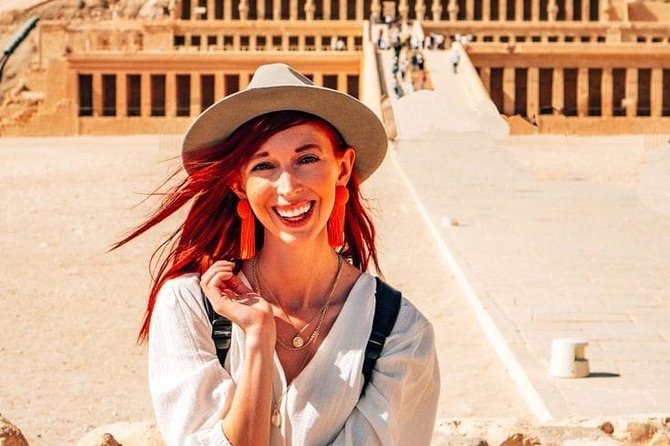
This is built as a full-day outing with an early start. The start time is 6:00 am, and you’ll meet at Luxor for ticket redemption, which means the day is organized around arriving in Luxor early enough to make the most of the morning.
What I like about this setup is that you’re not stuck “figuring it out.” From Hurghada, pickup is offered, and the schedule is arranged to hit the big hitters in a practical order. That matters in Luxor, where a solo plan can turn into a lot of time spent on transport and waiting.
Group size is capped at 15, which makes a difference. In smaller groups, you usually get quicker roll calls, less time drifting around, and more chances to ask your guide what you’re looking at. If you like explanations you can actually follow, this format tends to work well.
A few more Luxor tours and experiences worth a look
Price and what $69.34 really buys you
At $69.34 per person, the value comes from the mix of included access and structured guiding. You’re not just paying for a bus ride. You’re paying for transport plus included admission for several of Luxor’s most famous stops.
Here’s the clear benefit: Temple of Karnak admission is included, Temple of Hatshepsut admission is included, Valley of the Kings admission is included, and Colossi of Memnon admission is included. When admissions are handled for you, it reduces stress on a day that already starts early and moves quickly.
Also, the group limit matters for cost-to-experience. Big-group tours can feel like a conveyor belt. Smaller groups at a reasonable price tend to feel more human, and your guide can spend real time on context instead of just rushing through a checklist.
Temple of Karnak: The kind of scale that makes you slow down
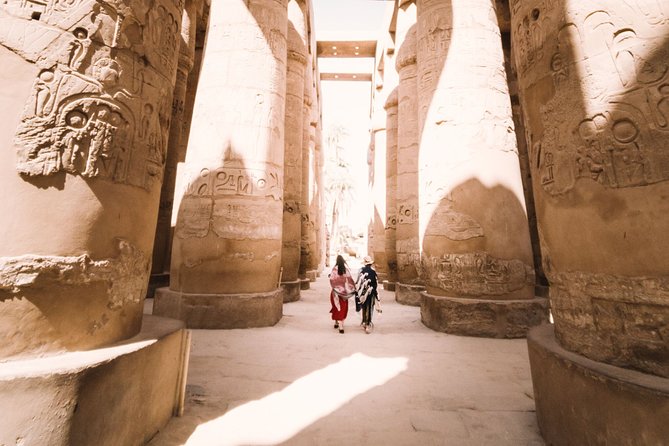
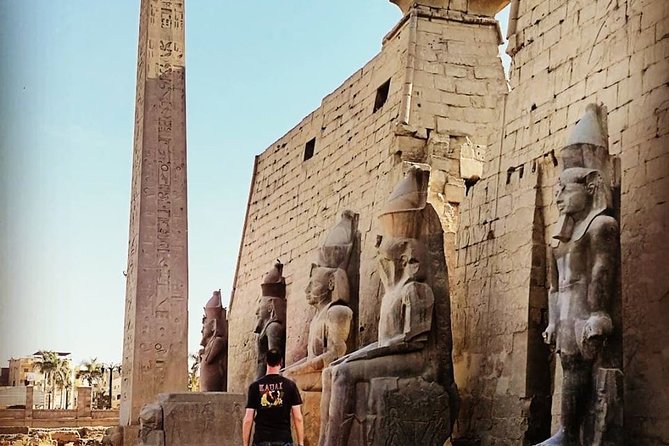
Karnak is the first major stop, and it’s a smart choice. Even if you’ve seen temple photos before, Karnak has that effect where the details don’t land all at once. The scale is the point, and it’s easier to absorb when your day starts here rather than at the end.
Since Karnak admission is included, you can walk in without pausing to sort tickets or fees. That’s practical, and it also helps your timing. You’ll likely spend most of your visit moving through areas that feel like separate spaces within one huge complex, so wear shoes you can walk in for a while.
A practical tip: look for the big visual rhythms—doorways, columns, and repeated carvings. When you do that, your guide’s explanations will click faster, and you’ll feel like you’re making sense of what you’re seeing instead of just taking in “a lot of stone.”
Temple of Hatshepsut: Why this stop feels different
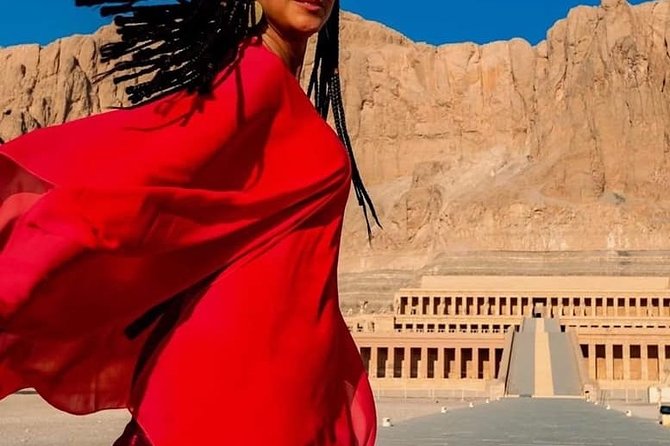
Next is the Temple of Hatshepsut, also with admission included. Compared with Karnak’s monumental sprawl, Hatshepsut often feels more focused. It’s the kind of place where you can slow your pace and notice how the temple sits in its setting.
This stop is especially valuable because Hatshepsut is one of those names that tends to get repeated in school textbooks, but on-site it becomes real. You can connect the person to the space more easily when you’re standing there, looking at the temple’s layout and scale.
Because the tour includes guided time at the temple, you’re not left just reading signs at random. One of the consistent themes from the people who booked this kind of trip is that the guide’s explanations were friendly and professional, and that English-speaking guides (and sometimes French guides) helped make the story understandable.
Valley of the Kings: Tombs, timing, and respect

The Valley of the Kings is the “must-see” stop for many people. It’s included with admission on this day trip, which is exactly what you want for a bucket-list site. You don’t want to spend your limited time bargaining with logistics.
What to expect is a lot of moving between viewpoints and entrances. Even with a guide, you’ll be doing your share of walking and standing still for instructions and regrouping. Come prepared for that rhythm, especially if you’re traveling with anyone who gets tired easily.
This is also the place where behavior matters. Temples and tomb areas are old and delicate, and the right approach is simple: listen for your guide’s reminders, keep your voice down, and don’t rush through the most meaningful sections. When you move at a respectful pace, the valley feels less like a photo stop and more like a place where you can actually sense what mattered to the people who built it.


Colossi of Memnon: The photo stop that can feel surprisingly moving
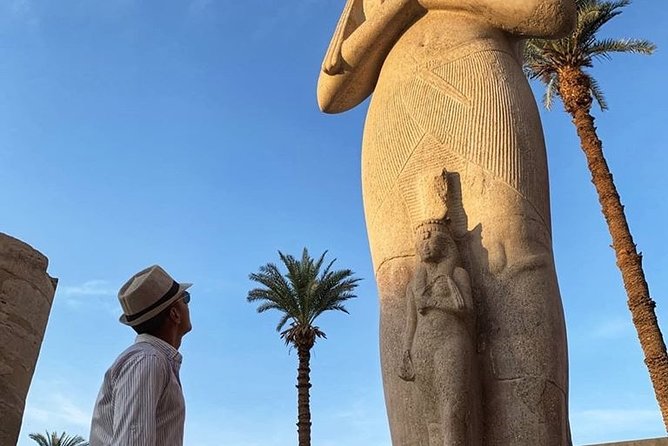
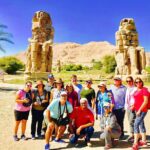
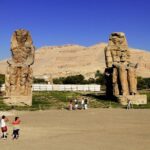
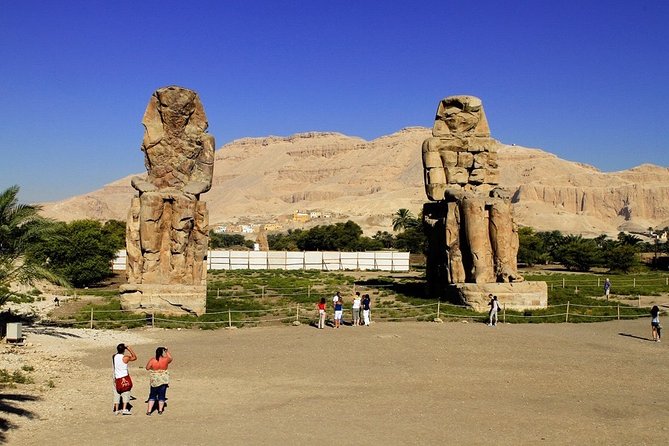
Finally, you’ll see the Colossi of Memnon, again with admission included. These statues have a reputation, but they’re still impressive in person because they’re so large that your brain keeps trying to calibrate them.
A good guide helps here by putting the statues into the broader Luxor story—how the monuments link to royal power, temple worship, and the idea of legacy. The Colossi can be a quick stop on paper, but when you’re not rushing, they become a strong closing moment.
One practical thought: if you’re planning photos, give yourself a minute or two to step back. Up close, the details grab you. From farther away, the full scale hits harder.
Guides, language, and why Ziggy and Mustapha show up in the story
This tour is run by Bob Marley Tours & Operator Egypt, and the human side shows up in the feedback. People repeatedly mention friendly staff, and names pop up like Ziggy (for organizing) and Mustapha (for hotel pickup in Hurghada).
That matters because a day trip like this lives or dies on interpretation. When the guide is professional and explains clearly, you walk away thinking, not just snapping photos. Some groups also report French-speaking guidance, and even when English is the main language, the tone is often helpful and easy to follow.
If you care about making the day feel meaningful, ask your guide one question early. Examples: What connects these sites across Luxor? What should I notice first at each stop? A small question at the start can make the rest of the day feel clearer.
Transport comfort: air-conditioned bus plus tight scheduling
Transport is part of the value here, and comfort affects your energy for sightseeing. Many people mention an air-conditioned bus on this route, which is a real plus on a long day.
Still, keep your expectations realistic. This is a “hit the highlights” plan. You’ll be moving between stops, regrouping, and keeping an eye on time. If you get motion-sick, bring whatever helps you normally. If you run cold, bring a layer; buses can swing from warm to chilly depending on how they’re set.
Also, with a max of 15 people, you may get more personal attention than on mega-buses. That doesn’t mean the schedule is slow, though. It just means you’re more likely to get clear directions and faster help if something goes off plan.
Food and breaks: what to plan for during a full-day run
Meals aren’t clearly listed in the tour summary, but some bookings show up as more than just sightseeing. One guest mentioned a package that included three meals from lunch to dinner, with restaurant choices that met expectations.
So here’s the practical way to handle it: don’t count on a specific meal plan unless it’s stated in your booking details. If your itinerary includes lunch time, use it. If it’s more snack-and-water, pack accordingly.
Either way, plan for short breaks. A day starting at 6:00 am can feel like it steals your appetite and your energy at odd times. If you like to snack while you’re waiting, a small snack can help you stay comfortable between stops.
What you actually see across Luxor’s East and West banks
This day trip focuses on key landmarks that represent Luxor’s two sides. Karnak is the East Bank anchor in most Luxor planning, while Hatshepsut, the Valley of the Kings, and the Colossi push you toward the West Bank story.
That layout is useful because it keeps the day coherent. You’re not bouncing around randomly. You’re following how Luxor’s temples and royal sites relate to each other geographically and conceptually.
One more point: because the day is structured, you’ll likely spend less time getting lost. You’ll have a clearer “map in your head” as you go, especially if you lean on your guide for explanations at each stop.
Who this tour suits best
This works well if you want a serious Luxor day without building a complicated plan yourself. It’s also a good match if you prefer a guided route through multiple sites rather than picking one temple and calling it a day.
The tour is described as something most people can participate in, and service animals are allowed. If you have mobility concerns, this matters because you’ll be doing a lot of walking on ancient sites that don’t care about modern comfort.
If you’re someone who loves big monuments, the day will feel satisfying. If you’re more interested in quiet, slow museum-style time, you may find the pace a bit fast. This isn’t a “lingering all day” style outing. It’s a “see the highlights and learn why they matter” style outing.
Should you book this Hurghada to Luxor day trip?
If you want an efficient, guided route that brings you to Karnak, Hatshepsut, Valley of the Kings, and Colossi of Memnon, this is a strong option at $69.34 because major admissions are included and the group is kept small.
I’d especially book it if you hate ticket-wrangling and want a guide who can explain what you’re seeing. Early start with a comfortable bus setup is a big deal for making a one-day plan feel like it’s actually worth the effort.
Skip it only if you’re sensitive to long days and lots of walking. This trip is built to pack in the big moments, and that means you should expect a brisk rhythm from stop to stop.
FAQ
What is the start time for this tour?
The tour starts at 6:00 am.
Is hotel pickup included?
Pickup is offered, so you can usually be collected from your Hurghada hotel.
What sites are included in the day trip?
You’ll visit Temple of Karnak, Temple of Hatshepsut, Valley of the Kings, and Colossi of Memnon.
Are admission tickets included?
Yes. Admission is included for Temple of Karnak, Temple of Hatshepsut, Valley of the Kings, and Colossi of Memnon.
How many people are in the group?
The tour has a maximum size of 15 travelers.
Is free cancellation available?
Yes. You can cancel for a full refund up to 24 hours before the experience start time.
Are service animals allowed?
Yes. Service animals are allowed on this tour.