REVIEW · LUXOR
Luxor: 3-Day Nile Cruise to Aswan with Hot Air Balloon
Book on GetYourGuide →Operated by Nice Tours · Bookable on GetYourGuide
A hot-air balloon turns Luxor into something unreal. This 3-day Nile cruise from Luxor to Aswan stacks the must-see temples with an early morning flight overhead, plus a guided West Bank day that hits the big names like the Valley of the Kings and Karnak. I like how the itinerary moves you through Egypt’s best-known religious sites without feeling random, and I also like that you get an expert Egyptologist rather than a hurried scroll through photos. One thing to watch: the cruise is marketed as 5-star, but cabin condition and ship age can vary, and some travelers have reported a more worn-in feel on board.
If you want the cleanest experience, think of this trip as two layers: first, the ancient sites (tight, guided, and schedule-led), then the boat time (food and sailing between stops). When the logistics line up and the guide keeps you on track, it’s excellent value for seeing a lot in a short window. When they don’t, you may feel like you’re being pulled toward extra shopping stops rather than sticking to your priorities.
In This Review
- Quick hits (what’s great here)
- The big idea: a Luxor-to-Aswan circuit with balloon views
- Day 1: Hot air balloon over Luxor, then West Bank tombs and Karnak
- Valley of the Kings and the West Bank essentials
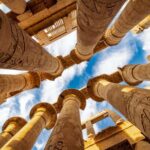
- Karnak: where the scale actually hits
- Back on board
- Day 2: Edfu’s Temple of Horus, then Kom Ombo’s double temple
- Temple of Horus in Edfu
- Sailing to Kom Ombo and the Sobek-Horus split
- Evening on board
- Day 3: Abu Simbel early start and dropping into Aswan
- Ramesses II and Nefertari temples
- Finish time
- Cruise ship reality check: the 5-star label vs the cabin experience
- Guides and logistics: how the tour tends to feel day to day
- What you can do to keep control
- Price and value: is $1,000 a person worth it?
- Who this Luxor-to-Aswan cruise suits best
- Should you book this Nile cruise with hot air balloon?
- FAQ
- FAQ
- What cities are included on this trip?
- Is the hot air balloon ride included?
- What temples do you visit during the trip?
- Are entry fees included?
- What meals are included?
- What’s included for transfers and transportation?
- What language options are available for the tour guide?
- Is free cancellation available?
Quick hits (what’s great here)
- Hot air balloon morning over Luxor with panoramic views before temple touring starts
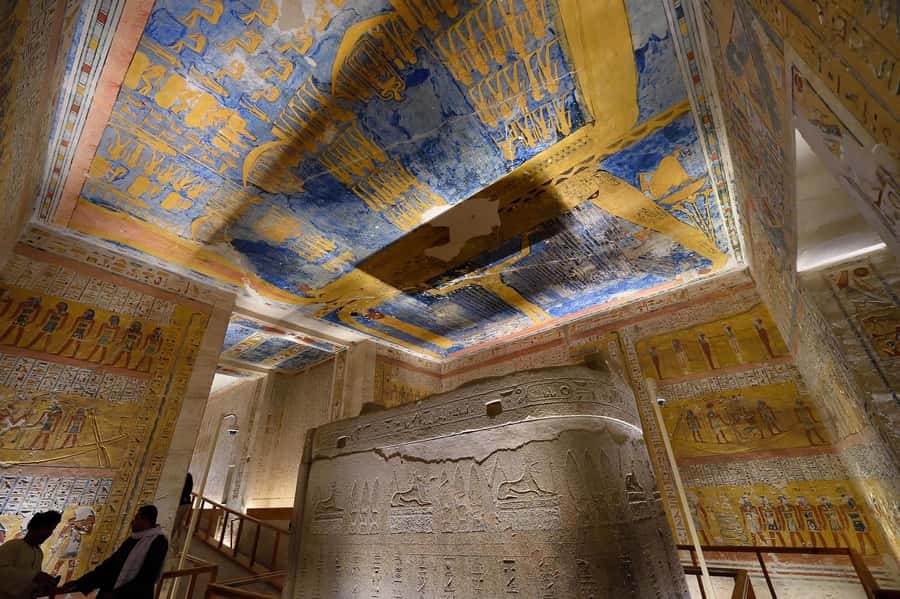
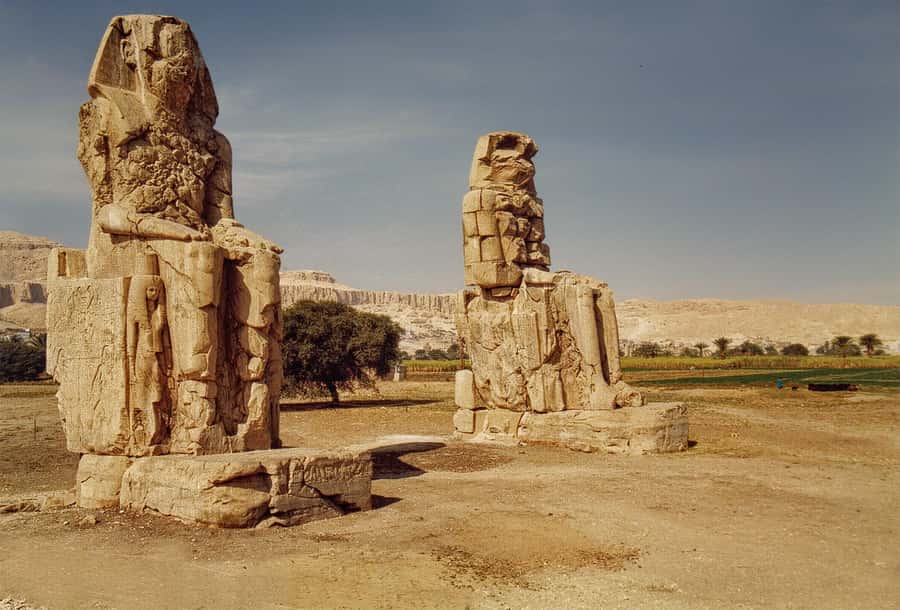
- West Bank focus: Valley of the Kings, Hatshepsut’s temple, Colossi of Memnon, and Karnak
- Carriage-style transfer at Edfu for a classic approach to the Temple of Horus
- Kom Ombo’s double layout dedicated to Sobek and Horus with symmetrical areas on both sides
- Abu Simbel day with a small-group approach and both Ramesses II and Nefertari temples
The big idea: a Luxor-to-Aswan circuit with balloon views
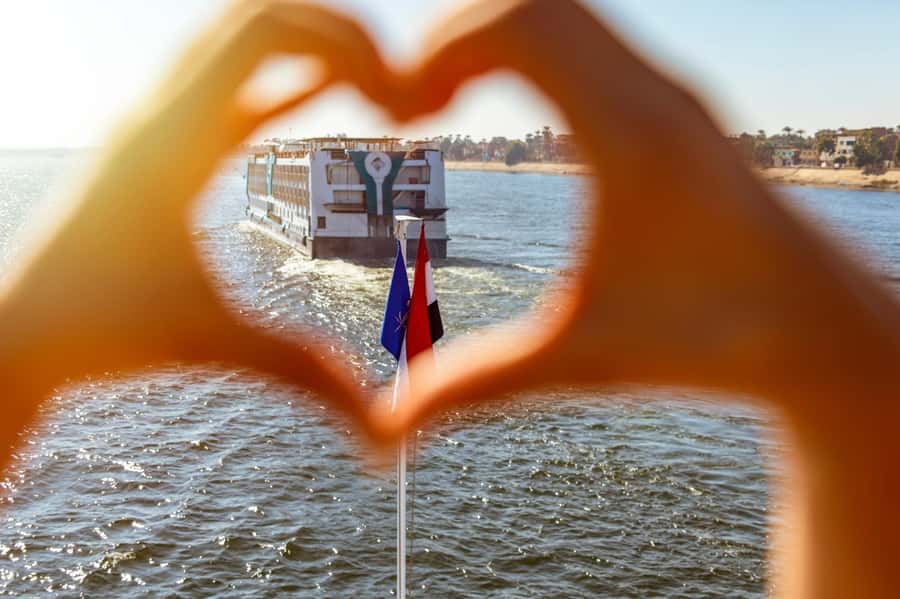
This is the kind of tour you choose when you want to check off a lot of Egypt in only three days, but still have a real guide explain what you’re looking at. The main payoff is the combo: you fly above Luxor, then you spend the next days walking temple corridors that feel like time travel.
On a Nile route, the rhythm matters. You’re not just hopping between sites. You sail between stops, which gives you built-in breaks—time to relax on board after long museum-style days. That said, the pacing is still active. Temple visits can be dense, and you’ll want comfortable shoes because you’re doing a lot of ground walking.
You can also read our reviews of more boat tours in Luxor
Day 1: Hot air balloon over Luxor, then West Bank tombs and Karnak
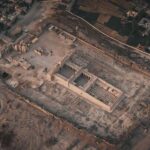
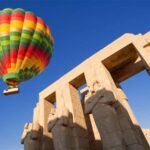
Day 1 starts with hotel pickup in Luxor and a drive to the hot air balloon take-off area. The trip is designed so the balloon ride comes first, when the light and views make Luxor’s mix of tombs, fields, and monumental walls look sharp from above. After landing, your Egyptologist guide leads you into the West Bank.
Valley of the Kings and the West Bank essentials
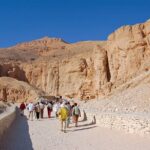
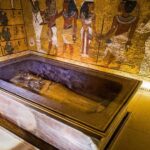
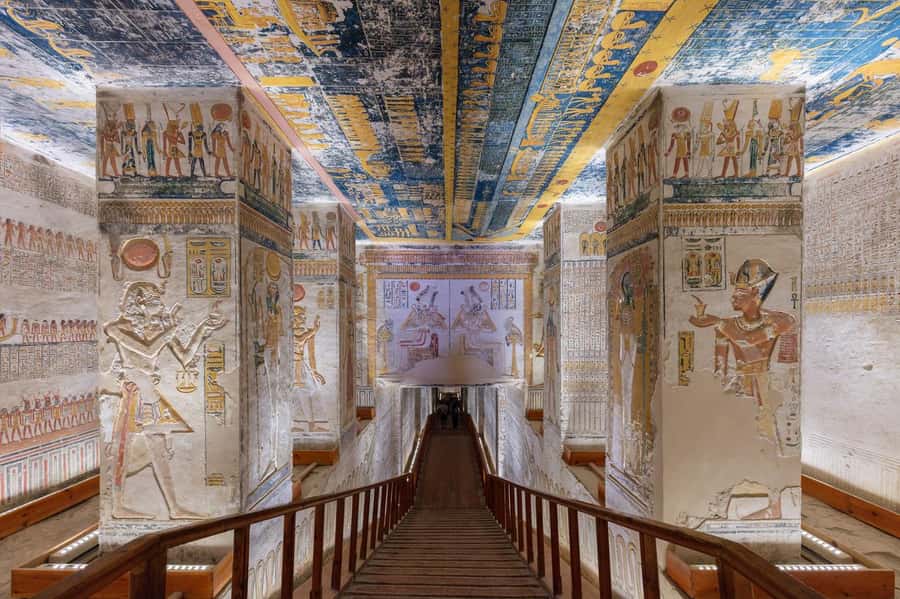
You’ll visit the Valley of the Kings, the burial ground for royal tombs. This is one of those places where a guide makes a huge difference. Without context, it’s easy to see entrances and miss what the site was built to represent. With a good guide, you start connecting tomb locations, reigns, and the reasons these kings were placed here.
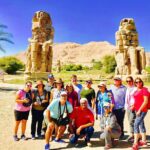
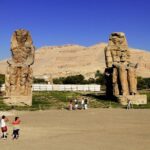
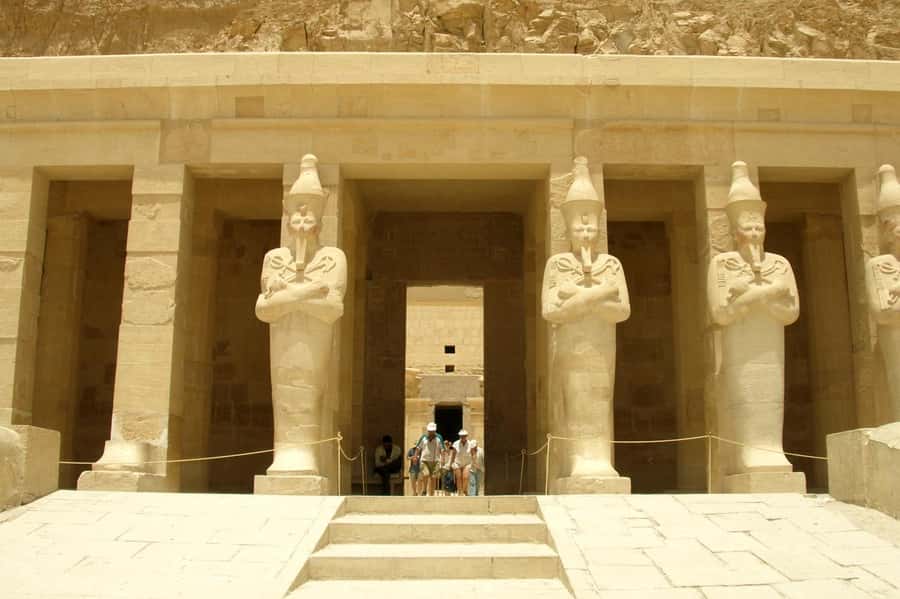
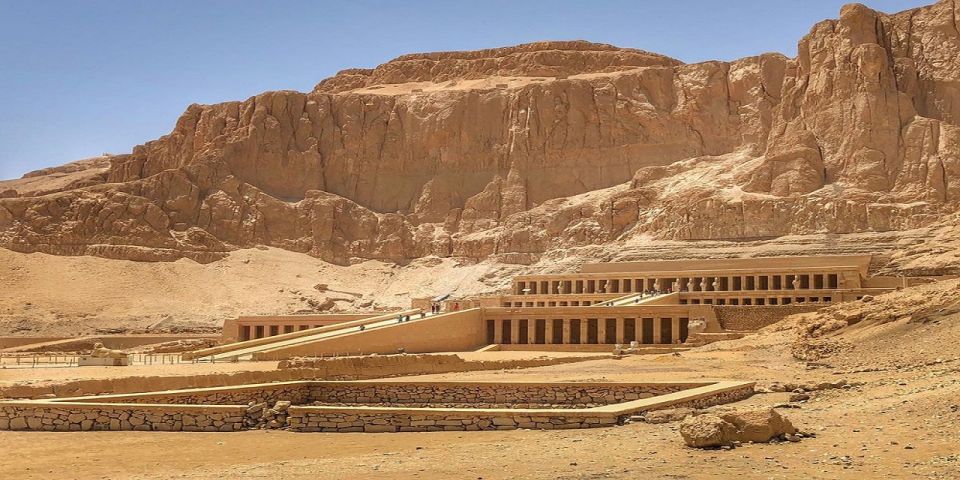
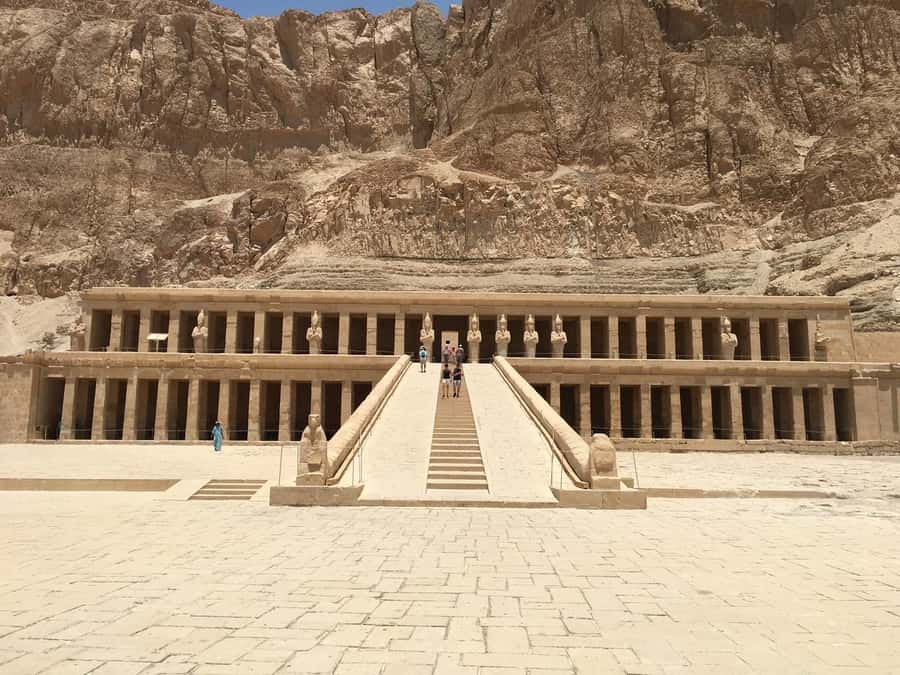
Next is the Temple of Queen Hatshepsut. It’s elegant and built with a sense of symmetry and grandeur that still reads as intentional even today. Then you stop at the Colossi of Memnon for photos. Even if you’ve seen images online, it’s hard not to pause when you’re standing near these massive seated figures.
Karnak: where the scale actually hits
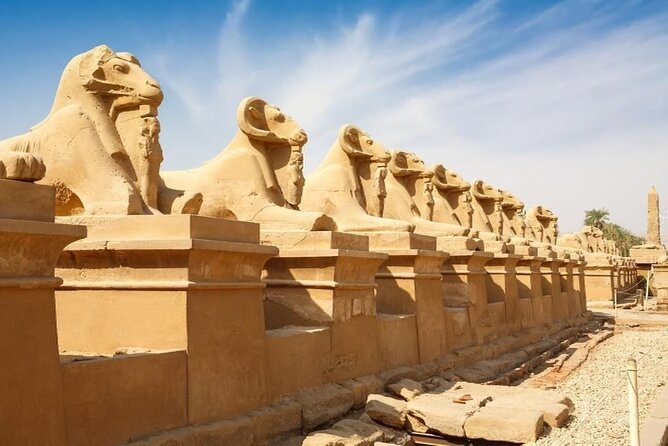
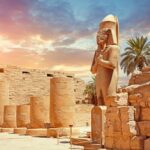
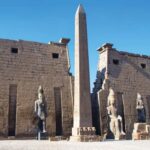
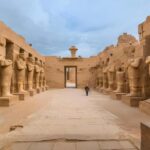
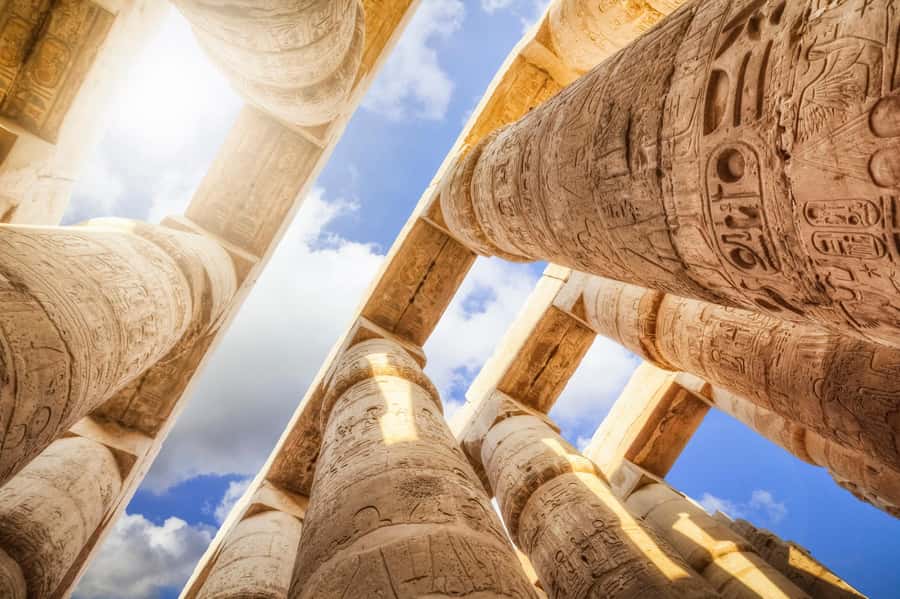
In the afternoon, you move on to Karnak Temple Complex, described in the tour as the largest religious site ever built in ancient Egypt. Here’s what I’d focus on: don’t try to rush through every corner. Karnak rewards slow looking—giant columns, pylons, sanctuaries, and the long approach known as the Avenue of Sphinxes.
Karnak can be overwhelming if you treat it like a checklist. But with an Egyptologist on hand, it becomes more like a map. You begin to see how different parts relate to each other and why builders kept expanding the site over time.
Back on board
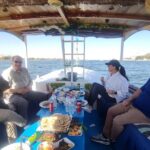
After a full day, you board your cruise ship. Lunch is served on board, and dinner follows as you start sailing toward Edfu. This matters because it smooths out the day. You’re not hunting for meals after temple hours, and you get a more natural transition into ship time.
A few more Luxor tours and experiences worth a look


Day 2: Edfu’s Temple of Horus, then Kom Ombo’s double temple
Day 2 begins with breakfast on board. The ship docks at Edfu, and you head to the temple by carriage. That carriage transfer is one of those small touches that keeps the experience feeling local rather than just a transfer in a van.
Temple of Horus in Edfu
At the Temple of Horus, you’ll see massive pylons and beautifully preserved reliefs. The tour focuses on one key story: the battle between Horus and Set. When you’re standing in the temple space, this storyline becomes more than mythology. It helps you understand why these scenes were placed where they were, and why the temple’s design supports the impression of order, power, and ritual.
It’s also a good contrast day. After Karnak’s sheer size, Edfu feels more focused and compact, which can be a relief.
Sailing to Kom Ombo and the Sobek-Horus split
After Edfu, you continue sailing toward Kom Ombo. When you arrive, you visit the unique double temple, devoted to both Sobek (crocodile god) and Horus (falcon god). The tour emphasizes the symmetry—two sides, each with its own sanctuaries, halls, and shrines.
This is the kind of stop that’s worth paying close attention to. The layout is the point. You can see how the temple functions for two religious themes without needing to memorize names. Once you notice the structure, it’s easier to follow what you’re looking at.
Evening on board
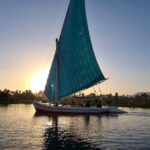
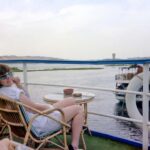
Dinner is served on board as you sail toward Aswan. This is where you’ll feel the “cruise” part most clearly—less frantic movement, more time to reset.
Day 3: Abu Simbel early start and dropping into Aswan
On Day 3, you check out early, grab breakfast (and you can ask for a breakfast box), then head out quickly for the Abu Simbel visit.
Abu Simbel is one of Egypt’s most dramatic temple stops, and this tour handles it with a small-group approach. That choice matters. It usually helps keep the flow manageable when you’re dealing with a famous, high-demand site.
Ramesses II and Nefertari temples
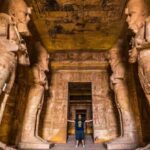
You’ll see the twin temples carved into the mountainside: Ramesses II and Nefertari. The tour notes they were built in the 13th century BC. Even if you don’t memorize the dates, the effect is clear. These temples were designed to impress, and they still do.
The tour also states you’ll see the temples of Ramesses II and Nefertari during this morning excursion. The goal is simple: get you there early enough to enjoy the site without feeling like you’re stuck in a parking-lot shuffle.
Finish time
You wrap up around 2:30 PM and are dropped at your accommodation in Aswan. That’s a practical end time if you want to continue exploring Aswan on your own after the temples.
Cruise ship reality check: the 5-star label vs the cabin experience
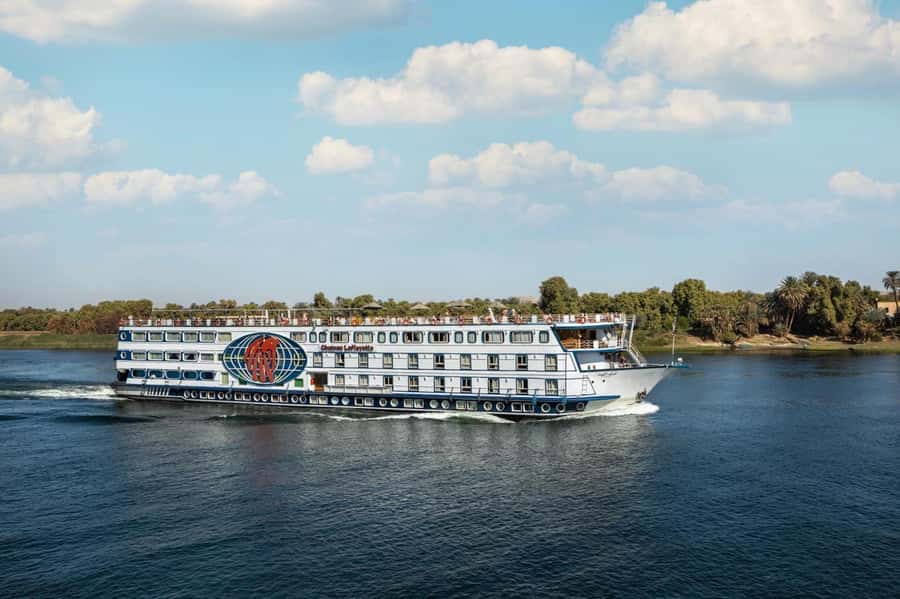
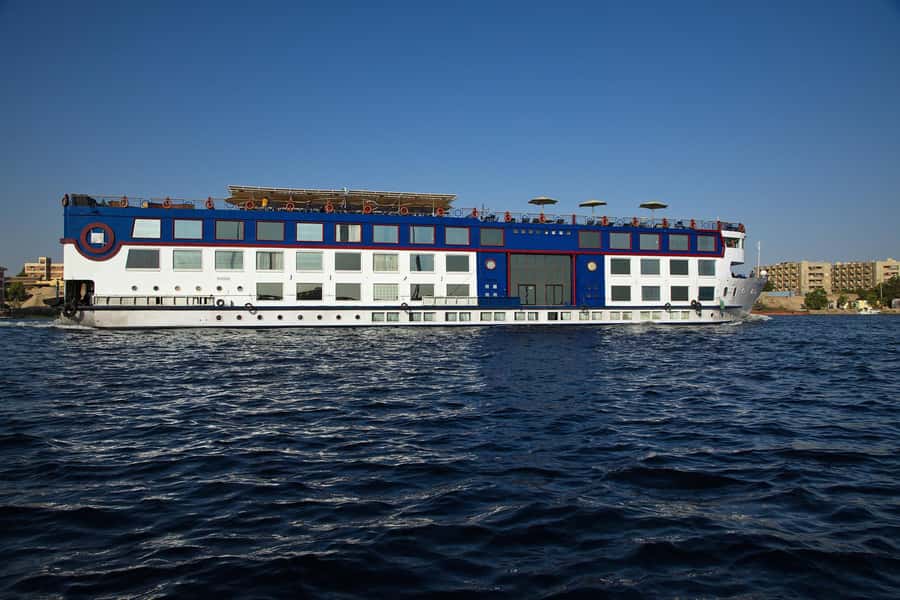
This is the part I’d plan for honestly. Your accommodation is on a 5-star Nile cruise, and the package includes full-board meals. Those are big benefits because they remove planning stress.
But conditions on Nile boats vary, and some travelers have pointed out that the ship can feel older than the 5-star marketing implies—especially in cabin details like carpeting, toiletries, and general freshness. In at least one account, the ship’s look inside a cabin was described as worn, with missing basics like shampoo and shower gel.
So here’s my practical advice: when you book, mentally separate the experience into two parts. The public-facing elements and the guided program can still be excellent, but your cabin comfort may be more variable than you’d expect from a modern resort. If you’re very sensitive to room quality, it’s worth asking what cabins are like before you commit (especially for your exact cabin category).
Guides and logistics: how the tour tends to feel day to day
The difference between a good trip and a frustrating trip in Egypt is often the guide and the pacing.
One guide named Mahmoud Issa is mentioned for making history feel clear and exciting on Day 1. That kind of guiding can transform Karnak and the West Bank from landmarks into a story you actually follow.
On the other hand, one Day 1 guide named Nagla is described as leaving the group at times and directing people toward shops they didn’t want. There’s also mention of pressure to pay in dollars instead of Egyptian pounds for tickets. That’s not a small detail. It can affect how you budget and whether you feel in control.
A coordinator named Merna shows up as a major positive for communication. The value here is simple: if you’re getting clear day-by-day updates and quick responses, you waste less time wondering what happens next.
For the temple days, guides named Mohamed (for Edfu and Kom Ombo) and Abdel Mohamed (for Abu Simbel) are mentioned for patient, informed guiding. That’s exactly what you want when you’re in crowded temple spaces.
What you can do to keep control
- Bring Egyptian pounds and some dollars if you want flexibility around ticket discussions.
- If you have strong preferences (like skipping shopping), say it early and clearly with your guide.
- Wear shoes you can handle for lots of uneven temple walking.
Price and value: is $1,000 a person worth it?
At about $1,000 per person for three days, the value is driven by what’s included: hotel pickup, a cabin on board, full-board meals, an Egyptologist guide, private air-conditioned transfers, and the hot air balloon ride. You’re also seeing a heavy lineup of iconic sites without needing to coordinate transport between each one.
The big missing piece is that entry fees aren’t included. That means you’ll still want extra cash reserved for sites during your visits. Drinks also aren’t included, so budget for water and any soft drinks during the day.
The real question isn’t just the price. It’s whether this schedule fits how you like to travel. If you want a tight program, guided context, and a built-in sailing break between temple days, this kind of package can feel like a smart shortcut.
If you’re the type who hates being on a timetable, you might feel squeezed during dense days like the West Bank and Karnak. The tour is structured to maximize coverage. That’s great for many people, but it’s not relaxed.
Who this Luxor-to-Aswan cruise suits best
This trip fits best if you:
- Want to see Luxor and Aswan highlights in a short window
- Like guided temple touring, not just wandering
- Care about the hot air balloon experience above Luxor’s monuments
- Prefer the ease of transfers and meals handled for you
It’s also a decent fit for people who don’t want to wrestle with Egyptian logistics across multiple destinations. Private transfers and an on-the-ground guide reduce the mental load a lot.
If you’re picky about hotel-like room standards, take extra care with cabin expectations, since some experiences have described the ship interiors as less fresh than the 5-star label suggests.
Should you book this Nile cruise with hot air balloon?
I’d book it if your priority is a packed, high-impact circuit: balloon first, then temples in Luxor’s West Bank and Karnak, followed by Edfu and Kom Ombo, and capped off with Abu Simbel.
I’d hesitate if you strongly dislike shopping-pressure dynamics or if cabin comfort matters more than anything else. In that case, you can still enjoy the itinerary, but I’d focus your planning on confirming what cabin quality looks like and being clear about your boundaries with guides.
FAQ
FAQ
What cities are included on this trip?
It runs from Luxor to Aswan over 3 days, with temple visits along the way.
Is the hot air balloon ride included?
Yes. The package includes a hot air balloon ride as part of Day 1.
What temples do you visit during the trip?
You’ll visit the Valley of the Kings and the Temple of Queen Hatshepsut on the West Bank, Karnak Temple Complex, the Temple of Horus in Edfu, Kom Ombo, and Abu Simbel (including the Ramesses II and Nefertari temples).
Are entry fees included?
No. Entry fees are not included.
What meals are included?
Lunch and dinner are included on Day 1 (on board). Day 2 includes full-board meals (breakfast, lunch, and dinner on board). Day 3 includes breakfast only, and you can ask for a breakfast box.
What’s included for transfers and transportation?
You get hotel pickup in Luxor, all transfers by private air-conditioned vehicle, and a hotel drop-off in Aswan, plus a licensed driver.
What language options are available for the tour guide?
The live tour guide languages listed are Arabic, English, French, German, and Spanish. Other languages may be available as an add-on depending on your booking.
Is free cancellation available?
Yes. You can cancel up to 24 hours in advance for a full refund.