REVIEW · LUXOR
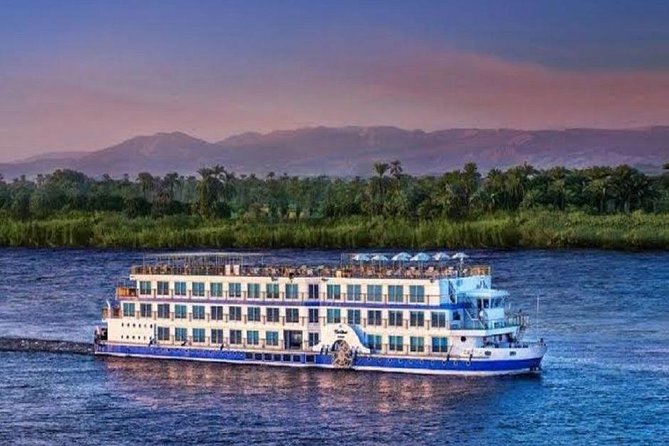
Cheap trip – Nile Cruise 2 nights – 3 days from luxor to aswan
Book on Viator →Operated by cheap tours · Bookable on Viator
If you want big ancient sights plus a real chance to breathe, this Luxor-to-Aswan cruise does that in just 3 days. You start with a full guided day on Luxor’s East and West Banks, cruise peacefully on day two, then take an early trip out to Abu Simble on day three.
I especially like that the trip includes accommodation on the river for two nights and all meals onboard (drinks not included). That combo keeps the schedule simple: you’re not constantly hunting for food or timing bus meals around temple hours.
One thing to keep in mind: this is a budget-priced cruise, so quality can vary a bit. Some people love the boat and service, but others reported issues like engine vibrations near cabins, skipped sights when timing gets tight, or less-than-stellar onboard food. It’s still a strong value, but go in with your eyes open.
In This Review
- Key highlights to know before you go
- Price and logistics: why $115 can work, and what can cost extra
- Getting picked up and moved: what your morning routine will feel like
- Day 1 on Luxor’s East and West Banks: Valleys, queens, and massive scale
- Valley of the Kings: where timing affects comfort
- Queen Hatshepsut’s temple: power shown in stone
- Karnak Temple: the kind of big that messes with your brain
- Day 2 cruising: real rest on the Nile (and cabin comfort matters)
- Day 3 Abu Simbel: the early morning payoff
- Food and service onboard: when full-board is a win (and when it’s not)
- Your guides matter: turning temple time into real understanding
- Entrance fees, drinks, and optional add-ons: avoid the small surprises
- Who this cruise suits best (and who should look elsewhere)
- Should you book this $115 Nile cruise?
- FAQ
- What’s included in the Luxor to Aswan Nile cruise?
- What’s not included?
- How long is the tour?
- Will I get hotel pickup in Luxor and transfers back in Aswan?
- Is the Abu Simbel visit part of the package?
- Can I cancel and get a refund?
Key highlights to know before you go
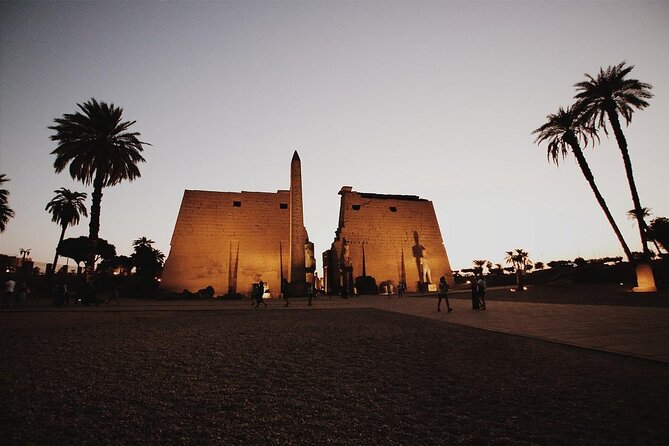
- 6 a.m. West Bank start: You begin early for the Valley of the Kings and Queen Hatshepsut’s temple.
- Egyptologist time on your side: The guide is central to understanding what you’re seeing, especially at major temples.
- Full-board onboard meals: Breakfast, lunch, and dinner are included, which matters on a tight itinerary.
- Day-three Abu Simbel in a small group: The trip to the twin temples of Ramesses II and Nefertari is the main finale.
- Support via chat: Reviews mention quick assistance from Mirna, which helps when schedules are busy.
Price and logistics: why $115 can work, and what can cost extra
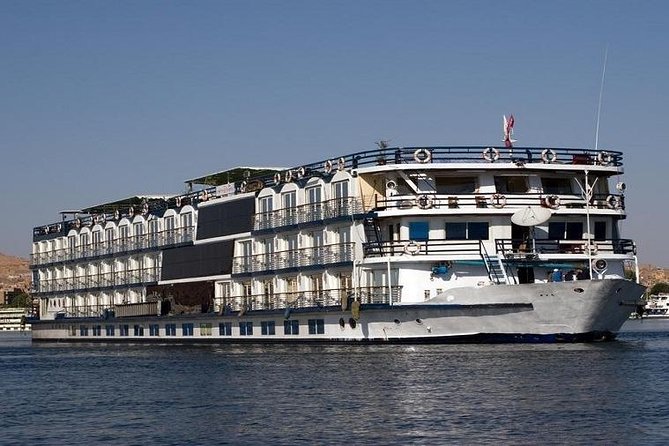
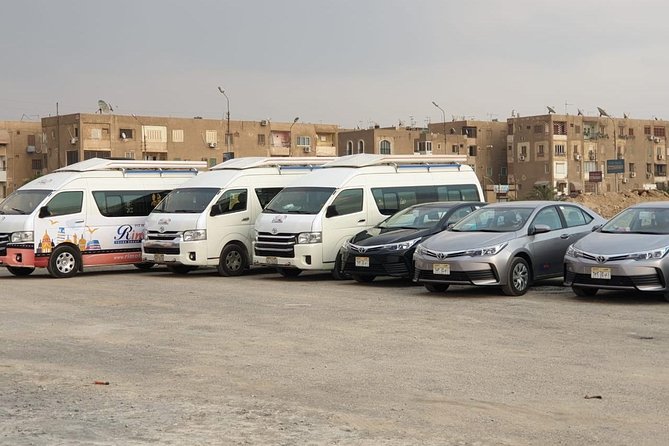
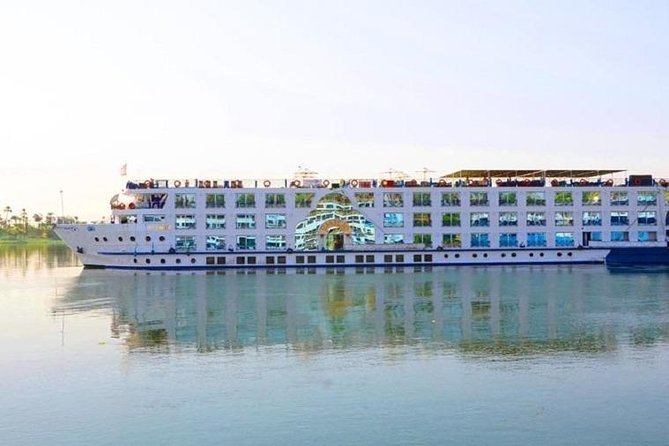
At around $115 for a 3-day, 2-night Luxor-to-Aswan cruise, the value is mostly in what it bundles. You’re paying for: hotel pickup and drop-off, a guided temple day in Luxor, onboard 5-star-style cruise accommodation, meals, and transportation in an air-conditioned vehicle. For short trips, that “everything is arranged” feeling is real money-saver.
But you also need to plan for two common add-ons:
- Entrance fees are not included. That means you’ll pay separately for temple and tomb sites.
- Drinks aren’t included with the full-board meal plan.
Tipping is optional, but it’s still wise to budget a little for the guide and staff if you felt supported.
Also, one review complained about extra charges added at each stop (not about tips). That’s not guaranteed—but it’s a good reminder: if anything is optional, ask what it is and what it costs before you say yes.
You can also read our reviews of more boat tours in Luxor

Getting picked up and moved: what your morning routine will feel like
This tour is built around transfers and early departures. On day one, your guide comes around 6 a.m. to your Luxor hotel, then you head straight to the West Bank before shifting back to the East Bank for Karnak. On day three, an agent takes you out to Abu Simbel early in the morning in a small-group format.
This matters because ancient sites don’t care about your sleep schedule. The payoff of starting early is fewer hours in the hardest sun, and more time for the guide to explain without rushing like a ticked-off school trip.
Practical tip: pack a small day bag. You’ll likely want water, sunscreen, and something for the breeze. Even on a cruise day, you’ll be in and out of transport and moving between viewpoints.
One more logistics note from real feedback: transfer timing can be a weak spot. Some people reported wasted time during transfers. I’d protect yourself by not planning anything tight right after your final drop-off in Aswan.
Day 1 on Luxor’s East and West Banks: Valleys, queens, and massive scale
Your first day is the classic Luxor sweep, and it’s structured well: Valley of the Kings, then Queen Hatshepsut’s temple on the West Bank, and finally Karnak Temple on the East Bank.
Valley of the Kings: where timing affects comfort
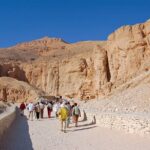
Starting in the Valley of the Kings gives you the best chance to enjoy it without melting. This site is about tombs carved into the rock. What you’ll love here is not just the walls, but the stories your Egyptologist guide connects to the architecture and the time period. If your guide is strong, this is one of those days where you leave feeling like you finally “get it.”
Queen Hatshepsut’s temple: power shown in stone
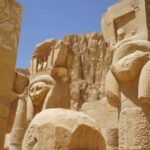
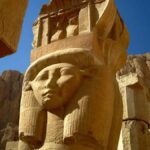
Hatshepsut’s temple stands out because it feels designed to impress—symmetry, terraces, and the sense of authority behind the building. A guide like Moustafa (named in feedback) was praised for clear explanations and thoughtful touches, including refilling water when it ran low. That kind of care can make a long walk feel much easier.
A few more Luxor tours and experiences worth a look




Karnak Temple: the kind of big that messes with your brain
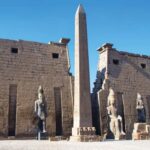
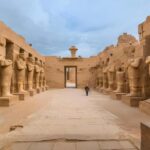
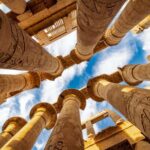
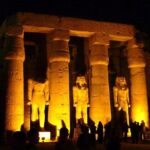
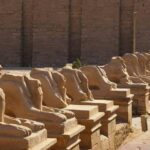
Then you swing back to the East Bank for Karnak, described as the biggest temple you’ll visit. Karnak is massive—so massive that it’s easy to treat it like a checklist unless your guide helps you understand what you’re seeing. Ask questions about axes, columns, and how different sections relate. If you can hear well and the group isn’t too crowded, this is where the day turns from sightseeing into real understanding.
One caution: timing can be tight. There was at least one report where Karnak was skipped due to schedule issues. You can’t always control that, but you can protect yourself by staying flexible and making sure you’re ready to move quickly at each site.
Day 2 cruising: real rest on the Nile (and cabin comfort matters)
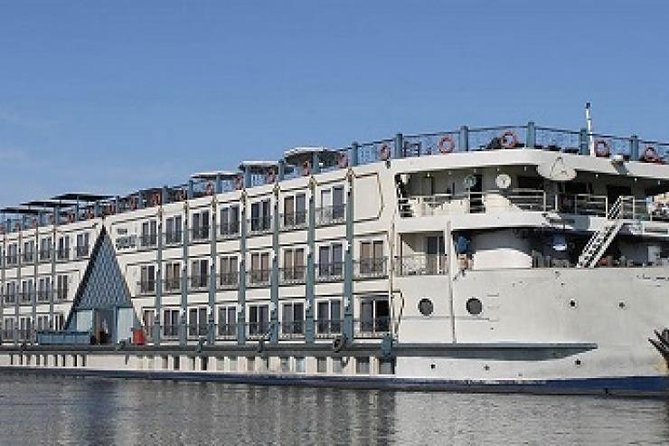
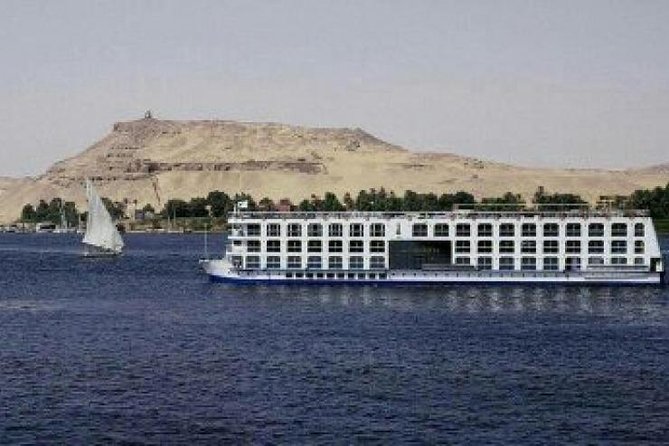
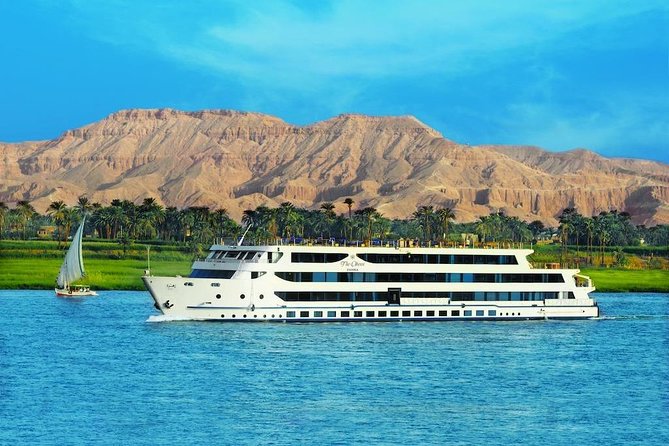
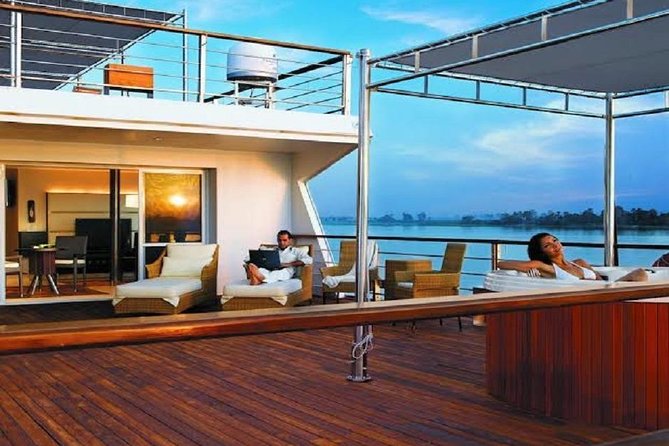
Day two is built as a breather. You relax on the cruise while watching the Nile scenery move by between Luxor and Aswan. This is the day that makes the whole trip feel like more than museum hours. Even if you’re a fast-paced traveler, you’ll probably appreciate having a middle day with fewer hard deadlines.
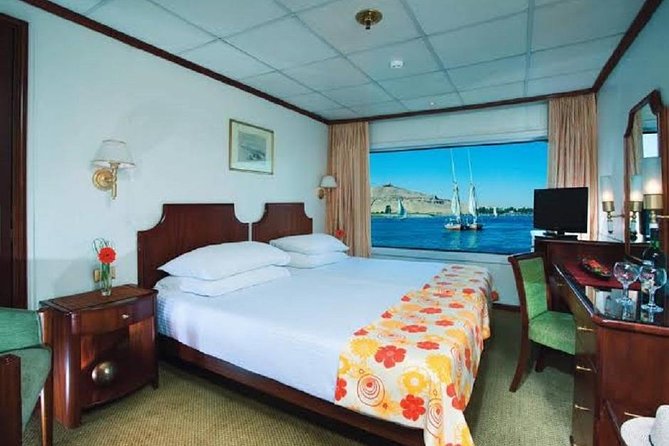
Onboard, you’re covered with all meals, which keeps you from planning snacks every few hours. Reviews also highlight things like warm staff and cozy cruise atmosphere. One person even called out a cabin with a balcony, which is the type of comfort you notice more than you expect—especially during the calmer parts of the journey.
Still, this is where “budget” can show up:
- Some feedback says the boat quality felt worse than expected (ugly boat, weaker comfort).
- Another complaint: rooms near boat engines can vibrate enough to hurt sleep.
If you can choose a cabin category when you book, consider picking something farther from mechanical areas. If you can’t choose, at least pack earplugs or plan for lighter sleep.
A nice touch: the cruise rhythm can include temple stops along the river route. In feedback, people mentioned chances to visit Edfu Temple and Kom Ombo Temple on the sailing day, with at least one version giving limited guidance and more free time before returning to the ship. If your departure includes those, enjoy them—but don’t expect them to feel as guided as your Luxor East/West Bank day.
Day 3 Abu Simbel: the early morning payoff
Abu Simbel is the finale. You leave very early and travel in a small group to see the twin temples of Ramesses II and Nefertari. The temples are carved into the mountainside, so you’re not just walking up to a building—you’re stepping into rock-shaped architecture with a strong sense of ceremony.
Here’s what to expect on the ground:
- It’s a long, early day. Even without exact timing in the plan, you’ll feel the weight of the drive.
- Once you arrive, you want to stay focused. This isn’t the stop where you can drift—your guide’s explanations help you appreciate why the twin temples matter and how they’re arranged.
A guide named Ahmed (mentioned in feedback as giving clear English explanations) helped make the visit satisfying. If you get a good guide, Abu Simbel becomes more than photos of a famous site.
Also pay attention to your meeting point. One review described a serious schedule mismatch where someone ended up without the right pick-up for the Abu Simbel portion. That’s not something you should expect—but it is a reminder to confirm the exact pick-up instructions the moment you’re onboard, especially for the early morning leg. If anything feels unclear, ask.
Food and service onboard: when full-board is a win (and when it’s not)
Full-board meals are the big onboard promise here, and that’s often what people remember. One of the most praised parts in feedback was food quality: wide variety, well-prepared dishes, and meals served with care. Another review highlighted friendly, responsive staff, including easy communication via Mirna.
I also like that the meal plan reduces stress. With early starts and temple hopping, having predictable meals onboard is a simple quality-of-life upgrade. You can focus on the sites without hunting for dinner options after a long day.
Now, the balanced part:
- Some feedback complained about terrible food.
- Others flagged cabin comfort issues (again, engine vibrations).
So I’d treat this as: the concept is strong, and often the execution is good, but onboard quality can vary depending on the specific ship and cabin location.
Your guides matter: turning temple time into real understanding
This experience leans hard on the Egyptologist guide. That’s not a luxury—it’s the difference between seeing carvings and understanding what those carvings mean.
In feedback, guides named Moustafa and Ahmed Talaat were singled out for clear explanations (and in Ahmed’s case, a friendly, funny style). There was also praise for a driver named Romany, which reminds you that river tours live or die on smooth coordination.
One practical thought: group size can affect how much you absorb. One person reported that the group felt too large to hear the guide during tours. If you’re sensitive to sound and you’re the type who likes close listening, don’t be shy about where you stand in the group. Get closer to the guide when possible.
Entrance fees, drinks, and optional add-ons: avoid the small surprises
The tour includes meals and onboard accommodation, but entrance tickets are not included. That means you should plan cash or a payment method for temple admissions in Luxor and Abu Simbel.
Also, drinks are excluded from the full-board plan. That’s common, but you’ll feel it if you’re used to paying for water and soft drinks separately across your day.
Tipping is optional. Still, if someone went out of their way—like refilling water during Luxor temple walks—it’s fair to reward that effort.
And because one review complained about extra charges at every turn (not tips), I’d use a simple rule: if it’s optional, ask what it costs and what it includes before committing.
Who this cruise suits best (and who should look elsewhere)
This trip fits best if you want:
- Short Luxor-to-Aswan coverage with both sightseeing and downtime
- A guided temple day in Luxor plus an iconic final stop at Abu Simbel
- Budget-friendly bundling: transfers, cruise nights, and meals
It may be less ideal if:
- You’re extremely sensitive to cabin comfort and noise (engine vibrations were reported).
- You require a very quiet, small-group feel at every stop.
- You expect flawless timing with zero delays. Some feedback points to pickup and transfer friction, so build in a little buffer.
If you’re traveling as a family or as a couple who wants the “easy mode” version of ancient Egypt, this can be a strong fit. If you’re a comfort-first traveler who hates any uncertainty, you might want to spend a bit more on a higher-comfort cabin category or a departure with consistently strong service records.
Should you book this $115 Nile cruise?
I think you should book if your priorities are temples, a simple schedule, and onboard relaxation, and you’re prepared for the fact that entrance fees and drinks are extra. The structure is efficient: Luxor West/East on day one, cruising on day two, Abu Simbel on day three.
I’d hesitate if you know you’re picky about cabin noise or you hate variable service quality. In that case, ask about cabin location away from engines and double-check the early Abu Simbel pick-up details once you’re onboard.
If you go in ready—comfortable shoes, sun protection, and a bit of flexibility—you’ll likely feel like you got a lot for your money.
FAQ
What’s included in the Luxor to Aswan Nile cruise?
The package includes accommodation on a river cruise for two nights, full-board meals excluding drinks, hotel pickup and drop-off, an Egyptologist guide, reception and travel, taxes, and transportation in an air-conditioned vehicle.
What’s not included?
You’ll need to budget for entrance fees to all tourist sites and tipping, which is optional.
How long is the tour?
It runs for about 3 days with 2 nights on the Nile cruise.
Will I get hotel pickup in Luxor and transfers back in Aswan?
Yes. The tour includes round-trip transfers with pickup offered and drop-off after the final portion in Aswan.
Is the Abu Simbel visit part of the package?
Yes. On the third day, you’ll take an early morning small-group trip to Abu Simbel to see the twin temples of Ramesses II and Nefertari.
Can I cancel and get a refund?
The policy says free cancellation is available, with a full refund if you cancel up to 24 hours in advance of the experience start time.