REVIEW · LUXOR
From Luxor: 3-Day Nile Cruise to Aswan with Balloon Ride
Book on GetYourGuide →Operated by Special Egypt · Bookable on GetYourGuide
Sunrise balloon skies over Luxor beat most sightseeing plans. This 3-day route blends a VIP hot air balloon ride, full guided temple days, and the slow elegance of a 5-star Nile cruise heading south toward Aswan.
I really like how the pacing gives you both “wow” views and “why it matters” context: you start with the West Bank burial sites, then hit major temple powerhouses like Karnak and Abu Simbel, with a guide who explains the stories behind the walls. The quality of guiding can be excellent, and names like Mina Habib, Manel, Emad elsmaky, and Mustafa show up in feedback as standout Egyptologists.
My one caution is timing. Balloon operations and early pickups can be tight, and if your balloon slot is late in the day (or your transfer runs behind), you can end up with less time at temples than you want, plus there can be add-on photo or video requests after the flight.
In This Review
- Key highlights worth putting on your radar
- Why Luxor-to-Aswan with a balloon feels different
- VIP balloon over Luxor: sunrise views and the timing reality
- West Bank classics: Valley of the Kings, Hatshepsut, and Memnon
- Valley of the Kings: where the afterlife becomes architecture
- Temple of Hatshepsut: story in stone
- Colossi of Memnon: the photo moment that still feels big
- Karnak Temple on the East Bank: why it’s worth more than one viewpoint
- 5-star Nile cruise time: comfort between the monuments
- Day 2 in Edfu and Kom Ombo: Horus and the double temple plan
- Early morning Abu Simbel: how to survive the 4:00 AM feeling
- Price and value: what $750 really buys you
- Who this tour suits best (and who should rethink it)
- Should you book this Luxor-to-Aswan cruise with balloon?
- FAQ
- What time is the balloon pickup in Luxor?
- What temples and major sites are visited?
- Are entrance fees included?
- How many nights are you on the Nile cruise?
- What languages are guides available in?
- Do I need to check out before Abu Simbel?
- What is the cancellation policy?
Key highlights worth putting on your radar
- VIP balloon over Luxor for a bird’s-eye view of fields and temples
- Private Egyptologist-style guidance that turns carvings into stories
- West Bank classics: Valley of the Kings, Hatshepsut’s temple, Colossi of Memnon
- Karnak Temple scale on the East Bank with multiple generations of builders
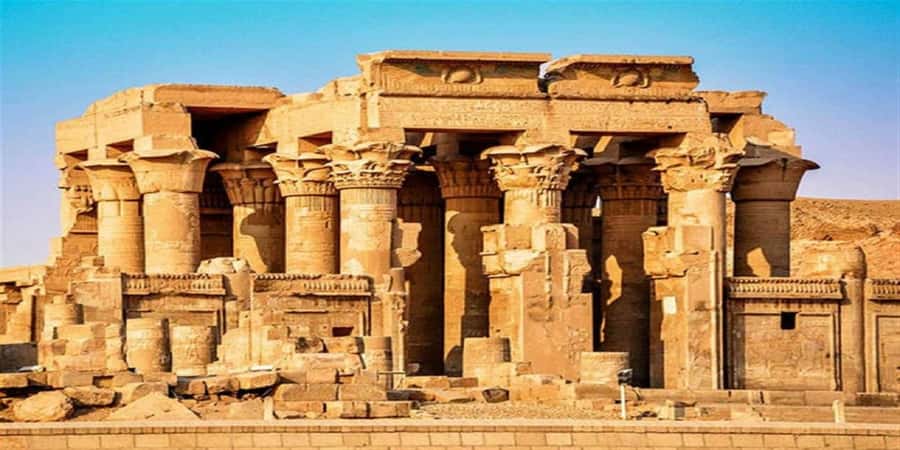
- Edfu + Kom Ombo: Horus Temple and the double layout for Sobek and Horus
- Abu Simbel at dawn with a very early hotel-to-temple transfer
Why Luxor-to-Aswan with a balloon feels different
This trip gives you two ways to read Egypt. From up high in the balloon, you see the Nile as a ribbon that shapes everything around it—villages, fields, and the long sweep of the river valley. From ground level, you get the other side of the story: temples designed to last longer than empires, and scenes carved so carefully they still look sharp after thousands of years.
I like that the itinerary isn’t only about checking famous monuments. You also spend real time in the West Bank burial landscape, where the ancient Egyptians treated death like a carefully managed second act. Then you move to temple sites tied to kingship and the gods, and you finish with Abu Simbel, which feels like a monument built to impress even the sunrise.
The “value” of this format is practical. You’re not bouncing between hotels every night, and the ship takes care of the in-between hours. That matters when you’re dealing with early mornings and long days in the sun.
You can also read our reviews of more boat tours in Luxor

VIP balloon over Luxor: sunrise views and the timing reality
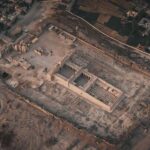
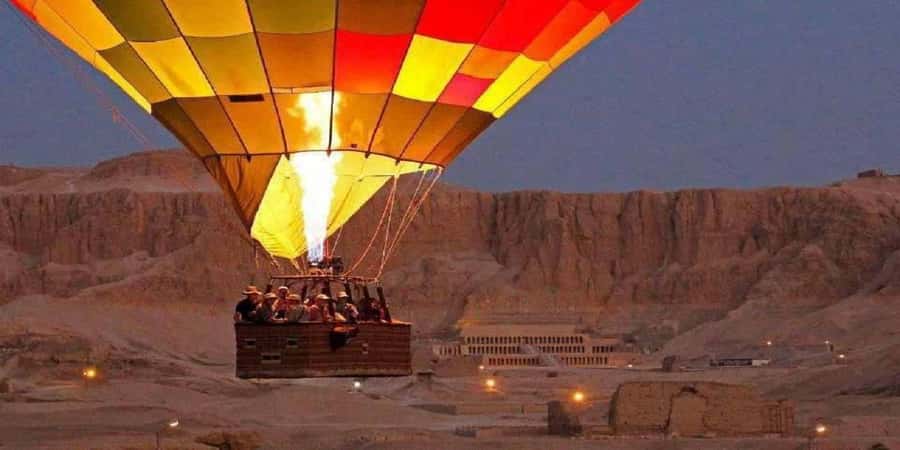
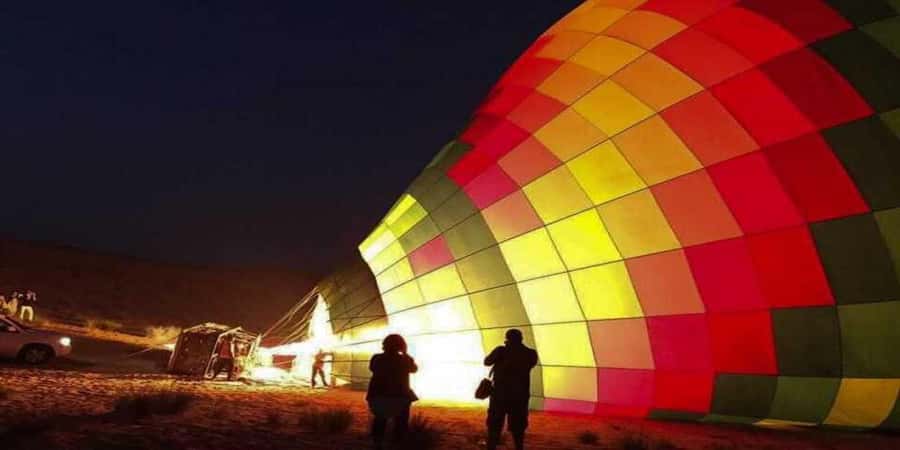
You’ll usually be picked up early, around 4:00 AM, and taken for the balloon ride before the day heats up. The view is the point: Luxor from above, with the river valley laid out like a model, and the surrounding green areas giving you contrast against the stone tones of the temples.
In an ideal world, the balloon is pure magic. In real life, balloon schedules depend on wind, logistics, and how flights are grouped. Some people have found themselves in later waves, which can shrink the photo window or change how the light feels over the landscape. The lesson for you is simple: treat the balloon slot as part of a system, not a guaranteed moment.
Plan for how you’ll handle extras too. After the flight, it’s possible you’ll be offered additional paid photo or video packages. If that’s a concern for you, ask beforehand what’s included in the VIP balloon experience and how those media costs work, so you’re not making decisions while excited (and a little jet-lagged from an early start).
West Bank classics: Valley of the Kings, Hatshepsut, and Memnon
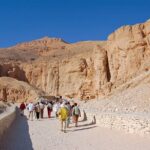
Day 1 starts with the West Bank, where the scenery can look plain from the outside. That’s the trick. The Valley of the Kings can feel like a rocky stretch until you step inside, where the chambers and inscriptions shift the whole experience. You go from guesswork to meaning fast, because your guide connects the visuals to the afterlife beliefs that drove the monument-building.
Valley of the Kings: where the afterlife becomes architecture
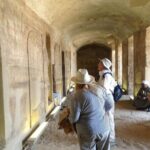
The Valley of the Kings is famous for its tombs, but it’s the way those spaces were designed for protection and ritual that hits hardest. You’ll see the awe-inspiring inscriptions and chambers that make the “boring from outside” impression disappear. This is one of the stops where a good Egyptologist-style explanation really changes your visit.
Temple of Hatshepsut: story in stone
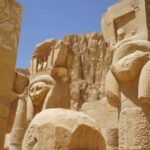
Next is the Temple of Hatshepsut, a standout because the wall inscriptions tell you her birth story and reference her trade expeditions to Punt (often associated with modern-day Somalia or parts of the Arabian Peninsula). That’s not just trivia. When you understand that the temple is part propaganda, part pilgrimage space, it becomes easier to read the carvings instead of just admiring them.
A few more Luxor tours and experiences worth a look




Colossi of Memnon: the photo moment that still feels big
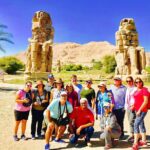
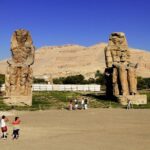
Then you’ll hit the Colossi of Memnon. These massive statues are the kind of subject you take pictures of automatically, but they also work in real life. They’re a reminder that power in ancient Egypt wasn’t subtle. Even if you’re not a statue person, these will register.
Karnak Temple on the East Bank: why it’s worth more than one viewpoint
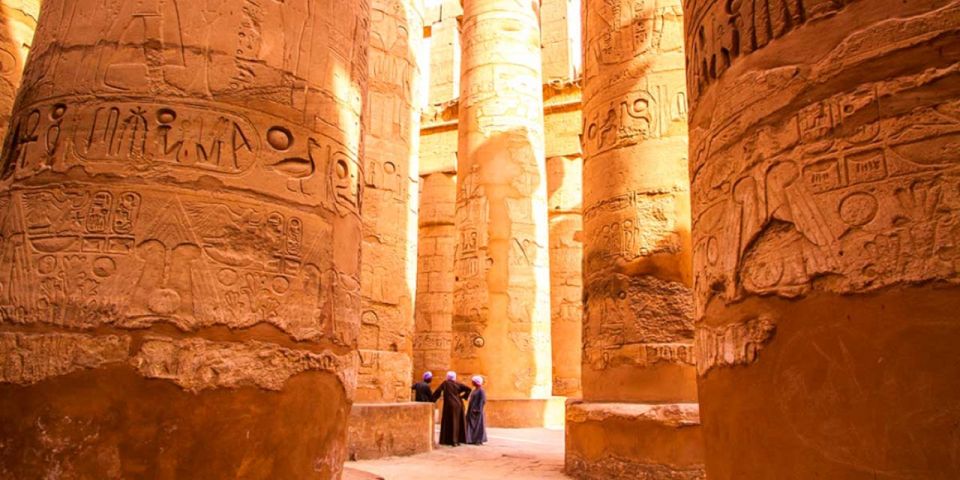
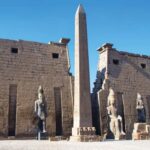
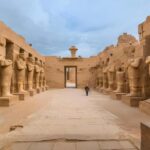
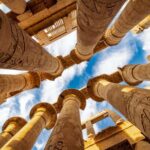
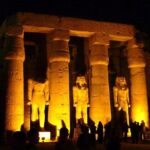
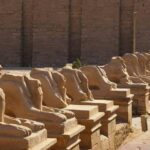
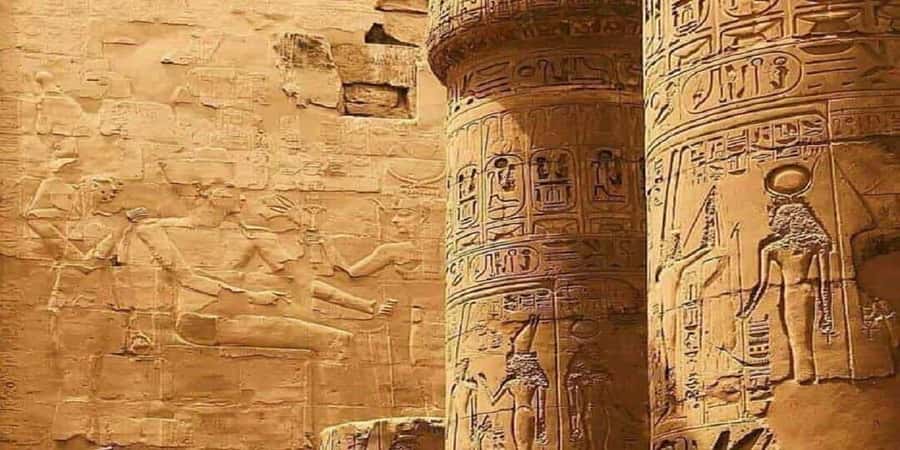
After lunch onboard, you’ll be heading East again for Karnak Temple, and it’s the biggest temple in Egypt. That scale matters. Karnak isn’t a single building you walk through once. It’s a temple complex with multiple layers—three main temples, smaller enclosed temples, and outer temples—built and rebuilt across more than 1,500 years.
I like seeing Karnak with a guide because the explanations help you understand why the layout feels crowded with meaning. Different rulers added their own touches, and your guide helps you connect the parts to the bigger idea of Egyptian kingship and divine order.
Practical tip: Karnak can swallow time fast. If you want photos without feeling rushed, arrive ready to choose. Don’t try to shoot everything. Pick the angles that show symmetry or the scale of columns, then move on.
One caution to keep in mind: if your morning timing gets squeezed, you might feel like you’re moving too quickly through Karnak. That’s where a balloon delay or transfer hiccup can hurt the experience more than it sounds like it would.
5-star Nile cruise time: comfort between the monuments
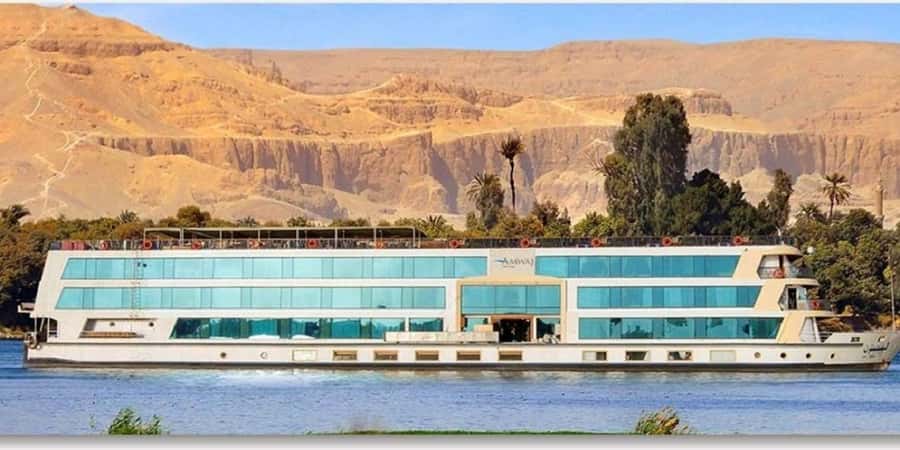
Once Day 1 ends, you switch from temple energy to ship rhythm. You’ll sail toward Edfu and settle into the 2-night accommodation on a 5-star Nile cruise. This is where the trip’s value becomes very tangible. You get to relax on the water instead of cramming one more transfer day into your schedule.
Food is part of why people like this cruise format. In feedback, the onboard meals have been described as very good, which is a big deal when you’re touring from early morning. The ship also gives you a place to reset your body: cool air, a shower, and time that isn’t sandwiched between pickup and a ticket line.
Still, travel is travel. A few people have had cabin issues (like a malfunctioning lock) and timing delays affecting the schedule. You can’t eliminate that risk, but you can reduce stress by having a little patience for Egyptian logistics and keeping your expectations flexible.
Day 2 in Edfu and Kom Ombo: Horus and the double temple plan
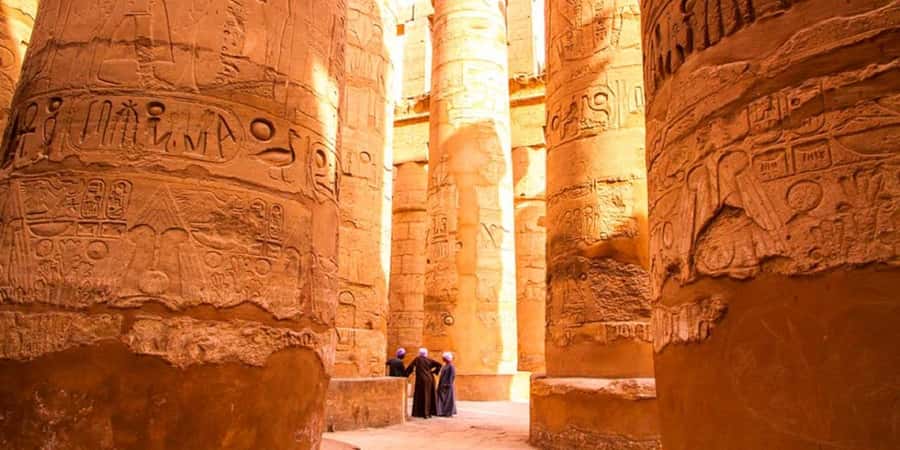
Day 2 starts with breakfast onboard, then you’re picked up from reception to visit Horus Temple in Edfu. This site is often remembered for how it preserves the spirit of ancient Egyptian civilization through a Ptolemaic perspective. In plain terms: you see Egypt’s older religious themes filtered through later rulers, which gives you a sense of how traditions were kept alive and adapted over time.
Then you head to Kom Ombo, where your guide visits the double temple. This is the kind of temple layout that rewards attention. You’ve got two temples in one complex: one dedicated to Sobek, the crocodile god, and the other to Horus, the falcon-headed god. Each side has its own gateways and chapels, so the building feels like two organized worlds sitting side by side.
This is also where your guide’s role matters. A good explanation can help you notice how the iconography changes from one side to the other and why the priests and worshippers would have experienced the space differently.
Early morning Abu Simbel: how to survive the 4:00 AM feeling
On Day 3 you’re picked up early again, with pickup for Abu Simbel usually around 4:00 AM. This isn’t a “sleep in and enjoy” kind of day. It’s a “wake up because it’s worth it” kind of day.
You’ll also be asked to check out before you leave and leave your luggage in the reception area. That’s important because you don’t want to be negotiating bags and room keys while everyone else is already moving.
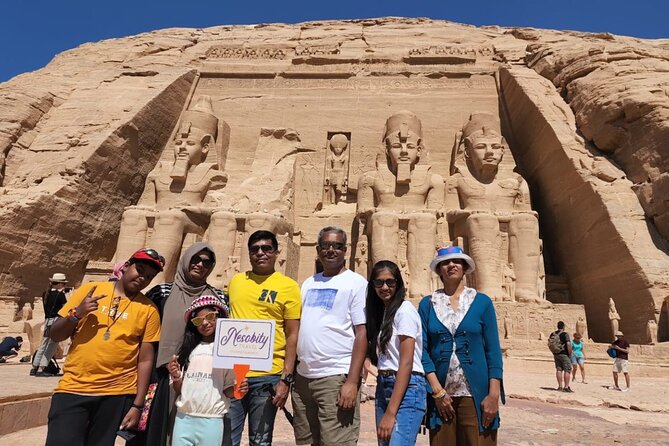
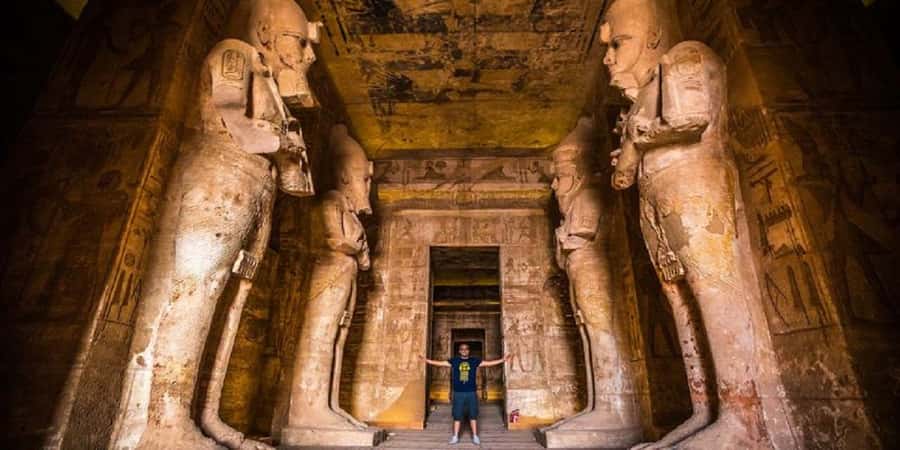
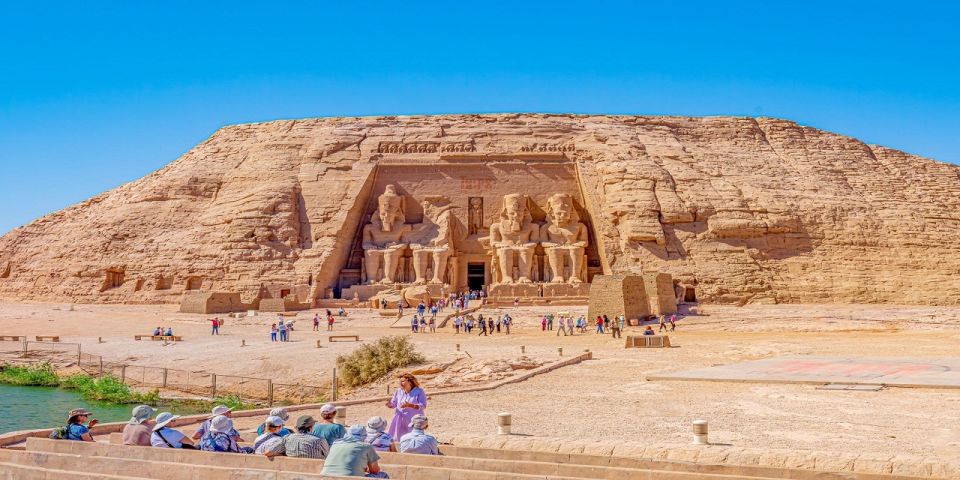
At Abu Simbel, you visit the Great Temple, dedicated to Amun, Ra-Horakhty, Ptah, and Ramesses himself. The key point is the temple’s reputation as one of the most beautiful commissions from the Pharaoh’s reign, and you feel why quickly. It’s monumental, carefully designed, and it carries the kind of confidence that makes you understand how rulers wanted to control memory.
After the temple, you return to the ship to collect luggage and then get dropped off in Aswan safely.
Price and value: what $750 really buys you
At $750 per person for a 3-day trip, the value mostly comes from three buckets you’d otherwise have to assemble yourself:
First, you’re getting a VIP balloon ride plus private transfers in an air-conditioned vehicle. Balloon experiences are priced differently than standard tours, and private transport saves you time and hassle in a place where early pickups can be strict.
Second, the itinerary includes 2 nights on a 5-star Nile cruise with onboard support. That means you’re paying for lodging inside the travel plan, not adding a separate hotel cost.
Third, you get a professional guide (English by default) and there’s an option for other languages like Spanish, German, or French for an additional cost. On a trip with temple carvings, language support isn’t a luxury. It’s the difference between seeing shapes and understanding stories.
What to budget for separately is entrance fees. They’re not included for the attractions in the itinerary. Also, keep in mind there may be extra costs related to balloon photos/videos, depending on how your balloon operator handles media.
If you compare this to piecemeal travel, the total can still make sense even with entrance fees, because you’re buying organization and time. If you dislike early mornings, though, the value can feel worse. This route asks a lot from your alarm clock.
Who this tour suits best (and who should rethink it)
This works well if you want:
- Big Egypt highlights in a tight 3-day window
- The combination of balloon views + guided temple explanations
- A smoother schedule with onboard time on a 5-star Nile cruise
- A destination focus that doesn’t require constant hotel-hunting
It may be less ideal if:
- You hate early pickups and want a slow start every morning
- You’re very sensitive to schedule shifts, especially around balloon timing
- You prefer complete freedom to wander at your own pace inside major temples
If you’re traveling as a couple or family and you want one organized plan rather than building your own route, this style is a good fit. If you’re the type who plans photo sessions down to the minute, you’ll want to communicate clearly about balloon timing and temple visit durations.
Should you book this Luxor-to-Aswan cruise with balloon?
I’d book it if your priority is a classic Luxor-to-Aswan experience with a balloon and guided temples, and you’re okay with early starts in exchange for big payoffs. The cruise segment is a real comfort layer, and when the guiding clicks, the temple explanations can transform what you see into something you remember for longer than the photos.
I wouldn’t book it blindly if schedule precision is everything for you. Balloon timing can affect how your day feels, and there are documented add-on photo/video moments that can catch people off guard if they weren’t expecting them. If you do book, do two things: ask what entrance fees you’ll need to pay for each stop, and clarify how balloon media packages work so there are no surprise decisions right after landing.
If you can handle a bit of logistical reality, you’ll likely love the mix of sky views, temple stories, and Nile downtime.
FAQ
What time is the balloon pickup in Luxor?
You’ll usually be picked up from your accommodation in Luxor early in the morning, around 4:00 AM.
What temples and major sites are visited?
The tour includes the Valley of the Kings, the Temple of Hatshepsut, the Colossi of Memnon, and Karnak Temple in Luxor. It also visits Horus Temple in Edfu, the double temple at Kom Ombo, and the Great Temple of Abu Simbel.
Are entrance fees included?
No. Entrance fees to the attractions are not included.
How many nights are you on the Nile cruise?
You get 2-night accommodation on a 5-star Nile cruise during the 3-day tour.
What languages are guides available in?
Arabic, English, French, Spanish, and German are available. An option for Spanish, German, or French includes an additional cost.
Do I need to check out before Abu Simbel?
Yes. You’re asked to check out before you leave and leave your luggage in the reception.
What is the cancellation policy?
Free cancellation is offered up to 24 hours in advance for a full refund.