REVIEW · LUXOR
Best tour One Package Luxor East and West Banks
Book on Viator →Operated by DrMo Tours Egypt · Bookable on Viator
A single day in Luxor can feel like a sprint—this tour is built to hit the East and West Banks without wasting hours getting oriented. You move through the big-name highlights: the Valley of the Kings tombs, Queen Hatshepsut’s mortuary temple, Colossi of Memnon, and the Karnak Temple complex.
I especially like two things. First, it’s truly private, so your Egyptologist guide can pace the day around your questions and interests (and yes, they’ll take photos). Second, you get hotel pickup/drop-off, an air-conditioned vehicle, bottled water, and even a traditional lunch like koshari—so your day runs smoother than the usual “show up and figure it out” setup.
One consideration: the special King Tut-related tomb ticket (Tut Ankh Amun) isn’t listed as included, so you may need to pay extra on the day at the Valley of the Kings.
In This Review
- Key highlights you should know before you go
- East and West Banks in One Day: Why This Layout Works
- Price and Logistics: What Your Money Is Really Buying
- Pickup, Air-Conditioned Comfort, and Staying on Schedule
- Valley of the Kings Tombs: The Main Event and the Tut Ticket Question
- Plan for the King Tut fee if it matters to you
- Deir el-Bahari and Hatshepsut: What You’ll Remember After the Heat
- Colossi of Memnon: Short Stop, Big Scale
- Karnak Temple Complex: How to Make the 2 Hours Count
- Obelisks and Quick Photo Windows: Small Stops That Matter
- The Rest of the East Bank Day: Temple of Amun and Ramesses III at Karnak
- Traditional Lunch Koshari and the Little Comfort Details
- Guides: Punctual, Question-Friendly, and Why Their Style Changes Your Day
- Who This Private Luxor Tour Fits Best
- Should You Book This East and West Banks Luxor Package?
- FAQ
- Is this tour private?
- What’s included in the price?
- Are entrance tickets included?
- Is the Tut Ankh Amun tomb included?
- How long is the experience?
- Where does pickup and drop-off happen?
- Do I need a ticket on arrival?
Key highlights you should know before you go
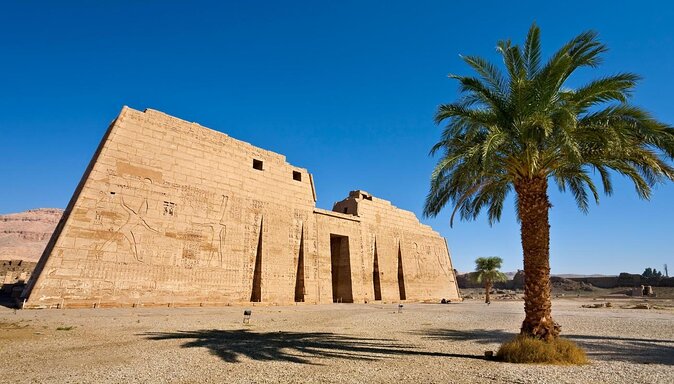
- Private Egyptologist guiding through both banks: you get attention and explanation at the stops, not just a quick walk-by.
- Valley of the Kings tomb variety: expect multiple royal tombs, including Ramses IX, Merenptah, and Ramses III (with more famous tomb access sometimes requiring an extra fee).
- Deir el-Bahari + Hatshepsut’s terrace temple: a West Bank must-see with a dramatic setting.
- Karnak’s “big wow” moments: Hypostyle Hall’s 134 columns, plus key obelisks and sacred-lake symbolism.
- Included lunch and practical comfort: koshari lunch, bottled water, and a luxury, air-conditioned car for a long day.
- Good value hinges on what you pay extra for: most major entrance fees are covered, but one major tomb may not be.
East and West Banks in One Day: Why This Layout Works
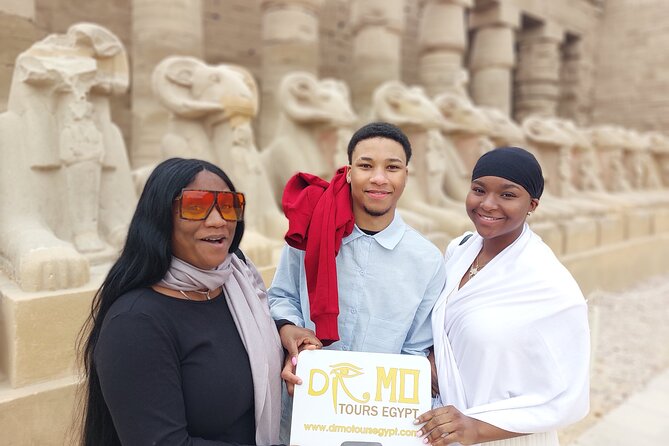
If your Luxor time is tight, the hard part isn’t the sights—it’s sequencing them. The East Bank is where Karnak lives. The West Bank is where the dead-king landscape begins: Valley of the Kings tombs, Hatshepsut at Deir el-Bahari, and Colossi of Memnon. Doing both in one guided push is the whole point here.
This format helps you in a very practical way. You don’t lose time figuring out transport between banks, negotiating entry tickets on your own, or trying to guess which tombs are worth your limited hours. Instead, your guide keeps the day moving in a logical order while still giving you time to actually look around.
You can also read our reviews of more tours and experiences in Luxor.

Price and Logistics: What Your Money Is Really Buying
The tour is priced at $15 per person, but the real value is how it’s packaged. You’re not just paying for a driver and a list of stops. You’re also getting:
- hotel pickup and drop-off
- an air-conditioned luxury vehicle
- bottled water
- Egyptologist guidance
- entrance fees
- service charges and taxes
- a traditional lunch (koshari)
That combination matters in Luxor. Many “cheap” day trips quietly remove the parts that cost time and money—entry tickets, transfers, and food. Here, the included pieces take friction out of the day.
Now for the catch. The one clearly called-out exception is the Tut Ankh Amun tomb. If your heart is set on seeing King Tut’s tomb, plan for the chance of paying an additional admission fee directly on the day. One review note also warned to budget extra for King Tut’s admission, which lines up with what’s not included.
Pickup, Air-Conditioned Comfort, and Staying on Schedule
You’ll get pickup and drop-off from Luxor hotels, the airport, or a cruise terminal area. That’s a big deal if you’re arriving by cruise or trying to avoid dead time before a shared taxi finds you.
The vehicle is described as first class and air-conditioned, with bottled water for each person. On a day that can run close to 10 hours, that comfort isn’t a luxury—it’s what keeps you able to enjoy tomb corridors and outdoor temple courtyards without feeling fried.
One thing to watch: in a couple of experiences shared, pickup involved a phone handoff and a change into another van. That doesn’t mean it will happen to you, but it’s smart to be ready for a brief coordination moment. If you can, have your WhatsApp/phone number handy and confirm the exact meeting point name with the tour operator before they arrive.
Valley of the Kings Tombs: The Main Event and the Tut Ticket Question
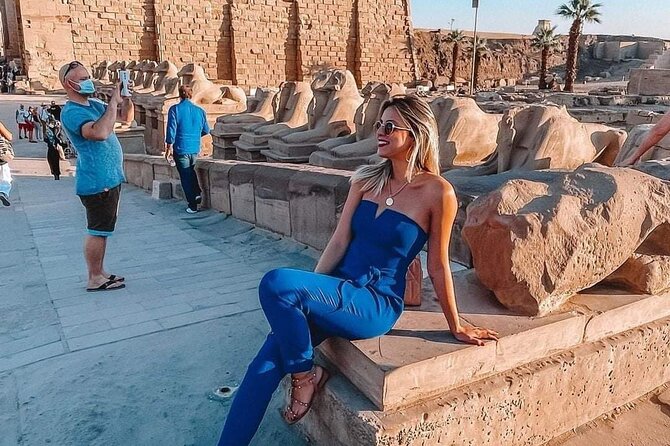
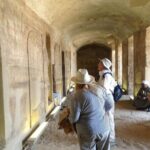
The day starts (in most runs) on the West Bank at the Valley of the Kings, the Necropolis of Thebes. This is where Luxor’s tomb world becomes real: rock-cut chambers, painted reliefs, and the sense that these places were designed for eternity.
You’ll visit multiple royal tombs—listed options include Ramses IX, Merenptah, and Ramses III, with other tombs also mentioned as part of the Valley set. Expect each tomb to feel different in its layout, decoration, and the scale of the passageways. Some have ceiling details and painted relief work that reward slow looking, not quick photos.
Plan for the King Tut fee if it matters to you
Even though one part of the tour description suggests King Tut is among the Valley tomb options, the tour data also states that Tut Ankh Amun tomb isn’t included. In plain terms: you should treat King Tut as the likely extra-pay item.
Practical move: decide ahead of time what you want most. If King Tut is non-negotiable, be ready with cash and time to enter. If you’re happy with other top tombs, you can still leave the Valley feeling like you saw the real deal.

Deir el-Bahari and Hatshepsut: What You’ll Remember After the Heat
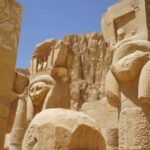
Next comes Deir el-Bahari and the Temple of Queen Hatshepsut. This is one of those Luxor stops where the setting does half the work. You’re looking at terraces and temple structures built for a ruler who wanted to be seen as powerful, not just remembered.
The tour positions Hatshepsut clearly: she’s the only woman noted as reigning as Pharaoh, and she’s connected in the story line to the same dynasty as Tutankhamen. That lineage is helpful because it turns the visit from “pretty temple” into “place with political meaning.”
You’ll have about 1 hour 30 minutes at this stop (based on the schedule). That’s enough time to walk key viewpoints, read the main architectural cues, and still take breaks in shaded areas when the sun gets heavy.
Colossi of Memnon: Short Stop, Big Scale
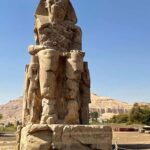
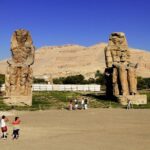
Colossi of Memnon are the two huge statues from the era of Amenhotep III. The statues are what you’d expect—massive, ancient, and a little surreal to see in person after months of seeing them in photos.
This is the kind of stop that works even if you’re tired, because the payoff is immediate: you can see the scale right away and take pictures without needing a long explanation to appreciate the size.
The visit time is short (around 10 minutes), so go in with the mindset of grabbing the key angles. If you want “where exactly should I stand,” ask your guide for a fast photo spot before you split your attention between phone camera and wandering eyes.
Karnak Temple Complex: How to Make the 2 Hours Count
After lunch, you’re pointed to the East Bank and Karnak. Karnak is where Luxor turns into architectural spectacle. It’s not one temple. It’s a complex of temples built across reigns, with each section adding layers—literal and symbolic.
The time allotted is around 2 hours for Karnak temples, and this is enough if you know what to look for. Here are the parts that usually create the biggest “wow” reaction:
- the Avenue of Sphinxes (a processional intro vibe)
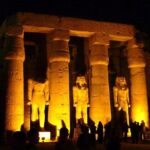
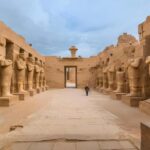
- the Hypostyle Hall with 134 gigantic columns
- obelisks tied to Hatshepsut and Tuthmosis I
- the Temple of Amun with lotus and papyrus motifs
- the Sacred Lake area concept
- additional monumental spaces tied to later rulers
If you enjoy reading buildings like stories, ask your guide to explain the “why this hall looks this way” logic. The best guides connect layout to meaning, not just dates.
Obelisks and Quick Photo Windows: Small Stops That Matter
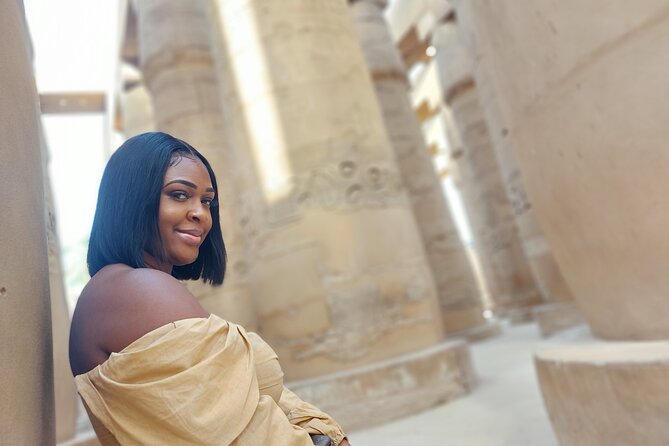
The schedule includes quick stops focused on obelisks—specifically those associated with Hatshepsut and Tuthmosis I. These are brief (around 10 minutes each), but they’re worth treating as mini-photo sessions.
Why? Because Karnak’s scale can blur your sense of direction. A short, well-timed pause at a landmark gives your brain something to anchor to. You’ll leave with images that actually help you remember where you were, not just a pile of temple shots.
Tip: if you want fewer blurry photos, ask your guide where the best angle is before you start shooting. A couple of minutes of planning beats 20 minutes of frustration.
The Rest of the East Bank Day: Temple of Amun and Ramesses III at Karnak
The tour plan also calls out Temple of Amun (often used interchangeably in how people talk about Karnak’s main areas) and Temple of Ramesses III at Karnak.
In a day packed with movement, these extra Karnak-focused touches help you avoid the “I saw the main hall, but I missed the rest” feeling. You’re building a fuller mental map: major ceremonial spaces first, then additional royal touches and architectural details that show how different rulers left their marks.
Even if your schedule feels tight, try not to rush these sections. Karnak is one of those places where the ceiling heights, column rhythms, and surface carvings give you something new even when you think you already “got the idea.”
Traditional Lunch Koshari and the Little Comfort Details
Lunch is included as traditional koshari, which is a good choice for this kind of day. It’s filling without being so heavy that you’ll spend the afternoon sluggish.
Also included: bottles of water. Luxor sun can be tricky, and tomb air can feel cooler but still dry. Having water taken care of helps you keep your head clear.
One more practical detail from the experience notes: your guide is happy to take pictures. That matters more than it sounds. If you’re traveling as a couple or small group, you’ll spend less time juggling cameras and more time actually paying attention.
Guides: Punctual, Question-Friendly, and Why Their Style Changes Your Day
The biggest praise across experiences centers on guides who act like more than a human GPS. Names that came up include Dr Mo (as the company figurehead), and guides like Mohammed, Hassaan/Hussain, and Shaimaa, plus references to Said.
What stands out in how people describe these guides: they answer questions, they explain significance, and they help you connect the sites together. One review even mentioned a guide with a university-level background and a very specific focus on tomb conditions—this kind of detail makes the Valley feel less like random rooms and more like a designed environment.
Now for your reality check. A few mixed experiences mention detours or extra shopping stops that weren’t part of the expected monument plan. Some also mention confusion around meeting points and program changes.
Here’s the advice you can use immediately: at the start of the day, ask your guide to confirm the order and the included sights. If they propose an extra stop, ask if it changes your time at the main sites. If you don’t want animal enclosures or shopping detours, say so early, calmly, and stick to your priorities.
Who This Private Luxor Tour Fits Best
This is a smart match if you want:
- a single-day East + West Banks overview
- a private guide who can pace around your questions
- included entrances (with one notable tomb likely costing extra)
- comfortable air-conditioned transport and pickup/drop-off
It’s also a good fit for families or small groups who don’t want to manage tickets and logistics alone.
If you’re the type who wants a slow, in-depth archaeology deep dive with long museum time, you might feel rushed. The schedule hits many major sights, so you’ll leave with broad clarity rather than hours inside one tomb.
Should You Book This East and West Banks Luxor Package?
Book it if your goal is to see the core Luxor highlights efficiently: Valley of the Kings tombs, Hatshepsut at Deir el-Bahari, Colossi of Memnon, and Karnak’s biggest spaces. The value is strong because pickup, air-conditioned comfort, entrance fees, lunch, and bottled water are included.
Skip (or consider a different version) if King Tut’s tomb is your top priority and you don’t want to handle any extra admission on the day. Also pass if you strongly dislike shopping detours or program changes—then you’ll want to confirm your monument-only plan before you go.
FAQ
Is this tour private?
Yes. It’s described as a private tour/activity, with only your group participating.
What’s included in the price?
Hotel pickup and drop-off, an air-conditioned luxury car, an Egyptologist guide, bottled water, service charges and taxes, entrance fees, and lunch (koshari).
Are entrance tickets included?
Yes, entrance fees are listed as included.
Is the Tut Ankh Amun tomb included?
No. The Tut Ankh Amun tomb is listed as not included.
How long is the experience?
It runs about 6 to 10 hours.
Where does pickup and drop-off happen?
Pickup and drop-off are offered at Luxor hotels, the airport, or cruise locations.
Do I need a ticket on arrival?
A mobile ticket is mentioned, and confirmation is received at booking.