REVIEW · LUXOR
Luxor to Aswan: 4 Nights on the Nile with Sightseeing Tours
Book on Viator →Operated by Aqua Egypt Tours · Bookable on Viator
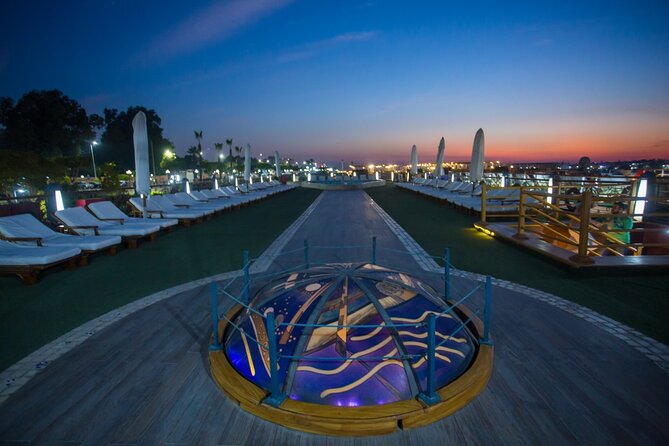
First-rate timekeeping beats chaos. This Luxor to Aswan Nile cruise is built for easy, guided sightseeing along the river, with private transfers and a private Egyptologist guide handling the flow. I like that the package is set up as an all-in-one rhythm: you step off the ship for the big sites, then return to comfortable onboard time.
The second big win is value: four nights on a 5-star Deluxe Nile Cruise with full board meals means you’re not constantly hunting for lunch and dinner between temples. One consideration: temple entry fees aren’t included, so you’ll want to budget for admissions and for drinks (also not included).
In This Review
- Key highlights you should know
- Price and what $115 really buys on this Nile route
- Day 1: Luxor Temple and Karnak Temple Complex (your first big sweep)
- Day 2: Valley of the Kings, Hatshepsut at Deir el Bahari, Colossi of Memnon
- Day 3: Temple of Horus and Kom Ombo’s dual focus
- Day 4: Philae Temple transfer by UNESCO and the Aswan High Dam reality check
- Day 5: Check out in Aswan and the optional Abu Simbel add-on
- Transfers, onboard life, and why the guide name matters
- Practical tips to make this itinerary feel effortless
- Should you book this Luxor to Aswan Nile cruise?
- FAQ
- Are temple entry tickets included for all the stops?
- How many tombs can you visit at the Valley of the Kings?
- Is the Philae temple visit reached by boat?
- Does the tour include Abu Simbel?
- What meals are included during the cruise?
- Is there pickup included in this experience?
- What happens in peak season around Christmas and New Year?
- Is cancellation free?
Key highlights you should know
- Private Egyptologist guide for the on-site context, not just a driver
- 4 nights onboard with full-board meals so your day doesn’t collapse into logistics
- Valley of the Kings ticket includes 3 tombs, a tight and efficient choice
- Philae temple is reached by boat after a cruise-to-motor-yacht port transfer
- Aswan High Dam stop gives contrast to the ancient sites
- Optional Abu Simbel excursion listed for your final day
Price and what $115 really buys on this Nile route
On paper, $115 for a Luxor-to-Aswan experience sounds like a steal. The reality is that the price works because the core parts are bundled together: four nights onboard (5-star Deluxe Nile Cruise), full board meals, and all transfers by deluxe air-conditioned vehicle, plus a private guide for sightseeing days.
But you should also plan around what is not bundled. Temple entry/admission tickets are not included, and drinks are not included. That means the final cost depends on how many paid sites you expect to cover (and any peak-season surcharge). If you’re the type who hates surprises, you’ll feel better if you set aside a little extra cash for admissions before you go.
Also note timing matters for value. This is not a “slow cruise with one museum stop.” You’re scheduled for multiple major temple stops across Luxor, Edfu-style Horus territory, Kom Ombo, and Aswan. That pace is exactly why the guide and transfers are such a big part of the package.
If you’re traveling as a family or mixed group, the private format helps too. Past trips coordinated groups across ages without you juggling different meeting points.
You can also read our reviews of more tours and experiences in Luxor.

Day 1: Luxor Temple and Karnak Temple Complex (your first big sweep)

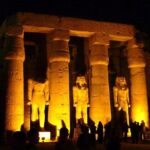
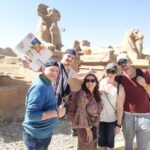
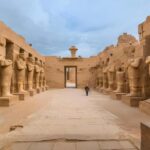
Day 1 is all about landing in Luxor’s sacred core. You start at Luxor Temple, listed as a UNESCO heritage site and dating to around 2300 BC. This temple is the kind that rewards a guide. You get more than photos—you understand what you’re looking at and why the placement and layout mattered.
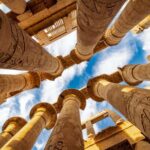
Then it’s on to Temple of Karnak, also UNESCO-listed, described as a complex of temples with the “most completed archive from ancient history in the world.” Even if you ignore the wording for a second, Karnak’s scale and carved records are the point: it’s a dense concentration of columns, halls, and inscriptions that make Egypt feel real and not just textbook.
Practical expectation: Day 1 is where you’ll want comfortable shoes and an easy attitude toward walking. The admission tickets for Luxor Temple and Karnak are not included, so this day can be the moment your budget clarifies.
Why this combo works: you get two major experiences in one direction—Luxor Temple first (more immediate and human-scaled), then Karnak second (bigger, busier in feel, more “wow” factor). You finish with the confidence that you’re seeing the right sites early, rather than chasing them after jet lag.
Day 2: Valley of the Kings, Hatshepsut at Deir el Bahari, Colossi of Memnon

If Luxor Temple and Karnak are your opening chapters, Day 2 is the story of power, afterlife, and rule.
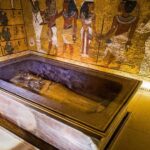
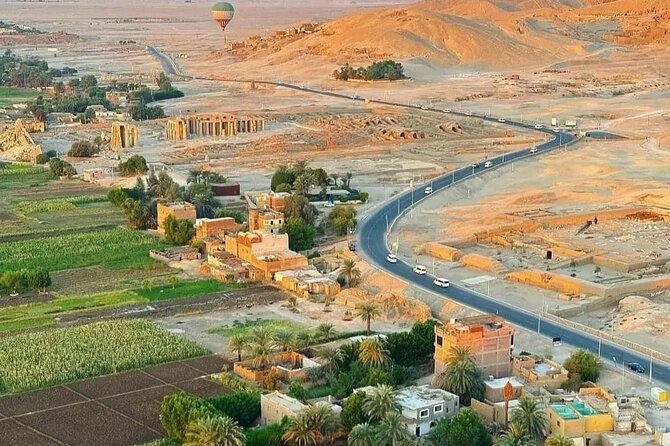
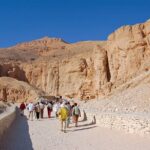
First stop: the Valley of the Kings. Your ticket allows you to visit 3 tombs. That detail matters. Some visits leave you feeling scattered, like you sprinted from one room to another. Three tombs is a workable number for actually noticing wall paintings and burial themes without burning your whole day.
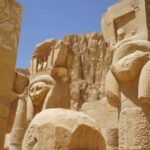
Next is Temple of Hatshepsut at Deir el Bahari. The description highlights something specific: Hatshepsut’s temple is carved into the mountain, and it’s built from limestone rather than the sandstone common to other Luxor temples. Even if you don’t geek out on materials, you’ll feel the difference in how the site sits and glows in the light.
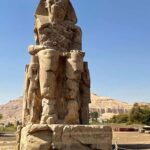
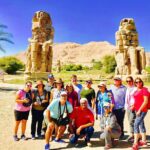
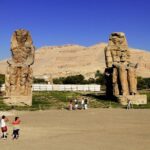
Finally, you visit the Colossi of Memnon. The listing says 30 minutes and admission free. You’re not meant to spend a long time here, and that’s fine. These massive statues are best as a quick, cinematic pause after the tombs and the temple complex.
How Day 2 feels on the ground: it’s structured, and that structure is your friend. You have breaks implied by the schedule, and your guide helps keep the interpretation clear so you’re not just staring at stone.
If you’re traveling with anyone who tires easily, tell your guide your pace level early. A good guide can steer you toward what matters most inside each tomb.
Day 3: Temple of Horus and Kom Ombo’s dual focus
Day 3 shifts away from the Luxor “big two” and into temples that feel different in style and preservation.
You begin with the Temple of Horus, described as a Greco-Roman temple that’s very well preserved and connected to the horizon. This is one of those stops where time on site matters more than speed. Plan to slow down and look at the edges of structures and the way parts connect, because the guide’s explanations are what turn it from shapes into meaning.
Then you continue to Temple of Kom Ombo, described as two temples and a preserved archive showing the relationship (and conflict) between Horus and Sobek, plus how Ra is described as solving it. Again, even if you only catch part of the explanation, the value is that you’re given the framework. Kom Ombo can feel like it’s about multiple gods and multiple wings of the temple, and a guide helps you track it.
Timing wise, you have 2 hours at Horus and 1 hour at Kom Ombo. That’s a good split: enough time to absorb Horus, then a tighter visit to Kom Ombo without turning the day into a museum marathon.
One note for expectations: since admission isn’t included for these temples either, it’s another day where you’ll likely pay entry fees. Build that into your spending plan so it doesn’t feel like a constant add-on.
Day 4: Philae Temple transfer by UNESCO and the Aswan High Dam reality check

Day 4 does something smart: it connects ancient faith to a modern story of preservation and engineering.
You start at Temple of Philae, described as the “Pearl of Temples.” The big detail here is the UNESCO transfer: the temple was transferred from Philae Island to Agilika Island. That’s not trivia. It changes the setting, the approach, and the way you understand why the temple looks the way it does today.
The visit also includes a practical transportation step. You’re picked up from the cruise to the motor yachts port, then take a motor ride on the Nile to the temple island. The listing calls this a 2-hour segment.
After that, you go to the Aswan High Dam. The point is contrast. Ancient sites are about continuity and myth; the High Dam is about modern control of the Nile. The stop is listed for 1 hour, and admission isn’t included.
Why this day matters: it’s the day that makes your whole trip feel less like a theme park and more like a living place. You see how Egypt protects old monuments while also reshaping the river system around them.

Day 5: Check out in Aswan and the optional Abu Simbel add-on

Day 5 is lighter and more transition-focused. You check out after breakfast, then a representative accompanies you to Aswan airport for your flight to Cairo. This matters because it keeps you from getting stuck in a long, unplanned gap between sightseeing and travel.
The itinerary also lists an optional excursion to Abu Simbel temple, with admission free in the provided details and an 1 hour time slot. Abu Simbel is one of those names that travelers love because it’s instantly recognizable. If your schedule allows, this is one of the few add-ons that can feel like it justifies the entire journey.
If you’re trying to choose: go for Abu Simbel if you want one last “wow” site that feels separate from Luxor and Aswan’s core temples. Skip it if you’d rather keep your last day restful and protected from early-morning timing.
Transfers, onboard life, and why the guide name matters

A cruise can either feel smooth or stressful. The difference here is that you’re not expected to solve the route yourself.
You’re covered with all transfers by deluxe air-conditioned vehicle and you have a private Egyptologist guide for the sightseeing. That sounds basic, but it’s what prevents the common problems: missed pickup windows, confusion at ticket offices, and the mental load of constantly asking where to go next.
The human side shows up in the way this company has been praised. In past trips, Sayed has been noted for prompt communication and efficient organization, including scheduling pickup times and checking in daily. Guides were also highlighted for being friendly and engaged, with Sama in Luxor specifically mentioned by name. One driver, Bilal, also came up in the context of a private limo pickup from Luxor Airport.
Even if you never meet those exact people, the point is transferable: you’re choosing a setup where you’ll be supported, not dropped into the middle of a busy port and told good luck.
Onboard meals are included: lunch (4), breakfast (4), and dinner (4). That’s huge for comfort. You’re not spending your best energy hunting food between temples. Also, you’ll know you’ll have consistent meals during the busiest sightseeing days.
What you should watch: drinks are not included, so water and other drinks may add up if you buy everything on board without planning.
Practical tips to make this itinerary feel effortless

Here’s how I’d set you up for a smoother trip using what’s built into the schedule.
- Budget for temple admissions. Multiple major sites have entries listed as not included (Karnak, Luxor Temple, Valley of the Kings, Hatshepsut, Philae, Kom Ombo, Horus, Aswan High Dam).
- Pack for heat and sun, even if you’re traveling in cooler months. Egyptian temple visits often mean outdoor time and walking. If you go with a hat and sunscreen, you’ll thank yourself.
- Bring cash or card for admissions where required. Since admissions are not included, you’ll want the payment method that fits the site requirements.
- Use your guide early. Ask a simple question at the start of each day, like what to focus on first at Karnak or which tomb details matter most at the Valley of the Kings.
- Plan your pace at Valley tombs. With 3 tombs on the ticket, you’ll see a lot. If you get tired, it’s better to move slower with meaning than rush through and remember only the exits.
If you’re also tempted by add-ons, one highly recommended option that’s been mentioned is a sunset felucca ride. That type of outing is a different feel from temple mornings, and it can be a nice reset if your schedule stays flexible.
Should you book this Luxor to Aswan Nile cruise?
I’d book this if you want a guided, low-stress route from Luxor to Aswan with real temple time and minimal logistics work on your end. The structure is strong: private transfers, private Egyptologist guidance, and four nights onboard with meals already covered.
You should think twice if you strongly dislike paying for site admissions separately or if you want a cruise with lots of free time and very few organized stops. With this itinerary, you’re clearly in sightseeing mode.
If your goal is to see Egypt’s big-name sites in a sensible order—Valley of the Kings (3 tombs), Hatshepsut, Karnak, Philae, and the Aswan High Dam—this is a practical way to do it without turning your vacation into a planning project.
FAQ
Are temple entry tickets included for all the stops?
No. Entry or admission is not included for several major sites listed on the itinerary, including Luxor Temple, Temple of Karnak, Valley of the Kings, Temple of Hatshepsut, Temple of Philae, Aswan High Dam, Temple of Kom Ombo, and Temple of Horus.
How many tombs can you visit at the Valley of the Kings?
Your tickets allow you to visit 3 tombs at the Valley of the Kings.
Is the Philae temple visit reached by boat?
Yes. The itinerary specifies pickup from the cruise to the motor yachts port, then a motor ride on the Nile to reach the temple island.
Does the tour include Abu Simbel?
Abu Simbel is listed as an optional excursion during Day 5. The itinerary notes admission as free in the provided details.
What meals are included during the cruise?
The package includes breakfast (4), lunch (4), and dinner (4) during the four nights onboard.
Is there pickup included in this experience?
Yes. Pickup is offered, and the itinerary also includes transfers by deluxe air-conditioned vehicle throughout.
What happens in peak season around Christmas and New Year?
There is an additional fee of USD 200 per person for peak period from Dec 20 to Jan 2.
Is cancellation free?
Yes, free cancellation is available. You can cancel up to 24 hours in advance for a full refund. If you cancel less than 24 hours before, you won’t receive a refund.