REVIEW · CAIRO
Giza Pyramids and Egyptian Museum
Book on Viator →Operated by nonaegypt · Bookable on Viator
Egypt feels close in one day. You get context before you stare up at Giza, because the Egyptian Museum’s famous Tutankhamun collection and its huge holdings (around 120,000 artifacts) help you understand what you’re looking at.
I also like that the experience is built for comfort and flow: pickup and private transportation cut down Cairo time-waste, and you can add extras like camel riding or a Nile felucca option. The main thing to consider is that key costs come separately: pyramids-area and museum tickets aren’t included, and you’ll still need drinks and lunch on your own.
In This Review
- Key highlights to know before you go
- The best way to fit Giza + the Egyptian Museum into one stretch
- From Tahrir Square Obelisk to the Giza area: how the day starts
- Egyptian Museum: 120,000 artifacts, Tutankhamun, and how to not get overwhelmed
- Tutankhamun is the shortcut to understanding the whole story
- After the guided time: use your free wandering time well
- Giza Pyramids: what you should focus on in a short visit
- Optional camel ride and Nile felucca: fun add-ons with trade-offs
- Camel riding: the classic Giza experience
- Nile felucca: a calmer counterpoint to the desert
- Price and value: what you’re paying for and what you still cover
- What you get in the package
- What you should expect to pay separately
- Guide quality: why names like Hanan and Nona matter
- Who this tour is best for
- Should you book this Giza + Egyptian Museum experience?
- FAQ
- How long is the Giza Pyramids and Egyptian Museum tour?
- Is pickup from my hotel included?
- Are the museum and pyramids tickets included?
- Is a camel ride included?
- Is a Nile felucca ride included?
- Is this a private tour?
- What happens if the weather is bad?
- What is included in the price besides the guide?
Key highlights to know before you go
- 120,000 artifacts in the museum means you’ll pick favorites, not try to see everything.
- Tutankhamun-focused stops help you connect Egyptian stories to real objects.
- Private tour setup means you move with your group instead of waiting around.
- Pickup from Cairo or Giza is the big time-saver here.
- Optional camel ride and Nile felucca turn “sightseeing” into a more complete day.
- Weather matters because the outdoor pyramids experience depends on conditions.
The best way to fit Giza + the Egyptian Museum into one stretch
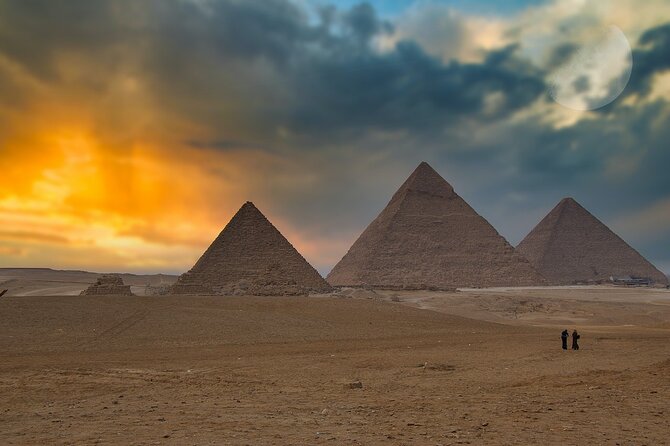
The magic of this tour is that it’s not only about monuments. You start with the museum, where you can learn how ancient Egyptians lived and how their beliefs shaped everything from everyday objects to royal tombs. Then you step outside to Giza with a much clearer mental picture.
The time window is also realistic. At roughly 4 to 5 hours, you’re not committing to a full day of back-and-forth across Cairo traffic. You’re doing a focused “big hits” route, with optional add-ons if you want a bit more.
One smart detail: the museum part is designed so you can actually enjoy it. The museum contains an enormous collection, yet the building itself is not huge, so trying to see everything can turn into stress. This tour keeps it moving, then gives you some free time to wander after your guided time ends.
You can also read our reviews of more museum experiences in Cairo

From Tahrir Square Obelisk to the Giza area: how the day starts
You begin at Tahrir Square Obelisk (مسلة ميدان التحرير), and the tour ends back at the same meeting point. Even though tickets aren’t included, the “getting there and getting around” side is handled with private transportation, so you’re not juggling taxis or trying to sort directions.
Pickup is also available from essentially any hotel or hostel in Cairo and/or Giza. For many people, that’s the difference between a smooth start and a day that feels like logistics first and sights second.
A practical tip: bring small essentials for sun and walking. You’ll likely spend time outdoors at the pyramids, and the tour is short enough that you don’t want to lose time to missing water or a hat. Bottled water is included, which helps you get moving without scrambling.
Egyptian Museum: 120,000 artifacts, Tutankhamun, and how to not get overwhelmed
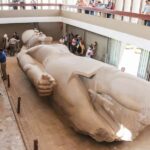
Let’s talk scale. The Egyptian Museum has around 120,000 ancient artifacts. That number sounds like a full-week project, but the building isn’t enormous, so the museum visit is less about “completion” and more about choosing the right highlights at the right pace.
This is where the guide matters. If you get a guide like Hanan or Nona (both names come up in the strongest feedback), you’ll get explanations that help the objects make sense fast. The best part isn’t fancy storytelling. It’s how they connect the display to real life—how people lived, what they valued, and why certain items show up repeatedly.
Tutankhamun is the shortcut to understanding the whole story
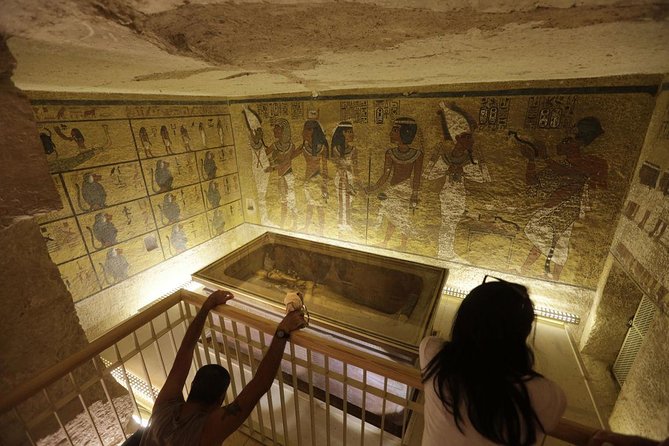
The museum is famous for its Tutankhamun collection, and that’s a powerful anchor for your visit. Even if you’re not an Egyptology expert, Tutankhamun gives you a clear starting point for interpreting other pieces you’ll see on your way.
Here’s a helpful mindset shift: you’re not trying to read every label. You’re trying to build a mental timeline. When you know who Tutankhamun was and why that period matters, it becomes easier to look at the pyramids later and feel the connection instead of treating them like random stone shapes.
After the guided time: use your free wandering time well
You’ll have some free time after the museum. Use it to do one of two things:
- Go back to the areas that grabbed you during the guide portion.
- Or simply take your time and slow down to really look at details.
This tour structure works because it protects you from museum burnout. You get the key context first, then you can choose what to linger on without feeling guilty that you didn’t see every room.


Giza Pyramids: what you should focus on in a short visit
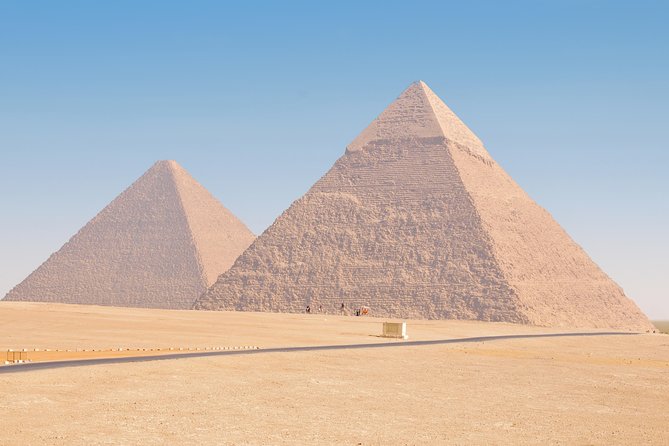
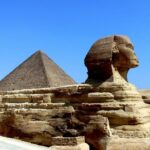
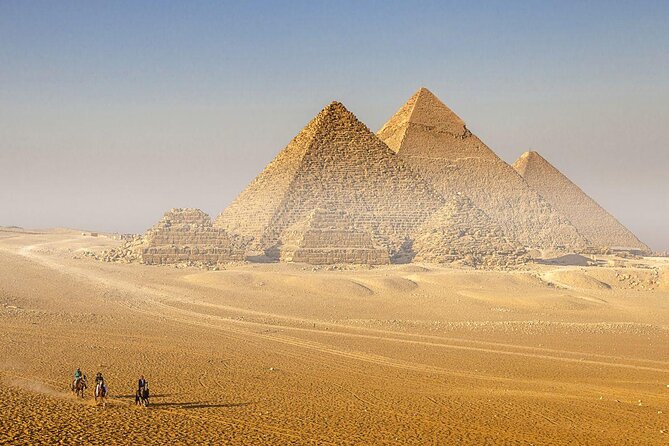
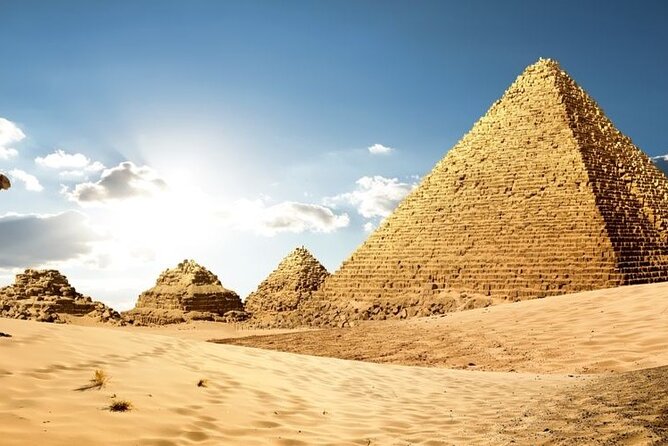
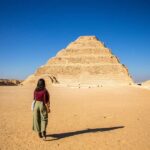
The pyramids are one of the seven wonders, but the real payoff is how your understanding changes once you’ve seen museum objects and learned the basics of ancient Egyptian life. When you arrive at Giza, the structures stop being just famous photos and start feeling like something built by people with beliefs, rituals, and a strong sense of order.
Since pyramids-area tickets aren’t included, plan on paying that separately. The tour is built around your guided experience, so you’re not left trying to figure out how to enter while everyone else is waiting.
In a short tour like this, you’ll want to focus on a few priorities rather than trying to circle the entire area. Here’s what I’d aim for:
- One clear viewpoint where the scale hits you.
- Time to observe the texture and alignment, not just height.
- A moment to take in the surrounding desert context, because it helps the pyramids feel real.
Also, consider that the tour depends on weather. Since the pyramids are outdoors, poor conditions can disrupt the timing, and you’ll be offered a different date or a full refund if the experience is canceled due to poor weather.
Optional camel ride and Nile felucca: fun add-ons with trade-offs
This is one of those tours where optional activities can make the whole day feel more complete. If you choose the including option, your package covers:
- Camel ride
- Felucca ride on the Nile river
Camel riding: the classic Giza experience
A camel ride can turn the pyramids from a passive viewing stop into an active memory. It’s also a good way to slow down and feel the pace of the area instead of just passing through.
The trade-off is time and comfort. Camel riding is a very specific activity. If your priority is photos and walking, you may find the camel portion changes your rhythm.
Nile felucca: a calmer counterpoint to the desert
The Nile felucca adds a different mood. Instead of staring at stone and sand, you get a softer scene on the water. It’s also a nice contrast after museum learning, because you end up experiencing Egypt through the river’s daily rhythm.
If you’re someone who tends to skip “activity extras,” think of felucca and camel as the emotional bookends. Museum gives you context. Pyramids give you awe. These two add-ons can give you a personal, sensory ending.
Price and value: what you’re paying for and what you still cover
At $115.36 per person, this isn’t a budget option. But the value makes more sense once you think about what’s included and what’s handled for you.
What you get in the package
You’re covered for:
- Private transportation
- All fees and taxes (for what the operator provides)
- Bottled water
- Optional camel ride and/or felucca ride if you select those options
Private setup matters in Cairo. The time you save not having to coordinate transport can be huge, especially in a 4–5 hour window.
What you should expect to pay separately
You’ll need to pay for:
- Tickets to the pyramids area
- Tickets to the museum
- Drinks and lunch
That separation is important. When you estimate your total day budget, don’t just multiply the tour price by two. Add ticket costs and basic food and drink.
One more angle on value: the best part of paying for a guide in this specific route is avoiding confusion. A good guide helps you get inside faster, understand what you’re seeing, and dodge common “extra money” traps. That kind of practical help is often worth more than it seems when you’re still in your hotel planning mode.
Guide quality: why names like Hanan and Nona matter
A repeated theme in the strongest feedback is that certain guides are praised for being:
- Engaging and patient
- Well spoken in English (and sometimes other languages)
- Full of useful advice before issues happen
- Calm about keeping the group comfortable
Names like Hanan and Nona show up in that context. If you can request a guide when booking, it’s worth asking specifically for one known for clear explanations and practical tips.
A great guide also helps with a tricky part of Cairo sightseeing: you’ll hear lots of offers around major sights. The tour structure here seems designed to protect you from unnecessary stress, including guidance on what not to do if you’re trying to avoid being pushed into unwanted spending.
Who this tour is best for
This is a great fit if you:
- Want the museum + pyramids combo without a full-day commitment
- Prefer a private tour so the day stays smooth
- Like learning basics about ancient Egypt before seeing Giza
- Want optional activities like camel ride or Nile felucca to round out the experience
It’s also a good choice if you’re traveling with family and want a guide who can keep things organized and understandable. The tour’s value shines when you’re the type who wants context, not just photos.
If you’re the kind of traveler who likes total freedom and long wandering, you might find the tour’s time limit a little tight. But the free time after the museum helps, and you can use the guide portion to focus your energy.
Should you book this Giza + Egyptian Museum experience?
If your goal is to see Cairo’s top ancient highlights in a manageable half-day, I’d say yes. The museum sets you up for the pyramids in a way that’s hard to replicate if you go straight to Giza first. The private transportation and pickup options also make a real difference when time and energy are limited.
Book it if:
- You want Egypt’s big story in one outing (museum context plus Giza awe).
- You’re interested in optional camel or felucca add-ons.
- You want a guide role that includes practical advice, not just walking.
Skip or adjust expectations if:
- You hate paying tickets separately and want everything bundled.
- You want a slow, no-schedule day at Giza with lots of extra walking.
- The weather in your travel window is unpredictable, since the experience depends on conditions.
FAQ
How long is the Giza Pyramids and Egyptian Museum tour?
It runs about 4 to 5 hours.
Is pickup from my hotel included?
Pickup from any hotel or hostel in Cairo and/or Giza is available, and the start point is Tahrir Square Obelisk.
Are the museum and pyramids tickets included?
No. Tickets to both the museum and the pyramids area are not included.
Is a camel ride included?
A camel ride is included only when you choose the option that includes it.
Is a Nile felucca ride included?
A felucca ride is included only when you choose the option that includes it.
Is this a private tour?
Yes. It is a private tour/activity, meaning only your group participates.
What happens if the weather is bad?
The experience requires good weather. If it’s canceled due to poor weather, you’ll be offered a different date or a full refund.
What is included in the price besides the guide?
Private transportation, all fees and taxes, bottled water, and (if you select them) camel ride and felucca ride are included. Drinks and lunch are not included.