REVIEW · LUXOR
Aswan: 3-Day Nile River Cruise to Luxor with Guided Tours
Book on GetYourGuide →Operated by Egyptology Travel CO · Bookable on GetYourGuide
Nile sunsets hit different on this cruise. I like how this Aswan-to-Luxor route strings together the big hitters like Philae Temple and Karnak, while still giving you real time to enjoy the river by day and night. It’s not just checklists; it’s a smooth way to see major sites without constantly changing hotels.
The catch is crowding: even with guided timing, Karnak and the Valley of the Kings can feel busy. If you’re the type who likes breathing room for photos, plan to move a little faster and accept that you’ll be shoulder to shoulder in the most famous halls.
In This Review
- Key Things I’d Bet You’ll Appreciate
- Why This Aswan to Luxor Nile Cruise Feels Efficient (and Still Enjoyable)
- Day 1: Philae Temple, High Dam, and Kom Ombo Sunset on the Water
- Philae Temple Isn’t Just Famous—It’s a Good Start
- High Dam: Why This Stop Matters Even If You Came for Temples
- Getting Settle Into Your Cruise Cabin (and What to Expect Onboard)
- Day 2: Morning Breakfast, Edfu’s Horus Temple, and Esna Lock to Luxor
- The Horse-and-Carriage Ride to Edfu: A Small Detour with Real Payoff
- Day 3: Valley of the Kings, Deir El Bahari, Karnak, and Luxor Temple
- Karnak and the Valley of the Kings: How to Survive the Most Famous Rooms
- Price and Value: Is $480 Per Person a Good Deal?
- Guides, Safety, and the Real Day-to-Day Experience
- Monday Schedule Quirk: What Changes and What Doesn’t
- Should You Book This Aswan to Luxor Cruise?
Key Things I’d Bet You’ll Appreciate
- A guided, full-arc itinerary from Aswan’s Philae area to Luxor’s Karnak and Luxor Temple
- Temple variety in a short window, from goddess worship at Philae to the royal tombs near Luxor
- Edfu with a horse-and-carriage ride for a more old-school approach to arrival
- Kom Ombo at sunset as a memorable change of pace from temple-heavy mornings
- Comfortable river pacing: you’re sleeping on the Nile while touring on shore
- English live guides and skip-the-ticket-line support to cut down friction at major stops
Why This Aswan to Luxor Nile Cruise Feels Efficient (and Still Enjoyable)
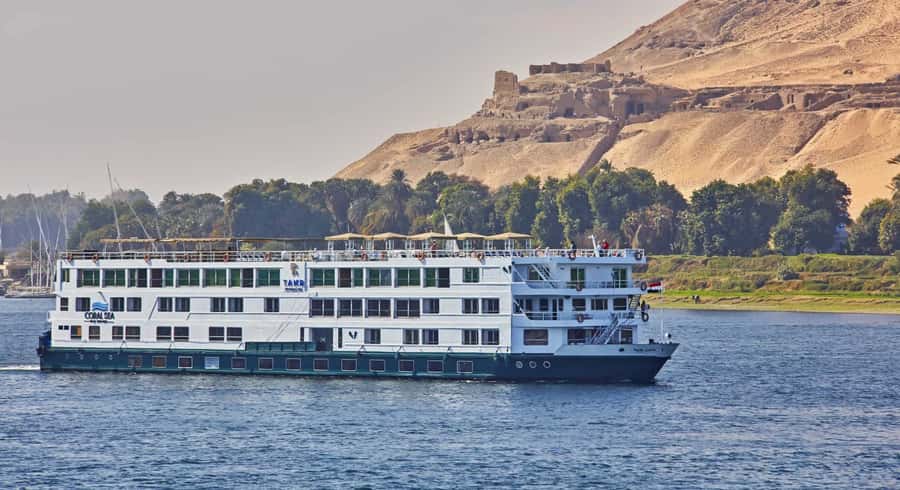
The Aswan to Luxor Nile route works because it’s built around how Egypt’s sightseeing really happens. You get to split the trip into themed days instead of racing between hotels and checkpoints, and you’re traveling while the river does its quiet work in the background.
This plan also helps you hit multiple “must-see” sites without turning the trip into a logistics contest. With pickup in Aswan, guided touring, and an end transfer in Luxor, you spend less energy figuring out what to do next and more time paying attention to what you’re seeing.
You can also read our reviews of more boat tours in Luxor

Day 1: Philae Temple, High Dam, and Kom Ombo Sunset on the Water

Your day starts with pickup at 8:00 AM from your Aswan hotel. First stop is Philae Temple, dedicated to the goddess Isis. This is one of those places where the stonework feels intimate rather than monumental-only, and the setting by the river makes it easier to imagine how worship fit into everyday life.
Next comes the High Dam, a major engineering project built in 1960 to protect surrounding regions from the Nile’s annual floods. Even if you’re not a “history nerd,” the dam is worth it because it explains why modern Egypt looks the way it does—water management changed everything, from agriculture to where people built and how they planned.
After that you check in to your cruise and set sail at roughly 2:00 PM. Once you’re on board, you get that classic Nile cruising rhythm—slow afternoons, brief tours, then more time on the river. In the late day, the cruise reaches Kom Ombo in time for sunset. The Temple of Kom Ombo is tied to gods Sobek and Horus, and sunset timing is a smart choice because the light usually turns stone tones warm and photo-friendly.
You’ll then continue sailing and arrive in Edfu for the overnight.
Philae Temple Isn’t Just Famous—It’s a Good Start
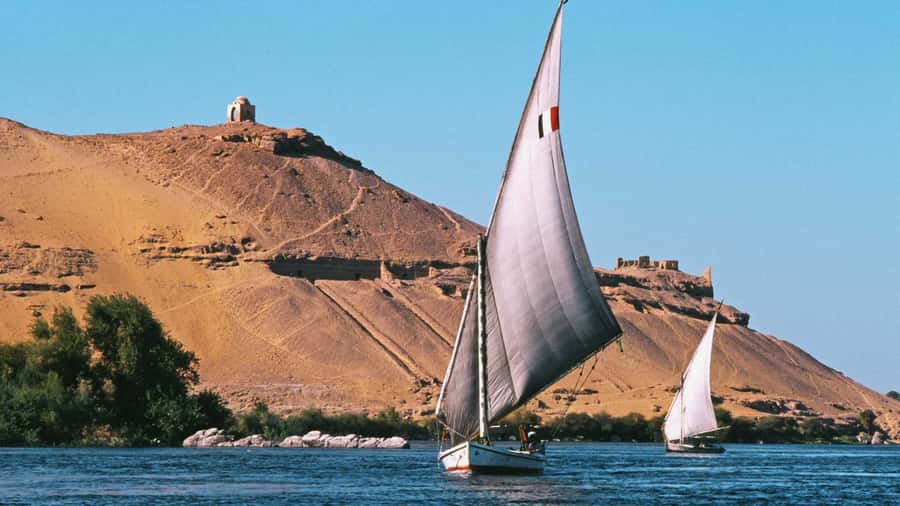
Starting with Philae Temple sets your expectations right. Many big Egyptian sites can feel overwhelming fast, but Philae tends to reward a calmer pace. With a guide, you’ll likely understand what each section is doing in the larger religious story, not just the names carved on the walls.
Also, going early helps you avoid some of the day’s heavier crowds. And since you’re not yet deep in the Luxor marathon, it’s a great first “anchor” stop before the itinerary ramps up.
High Dam: Why This Stop Matters Even If You Came for Temples
I like that this tour doesn’t ignore the modern story. The High Dam can feel like a detour if you only want ancient monuments, but it’s actually a context builder: it explains how the Nile went from predictable cycles to engineered control. That matters because ancient Egypt and modern Egypt are both Nile stories, just with different rules.
It’s also a useful palate cleanser. After the intricate temple carvings, you shift to something human-made on a large scale, and it helps your brain reset before the day turns into cruising.
Getting Settle Into Your Cruise Cabin (and What to Expect Onboard)
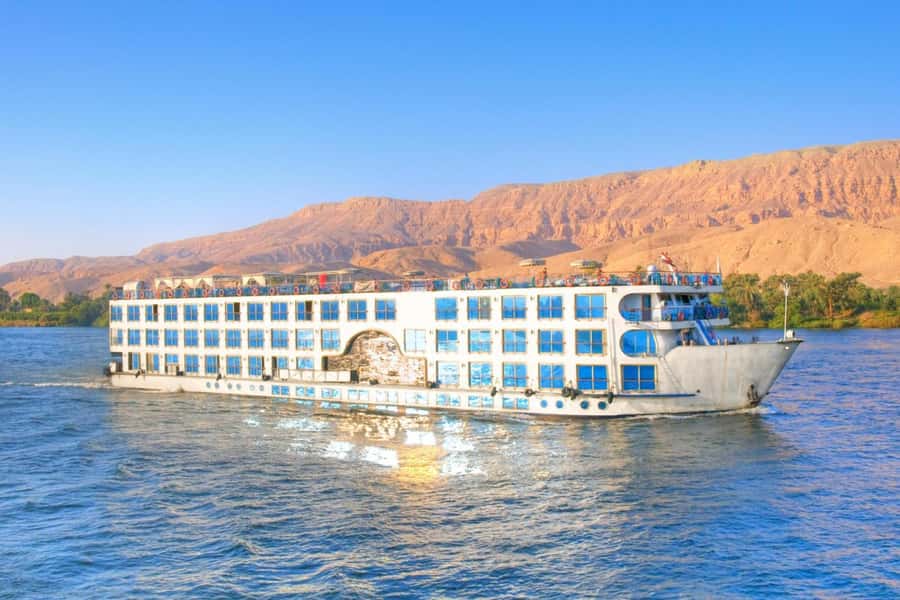
You get 2 nights accommodation on a Nile cruise, with a cabin described as having all facilities. In plain terms: your room is there to recharge, shower, and sleep, not to become the highlight of the trip.
Food is usually decent on this style of cruise, and you’ll have lunch on Day 1 and Day 2, plus breakfast on Day 2 and Day 3. That’s helpful because meal planning on a Nile cruise can otherwise eat time. One fair warning: some people have found food average at times, and vegetarian options can be limited depending on the ship and season—so keep that in mind if you have strict preferences.
WiFi is a common question. It’s not included, so if you’re counting on being online from your cabin, you’ll want to plan around that.
You can also read our reviews of more guided tours in Luxor

Day 2: Morning Breakfast, Edfu’s Horus Temple, and Esna Lock to Luxor
Day 2 begins early with breakfast, then you head out for a horse-and-carriage ride to the Temple of Horus at Edfu. This part is more than a novelty. It changes the tempo: you slow down, take in the river-town feel, and arrive in a slightly more ceremonial way than by car.
At Edfu, the focus is the Sacred Drama, a story about the conflict between Horus and Seth, shown through scenes and inscriptions in the temple. A guided explanation here helps you connect what you’re seeing to the bigger Egyptian belief system instead of treating the walls like isolated artwork.
Once you’re back on the cruise, you’ll have afternoon tea while sailing toward Luxor. On the river route, you’ll pass through the Esna lock, which is a practical reminder that this is a working river, not just a scenic postcard. Arriving in Luxor at around 7:00 PM keeps the night portion relaxed—you’re not stuck touring until late.
The Horse-and-Carriage Ride to Edfu: A Small Detour with Real Payoff
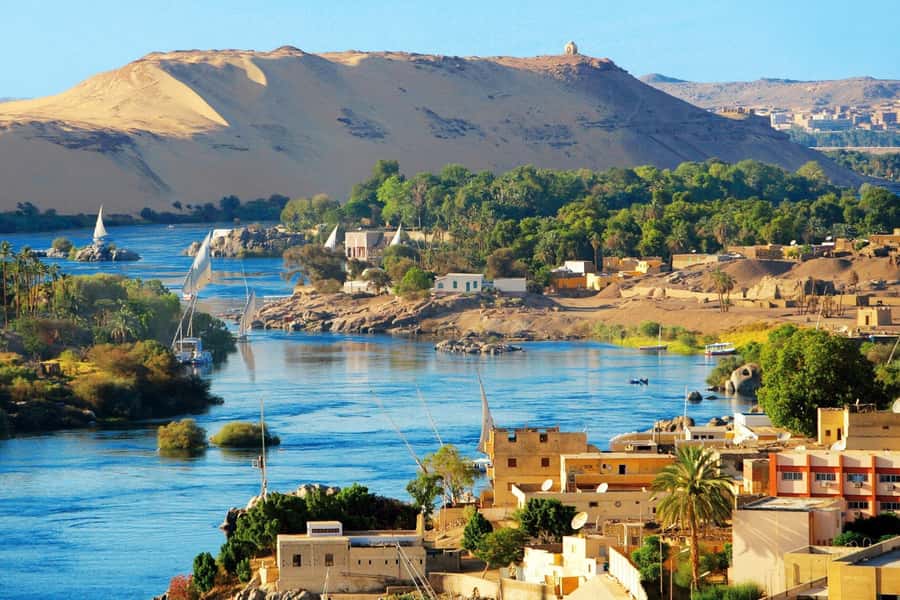
This is the kind of detail that can make the day feel special. You’re getting transport, yes, but you’re also getting a short, human-scale moment in Egypt beyond temples. If you’re worried about sitting in cars all day, this helps balance the experience.
It also creates an easy mental transition: you move from “cruise mode” into “temple mode,” and the change feels natural.
Day 3: Valley of the Kings, Deir El Bahari, Karnak, and Luxor Temple
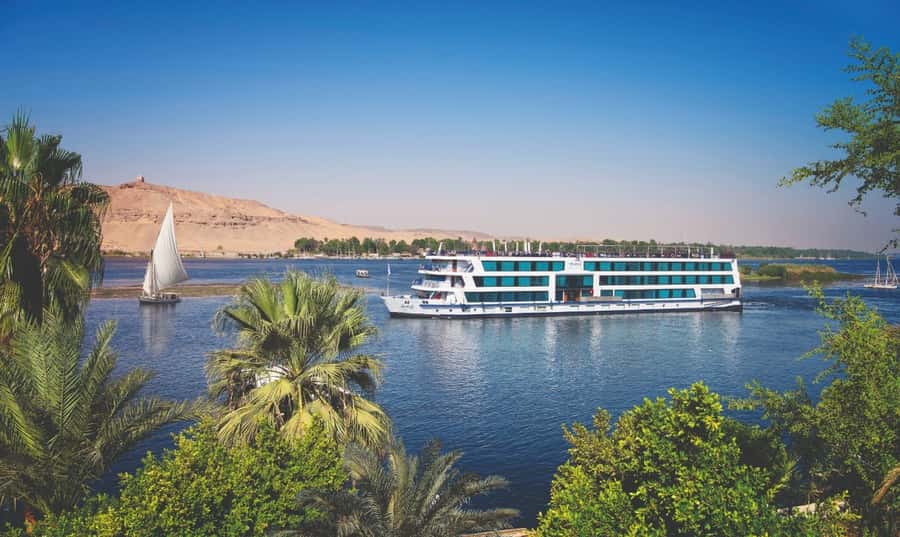
Your last day runs like a greatest-hits collection, but it’s built in a sensible order: royal tombs, then the cliffside grandeur of Hatshepsut, then the scale of Karnak, and finally Luxor Temple.
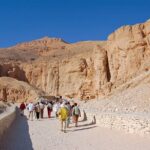
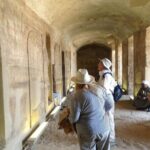
You start at the Valley of the Kings just outside Luxor. With a guide, you’ll explore Royal Tombs, and you’ll get more out of the visit when you understand how royal power was expressed underground as much as above ground. This is one of the places where guidance really helps you avoid feeling like you’re walking through a random set of chambers.
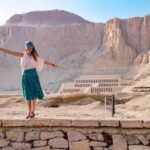
Next comes Temple of Queen Hatshepsut at Deir El Bahari. Hatshepsut is noted as the first pharaonic woman to rule Egypt. The setting on the cliffs gives the temple an instantly dramatic feel, and seeing it after the Valley of the Kings gives you a sense of how different Egyptian eras used architecture for different messages.
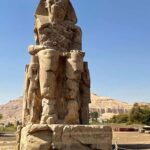
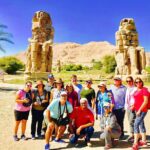
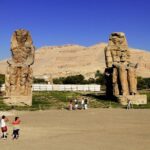
Then you’ll see the Colossi of Memnon, statues facing the Nile. They’re massive, simple, and strangely emotional—like the landscape remembered someone important, even after everything else changed.
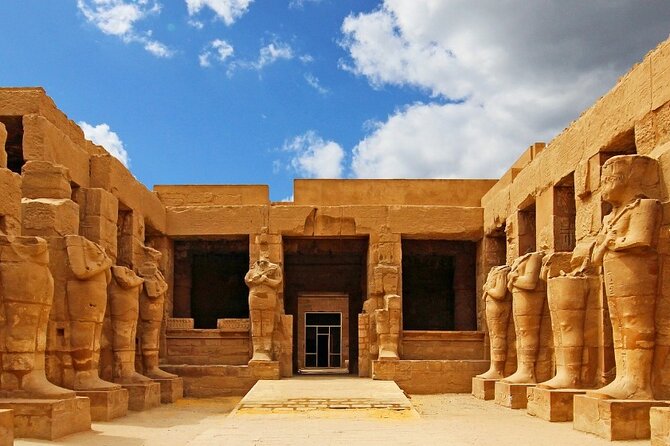
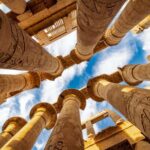
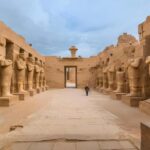
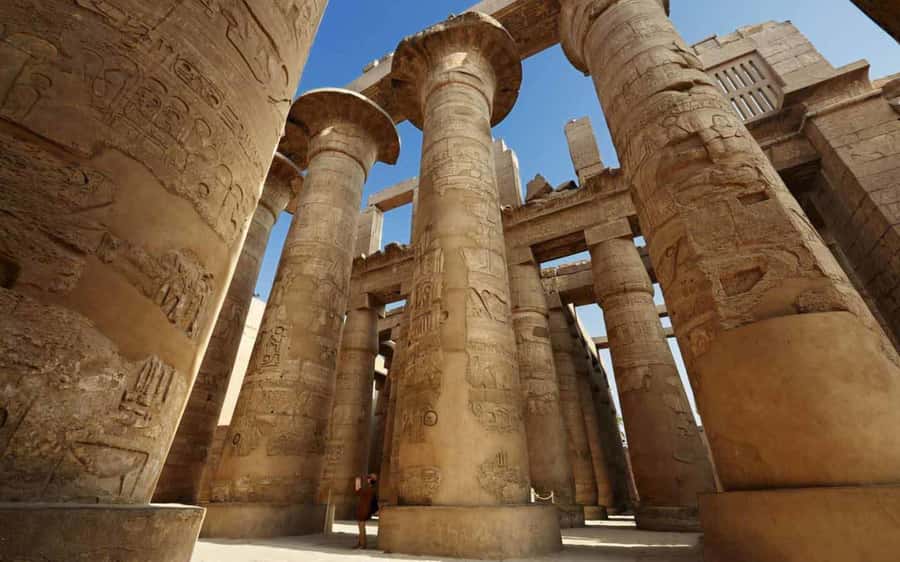
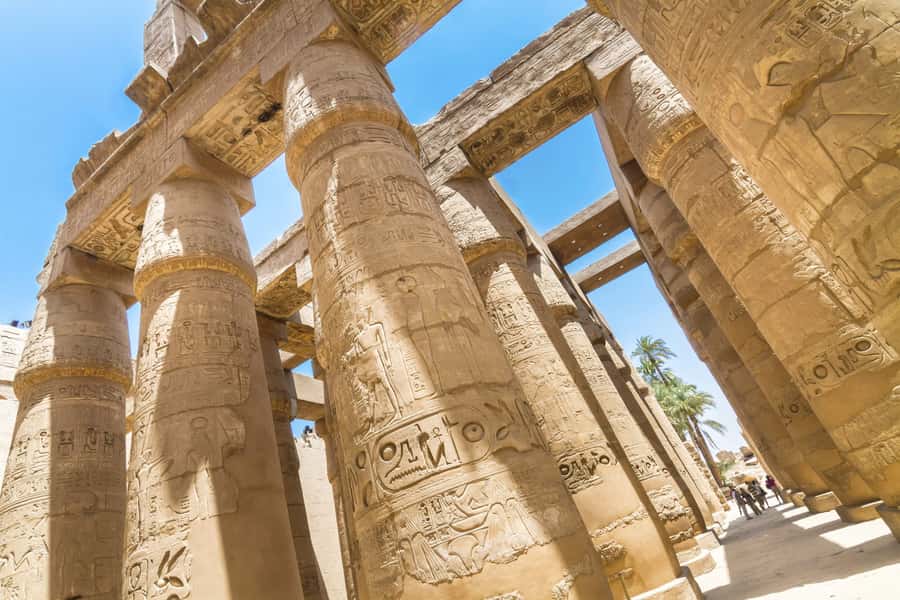
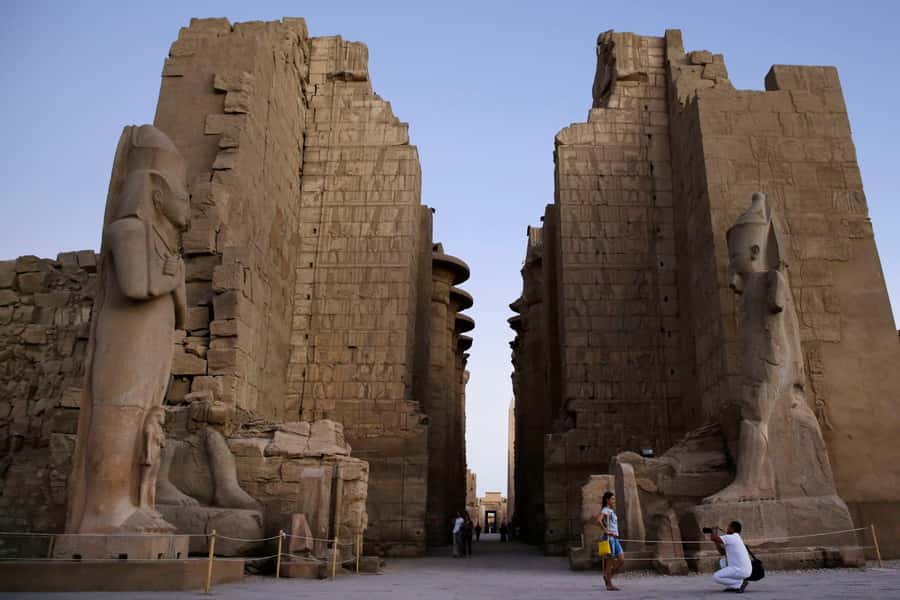
After that, the itinerary turns to Karnak Temple Complex, dedicated to Amun and Mut. The walk through the Great Hypostyle Hall is the part most people talk about afterward: the giant pillars make it feel like you’re inside stone clouds. Karnak also includes an extraordinary historical detail: the oldest peace treaty known to historians, associated with the Hittites and Egyptians. The Egyptian version is preserved on a wall in the Temple of Amun at Karnak. Even if treaties aren’t your thing, it’s a memorable way to see that Egypt’s story isn’t only about wars and kings—it’s also about negotiation.
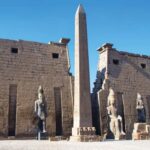
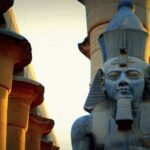
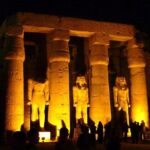
Finally, you’ll reach Luxor Temple and the Obelisk of Ramses II in front of the 1st Pylon. Ending here is a nice payoff because the complex connects visually to Luxor’s modern city edge.
After the tour, you’re transferred to the airport or railway station for departure.
Karnak and the Valley of the Kings: How to Survive the Most Famous Rooms
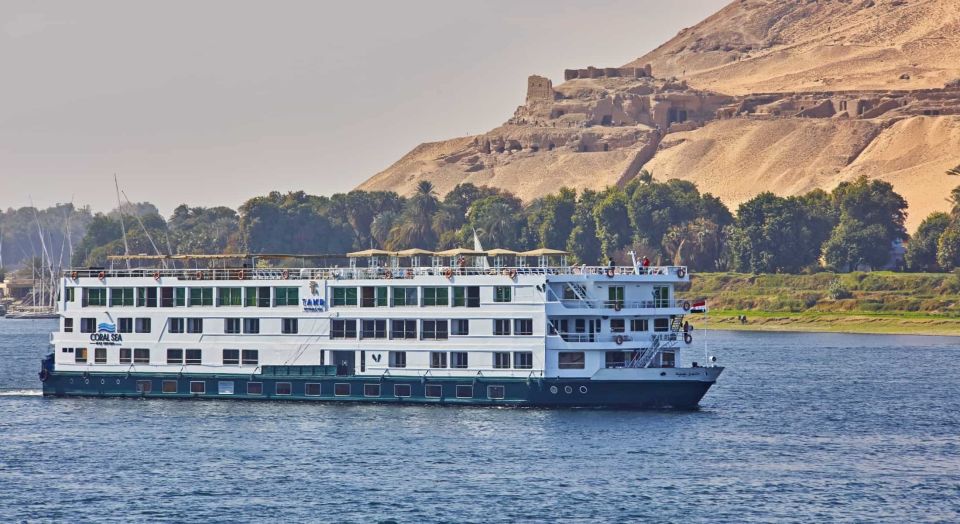
I’ll be direct here. These are the places that attract everyone, so they can feel packed. Your best strategy is to lean into the guidance. When the guide explains what you’re looking at, you stop noticing how crowded it is and start noticing why these rooms mattered.
If you’re going for photos, accept that you’ll have to reposition. If you’re going for meaning, focus on the details your guide highlights, especially the story-driven scenes like the Sacred Drama themes at Edfu and the treaty references at Karnak.
Price and Value: Is $480 Per Person a Good Deal?
At $480 per person for 3 days with 2 nights on a Nile cruise, the value mostly comes from what’s bundled in. You’re not just paying for a bed on the river. You’re getting:
- Hotel pickup in Aswan and meet-and-assist support on arrival/departure
- An English live Egyptology guide for the key sites
- Included meals: lunch (Day 1–2) and breakfast (Day 2–3)
- Horse-and-carriage transport for Edfu
- Taxes and charges
- Skip-the-ticket-line support
What’s not included matters too: entrance fees and drinks, plus WiFi. If you’re budgeting tightly, entrance fees can be the swing factor, so plan extra cash. Drinks are also a quiet cost on cruise trips, especially in warmer months.
When I look at the reviews’ tone—people consistently praising guides and the overall organization—the price seems designed for a stress-free, guided experience rather than a do-it-yourself adventure. It’s a good match if you value time savings and interpretation.
Guides, Safety, and the Real Day-to-Day Experience
One of the strongest themes from guide feedback is that you’re not left to figure things out alone. Names that came up included Omar (Aswan-side), George and Samy (Luxor-side), plus guides like Adel, Achmed, and Hussein in the mix. That matters because the guides shape your pacing, your photo angles, and how much you understand from each stop.
There’s also a practical safety note in the way people talk about drivers and transfers. You’ll use land transport for site visits, and clear handling makes a difference when you’re juggling early starts and crowded streets.
Finally, tipping comes up often as a real part of the experience. Some people recommend keeping some Egyptian pounds on hand, and you may have multiple staff members assisting with guides, drivers, and on/offboarding. I’d treat this as part of your trip budgeting, not as an afterthought.
Monday Schedule Quirk: What Changes and What Doesn’t
There’s a specific heads-up if you travel on a Monday. The boat may sail late night the first day or the second day (Tuesday) afternoon instead of the typical first-day afternoon departure. The good news: it says this doesn’t affect the tours and sightseeing you’ll do, and you’ll still be dropped off within Luxor city itself on the east bank.
So don’t panic if your cruise timing feels slightly shifted. The core temple stops stay intact.
Should You Book This Aswan to Luxor Cruise?
Book it if you want a guided, low-friction way to see the classic Nile monuments without packing and rebooking hotels. It’s especially smart for first-time Egypt visits, or for anyone who feels overwhelmed by managing transport and entry logistics on their own.
Skip or choose another option if you’re highly sensitive to crowds and want quieter, slower pacing at the biggest sites. You should also think twice if you rely on free onboard WiFi or if entrance fees would be a deal-breaker for your budget.
If you’re flexible, enjoy structured touring, and like the idea of waking up on the Nile while the ancient world comes to you, this is a strong way to spend three days between Aswan and Luxor.