REVIEW · LUXOR
From Luxor: Guided Tour to East or West Banks with Lunch
Book on GetYourGuide →Operated by OceanAir Egypt · Bookable on GetYourGuide
Luxor hits fast when you do the East and West Banks in one guided sweep. I like how this tour strings together Valley of the Kings tombs and the Karnak Temple complex, so you go from royal burial to temple power without wasting a day. And with English/French/German Egyptologist guides (I’ve seen guides like Aymen and Mahmood praised for clear explanations and an easy pace), you don’t just look—you actually understand what you’re seeing.
The biggest plus for me is the comfort factor: you ride in an air-conditioned vehicle, get mineral water, and stop for a real lunch on the West Bank. One possible drawback: the sites are packed into a 5–9 hour window, so your independent wandering time can feel a bit short if you want extra photo stops everywhere.
In This Review
- Key things I’d plan around
- Luxor in One Long Day: Why This East/West Route Works
- West Bank: Valley of the Kings Tomb Time (and What to Watch For)
- Hatshepsut’s Temple: The Female Pharaoh Stop That Changes the Mood
- Colossi of Memnon: Short Stop, Strong Visuals
- Lunch Break on the West Bank: Refueling for the East
- East Bank: Karnak Temple’s Scale and Why a Guide Helps
- Luxor Temple: The Finish Line You Can Actually Feel
- Nile Time: The Boat Cruise and the Felucca Add-on Choice
- Price and Value: What $64 Covers (and What You Still Pay For)
- Comfort, Timing, and Walking: Manage Expectations Like a Pro
- Who This Tour Suits Best (and Who Should Skip It)
- Should You Book This East or West Banks Tour with Lunch?
- FAQ
- Can I visit only the East Bank, only the West Bank, or both?
- How long is the tour?
- What monuments are included?
- Is lunch included?
- Are entrance tickets included?
- Are drinks during lunch included?
- What about pickup if I’m staying on the West Bank?
- What languages are the live guides?
- Is the tour suitable for wheelchair users?
- What should I bring, and are bags allowed?
Key things I’d plan around
- East or West Bank choice lets you match energy levels to your visit
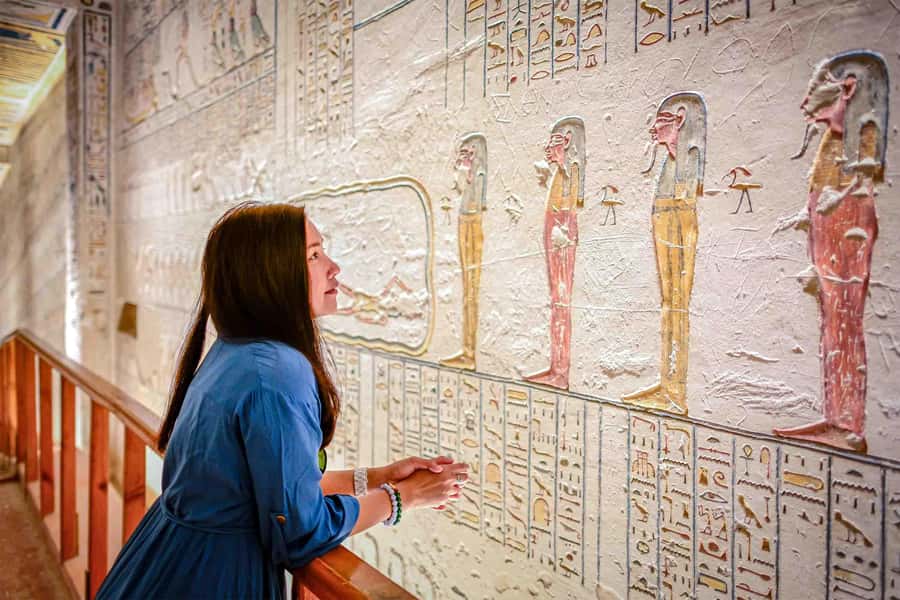
- Valley of the Kings tomb focus includes Ramesses III, Ramesses VI, and Merneptah
- Hatshepsut Temple gives you a strong contrast with the king-only royal story
- Karnak + Luxor Temple hits the scale of Thebes from two angles
- Colossi of Memnon is quick, but it works as a perfect mid-route reset
- Nile cruise time can add variety to a day heavy on ruins
Luxor in One Long Day: Why This East/West Route Works
Luxor is two different worlds, sitting on opposite sides of the Nile. On the East Bank you get temple architecture built to impress the living. On the West Bank you step into the world of death and eternity. This tour matters because it respects that split: you can do both sides or pick one, instead of trying to guess your way through transit on your own.
I also like that the itinerary is built around the headline monuments. Valley of the Kings isn’t just a name—it’s the place where you see how the Egyptians shaped the idea of kingship into stone and corridors. And Karnak isn’t just big—it’s a whole complex that makes you feel the scale of ancient Thebes.
Real talk: it’s still a lot of moving parts. You’ll be walking on uneven ground, you’ll feel the heat, and your day is organized around set stops. If you prefer a slow, one-site-per-hour style day, you’ll want to pick either East or West and go lighter.
You can also read our reviews of more guided tours in Luxor
West Bank: Valley of the Kings Tomb Time (and What to Watch For)
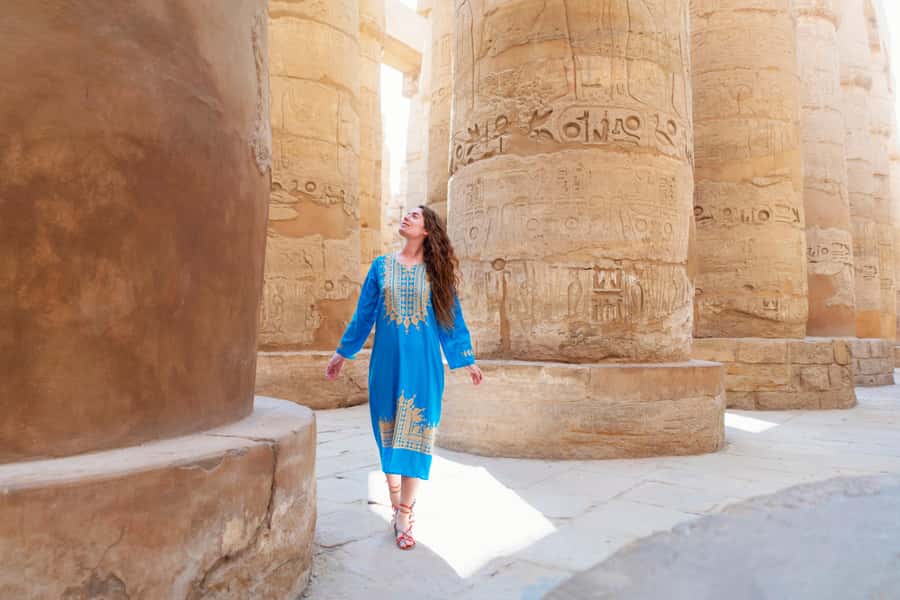
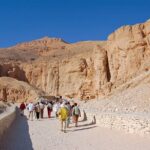
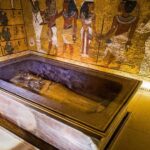
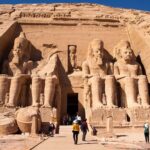
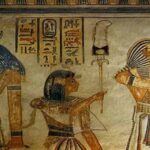
On the West Bank, your main anchor stop is the Valley of the Kings. This is where the tour earns its keep. You don’t just stand outside and point at a mountain—you get a guided walk through the royal tomb world, including the tombs of Ramesses III, Ramesses VI, and Merneptah.
Here’s how to get more out of Valley of the Kings with the time you have:
- Listen first, look second. The guide’s explanations help you notice details you’d otherwise miss in the dim interiors.
- Pick one tomb to remember. You can’t fully absorb everything in one go. If you choose a favorite and focus, the day sticks in your memory.
- Plan for uneven steps and tight spaces. Even with stops built into the schedule, tomb routes can involve stairs and narrow passages.
A good Egyptologist guide can also “translate” the symbolism for you—some guides have been able to point out hieroglyphic details rather than keeping things purely general. That’s the difference between seeing a famous site and feeling like you actually learned something.
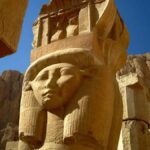
Hatshepsut’s Temple: The Female Pharaoh Stop That Changes the Mood
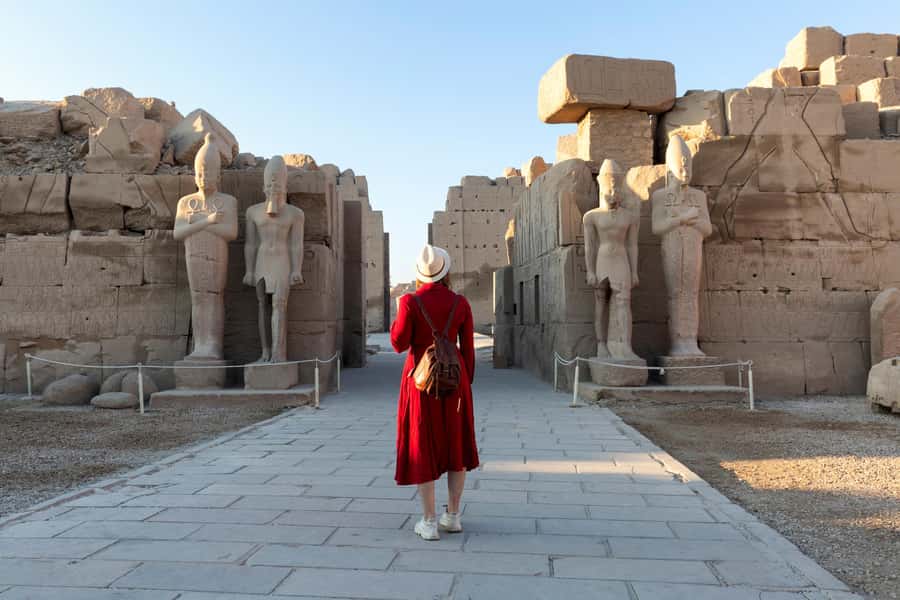
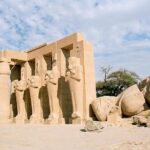
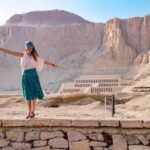
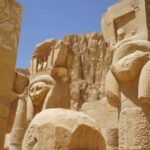
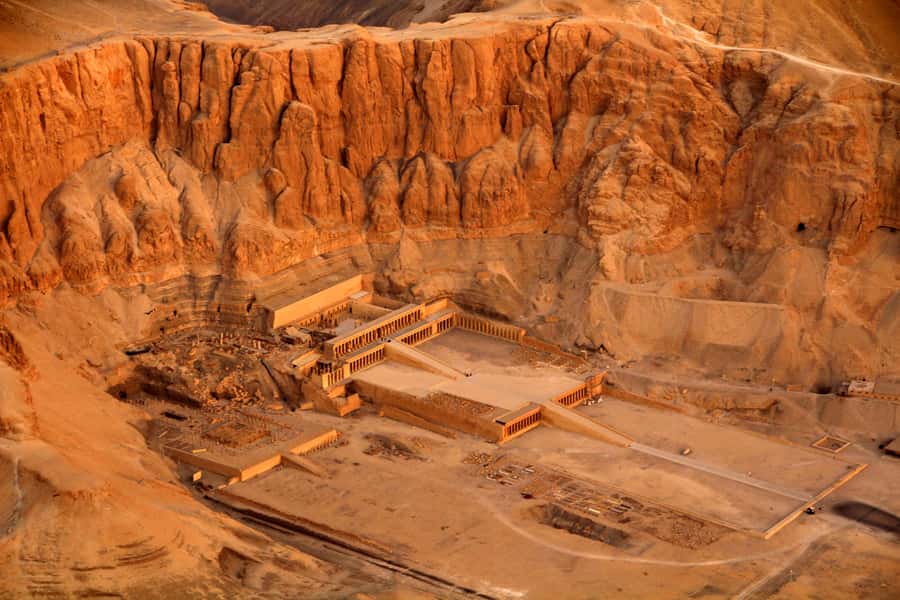
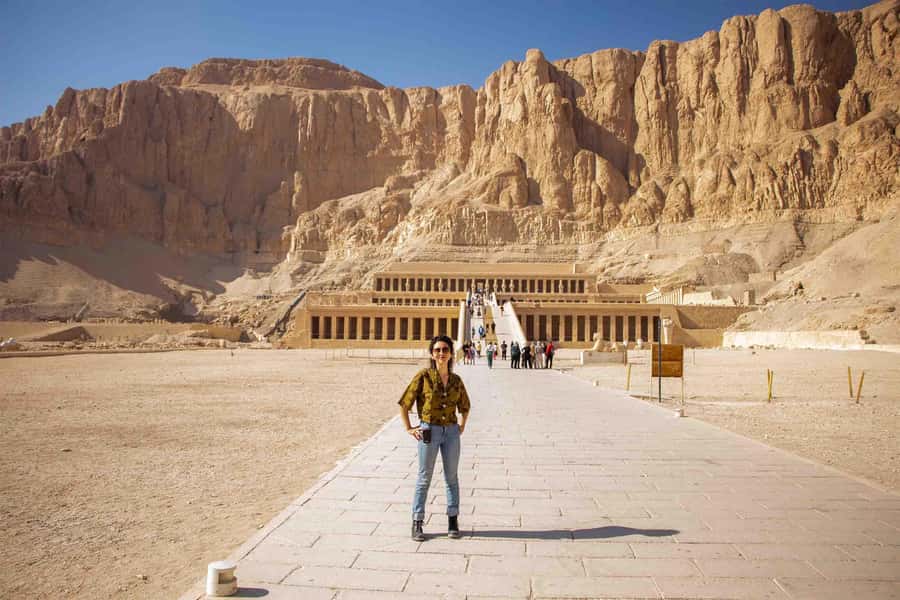
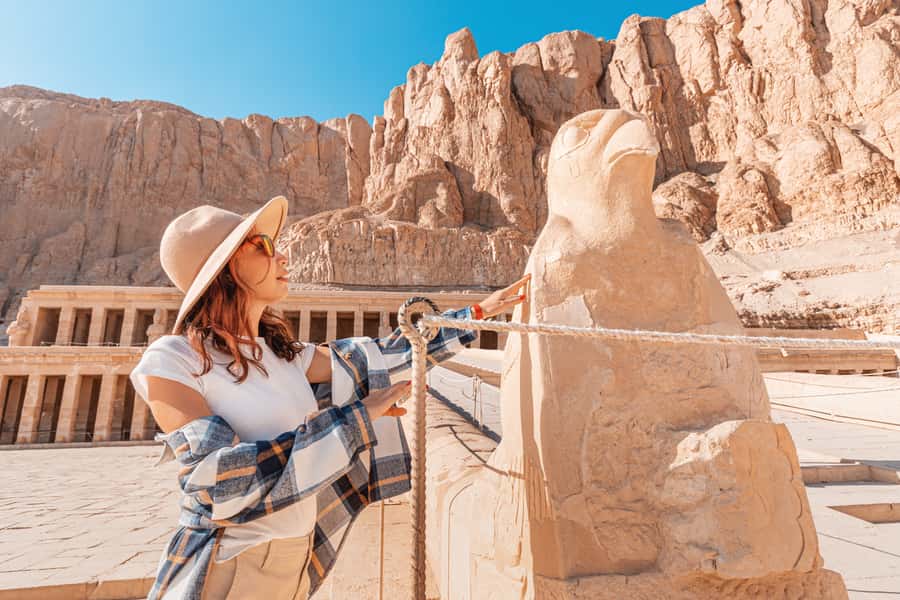
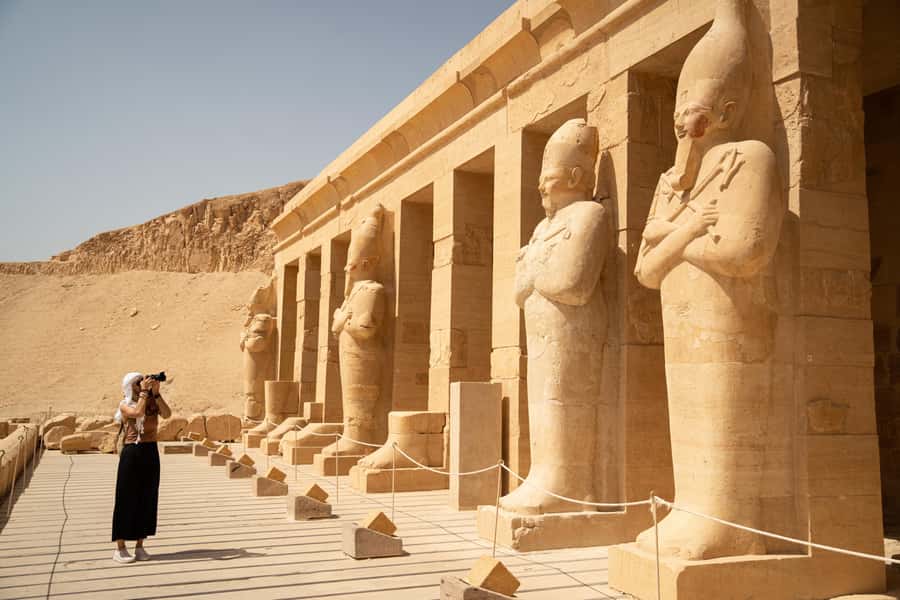
After the tombs, you head to the Mortuary Temple of Queen Hatshepsut. This is more than a quick photo stop. Hatshepsut’s story adds contrast to the king-focused rhythm of Valley of the Kings.
The tour centers on her reign and impact, including the detail that she ruled for about 20 years and the period brought Egypt wealth and peace. That context helps the architecture land differently. You can look at the carved stone and think: this wasn’t just a monument, it was political messaging.
Practical note: you’ll spend about an hour here (with guided interpretation and time to see the main areas). If you want to linger, don’t count on unlimited freedom. Instead, use your time smart—take a wide look, then return for closer details once the big picture clicks.
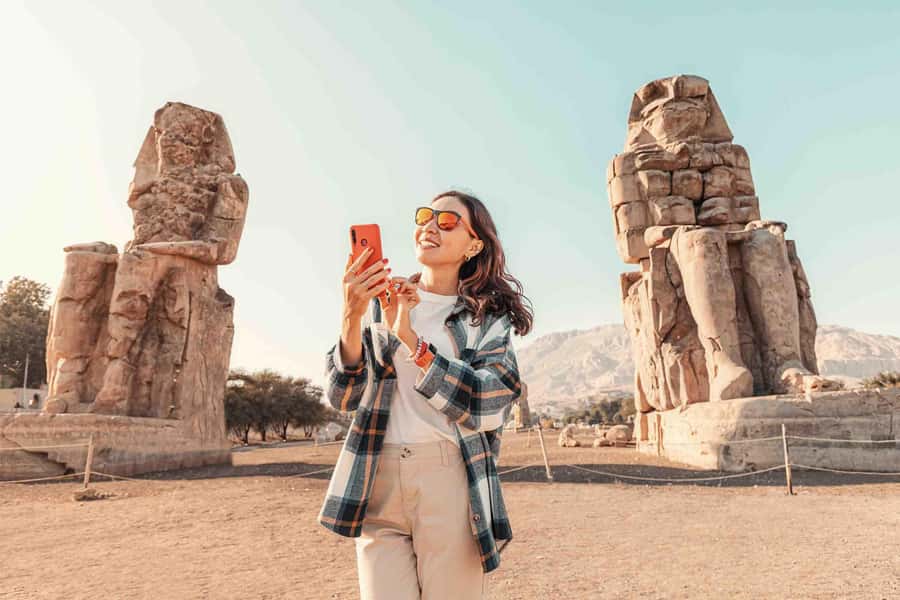
Colossi of Memnon: Short Stop, Strong Visuals
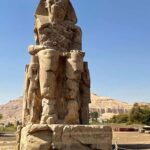
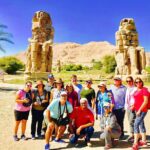
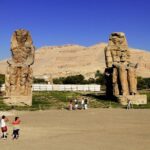
Next up are the Colossi of Memnon. These giant seated statues are tied to the mortuary temple of Amenhotep III. The stop is shorter than the ones before it (about 30 minutes of guided visiting and sightseeing).
That short duration can be a good thing. Colossi of Memnon is all about immediate scale. You approach, you see the height, you grasp why these figures became landmarks over centuries, and you move on. If you come in expecting a museum-level experience, you’ll be fine as long as you treat it like a powerful visual break inside a busy day.
If your day is full-day East and West, this is a natural “reset moment” before lunch and later temples.
Lunch Break on the West Bank: Refueling for the East
Lunch is included at a local restaurant, and it’s scheduled after the Colossi stop. The value here isn’t just food—it’s time. In Luxor heat, a proper break keeps the rest of the day enjoyable instead of dragging.
Two practical points:
- Drinks during lunch aren’t included. Bring this into your budget or plan to purchase water/juice as needed.
- Use lunch to plan your East Bank focus. If you’re doing both sides, you’ll be back in a walking-and-standing rhythm after lunch.
I’ve found that this meal tends to be better than you’d expect from a standard “between sites” stop. The bigger win is that it feels like part of the day, not a rushed add-on.
A few more Luxor tours and experiences worth a look


East Bank: Karnak Temple’s Scale and Why a Guide Helps
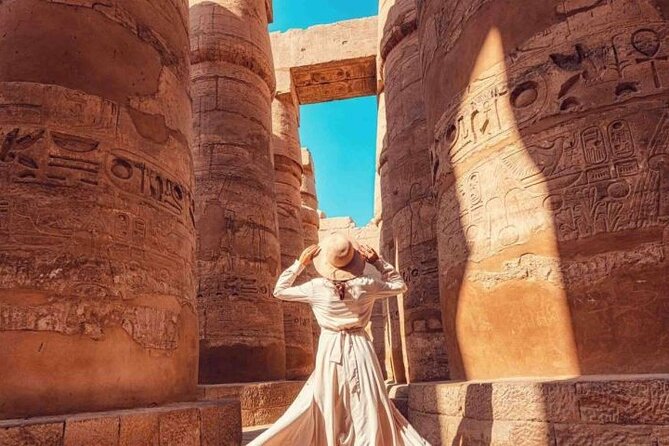
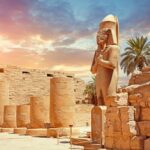
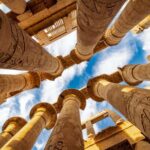
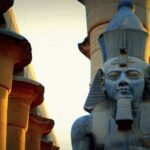
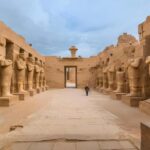
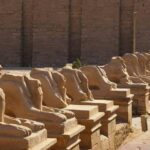
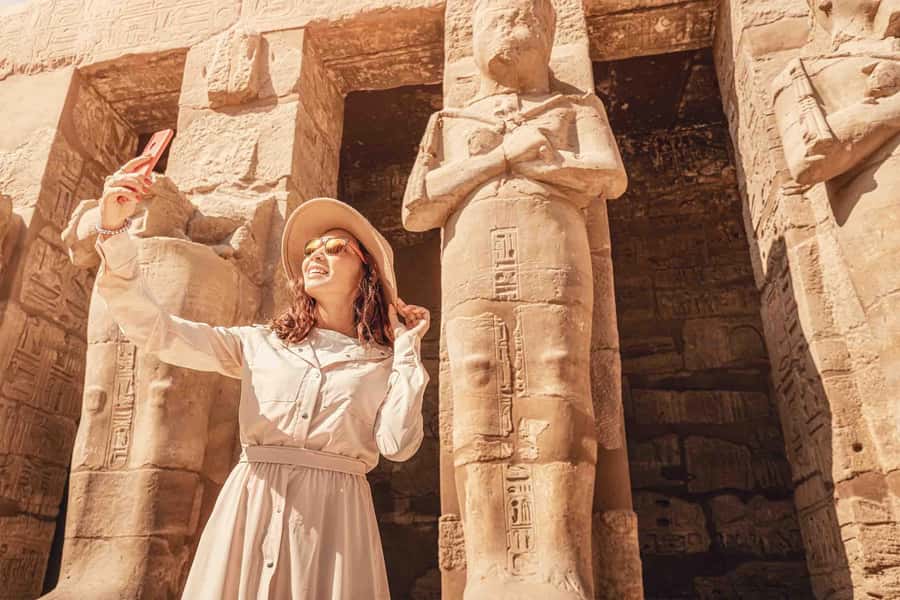
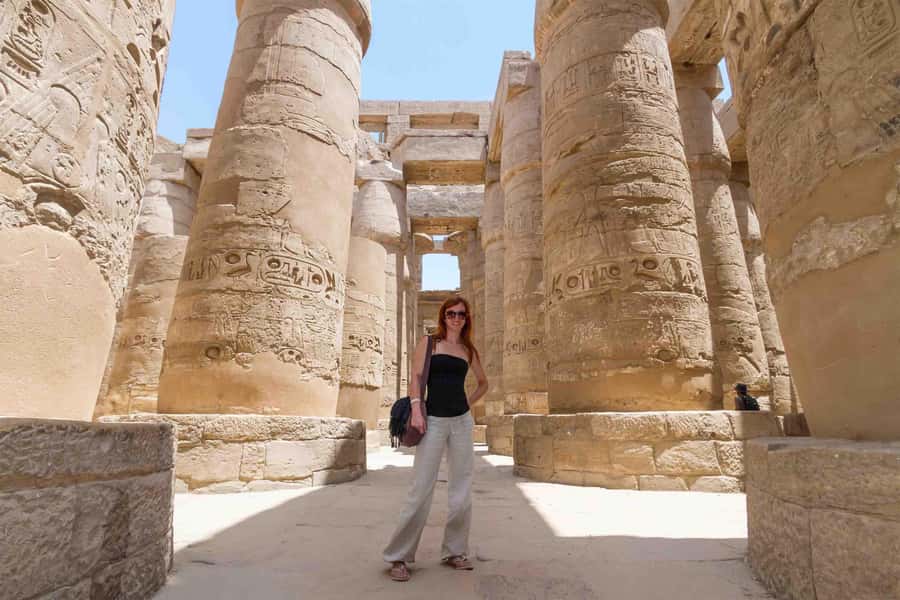
Karnak Temple is the heart of the East Bank experience. The tour brings you to the Complex of Karnak, described as possibly the largest temple in the world. That kind of size can overwhelm you fast if you show up cold.
With a guide, you get order:
- you learn what you’re standing in front of
- you get an explanation of how the complex grew over time
- you get a sense of why certain areas matter more than others
Even if you love photos, Karnak is one of those places where your first pass should be visual, not technical. Walk the main axes, locate the big structures, and let the guide’s explanations give those structures meaning. Once you understand the layout, your second glance is where photos start to feel worth it.
The stop time is about an hour for guided visiting and sightseeing, which is enough to get a solid “first read.” It’s not enough for total mastery, so aim for understanding rather than collecting every detail.
Luxor Temple: The Finish Line You Can Actually Feel
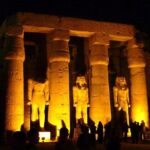
After Karnak, you move to Luxor Temple. This is another major ancient Egyptian temple, and it’s a satisfying follow-up because it feels more directly tied to the city’s living presence than Karnak’s massive sprawl.
You’ll have around an hour for guided visiting and sightseeing. That time works well if you use a simple strategy:
- start with a broad look, then
- zoom in on carvings once the proportions make sense
Luxor Temple is also where the tour’s pacing can feel rewarding. You’ve already handled tomb symbolism and massive temple scale. Now you’re in the “big but readable” zone—perfect for finishing the day without feeling totally cooked.
Nile Time: The Boat Cruise and the Felucca Add-on Choice
Depending on the version you take, you may also get a Nile boat cruise time (about one hour). For a day packed with stone and sun, a boat moment breaks the pattern and gives you breathing room.
There’s also an optional felucca ride add-on. If you add it, conditions matter: it depends on the wind, and if there’s no wind, the operator may provide a motor boat instead of the felucca. That’s actually a good thing to know ahead of time. You’re not stuck hoping for perfect sailing weather.
If you like the idea of ending the day on a softer note—water, reflections, and a change of pace—this cruise is a nice match.
Price and Value: What $64 Covers (and What You Still Pay For)
This tour is priced at $64 per person, lasting roughly 5–9 hours depending on the East/West option you choose. What makes it feel like value is that the day includes the big cost drivers:
- pickup and drop-off from your accommodation on the East Bank
- an Egyptologist tour guide
- lunch at a local restaurant
- mineral water during travel
- entrance tickets to the attractions
- service taxes
At this price point, the main value is convenience and continuity. You don’t have to figure out which tickets you need, how to route between sites, or how to translate what you’re seeing once you arrive. You get transport plus an on-the-ground interpreter, and that saves a lot of friction in Luxor.
What’s not included: drinks during lunch, and if you’re staying on the West Bank you may need to meet at El Mesala Hotel (or pay an extra $10 per person for West Bank pickup from hotels). Also note that pets aren’t allowed, and you can’t bring luggage or large bags.
Comfort, Timing, and Walking: Manage Expectations Like a Pro
This tour is built for seeing a lot. That’s great if you’re on a tight schedule or this is your first Luxor visit. It’s less great if you want a laid-back, linger-where-you-like pace.
A few comfort realities to plan around:
- Uneven surfaces are common across temple and tomb areas.
- Heat is real. Air-conditioned transport helps, and mineral water is provided, but you’ll still be outside.
- Freestyle time can be limited. Even with guided stops that let you look around, you’ll stay on a schedule because there are multiple monuments on the day’s plan.
If you’re traveling with someone who tires easily, consider booking only East Bank or only West Bank. You’ll still see major monuments, but you’ll reduce the “all-day logistics stress.”
Who This Tour Suits Best (and Who Should Skip It)
This is a smart choice if:
- you want a first-timer overview of Luxor’s most famous sites
- you care about context, not just selfies
- you want tickets and guide handled in one package
- you’re short on days and want East plus West without piecing together transport
It may not be ideal if:
- you use a wheelchair (the tour isn’t suitable for wheelchair users)
- you prefer slow travel with lots of independent time at each stop
- you’re sensitive to long hot days and don’t like moving quickly between places
Should You Book This East or West Banks Tour with Lunch?
If you’re choosing between doing Luxor on your own versus having a guide stitch it together, I’d lean toward booking. For the price, you’re buying three things that are hard to DIY in a single day: an Egyptologist running the show, entrance tickets handled, and a plan that covers the key monuments on both sides of the river.
Book it when you want efficient, meaningful sightseeing without the headache. Skip or modify your plan when you want extra downtime at every stop. And if you can, pick the East/West combination that matches your energy—because the best tour is the one you finish still excited, not just exhausted.
FAQ
Can I visit only the East Bank, only the West Bank, or both?
Yes. You can choose a tour of both banks or visit just one side of the Nile depending on your preference.
How long is the tour?
The duration is listed as 5 to 9 hours, depending on which option you choose and starting times.
What monuments are included?
The tour includes visits to Valley of the Kings, Temple of Queen Hatshepsut, Colossi of Memnon, and (for East Bank options) Karnak Temple and Luxor Temple.
Is lunch included?
Yes. Lunch at a local restaurant is included.
Are entrance tickets included?
Yes. Entrance tickets to the attractions are included.
Are drinks during lunch included?
No. Drinks during lunch are not included.
What about pickup if I’m staying on the West Bank?
Pickup and drop-off are included from East Bank accommodations. If you stay on the West Bank, you meet at the meeting point El Mesala Hotel, or you can arrange West Bank hotel pickup for an extra $10 per person.
What languages are the live guides?
The live tour guide is available in German, French, and English.
Is the tour suitable for wheelchair users?
No. It is not suitable for wheelchair users.
What should I bring, and are bags allowed?
Bring your passport or ID card (a copy is accepted). Pets are not allowed, and luggage or large bags are not allowed.