REVIEW · LUXOR
From Luxor: 3-Day Nile Cruise to Aswan with Private Guide
Book on GetYourGuide →Operated by Nice Tours · Bookable on GetYourGuide
That first Nile cruise feeling hits fast. A 3-day Luxor to Aswan trip with a private guide lets you see major temple highlights with context, not just selfies. I especially like how you get Nile-side views from the boat while the itinerary keeps moving from Luxor to Edfu, Kom Ombo, and finally Abu Simbel.
The best part is the pace: you tour mornings, then you’re back aboard for meals and time on deck. My one caution is timing and comfort: Abu Simbel demands a very early start, and some cabins can feel chilly depending on the season.
In This Review
- Key things to know before you go
- Luxor to Aswan by private cruise: how this 3 days stays satisfying
- Day 1: Valley of the Kings, Hatshepsut, Ramses III at Habu, then Karnak
- The boat routine on a 5-star ship (and why meals matter here)
- Day 2: Edfu Horus Temple by horse carriage, then Kom Ombo’s twin-temple layout
- Day 3: Abu Simbel with the Ramesses II and Nefertari twin temples
- Your private guide: the difference between seeing and understanding
- Price and value: what you pay for at $1,100 per person
- Practical tips that keep the days from feeling chaotic
- Who should book this Luxor to Aswan private cruise?
- Should you book this Nile cruise or look for another option?
- FAQ
- What route does this cruise follow?
- Is a private guide included?
- Which meals are included?
- Are temple entrance fees included?
- Is hotel pickup and drop-off included?
- Does the itinerary include horse carriage riding?
- What languages are available for guides?
- What time does Abu Simbel happen?
- Is free cancellation offered?
Key things to know before you go
- Private guided tours that connect the temples instead of treating them like separate checklists
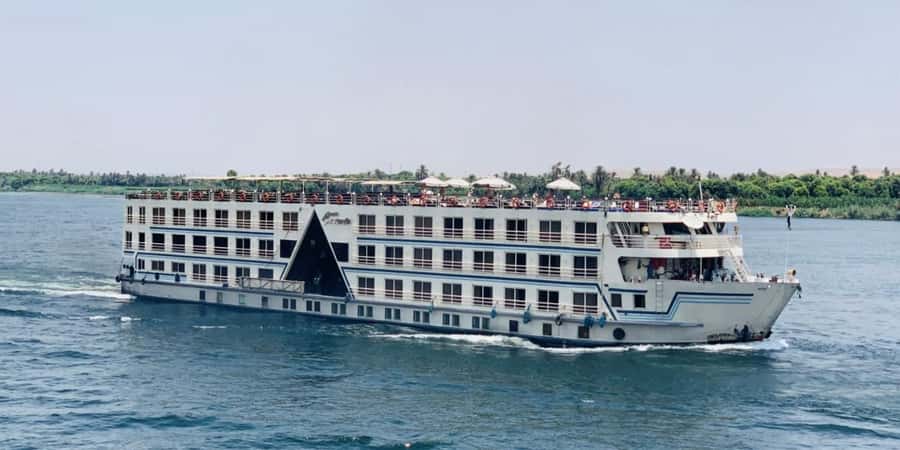
- A 5-star boat with Nile-view private cabin plus meals included during the cruise
- Edfu by horse carriage adds a more old-school arrival than a simple drop-off
- Kom Ombo’s twin deities setup makes the temple feel more thought-out than it first appears
- Abu Simbel is the star event, but plan for an extremely early morning wake-up
Luxor to Aswan by private cruise: how this 3 days stays satisfying
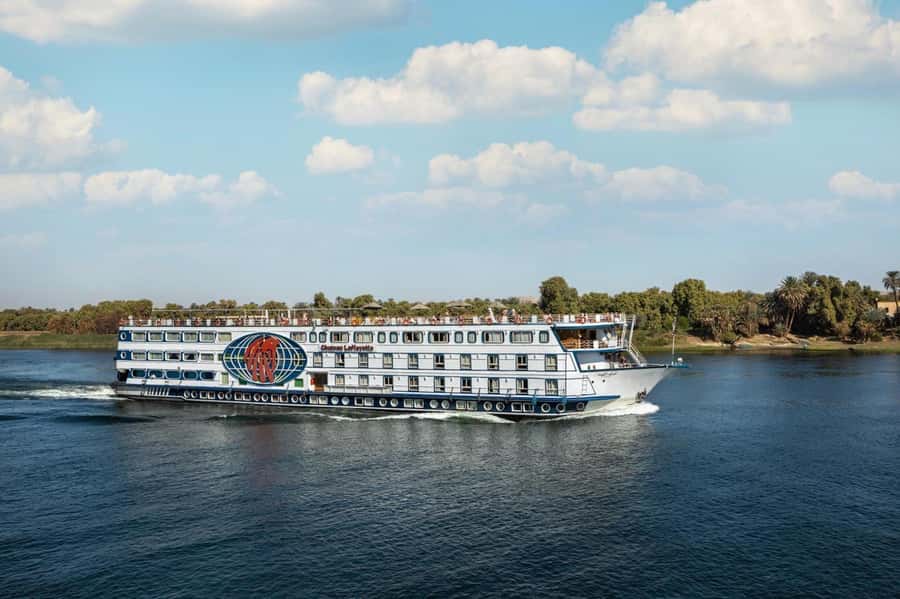
A Luxor-to-Aswan Nile cruise works because it turns travel time into sightseeing time. Instead of hopping between places all day, you ride the river and let the days “stack” around temple visits. The private guide angle also matters: you’re not standing around trying to read hieroglyphs upside down while a loud group moves past you.
This is a smart option if you want the headline sites—Valley of the Kings, Karnak, Edfu, Kom Ombo, and Abu Simbel—but still want your questions answered. It’s also a good match if you’d rather have help with the flow: pickup, transfers, scheduled visits, and meals are all built in.
The trade-off is that the itinerary is full. You’ll be out early, you’ll walk, and there’s not much “wandering time” built into the official structure—so if you’re the type who likes slow mornings, this route may feel intense.
You can also read our reviews of more boat tours in Luxor

Day 1: Valley of the Kings, Hatshepsut, Ramses III at Habu, then Karnak
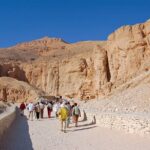
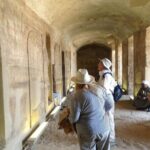
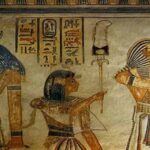
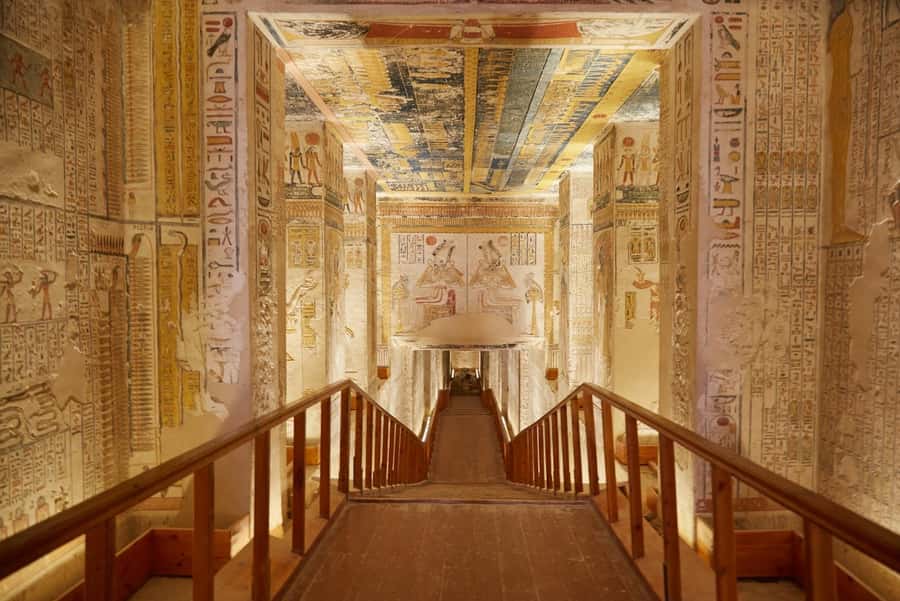
You start with a hotel pickup in Luxor around 7:00 AM, then it’s straight into the Valley of the Kings. The best part here is going inside: you see three key tombs, and your guide helps you make sense of inscriptions and hieroglyphs while you’re still fresh. Even if you only know a little, the guide’s narration helps you notice what changes from tomb to tomb and why the walls look the way they do.
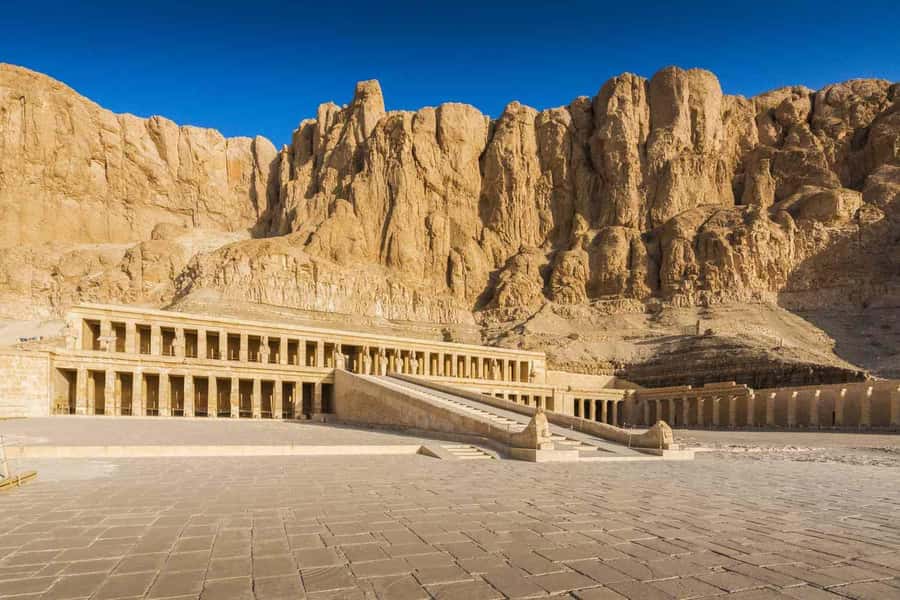
Next comes Hatshepsut Temple, a funerary temple connected to a powerful queen. The visual style and scale can feel different from the tomb experience, and it sets you up well for what’s coming next.
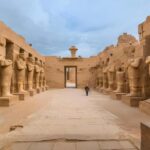
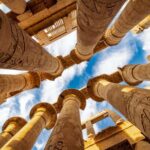
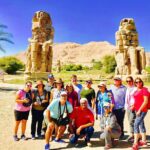
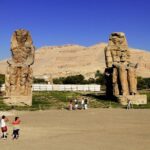
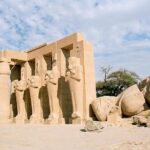
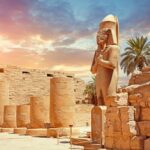
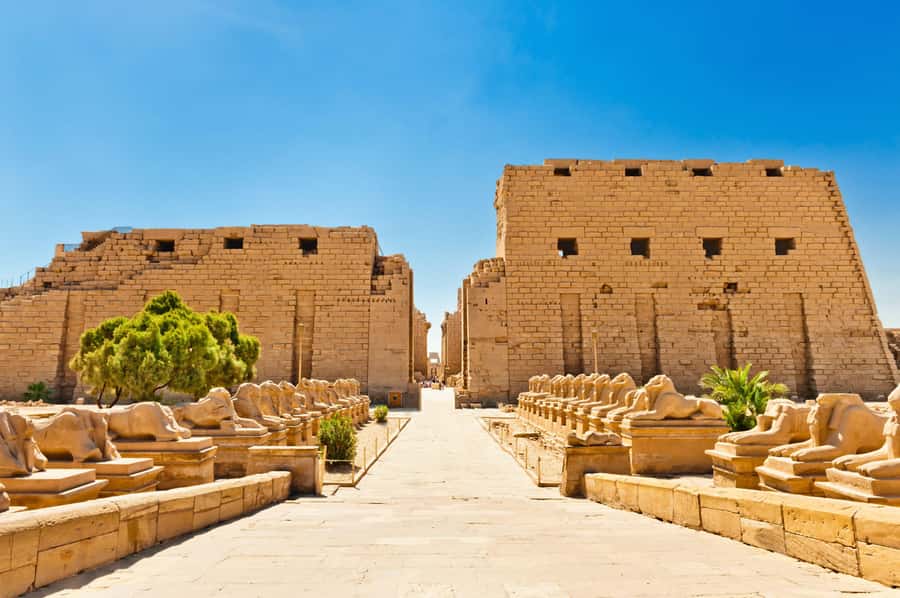
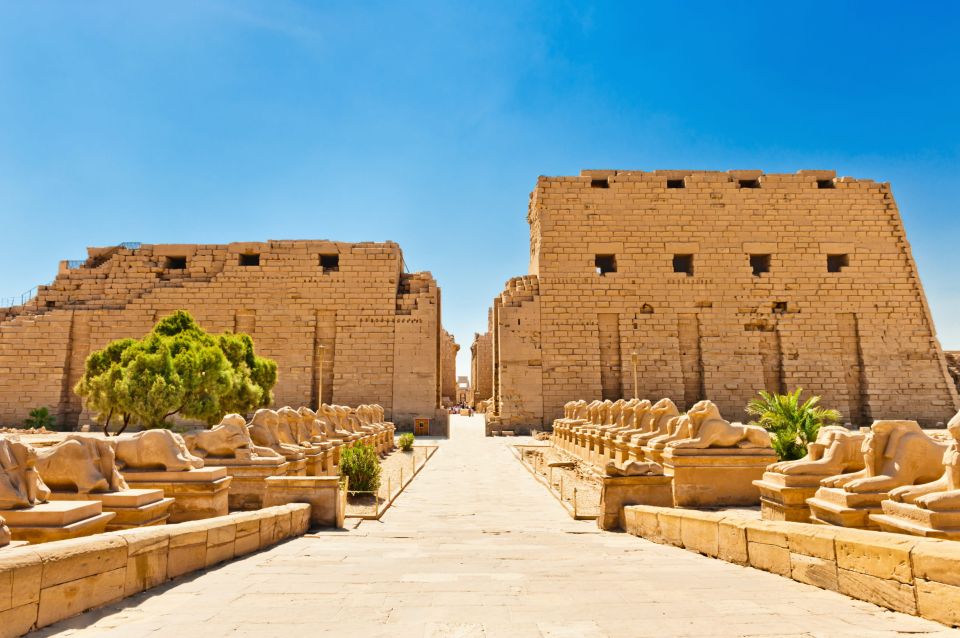
After that, you move to the Temple of Ramses III in the Habu area. Then you stop for photos at the Memnon statues, which are a classic “yep, I’m really here” moment—standing face-to-face with ancient monuments that still pull you in. Finally, the day lands at Karnak Temple, which is the largest, most important temple complex in Luxor.
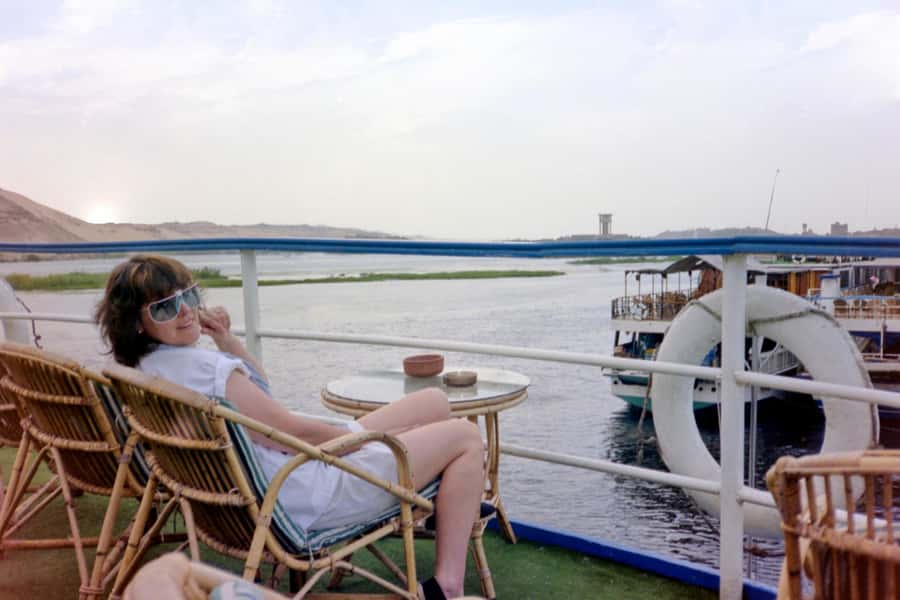
By around 1:00 PM, you board the cruise and get your first meal on the ship. I like this timing because you’re not rushed into the boat and then immediately thrown back out. You settle in, then you can head up to the roof/deck for the first long look at the Nile as the scenery slides by—small villages, river bends, and boats moving in and out of view.
One practical downside: Day 1 includes a lot of “big” stops back to back. You’ll want good walking shoes and a light plan for water breaks, especially in warmer months.
The boat routine on a 5-star ship (and why meals matter here)
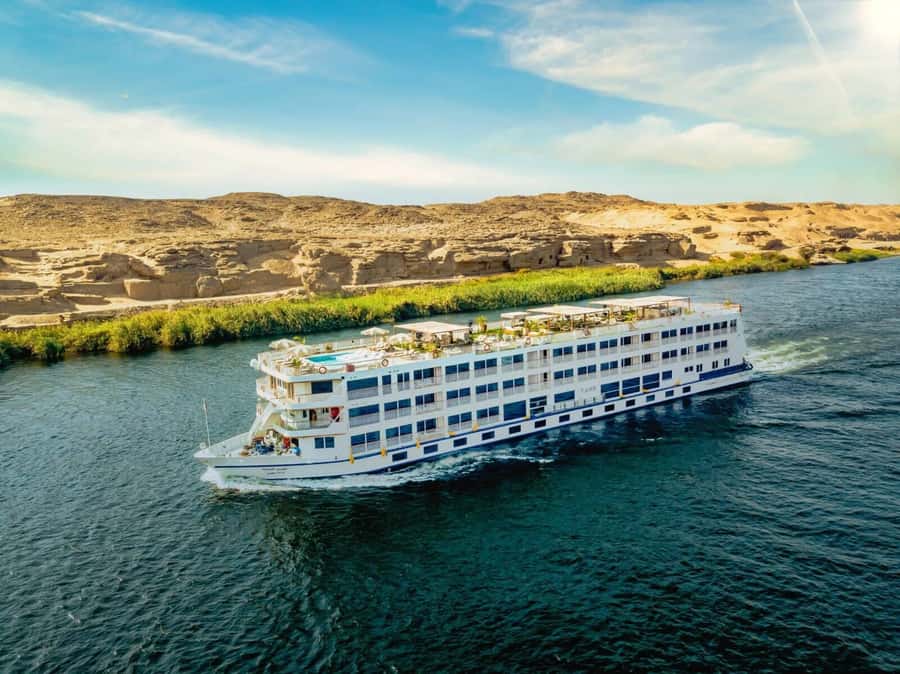
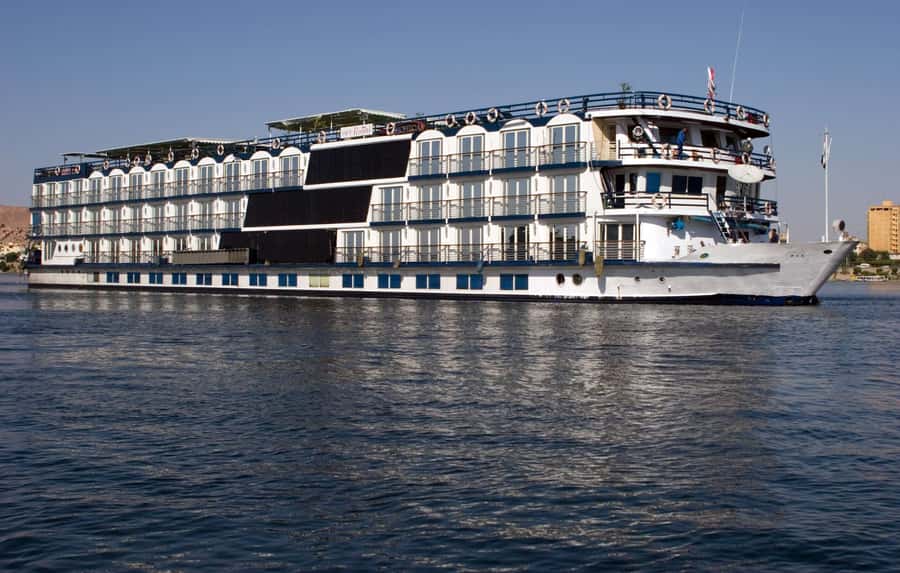
This cruise is sold as 2 nights and 3 days on a 5-star boat with a private cabin with Nile views and full amenities. The cabin is your base between temple tours, and that matters because the days are active. You’ll usually have enough quiet time to recharge, and you’re not trying to figure out lunch on your own in a new city.
Meals are included, and the rhythm is set up to support temple mornings:
- Day 1 includes lunch and dinner onboard
- Day 2 is full-board breakfast, lunch, and dinner onboard
- Day 3 includes breakfast only, with a breakfast box for the early Abu Simbel morning
Drinks are not included, so budget for that if you like water bottles, sodas, or anything stronger. If you’re the kind of person who hates paying for small add-ons, it helps to pre-decide how much you’ll spend each day.
On the scenic side, the boat is the magic trick. When you’re back aboard, you’re not “between” activities—you’re on the Nile. Deck time is where the trip feels like a real experience, not just transportation between sites.
Day 2: Edfu Horus Temple by horse carriage, then Kom Ombo’s twin-temple layout
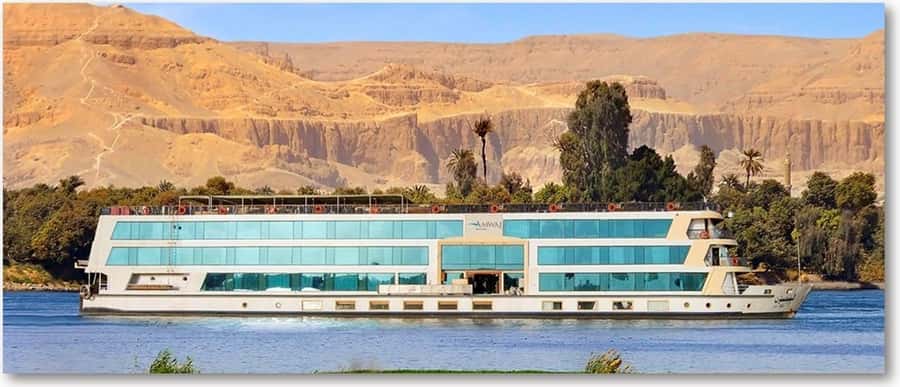
Day 2 starts with breakfast onboard. Then you take a horse carriage ride to the Edfu area, and that little detail adds personality to the day. It’s not the kind of transfer you can replicate at home, and it gives you a slower, more visual arrival before you step into the Horus Temple.
Edfu is famous for being well-preserved, and the sandstone structures give it a solid, grounded feel. Your guide will point out the elements tied to Horus and explain how the temple functioned as a statement of belief and power, not just a place to stand and look.
After returning for lunch, you head out again for Kom Ombo Temple. This stop is especially interesting because Kom Ombo is built around two sets of religious references—honoring two great Nile divinities. When your guide explains the “why” behind the layout, it clicks: the temple isn’t symmetrical for decoration. It’s structured to represent dual beliefs, and that helps you understand what you’re seeing instead of treating the carvings like random decoration.
A caution here: Kom Ombo can feel crowded and sometimes runs a bit quickly. On this kind of schedule, it’s smart to ask your guide what parts you should prioritize so you don’t feel like you missed the best bits.
Day 3: Abu Simbel with the Ramesses II and Nefertari twin temples
Abu Simbel is the reason many people sign up, and this itinerary treats it like the big finale. You check out early from the boat, grab a quick breakfast (with a box for the road), and then you’re picked up for the excursion to the temples.
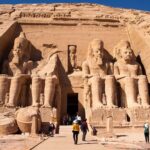
The highlight is the twin temples of Ramesses II and Nefertari. They were carved from the mountainside and date back to the 13th century BC under Ramesses II’s dynasty. Even if you’ve seen photos, the scale and the workmanship can still hit hard in person. Your guide also uses the story of Ramesses II to connect the carvings to the politics and symbolism of the time, so you aren’t just staring at statues—you’re learning why those statues were made to look the way they look.
The tour ends around 2:30 PM, then you’re transferred to your accommodation in Aswan.
This is the one day you should plan to be tired on. Abu Simbel requires a very early wake-up, and some departures effectively mean you’re up around 3:00–4:00 AM. If sleep is your top priority, try to pack light and get an early night on Day 2.
You can also read our reviews of more guided tours in Luxor
Your private guide: the difference between seeing and understanding
With this trip, the guide is a core part of the value, not a bonus. The tours are guided throughout, and the guide’s job is to make hieroglyphs, temple layouts, and dates feel understandable while you’re still on-site.
You’ll have an English-speaking guide as part of the experience. The activity also lists multiple languages as options (Spanish, French, German, Arabic), and those can be added depending on your booking.
What makes a guide matter most is pacing and explanation. In recent experiences on this route, guides such as Emad and Gabriel have stood out for clear explanations and a strong ability to answer questions on the spot. Other guides you might encounter include Selma, Samy, Basem, Issac, and Bishoy. Names vary by group and availability, but the pattern is the same: a good Egyptologist changes how fast you “get it.”
One small perk that some visitors enjoyed is having a bit of freedom when the guide thinks you’ve got a handle on the key areas. If that sounds like you, tell your guide you want a little time for photos without feeling rushed.
Price and value: what you pay for at $1,100 per person
At $1,100 per person, you’re not just paying for a room on a boat. You’re paying for a complete package that aims to remove the mental load of coordinating sites and meals.
Here’s what’s included:
- Private tour structure
- 2 nights and 3 days on a 5-star boat
- A private cabin with amenities and Nile views
- All guided tours listed in the itinerary
- Hotel pickup and drop-off
- Licensed professional drivers
- All meals (with the specific breakdown across days)
- Horse carriage ride to Edfu
Here’s what you should budget separately:
- Temple entrance fees (not included)
- Drinks (not included)
- Any add-on language upgrade if you want Spanish, German, French, or Arabic instead of English
There’s also a practical reality: Egypt temple visiting often involves small cash expenses beyond the big ticket items. So even if entrance fees are listed separately, I’d still carry some extra cash and keep a loose budget for tips that may be requested at the end of the trip.
In plain terms: if you want private guiding plus a packed Luxor-to-Aswan temple run, this price can make sense. If you’re mainly looking for a slow river cruise with light sightseeing, you may find cheaper ways to do it.
Practical tips that keep the days from feeling chaotic
Keep these in mind and the trip feels smoother:
- Plan for early mornings. Abu Simbel is the biggest one, with wake-up times that can land around 3–4 AM.
- Bring a light layer. One recurring comfort complaint is that cabins can feel cold in cooler months with no dedicated heater. A small jacket helps.
- Wear shoes you trust. Tomb floors and temple steps can be uneven, and you’ll move a lot in a day.
- Bring sunscreen and water. Temple circuits mean you’ll be outside for stretches, especially on transfer and walking segments.
- Have cash for entrance fees. Since those aren’t included, you don’t want to scramble when you’re already tired.
- Ask your guide what matters most. For places like Kom Ombo where the schedule can feel tight, a quick priority list from your guide helps you see what you’ll remember.
If you do one thing beyond packing: don’t try to watch the entire temple through your phone screen. Use the guide’s story to “unlock” what you’re seeing and the time moves faster.
Who should book this Luxor to Aswan private cruise?
This cruise is a great fit if:
- you have limited time and want the major temple highlights on one flow
- you prefer private guiding so you can ask questions and get context
- you like the idea of sleeping on the Nile and using the boat time as part of the experience
- you enjoy temple photography, especially in the more iconic sites like Abu Simbel
It’s less ideal if:
- you don’t handle very early starts well
- you want lots of unplanned free time at each stop
- you’re strongly sensitive to cabin comfort details (like cold rooms in cooler weather)
Should you book this Nile cruise or look for another option?
I’d book it if your top goal is to go from Luxor to Aswan with the key temples covered and guided in a way that makes the carvings and layouts make sense. The package adds value through meals, transfers, and a private guide, and it keeps you from spending your limited time figuring logistics.
I’d pause if you know you’ll struggle with early mornings, or if you’re the type who wants slow, long hangs at just one temple. In that case, you might prefer a cruise with fewer stops or more free time.
If you do book, my advice is simple: tell your guide what you want most—tombs and inscriptions, temple symbolism, or photo time—and then let them steer you through the day without stress. That’s when this route feels like more than a checklist. It feels like an Egypt story told in three river days.
FAQ
What route does this cruise follow?
It’s a 3-day Nile cruise from Luxor to Aswan, visiting major sites along the way including Valley of the Kings and Karnak in Luxor, plus Edfu, Kom Ombo, and Abu Simbel.
Is a private guide included?
Yes. The experience includes a private tour and an English-speaking guide.
Which meals are included?
Meals are included on the boat: Day 1 includes lunch and dinner, Day 2 includes breakfast, lunch, and dinner, and Day 3 includes breakfast only (with a breakfast box).
Are temple entrance fees included?
No. Entrance fees to temples are not included.
Is hotel pickup and drop-off included?
Yes. You get hotel pickup around 7:00 AM on Day 1 and drop-off at your accommodation in Aswan after the Abu Simbel day.
Does the itinerary include horse carriage riding?
Yes. Day 2 includes a horse carriage ride to the Edfu Horus Temple.
What languages are available for guides?
The guide can be available in Spanish, English, French, German, or Arabic.
What time does Abu Simbel happen?
You’ll have an early morning excursion on Day 3. Exact wake-up time isn’t stated in the itinerary details, but the trip requires very early departure, and some departures have involved wake-ups around 3:00–4:00 AM.
Is free cancellation offered?
Yes, you can cancel up to 24 hours in advance for a full refund.