REVIEW · ASWAN
4 Days 3 Nights Nile cruise Aswan to luxor
Book on Viator →Operated by Travel to Egypt · Bookable on Viator
A Nile cruise is a slow way to see ancient Egypt, and this Aswan-to-Luxor route keeps you moving site to site without losing the ship life. You’ll get Aswan’s biggest landmarks on Day 1, then cruise through temple-heavy days like Kom Ombo and Edfu, ending with Luxor’s classics on the west bank.
What I like most is how the trip bundles guided touring with real downtime on the water, including a sun deck and swimming pool. You also get hotel pickup in Aswan plus meals spread over the 4 days, which makes the day-plan feel easier.
The main thing to consider is that the touring can feel fast-paced, and you should expect early starts (especially on temple days). Entrance fees are not included, so budget time and money for tickets.
In This Review
- Key things to know before you go
- Aswan to Luxor by Boat: what this 4-day cruise really gives you
- Price and Logistics: what $395 covers, and what costs show up later
- Day 1 in Aswan: High Dam and Philae set the tone
- Aswan High Dam: the modern wall behind the ancient river
- Temple of Philae: island-temple vibes, big temple scale
- Day 2 to Edfu: Kom Ombo’s odd double-temple energy
- Kom Ombo Temple and crocodile museum: a temple with a split personality
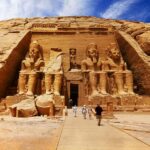
- Abu Simbel (optional): the long day that changes how you remember Aswan
- Edfu overnight: your staging point for the big Horus visit
- Day 3: the Edfu temple ride, Esna lock crossing, then Luxor temples
- Horse carriage to Edfu Temple: a small tradition that changes the mood
- Esna lock: the Nile’s behind-the-scenes moment
- Optional Karnak sound and light at night
- Luxor Temple and Karnak: the east-bank highlights, guided
- Day 4: West Bank legends—Valley of the Kings, Hatshepsut, Colossi of Memnon
- Hatshepsut at Deir el-Bahari: the terrace temple that looks staged
- Valley of the Kings: tombs you remember for years
- Colossi of Memnon: big statues, fast photo moment with real presence
- Finish with Karnak and Luxor Temple again (east bank wrap-up)
- Guides, pacing, and the ship experience: what makes or breaks your trip
- The best-case scenario
- The common drawback: rushed touring
- Food: included, but not always the same experience
- What to pack and how to plan your energy (without overthinking it)
- Should you book this Aswan to Luxor Nile cruise?
- FAQ
- Where does this cruise start and end?
- How long is the tour?
- Is hotel pickup included?
- What meals are included?
- Are entrance fees included for temples and museums?
- Are tips included?
- Do you visit Abu Simbel?
- Is the Karnak sound and light show included?
- What are the main stops on the west bank in Luxor?
- What time does the tour start?
Key things to know before you go
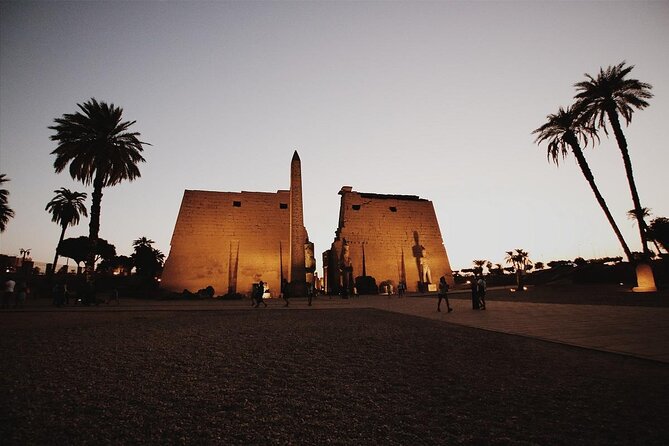
- Aswan hotel pickup and guided sightseeing mean less scrambling on arrival day
- Meals included (3 breakfasts, 3 lunches, 4 dinners) so you can plan around set times
- Entrance fees not included, so you’ll want to budget for tickets before you arrive
- Optional Abu Simbel gives you a chance to add a long, high-impact day trip
- Edfu temple by horse carriage is part of the fun and adds a real change of pace
- West Bank highlights include Valley of the Kings, Hatshepsut, and Colossi of Memnon
Aswan to Luxor by Boat: what this 4-day cruise really gives you
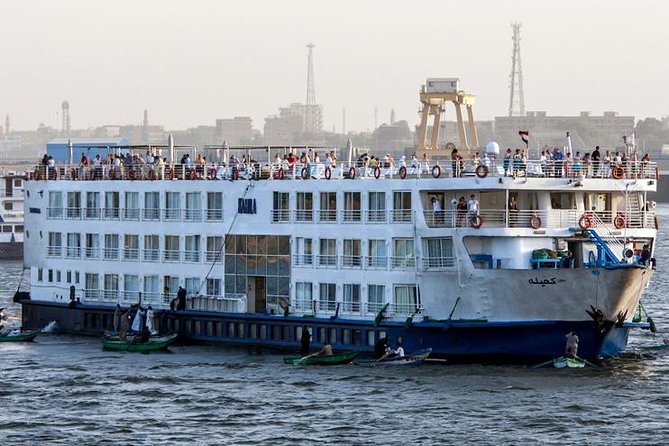
This is a classic Nile corridor itinerary: start in Aswan, cruise downstream, and end in Luxor with both east-bank temples and west-bank tombs. The best part isn’t one single sight. It’s the rhythm—temples in the morning and early afternoon, then the ship in-between for showers, meals, and time to decompress.
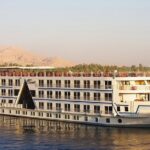
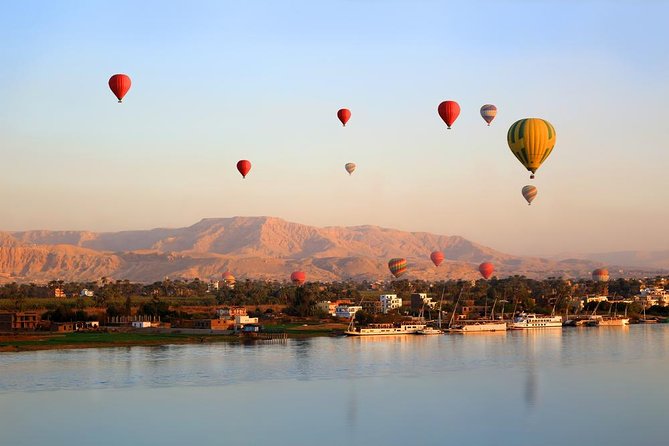
Your ship time matters here. Even though the days are packed with guided stops, you still get a ship routine: relax on the sun deck, cool off in the swimming pool, and watch the Nile slide by. That’s the payoff for choosing a cruise instead of bouncing between hotels.
One detail that shapes the experience: this is a private tour/activity for your group. That usually helps with pacing and communication, compared with the busiest shared tours.
You can also read our reviews of more boat tours in Aswan
- 4-Days Nile Cruise From Aswan To Luxor including Abu Simbel and Hot Air Balloon
★ 5.0 · 3,142 reviews
Price and Logistics: what $395 covers, and what costs show up later
At $395 per person, this tour is priced like a mid-range way to do the big-name route without living out of taxis. The value comes from three things that reduce friction:
- Pickup from your Aswan hotel (so you’re not hunting down transportation on arrival)
- A guided plan that ties together multiple major sites
- Meals included across the trip (4 dinners, 3 breakfasts, 3 lunches)
What’s not covered is just as important:
- Entrance fees for the temples and museums listed
- Tipping
- Any extra tours you decide to add
In real terms, that means you should plan a separate budget for tickets and gratuities. If you want optional upgrades like Abu Simbel or the Karnak sound and light show, you’ll also pay for those extras since they’re listed as optional and not included.
If you’re the type who hates surprises, this is the kind of thing to confirm early with your guide so ticket days don’t feel stressful.
Day 1 in Aswan: High Dam and Philae set the tone
Day 1 starts with an airport/train/bus pickup, then a transfer by private air-conditioned car to the Nile cruise. After check-in and lunch, you head out for two heavy hitters on the Aswan side.
Aswan High Dam: the modern wall behind the ancient river
The Aswan High Dam visit is short—about 30 minutes—so don’t expect it to be a long museum-style stop. The point is orientation: you learn what changed the Nile’s flow and why that matters for everything downstream. It’s also connected to the idea of controlling floods, generating electricity, and reshaping water systems in this part of Egypt.
Even if you’re here for temples, the dam helps you understand why the scenery looks the way it does today.
Temple of Philae: island-temple vibes, big temple scale
Then you move to the Temple of Philae. Philae was originally tied to an island location and became part of a water/reservoir system downstream. That background adds meaning when you see the temple complex in front of you—it’s not only about carvings and columns, it’s also about how human engineering and history overlap.
The Philae stop is around 1 hour 10 minutes. Since admission isn’t included, make sure you’re ready with the right ticket plan.
A few more Aswan tours and experiences worth a look


Day 2 to Edfu: Kom Ombo’s odd double-temple energy
Day 2 is built around a temple-and-town sequence that keeps you from feeling trapped on the ship all day. After breakfast and cruising, you stop for Kom Ombo, then continue sailing to Edfu for the overnight.
Kom Ombo Temple and crocodile museum: a temple with a split personality
You visit Kom Ombo Temple, known for being a double temple. The layout is unusual, and the design reflects that it served more than one focus in its time—so even if you’ve seen other Egyptian temple sites, this one can feel different because the plan itself is different.
You also have a stop connected to a crocodile museum. Even if you’re not a museum person, this pairing helps you connect the temple story to local themes.
There’s about 3 hours allocated here, and admission fees are listed as free for one part of the day (but temple/museum entry details can vary in practice). Plan on entrance fees not being zero overall.
Abu Simbel (optional): the long day that changes how you remember Aswan
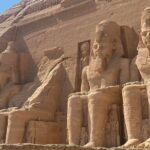
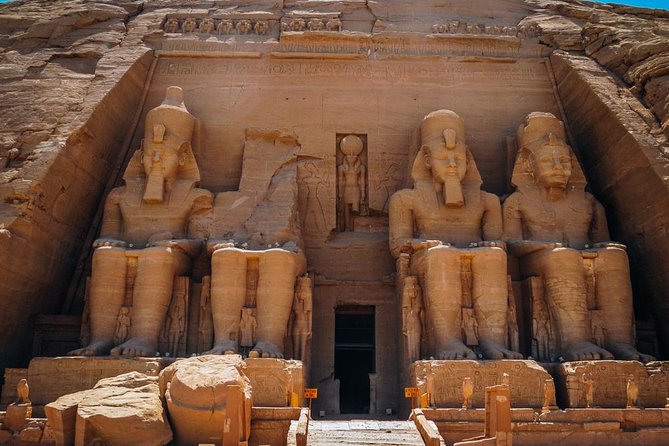
There’s an optional Abu Simbel Temple Complex tour. This is the far-out add-on: about 230 km from Aswan, and the stop is listed as roughly 6 hours.
If you’re deciding whether to spend time and money here, think about your priorities:
- Do you want one huge, famous monument day even if it pulls you away from an easier pace?
- Or would you rather keep Day 2 lighter so you can enjoy the cruise atmosphere?
Either choice fits the structure of the itinerary, because it’s explicitly offered as optional.
Edfu overnight: your staging point for the big Horus visit
After Kom Ombo, the boat sails to Edfu and you spend the night there. This makes the next day’s temple stop easier because you’re already in position.
Day 3: the Edfu temple ride, Esna lock crossing, then Luxor temples
Day 3 is a classic river-day: early temple visit, a unique bit of Nile logistics, then Luxor arrives.
Horse carriage to Edfu Temple: a small tradition that changes the mood
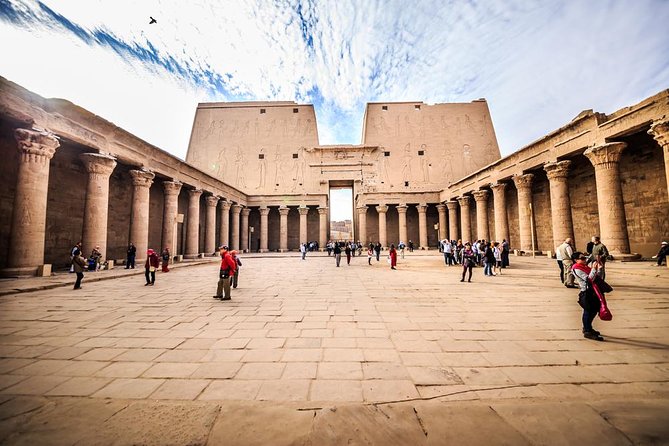
You go to Edfu Temple (Temple of Horus) using a horse carriage. That’s not just transport; it’s part of the experience. It gives you a break from the cruise routine and shifts your attention to the temple approach.
The temple stop is about 1 hour. Since admission isn’t included, confirm ticket plans before the day starts.
Esna lock: the Nile’s behind-the-scenes moment
Then you keep sailing toward Esna, and you cross the Esna lock. This is the kind of moment you might skip on other itineraries, but on a cruise it becomes a real event. It’s practical, it slows your day down for a bit, and it reminds you this isn’t just sightseeing—it’s travel through a working river system.
Optional Karnak sound and light at night
In Luxor, you can add an optional sound and light show at Karnak Temple. This isn’t mandatory, but it’s a good option if you want evening atmosphere instead of another daytime walkthrough.
Luxor Temple and Karnak: the east-bank highlights, guided
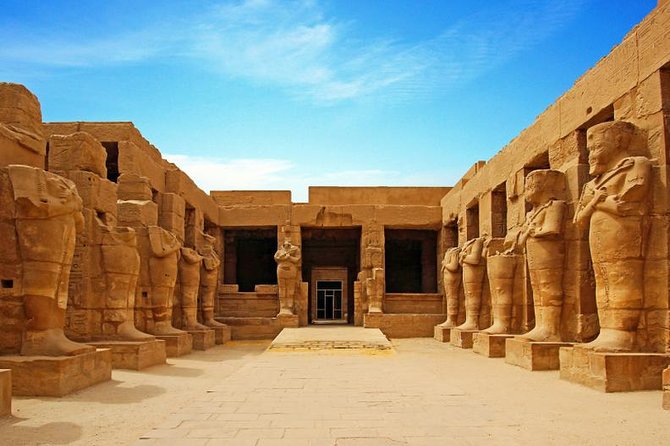
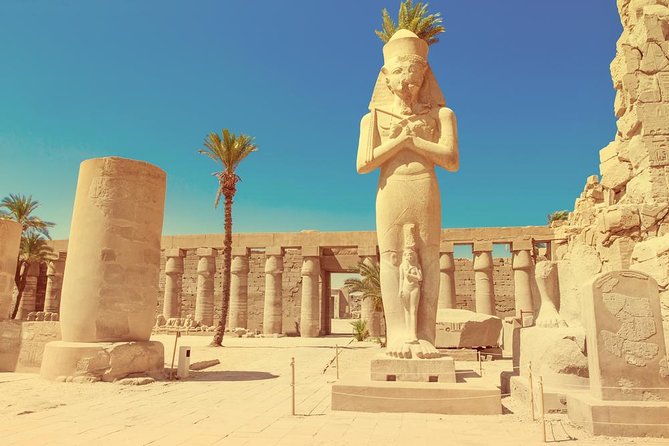
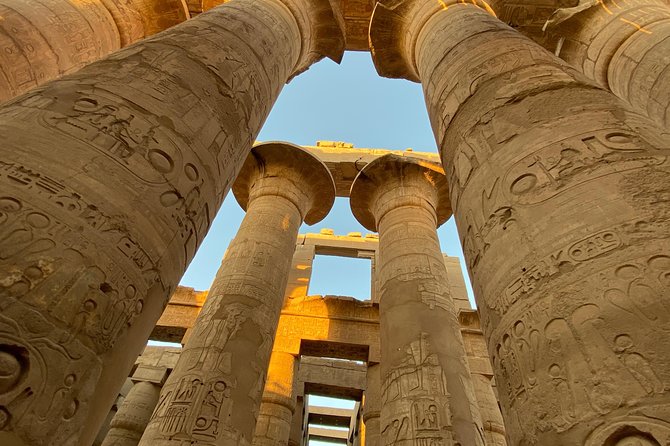
You visit Luxor Temple (about 1 hour) and Karnak Temple (about 1 hour 30 minutes). Expect guided context to help you read what you’re seeing. Even if you’ve seen photos before, Karnak can be mind-bending in person because it’s not one temple—it’s a big complex of spaces and structures.
If you’ve ever felt rushed in “see everything” tours, this part is worth noting: the time allocations are there, but the experience still depends on the day’s pace and how many people are in your group.
Day 4: West Bank legends—Valley of the Kings, Hatshepsut, Colossi of Memnon
The final day is your west-bank deep cut. After breakfast you check out, then start the tour west of the Nile.
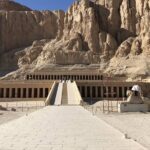
Hatshepsut at Deir el-Bahari: the terrace temple that looks staged
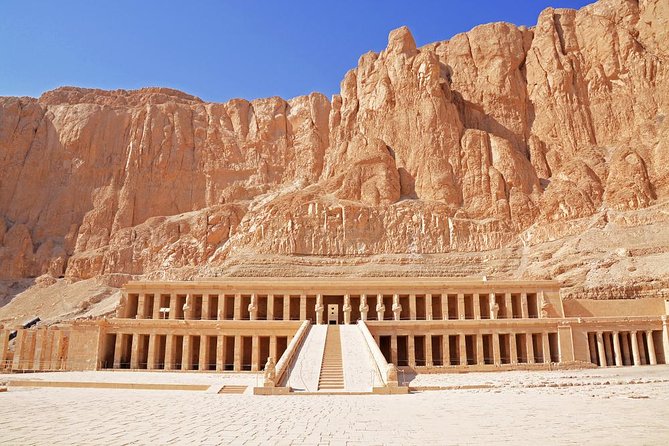
You visit Temple of Hatshepsut at Deir el-Bahari. It’s known as the mortuary temple of Hatshepsut, and the cliffside setting gives the temple a dramatic “built into the stone” feeling.
This stop is about 1 hour. Since admission isn’t included, you’ll want to ensure tickets are handled in advance or during the tour.
Valley of the Kings: tombs you remember for years
Next is the Valley of the Kings. This is where rock-cut tombs were made for pharaohs and powerful nobles. The stop is about 1 hour 30 minutes, which is usually enough time to see the main route areas without feeling like you’re sprinting through.
The key thing to know: tombs can be visually intense and physically packed with stairs/steps depending on which tombs are open and accessible. You’ll want to pace yourself and plan for some walking.
Colossi of Memnon: big statues, fast photo moment with real presence
Then you visit the Colossi of Memnon, listed as part of the west-bank set. These are the kind of monuments where even if you only spend a short amount of time, they stick in your memory because they’re huge and instantly recognizable.
Finish with Karnak and Luxor Temple again (east bank wrap-up)
After the west-bank tour, you have lunch with a break, then you continue to Karnak Temple and Luxor Temple again—then you transfer to your station/airport.
That can sound repetitive, but in practice it often works because Day 4 gives you a final pass with a different energy: first the west bank, then the east bank wrap-up. If you care about photography or want another chance to take it all in, that second temple day can be helpful.
Guides, pacing, and the ship experience: what makes or breaks your trip
This is one of those tours where the guide can change everything. I’ve seen multiple guide names show up in the experience feedback—Karam, Mohammed Ramadan, Abrahim, and Aymen. The common thread is that a good guide keeps the group moving at the right speed and helps you understand what you’re looking at, which is especially important when you’re bouncing between temples.
The best-case scenario
When the pacing clicks, this cruise feels like a well-run route:
- Comfortable ship spaces
- Comfortable beds
- Good food
- A guide who stays on time
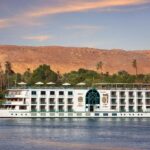
One specific example that’s come up is the mention of a ship called Ms Opera, described as having clean rooms, comfortable beds, and big windows that open. That kind of cabin detail matters on a cruise. It’s where you recover between early sightseeing days.
The common drawback: rushed touring
On the flip side, some people flag that the guided stops can feel rushed. That usually shows up at the temple sites—when you want time to look closely at inscriptions and details, but the day-plan pushes you toward a quick loop.
A practical way to handle this is mental: treat this tour as a highlights route. If you want slow, deep exploration inside every hall, you’ll probably want to add separate guided time in Luxor afterward.
Food: included, but not always the same experience
Meals are included: 4 dinners, 3 breakfasts, 3 lunches. Still, some feedback points out food can range from good to average, depending on how the cruise operates on that specific week. You can count on meals being part of the package, but don’t expect every dinner to feel like a perfect restaurant night.
What to pack and how to plan your energy (without overthinking it)
Based on the structure here, your “what matters most” list is simple:
- Expect early mornings on several days, especially around major temples.
- Bring comfortable shoes for uneven stone and stair steps at temple sites.
- Keep a little patience for timing. When you have a packed route from Aswan to Luxor, the schedule drives your pace.
- If you’re choosing Abu Simbel or the Karnak sound and light show, plan your day around those time demands.
If you’re the kind of traveler who gets cranky when things run late, this can still work—just keep your expectations aligned with a tight itinerary.
Should you book this Aswan to Luxor Nile cruise?
You should book if you want:
- A high-effort highlights route from Aswan to Luxor without arranging every transfer yourself
- A good balance of guided touring plus ship downtime
- Meals and hotel pickup included so you can focus on sights
You might skip or change plans if you:
- Want extra time inside each temple instead of a highlights checklist
- Prefer entrance fees bundled into the price (this one lists them as not included)
- Don’t like early wakeups—some days are scheduled for quick sightseeing
Best fit: first-time Egypt travelers who want the big names (Aswan, Philae, Kom Ombo, Edfu, Karnak, Valley of the Kings) with a guide, plus travelers who like the idea of going to sleep on a boat and waking up closer to the next site.
FAQ
Where does this cruise start and end?
It starts in Aswan and ends in Luxor, with tours and transfers that finish at your Luxor train station, bus station, or airport.
How long is the tour?
The experience runs for 4 days and 3 nights.
Is hotel pickup included?
Yes. You’re picked up from your Aswan hotel (and also from the airport/train/bus station area on arrival).
What meals are included?
Meals included are 4 dinners, 3 breakfasts, and 3 lunches.
Are entrance fees included for temples and museums?
No. All entrance fees are not included.
Are tips included?
No. Tipping is not included.
Do you visit Abu Simbel?
Abu Simbel Temple Complex is optional. It’s listed as an optional tour and not included in the base package.
Is the Karnak sound and light show included?
The sound and light show at Karnak Temple is optional.
What are the main stops on the west bank in Luxor?
The west bank tour includes Valley of the Kings, Temple of Hatshepsut, and Colossi of Memnon.
What time does the tour start?
The listed start time is 8:00 am.
You Might Also Enjoy
More 4-Day Experiences in Aswan
More Boat Tours & Cruises in Aswan
- 4-Days Nile Cruise From Aswan To Luxor including Abu Simbel and Hot Air Balloon
★ 5.0 · 3,142 reviews
More Tour Reviews in Aswan
- 4-Days Nile Cruise From Aswan To Luxor including Abu Simbel and Hot Air Balloon
★ 5.0 · 3,142 reviews