REVIEW · ASWAN
4-Day 3-Night Nile Cruise from Aswan to Luxor – Private Tour
Book on Viator →Operated by Egypt Unlimited Tours · Bookable on Viator
One-way Nile cruises move fast, and that’s the point. This Aswan-to-Luxor trip strings together big-name temples and tombs with daily Egyptologist-led visits, from the boat to Philae all the way to Luxor’s Valley of the Kings.
I particularly like the full-board setup: 5-star accommodation on the boat plus breakfast, lunch, and dinner, bottled water each day, and entrance fees handled for the listed sights. Another strong plus is the door-to-door feel of private transfers, with pickup from Aswan’s station or airport or your hotel.
The main thing to consider is pacing. You’ll be on and off vehicles early and often, and if you get grumpy with long days (or buffet crowds), this cruise can feel like organized intensity rather than a slow float.
In This Review
- Key highlights worth circling
- Aswan to Luxor: why the one-way cruise format works
- Day 1: Philae Temple island trip, High Dam, and the Unfinished Obelisk
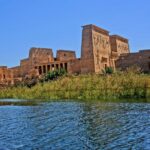
- Philae Temple (Isis) by motor boat
- Aswan High Dam
- Unfinished Obelisk
- Day 2: Kom Ombo plus optional Abu Simbel sunrise effort
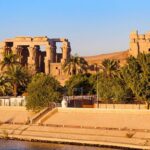
- Kom Ombo Temple: two entrances, two gods
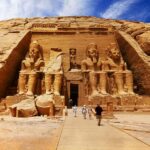
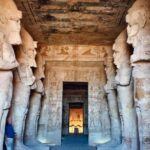
- Optional Abu Simbel Temple Complex (extra cost)
- Day 3: Horus Temple at Edfu, Karnak’s columns, and Luxor Temple at day’s end
- Temple of Horus (Edfu): a well-preserved cult temple
- Karnak Temple: the hypostyle room and 134 columns
- Luxor Temple: sun god focus and famous builders
- Day 4: Valley of the Kings, Hatshepsut at Deir el Bahari, and Colossi of Memnon
- Valley of the Kings: pick-your-tomb strategy
- Temple of Hatshepsut at Deir el Bahari
- Colossi of Memnon: quick but memorable
- Private Egyptologist and transfers: what you truly gain
- Meals and life on board: the rhythm you’ll feel every day
- Cabins and ship differences: don’t assume every boat is identical
- Tip money is part of the system
- Optional add-ons: balloon over Luxor and the Abu Simbel choice
- Price and logistics: does $504 feel fair?
- Who should book this private Aswan-to-Luxor cruise
- Should you book this Nile cruise?
- FAQ
- What is included in the 4-Day 3-Night Nile cruise price?
- Are meals and bottled water included each day?
- Is Abu Simbel included?
- Do I get a private guide on this version?
- Can I add a hot-air balloon ride over Luxor?
- Where does pickup happen in Aswan?
- Can I cancel for a full refund?
Key highlights worth circling
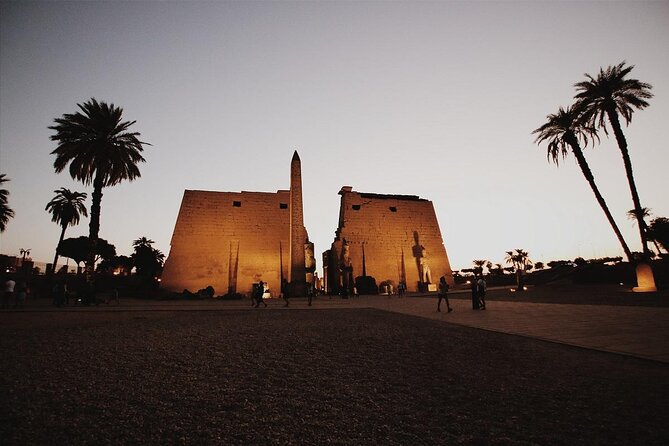
- Philae Temple by boat: an island visit to the Isis temple area, with the boat ride built in
- High Dam + Unfinished Obelisk: quick, real-world stops that add context beyond temples
- Kom Ombo’s double-deity layout: falcon-headed Haroeris and crocodile-headed Sobek in one place
- Edfu’s Horus Temple: one of Egypt’s best-preserved cult temples, done with an Egyptologist
- Karnak and Luxor Temple: major sights with the “how did they build this” factor turned up
- Optional Abu Simbel and hot-air balloon: big add-ons if you want sunrise-level wow
Aswan to Luxor: why the one-way cruise format works
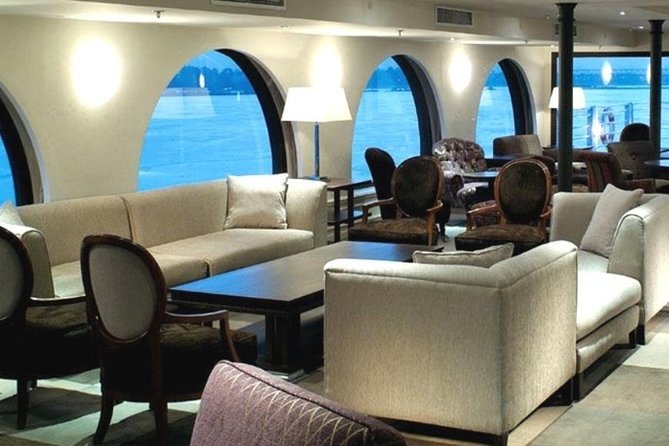
This cruise is built around one direction: Aswan in, Luxor out. That matters because you’re not spending your limited time re-traveling the same ground. You wake up in one place, see major sites that day, then sail toward the next stop. It’s a very efficient way to get from the Nubian edge of Egypt into Upper Egypt temple territory.
You also get a consistent rhythm: transfers by air-conditioned vehicle, guided stops with an Egyptologist, and meals included each full day. Even the timing of certain visits helps. For example, Philae’s boat access makes the start feel cinematic, not like a quick roadside stop.
And if you’re the kind of traveler who hates logistics, this setup is for you. It bundles transportation, entrances for the listed sights, and daily scheduling into one package. The trade-off is that you’ll have fewer chances to roam off on your own at random times.
You can also read our reviews of more boat tours in Aswan
- 4-Days Nile Cruise From Aswan To Luxor including Abu Simbel and Hot Air Balloon
★ 5.0 · 3,142 reviews
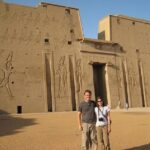
Day 1: Philae Temple island trip, High Dam, and the Unfinished Obelisk
Day 1 is a smart opener because it gives you variety right away: religious site, modern engineering, then a glimpse into ancient labor.
Philae Temple (Isis) by motor boat
Philae is famous for a reason. It’s on an island, so you actually go by motor boat before you even step into the temple complex. That short ride changes the feel of the visit. It’s not just another stop; it feels like you’re arriving at something set apart.
This is also a great day to watch for your guide’s style. Some guides emphasize mythology and symbols; others focus on architecture and how the temple functioned. With an Egyptologist leading you, you’ll get context instead of just names and dates.
Aswan High Dam
Then you pivot from ancient Egypt to modern Egypt with the High Dam, built in 1961. Even if you don’t care about engineering, it’s a useful reality check: the Nile’s relationship to Egypt has never been just romantic scenery. This stop helps explain why the Nile changed in the modern era.
It’s also a quick win in the itinerary: about 30 minutes of solid orientation value before you move on.
Unfinished Obelisk
The Unfinished Obelisk is one of those places that makes you stop and think. The idea here is simple: it was planned as an obelisk that would have been enormous, but it wasn’t completed. Standing there, you can understand how ambitious ancient projects were—and how mistakes, material issues, or timing could stall them.
If your guide is strong, this becomes more than a photo stop. You’ll get the story behind why it stayed unfinished and what it suggests about ancient work planning.
You can also read our reviews of more private tours in Aswan

Day 2: Kom Ombo plus optional Abu Simbel sunrise effort
Day 2 has two very different energies. Kom Ombo is all about temple design and the way it splits between two gods. Abu Simbel, if you add it, is the early-morning big-ticket classic.
Kom Ombo Temple: two entrances, two gods
Kom Ombo sits on higher ground with views over the Nile. What makes it stand out is its double layout. You’ll see two entrances and learn how each side connects to different divinities: Haroeris (falcon-headed) and Sobek (crocodile-headed).
It’s one of those temples where details matter. If you try to speed through, you’ll miss the point. With an Egyptologist, you’ll likely connect the iconography to what the temple meant for worship.
The visit is also described as lasting about two hours, which is a decent amount of time for photos without feeling rushed.
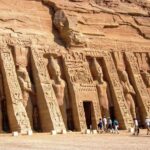
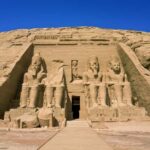
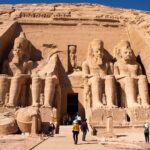
Optional Abu Simbel Temple Complex (extra cost)
Abu Simbel is explicitly optional and costs extra, and the admission ticket isn’t included. If you’re on the fence, here’s the practical logic: this temple requires early departure. That means a long day and a much stricter schedule, so you should only add it if you can handle early mornings and still stay happy after.
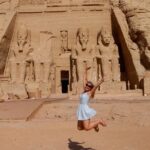
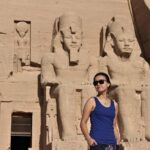
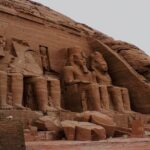
Why do it? Because the two temples are treated as showpieces: one for Ramses II and one connected with Queen Nefertari and Hathor. You’ll also get the unique symbolic tie-in between gods and the sun theme. It’s the kind of stop that turns a Nile cruise from good to memorable.
If you do Abu Simbel, it’s even more important to ask your guide how much time you’ll have for photos and how the group will be managed inside.
Day 3: Horus Temple at Edfu, Karnak’s columns, and Luxor Temple at day’s end
Day 3 is the heavy hitter day for many first-time Nile visitors. You’ll see major complexes that can overwhelm you if you don’t pace them mentally.
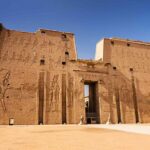
Temple of Horus (Edfu): a well-preserved cult temple
The Temple of Horus (at Edfu) is billed as among Egypt’s best-preserved cult temples. That matters because preservation changes how you understand the original impact. You’re not piecing together everything from scraps.
Expect a real guide-led experience here. When a place is well preserved, the guide can point out the details that would otherwise blur together: where scenes are placed, how the temple space was organized, and what Horus worship represented.
Karnak Temple: the hypostyle room and 134 columns
Karnak is huge, and the itinerary calls out some of the most specific features: the avenue of sphinxes of Ramses II, the hypostyle room with 134 columns, and the obelisks. It also mentions the biggest lake (used like a pool) of ancient Egypt.
If you’ve ever walked into a massive site and felt yourself switch to auto-pilot, Karnak is where that can happen. The fix is simple: give your guide a question. Ask what you should look for first. Then take a slower loop through the hypostyle area rather than trying to see everything in a sprint.
Luxor Temple: sun god focus and famous builders
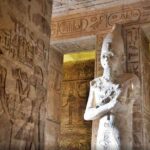
Luxor Temple is dedicated to Amun Re and associated with several pharaohs, including Ramses, Amenmhotep, and Hatshepsut. You get a strong sense of continuity here: Karnak teaches you the scale; Luxor Temple makes you feel the lived religious space on a more human level.
Plan for photos, but don’t treat it like a checklist. Luxor Temple rewards attention to how spaces line up and how the theme shifts as you move through.
Day 4: Valley of the Kings, Hatshepsut at Deir el Bahari, and Colossi of Memnon
The final day is classic Upper Egypt. It hits royal burial space, a queen’s mortuary temple, and then the giant statues that have become almost symbolic of Egypt itself.
Valley of the Kings: pick-your-tomb strategy
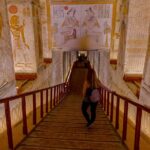
The Valley of the Kings visit is about two hours, and your guide will recommend the best three tombs to see. That’s a key detail. With tombs, you can easily lose time if you try to choose everything yourself on the spot.
If you want the best experience, trust the guide’s selection and spend your energy absorbing what’s inside: wall colors that are still very well preserved and scenes that reward being seen slowly.
Temple of Hatshepsut at Deir el Bahari
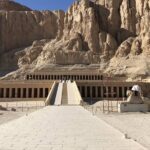
Hatshepsut’s temple at Deir el Bahari is described as unique, with the note that she ruled Egypt for 20 years alone. This is one of the stops where you’ll probably feel your understanding of ancient Egypt broaden beyond kings who always fit a single stereotype.
The temple visit is around one and a half hours. That’s enough time for the architecture and the story to land without feeling like a rush job.
Colossi of Memnon: quick but memorable
The Colossi of Memnon are remains of the mortuary temple of Amenhotep III. The visit time is short (about 15 minutes), so treat it like a photo moment plus a mental snapshot. You’re looking at scale: two enormous statues that still carry weight even after centuries.
Private Egyptologist and transfers: what you truly gain
This is the private-tour version, meaning your group is just your group and you’ll have a private Egyptologist guide. In real life, that’s the difference between feeling rushed and feeling looked after.
A few guides have stood out in the experience summaries you’ve been given: Ahmed, Mustapha/Mustafa, Amro/Amr, Adham, Aswany, and Mustapha as a patient, logistics-savvy guide. The pattern across them is consistent: when the guide is good, the day feels smoother and the explanations connect the dots between monuments.
Still, guide quality can vary. One experience note says a guide wasn’t as informative and didn’t leave much time for photos. That tells you what to watch for. If private is an option, use it actively. Ask questions when you arrive. If you feel like the pace isn’t working for you, raise it early rather than waiting until you’re done for the day.
Transfers also matter more than they sound. Getting picked up from Aswan’s station or airport, or your hotel, then moving by air-conditioned vehicle, removes the stress of navigation. You’re not “managing Egypt” all day.
Meals and life on board: the rhythm you’ll feel every day
The cruise includes full board: three breakfasts, three lunches, three dinners, plus bottled water daily (listed as two small bottles per person per day). Entrance fees for the mentioned sightseeing are included too, and service charges and taxes are part of the package.
On the ground, that usually means less decision fatigue. On board, you still get a normal cruise reality: the boat can be busy at meal times and the menu is buffet-style. One person specifically noted that the onboard food was consistently very good with different selections nightly, while another felt the food was average and not gourmet.
So I’d set expectations like this: you’re buying convenience and solid variety, not Michelin-star dining. The good news is that multiple experiences praised staff friendliness, and the overall service got high marks across cabins and onboard teams.
Cabins and ship differences: don’t assume every boat is identical
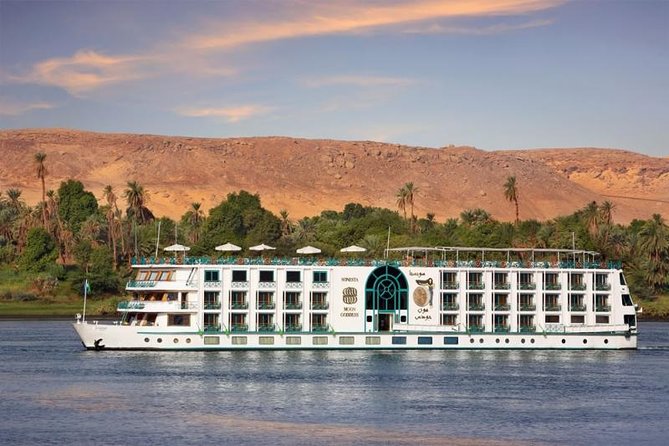
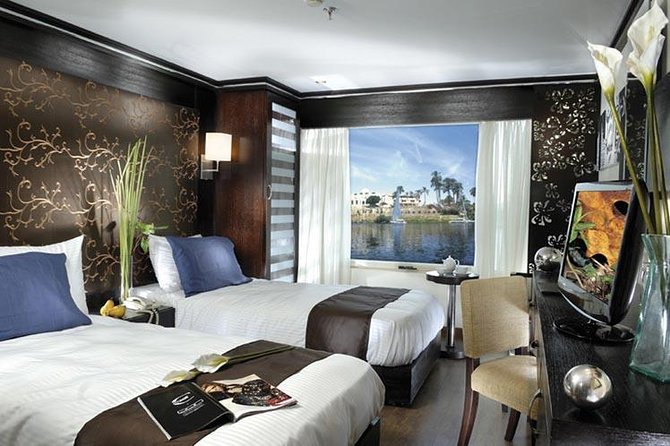
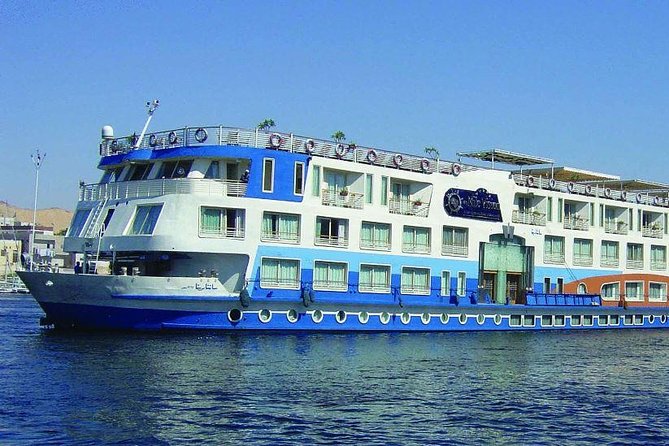
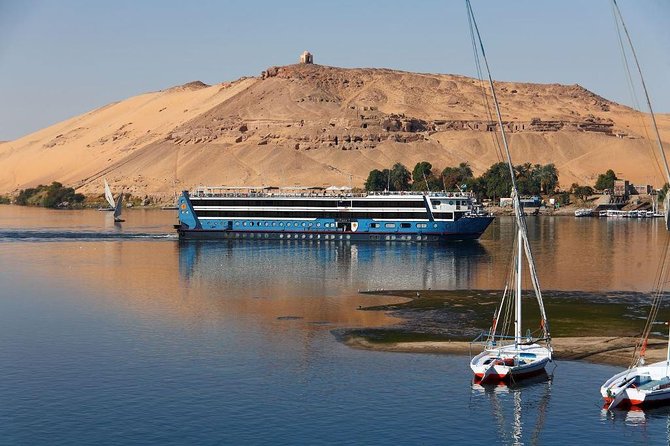
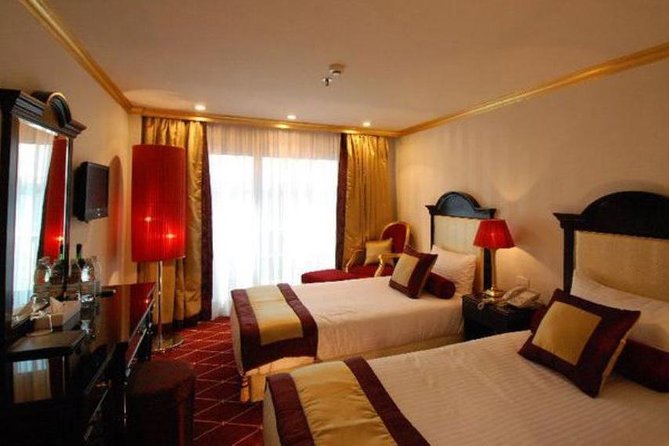
One tricky truth: these cruises may run on different ship names and conditions. Examples in the experience details include boats like Medea (including a note about renovation), Le Fayen, Sonestra, Nile Paradise, Alhambra, and Concerto. Some cabin reports sounded excellent and comfortable; one report described a smaller or less satisfying room situation and recommended confirming the boat name and photos before booking.
My advice is simple: before you commit, confirm the exact ship name tied to your dates and check photos for that specific vessel.
Tip money is part of the system
One helpful note from an experience summary: tipping is a big deal in Egypt. You should plan to carry cash for the many people helping along the way, even when most costs are included. This isn’t optional thinking; it’s just how the service ecosystem works.
Optional add-ons: balloon over Luxor and the Abu Simbel choice
Two add-ons come up in your itinerary details.
Hot-air balloon over Luxor is optional and costs extra. If you add it, your morning may start early, and you’ll be stacking a big experience on top of already-packed days. It’s worth it if you like sunrise views and you don’t mind being up before the rest of the world.
Abu Simbel is the larger commitment. Since it’s early and optional, it’s best for travelers who want one of Egypt’s most famous day trips even if it costs time and energy.
Price and logistics: does $504 feel fair?
At $504 per person, the value comes from what’s bundled: 3 nights on a 5-star deluxe Nile cruise, private Egyptologist guide, all transfers by air-conditioned vehicle, full board meals, bottled water, and entrance fees for the listed sites. Service charges and taxes are included too, which helps avoid surprise add-ons.
What’s not included matters. Beverages aren’t included, and gratuities are not included. Abu Simbel is not included and has extra admission costs. Peak season has an extra charge during the Christmas and New Year window (USD 200 per person from Dec 20 to Jan 2), so you’ll want to factor that in if your dates fall there.
Also, you should budget your mental energy. Even when everything is organized, the days can be long. One experience summary even mentions exhausting wake-up times around 4:30 or earlier. If you’re the type who needs slow mornings to function, plan for it.
Who should book this private Aswan-to-Luxor cruise
This cruise is a great fit if you want:
- Major temples and royal sites without the hassle of self-planning each day
- A private Egyptologist so you can ask questions and get context
- Convenience: pickup, transfers, entrance fees, and most meals handled
It’s less ideal if you:
- Hate early starts and long scheduled days
- Prefer lots of independent wandering on your own clock
- Are extremely sensitive to ship-room differences and want guaranteed accommodations without variation
If you’re traveling solo, as several experience notes suggest, having a private guide and driver can also make you feel more secure and less rushed between stops.
Should you book this Nile cruise?
If you want a clean, efficient introduction to Upper Egypt temples with a guide who can explain what you’re seeing, this is a smart booking. The private Egyptologist option is where you’ll feel the difference most, especially at Karnak and the Valley of the Kings, where context turns stone into meaning.
Before you pay, do two practical checks: confirm the exact ship name tied to your dates, and decide early whether Abu Simbel and the balloon fit your energy level. If you handle long days well, you’ll likely leave this cruise with temples that actually stick in your mind, not just photos in your camera roll.
FAQ
What is included in the 4-Day 3-Night Nile cruise price?
You get 3 nights accommodation on board a 5-star deluxe Nile cruise with full board (3 breakfasts, 3 lunches, and 3 dinners), bottled water daily, all transfers by air-conditioned vehicle, a private Egyptologist guide, and entrance fees for the listed sightseeing. Service charges and taxes are included, and there’s a 24-hour emergency hotline.
Are meals and bottled water included each day?
Yes. Breakfast, lunch, and dinner are included on the full-board schedule, and bottled water is included daily (listed as two small bottles per person per day).
Is Abu Simbel included?
No. Abu Simbel is optional and has an additional cost. Admission for Abu Simbel is not included.
Do I get a private guide on this version?
Yes. This is described as a private option with a private Egyptologist guide, and the tour is private in the sense that only your group participates.
Can I add a hot-air balloon ride over Luxor?
Yes, it’s optional and listed as an additional expense early on the final day.
Where does pickup happen in Aswan?
Pickup is offered from Aswan train station or airport, or from any hotel.
Can I cancel for a full refund?
Yes. Free cancellation is offered up to 24 hours in advance for a full refund.
You Might Also Enjoy
More Boat Tours & Cruises in Aswan
- 4-Days Nile Cruise From Aswan To Luxor including Abu Simbel and Hot Air Balloon
★ 5.0 · 3,142 reviews

More Tours in Aswan
More Tour Reviews in Aswan
- 4-Days Nile Cruise From Aswan To Luxor including Abu Simbel and Hot Air Balloon
★ 5.0 · 3,142 reviews