This 4-day Nile cruise from Aswan to Luxor pairs classic archaeological stops with one big sky moment: a hot air balloon ride over Luxor’s west bank at dawn. You start with guided tours of key sites along the river, then finish in Luxor with the Valley of the Kings, Deir el Bahari, and Karnak Temple—plus time built in for relaxing on deck.
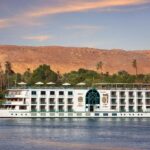
I love how the trip mixes big-ticket sights with practical comfort. The ship is described as 5-star and guests repeatedly call out the peaceful, well-run onboard experience, with delicious meals and attentive crew. I also like the human touch from the Egyptology guide—names like Shady (Kom Ombo storytelling), Osama and Mervat (Philae Temple explanations) and Rabeh (Edfu Temple) show up in the praise for turning carvings and rooms into a story you can follow.
One thing to plan around: the balloon is early—around 5:00 am—and you’ll be doing a lot of sightseeing across four days. If you’re the type who hates mornings or needs lots of downtime, this schedule can feel intense.
In This Review
- Key highlights worth prioritizing
- Price and value: where the money actually goes
- How the Aswan-to-Luxor cruise day flow feels in real life
- Day 1: Aswan airport pickup, High Dam, and Philae by motorboat
- Day 2: Abu Simbel and Kom Ombo’s split personality
- Day 3: Edfu’s Temple of Horus, then Luxor Temple by late afternoon
- Day 4: Sunrise balloon, Colossi of Memnon, Valley of the Kings, Hatshepsut, and Karnak
- What your guide and onboard team make easier
- Tickets, admissions, and what you should expect to pay extra
- Who this cruise suits best
- Practical tips to make the most of it
- So, should you book this Aswan-to-Luxor cruise with a balloon?
- FAQ
- What’s included in the 3-night cruise?
- Are meals included during the cruise?
- Does the price include tickets for every stop?
- How long is the hot air balloon ride?
- What time does the hot air balloon depart?
- Is pickup and transfer included?
- What’s the group size like?
- When do you get dropped off at the end?
Key highlights worth prioritizing
- Sunrise hot air balloon over Luxor’s west bank for a bird’s-eye view of the monuments and river bends
- Kom Ombo + Philae Temple with strong guide-led context and hands-on storytelling (guides such as Shady, Taha, Super Mo, Mahmoud, Osama, Mervat get praised)
- A smooth Aswan-to-Luxor flow with sailing days built around temple visits and time on the sundeck
- Well-paced iconic stops: Abu Simbel, Edfu’s Temple of Horus, Valley of the Kings, Hatshepsut at Deir el Bahari, Karnak
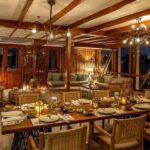
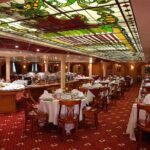
- 5-star onboard comfort repeatedly noted: spacious decks, lounges, and meals presented well
- Pickup and transfers included in an air-conditioned van for arrival/departure from airport, train station, or hotel
Price and value: where the money actually goes
At $786.50 per person for a 4-day, 3-night trip, this sits in the “you’re paying for convenience” category. You’re not just buying boat space. You’re getting a guided circuit of major sites that can be tricky to piece together on your own—especially when you factor in transfers, an onboard guide team, and a sunrise balloon slot.
Here’s what feels like strong value in the package:
- Hotels/ship quality included: you’re in a 5-star Nile cruise environment for three nights.
- Meals are included (breakfast 3 times, lunch 3 times, dinner 3 times). That matters in Egypt, where food breaks can add up fast if you’re moving all day.
- Guided touring with Egyptology expertise: the praised guides aren’t just reciting dates. They’re explaining symbols, design, and what you’re actually looking at in each temple.
What’s not included matters too. Tipping is not included, and Abu Simbel and the hot air balloon admission aren’t included in the listed price. So yes, you should budget a bit beyond the headline cost. Still, for a full Aswan-to-Luxor circuit with a balloon, it’s a solid setup rather than an empty shell.
You can also read our reviews of more boat tours in Aswan
- 4-Days Nile Cruise From Aswan To Luxor including Abu Simbel and Hot Air Balloon
★ 5.0 · 3,142 reviews
How the Aswan-to-Luxor cruise day flow feels in real life
This trip is designed around the Nile’s rhythm. You move in chunks: guided sightseeing on the ground, then you regroup on board while the ship sails or while the schedule gives you breathing room.
A key comfort factor is the pickup and transfer. You’re met at Aswan International Airport, the train station, or your hotel by an Omar Nile Cruise representative, then moved in a comfortable air-conditioned van. That’s a practical detail people often underestimate—when you’re arriving in a new city, you don’t want the first hour to be a maze.
On top of that, the cruise format keeps you from constantly checking in and out of hotels. You sleep in the same floating base, then wake up closer to the day’s sites.
Day 1: Aswan airport pickup, High Dam, and Philae by motorboat
Day 1 starts with an easy handoff. A representative meets you and coordinates your transfer to the ship. After boarding, you check in and settle into the ship’s comfort before lunch onboard—so you’re not scrambling to find food right after travel.
Then it’s straight into Aswan’s modern history with the Aswan High Dam. The visit is about why it was built: flood control and power generation, completed between 1960 and 1970. It’s a big scale contrast to the ancient sites you’ll see later, and it also helps you understand why the Nile region looks the way it does today.
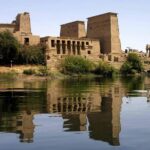
Next comes Philae Temple (Philae Timple). You take a short motorboat ride to the Graeco-Roman temple dedicated to Isis. This is a good day to pay attention to materials and layout, because Philae is where the “temple as a religious machine” feeling comes through. After the temple, you head back to the cruise for dinner, a folkloric show, and overnight.
What makes this day work: you get an early win—Aswan’s landmarks plus the Nile boat ride—before you’re fully locked into the heavier temple days ahead.
Day 2: Abu Simbel and Kom Ombo’s split personality
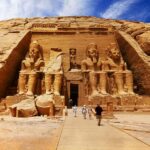
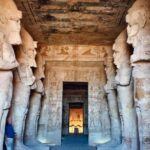
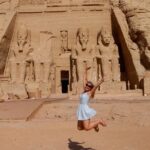
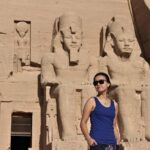
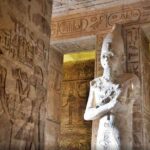
Day 2 is a long one, because Abu Simbel is big and far. The complex was carved into a mountainside during Pharaoh Ramesses II’s reign and includes both a larger temple and a smaller one for Queen Nefertari and the goddess Hathor. The standout detail is the biannual solar alignment, when sunlight reaches far into the Great Temple. Even if you’re not there for that exact alignment window, the design still feels intentional—more like architecture made to deliver a message than a set of random rooms.
Important cost note: Abu Simbel admission is not included, so plan for that extra fee.
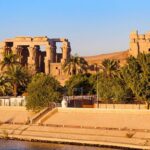
After Abu Simbel, you shift to a temple that feels different right away: Temple of Kom Ombo. This is the one with a dual focus—Sobek (crocodile god) and Horus (falcon-headed god). The symmetry is part of the experience: mirrored courts and halls give you a clear visual logic for why the temple is structured the way it is.
Kom Ombo is also a place where the guide really matters. Guests praised Egyptology storytelling here, with names like Shady, Taha, Super Mo, and Mahmoud showing up in the feedback for making the architecture and symbolism click fast. You’ll also see the Crocodile Museum nearby, connected to Sobek worship, which adds a human-curiosity layer beyond temple walls.
Day 3: Edfu’s Temple of Horus, then Luxor Temple by late afternoon
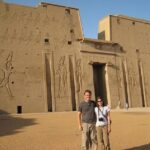
Morning starts with Edfu’s Temple of Horus. You’ll ride there by horse carriage with your guide. That sounds touristy, but in this context it’s part of the atmosphere: it signals you’re moving into a temple visit that’s meant to be taken slowly and watched carefully.
Edfu is described as the most well-preserved temple in Egypt, and it shows. The walls and layout give you a clear sense of how the site was used and how the carved scenes were meant to be read.
Then you sail toward Luxor. You get time on board—deck views, lunch, and later tea on the sundeck. This is where you’ll appreciate the cruise format: you’re not constantly transferring between places. You’re just moving along the Nile with a view.
In the afternoon, you transfer to Luxor Temple on the East Bank. Here you get a layered mix of ancient Egyptian, Christian, and Islamic influences. It’s a nice change of pace after two days focused on single-era temple identities. Dinner is onboard, and there’s a belly dancing show, followed by an overnight stay in Luxor.
If your dock arrival is early enough (around 3:00–3:30 pm), you may have time to visit both Karnak and Luxor Temples—otherwise, Karnak is handled on Day 4.
A few more Aswan tours and experiences worth a look
Day 4: Sunrise balloon, Colossi of Memnon, Valley of the Kings, Hatshepsut, and Karnak
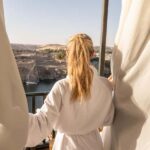
Day 4 is the “final act” day, and it begins with the big breath-before-you-sprint moment: hot air balloon flight over Luxor at around 5:00 am. The ride is short—30 to 45 minutes—but the timing makes it special. Seeing the west bank landmarks with early light is the kind of view you don’t get from any ground tour.
Balloon admission is not included, so that’s another add-on to budget for.
After your landing, you head into the classics:
- Colossi of Memnon: two enormous statues of Amenhotep III at the entrance of his mortuary temple ruins. You get a quick photo stop with them, and it’s an instant sense of scale.
- Valley of the Kings: you’ll drive to the west bank and explore New Kingdom tombs carved into the mountains. This is the place where the idea of royal secrecy and protection becomes real.
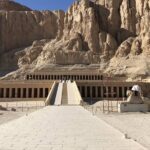
- Temple of Hatshepsut at Deir el Bahari: a standout architecture stop. Hatshepsut’s mortuary temple is known for its design and terraces, and your guide explains her reign with her nephew. You also get a photo stop at Colossi of Memnon again near the end of the west bank portion.
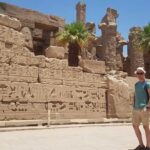
- Karnak Temple: back on the East Bank, and yes, it’s huge. Karnak covers about 63 acres and you’ll spend around 2 hours there, with time to photograph pillars and obelisks.
You end with transfers to your Luxor hotel, the airport, or the railway station around 3:00 to 4:00 pm.
What your guide and onboard team make easier
This trip is full of temples. That can feel overwhelming if you’re looking at stone with no context. The consistent theme in the experience feedback is how well the Egyptology guide guides your attention.
Different guide names show up in praise, and that’s a good sign: Shady is highlighted for engaging Kom Ombo explanations, Osama and Mervat for Philae Temple insights, and Rabeh for Edfu Temple storytelling. When guides do their job well, you’re not just ticking boxes—you’re learning how the carvings were meant to work as religious and political messaging.
On the ship side, guests repeatedly mention:
- friendly crew
- comfortable beds
- spacious decks and lounges
- meals that look good and taste good
- attentive service
Even if the ship quality is standard for a 5-star classification, the vibe of being cared for matters. It’s what keeps temple fatigue from turning into grumpiness.
Tickets, admissions, and what you should expect to pay extra
Admission inclusion is mixed, so here’s the practical way to think about it:
Included admissions:
- Aswan High Dam
- Philae Temple
- Kom Ombo Temple
- Temple of Horus (Edfu)
- Luxor Temple
- Valley of the Kings
- Deir el Bahari / Hatshepsut area
- Karnak Temple
Not included:
- Abu Simbel Temple Complex
- Hot air balloon admission
Because of this, you should come ready with a plan for two add-ons: Abu Simbel and the balloon. If you want the trip to feel smooth, don’t wait until the last day to sort them out.
Who this cruise suits best
This experience is best for people who want:
- iconic Egypt sights packed into a guided, low-stress route
- the comfort of sleeping onboard while moving between major regions
- a sunrise experience that feels like a once-in-a-lifetime event (the Luxor balloon)
It may be less ideal if you’re very sensitive to early mornings or if you dislike structured group touring. The schedule is active. You’ll be out for temple visits most days, with only brief decompression breaks.
It fits families too, since kids can handle the pacing when a strong guide turns stops into stories. Some feedback specifically calls it family-friendly with interactive storytelling helping everyone stay engaged.
Practical tips to make the most of it
1) For the balloon day, set aside time for calm. Early mornings are easier when you’re already packed and ready the night before.
2) Wear shoes that handle uneven ground. Valley of the Kings and Deir el Bahari aren’t museum-smooth.
3) Bring light layers. Early desert air can feel cool, then warm up fast after sunrise.
4) Budget for tipping since it’s not included.
5) If you care about photos, Karnak and the balloon are your two biggest wins for views.
So, should you book this Aswan-to-Luxor cruise with a balloon?
If you want the shortest path to seeing southern Egypt in comfort—Aswan to Luxor with major temples plus a sunrise balloon—this is a strong choice. The value comes from how the trip reduces logistical friction: transfers are handled, meals are included, and the guide support matters at sites where you’d otherwise miss the meaning.
I’d book it if:
- you’re excited about the hot air balloon experience
- you want guided context for Kom Ombo, Philae, Edfu, and the west bank sites
- you like the idea of 3 nights onboard and waking up near the next highlight
I’d hesitate if:
- you hate early starts
- you want lots of free time with no group schedule pressure
Overall, this feels like the kind of trip that delivers that rare combo: big-name history, plus a real comfort factor you’ll actually notice after the third temple stop.
FAQ
What’s included in the 3-night cruise?
The package includes 3-night accommodation on a 5-star Nile cruise from Aswan to Luxor, meet and assist for arrival and departure, guided tours as detailed in the day schedule, air-conditioned car transfers for pickup and drop-off, and an Egyptology expert guide (English and Spanish). Breakfast (3), lunch (3), and dinner (3) are also included.
Are meals included during the cruise?
Yes. You’ll have breakfast three times, lunch three times, and dinner three times onboard.
Does the price include tickets for every stop?
Not all admissions are included. Abu Simbel Temple Complex admission is not included, and hot air balloon admission is also not included. Admissions are included for stops such as High Dam, Philae Temple, Kom Ombo, Temple of Horus (Edfu), Luxor Temple, Valley of the Kings, Hatshepsut at Deir el Bahari, and Karnak Temple.
How long is the hot air balloon ride?
The balloon ride is listed as about 30 to 45 minutes.
What time does the hot air balloon depart?
Departure for the balloon ride is around 5:00 am.
Is pickup and transfer included?
Yes. You’re picked up from Aswan International Airport, the train station, or your hotel, and you’re also transferred back at the end of the trip.
What’s the group size like?
This is listed as a private tour/activity, meaning only your group participates.
When do you get dropped off at the end?
You’re transferred to your Luxor hotel, the airport, or the railway station around 3:00 to 4:00 pm on the final day.
You Might Also Enjoy
More 4-Day Experiences in Aswan
More Boat Tours & Cruises in Aswan
- 4-Days Nile Cruise From Aswan To Luxor including Abu Simbel and Hot Air Balloon
★ 5.0 · 3,142 reviews
More Tour Reviews in Aswan
- 4-Days Nile Cruise From Aswan To Luxor including Abu Simbel and Hot Air Balloon
★ 5.0 · 3,142 reviews