REVIEW · ASWAN
Nile Cruise 4 Days 3 Nights from Aswan to Luxor
Book on Viator →Operated by Reflections Travel · Bookable on Viator
A Nile cruise hits different when you’re actually sailing. This 4-day Aswan to Luxor trip strings together Egypt’s biggest temples and tomb sites with a guided plan and three nights on a 5-star ship. You get the comfort of onboard downtime plus the meaning of an Egyptologist explaining what you’re seeing as you go.
What I like most is how the route keeps you moving without feeling chaotic, and how the Egyptologist-led visits turn a checklist into real context. I also appreciate the support network behind the scenes—people often reference guides and operators by name (like Mohamad and Khalid) for being patient, responsive, and attentive. One possible drawback: the included meals are convenient, but the onboard food quality can be a weak spot, so don’t set your expectations like you’re dining at a top restaurant every night.
In This Review
- Key things to know before you go
- The “4 days, 3 nights” rhythm that works
- Day 1: Philae Temple, Aswan High Dam, and the Unfinished Obelisk
- Philae Temple: Isis and the island setting
- Aswan High Dam: the modern “Nile story” moment
- Unfinished Obelisk: how stone was meant to become power
- Day 2: Kom Ombo, Edfu’s Horus Temple, and tea on the sail in
- Kom Ombo: temples shared by two gods
- Edfu and Horus Temple: conflict, sacred drama, and scale
- Afternoon tea during sailing
- Day 3: Valley of the Kings, Hatshepsut at Deir el-Bahari, Colossi of Memnon
- Valley of the Kings: where Tutankhamun’s legend lives
- Temple of Hatshepsut at Deir el-Bahari: a female pharaoh in stone
- Colossi of Memnon: twin statues facing the Nile
- Day 4: Karnak and Luxor Temple, then your departure from Luxor
- Karnak Temple: the place where Amun worship scale becomes obvious
- Luxor Temple: the 18th and 19th Dynasty mix
- What “5-star cruise” means in day-to-day reality
- Value check: is $850 a fair deal for this route?
- How to get the best experience from your Egyptologist guide
- Practical tips for your Aswan-to-Luxor cruise
- Should you book this Nile Cruise from Aswan to Luxor?
- FAQ
- What does the cruise include in terms of meals?
- Is an Egyptologist guide included?
- Are admission tickets included for the main sights?
- Is pickup and transfer provided?
- Can I request a vegetarian meal option?
- Can I cancel for a full refund?
Key things to know before you go
- Private, guide-led touring keeps your group together and your time focused on the sites
- Philae, Kom Ombo, Edfu, Valley of the Kings, Karnak in just 4 days makes the logistics easy
- Nile sailing time builds in real scenery breaks (especially from deck views during transit)
- Five-star cruise nights give you a comfortable base between big day tours
- Inclusions are strong: admissions, excursions, most meals, transfers, and bottled water
- Cabins can feel snug on some ships, so you’ll want to use the public areas for comfort
The “4 days, 3 nights” rhythm that works
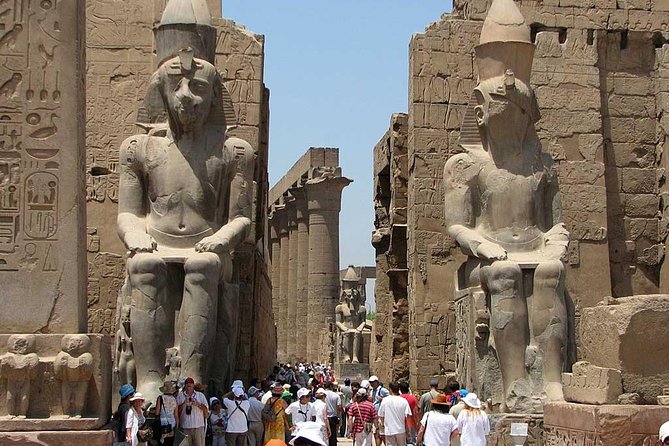
This cruise is built for speed with purpose. Four days is enough time to cover the headline stops—Aswan’s major temple complex, the great river temples around Edfu and Kom Ombo, the West Bank tomb sites, and then Karnak and Luxor Temple—without you spending your whole trip just traveling.
You’ll also benefit from doing it the Nile way: sailing between stops means you’re not only jumping from one bus ride to another. Even if you only spend part of the day on deck, the river motion helps break up the intensity of ancient sites and museum-like crowds.
The other win is the structure. Every day has timed visits plus transfers, so you’re not trying to solve Egypt logistics after a long flight. Your guide also keeps the storytelling tight. You’re not just standing in front of carved stone; you’re learning what each place was for and how it fits the wider timeline.
You can also read our reviews of more boat tours in Aswan
- 4-Days Nile Cruise From Aswan To Luxor including Abu Simbel and Hot Air Balloon
★ 5.0 · 3,142 reviews

Day 1: Philae Temple, Aswan High Dam, and the Unfinished Obelisk
Day 1 is a strong opener because it mixes sacred religion, modern engineering, and a glimpse into how pharaohs tried to build with stone.
Philae Temple: Isis and the island setting
You start with Philae Temple, dedicated to Isis. This is one of those sites where the details matter. The guide’s job here is crucial: without context, temples can blur together. With an Egyptologist, you’ll connect the iconography and learn what the complex meant in its time.
You’ll have about 2 hours here, plus admission included. That’s enough time to walk the key areas without rushing.
Aswan High Dam: the modern “Nile story” moment
Next comes the Aswan High Dam, described as an engineering miracle completed in 1960. It’s not an ancient monument, but it’s one of the reasons the Nile’s modern life is so different.
You’ll get about 1 hour. This stop is worth your time because it gives you a clearer sense of how Egypt’s relationship with the river changed. If you like infrastructure and how big systems shape daily life, you’ll enjoy this more than you might expect.
Unfinished Obelisk: how stone was meant to become power
Then you visit the Unfinished Obelisk, where you can see evidence of ancient stone-cutting. It’s believed to be connected with Queen Hatshepsut of the 18th Dynasty.
This stop tends to be a favorite for people who like process. You’re not only looking at a finished monument—you’re looking at work-in-progress, which makes the craftsmanship feel more real.
Day 1 is also where your pickup and transfers matter. You’ll be escorted in an A/C vehicle and dropped back at your starting point after the tour.
A few more Aswan tours and experiences worth a look

Day 2: Kom Ombo, Edfu’s Horus Temple, and tea on the sail in
Day 2 leans into classic Nile temple drama: dual symbolism at Kom Ombo and the big ritual “set piece” you get at Edfu.
Kom Ombo: temples shared by two gods
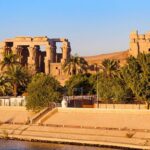
First up is Temple of Kom Ombo, shared by Sobek (crocodile god associated with the Nile, among other roles) and Horus (sky and kingship).
You’ll spend about 1 hour, and admissions are included. The guide helps here because Kom Ombo’s themes aren’t obvious at a glance. When you know which parts relate to which deity, you start seeing the temple as a designed message rather than just an impressive wall of carvings.
Edfu and Horus Temple: conflict, sacred drama, and scale
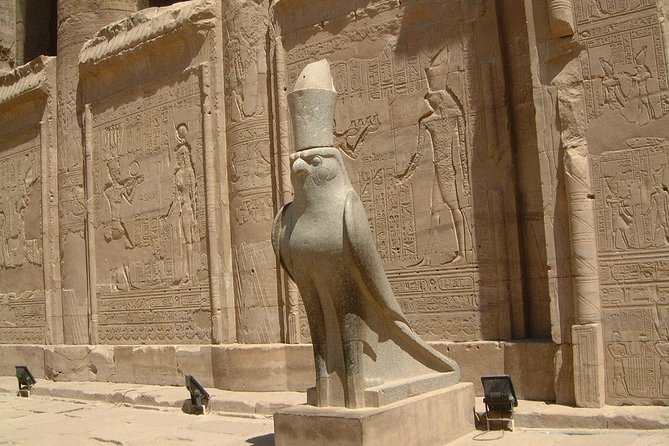
After that, you sail to Edfu and visit Horus Temple. You’ll have about 2 hours at this stop, and it’s described as housing important scenes and inscriptions tied to a conflict known through the Sacred Drama of Horus and Seth.
This temple often feels bigger than people expect, partly because it’s built to impress and partly because you’re coming in after the river views. The guide also makes the inscriptions more approachable.
Afternoon tea during sailing
There’s afternoon tea during the sailing to Luxor. Even if you treat this as a small break, it’s a nice pacing tool. It’s one of the subtle “value” elements of a cruise: you’re not stuck on a timetable that only includes buses.
Day 3: Valley of the Kings, Hatshepsut at Deir el-Bahari, Colossi of Memnon
Day 3 is the big West Bank day: tombs, a monumental mortuary temple, and photo-worthy statues by the water.
Valley of the Kings: where Tutankhamun’s legend lives
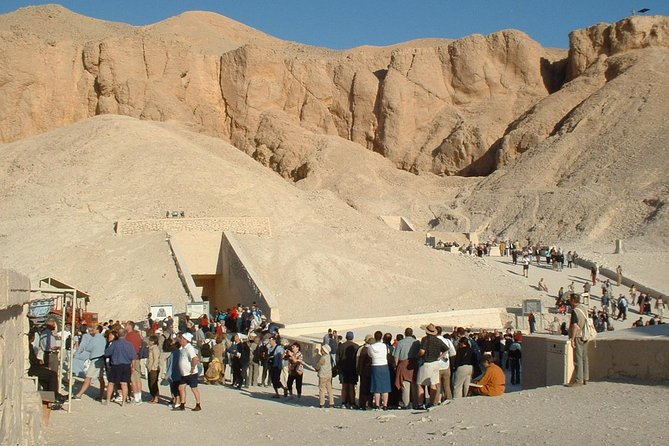
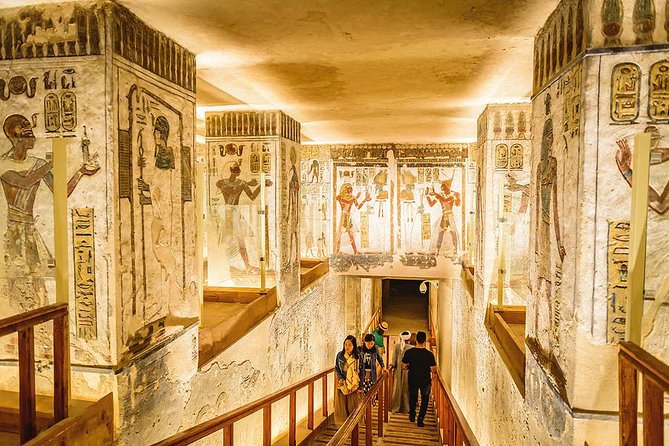
You start at the Valley of the Kings, with about 2 hours to explore. This is where tombs include places linked to Tutankhamun, Ramesses V1, Tutmosis, and Amonhotep II.
The guide makes a real difference at this stop because it helps you understand the tomb layout and what makes the site special beyond the headline names. You’ll also appreciate why the valley design mattered for ancient Egyptians.
A practical note: this is one of the spots where heat and crowding can affect comfort, so wear breathable layers and plan for time on foot.
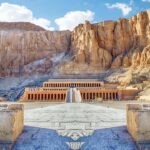
Temple of Hatshepsut at Deir el-Bahari: a female pharaoh in stone
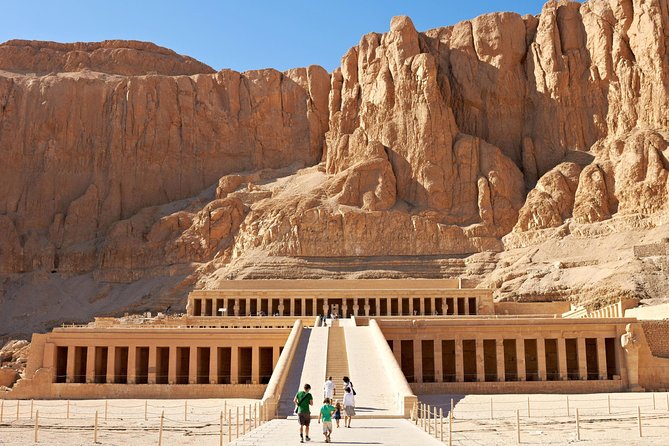
Next is the Temple of Queen Hatshepsut at Deir el-Bahari, with about 1 hour. The tour frames her as the first pharaonic woman to rule Egypt.
This stop is often memorable because the temple sits in a way that feels “set apart.” If you’re paying attention to the story the guide tells—how power and legitimacy are communicated through architecture—you’ll likely enjoy it more than a quick photo stop.
Colossi of Memnon: twin statues facing the Nile
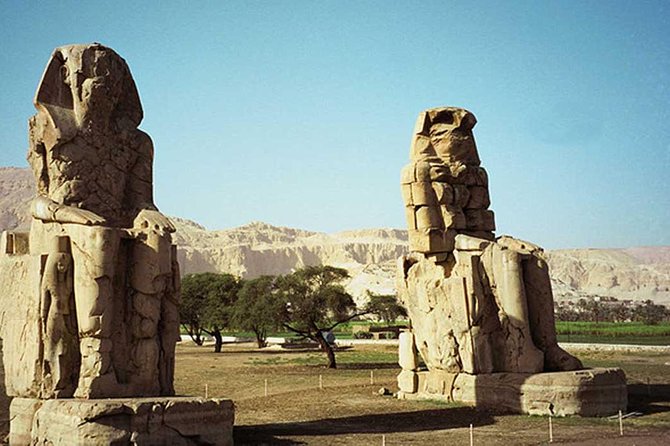
You finish Day 3 at the Colossi of Memnon, about 20 minutes. These are twin statues of Amenhotep III, and the description includes the famous idea that an earthquake shattered one and that it once “sang” around sunrise.
This is a short visit, but it’s a good one. You’re near the river, you can take photos from angles that feel different than the temple courtyards, and you’re not scrambling to squeeze in more stops after.
Day 4: Karnak and Luxor Temple, then your departure from Luxor
Day 4 is the classic finale: Karnak first, then Luxor Temple, with your transfer to the airport or railway station afterward.
Karnak Temple: the place where Amun worship scale becomes obvious
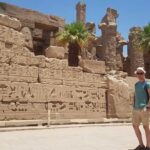
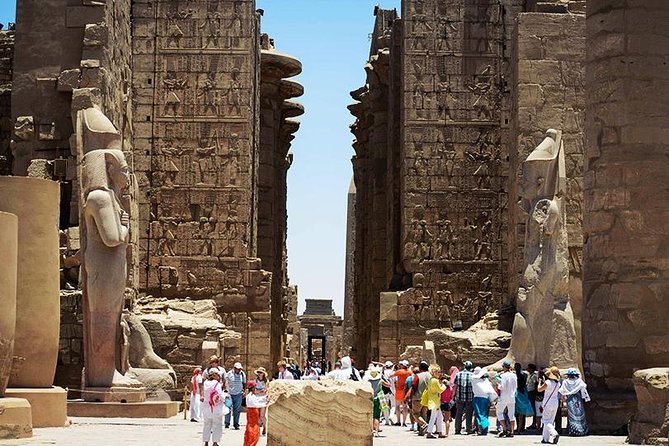
You’ll visit Karnak Temples, about 2 hours. The tour describes it as dedicated to Amun and Mut. It also notes an “earliest International Peace Treaty” preserved on a wall—again, this is where a guide’s explanation helps turn a big complex into something readable.
Karnak can feel endless if you don’t have a plan. That’s why having a guide with a time box and a route helps you get the most meaning out of the visit.
Luxor Temple: the 18th and 19th Dynasty mix
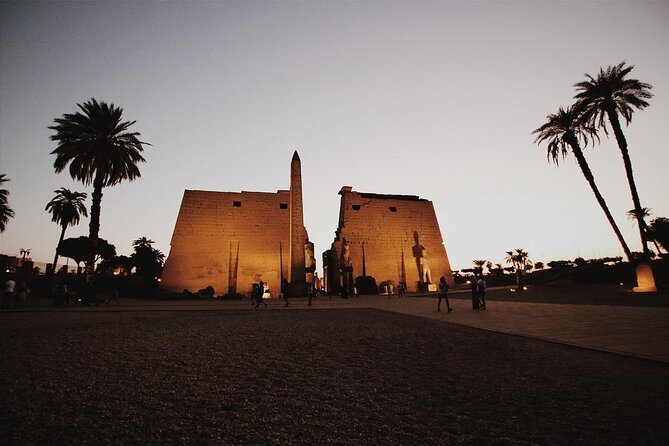
Next comes Luxor Temple, about 1 hour. It was built by Amunhotep III in the 18th Dynasty and completed by Ramesses II in the 19th Dynasty. The stop includes mention of an obelisk of Ramses II in front of the 1st Pylon and the dedication to Amun-Ra, Mut, and Khonsu.
This temple tends to feel more “human scale” than Karnak even though it’s still impressive. If you want a clean ending photo set and a last chance to absorb the river-temple setting, Luxor Temple gives you that.
After the tour, you’ll be transferred to your final departure in Luxor.
What “5-star cruise” means in day-to-day reality
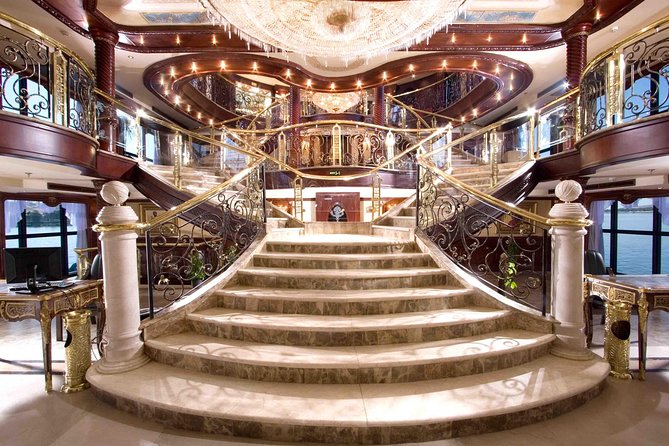
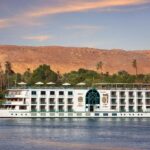
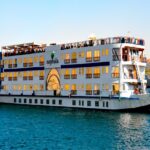
The cruise is described as three nights on board a 5-star cruise ship with full board basis. That means breakfast, lunch, and dinner are included for your three days of touring.
In practice, this is the kind of lodging choice that lets you keep the day energy up. You’re not packing and unpacking every time you switch towns. The ship also provides a place to recharge between temple-heavy mornings and afternoon sails.
Two practical expectations to set:
- Cabins can feel small. Some past passengers have described rooms as tight, but they also suggest using the deck and shared areas for comfort.
- Meals are included, but quality may vary. Some comments point to food quality as a place the ship could improve. If eating well is a top priority for you, I’d treat meals as a bonus to the cruise, not the main event.
The cruise also includes a bottle of water during your trip, so you won’t need to buy every bottle immediately. Still, bringing your own small extras can help if you’re picky about brands or prefer more water during temple walks.
Value check: is $850 a fair deal for this route?
At $850 per person, the value comes from what’s bundled. This price isn’t just “a boat ride.” You’re paying for:
- Three nights on the river in a 5-star setting
- Guided excursions covering major stops from Aswan to Luxor
- Admissions listed for Philae, the High Dam, Unfinished Obelisk, Kom Ombo, Edfu, Valley of the Kings, Hatshepsut Temple, Colossi of Memnon, Karnak, and Luxor Temple
- Transfers in an A/C vehicle for the touring days
- Egyptologist guide coverage during excursions
- Meals (breakfast, lunch, dinner) for three days
- One bottle of water during the trip
You’re also getting a plan that would be harder to assemble on your own in a short time window. If you’ve ever priced Egypt admissions and then added the cost and time of private drivers for each major site, you’ll understand why package pricing can make sense—especially when you’re trying to cover a lot without turning the trip into a logistics project.
Where the price could feel less “worth it” is if you’re very food-focused. Since meals are included but quality may not be consistent, you might supplement with snacks you enjoy (only if that fits your style and budget).
How to get the best experience from your Egyptologist guide
Your guide is the glue holding the trip together. With this cruise, you’re not only seeing monuments—you’re learning what they were for, who they were associated with, and how the “one site” you’re standing in fits a bigger story.
When guides are strong, they do three things:
- They explain what you’re seeing in plain language, so carvings aren’t just decorative
- They manage time well, so you don’t leave feeling like you barely blinked
- They keep you focused, and help you avoid wasted energy on distractions
Some names that have come up in positive feedback include Mohamad and Khalid, with praise for being patient and helpful. Another guide name mentioned is esa kheled elhowerw, along with an operator contact named Georgina noted for responsive communication. You can’t count on the exact person, but the pattern is clear: the experience rises or falls based on the guide’s ability to keep things clear and calm.
Practical tips for your Aswan-to-Luxor cruise
A few small things will make a noticeable difference:
- Plan your photos around sunlight and viewing angles. The Colossi of Memnon stop is brief, so have your camera ready and don’t let delays eat your time.
- Wear shoes you can trust for uneven ground, especially at West Bank sites where paths can be rough.
- Bring a light layer. Nile days can shift in temperature, especially if you’re on deck for sailing.
- Use your onboard downtime to rest your feet. If you keep chasing every photo spot, you’ll feel it by Day 3.
Also note: tipping isn’t listed as included, so set aside a budget for it. The exact amount isn’t provided in the tour info, so you’ll need to choose based on your own style and local customs.
Should you book this Nile Cruise from Aswan to Luxor?
I’d recommend this cruise if you want the high-impact sights—Philae, Kom Ombo, Edfu, Valley of the Kings, Karnak, and Luxor Temple—without juggling a complicated plan across multiple cities. The guided format, included admissions, and three nights onboard are the big reasons this works for a lot of first-time Egypt trips.
I’d think twice if your top priority is gourmet dining or if you hate the idea of smaller cabin space. The itinerary is packed with famous sites, so you also need a bit of stamina for early mornings and walking at each stop.
If you’re flexible, want clear explanations while you’re there, and like the idea of seeing Egypt’s monuments while the Nile carries you between them, this is a strong, practical way to do it.
FAQ
What does the cruise include in terms of meals?
Breakfast, lunch, and dinner are included for three days, plus a bottle of water during your trip.
Is an Egyptologist guide included?
Yes. An Egyptologist guide accompanies you during the excursions listed in the itinerary.
Are admission tickets included for the main sights?
Yes. Admission is included for Philae Temple, Aswan High Dam, Unfinished Obelisk, Kom Ombo Temple, Edfu Temple, Valley of the Kings, Queen Hatshepsut Temple, Colossi of Memnon, Karnak Temple, and Luxor Temple.
Is pickup and transfer provided?
Pickup is offered, and there are transfers included by a modern A/C deluxe vehicle. You’ll also be transferred back after the Day 1 tour and again at the end of Day 4 for departure.
Can I request a vegetarian meal option?
Yes. A vegetarian option is available if you advise at the time of booking.
Can I cancel for a full refund?
You can cancel up to 24 hours in advance for a full refund. If you cancel less than 24 hours before the start time, the amount paid is not refunded. If it’s canceled due to poor weather, you’ll be offered a different date or a full refund.
You Might Also Enjoy

More 4-Day Experiences in Aswan
More Boat Tours & Cruises in Aswan
- 4-Days Nile Cruise From Aswan To Luxor including Abu Simbel and Hot Air Balloon
★ 5.0 · 3,142 reviews
More Tour Reviews in Aswan
- 4-Days Nile Cruise From Aswan To Luxor including Abu Simbel and Hot Air Balloon
★ 5.0 · 3,142 reviews