REVIEW · ASWAN
4 Days Nile Cruise from Aswan to Luxor
Book on Viator →Operated by Deluxe Tours Egypt · Bookable on Viator
Four days. One long river route. This Aswan to Luxor Nile cruise is a smart way to see major monuments without having to plan every move yourself, and I really like how the trip is built around an Egyptologist guide plus included meals and 3 nights onboard-area accommodation. You also get pickup and drop-off with all transfers handled, which makes the days feel smoother. The main drawback to plan for is that entrance fees (and drinks) aren’t included, so your final budget will be a bit higher than the headline price.
If you care about learning while you walk, the guide names people mention in particular are Ronda and Muhammad—both praised for explaining what you’re looking at in plain, useful terms (from Philae and the High Dam to Kom Ombo, Horus at Edfu, and the Valley of the Kings). With a small group limit of up to 15, you’re less likely to feel like you’re part of a cattle-car schedule, and more likely to ask questions.
This tour is ideal if you want the big sites in a tight timeframe—just keep your expectations grounded: it’s packed with sights, and entrance tickets are on you, not included.
In This Review
- Key points before you book
- Why this Aswan-to-Luxor cruise is great for first-timers
- Aswan Day: Philae by boat and the High Dam perspective
- Kom Ombo: seeing Sobek and Horus from the river’s edge
- Edfu’s Temple of Horus and Luxor Temple’s preserved feel
- West Bank on Day 4: Valley of the Kings, Hatshepsut, and Karnak
- What you’re paying for: price vs. value (and the extra costs)
- Group size, pickup flow, and what makes days feel smoother
- What to watch out for (so the schedule doesn’t catch you off guard)
- Who should book this cruise
- Should you book 4 days from Aswan to Luxor?
- FAQ
- Are pickup and drop-off included?
- What’s included in the price?
- Are entrance fees included for the temples and tombs?
- How many days and nights is the cruise?
- Is water or drinks included on the cruise?
- Is there a vegetarian meal option?
Key points before you book
- Small-group feel (max 15) keeps the experience more manageable on busy days.
- Egyptologist-guided stops help you read monuments faster, especially Kom Ombo and Edfu.
- Philae by motorboat is a standout way to approach the Isis temple.
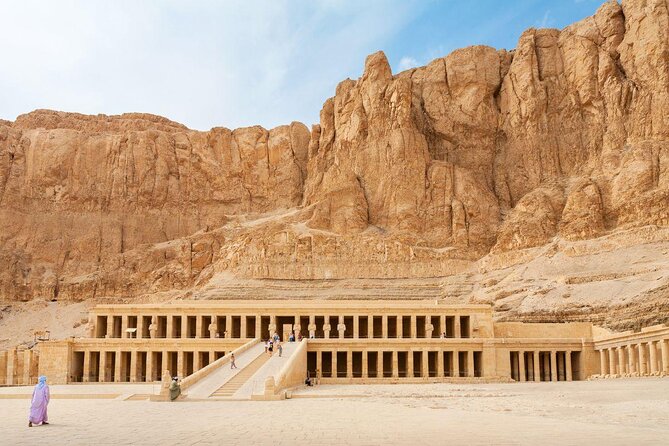
- West Bank hits on Day 4: Valley of the Kings, Hatshepsut at Deir el Bahari, plus Karnak.
- Comfortable logistics with A/C vehicle transport and port/hotel transfers.
Why this Aswan-to-Luxor cruise is great for first-timers
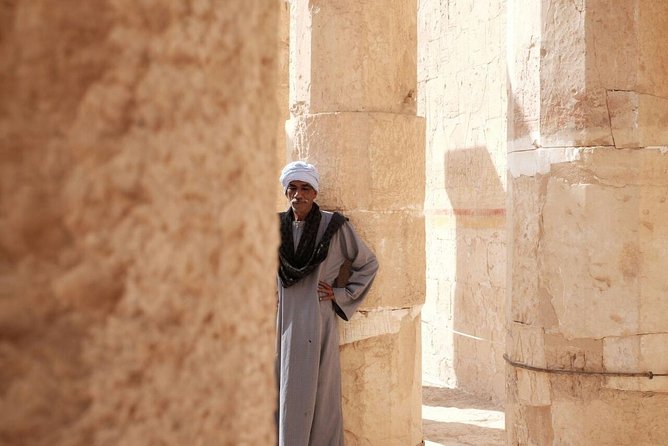
The biggest win here is that you’re not just “on a boat.” You’re on rails—meets, transfers, guided visits, and meals are stitched together. That matters in Egypt, where travel time, ticket lines, and route decisions can quickly turn a dream trip into a stress trip.
I also like that the schedule focuses on variety. You’re not only doing one temple style in one city—you bounce from Aswan to Kom Ombo, then Edfu and Luxor, and finally the West Bank with royal tombs and famous mortuary temples. If it’s your first time in Egypt, this kind of route helps you build a mental map fast.
Just remember the classic trade-off: because you’re seeing so much, you’ll spend more time moving and less time lingering at each site. Go in ready to work your way through the highlights.
You can also read our reviews of more boat tours in Aswan
- 4-Days Nile Cruise From Aswan To Luxor including Abu Simbel and Hot Air Balloon
★ 5.0 · 3,142 reviews
Aswan Day: Philae by boat and the High Dam perspective
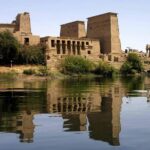
Your first day starts with an arrival transfer from Aswan Airport, train station, or your hotel to the Nile cruise. From there, the trip’s first major stop is the Temple of Philae, dedicated to the goddess Isis. You reach it by small motorboat, which is not just for convenience—it changes how the temple feels as you approach it across the water.
Philae is a Greco-Roman temple complex, so you’ll see a blend of eras rather than one single-period style. For me, the value of this stop is that it sets the tone for the whole cruise: Egypt’s monuments aren’t all “the same kind of old thing.” They reflect different dynasties and different rulers, layered over time.
Then you’ll visit the Aswan High Dam. This is a different kind of landmark than temples—more modern engineering than ancient stone—but it helps you understand why the Nile’s relationship with people changed in the 20th century. The visit is about an hour, so keep it as a focused stop rather than a full-day museum plan.
Kom Ombo: seeing Sobek and Horus from the river’s edge
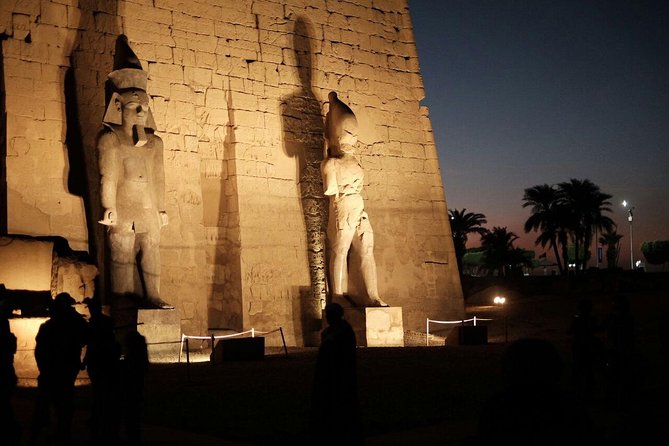
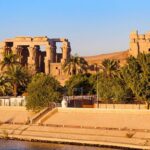
On Day 2, you hit the riverside Temple of Kom Ombo in a way that actually makes sense: it’s a temple perched along the Nile, and the approach by water is a big part of the experience. Even when a temple is “just ruins” to you, its setting can still teach you something about the people who built it.
Kom Ombo is linked to the Ptolemaic dynasty and completed under Roman rule, and the layout is famously symmetrical—mirrored halves along the main axis. One side is dedicated to Sobek, the crocodile god, and the other to Horus. Today, you’ll be visiting a complex where the crocodiles you might imagine from the mythology are no longer present in the river or the sacred lake inside the grounds.
Why it’s worth your time: Kom Ombo feels like a site designed for meaning. You can look for the dual dedication in the plan, and you can compare it to other Nile temples you’ll see later on the cruise. If you like structure and symbolism, this is a strong middle-day stop that keeps the story moving.
Edfu’s Temple of Horus and Luxor Temple’s preserved feel
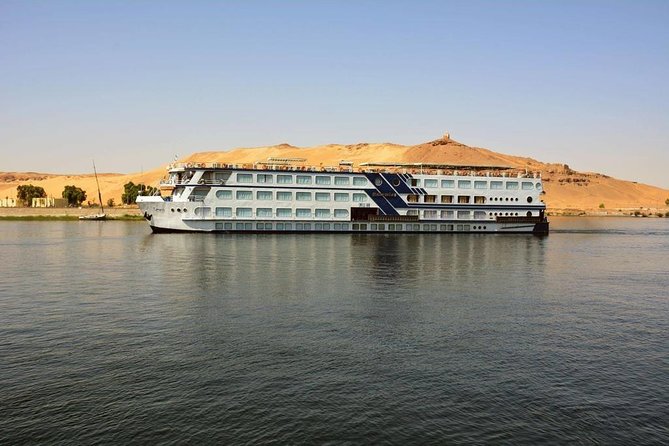
Day 3 is built around two “major monument” stops, with a river-town temple first and the Luxor highlight second.
The Temple of Horus at Edfu is widely considered one of the most impressive Nile-side temples along the route, and it’s also a required stop for cruise ships. It was built in the Greco-Roman period, but the builders worked to preserve the form of earlier pharaoh-era temple design. That contrast is a gift: you get late construction, but with older-looking “language” in the carvings and layout.
Edfu’s location is another practical detail that makes the temple more interesting. It sits in the center of the town, and in later periods, village life expanded into the temple’s surroundings—so it doesn’t feel like a museum isolated from everyday life. You can see how ancient structures have to share space with modern towns.
Then you move to Luxor Temple, one of the best preserved in the region. The temple sits in the modern city of Luxor on the ancient Thebes site, and it’s a key anchor for understanding why Luxor earns its reputation as a kind of outdoor museum. This stop works well after Edfu because you’re going from one temple’s preserved scale to another temple’s atmosphere in a living city.
West Bank on Day 4: Valley of the Kings, Hatshepsut, and Karnak
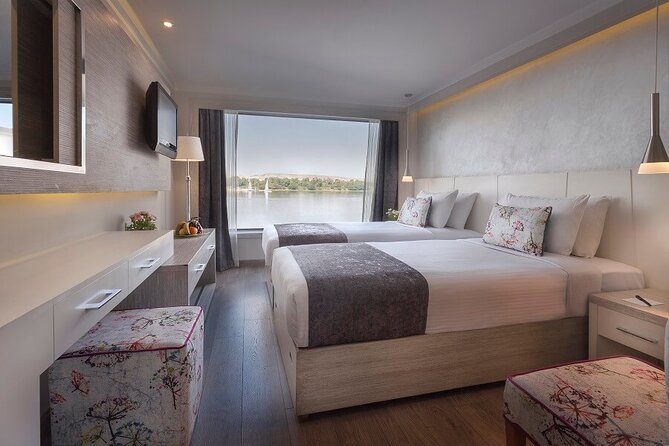
Day 4 is where the cruise turns into a full West Bank day—tombs, a famous queen’s temple, and then back to the East Bank for Karnak.
Start with the Valley of the Kings. You’ll drive to the West Bank in the morning and see the kind of place where pharaohs carved tombs into mountains to protect mummies and treasures. Even if you’re not a tomb specialist, this stop gives you the emotional logic of the region: hidden spaces, secrecy, and power expressed through architecture.
Next is a shorter stop for the Colossi of Memnon—big statues associated with Amenhotep’s legacy. Since the time is brief, use it as a reset moment. Walk around, get photos, and then gear up for the long storytelling sites right after.
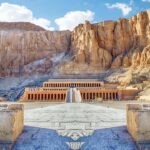
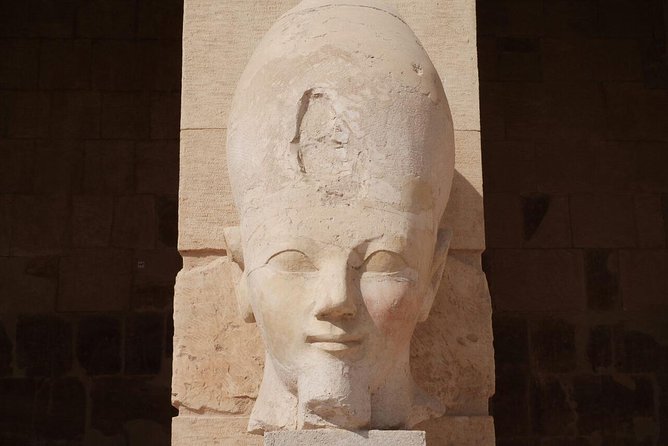
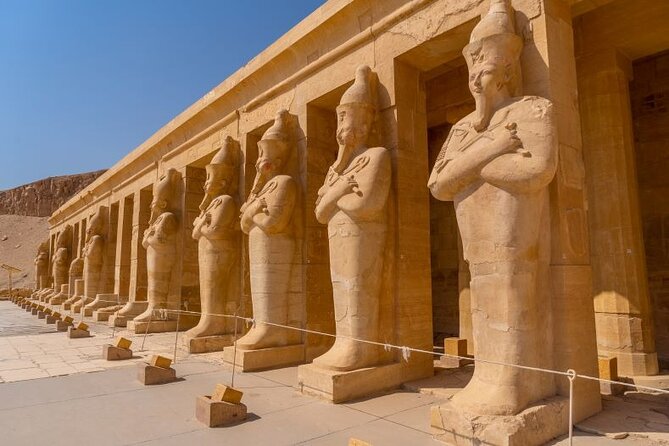
Then comes Temple of Hatshepsut at Deir el Bahari, dedicated to the mortuary complex of Queen Hatshepsut. This is one of the more compelling “human story” stops in the whole trip, because you’re visiting a temple tied to a ruler’s reign and legacy. You’ll also get time for photos in the area, including a stop in front of the gigantic Memnon statues again.
Lunch is available at a local restaurant as an optional part of the plan, so you can decide if you’d rather keep moving or take a pause.
Finally, you end by heading back to the East Bank for Karnak, described as the largest temple complex ever built in the region, developed over about 2000 years. Expect lots of big pillars and obelisks and a lot of photo angles. It’s a fitting finale because Karnak is the kind of place that makes the phrase ancient scale feel real in your body—not just in a guidebook.
Your day finishes with transfer back to your Luxor hotel, airport, or railway station, typically between about 3:00 and 4:00 pm.
A few more Aswan tours and experiences worth a look

What you’re paying for: price vs. value (and the extra costs)
At $450.45 per person for a 4-day experience, the best way to judge value is by what’s included beyond “a boat ride.”
Included in your price:
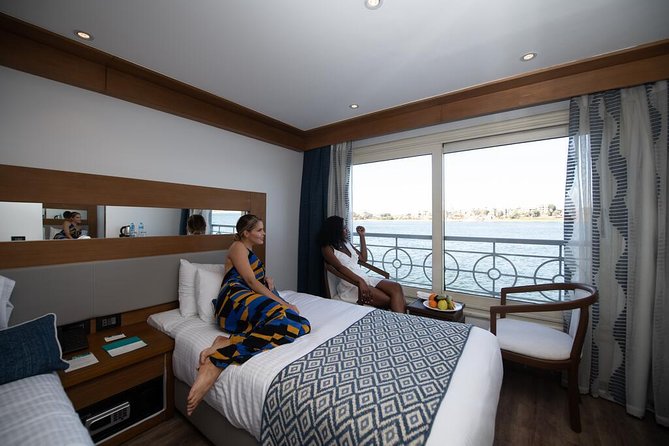
- 3 nights accommodation
- Meals: 3 breakfasts, 3 lunches, 3 dinners
- A qualified Egyptologist guide
- Hotel/port drop-off plus transportation by A/C vehicles with qualified drivers
- All taxes, fees, and handling charges
Not included:
- Entrance fees for the sightseeing stops
- Water or drinks on the cruise
That last point matters more than people think. When drinks aren’t included, you’ll likely want to budget for them daily (and you’ll feel it more if the day is hot and you’re walking a lot). For a practical approach, plan to buy water as needed rather than relying on the cruise to supply it.
The other “hidden” cost is entrance fees. This tour includes multiple sites—Philae, Kom Ombo, Edfu, Luxor Temple, Valley of the Kings, Hatshepsut, Karnak—so entrance costs can add up. If you want a true all-in estimate, set aside money for tickets before you book so there are no surprises.
Still, for many first-timers, the combination of guide-led visits, small group size, and handled transfers is what justifies the price. You’re buying time saved and a smoother flow between stops.
Group size, pickup flow, and what makes days feel smoother
This is a maximum 15 travelers style group, and that changes how your day feels. Smaller groups usually mean fewer delays at the start of a stop and less time waiting when you’re moving between sites.
You also get pickup and drop-off structure: arrival transfer into Aswan, then port/hotel transfers during the trip, and end-of-day drop-off in Luxor. If your main goal is to avoid logistics headaches, that’s a big part of the value.
There’s also a mobile ticket mentioned, which tends to make check-in easier on travel days—especially when you’re managing transport and entrances in a busy city.
What to watch out for (so the schedule doesn’t catch you off guard)
The only real caution is the pace. You’re covering a lot of named sites over just a few days, and most of them require separate entrance tickets. Plan for longer days and bring a mindset of “highlights, not hanging out.”
Also, since water or drinks aren’t included on the cruise, don’t rely on it as your main hydration plan. In hot weather, you’ll want to stay ahead with water purchases or refills.
Finally, remember that some stops have free admission while most do not (for example, Colossi of Memnon is listed as Free). That can help with budgeting, but it doesn’t remove the fact that entrance fees are a main additional cost overall.
Who should book this cruise
You’ll like this tour most if:
- It’s your first time on a Nile cruise and you want the core monuments fast.
- You prefer guided context rather than wandering through Egyptian sites with no framework.
- You want a small-group feel with transfers arranged end to end.
- You’d rather pay for convenience (meals, guide, A/C transport) than build a DIY schedule.
If you’re the kind of traveler who wants slow afternoons, long museum-style pauses, or lots of downtime with no group movement, you might find the schedule tight. This trip is built for momentum.
Should you book 4 days from Aswan to Luxor?
Yes—if your priority is seeing major Egypt highlights without logistics stress. The route makes sense for first-timers, the included guide time and meals make the days easier to manage, and the small group size (up to 15) helps the experience stay human.
Book with eyes open about the extras. Budget for entrance tickets and bring your own plan for drinks. If you do that, you’ll get a well-paced introduction to the Nile’s most famous sights, from Philae and Kom Ombo to Edfu, Luxor Temple, the Valley of the Kings, Hatshepsut, and finally Karnak.
FAQ
Are pickup and drop-off included?
Yes. The tour includes arrival transfer from Aswan Airport/train station/hotels to the Nile Cruise, plus hotel/port drop-off and end-of-day transfers in Luxor.
What’s included in the price?
The price includes 3 nights accommodation, meals (3 breakfasts, 3 lunches, 3 dinners), an Egyptologist guide, A/C transportation with a qualified driver, and all taxes/fees/handling charges.
Are entrance fees included for the temples and tombs?
No. Entrance fees for the listed sightseeing are not included, though some stops are marked as free.
How many days and nights is the cruise?
It’s approximately 4 days total, with 3 nights included.
Is water or drinks included on the cruise?
No. Water or drinks are not included.
Is there a vegetarian meal option?
Yes. A vegetarian option is available if you advise at the time of booking.
You Might Also Enjoy
More 4-Day Experiences in Aswan
More Boat Tours & Cruises in Aswan
- 4-Days Nile Cruise From Aswan To Luxor including Abu Simbel and Hot Air Balloon
★ 5.0 · 3,142 reviews
More Tour Reviews in Aswan
- 4-Days Nile Cruise From Aswan To Luxor including Abu Simbel and Hot Air Balloon
★ 5.0 · 3,142 reviews