REVIEW · ASWAN
4-Days Nile Cruise sails Aswan to Luxor &Abu Simbel. Air Balloon
Book on Viator →Operated by Hola Egipto · Bookable on Viator
Sunrise views and giant stones, tightly planned. This 4-day Nile cruise from Aswan to Luxor strings together major temples and tomb sites with an Egyptology guide who helps you make sense of what you’re seeing. I like that you’re not just getting photo stops; you’re getting explanations as you go, and the trip also highlights the unfinished obelisk in the quarry. The one watch-out: entrance fees aren’t included, so your final total will depend on tickets at each site.
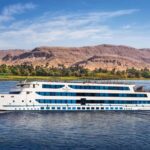
What makes this feel manageable is the flow. You get pickup from Aswan east bank hotels or the train station, then you’re transferred in comfortable vehicles, sailed, and dropped back in Luxor (generally by mid-afternoon). I also like the small max group size of 50, which usually means less chaos at sites and easier listening to your guide.
And yes, there’s an optional sunrise balloon add-on at about 4am for the Valley of the Kings. It’s not for everyone, but if you can handle early mornings, it’s a dramatic way to start the West Bank day.
In This Review
- Key highlights and what’s worth your attention
- First impressions: value in the “big hits” route
- Price and logistics: what $257 covers (and what it likely doesn’t)
- Day 1 in Aswan: High Dam, Philae Temple, and Nubian night
- The Aswan quarry stop: the unfinished obelisk moment
- Day 2 early start: Abu Simbel done in a small group
- Kom Ombo and Edfu: temples that break the “same look” feeling
- Day 3: Edfu Temple, then Esna and a free Luxor evening
- Day 4 on the West Bank: Valley of the Kings, Hatshepsut, Memnon, Karnak, Luxor Temple
- Valley of the Kings (with an optional balloon at about 4am)
- Deir el Bahari: Temple of Hatshepsut
- Colossi of Memnon
- Karnak Temple Complex
- Luxor Temple: ending with the city’s temple core
- Transportation and comfort: AC vehicles, transfers, and time on the move
- What makes the guide matter (and why it changes the experience)
- Who should book this Nile cruise?
- Should you book this 4-day Aswan to Luxor cruise?
- FAQ
- What’s included in the cruise stay?
- Are entrance fees included for the sights?
- Is pickup available from Aswan?
- Does the tour include Abu Simbel?
- Is the balloon ride included?
- What meals do I get during the 4 days?
- Is Wi‑Fi included on the cruise?
- When do you end the trip in Luxor?
- What’s the cancellation and weather situation?
Key highlights and what’s worth your attention
- Unfinished obelisk in the Aswan quarry: a rare look at how ancient stone was shaped and planned.
- Aswan High Dam + Philae Temple: a mix of modern engineering and a temple saved from flooding.
- Abu Simbel shared group tour: early departure, lots of time on site, then back to the cruise for sailing.
- Edfu Temple visit: one of Egypt’s best-preserved temple complexes for Hellenistic-era inscriptions.
- Sunrise Valley of the Kings balloon (optional): a 4am option that can make the day feel special even before sunrise.
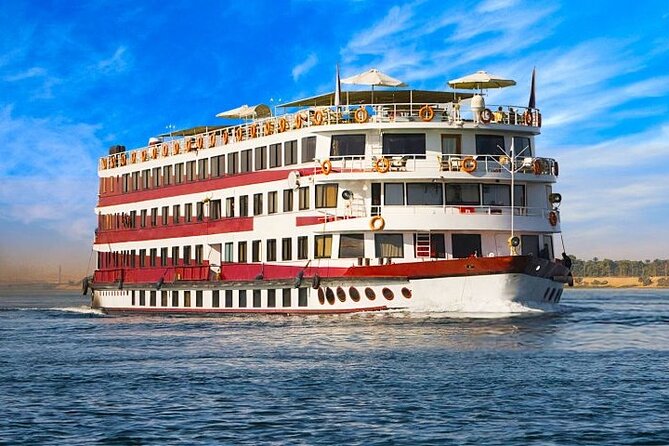
- 3 nights on a 5-star Nile cruise with meals included: breakfast, lunch, and dinner help the budget and keep you moving.
First impressions: value in the “big hits” route
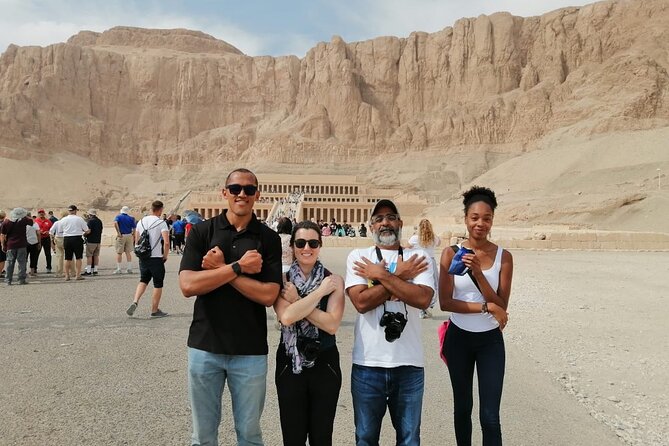
This itinerary focuses on the heavyweights between Aswan and Luxor. You’re looking at the kind of places people travel to Egypt for: Philae Temple, Abu Simbel, Kom Ombo, Edfu, the West Bank tombs, Karnak, and Luxor Temple. What I appreciate is that the route isn’t random. It’s designed as a logical storyline: sacred sites in the south, then temples along the river, and finally the royal necropolis and throne-area in Luxor.
The included meals are a quiet but real advantage. You get breakfast (3), lunch (3), and dinner (3) on board on a full-board basis. That matters because Egypt sightseeing days can be time-hungry, and not having to hunt for lunch every day makes the pace less stressful.
One more plus: the “you won’t be left guessing” approach. An Egyptology English-speaking guide comes with you, and they’re tasked with explaining what you’re seeing—so even if your background in hieroglyphs is basically zero, you can still follow the meaning of the scenes.
You can also read our reviews of more boat tours in Aswan
- 4-Days Nile Cruise From Aswan To Luxor including Abu Simbel and Hot Air Balloon
★ 5.0 · 3,142 reviews

Price and logistics: what $257 covers (and what it likely doesn’t)
The stated price is $257 per person for the 4-day cruise experience. For a trip that includes 3 nights on board a 5-star Nile cruise plus transfers and guided touring, that’s often a strong value—especially when you compare it to booking the cruise portion alone.
But you should budget for entrance fees. The tour explicitly lists entrance fees for sightseeing as not included. That’s common in Egypt, but it’s still the big variable in your final cost. The good news is that you’ll know the fee policy upfront, because each stop is clearly identified.
Also note the practical side of “included” versus “comfortable.” Water and drinks on the cruise aren’t included, and Wi‑Fi is not included (it’s offered for an extra charge on the cruise). If you rely on maps, messaging, or uploading photos, plan for offline use and expect to pay for Wi‑Fi.
Day 1 in Aswan: High Dam, Philae Temple, and Nubian night
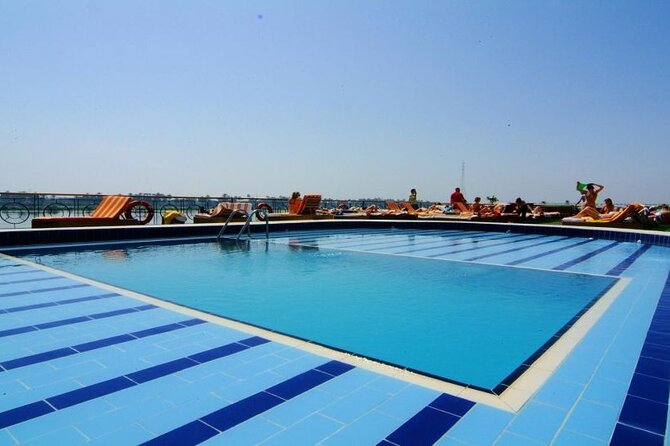
Your first day starts with pickup in Aswan—either from hotels on the east bank or from the train station. From there, you’re transferred to your 5-star Nile cruise to refresh and settle in. This is a smart buffer day: it’s easier to enjoy temple visits when you’re not immediately sleep-deprived from arrival.
Then you head to the Aswan High Dam. It’s a “modern Egypt” stop: the dam sits on the northern border between Egypt and Sudan, and it fundamentally changed how water flows and how the river landscape functions. Even if you’re not a technical person, it gives you useful context for why later the Philae Temple needed rescue.
Next comes Philae Temple Complex. This is one of the most compelling storytelling stops on the whole route because it ties history to engineering. The complex was almost lost under water after the high Aswan dam was built in the 1960s, and that rescue story shapes how you view the site now. After a day of temples and transfers, dinner is on board, and you can round out the evening with a Nubian folkloric show.
Practical tip: wear comfortable shoes you can walk in for temple paths and uneven stone. The big sites look calm from photos, but in real life you’re often stepping over stairs and navigating crowds.
The Aswan quarry stop: the unfinished obelisk moment
One of the most fascinating inclusions here is time to see an unfinished obelisk lying in the quarry. This is a different kind of “wow” than the completed monuments. Instead of polished surfaces and perfect symmetry, you see the work-in-progress: the marks of planning, the rough shaping, and the evidence of how ancient builders tested and adjusted.
If you like craftsmanship—tools, measurements, labor, and problem-solving—this quarry stop can be the most educational part of your trip. It also tends to feel less crowded than the main temple sights, so you often get a calmer moment to look closely.
Because the itinerary summary includes this stop, it’s worth expecting it as part of your Aswan-area sightseeing. Just treat it as a time where you’ll want slower observation, not fast photo-taking.
Day 2 early start: Abu Simbel done in a small group
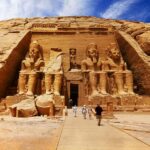
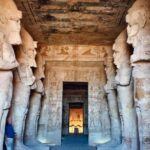
Day 2 begins with an early tour to the Abu Simbel Temple Complex. The schedule is built around timing: you go in the early morning, spend time exploring Abu Simbel, and then return in the afternoon to get ready for sailing.
There are two important points here:
- Abu Simbel is a long-distance, high-demand day trip from the cruise route. Early starts are unavoidable.
- Your tour is organized as a sharing a small group arrangement with an English-speaking guide. That helps you keep your questions answered while also staying coordinated.
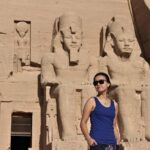
Abu Simbel is the kind of place where you feel the scale immediately. Even if you only know the name, you’ll still recognize why it’s famous once you’re standing there: the temple complex is meant to communicate power.
Possible drawback: if you don’t handle mornings well, this can feel like the most exhausting day. You’ll likely spend the day in transit and touring, then shift back into the cruise routine for sailing. Pack smart and don’t schedule any extra add-ons the same evening.
- 4-Days Nile Cruise From Aswan To Luxor including Abu Simbel and Hot Air Balloon
★ 5.0 · 3,142 reviews

Kom Ombo and Edfu: temples that break the “same look” feeling
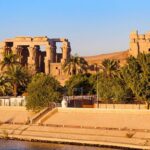
After Abu Simbel, your trip shifts back to the river route. Later on Day 2, the cruise stops at the Temple of Kom Ombo. You’ll visit with your friendly guide, then the cruise continues sailing toward Edfu.
Kom Ombo is a great “change of pace” stop. It can feel less overwhelming than some of the bigger, most-visited sites, but it still delivers strong temple architecture and clear symbolism once someone points out what you’re looking for.
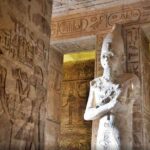
Then the itinerary builds toward Edfu, and on Day 3 you’ll see the Temple of Horus at Edfu. This temple is highlighted for being one of the best-preserved shrines in Egypt. What really makes it worth your attention is the quality of its inscriptions. The walls provide insight into language, myth, and religion during the Hellenistic period in Egypt. Even without reading hieroglyphs yourself, you can often follow themes through your guide’s explanation.
Practical tip: temples can be hot and dry. Bring sunscreen and sunglasses, and consider a lightweight layer you can remove as the day warms up.
Day 3: Edfu Temple, then Esna and a free Luxor evening
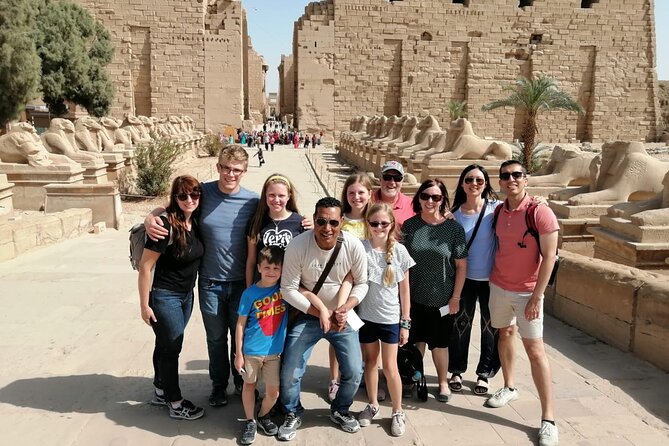
Day 3 starts with Edfu Temple in the morning. You’ll spend time there with your guide, and then you’ll have lunch on board while the cruise sails to Esna.
Esna is your “breathing space” interval. The schedule includes free time in the afternoon. That matters because it breaks up the intense sequence of monuments. It’s also a chance to rest on deck or just reset before Luxor.
Then you arrive in Luxor and get a free evening. This is a genuine quality-of-life detail. Instead of being “on” all day, you have time to wander at your own pace, grab a drink, or just sit somewhere quiet and watch the city shift.
Possible consideration: free time can be as good—or as useless—as you make it. If you want a simple win, keep your evening plan low-key and focused on getting ready for the West Bank sites the next day.
Day 4 on the West Bank: Valley of the Kings, Hatshepsut, Memnon, Karnak, Luxor Temple
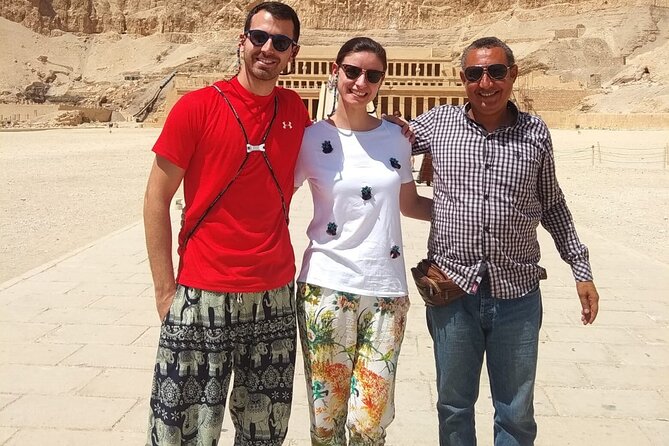
Day 4 is a full Luxor finale on the West Bank and then in the temple precincts of Luxor proper.
Valley of the Kings (with an optional balloon at about 4am)
The morning starts with the West Bank, including the Valley of the Kings. This is one of the most important archaeological areas in the world because it’s packed with rock-cut tombs for pharaohs and powerful nobles of the New Kingdom.
If you choose the optional balloon, it’s positioned as a sunrise-style experience at roughly 4am. Even if you normally skip sunrise activities, this can be worth it here because the West Bank is visually dramatic from above and the early light makes the view feel huge.
If you skip the balloon, you’ll still get the core West Bank tomb area visit. Either way, plan for an early start and bring water, because the sun can ramp quickly once you’re out.
Deir el Bahari: Temple of Hatshepsut
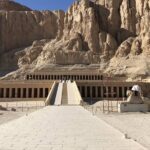
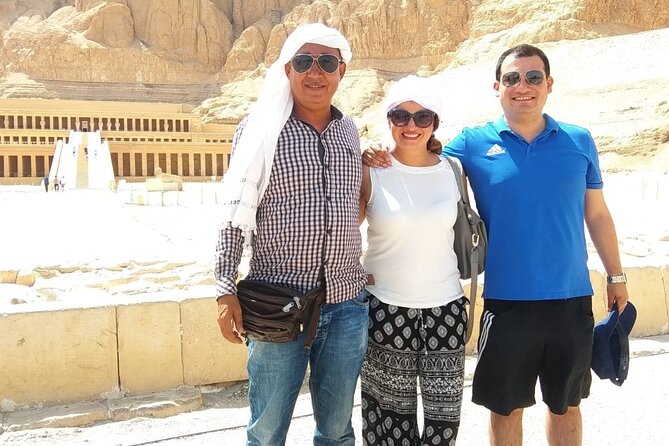
Next you’ll see the Temple of Hatshepsut at Deir el Bahari. This mortuary temple is considered one of Egypt’s important monuments, and its cliffside position makes it feel like it was built to dominate the scenery. Even if you’re not fully versed in who Hatshepsut was, the guide explanations help connect the monument to the people and power behind it.
Colossi of Memnon
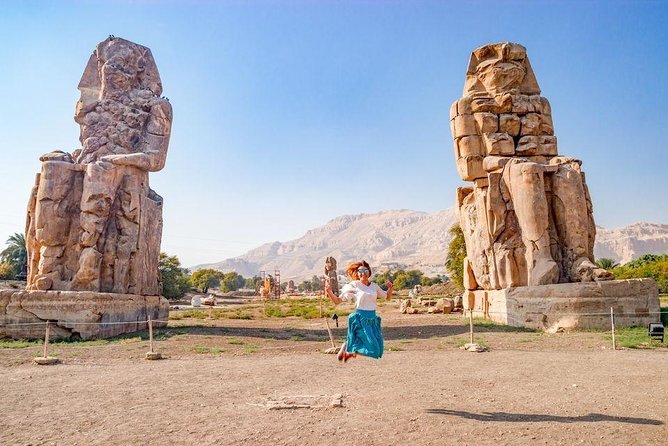
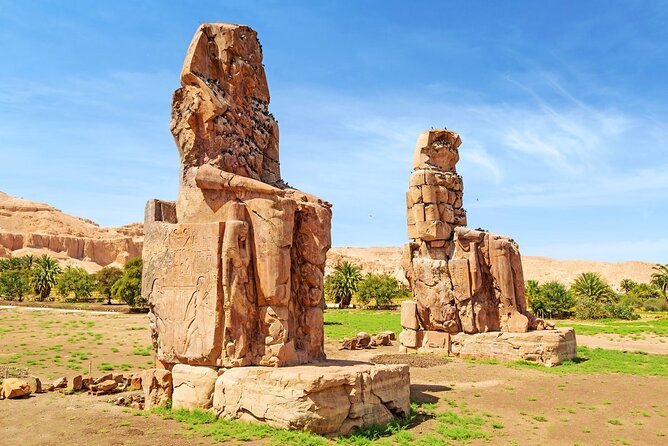
Then comes the Colossi of Memnon: two massive stone statues of a seated pharaoh, Amenhotep III. This is a short stop, but it’s powerful in a different way than the tomb valleys. You get scale immediately, and because the statues are so big and still, it’s easy to grasp why they became a landmark.
Karnak Temple Complex
After that, you visit the Karnak Temple Complex. Expect a huge mix of temples, chapels, and other structures. The site can feel like walking through multiple eras at once, so the guide’s narration matters here. It’s also one of those places where your enjoyment goes up if you slow down and let the details settle.
Luxor Temple: ending with the city’s temple core
Your last major stop is Luxor Temple. This is where many pharaohs were crowned, so it ties back to the political story of the civilization you’ve been seeing all week. You finish the tour in Luxor (generally between 3 and 4pm), with drop-off to Luxor hotels, the train station, or the airport.
Transportation and comfort: AC vehicles, transfers, and time on the move
Transfers are handled by qualified drivers using air-conditioned vehicles. That’s a real benefit in Egypt when outdoor temperatures can make long drives feel exhausting.
That said, this itinerary is temple-heavy, and temple sites aren’t always right next to where the cruise docks. Expect some riding in vehicles from docks to sites and back. It’s normal for the region, and it’s also why the schedule includes short time windows per stop—your guide is keeping you on the route, not sitting in a luxury bubble.
The cruise itself provides a comfortable home base for meals and rest. Still, you’ll be stepping out for long sightseeing blocks, so plan your physical energy like you would for a packed city trip.
What makes the guide matter (and why it changes the experience)
A cruise like this can either feel like a checklist or like a story. The difference is your Egyptology guide.
The tour includes an English-speaking Egyptology guide, and the name Michael comes up as a standout example of how a good guide keeps things organized and calm. The pattern in that kind of guiding is simple: clear explanations, patience with questions, and sticking to schedule without rushing the entire group.
If you want to understand why each temple looks the way it does—who built it, what the symbols mean, and how it connects to the broader culture—this is where you get your money’s worth.
Who should book this Nile cruise?
You’ll probably enjoy this best if:
- You want a compact route that covers major “once-in-a-lifetime” sights without building your own day-by-day plan.
- You like learning, not just photographing.
- You want the convenience of a 5-star cruise base with meals included.
- You can handle at least one early morning day tied to Abu Simbel, and you’re curious about the optional balloon at about 4am.
You might want to rethink it if:
- You hate early starts and long travel days.
- You want lots of free time between monuments.
- You’re trying to keep total costs extremely low, since entrance fees are not included.
Should you book this 4-day Aswan to Luxor cruise?
For most people, yes—book it if you want a well-paced, organized path through Egypt’s top temples and royal sites, with the help of an English-speaking Egyptology guide. The meal inclusion plus the 3-night cruise stay is a big part of the value story, and the itinerary hits both the south (Aswan, Philae, Abu Simbel) and the Luxor power core (West Bank and Karnak/Luxor Temple).
Just go into it with clear expectations: entrance fees are extra, you’ll have early mornings, and your comfort depends on being okay with temple walking and short vehicle transfers. If those points sound like your style, this is a strong way to see a lot of Egypt without turning the trip into logistical stress.
FAQ
What’s included in the cruise stay?
You get 03 nights’ accommodation on board a 5-star Nile cruise based on full-board (breakfast, lunch, and dinner for 3 days). The tour also includes meet-and-assist help, transfers by A-C vehicles with qualified drivers, and an English-speaking Egyptology tour guide.
Are entrance fees included for the sights?
No. Entrance fees to the sightseeing mentioned are not included.
Is pickup available from Aswan?
Yes. Pickup is offered from Aswan east bank hotels and also from the train station. Pickup from West Bank hotels is available for an extra $10 per person.
Does the tour include Abu Simbel?
Yes. Day 2 includes an early morning tour to the Abu Simbel Temple Complex, described as a shared small-group tour with an English-speaking guide.
Is the balloon ride included?
An optional balloon tour for sunrise at around 4 AM is offered as part of the Valley of the Kings day. The tour data labels it optional, not as a guaranteed included activity.
What meals do I get during the 4 days?
The tour includes breakfast (3), lunch (3), and dinner (3) on board.
Is Wi‑Fi included on the cruise?
No. Wi‑Fi on the cruise is available for an extra charge.
When do you end the trip in Luxor?
The tour ends in Luxor on the last day by around 3 to 4 PM, with drop-off to Luxor hotels, train station, or airport.
What’s the cancellation and weather situation?
Cancellation is free up to 24 hours in advance for a full refund. The experience also requires good weather, and if it’s canceled due to poor weather, you’ll be offered a different date or a full refund.
You Might Also Enjoy
More Boat Tours & Cruises in Aswan
- 4-Days Nile Cruise From Aswan To Luxor including Abu Simbel and Hot Air Balloon
★ 5.0 · 3,142 reviews
More Tour Reviews in Aswan
- 4-Days Nile Cruise From Aswan To Luxor including Abu Simbel and Hot Air Balloon
★ 5.0 · 3,142 reviews