REVIEW · LUXOR
FULL Day Tour:Valley of the Kings &Queens &Hatshepsut Temple&more
Book on Viator →Operated by Icon Tours Egypt · Bookable on Viator
Eight hours of tombs and temples. This private Luxor day tour shines because of its English-speaking Egyptologist guide and the fact that archaeological entrance fees are included for the stops that charge. One thing to consider: it’s a long day with several sites, so you’ll want comfy shoes and a pace that tolerates heat and stairs in tomb areas.
This is built for people who want one strong day in Luxor, without the stress of coordinating transport or paying for lots of tickets. You get round-trip pickup in an air-conditioned vehicle, bottled water, and a lunch break in the middle—plus enough time for you to look around after your guide sets the context.
In This Review
- Key things I’d watch for before you go
- The real value: one day, two valleys, two big temple stories
- Price and what $25 buys you in Luxor
- Pickup, transport, and the pacing of an 8-hour day
- Valley of the Kings: where the walls do the talking
- Valley of the Queens: royal status beyond the pharaoh
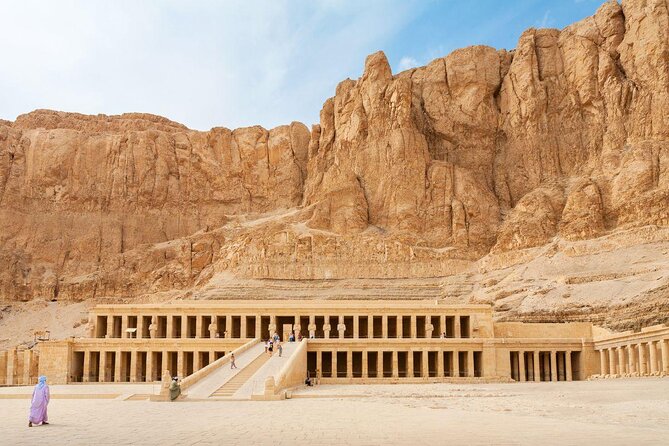
- Hatshepsut Temple at Deir el Bahari: the female pharaoh in stone
- Lunch break in Luxor: fuel for the back half
- Colossi of Memnon: quick but memorable scale
- Temple of Medinat Habu (Mortuary Temple of Ramesses III)
- Deir el-Medina: the workers behind the pharaoh’s dream
- Who this tour suits best (and who should reconsider)
- Should you book this full-day Valley of the Kings and more tour?
- FAQ
- What’s included in the tour price?
- How long is the full-day tour?
- Is hotel pickup included?
- Is this tour private?
- Which sites are visited?
- Are entrance fees covered?
- Is lunch provided?
- Do I need to tip the guide?
- Is there mobile ticketing?
- Is cancellation free?
- Is airport pickup included?
Key things I’d watch for before you go
- Egyptologist-first approach: the guide explains mythology and meaning before you walk through the tombs and temples
- Entrance fees included for the sites on the route, so you can focus on the history, not ticket logistics
- Royal scale to worker life: you see pharaonic power at the Valley sites and then human-scale history at Deir el-Medina
- Lunch + bottled water to keep energy steady during a full 8-hour circuit
- Air-conditioned hotel transport to reduce the discomfort of Luxor driving time
- Private-group flexibility: it’s your group only, and you get time for unhurried exploring at each stop
The real value: one day, two valleys, two big temple stories
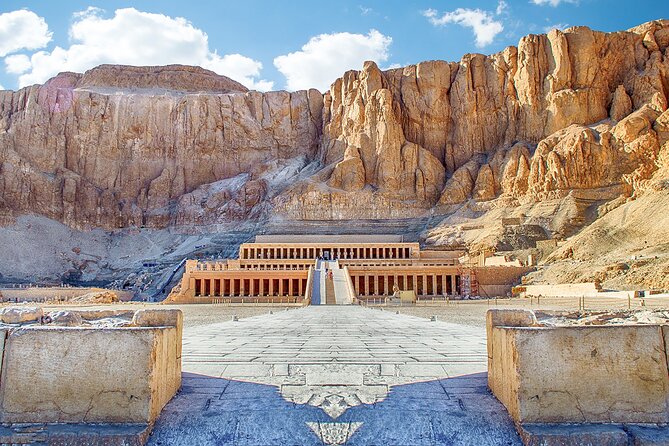
Luxor is famous for monuments that feel like they belong in a movie set. The smart move is not just to hit the biggest names, but to understand what you’re seeing—who built these places, and why. That’s where this tour earns its keep. It strings together the Valley of the Kings, the Valley of the Queens, the Hatshepsut Temple at Deir el Bahari, the Habu Temple complex, and Deir el-Medina, so you get more than a checklist.
I also like the shape of the day because it alternates between tight, dramatic spaces (tombs) and more open temple landscapes (Hatshepsut, Habu). That rhythm matters when you’re spending hours on your feet. You’re not stuck staring at ruins with no context—you get a guide who frames the stories first, then you step into the same world those stories describe.
A few more Luxor tours and experiences worth a look
Price and what $25 buys you in Luxor
At $25 per person for a full-day outing, the headline price looks like a bargain. The deeper value is what’s bundled: hotel pickup and drop-off, an air-conditioned vehicle, a licensed Egyptologist guide, bottled water, and entrance fees for the archaeological sites listed on the schedule. When you compare that to paying guide time plus separate ticket lines and transport, this price starts to make a lot of sense.
Also, you’re not stuck with a random group. It’s listed as a private tour with only your group participating, which usually means less waiting, fewer compromises, and a smoother flow between stops. If you’re traveling as a couple or small family, this format can feel even better than many “cheap group” options.
One more practical point: mobile ticketing is included. That helps you avoid last-minute confusion at gates.
Pickup, transport, and the pacing of an 8-hour day
The tour runs for about 8 hours, with hotel pickup offered and round-trip transport in an air-conditioned vehicle. That’s not just comfort—it’s time management. Luxor traffic and driving distances can add stress, and air-conditioning makes the drive much easier on you if the day is warm.
The schedule is tightly planned by stop time:
- Valley of the Kings (about 2 hours)
- Valley of the Queens (about 45 minutes)
- Hatshepsut Temple at Deir el Bahari (about 2 hours)
- A lunch break (about 1 hour)
- Colossi of Memnon (about 15 minutes)
- Temple of Medinat Habu (about 1 hour)
- Deir el-Medina (about 1 hour)
Here’s the tradeoff: you get variety, but not “linger for hours” at any single tomb. If you want the slow, detailed approach—one tomb at a time, taking in every wall—go in knowing this is a curated circuit. I’d plan on following the guide’s rhythm, then using any stated free time to focus on the parts you like most.
Valley of the Kings: where the walls do the talking
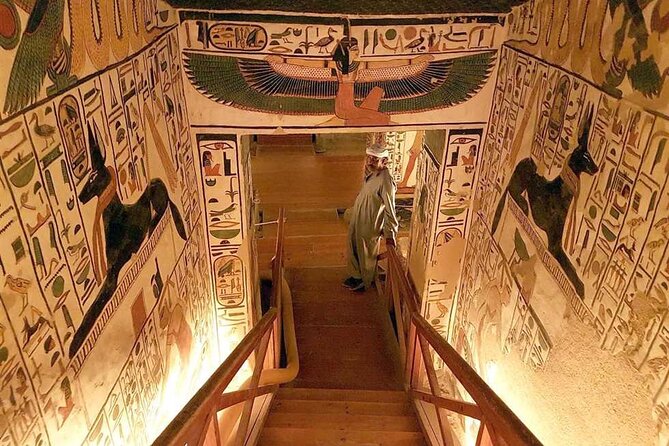
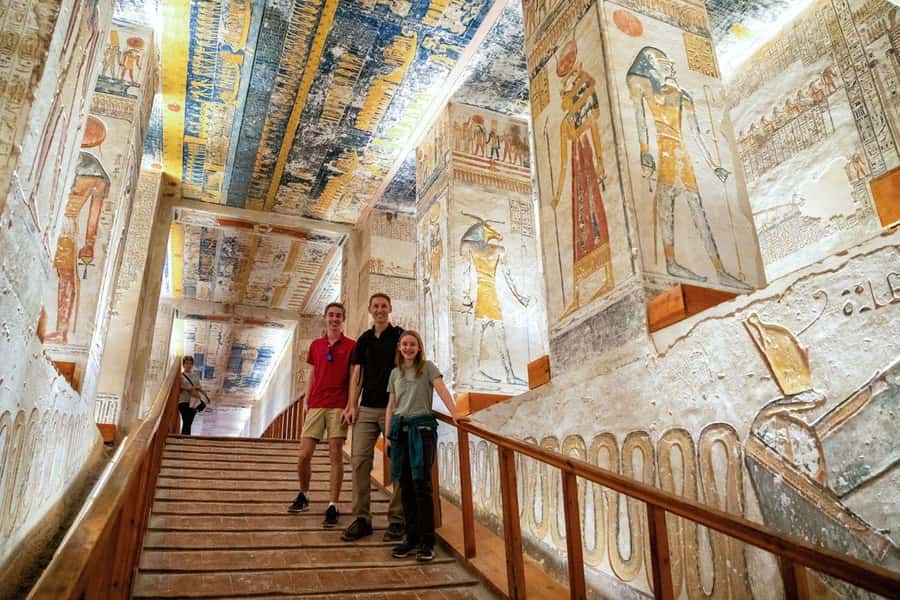
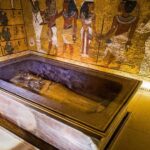
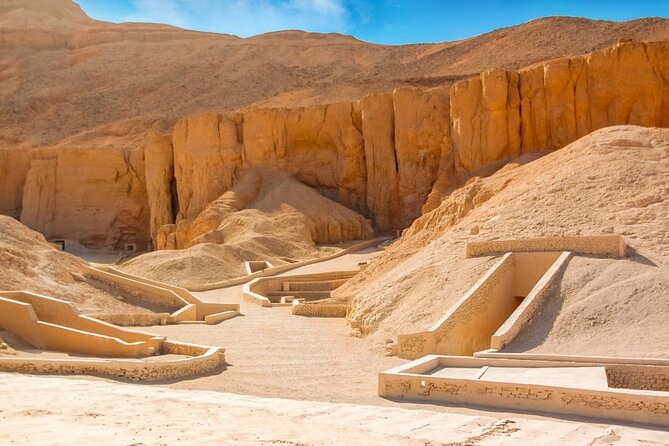
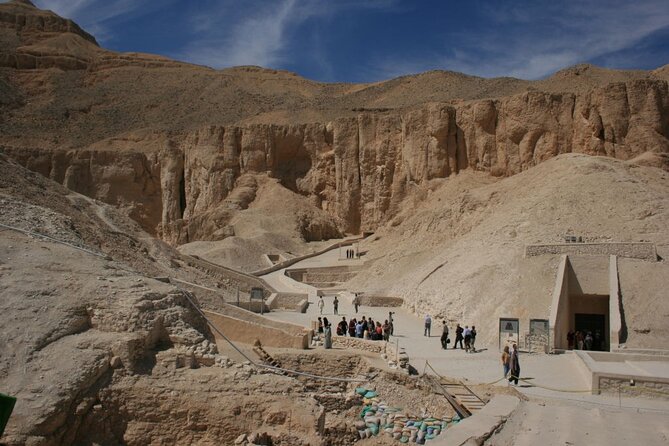
This is the centerpiece. The Valley of the Kings is the royal burial ground of Theban pharaohs, and it’s where the idea of hidden power becomes literal. You’ll spend about 2 hours here with admission included.
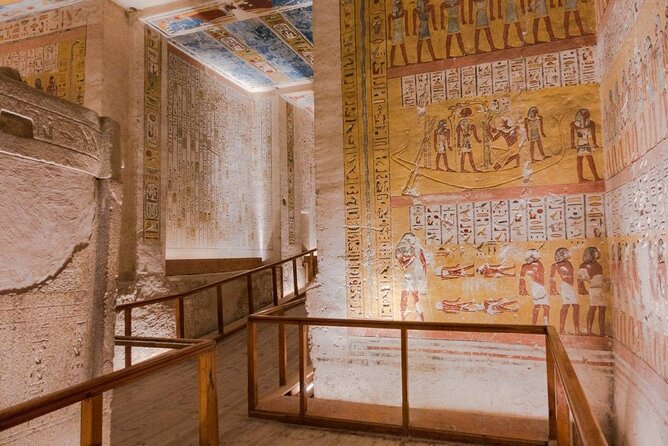
What I love about this stop is how much meaning you can pull from the tomb details once someone sets it up for you. The guide’s role matters—one of the strongest notes from past guests is that the Egyptologist explains Egyptian mythology and the story behind what you’ll see before you start moving through the tombs. That turns a series of entrances into a connected narrative.
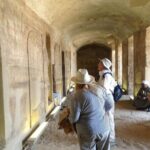
Practical reality check: tombs are often dim, and some areas can involve uneven steps or narrow passages. You’ll enjoy the carvings more if you go slowly, give your eyes time to adjust, and don’t rush your way through. If you’re sensitive to confined spaces, tell the guide early so you can pick the routes that feel comfortable.
Also, don’t treat this as only about one famous name. Yes, Tutankhamun is part of the lore here, but the point of your time is to notice patterns: repeated themes, royal symbolism, and the overall logic of how the ancient Egyptians designed these spaces to protect the afterlife journey.
Valley of the Queens: royal status beyond the pharaoh
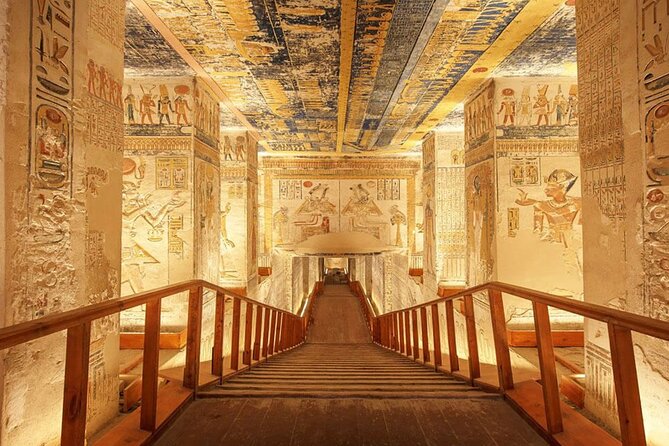
After the Kings, you move to the Valley of the Queens, about 45 minutes with admission included. This is where the “royal” story widens. Queens and royal children were buried here, and that shift changes what you notice.
The Queens valley is a good counterweight if you’re starting to feel tomb-fatigue. It’s not the same as the Kings in feel or scale, and that difference helps you keep paying attention. You’ll also get a better sense of Luxor’s broader royal ecosystem—how power wasn’t only for the pharaoh on the throne, but for the family network around him.
This stop is shorter by design, so go in ready to pick a focus: look at the tomb exteriors and entrances, then prioritize what the guide highlights inside. If you try to do everything equally, you’ll rush. If you follow the guide’s lead and then look again at what catches your eye, you’ll come away with more.


Hatshepsut Temple at Deir el Bahari: the female pharaoh in stone
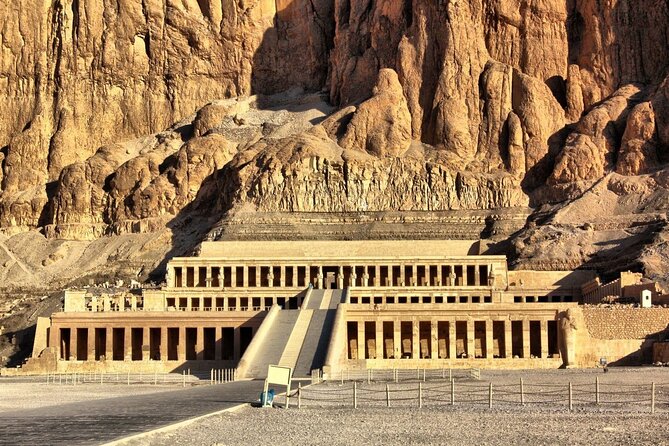
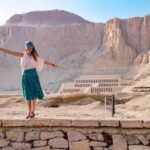
This is a highlight stop for good reason. You’ll spend about 2 hours at the Hatshepsut Temple at Deir el Bahari, with admission included.
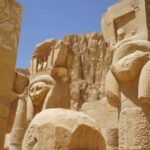
Hatshepsut matters because she wasn’t just another name in a timeline. She’s the female pharaoh behind this temple, and the architecture reflects both ambition and legitimacy—how a ruler wants to be remembered. When you pair that context with the guide’s pre-site explanations, the carvings and layout tend to make more sense fast.
If you like to photograph, this is also one of the more rewarding places in the day. The setting and structure give you angles that feel more “temple-like” and less like you’re looking at a collection of cave openings. Still, it’s a place where you’ll want to pace yourself. Take breaks on viewpoints, then come back when you’re ready to focus on the details.
A good strategy here: choose one theme the guide stresses—rule, ritual, or symbolism—and use that theme as your filter while you walk. It prevents the common problem of seeing everything but remembering little.
Lunch break in Luxor: fuel for the back half
You get about 1 hour here, with lunch built into the flow. There’s also a stop marker that suggests the lunch area time is part of the schedule rather than a rushed quick bite.
This is the moment to cool down, hydrate, and reset your feet. You’ll already have water during the tour, but I’d still treat this as your main hydration window. If you’re tempted to keep buying souvenirs, food, or tea right now, do it—later stops are more about moving forward.
Use this break well: think of the day as three acts. Valleys (tombs), Hatshepsut (power made visible), then Habu + Deir el-Medina (belief and the people behind the monuments).
Colossi of Memnon: quick but memorable scale
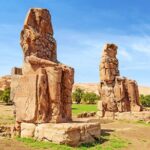
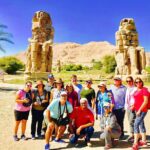
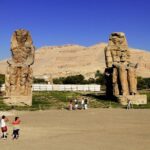
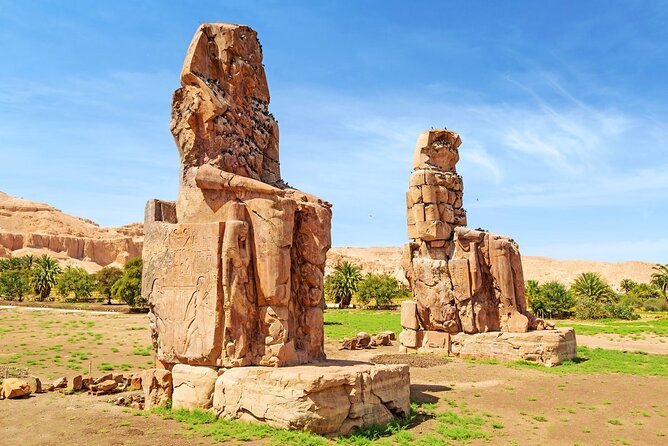
Next up: the Colossi of Memnon, around 15 minutes, with admission listed as free in the schedule. Even in a short time slot, these statues are worth seeing because they create scale instantly. They once guarded the grand temple of King Amenhotep III, and the sheer size makes you understand how monumental-building was meant to impress from a distance.
Since it’s a brief stop, keep your expectations aligned. This isn’t where you’ll spend your deepest thinking time. It’s where you get a visual anchor, a quick photo moment, and a moment of awe before the tour returns to full-on history.
If you’re prone to “photo only, then move on,” this is a good chance to slow for ten seconds and let the scale hit you. It makes the later temple carvings feel more grounded.
Temple of Medinat Habu (Mortuary Temple of Ramesses III)
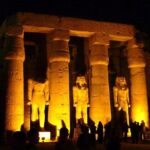
The day continues at Temple of Medinat Habu, also called the Mortuary Temple of Ramesses III. You’ll have about 1 hour here, with admission included.
This complex is known for well-preserved reliefs and strong visual storytelling. The schedule description highlights scenes of battles, religious rituals, and aspects of daily life. That matters because it keeps the monument from feeling like pure propaganda with no human texture. Even if you don’t read a single hieroglyph, you can still follow the story through repeated visual themes.
In practical terms, this is a stop where your guide’s interpretation pays off. Reliefs can look repetitive if you’re just moving your eyes across stone. With a guide framing what to look for—ritual details, battle scenes, roles in society—you get more from less time.
Also, take note of how this stop shifts from the earlier tomb focus. The Valley sites are about afterlife spaces. Habu is about life, power, and religion as they were practiced and displayed.
Deir el-Medina: the workers behind the pharaoh’s dream
Your final major historical stop is Deir el-Medina (Valley of the Artisans), about 1 hour, with admission included. This is where the story becomes intimate.
Deir el-Medina was the ancient village home of the craftsmen and laborers who built the tombs in the Valley of the Kings and Queens. Instead of just seeing the finished burial spaces, you get a glimpse of the people who made them possible. You can look at houses, tombs, and artifacts linked to daily life.
I really like this pairing because it prevents a lopsided view. It’s easy to think the ancient world ran on kings alone. Deir el-Medina adds the missing layer: skilled workers, routines, and the community machinery behind monumental projects.
It’s also a great way to end the day. After moving through royal sites, you leave with a more balanced picture: history isn’t only rulers; it’s also the workforce that carried out the work.
Who this tour suits best (and who should reconsider)
This tour is a strong fit if you:
- Want one organized day in Luxor that covers the big Valley sites plus Hatshepsut and Habu
- Like having an Egyptologist explain the meaning before you walk through
- Prefer a private group and round-trip pickup so you’re not coordinating transport
- Want both royal tombs and the human side at Deir el-Medina
You might consider a different style if you:
- Want to spend longer in a single tomb or temple with slower, more detailed wandering
- Get uncomfortable with dim interiors or crowded walking spaces inside tombs
- Are chasing a very low-stress day with minimal walking and constant downtime
The schedule is busy by design. The flip side is that you’ll see a lot, and the included guide context helps you retain more of it.
Should you book this full-day Valley of the Kings and more tour?
If you’re visiting Luxor and you only have time for one major day of sightseeing, I’d book this. The value is strong because the guide time, air-conditioned transport, water, and key site entrance fees are wrapped into the price. The biggest plus is the way the Egyptologist adds meaning before you arrive at each monument—so the day doesn’t feel like you’re just rushing past stone.
Go in prepared for a full, structured 8 hours: bring comfortable shoes, dress for warm weather, and plan to move steadily from stop to stop. If you do that, you’ll leave with a fuller Luxor story than you’d get from hitting only one valley or only one famous temple.
FAQ
What’s included in the tour price?
The tour includes pickup and return from your starting point, an English-speaking Egyptologist guide, entrance fees for the archaeological sites on the itinerary, a bottle of water, and an air-conditioned vehicle.
How long is the full-day tour?
It’s listed at about 8 hours.
Is hotel pickup included?
Yes, pickup from your Luxor hotel is included as part of the round-trip transportation.
Is this tour private?
Yes. It’s private, and only your group will participate.
Which sites are visited?
The schedule includes the Valley of the Kings, the Valley of the Queens, the Hatshepsut Temple at Deir el Bahari, Colossi of Memnon, the Temple of Medinat Habu, and Deir el-Medina (Valley of the Artisans).
Are entrance fees covered?
Yes. Entrance fees for the archaeological sites in the itinerary are included.
Is lunch provided?
A lunch break is part of the day’s schedule.
Do I need to tip the guide?
Tipping is not included.
Is there mobile ticketing?
Yes, mobile tickets are included.
Is cancellation free?
Yes, free cancellation is available up to 24 hours in advance of the experience start time for a full refund.
Is airport pickup included?
Pickup from the airport is noted as an extra $10.