REVIEW · LUXOR
Private Full Day Tour: Valley of the Kings,Hatshepsut temple&more
Book on Viator →Operated by Egypt Lovely Tours · Bookable on Viator
A tomb-hopping day with a smart plan. You’ll tour Luxor’s West Bank sites in a private, air-conditioned vehicle, with an English-speaking professional guide guiding you through the big names of ancient Egypt. What I like most is the way the day mixes the famous royal burial zones with spots that explain how the system actually worked. The one catch: you visit 3 tombs in the Valley of the Kings, excluding King Tutankhamun.
I also love the pacing and flexibility of the day. You start with the Valley of the Kings, then glide to Deir el-Bahari for Queen Hatshepsut’s temple, and the rest of the route keeps building context instead of repeating the same scene. In real life examples from this kind of tour, guides like Mobarak and drivers like Taha are the sort who keep things practical and adjustable—photo breaks and timing matter. One consideration: it’s a 7–9 hour day, so expect heat and walking, especially around uneven temple and tomb areas.
In This Review
- Key highlights you’ll care about
- Getting There: Pickup, Air-Conditioned Comfort, and a Real Schedule
- Valley of the Kings: A 3-Tomb Plan That Avoids the Biggest Decision
- Hatshepsut at Deir el-Bahari: When a Queen Turns Into Architecture
- Valley of the Queens: Royal Women, Not Just Side Characters
- Medinet Habu (Mortuary Temple of Ramses III): Big Scale With a Clear Purpose
- Deir el-Medina (Valley of the Artisans): The Worker Story You Didn’t Expect
- Colossi of Memnon: A Short Stop With a Giant Presence
- Value for Money: Why This Tour Can Be a Smart Bet
- Who This Tour Fits Best (and Who Might Want Something Else)
- Should You Book This West Bank Day?
- FAQ
- How long is the private full-day tour in Luxor?
- Where does the tour start and end?
- Is transportation included?
- Is the tour private or shared with other groups?
- Is an English-speaking guide included?
- Which sites are included in the day?
- Are tickets included for the sites?
- Does this tour include the Tomb of King Tutankhamun?
- Is tipping included in the price?
- What is the cancellation policy?
Key highlights you’ll care about
- Private pickup and return in Luxor so you’re not squeezing into a crowd bus
- Valley of the Kings, 3 tombs (but not King Tutankhamun’s tomb)
- Hatshepsut at Deir el-Bahari with enough time to understand what you’re seeing
- Valley of the Queens focused on royal women and family tombs
- Deir el-Medina (Valley of the Artisans) showing the worker side of the story
- Colossi of Memnon as a short stop with a big visual impact
Getting There: Pickup, Air-Conditioned Comfort, and a Real Schedule
This is built as a private full-day West Bank drive. You get pick-up from your Luxor hotel and return at the end, with transfers handled by a modern, air-conditioned vehicle. Bottled water is included on board, which sounds basic until you’re standing in sun for hours.
Time matters here. You’re not rushing like a tick-box bus tour, but it is still a packed route: Valley of the Kings is about 2 hours, then you move through Hatshepsut, the Valley of the Queens, Medinet Habu, Deir el-Medina, and finally the Colossi of Memnon. A private format means your guide can adjust small timing issues—things like the pace of tomb visits or how long you linger for photos.
If you’re sensitive to heat, plan for it. West Bank routes can feel exposed, and tomb entrances can be cool-then-warm in seconds. Wear something breathable, bring a hat, and keep water handy beyond what’s provided in the car.
You can also read our reviews of more private tours in Luxor
Valley of the Kings: A 3-Tomb Plan That Avoids the Biggest Decision
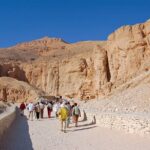
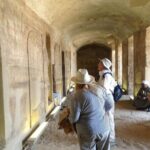
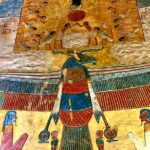
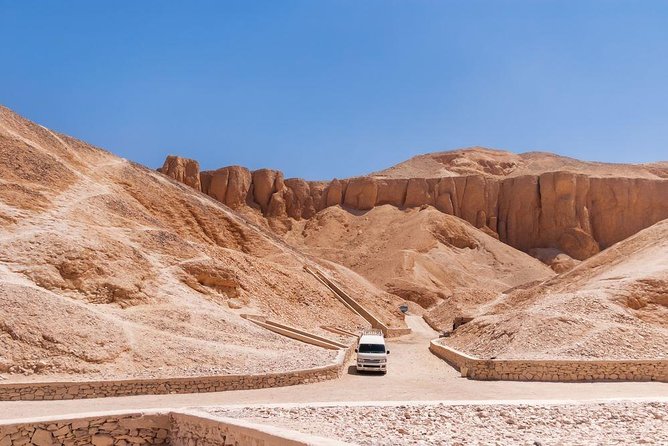
The day starts with the Valley of the Kings, the dramatic rock-cut cemetery on Luxor’s West Bank. This is where pharaohs were buried and where you’ll see the “why” behind the architecture: secrecy, symbolism, and protection—built into the rock itself.
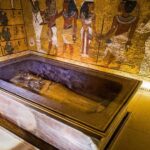
You’ll visit three tombs in this area, with admission included, and the tour specifically notes excluding the Tomb of King Tutankhamun. That affects who this tour is best for. If your dream is to see Tutankhamun’s tomb, you’ll need a different option. But if you want a broader view of how royal burials varied, three tombs gives you enough time to compare wall scenes and style choices without feeling like you’re sprinting.
A practical note: tombs can be dim, and details can be hard to spot without guidance. This is where a strong guide helps—someone like Mobarak is the type who explains the small stuff so the scenes stop looking like random carvings. You’ll also get a better sense of the way different tombs signal rank and purpose.
Hatshepsut at Deir el-Bahari: When a Queen Turns Into Architecture
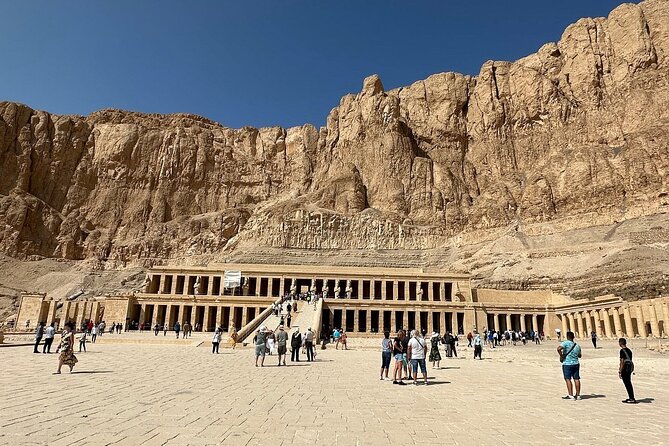
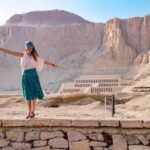
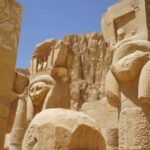
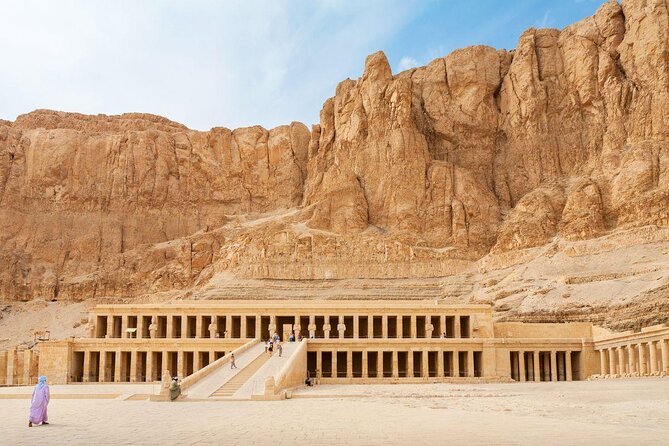
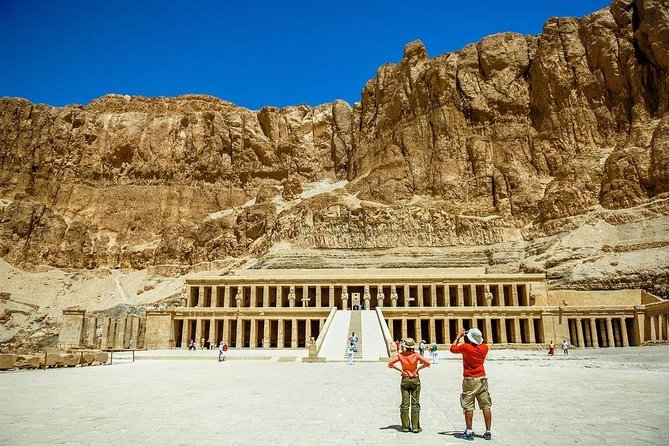
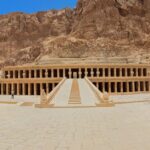
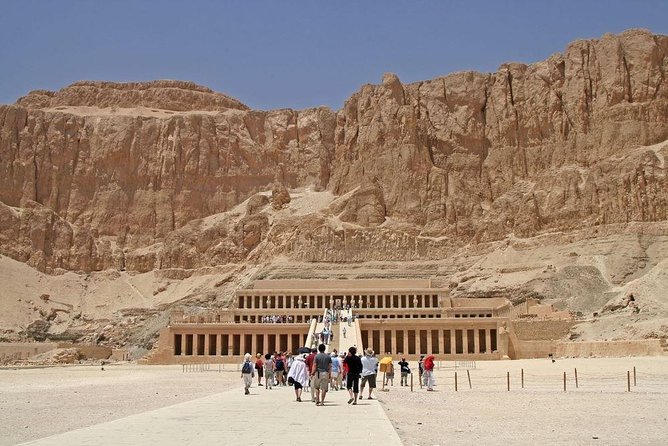
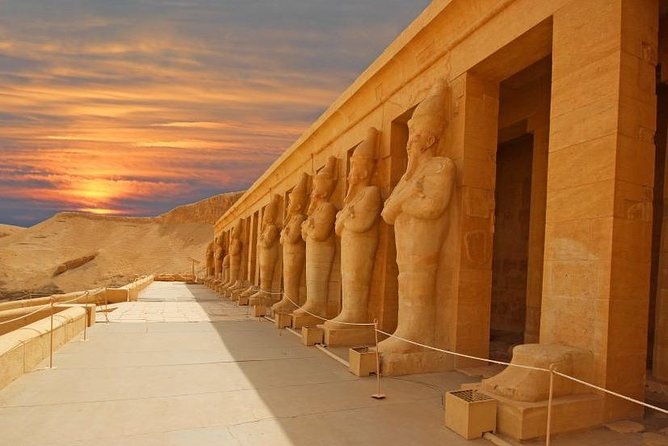
After the Valley of the Kings, you head to Temple of Hatshepsut at Deir el-Bahari. This stop is about 1 hour 30 minutes, and it’s one of the most satisfying parts of the day because it moves from tomb “rooms” to full-on temple design—how power gets staged in stone.
Hatshepsut was the daughter of Thutmosis I, and she ruled for about 20 years during Egypt’s 18th Dynasty. She’s also remembered as the pharaoh who reigned as a woman, which is exactly the kind of detail that makes the site feel less like a background lesson and more like a story you can see.
Here’s what you’ll want to pay attention to: how the temple’s layout and monumental scale guide your eye and frame the movement through space. You’re not just looking at walls—you’re walking a designed experience meant for rituals and reverence.
One small pacing tip: take a minute at the viewpoints before you start reading. Even if you don’t go full archaeologist mode, getting your bearings fast makes the carvings and reliefs easier to understand once you’re close.
Valley of the Queens: Royal Women, Not Just Side Characters
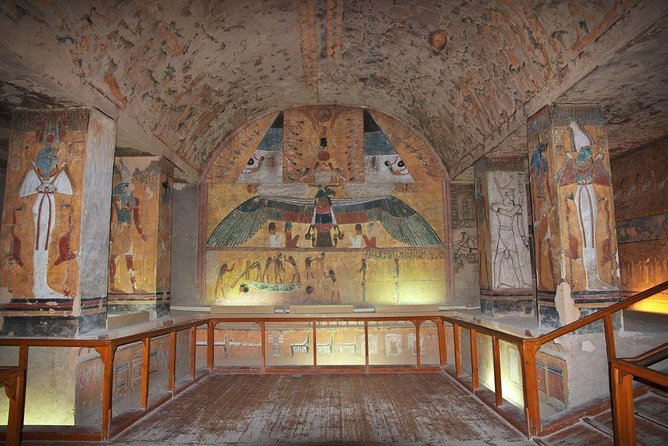
Next comes the Valley of the Queens (also known as Biban el-Harim). You’ll spend about 45 minutes here, with admission included. This valley sits across from the Valley of the Kings, and it helps you see the West Bank as a connected system, not a list of separate attractions.
This site functioned as a burial area for wives, children, and royal family members during the New Kingdom period (roughly 1550–1070 BCE). The modern name Valley of the Queens is actually a simplification. The ancient Egyptians called the area Ta-Set-Neferu, which you can think of as the Place of Beauty.
What I like about this stop is the shift in focus. The Valley of the Kings often gets all the attention because of the famous pharaohs. But once you’re here, you start noticing how status shows up in funerary art and how the royal family’s “inner world” gets preserved in stone.
Because your time is shorter, pick one or two tomb spaces to concentrate on rather than trying to see everything. Your guide will likely point out the key carvings to look for, and that makes the difference between staring and understanding.
Medinet Habu (Mortuary Temple of Ramses III): Big Scale With a Clear Purpose
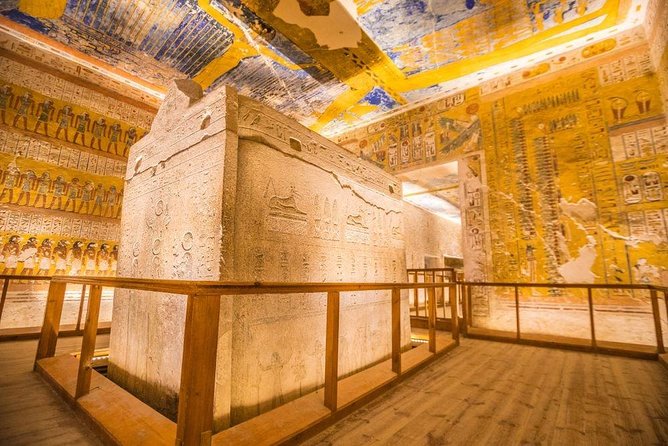
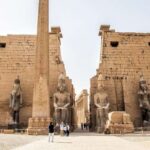
You’ll then head to Medinet Habu, the Mortuary Temple of Ramses III. This is listed as about 1 hour, with admission included, and it’s one of those sites that feels different from Deir el-Bahari because of the temple’s tone: more fortress-like and forceful.
The temple was built during the New Kingdom, specifically in the reign of Ramses III (around 1186–1155 BCE). After his death, the temple served as a mortuary cult site—part ritual space, part worship location, and part place for offerings connected to the king’s afterlife.
One helpful way to interpret it: tombs are about what happens after death in a sealed rock chamber. Mortuary temples are about what the living do for that dead ruler—ritual continuity, offerings, and public religious meaning.
If you like when places tell you their job description, Medinet Habu will feel logical. It’s also a great photo stop if you get the timing right, since temple lighting can change quickly as the sun moves.
A few more Luxor tours and experiences worth a look

Deir el-Medina (Valley of the Artisans): The Worker Story You Didn’t Expect
This is the stop that quietly upgrades the whole day. You’ll visit Deir el-Medina, also known as the Valley of the Artisans. It’s about 1 hour, with admission included.
Instead of focusing on kings and queens, Deir el-Medina shows the people who actually made the tombs: craftsmen and workers who lived in the village while building and decorating royal burials in the nearby valleys. This place dates to the New Kingdom period and was inhabited from about the 15th century BCE to the 11th century BCE.
When you understand this context, Luxor’s West Bank clicks. The tombs stop being just impressive interiors and start becoming the products of human skill—carving, painting, and sculpting done by specialists who lived close enough to keep working as projects evolved.
Even if you’re not an expert, this stop is valuable because it makes the day feel less like a highlight reel and more like a real ancient job site. If you ask your guide a good question here, you’ll likely get a clear answer about how those artisans lived and worked, which makes the rest of the tour more meaningful.
Colossi of Memnon: A Short Stop With a Giant Presence
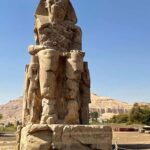
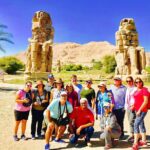
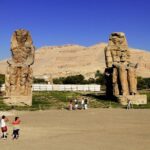
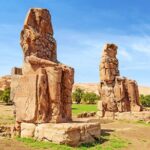
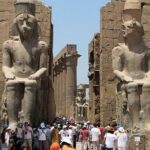
At the end of the day, you’ll see the Colossi of Memnon, a pair of massive stone statues on the West Bank. The stop is about 15 minutes, and admission is free.
These statues depict Pharaoh Amenhotep III from the 18th Dynasty. Each statue is about 18 meters tall and weighs around 720 tons. They were originally part of the entrance to Amenhotep III’s mortuary temple, which has mostly been destroyed over time.
A fun detail that helps you visualize the original grandeur: the statues were once painted, but most of that color has faded. The material is quartzite sandstone, and the carving shows the pharaoh seated on a throne with hands resting on his knees.
This final stop is quick, but it’s a good way to land the day with scale. It’s the kind of sight that makes you pause even if you’re tired—because you can’t really shrink 18 meters into something small in your brain.
Value for Money: Why This Tour Can Be a Smart Bet
At $11.28 per person, this tour price stands out because Luxor sites can add up fast. The value really depends on which ticket option you pick. The tour information notes that tickets for the mentioned sites are included if you choose the all-inclusive option.
Here’s how I’d think about it when you’re deciding: if you’re going to pay for admissions anyway, an all-inclusive option can save time and stress. If you’re price-testing, confirm whether you’re getting tickets included versus handling some entrances yourself. Also note that the Colossi of Memnon is listed as free, so the big ticket variables are the tombs and temples.
The tour also includes all transfers by private air-conditioned vehicle, plus bottled water, plus hotel pickup and return. For a long West Bank day, those comforts matter more than you’d expect.
Two other value signals: you’re getting a professional English-speaking guide, and the format is private, meaning only your group participates. That’s not a luxury detail—it changes how much you can ask and how you manage time in tombs and temples.
Who This Tour Fits Best (and Who Might Want Something Else)
This tour is best if you want a structured day covering the major West Bank landmarks without the hassle of juggling transport. It also fits well if you care about understanding what you’re seeing, not just checking names off a list.
It might not fit if King Tutankhamun’s tomb is your single top priority. Since the Valley of the Kings portion explicitly excludes Tutankhamun’s tomb, you’d want a different tour that includes it.
If you’re traveling with friends or family and want a private pace, this format is a good match. If you’re a solo traveler, it can also be worth it because private transport plus a guide can turn “I hope I understand this” into “I get it.”
Should You Book This West Bank Day?
I’d book this tour if you want one day that covers the Valley of the Kings, Hatshepsut at Deir el-Bahari, the Valley of the Queens, Medinet Habu, Deir el-Medina, and the Colossi—without wasting time figuring out logistics. The blend of royal burial sites and the artisan village is a strong value, because it gives you both the spectacle and the process behind it.
Before you book, do two quick checks:
- Confirm the ticket option you’re choosing so you know exactly what admissions are covered.
- If Tutankhamun’s tomb is a must-see, look for an option that includes it, since this one is built around three tomb visits excluding Tut.
If you’re flexible and you like stories that connect different sites, this is a very solid Luxor West Bank day.
FAQ
How long is the private full-day tour in Luxor?
The tour runs about 7 to 9 hours.
Where does the tour start and end?
You’re picked up from your hotel in Luxor and returned to your hotel after the tour.
Is transportation included?
Yes. Transfers are included by a private air-conditioned vehicle, and bottled water is provided on board.
Is the tour private or shared with other groups?
It’s private. Only your group participates.
Is an English-speaking guide included?
Yes. An English-speaking professional guide is included.
Which sites are included in the day?
The tour includes the Valley of the Kings, Valley of the Queens, Hatshepsut Temple (Deir el-Bahari), Deir el-Medina (Valley of the Artisans), Medinet Habu (Mortuary Temple of Ramses III), and the Colossi of Memnon.
Are tickets included for the sites?
The tour information says admission tickets are included for the mentioned sites if you choose the all-inclusive option. The Colossi of Memnon is listed as free.
Does this tour include the Tomb of King Tutankhamun?
No. The Valley of the Kings visit includes 3 tombs excluding the Tomb of King Tutankhamun.
Is tipping included in the price?
No. Tipping is not included.
What is the cancellation policy?
You can cancel for a full refund up to 24 hours in advance of the experience start time. If you cancel less than 24 hours before, the amount paid won’t be refunded.