REVIEW · LUXOR
One Package Hot Air Balloon with Best of Luxor Full Day Tour
Book on Viator →Operated by DrMo Tours Egypt · Bookable on Viator
Luxor looks totally different from above. I like the hot-air balloon time over the ancient city and I like that the day is built to cover both banks with a guide who really focuses on clear site explanations. The main drawback to plan for is extra costs for most entrance fees, plus optional add-ons like King Tut’s tomb.
You’ll start before the sun gets serious, then spend your morning flying over Luxor’s biggest open-air museum. After the balloon, the pace shifts into a tight, well-structured archaeology day: West Bank tombs, then East Bank temples. It’s an efficient use of limited time, and the included car pickup/drop-off helps a lot.
If you hate early mornings or you’re trying to keep spending strictly to the headline price, this is where your expectations need to be realistic. For everyone else, it can be an unforgettable mix of sky-view wonder and hands-on Egyptology.
In This Review
- Key Things to Know Before You Go
- Balloon Over Luxor: The Sky-View You Can’t Imitate
- How the Morning Runs: Pickup, Boat Transfer, and the Flight Window
- West Bank Essentials: Colossi of Memnon to the Valley of the Kings
- Tomb-by-tomb: what you’re likely to notice
- The King Tut Optional Add-On: Worth It, but Ask First
- Deir el Bahari and Hatshepsut: Why This Temple Feels Different
- Karnak Temple: The 134 Columns Moment
- Luxor Temple and the Avenue of Sphinxes: Quick Hits That Still Matter
- Price and Value: What $89 Really Buys You
- Guide Quality: When Explanations Make the Difference
- Who This Tour Fits Best (and Who Should Skip It)
- Should You Book This Hot Air Balloon and Luxor Day Tour?
- FAQ
- Do I pay entrance fees separately?
- How long is the hot air balloon part?
- Will I be picked up from my hotel?
- Is Tutankhamun’s tomb included?
- What happens if the balloon is canceled due to weather?
- Is this a private tour?
Key Things to Know Before You Go
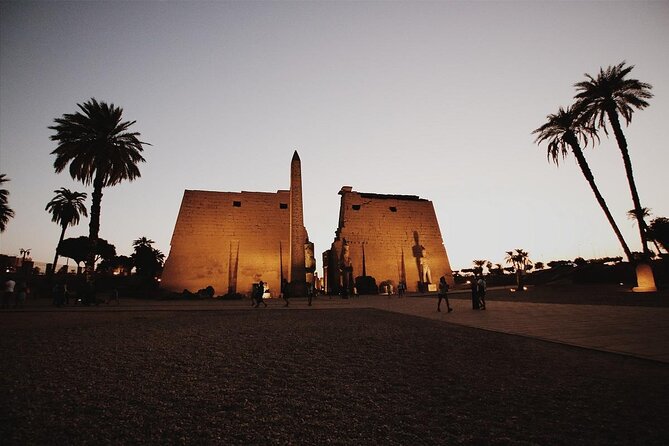
- Sunrise balloon + Luxor views: you get a bird’s-eye perspective that ground-level touring can’t match.
- Two-bank coverage in one day: West Bank tombs and East Bank temples both fit into the same plan.
- Private, guided touring: your guide is there for navigation and explanations, and should be happy to take photos.
- Transport is handled: hotel pickup/drop-off and a motorboat transfer to the West Bank are included.
- Entrance fees are mostly on you: many major sites are listed as not included, so budget ahead.
- Timing depends on conditions: balloon flights are weather-dependent, and safety comes first.
Balloon Over Luxor: The Sky-View You Can’t Imitate

The highlight here is the balloon ride itself. Morning pickup gets you positioned for flight, and the schedule is designed around seeing Luxor in early light. The flight time is listed as roughly 35 to 60 minutes, with the day’s total duration around 7 to 10 hours.
What makes this part special is simple: from above, Luxor’s geography makes sense fast. You see how the river cuts the city in two, how the West Bank sits in its desert edge, and how the temple complexes feel like they belong to the same civilization-wide map. On the ground, everything is fragmented by crowds, heat, and long distances. In the air, it’s cleaner.
There’s also a practical bonus: you receive a flight certificate. It’s not why you go, but it’s a nice keepsake after a morning you’ll remember.
One real consideration: balloon logistics can be messy when conditions change. Safety is the reason flights may be delayed or canceled, and in some cases people reported missed sunrise expectations when pickup timing wasn’t aligned the way they planned. That doesn’t mean the flight experience isn’t great; it means you should go in expecting early-morning variability.
A few more Luxor tours and experiences worth a look
How the Morning Runs: Pickup, Boat Transfer, and the Flight Window
Your day starts with hotel pickup and drop-off in a first-class air-conditioned car. That part matters in Luxor because distances between sites can eat your time fast, especially when you’re trying to pack in both banks.
The day also includes a motorboat transfer as part of the flow to the West Bank area. This is one of those “small included details” that makes a big difference. Instead of fighting traffic and waiting around, the logistics are built to move you efficiently toward the balloon take-off zone.
Water is included during the trip, and there’s a soft-landing vibe to the morning once you’re moving: people often do this kind of day because they want to check multiple major sights off a list without spending hours coordinating transport. This one generally fits that goal.
Just keep one expectation in check: you’re not sleeping in. You’re trading comfort for a better chance at great visibility, lower heat, and the classic Luxor morning feel.
West Bank Essentials: Colossi of Memnon to the Valley of the Kings
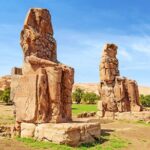
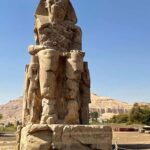
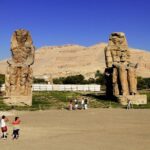
After you land from the balloon, the sightseeing kicks off on the West Bank. First stop: the Colossi of Memnon, the famous pair of giant statues associated with King Amenhotep III. Even if you’ve seen photos before, they hit differently in person because they’re huge and oddly calm-looking for something that’s survived centuries of history.
From there, you head to the Valley of the Kings, the necropolis on the West Bank. This is where the day turns into a real archaeology workout. You’ll visit four royal tombs, with the specific tombs listed including the Tomb of Ramses, the Tomb of Horemheb, and the Tomb of Merenptah. The time blocks are relatively short per tomb, which can feel intense if you love lingering.
Here’s the practical value: the Valley of the Kings is crowded and hot during much of the day. With a guide and a timed plan, you’re more likely to see key tombs without getting lost in logistics or waiting too long for others.
Also, entrance fees for these tombs are not included, so bring extra cash or plan a card approach that works on-site. It’s one of the easiest budget surprises if you assumed the headline price covers everything.
Tomb-by-tomb: what you’re likely to notice
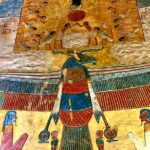
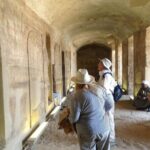
Inside the tombs, you’re looking at painted reliefs, symbolic ceilings, and royal iconography. Some of these tombs are described as especially color-rich, even when some details have deteriorated over time. In other words, you’re going to see both art and the effects of age.
One stop you’ll likely appreciate: the tomb dedicated to Ramesses IX. It’s described as highly decorated, including ceiling imagery with the goddess Nut stretching across space. Another: Tomb 8 of Merenptah, where the writing and layout reflect how royal burials evolved within the Valley of the Kings.
Then there’s Ramses III (KV 11), which gets extra attention for its complex layout and painted sunken reliefs, including ritual texts and scenes that show foreign tributes in side rooms. This is the kind of tomb where a guide’s explanations make the difference between looking at pretty walls and understanding what you’re seeing.
The King Tut Optional Add-On: Worth It, but Ask First

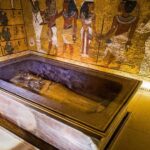
King Tutankhamun’s tomb is treated as extra in this experience. The ticket is listed as not included, and there’s a note that you can add it if you’d like.
This is also where you should be extra careful about expectations. Multiple people mentioned being quoted around $35 for access and guidance at Tutankhamun’s tomb, while others suggested that an onsite price can be much lower. I can’t promise which number applies to your specific situation, but I can tell you how to handle it: ask your guide what’s included in the extra price, and confirm the ticket price separately from any guidance or inside-area requirements.
If your heart is set on seeing Tutankhamun’s tomb, this is your moment to plan for it. If you’re more interested in the craft of royal tombs and don’t need Tut’s specific name, you can often skip the extra and put your time into the rest of the Valley tombs where you can still get a deep sense of the site.



Deir el Bahari and Hatshepsut: Why This Temple Feels Different

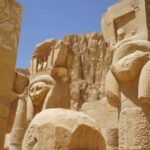
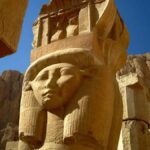
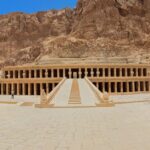
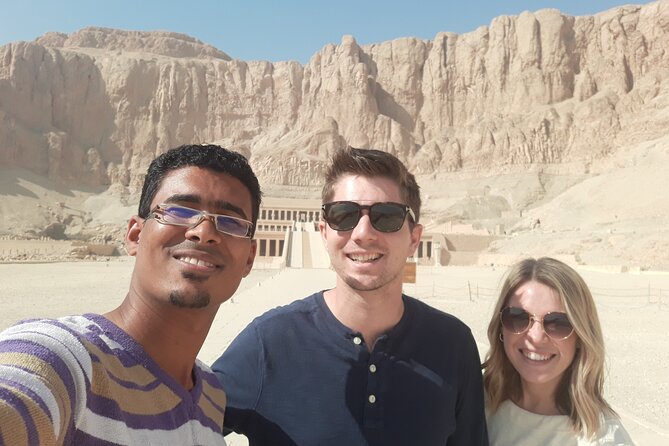
After the Valley of the Kings, you’ll go to the Temple of Hatshepsut at Deir el Bahari. This is one of Luxor’s most striking “why is this here like this” places, built into dramatic cliffside terrain.
Hatshepsut is presented as the only woman who reigned as Pharaoh, and the temple is described as an ancestor connection to later dynasties. Even if you don’t obsess over lineage, the temple’s scale and design do the emotional work for you: you feel like you’re in a place with intention and power.
The time block is listed at about 1 hour 30 minutes, but the experience depends on how your guide paces explanations. Entrance fees for this temple are also not included, so plan accordingly.
One thing to watch: some tours spend a short time on orientation and then move quickly into independent exploring. That can work if you like self-reading and photo time, but if you want a full guided walkthrough, ask for what you’ll get and how much time you’ll have once you enter.
Karnak Temple: The 134 Columns Moment
Next up is Karnak Temple, described as one of the greatest architectural masterpieces, with multiple reigns represented across the complex. Karnak is where Luxor becomes less about one monument and more about an empire speaking through stone.
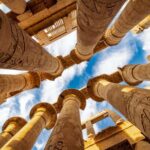
Your visit includes major features like the Avenue of Sphinxes approach area, the Hypostyle Hall with 134 gigantic columns, the obelisks associated with Queen Hatshepsut and Thutmose I, and the Sacred Lake. You’ll also see decorative themes associated with Amun and the lotuses and papyrus motifs mentioned in the tour description.
This is a big stop, with a time block listed at about 2 hours. That’s a good length because Karnak can overwhelm you if you only have 20 minutes. Two hours is just enough to get your bearings and see the key structures without feeling like you got rushed through the highlights.
Entrance fees for Karnak are also not included. And because this is such a major site, it’s wise to budget for the full experience rather than trying to bargain time on money here.
Luxor Temple and the Avenue of Sphinxes: Quick Hits That Still Matter
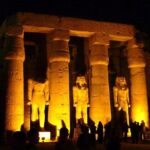
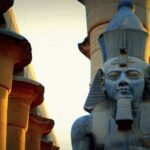
The later East Bank portion includes Luxor Temple, dedicated to the Theban Triad (Amun-Ra, Mut, Khonsu). You’ll also be able to spot references like granite statues of Ramses the Great.
Time here is listed around 1 hour 30 minutes, which is fairly solid given that Luxor Temple is often visited quickly. If you have the patience for it, this is a chance to see how the “river city” side of the temples functions at street level—less desert theater than Karnak.
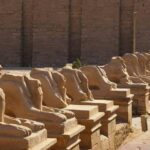
You’ll also have shorter stops for the Avenue of Sphinxes, plus obelisk viewing stops connected to Hatshepsut and Thutmose I. The time blocks for these micro-stops are short, but they add context. Even if you only see a few hundred meters of the avenue today, it helps you understand the temple-to-temple connection that once existed more fully.
Entrance fees for Luxor Temple are listed as not included as well.
Price and Value: What $89 Really Buys You
At $89 per person, the big value isn’t the archaeology. It’s the way the logistics are packaged.
What you’re getting included:
- Hotel pickup and drop-off in an air-conditioned car
- Motorboat transfer for the West Bank flow
- A morning hot-air balloon ride in the Luxor area (listed around 35 to 60 minutes)
- Qualified Egyptologist guide for the day
- Bottled water during the trip
- Flight certificate
- East and West Bank full-day touring with transport
What you should assume costs extra:
- Entrance fees (stated as not included)
- Optional additions like Tutankhamun’s tomb access if you want it
- Lunch is not included
So is it overpriced or a bargain? In my view, it can be great value if you go in knowing entrance fees and add-ons are extra and you’re comfortable budgeting for them. It’s not great value if you want a true all-in day with no surprises.
A few people reported feeling “upsold” in ways they didn’t like, especially around optional tomb access and lunch decisions. You can avoid most of that stress with two moves: ask the guide to list the next ticket you’ll pay for before you commit, and ask what lunch costs before you sit down.
Guide Quality: When Explanations Make the Difference
This tour leans heavily on your guide. The experience promises a qualified Egyptologist, and the day is too tight for you to read everything yourself while walking between sites.
The best versions of this day tend to have a guide who can connect what you’re seeing: why a tomb’s layout changes, what a symbol means, and how a temple fits into the broader story of the kingdom that built it. Names that came up include guides like Hassan and Khaled, with strong praise for knowledge and keeping things smooth.
But there are also complaints about professionalism, timing, and transparency with extra fees. That’s the risk with any private guide model: you can get a star performer, or you can end up with someone who cuts explanations short when the day runs long.
My advice: be direct. Ask what’s included. Ask what you’re paying for next. If you care about Tutankhamun specifically, ask about it early so you’re not making decisions while time is already slipping away.
Who This Tour Fits Best (and Who Should Skip It)
This is a good fit if:
- you want east and west bank highlights in one day
- you’re excited about the balloon as the main event
- you want a guided plan that reduces stress on navigation
It might not fit if:
- you strongly prefer a fully all-in price with no entrance or add-on surprises
- you’re very sensitive to early pickup timing and hate schedule changes
- you want lots of unhurried time inside every tomb without a structured pace
For couples and friends with limited time, it can be a smart use of Luxor day-light. If you’re visiting Luxor slowly over multiple days, you might choose a less compressed plan and spend longer on fewer sites.
Should You Book This Hot Air Balloon and Luxor Day Tour?
I’d book it if you’re prioritizing the balloon experience and you’re comfortable handling entrance fees on top of the package price. The included transport and the way the day covers both banks make it practical, especially if you only have one shot at Luxor.
I’d think twice if you need the day to feel perfectly calm, since this kind of schedule is always weather-dependent and early in the morning. If you do book, bring extra money for entrances, confirm optional tickets like Tutankhamun’s tomb upfront, and ask for clear pricing before anything happens at the point of payment.
FAQ
Do I pay entrance fees separately?
Yes. Site entrance fees are listed as not included, so you should plan to pay for the tombs and temples on-site. Lunch is also not included.
How long is the hot air balloon part?
The morning balloon ride is listed at about 35 to 60 minutes, depending on conditions.
Will I be picked up from my hotel?
Yes. Hotel pickup and drop-off are included, with a first-class air-conditioned car.
Is Tutankhamun’s tomb included?
No. Tutankhamun’s tomb is listed as extra, and any tickets for it are not included in the package.
What happens if the balloon is canceled due to weather?
Because flights depend on good weather, a cancellation due to poor weather can lead to an offered different date or a full refund.
Is this a private tour?
It’s described as a private tour where only your group participates. That typically means you won’t be merged into other groups for the guided portion.