REVIEW · LUXOR
5 Days 4 Nights from Luxor to Aswan on Gentle Breeze Dahabyia
Book on Viator →Operated by Reflections Travel · Bookable on Viator
Nile days, ancient stops, zero flight hassle. This 5-day Luxor to Aswan cruise on the Gentle Breeze Dahabiya strings together big-name temples and tombs with included entrances and a private English-speaking Egyptologist who keeps the story straight, not vague. You also get four nights on board, plus daily excursions that make it easy to see more than you could on your own without juggling guides and tickets.
What I like most is the balance of ship time and must-see archaeology. One day you’ll be at Karnak and Luxor Temple; another morning you’re on the West Bank for the Valley of the Kings and Hatshepsut; later you’ll move through Edfu and Kom Ombo before finishing in Aswan with the High Dam, Unfinished Obelisk, and Philae Temple. One consideration: this is a smaller, older-style river boat experience, so I’d be picky about ship condition—ask how clean the cabin area is and check for smells or dampness before you unpack.
In This Review
- Key highlights to know before you go
- Gentle Breeze Dahabiya: what this cruise experience really is
- Price and what you actually get for $1,300
- From Luxor pickup to onboard check-in: how the day starts
- Day 1: Karnak Temples and Luxor Temple under one guided narrative
- Day 2: Valley of the Kings, Hatshepsut, and Colossi of Memnon
- Day 3: Edfu and Kom Ombo with Horus-versus-Seth context
- Day 4: Aswan High Dam, Unfinished Obelisk, and Philae Temple
- Day 5: Aswan Market and optional Abu Simbel or Nubian Village
- Guide quality matters more than you’d think
- Included meals: good for energy, not just convenience
- Cabin and onboard comfort: check the basics before you settle
- Who should book this cruise (and who should think twice)
- Tips to get the most from your included tickets and stops
- Should you book Gentle Breeze Dahabiya for Luxor to Aswan?
- FAQ
- How long is the Luxor to Aswan cruise on Gentle Breeze Dahabiya?
- What’s included in the price besides the cruise itself?
- Are meals included?
- Does the tour include guided visits to the main ancient sites?
- What optional tours are available on the last day in Aswan?
- Is tipping included?
Key highlights to know before you go
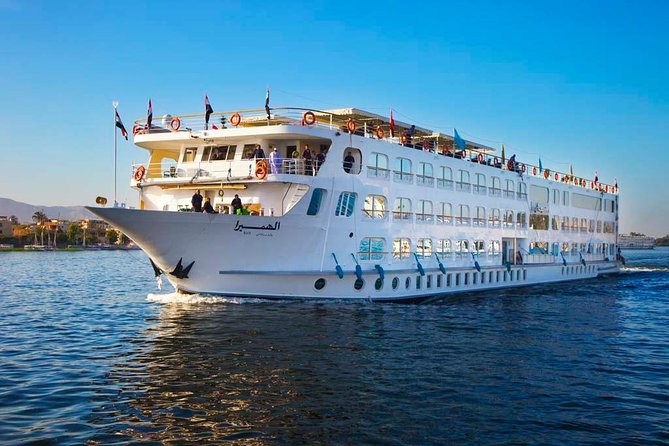
- Four nights on board on a five-star Dahabiya makes the trip feel like a slow-moving base, not constant hotel switching
- Entrance fees are included for the major stops, so your day stays about sightseeing
- Private English-speaking Egyptologist guide means you get context, not just names on walls
- West Bank morning hits hard with Valley of the Kings, Hatshepsut, and Colossi of Memnon
- Aswan big-world history with the High Dam and Unfinished Obelisk, then Philae for the Isis story
- Last-day freedom in Aswan with time around the market and optional Abu Simbel or a Nubian Village visit
Gentle Breeze Dahabiya: what this cruise experience really is
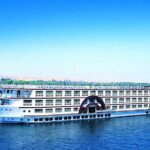
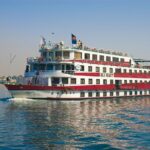
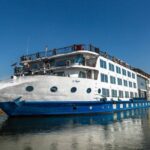
A Nile cruise lives in the rhythm. You sail when you can, sightsee when the day is bright, then come back to a cabin that’s your retreat from heat and crowds. This trip is set up as a 5 days / 4 nights flow, with guided excursions most days and meals waiting on board.
“Five-star” here mostly translates to the full-service experience: your days include guide-led visits and your time at sea is built for comfort. But you’re still on a river boat, so you should expect tighter quarters than a modern hotel. The trade is convenience and atmosphere: you get to wake up already positioned for the next landmark, instead of losing half a day to transfers.
A few more Luxor tours and experiences worth a look


Price and what you actually get for $1,300
At $1,300 per person, the value question is simple: does the package cover the expensive parts you’d pay for anyway? In this case, it does. Your price includes:
- All meals on board (breakfast, lunch, dinner each day across the cruise)
- Entrance fees to the sites you visit
- A private English-speaking Egyptologist guide
- Private air-conditioned vehicle transfers for the excursions
- On top of that, service charges and taxes are covered
What’s not included is also clear: optional tours on the final day, and tipping.
For many people, the biggest savings is the guide + ticket side. Karnak and Luxor Temple aren’t just one-stop sightseeing; they’re large complexes where a good guide helps you understand what you’re looking at and what matters. With the admissions covered, you also dodge the common stress of pricing add-ons mid-trip.
From Luxor pickup to onboard check-in: how the day starts
This tour is set up to keep your first day from feeling like an obstacle course. You’ll get meet and assist support, and transfers run via a private air-conditioned vehicle. That matters because Luxor logistics can be chaotic on your own—especially when you’re trying to reach the ship on time.
You’ll be met in Luxor at your hotel, railway station, or airport, then escorted to the first sights. After Karnak and Luxor Temple, you’ll transfer to check into the Nile cruise. That sequence is smart: it gets the big temples done early and leaves you with sailing time afterward.
Day 1: Karnak Temples and Luxor Temple under one guided narrative
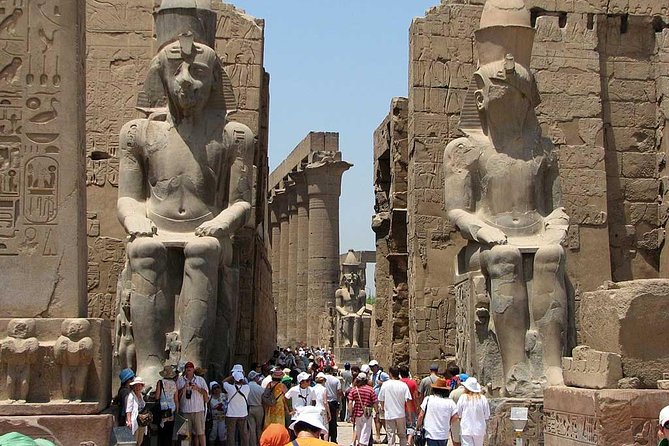
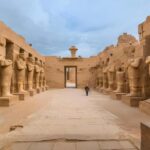
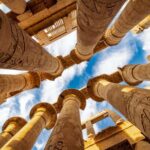
Day 1 is all about Amun and the Theban world. You start at Karnak Temples, dedicated to Amun and Mut. This place is so big that even if you’ve seen photos, it’s hard to grasp the scale until you’re inside the complex. What makes the guided approach worthwhile is how it connects symbolism and history, including the detail that an Egyptian version of an international peace treaty was preserved on a wall in the Temple of Amun at Karnak. It’s one of those facts that turns a temple visit into a story, not just a walk.
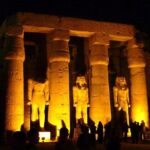
Then you move to Luxor Temple, built by Amenhotep III in the 18th Dynasty and later completed by Ramesses II in the 19th Dynasty. The guide-led narrative matters here too: you’ll hear how the temple was dedicated to Amun-Ra, Mut, and Khonsu as the Theban triad. Don’t rush the front area; the Obelisk of Ramesses II stands near the 1st Pylon, and it’s one of the easiest “anchor points” for photos.
After Luxor Temple, you go straight to the ship. It’s a long day in the sun, but it’s a good long day: you get the architectural wow-factor early, then you settle in while the river does its slow work.
Day 2: Valley of the Kings, Hatshepsut, and Colossi of Memnon
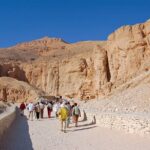
This is the day that most people remember. The West Bank has a different feel—more open, more windswept, and a sense of quiet scale.
You begin with the Valley of the Kings, where the tour focuses on the royal tombs. Expect tombs associated with Tutankhamun, Ramesses V I, Tutmosis, and Amonhotep II. The value here isn’t just the names; it’s what the guide helps you notice about how these tombs fit into the broader royal worldview.
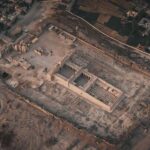
Next comes the Temple of Hatshepsut at Deir el Bahari. Hatshepsut is described as the first pharaonic woman to rule Egypt, and the temple is tied to her legacy—without turning it into a lecture. You also learn about her early trading routes. That “power + logistics + religion” angle helps the temple feel real, not museum-dry.
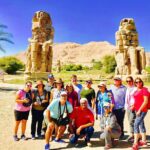
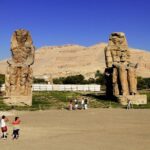
Then you stop at the Colossi of Memnon, twin statues of Amenhotep III facing the Nile. A fun detail that’s worth remembering on-site: an earthquake reportedly shattered the northern colossus, and after the rupture, the lower part was reputed to sing around sunrise. Even if you don’t hear anything yourself, the story adds a human layer to stone monuments.
Afterward you’re back on board, and the cruise heads toward Edfu. This is where the itinerary earns its keep: you’re not trapped on buses all day, and you get real sailing time between major temple days.
Day 3: Edfu and Kom Ombo with Horus-versus-Seth context
Day 3 moves into two temple visits that work well together because the themes echo across both sites: gods, power, and order.
First is the Temple of Horus at Edfu. The guide focus here is the sacred drama connected to the conflict between Horus and Seth. Temple walls can feel like repeating patterns unless someone tells you what the scenes are referencing. When the guide frames it this way, you start to see the temple as a deliberate narrative, not random carvings.
Then you sail to Kom Ombo Temple, a shared temple for Sobek and Horus. Sobek—the crocodile figure—is linked to the Nile, the army, and fertility. Horus is linked to the sky and kingship. This dual-god setup makes Kom Ombo feel different from Edfu: it’s not just one deity’s world; it’s two viewpoints in the same sacred space.
After the second visit, you return to the ship and continue sailing toward Aswan. It’s a nice pacing choice. By this point, you’ve already seen enough “big stone” to appreciate the way the guide draws distinctions between temples.
Day 4: Aswan High Dam, Unfinished Obelisk, and Philae Temple
Aswan is where the trip shifts from ancient kingdoms to ancient craftsmanship meeting modern history.
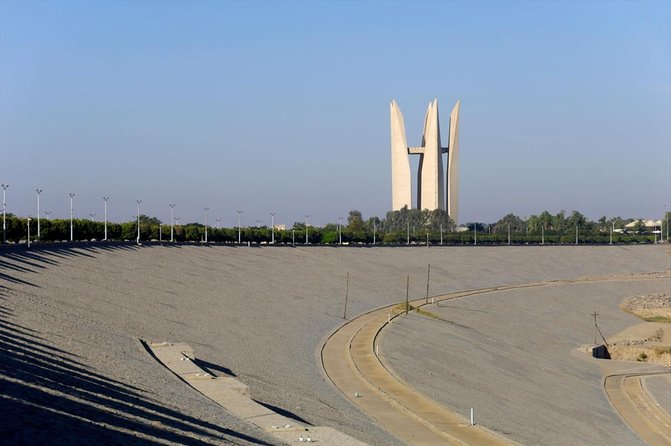
You start with the Aswan High Dam. The key fact you’ll hear is that the dam controls Egypt’s water and has three years of Nile water stored. Even if you’re not a technical person, it’s a useful pivot: it explains why Aswan matters beyond temples and why the Nile’s management shapes life for millions.
Next is the Unfinished Obelisk. This stop is fascinating because it’s not finished art—it’s a production snapshot. The obelisk weighs 1,168 tons as it sits, and if it had been finished it would have weighed 1,200 tons. You’ll also learn that many of the casing stones for the pyramids at Giza came from this quarry in Aswan. That connection alone makes the quarry more than a photo stop.
Then you go to the Temple of Philae, built for the goddess Isis, associated with health, marriage, and wisdom. Philae tends to land well for people who want something a bit more spiritual after a day of engineering and stonework. When you’re moving from dam to quarry to temple, the guide’s through-line matters.
After Philae, you return to the cruise. Day 4 is often the emotional middle: you’ve seen Egypt’s past at full scale, and now you’re watching how that past was made.
Day 5: Aswan Market and optional Abu Simbel or Nubian Village
The final day is intentionally lighter, which is smart. You disembark after breakfast, then you have time around Aswan Market. If you like browsing, this is a good moment to wander and pick up small items for later—just keep your pace slow in the heat.
You also have the option of an add-on visit: Abu Simbel or a Nubian Village trip. The fact that these are optional is important. If you’ve already got temple fatigue, you can keep it simple in Aswan and enjoy the city without forcing one more major site.
Either way, you get a clean ending to the route, without turning day 5 into an exhausting sprint.
Guide quality matters more than you’d think
This itinerary leans on one thing that’s worth chasing: a real Egyptologist. The tour includes a private English-speaking Egyptologist guide, and the difference shows up when sites start to feel connected.
Some groups have had a guide named RUSHDI, and the standout theme is promptness and clear explanations tied to places like the High Dam and the Nubian Village. That kind of guiding style can change how you remember the trip. Without it, Karnak and Edfu can become a blur of columns. With it, you walk away with names you can actually place and stories you can repeat.
If your guide isn’t great, you’ll feel it fast. So ask questions when you can, and don’t be shy about telling your guide what you want most: tomb details, temple symbolism, or the practical “how did they build this” angle.
Included meals: good for energy, not just convenience
Food can make or break a multi-day cruise. Here, you’re covered: all meals are served on board and included, with breakfast and meals counted across the days of the cruise. That means you won’t lose time hunting for food between excursions.
In practice, I’d still treat meals as part of your touring plan. If you have a big temple day ahead, eat early and hydrate. If you’re sensitive to heat, use the lunch break to reset before the afternoon sun hits. The included setup removes a lot of daily decision fatigue.
Cabin and onboard comfort: check the basics before you settle
A Dahabiya cruise can feel intimate, which is great for atmosphere. It can also mean that cabin comfort varies more than on large modern ships. One way to protect your trip is to do a quick checklist when you arrive:
- Check the bathroom area for any signs of dampness or standing water
- Ventilate the room for a few minutes if you smell diesel or strong odors
- Confirm towels and linens feel fresh and dry
I’m not saying you’ll have problems. I’m saying you’ll feel better if you verify early instead of dealing with it later.
Onboard comfort aside, the biggest payoff is the schedule. You’re not only seeing temples—you’re getting to see them in the context of how the river moves people through the region.
Who should book this cruise (and who should think twice)
This cruise works best if you want:
- A guided route that hits major sites without you planning the ticket maze
- Comfortable “basecamp” cruising with daily excursions
- A mix of famous temples and less-famous-but-meaningful stops like the Unfinished Obelisk
It may be less ideal if:
- You’re extremely sensitive to boat cleanliness or odors and want a hotel-like standard
- You prefer free time to wander alone all day (this trip is structured with excursions)
If you’re traveling as a couple or small group and you want a serious Egypt focus, this fits well. The tour is also described as a private tour/activity, meaning it’s just your group.
Tips to get the most from your included tickets and stops
You’ll get more value when you travel with a few habits:
- Wear shoes that handle uneven stone and lots of walking
- Bring a hat and keep water accessible for the temple hours
- Ask your guide to point out what’s most important at each stop, then return to look with intention
- When you’re at Kom Ombo and Edfu, pay attention to the god themes the guide highlights—your brain will connect the dots fast
Also, remember that admissions are included. That’s a gift. You can stay in the flow and spend your energy on understanding what you’re seeing instead of sorting out paperwork.
Should you book Gentle Breeze Dahabiya for Luxor to Aswan?
If you want a well-paced, guide-led Luxor to Aswan cruise that covers the biggest ancient hits plus Aswan’s High Dam, Unfinished Obelisk, and Philae Temple, this is a strong choice. The price stacks in key value: entrance fees and meals are included, and the private Egyptologist angle is what turns stone monuments into a story you can remember.
My caution is simple: don’t ignore the onboard basics. Ask early about cabin cleanliness and how the bathroom is handled. If that checks out for you, this trip can feel like the ideal blend of comfort and serious ancient exploration.
FAQ
How long is the Luxor to Aswan cruise on Gentle Breeze Dahabiya?
It’s a 5-day experience with 4 nights aboard the Nile cruise.
What’s included in the price besides the cruise itself?
The package includes entrance fees, a private English-speaking Egyptologist guide, all transfers by private air-conditioned vehicle, meet and assist services, and all meals served on board.
Are meals included?
Yes. You’ll get breakfast, lunch, and dinner served on board as part of the tour.
Does the tour include guided visits to the main ancient sites?
Yes. You’ll visit sites like Karnak, Luxor Temple, the Valley of the Kings, Hatshepsut (Deir el Bahari), Edfu (Temple of Horus), Kom Ombo, Aswan High Dam, Unfinished Obelisk, and Philae, with a private Egyptologist guide.
What optional tours are available on the last day in Aswan?
On the final day, you can choose an optional tour to Abu Simbel or a Nubian Village, or spend time enjoying Aswan Market and the sights.
Is tipping included?
No. Tipping is not included in the tour price.