REVIEW · LUXOR
Nile cruise 5 days Private full board accommodation transferred guided tours
Book on Viator →Operated by Nile Valley · Bookable on Viator
Five days on the Nile feels like time travel. What makes this cruise special is the private, licensed Egyptology guide plus a schedule that’s packed with the big names without feeling like a sprint. I love that your trip is full board with transfers and entrance fees included, so you can spend your brain on temples, not logistics.
One thing to keep in mind: not every boat experience is the same quality. Some travelers have flagged older rooms, occasional AC or water issues, and that extras like bottled water may cost extra even when meals are included. If you’re very picky about room standards or comfort details, ask the operator what’s included on your exact ship before you pay.
In This Review
- What you’ll get at a glance
- Nile cruise value: what $750 per person really covers
- Luxor Temple and Karnak: starting strong on the East Bank
- Valley of the Kings and Hatshepsut at Deir el-Bahari
- Edfu’s Temple of Horus: the river stop that changes the pace
- Kom Ombo’s double temple: a rare kind of Egyptian design
- Aswan’s modern landmarks and Philae’s temple island
- Food and full-board comfort: breakfast, lunch, dinner, and what to check
- Your licensed Egyptologist guide: how to get more than “standing in front of ruins”
- Boat reality check: AC, rooms, and the details that affect your day
- Booking wisely: avoid fake ads and confirm the real operator
- Who this Luxor-to-Aswan cruise fits best
- Should you book this Nile cruise?
- FAQ
- Is this a private tour or shared group?
- Where does the cruise run?
- What meals are included?
- Is there a vegetarian meal option?
- Are entrance fees included?
- What transfers are included?
- What is not included in the price?
- Can I change or cancel after booking?
What you’ll get at a glance
- Private Egyptologist guide tailored to your group
- Full-board on a floating hotel: 4 nights, multiple meals daily
- Entrance fees and transfers included, so the day feels smooth
- Luxor → Aswan route with classic ancient sites plus Aswan’s modern landmarks
- Vegetarian option available
- Freedom to customize your pace and preferences
Nile cruise value: what $750 per person really covers
At $750 per person for about 5 days, this is the kind of deal that can feel either like great value or a bad surprise, depending on what’s actually included. Here, the tour lists the important stuff up front: all fees and taxes, the licensed Egyptologist, entrance tickets, and air-conditioned transfers between sights.
That’s a big deal in Egypt. The ruins are famous, but getting there, paying entry, and coordinating timing can eat time fast. With this setup, you’re buying a lot of friction removal. You still bring the sense of curiosity, but you’re not stuck doing the admin work.
Still, two cost realities matter. Tipping isn’t included, and personal expenses aren’t included. Also, some travelers have reported that details like water (even during meals) weren’t fully what they expected, so it’s smart to confirm what comes with breakfast, lunch, and dinner on your ship.
You can also read our reviews of more boat tours in Luxor
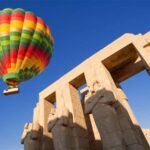
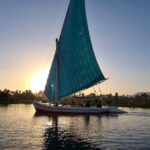
Luxor Temple and Karnak: starting strong on the East Bank
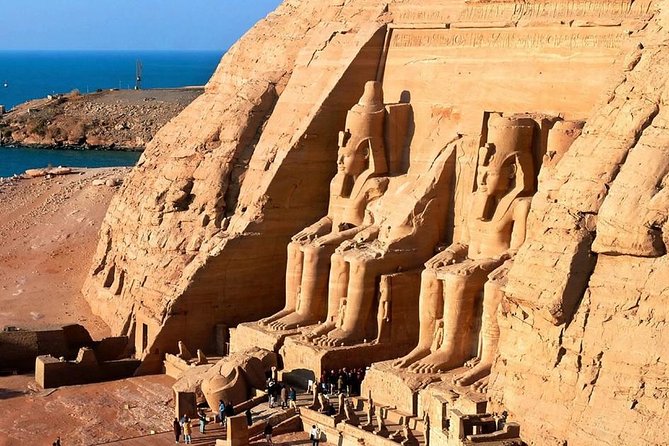
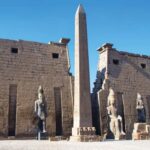
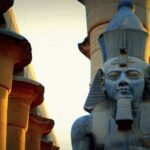
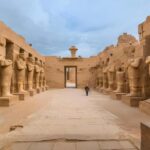
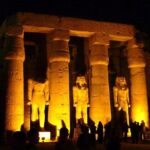
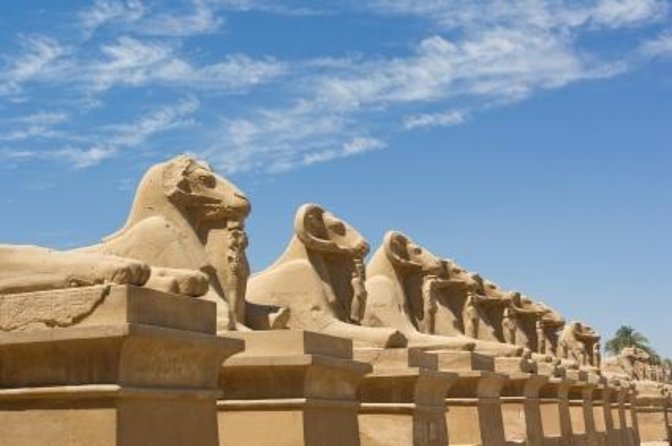
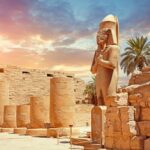
Your journey kicks off on the East Bank of the Nile, where Luxor’s main temple complexes sit like a living map of ancient power. Luxor Temple is an impressive complex dating to about 1400 BCE, and it was known in Egyptian as ipet resyt, meaning the southern sanctuary. If you like symbolism, this is a strong opener because it sets the tone for what you’ll see all week.
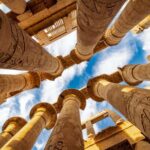
Then you’ll head to Karnak Temple, which is the kind of place where “big” doesn’t cover it. Even if you don’t memorize every name, a good guide helps you spot the logic: how spaces were built for ritual movement, how columns and halls communicate status, and why later generations kept returning here.
The practical upside: these sites are foundational. Once you grasp what Luxor Temple and Karnak are doing, the West Bank stops later in the trip make much more sense.
Consideration: this is ancient Egypt in open-air settings. You’ll want sun protection and a bottle (or whatever your ship provides), and plan for fatigue. If you’re heat-sensitive, pace yourself and use your guide to pick the best spots to rest between blocks of walking.
Valley of the Kings and Hatshepsut at Deir el-Bahari
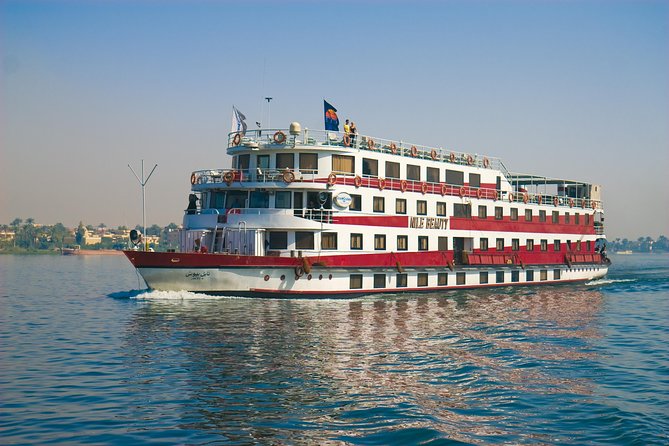
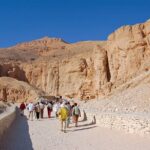
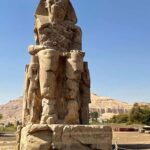
Day two moves you to the West Bank, where the mood shifts from temple grandeur to burial secrecy. The Valley of the Kings is the New Kingdom burial ground of many rulers of Thebes, in a long, narrow defile west of the Nile. The scale is part of the wonder, but the point is what your guide should connect for you: this wasn’t random digging. It was a carefully planned afterlife landscape.
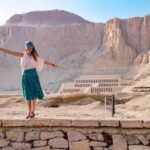
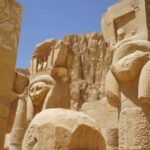
Next comes Temple of Hatshepsut at Deir el-Bahari, also called the Mortuary Temple of Hatshepsut (Djeser-Djeseru). Hatshepsut was an 18th Dynasty pharaoh, and her temple is built beneath cliffs, tucked into the cliffs like the architecture is trying to hide. That setting makes it feel unusually human. You understand why people describe it as dramatic.
What I like about this pair is the contrast. You’re not just bouncing from one site to the next. You’re moving through two different kinds of ancient thinking: royal afterlife in a hidden valley, then a monumental mortuary temple carved into the landscape.
Consideration: this part of the trip expects moderate physical fitness. Expect uneven ground and lots of steps. If you know you’ll need breaks, tell your guide early so the pacing matches your body, not the clock.
Edfu’s Temple of Horus: the river stop that changes the pace
On day three, you reach Edfu and visit the Temple of Horus. The city has a long identity across eras, and at one point in the Hellenistic period it was known as Apollonopolis Magna after Horus being associated with Apollo under the interpretatio graeca. That mix of old Egyptian and later cultural layers can be hard to see on your own, which is exactly where a guide helps.
The temple itself is a classic example of Egyptian sacred design. Even when you don’t read every inscription, you can learn to “watch” for patterns: where processions would move, how certain parts of the temple connect to religious meaning, and why the layout matters as much as the carvings.
This stop is also a nice pacing reset. After Luxor’s density and the West Bank walking, Edfu can feel more focused, more “temple-forward,” and easier to absorb.
Kom Ombo’s double temple: a rare kind of Egyptian design
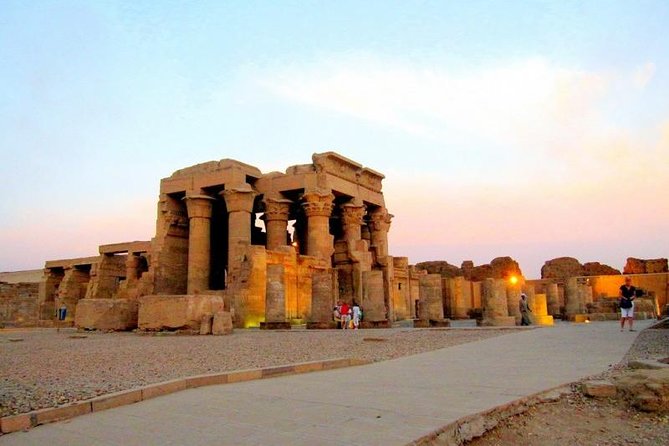
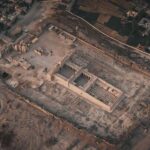
Day four takes you to Kom Ombo for the Temple of Kom Ombo, famous for being an unusual double temple. It’s Ptolemaic-era in origin (constructed 180–47 BC), with later additions during Roman times. That timeline matters. It means you’re not only looking at ancient Egypt. You’re seeing Egypt after it changed hands, with old traditions still visible.
A “double temple” can sound like trivia until you’re standing there. With a good guide, you understand the idea: the temple was designed to serve different divine roles in the same complex, so the architecture becomes a clue to how worship was organized.
What I like about including Kom Ombo is that it’s not always the first stop people picture. Many Egypt trips focus on the same Luxor and Giza highlights. Here, you get a more unusual stop that expands the story of what Egyptian sacred life looked like beyond one city.
Consideration: the day’s heat and walking will still be real. If you want to keep enjoying the carvings and not just “survive the tour,” bring water and take micro-breaks. Your guide can usually suggest the least strenuous route through the most rewarding viewing spots.
You can also read our reviews of more guided tours in Luxor
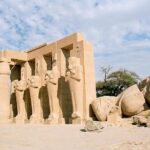
Aswan’s modern landmarks and Philae’s temple island
The final day blends Aswan’s modern story with ancient sacred sites, which is a smart way to end. First up is the Aswan High Dam. The modern dam is the one completed between 1960 and 1970 and it dramatically changed the Nile’s rhythm. Even if you’re not a policy person, it helps you understand why places were moved or transformed and why the Nile’s story isn’t only ancient.
Then you’ll visit the Unfinished Obelisk, described as the largest known ancient obelisk, located in the stone quarries in Aswan. This is fascinating because you’re not looking at a finished object. You’re seeing the process and the ambition. It’s a reminder that the ancient world had engineering and planning, not just finished monuments.
Finally, there’s Philae. It’s an island in the reservoir downstream of the Aswan High Dam, and it’s tied to an ancient temple complex originally located near the First Cataract of the Nile. That “moved in history” feeling can stick with you, because it adds a layer of meaning: we inherit these sites, but they also had to survive human decisions.
Consideration: Aswan can be especially bright. Plan for shade breaks and eye protection. And since Philae is described as a temple island, expect walking around water-adjacent areas, so comfortable shoes matter.
Food and full-board comfort: breakfast, lunch, dinner, and what to check
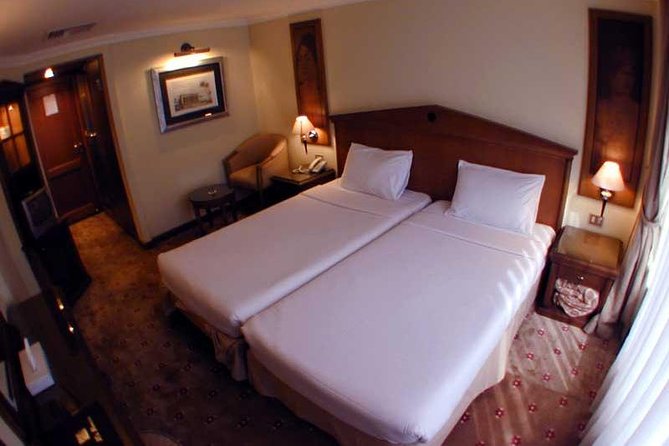
This cruise is set up as 4 nights floating hotel full board with meal counts listed as five breakfasts, four lunches, and four dinners. That means you’re usually covered for food on the days you’re touring, and you’re not constantly hunting for meals between sites.
A vegetarian meal option is available, which is a big practical win. Egypt trips can get tricky for dietary needs if you’re relying on luck, so it’s good to know this is part of the plan.
Now the honest part. Some travelers have said bottled water and certain drink expectations weren’t fully included. Others have praised food as excellent and staff as attentive. The safest approach is to assume you’ll get meals and tea/coffee as provided, then treat anything extra—especially bottled water or specialty drinks—as potentially chargeable.
If you care about comfort, it’s worth asking two questions before your cruise:
- Are rooms basic, or do they offer the kind of comfort you’re expecting?
- What exactly is included for water during meals?
That small check can save you from a frustrating day in the heat.
Your licensed Egyptologist guide: how to get more than “standing in front of ruins”
The biggest advantage of a private tour here is the guide’s role. This experience is designed around a licensed Egyptologist, which matters because Egypt is full of symbols that look similar until someone teaches you what to notice.
The names shared by past travelers give you a sense of the guide caliber and variety. You might meet people like Magic Maged Habib, Hany Refaat, Mustafa, Mohamed Basry, Mohammed Taha, or Muhammad Marghany (among others), depending on your travel dates. Some guests specifically noted that they could request a particular guide by name, which is a smart move if you find one style you click with.
How to make the guide work for you:
- Ask short questions as you arrive. You’ll remember the answers more than the background lecture.
- If you’re photo-heavy, tell the guide when you want quick moments versus longer explanations.
- If you want customization, say what you want to slow down on. This is a private tour, so flexibility is part of the point.
I also like that the tour is positioned as not rushed, which helps at sites where the walking and sun can otherwise turn ruins into chores.
Boat reality check: AC, rooms, and the details that affect your day
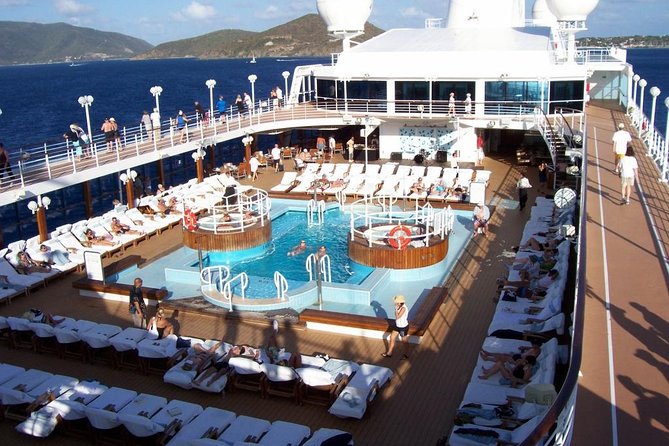
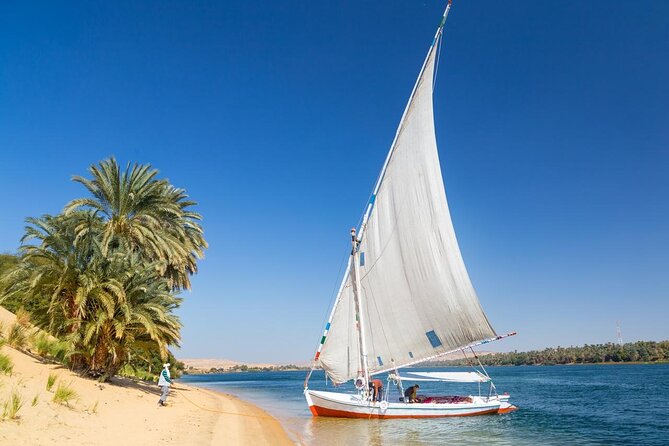
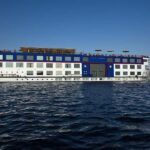
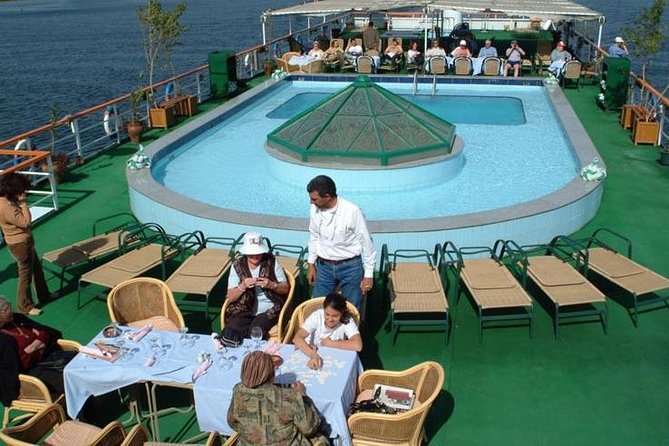
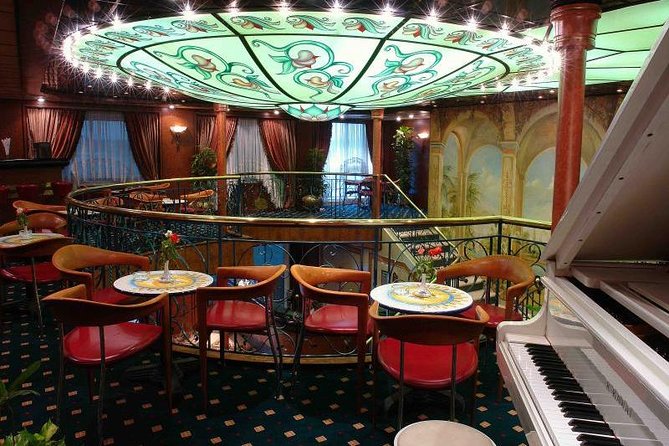
A Nile cruise is a floating hotel, but it’s not always the same standard ship to ship. Some travelers described boats as lovely and clean and called the experience solid for the price. Others reported older rooms, humidity, weak AC, and even cleanliness problems. There were also comments about wifi being poor on some ships.
That doesn’t mean every sailing is bad. It does mean you should plan like an adult: verify your ship name if possible, and check what your room includes. Even one detail—like whether AC works reliably—can turn a hot day into a stressful one.
Also, some travelers criticized water being extra even when meals were included. That’s not a dealbreaker for everyone, but if you hate surprise charges, confirm what’s included so you’re not negotiating thirst after a long temple walk.
Booking wisely: avoid fake ads and confirm the real operator
One thing that deserves a clear warning is online confusion. There have been reports of scam listings using fancy photos for Nile cruises with no real booking process after payment. You can protect yourself without panicking by using a simple rule:
- Confirm the operator, ship, and what’s included before paying.
- Avoid listings that can’t clearly explain how the booking will be fulfilled.
This kind of cruise is too good to risk on a sketchy click.
Who this Luxor-to-Aswan cruise fits best
This is a strong match if you want:
- A guided, private experience with a licensed Egyptologist
- The classic route from Luxor to Aswan
- Entrance fees and transfers handled
- A full-board setup that keeps your days moving smoothly
- Flexibility to adjust your pace and preferences
It might be less of a fit if you:
- Need a guaranteed five-star room standard every day
- Get frustrated by comfort hiccups (AC, humidity, wifi)
- Prefer strict all-inclusive pricing where every drink is covered without questions
If you’re traveling as a family, this private style can help a lot, especially because the guide can adapt explanations to younger attention spans while still hitting the big sights.
Should you book this Nile cruise?
I’d book this if your priority is guided access to the key ancient sites with low hassle. The value case is strongest because entrance fees, licensed guiding, and transfers are included, and you don’t need to build the day yourself.
I wouldn’t ignore the comfort warnings, though. If you’re sensitive to room conditions or you hate surprise add-ons like extra bottled water, ask targeted questions before you pay and confirm what’s included on your specific sailing.
If you want, tell me your travel month and whether you care most about room comfort or temple time. I can help you decide what to double-check so your Nile days feel magical, not stressful.
FAQ
Is this a private tour or shared group?
This is listed as a private tour/activity, meaning only your group participates.
Where does the cruise run?
The experience is described as a 5-day Nile cruise from Luxor to Aswan.
What meals are included?
It includes breakfast for 5 days, plus lunch for 4 days and dinner for 4 days, with full-board accommodation for 4 nights.
Is there a vegetarian meal option?
Yes, a vegetarian meal option is available.
Are entrance fees included?
Yes. The tour includes sightseeing tickets and entry fees.
What transfers are included?
It includes transfers with air-conditioned cars.
What is not included in the price?
Not included are the Egypt entry visa, tipping, and personal expenses. Domestic flights and a sleeper train from Cairo to Luxor or Aswan are also not included.
Can I change or cancel after booking?
This experience is non-refundable and cannot be changed for any reason.