REVIEW · CAIRO
Private Tour: Giza Pyramids, Sphinx, Memphis, Sakkara
Book on Viator →Operated by South Sinai Travel · Bookable on Viator
Pyramids, right next to Cairo noise.
This private loop—Giza, Sphinx, Sakkara, and Memphis—is built for people who want big-ticket monuments with an expert Egyptologist explaining what you’re really looking at. I like the structure here because you get guided context up front, then controlled free time where you can move at your own pace.
My favorite part is the private Egyptologist guide. In the real world, the difference between a good day and a great day often comes down to whether someone can translate the site into something you can picture—names like Nermeen, Fouad, Ahmed Ali, Emmy Eman, Khalid, and Tariq show up repeatedly in strong feedback. I also like that the tour includes a papyrus stop, so you see how ancient-style art still gets made, not just monuments in stone.
One consideration: a few add-ons depend on what you choose and what’s confirmed day-of. Inside-pyramid entry costs extra, the Solar Boat Museum is an optional upgrade, camel rides are extra, and lunch is only included if you pick that option—so double-check what’s in your version of the tour before you pay onsite.
In This Review
- Key things to know before you go
- Private Egyptologist route: why this Cairo circuit works
- Morning pickup to Giza Plateau: getting positioned early
- Entering the Pyramids and seeing the Sphinx: your main decisions
- The pyramids: guided context plus optional inside entry
- Camel rides: extra, with big views
- The Sphinx: the classic stop, made understandable
- Solar Boat Museum upgrade: when it’s worth paying more
- Saqqara Step Pyramid of Djoser: the older pyramid stop you’ll remember
- Memphis and Ramses II: UNESCO ruins with a strong “wow” moment
- Food, papyrus, and the sales-pitch reality check
- Price and timing: is $165.30 a good deal?
- Who this private tour fits best
- Should you book? My practical decision guide
- FAQ
- What’s the duration of this tour?
- What time does the tour start?
- Do I get hotel pickup and drop-off?
- Which sites are included?
- Is this a private tour?
- Are admission tickets included?
- Can I go inside a pyramid?
- Are camel rides included?
- Is lunch included?
- Can I cancel and get a full refund?
Key things to know before you go
- Private Egyptologist: strong guidance that helps the pyramids, Sphinx, and Step Pyramid click into place.
- Admission included, with exceptions: site tickets are included, but inside pyramid entry is extra.
- Sakkara timing matters: you get real time at the Step Pyramid of Djoser rather than a rushed stop.
- Memphis + Ramses II: the fallen giant statue is a standout moment on the UNESCO ruins side.
- Papyrus institute included: you watch papyrus painting in action and can buy art if you want.
- Add-ons need a clear plan: Solar Boat Museum and lunch options aren’t automatically guaranteed.
Private Egyptologist route: why this Cairo circuit works
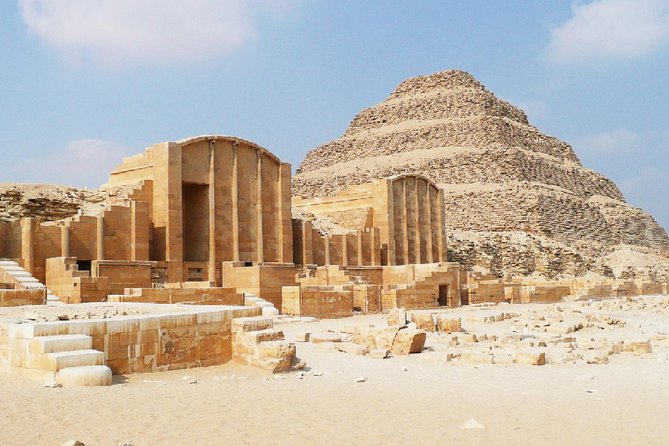
This is a smart format for a first trip to Egypt’s most famous ancient sites. In one morning-to-afternoon window (about 6 hours starting at 9:00 am), you cover the big pyramid complex at Giza, then you jump to Sakkara for the older Step Pyramid, and finally you end in Memphis, where you can connect the monuments to Egypt’s capital city life.
The value is in the flow. A qualified Egyptologist guide helps you understand what each site is for, not just what it looks like. Then you get short stretches of free time so you can take photos, browse, or—if you choose—pay extra to go inside one pyramid.
Because it’s a private tour, you’re not stuck waiting on a big group’s pace. That matters around Giza and the Sphinx, where crowd flow can feel chaotic even when you do everything right.
You can also read our reviews of more private tours in Cairo

Morning pickup to Giza Plateau: getting positioned early
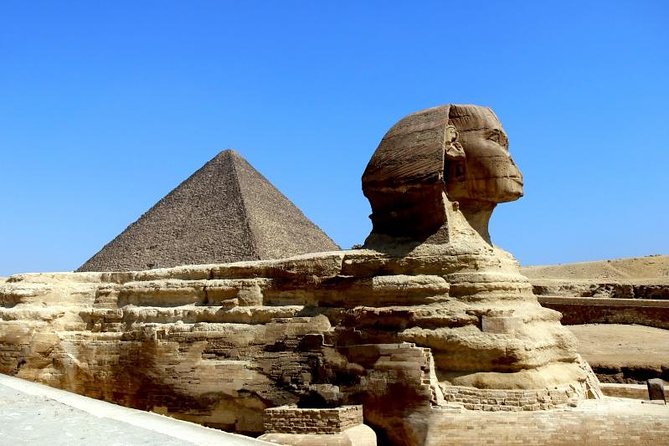
Your day starts with hotel pickup in Cairo or Giza, then a drive in an air-conditioned minivan to the Giza Plateau. Expect traffic to be part of the day—Cairo logistics are real—but having a driver who handles the streets reduces stress fast.
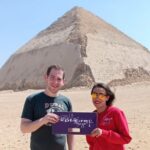
Once you’re at the plateau, your guide sets the scene for the main pyramids: Cheops, Khafre, and Menakaure. This is where the private guide earns their keep. You don’t just see three massive structures; you learn how they relate to pharaohs and royal tomb-building around 2,500 BC. Even if you’ve read about the pyramids, a guided “what you’re standing in front of” moment helps your brain stop treating them like generic icons.
You also get a photo opportunity after the main pyramid explanations, with the pyramids in the background and the Cairo skyline in view. It’s the kind of framing that’s hard to recreate later on your own without the right timing.
Entering the Pyramids and seeing the Sphinx: your main decisions
At Giza, the day basically splits into two landmark experiences: the pyramids and the Sphinx.
The pyramids: guided context plus optional inside entry
The tour includes the admission ticket time at the plateau. But if you want to go inside one pyramid, that’s an extra cost. The entry price is listed as 300 L.E. at the time given, and it’s described as changeable. Important detail: the guide is not permitted to accompany you inside, so you’re responsible for navigating that visit on your own once you head in.
If you like controlled experiences, this is still worth it. You get the story first, then you get to see the interior without your guide hovering—just don’t expect a guided explanation while you’re inside.
Camel rides: extra, with big views
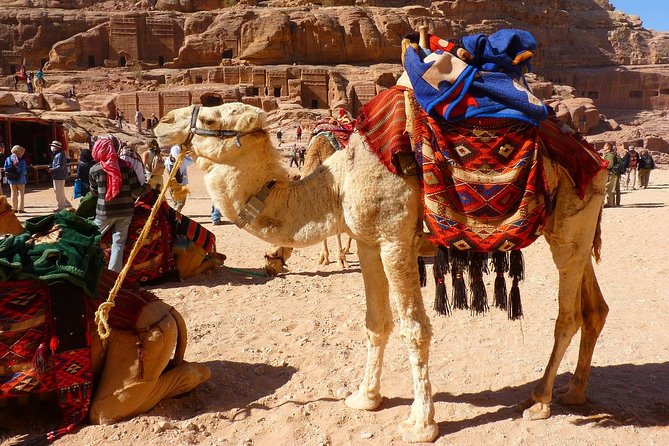
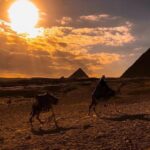
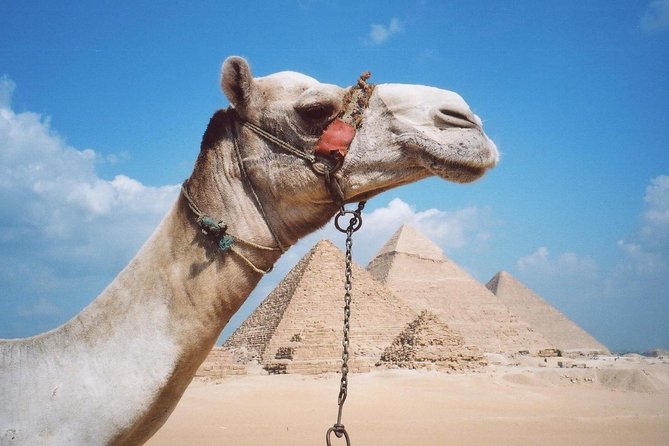
Camel rides at Giza are also extra. One of the practical reasons people choose camel time is the view sweep over central Cairo. If you’re doing it, plan for it to be a short add-on rather than a long, slow experience.


The Sphinx: the classic stop, made understandable
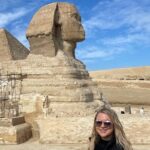
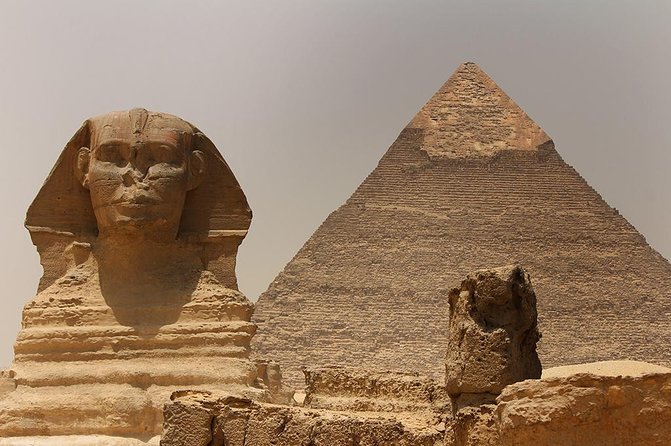
After pyramids time, the route continues across the plateau to the Sphinx. You’re at the base of one of Egypt’s most enigmatic symbols, and your guide connects it to what you’ve just learned about the plateau and royal construction. The Sphinx works best when you’ve already built a basic mental map of the Giza complex—this tour does that for you.
Solar Boat Museum upgrade: when it’s worth paying more
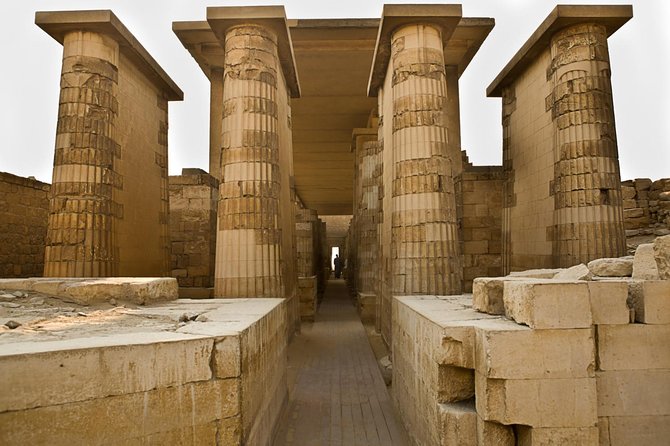
The Solar Boat Museum is offered as an upgrade. It’s described as the funerary boat of Khufu, and it’s framed as something archaeologists discovered and reassembled from remnants.
Is it worth it? For most people, the boat museum is one of those add-ons that can change your understanding of the site. Pyramids are all about monumental stone, but a boat burial detail makes the whole story feel more human and practical—less abstract, more real-world belief and ritual.
That said, there’s a reason you should check your confirmation. One negative account specifically complains that the boat museum wasn’t included and that they had to pay for their lunch separately. That doesn’t mean it will happen to you—but it does mean you should confirm in writing what your package includes, especially if you care about the Solar Boat Museum.
Saqqara Step Pyramid of Djoser: the older pyramid stop you’ll remember
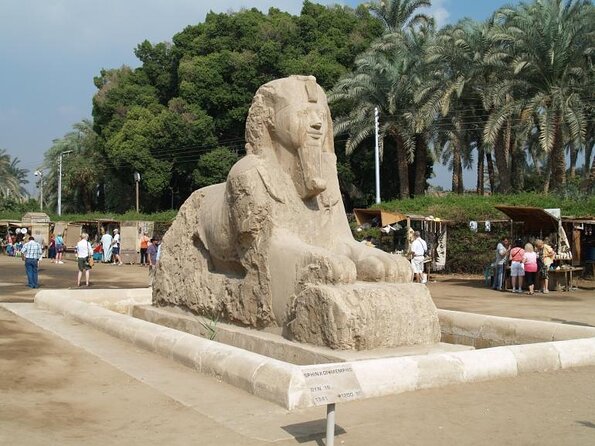
Then you drive to Saqqara (Sakkara), home of the oldest pyramid mentioned here, built around 2,650 BC. This is the part many first-time visitors underestimate, because everyone thinks they’ll get their pyramid fix only at Giza.
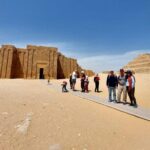
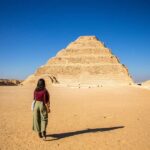
Here, the key structure is the Step Pyramid of Djoser, and your guide provides the brief history—what it is, who it was built for, and why it matters. The step shape is a different design language than the smooth-sided Giza pyramids, so you’ll likely feel like you’re watching architecture evolve rather than just touring a single famous monument.
You get time to explore at leisure after the guide’s intro. That free-walk time is important at Saqqara because you’re not just looking forward; you’re also reading the structure from angles that show how it was built.
Memphis and Ramses II: UNESCO ruins with a strong “wow” moment
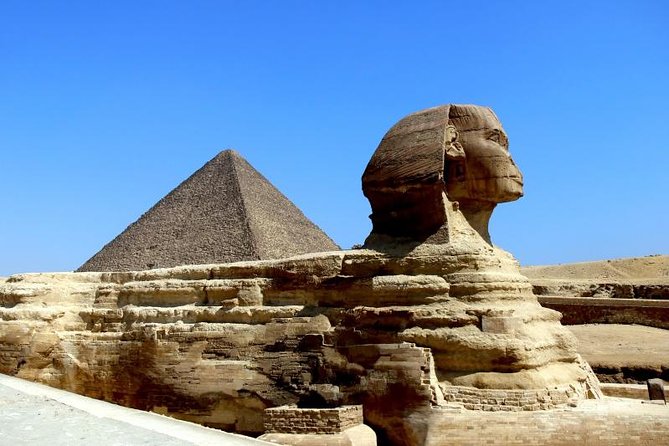
Next up is Memphis, described as Egypt’s ancient capital and administrative center until around 2,200 BC. This is where the day expands beyond tombs into the power center behind them.
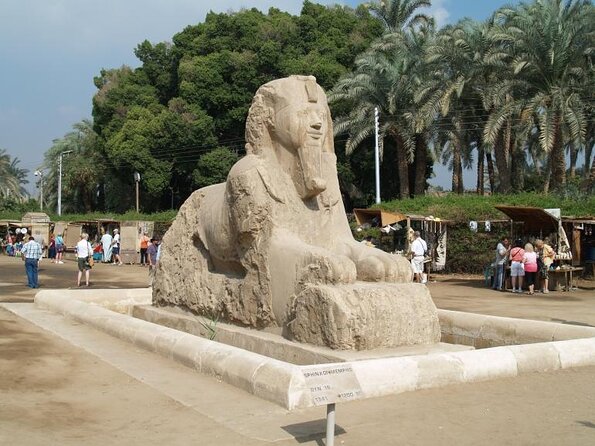
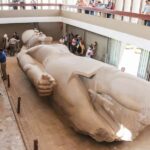
At Memphis, you view UNESCO-listed ruins and outdoor museum-style sculptures, including the fallen statue of Ramses II—the highlight here is the scale. A huge fallen face is hard to ignore, and it reframes what “ancient Egypt” means beyond pyramids and royal burials.
This stop also includes a papyrus component. You can visit a Papyrus Institute where you see papyrus painting in action. It’s one of those practical, tangible moments that turns ancient materials into something you can almost imagine being made today. If you want souvenirs, the art is available for purchase, but you’re under no obligation.
Food, papyrus, and the sales-pitch reality check
Lunch is a flexible piece of the puzzle. The basic tour includes lunch only if you select the lunch option. Otherwise, you’ll be on your own for meals and you might have to plan around your exact itinerary.
From the feedback you were given, food quality can swing. One person called the lunch average and suggested organizing your own food next time. Another said they did not eat at a restaurant because their guide focused on maximizing time and grabbed quick food during the ride. That tells you something useful: with a private guide, the day can be optimized toward time in sites, not time in dining.
Also be aware of Egypt’s shopping pressure. You’re likely to encounter people trying to sell things around tourist areas. One negative note mentions a high-pressure perfume pitch on the way back to the hotel. Again, you can’t control every random person near you, but you can control what you buy and what stops you agree to. If something like the boat museum matters, make sure it’s included in your plan. If lunch is important, pick the lunch option and confirm where it’s happening.
Price and timing: is $165.30 a good deal?
The listed price is $165.30 per person for a private tour covering four major stops across Cairo area sites. That price only feels fair if the core package holds up: pickup and drop-off, air-conditioned transport, an expert Egyptologist guide, and admission tickets where they’re stated as included.
What pushes the cost up are the choices where extras are common:
- inside pyramid entry (300 L.E. listed)
- camel rides
- Solar Boat Museum upgrade
- lunch if you don’t select the lunch option
- language supplement (a 1,000 L.E supplement applies to all languages except English, based on the info provided)
- possible transfer supplements if you’re outside certain regions
So here’s the value test I’d use: if you want a guide to explain the pyramids and you’re okay deciding in advance about add-ons like camel rides or the boat museum, this can be a good use of money for a first trip. If you’re cost-sensitive and plan to skip most extras, you’ll still get the main monuments, but you’ll want to manage the few paid choices carefully so you don’t get surprised mid-day.
Who this private tour fits best
This is a strong match for:
- people who want one guide explaining the whole route from Giza to Saqqara to Memphis
- couples and families who want a private pace instead of waiting on strangers
- anyone who cares about the differences between Giza’s pyramid era and Sakkara’s earlier Step Pyramid development
- visitors who want a quick, guided understanding without turning the day into a long museum marathon
It’s also a decent fit for first-timers because you hit three “must do” zones without needing to plan transport between them.
If you dislike optional add-ons or you’re allergic to shopping pressure, read your package carefully and set expectations early with your guide about what you want to see (and what you don’t).
Should you book? My practical decision guide
Book this tour if you want a private, guide-led day that connects the dots between the pyramids, the Sphinx, Egypt’s oldest pyramid concept at Sakkara, and the capital-city setting of Memphis—all in one 9:00 am start with pickup and transport handled.
Think twice or confirm details first if:
- Solar Boat Museum matters to you. Make sure your confirmation includes it, since one account reports it wasn’t included.
- you plan to enter a pyramid interior. That’s extra, and the guide won’t accompany you inside.
- lunch is part of your comfort plan. The lunch option isn’t automatic.
If you get the right guide for your style—people like Nermeen, Fouad, Ahmed Ali, Emmy Eman, Khalid, and Tariq are named in the feedback—this kind of day can feel like history with structure, not history with guesswork.
FAQ
What’s the duration of this tour?
It’s listed as about 6 hours (approx.).
What time does the tour start?
The start time is 9:00 am.
Do I get hotel pickup and drop-off?
Yes. The tour includes pickup from your hotel in Cairo or Giza and drop-off back at the end of the day.
Which sites are included?
You visit Giza Pyramids and the Sphinx, Saqqara (Sakkara), and Memphis.
Is this a private tour?
Yes. It’s described as a private tour, with only your group participating.
Are admission tickets included?
Admission tickets are shown as included for the main scheduled stops. However, entering inside a great pyramid is an additional cost.
Can I go inside a pyramid?
You can, but it’s an extra fee (300 L.E. is listed) and the guide is not permitted to accompany you inside.
Are camel rides included?
No. Camel rides at the Giza pyramids are listed as additional cost.
Is lunch included?
Lunch is included only if you select the lunch option. Otherwise it’s listed as additional cost.
Can I cancel and get a full refund?
Yes. The policy states you can cancel up to 24 hours in advance for a full refund.