REVIEW · LUXOR
Day Tour: Nefertari and King Tut’s Tombs, Valley of the Kings, Hatchepsut Temple
Book on Viator →Operated by Reflections Travel · Bookable on Viator
Luxor’s tombs tell one fast story. You get a private West Bank day that chains together Nefertari’s tomb, King Tut, the Valley of the Kings, and Hatshepsut’s temple, all with an Egyptologist who ties the sites into one afterlife narrative. What I like most is the practical setup: hotel pickup/return, an air-conditioned vehicle, and entry fees taken care of for you.
The other big win is pace control. You spend real time inside major tombs (about 25 minutes each at Nefertari and Tut) and then get a longer stretch for the Valley of the Kings (about 2 hours) plus Hatshepsut (about 2 hours). One thing to consider: this is a packed day, and the shorter tomb stops mean you’ll need to focus on what you came for, not everything you might want to see.
In This Review
- Key Things to Know Before You Go
- A Smart Way to See the West Bank in 6 Hours
- Nefertari’s Tomb: Valley of the Queens, Loved by Ramses
- King Tutankhamun’s Tomb: A 1922 Discovery and the Royal Mummy
- The Valley of the Kings: Where Afterlife Beliefs Fill the Time
- Deir el Bahari and Hatshepsut’s Temple: Power Through Diplomacy
- Price and Value: What You’re Really Paying For
- Guides Matter: When Hesham and Mohsen Set the Tone
- The Shopping Stop: Treat It as Optional Time
- Who This Tour Fits Best (and Who Might Want to Skip)
- Should You Book This Nefertari and King Tut West Bank Tour?
- FAQ
- What’s the duration of this day tour in Luxor?
- Does the tour include hotel pickup and return?
- Are entrance fees included for all the sites visited?
- Will I have bottled water during the trip?
- Is this tour private?
- Can I cancel for a full refund?
Key Things to Know Before You Go
- Hotel transfers included: you start and end back at the meeting point with an air-conditioned private vehicle.
- All entry fees included: tombs and temples on the route come with tickets built into the price.
- Egyptologist-led, not just guided: you’ll get context linking Nefertari, Tutankhamun, the Valley of the Kings, and Hatshepsut.
- Real viewing time at key tombs: about 25 minutes each for Nefertari and King Tut.
- Hydration covered: bottled water is provided during the trip.
A Smart Way to See the West Bank in 6 Hours
This tour is designed for people who want the West Bank highlights without spending your time figuring out logistics. Pickup and drop-off are included, and you’re in a private, air-conditioned vehicle for the connections between sites. That matters in Luxor, because travel time can eat your day if you’re trying to piece things together on your own.
The day runs about 6 hours, and the itinerary is built around time blocks that keep the momentum going. You’ll have two “tomb” stops at roughly 25 minutes each, then a 2-hour period to explore the Valley of the Kings, and another 2-hour visit to the Temple of Hatshepsut at Deir el Bahari. The structure is helpful: instead of rushing through everything with no context, you get short, focused tomb time and then longer stretches where you can absorb the bigger picture.
You’ll also have on-the-ground support. There’s assistance from representatives during your visit, plus a professional tour guide who leads the way. That combo helps you keep moving smoothly through ticketing and the site layout, especially if it’s your first time on this side of the Nile.
You can also read our reviews of more tours and experiences in Luxor.

Nefertari’s Tomb: Valley of the Queens, Loved by Ramses
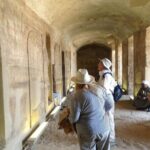
Your first stop is the Tomb of Queen Nefertari in the Valley of the Queens. In ancient Egypt, Nefertari wasn’t just a queen by marriage—she was treated like a major figure in her own right. The tour frames her as one of the most famous queens in ancient times, on a level with Nefertiti and Cleopatra, and it highlights her as the beloved wife of King Ramses the Great.
That matters because Ramses didn’t build a plain resting place. He built a tomb meant to communicate love and status—beautifully decorated and splendid, according to the tour narrative. For you, the practical payoff is simple: you’re not only looking at stone walls. You’re seeing a monument designed to project royal power, devotion, and afterlife beliefs.
You’ll spend about 25 minutes here, and admission is included. That short window can feel tight, but it’s also realistic. Tombs reward attention, and this kind of time limit keeps the visit from turning into a distracted slog. If you want the best experience, treat this stop like a targeted viewing mission: focus on the details your guide points out, then let the setting do the rest.
One consideration: because it’s 25 minutes, you won’t have time for a slow, catch-every-detail approach. If you’re the type who likes to read every inscription line-by-line, you might find this stop brisk.
King Tutankhamun’s Tomb: A 1922 Discovery and the Royal Mummy
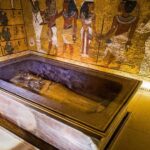
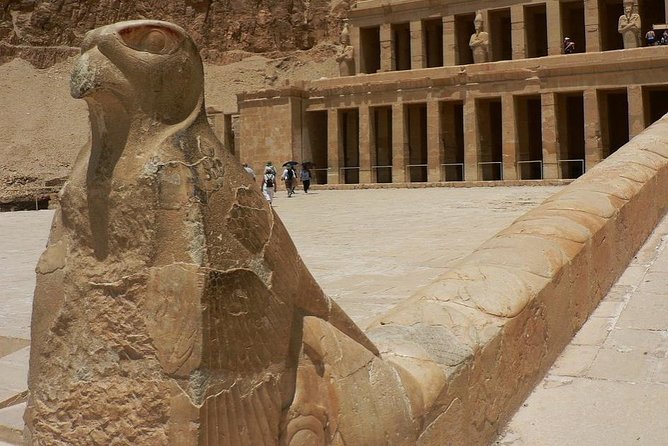
Next comes the Tomb of King Tutankhamun in the Valley of the Kings. This stop is famous for a reason that extends beyond the hype. The tour explains that Tutankhamun’s tomb is the only tomb in the Valley of the Kings that was discovered in 1922 by Howard Carter. That date is the key to understanding why the site became so globally significant so quickly.
You’ll also get a useful reality check about what you’ve likely seen in photos or museums. Tut’s famous golden mask is on display at the Egyptian Museum in Cairo, not inside the tomb experience you’re visiting here. Instead, inside the tomb, the focus is on the royal mummy of the young king.
You’ll spend about 25 minutes at this stop, with admission included. This is another “focused viewing” block, not a long wandering session. I like this approach because it pairs well with what comes next: the Valley of the Kings as a whole. You go from a single tomb story to the entire necropolis and afterlife belief system, instead of staying stuck in one room for too long.
Possible drawback: if you’re hoping for a very long, reflective visit inside the tomb itself, this format won’t match that. But if you’re aiming for a structured day that hits the big names and gives you the context to understand them, this timing is a reasonable trade.
The Valley of the Kings: Where Afterlife Beliefs Fill the Time
After Tut, you head into the Valley of the Kings, described as the majestic necropolis of the pharaohs. This is the stop where the tour shifts from “one tomb, one story” into a bigger scale picture of how ancient Egyptians thought about life after death.
You’ll have about 2 hours here, with admission included. The tour also notes that 63 tombs—both royal and unroyal—were discovered in this area. That detail matters because it expands your mental map. The Valley of the Kings isn’t just a highlight reel of a few famous rulers. It’s a whole afterlife ecosystem where status, belief, and burial culture all overlap.
The “why” behind the sightseeing becomes clearer here. The guide’s job is to help you understand that these tombs weren’t built for visitors; they were built for the afterlife. Even when you’re not reading a hundred lines of text, the theme comes through: these were spaces meant to protect identity, power, and continuity.
If you like structure, this is the sweet spot in the day. Two hours gives enough time to absorb the setting and to let your guide connect the dots between the tombs you’ve already seen and the broader network around you.
Deir el Bahari and Hatshepsut’s Temple: Power Through Diplomacy
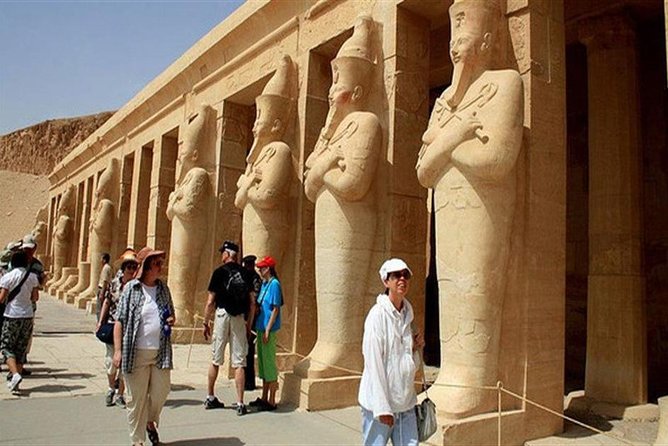
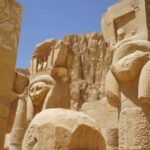
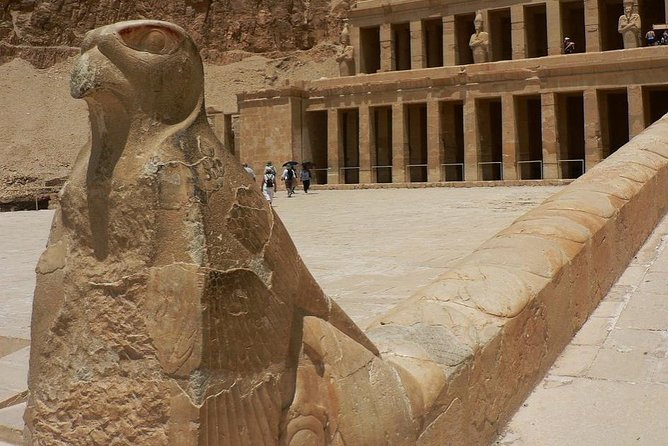
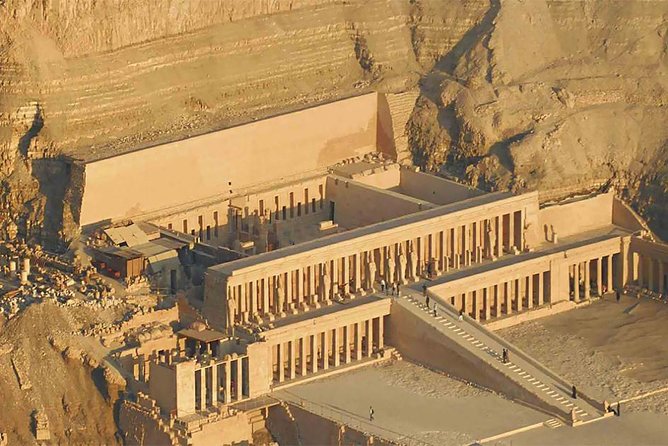
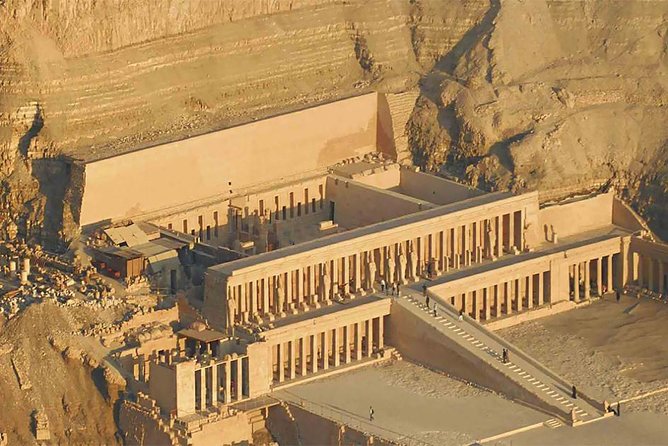
The final major site on the route is the Temple of Hatshepsut at Deir el Bahari. You’ll have about 2 hours for this visit, again with admission included. Compared with the tight tomb stops, this is a slower, more architectural experience—one where the story expands beyond individual rulers and into what Hatshepsut’s reign represented.
The tour highlights Hatshepsut as the first queen in history to send a diplomatic expedition to the land of Punt (Somalia). That detail isn’t just trivia; it’s a lens for understanding her legacy. It reframes Hatshepsut as more than a “woman pharaoh” as a label and more as a ruler tied to overseas connection and state-level ambition.
You’ll also learn about Hatshepsut’s role as one of the few women to play an important part in ancient Egyptian history. For you, that makes this stop feel like a counterweight to the tomb-focused earlier portion of the day. Yes, you’re still in a religious/afterlife landscape, but now you’re seeing how a queen translated authority into temple building, diplomatic reach, and public memory.
One consideration: temple time in Luxor is very dependent on weather and light. This experience is described as requiring good weather, so if conditions aren’t great, you may be offered another date or a full refund.


Price and Value: What You’re Really Paying For
The tour price is $235.90 per person, and it’s often booked about 84 days in advance on average. That booking rhythm is a sign of demand, and for you it’s a simple reason to plan ahead—especially if you want a specific date and you’re traveling during busy seasons.
Now, the real value question: what do you get for that price?
You get:
- Private air-conditioned vehicle transfers (pickup and return included)
- Hotel pickup/return to the meeting point
- An Egyptologist guide
- All entry fees for the sites on the itinerary
- Bottled water
- Service charges and taxes included
- A shopping tour built into the day
When admission and transport are bundled, you stop doing math mid-trip, and you avoid the common “surprise fees” headache. In other words, you’re paying for convenience plus expert context. That’s worth it if you’d rather spend your energy learning the story instead of tracking down tickets and figuring out routes between Valley of the Queens, the Valley of the Kings, and Deir el Bahari.
A small caution: tipping isn’t included, and the tour also lists personal expenses and optional tours as not included. So budget a little extra for what you might want beyond the planned stops.
Guides Matter: When Hesham and Mohsen Set the Tone
This is one of those tours where the guide can seriously shape your day. The route is packed, and the stops are short. If the guide can explain what you’re seeing and help you connect the tombs to the wider story, your time feels richer instead of rushed.
In particular, two guide names show up in the experience highlights: Hesham and Mohsen. The feedback around them points to real strengths—being patient, staying energetic, and sharing knowledge in a way that helps you enjoy the day. One theme is that the guide doesn’t just talk history; they help you keep the visit comfortable and organized. Even the driver is mentioned as part of the smooth day.
If you book this tour, think about what you’d like to understand most before you start. For example:
- Who each person is and why they mattered
- How tombs fit into afterlife beliefs
- What diplomatic reach meant for Hatshepsut’s power
Asking a couple of questions early in the day will pay off when you’re standing in the tombs and trying to translate what you see into meaning.
The Shopping Stop: Treat It as Optional Time
The itinerary notes a shopping tour is included. That can be a good use of time if you want simple, relevant souvenirs and you prefer not to hunt around on your own. It can also feel distracting if your priority is purely archaeology and you don’t care about buying anything.
My practical take: go in with a goal. If you want one small item (maybe a papyrus-style souvenir or a handcraft), use the stop to pick it out without turning it into a detour. If you don’t want to buy, treat it as a quick break and keep your attention on the sites that actually changed your perspective.
Who This Tour Fits Best (and Who Might Want to Skip)
This tour is a great match if you want a guided, ticketed day focused on the West Bank’s biggest names:
- Nefertari
- King Tutankhamun
- Valley of the Kings
- Temple of Hatshepsut at Deir el Bahari
It’s also ideal if you prefer structure. With hotel transfers, an air-conditioned private vehicle, included admissions, and a guide, you can stay in “visitor mode” instead of “logistics mode.”
You might consider a different approach if:
- You want long, slow time inside tombs
- You’re not interested in a shopping stop at all
- You dislike packed schedules where everything is scheduled down to time blocks
Should You Book This Nefertari and King Tut West Bank Tour?
If you want the highlights of Luxor’s West Bank with minimal hassle, I’d book it. The price is high enough that you should judge it by value, not sticker shock, and here the value is clear: entry fees and transfers are included, and you’re getting an Egyptologist guide to connect the dots between Nefertari, Tutankhamun, the Valley of the Kings, and Hatshepsut.
Book it especially if you’re short on time and you want the day to feel intentional rather than improvised. The only real reason to hesitate is the tight tomb timing—25 minutes each is designed to hit key moments, not to satisfy a slow, do-everything-in-one-room style.
If you’re traveling during a season where weather can be uncertain, keep an eye on conditions. This experience requires good weather, and rescheduling or a full refund is part of the deal if conditions fail.
FAQ
What’s the duration of this day tour in Luxor?
The tour lasts about 6 hours.
Does the tour include hotel pickup and return?
Yes. You’ll get pickup from your hotel and be returned to the meeting point at the end of the activity.
Are entrance fees included for all the sites visited?
Yes. Entrance fees for the tombs and temples on the itinerary are included.
Will I have bottled water during the trip?
Yes. A bottle of water is provided during the tour.
Is this tour private?
It’s private. Only your group participates.
Can I cancel for a full refund?
Yes. You can cancel up to 24 hours in advance for a full refund.