REVIEW · CAIRO
Private Tour: 10 Days Pyramids ,Nile Cruise & Hurghada by Air from Cairo
Book on Viator →Operated by Reflections Travel · Bookable on Viator
Egypt in 10 days is a sprint, not a stroll. I like how this private tour stitches together Cairo, a 3-day Nile cruise, and Hurghada downtime, so you get the big monuments without having to plan every leg yourself. I also like the human side: you get an Egyptologist guide, and the trip is built around private, door-to-door comfort with A/C transfers.
One thing to consider: the schedule is full and involves domestic flights plus long day trips. If you hate rushed days or want tighter communication, you’ll need to stay on top of timing with your representative.
In This Review
- Key things to know before you go
- Cairo airport to the first pyramid day
- Giza Pyramids, Sphinx, and Valley Temple with a private guide
- Egyptian Museum and the Tutankhamun collection stop you’ll remember
- Flying to Aswan: High Dam, Unfinished Obelisk, and Philae
- Abu Simbel: the long drive that can be worth it
- Nile cruise days: Kom Ombo and Horus at Edfu
- Luxor temples: Karnak and Luxor Temple in focused visits
- The West Bank trio: Valley of the Kings, Hatshepsut, and Colossi of Memnon
- Hurghada downtime: beach time with built-in flexibility
- Price and logistics: what $1,900 buys you (and what it doesn’t)
- Who this private package fits best
- Final call: should you book this Egypt package?
- FAQ
- What’s the duration of the tour?
- Where does the tour start and end?
- Is pickup from the airport included?
- Are domestic flights included?
- Is this tour private?
- What languages or types of guiding should I expect?
- Which major admissions are included?
- Is Abu Simbel admission included?
- What kind of accommodations are included?
- What meals are included?
- Is tipping included in the price?
Key things to know before you go
- Private, Egyptologist-led touring for the major temple and museum stops
- Cairo + Nile cruise + Hurghada in one package, with transfers handled for you
- Domestic flights included (Cairo to Aswan, then Hurghada back to Cairo)
- Many admissions included, but Abu Simbel admission is not
- All-in pricing feels high—but includes hotels, cruise, and lots of tickets, so value depends on what you’d pay separately
Cairo airport to the first pyramid day
The tour starts the moment you land at Cairo International Airport. A representative meets you and gets you into a hotel by A/C vehicle, then you’ll set expectations for pickup times so you can reset after travel. You’re not left guessing where to go next, which matters in a city that moves fast.
This first handoff is also where I’d watch for how communication works. One past traveler mentioned the experience started well in Cairo with a guide named Amir (praised for clear English), while the wider support team was harder to reach at times. The practical fix is simple: keep your phone ready, and have an easy way to contact your guide/driver if plans shift.
Your Cairo hotel stay covers multiple days with daily breakfast, so you have a real base before the big sights begin.
You can also read our reviews of more boat tours in Cairo



Giza Pyramids, Sphinx, and Valley Temple with a private guide
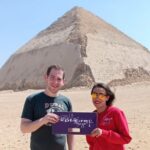
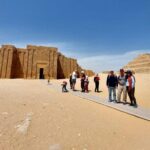
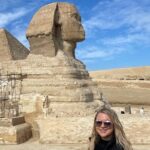
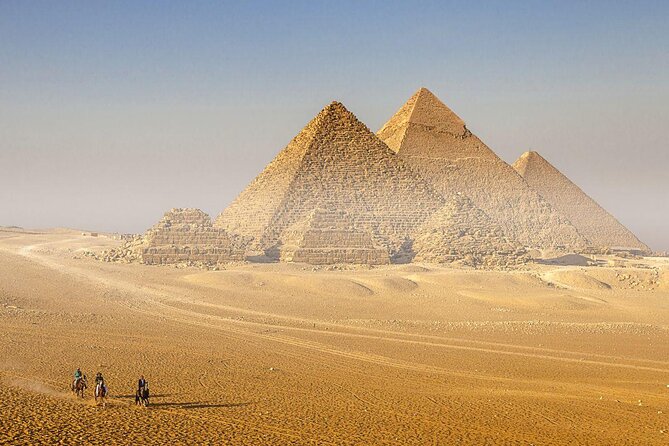
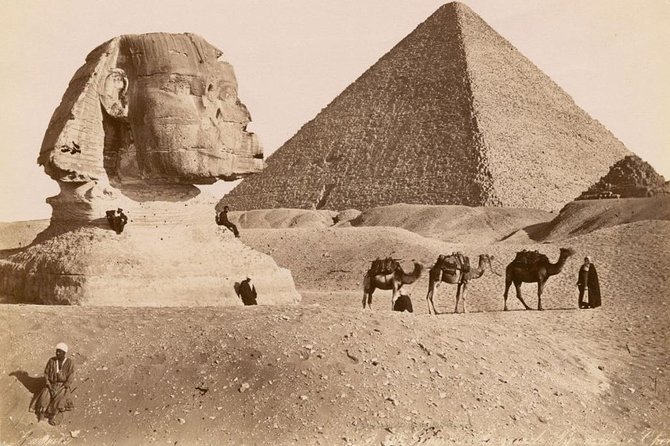
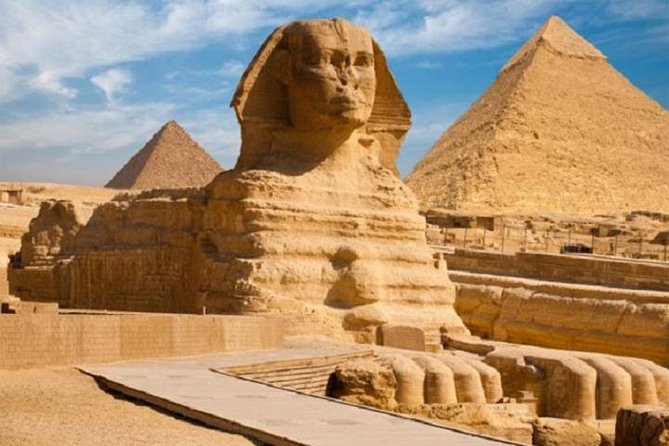
Your first major morning is the Pyramids of Giza: Cheops, Chephren, and Mykerinus, plus the Sphinx and Valley Temple. The tour block here is about 3 hours, and it’s exactly the right length to see the core views without feeling like you’re trapped in a long line for hours on end.
What a private Egyptologist adds is context. Even when you know the names, it helps to get a clear explanation of what you’re looking at—how the plateau layout works, why the Valley Temple matters, and what to notice when you’re standing at the Sphinx. This is where those guide-led details can turn photos into understanding.
Admission to the pyramids area is included, which saves you the hassle of figuring out ticket logistics on the spot.
Egyptian Museum and the Tutankhamun collection stop you’ll remember
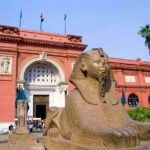
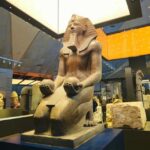
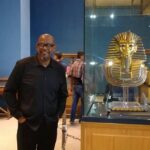
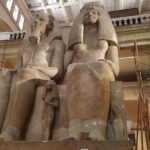
After breakfast and lunch, you head to the Museum of Egyptian Antiquities (the Egyptian Museum). This is listed as a 2-hour visit, and that’s a good time window for a highlights-style museum walk. You’ll spend real time with artifacts from the Pharaonic period, including the chance to see the Tutankhamun collection of treasure.
Museums can go either way: either you get the best pieces and move on, or you lose your whole day chasing small displays. With a guide-led plan, you’re more likely to hit the big anchors and still have energy later.
Lunch is built into the Cairo portion, and a bottle of water is provided during your Cairo trip—small things, but they help you avoid the fatigue tax that shows up when you’re sightseeing nonstop.
Flying to Aswan: High Dam, Unfinished Obelisk, and Philae
Day three shifts gears. You check out, transfer to Cairo airport, and fly to Aswan. On arrival, your personal guide meets you and takes you to the High Dam, then continues to the Unfinished Obelisk and Philae Temple (built for Isis).
This is a lot for one day, but it’s also a smart move: it turns Aswan into more than a hotel stop. The High Dam gives you modern Egypt context—an engineering project designed to manage the Nile’s annual floods. Then the unfinished obelisk adds the “how did they do it?” angle, because it shows stoneworking in progress rather than just finished monuments.
Philae Temple is the cultural counterweight, with its religious focus tied to Isis. Put together, these stops show how Egypt’s story spans both ancient belief and modern shaping of the river.
You also have accommodation for 1 night in Aswan, so you don’t just do day trips and rush back. That sleep matters before the long Abu Simbel day.
Abu Simbel: the long drive that can be worth it
On day four, you take a private A/C vehicle trip to Abu Simbel with a qualified Egyptologist guide. The two temples are presented as masterpieces of the New Kingdom era, and you’ll hear the UNESCO story: the temples were protected from flooding by moving and saving them.
This day is 8 hours, and that length is the main consideration. Abu Simbel is one of those places where the payoff can be huge—especially if you’re getting explanations from a strong guide—but your energy budget needs to be realistic.
Important detail: admission here is not included in the tour price you see. That means you should plan for an extra payment on the ground.
If you’re the type who gets cranky after a long car ride, consider keeping your expectations flexible. The day is structured, but it’s still a big transport day.
You can also read our reviews of more private tours in Cairo



Nile cruise days: Kom Ombo and Horus at Edfu
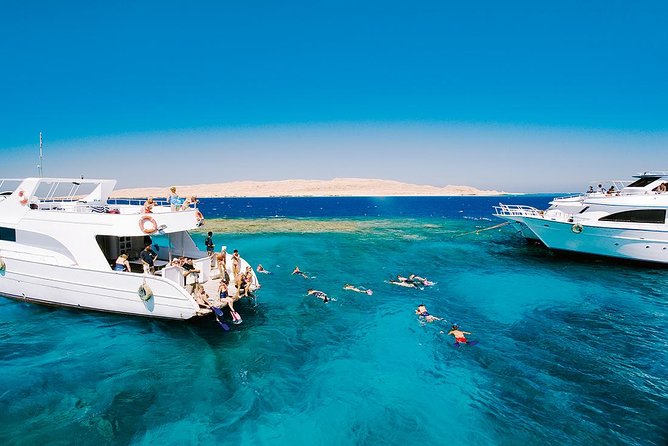
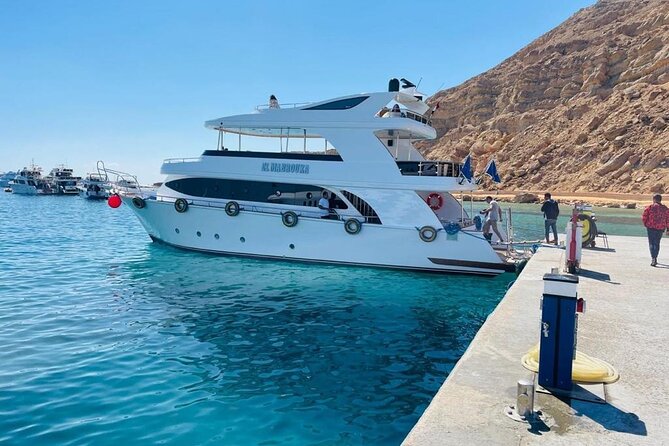
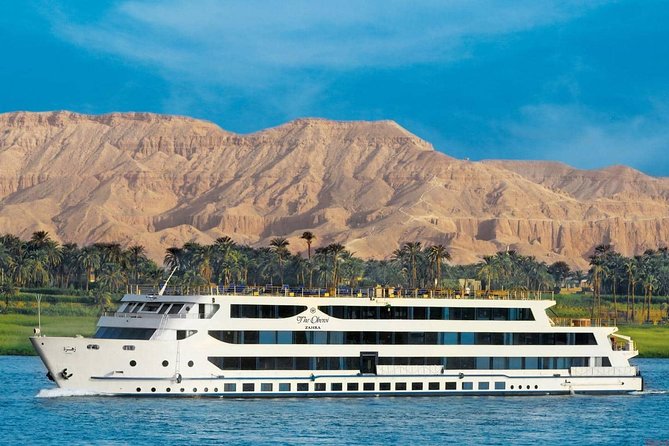
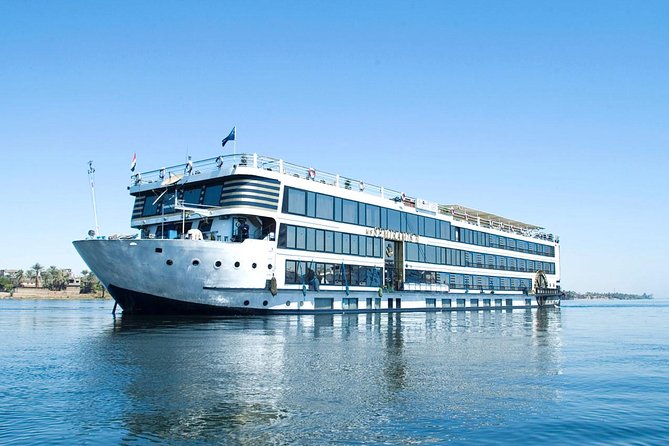
After the Abu Simbel day, your experience turns to river time with temple stops along the way. The cruise segment includes full board on the ship, and your sightseeing blocks are built into the sailing rhythm.
One stop is Kom Ombo, where you visit a temple shared by Sobek (crocodile god of the Nile) and Horus. It’s a good contrast stop: you see a temple with a dual-god structure rather than the single-focus temples that dominate other days.
Then you sail to Edfu for the Temple of Horus. The focus here is scenes and inscriptions tied to the sacred drama and the conflict between Horus and Seth. If you’re starting to feel temple fatigue, this is where a guide helps you reset—explaining why these stories show up in wall carvings and why they matter.
Admission for Kom Ombo and Edfu is included, which keeps this part of the budget tidy.
Luxor temples: Karnak and Luxor Temple in focused visits
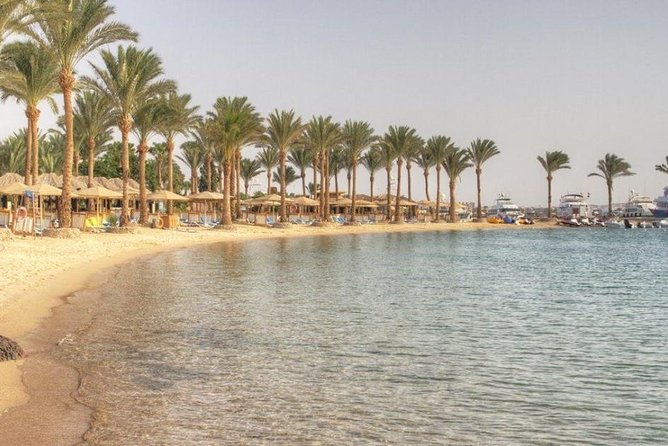
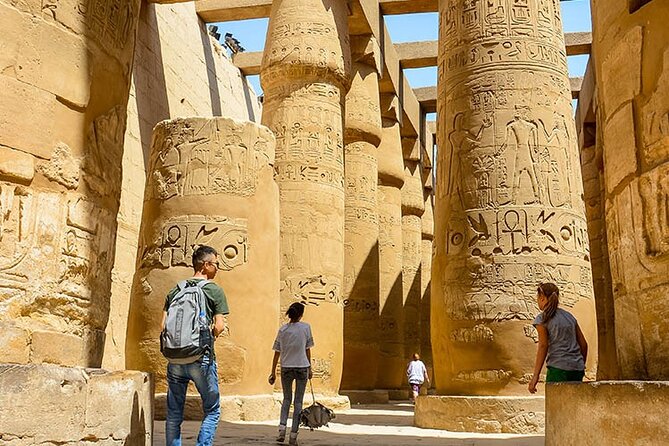
Luxor is where the tour switches from “ancient Egypt as individual monuments” to “ancient Egypt as a system.” You visit Karnak Temple first, dedicated to Amun and his wife Mut, then continue to Luxor Temple.
Karnak is often talked about as a giant complex, but in a time-bound visit, you want guidance on what to prioritize. The tour gives you a scheduled stop (about 2 hours) that’s long enough for the big visual anchors without turning the day into an endurance test.
Luxor Temple is then visited with attention to its construction history—built by Amunhotep III and completed by Ramesses II—and you also see the Obelisk of Ramses II in front of the first pylon. Those details are exactly the kind of “oh, that’s why it’s there” moments that photos can’t fully deliver on their own.
Admission to both Karnak and Luxor Temple is included, so you’re mainly paying attention to the experience—not ticket juggling.
The West Bank trio: Valley of the Kings, Hatshepsut, and Colossi of Memnon
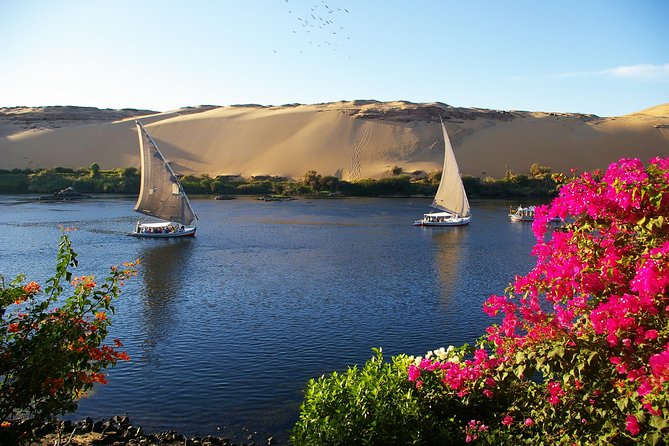
The next set of stops covers Luxor’s West Bank icons: the Valley of the Kings, Temple of Hatshepsut at Deir el Bahari, and the Colossi of Memnon.
The Valley of the Kings visit is about 2 hours. This is where you get the “royal tombs” story—how the Valley became a burial landscape for pharaohs. Even if you don’t go into every tomb (the tour lists the visit, not specific tomb entry), a guide’s narrative turns the valley into a timeline instead of a hillside of entrances.
Then you move to Hatshepsut’s temple, built by the only pharaonic woman named in this tour description. She ruled for about 20 years in the 18th Dynasty, and her temple design is the reason people remember this stop for years.
Finally, you see the Colossi of Memnon—twin statues of Amenhotep III. These don’t require long explanation to appreciate, but the guide context helps you place them in the broader Temple/Power landscape.
After these stops, you transfer to Hurghada. It’s a smart endcap: you finish West Bank sightseeing and then move into beach mode quickly, instead of stacking more temples and calls on the next morning.
Hurghada downtime: beach time with built-in flexibility
Hurghada is your reset. The tour gives you a free block of time for sightseeing or relaxation. You might take a submarine tour or just enjoy the beach and simple downtime.
The lodging here is 2 nights with all-inclusive soft drinks. That matters because it’s a light, low-decision part of the trip. After days of museums and temple circuits, you’ll appreciate not having to coordinate every meal and transport.
If you want one practical tip: treat Hurghada as your recovery zone. Sleep in a little, hydrate, and keep at least one afternoon low-key. You’ll thank yourself when the cruise memories start blending into one long ancient blur.
Price and logistics: what $1,900 buys you (and what it doesn’t)
At $1,900 per person for about 10 days, this tour is not a bargain. It is, however, the kind of package that can be a bargain for the right person.
Here’s what you’re getting that usually costs extra when booked separately:
- Round-trip transfers and A/C vehicle rides
- Domestic flights included (Cairo to Aswan; Hurghada back to Cairo)
- Hotel accommodations in Cairo (3 nights) with daily breakfast
- A 5 Nile cruise with full board for multiple nights
- Admissions to major sites like pyramids area, Egyptian Museum, Karnak, Luxor Temple, Valley of the Kings, Hatshepsut Temple, Colossi of Memnon, Edfu Temple, Kom Ombo Temple, Philae Temple, and the High Dam
- Egyptologist guide time across the key monuments
- All service charges and taxes
What you do not get:
- International flights into Egypt
- Entry visa
- Personal expenses
- Tipping
- Abu Simbel admission
- Any optional tours
So the value question comes down to this: would you otherwise pay for a private Egyptologist-led route plus hotels plus the cruise plus the internal flights? If the answer is yes, $1,900 can feel more reasonable because the “busy work” of planning is handled.
Also keep expectations aligned with the pace. Domestic flights plus long temple days mean you’ll be moving often. That’s fine for people who like structure, less ideal for anyone who wants lots of free time.
Who this private package fits best
I’d see this as a good match if you want:
- A private experience with guided explanations at the major sites
- Enough structure to cut through Egypt planning stress
- A balanced combo of temples + cruise + beach recovery
One helpful detail from past feedback is that the trip has worked for mixed ages, including families and grandparents, because it’s organized around timed blocks and transfers. That’s a sign the plan can work when different people need predictable logistics.
Also, guides can make a huge difference here. One Cairo guide named Amir was praised for English and clear site explanations. For the Aswan-to-Luxor portion, a guide named Waleed was praised for being prepared and for sharing real passion for ancient Egypt. That kind of guide leadership is exactly what you want in a place where names and dates can blur.
If you’re picky about communication, take a small proactive step: make sure you have a way to contact your team quickly. A SIM card was specifically recommended in past experience for staying in touch.
Final call: should you book this Egypt package?
I’d book this tour if you want a guided, stop-to-stop Egypt hit—Cairo monuments, Nile cruise temples, then a real breathing space in Hurghada—without building the logistics yourself. The included admissions and internal flights are a big part of the appeal, and the Egyptologist-led pacing helps you get more meaning from the time you spend at each site.
I’d think twice if you hate long days, dislike any chance of shop detours, or strongly prefer lots of unscheduled time. This schedule is full, and Abu Simbel is a long day with extra admission costs.
If your travel style matches structure—and you’re comfortable paying for that convenience—this is a solid way to see Egypt in one clean package.
FAQ
What’s the duration of the tour?
The tour is listed as approximately 10 days.
Where does the tour start and end?
It starts in Cairo and includes transfers back to Cairo for your final departure.
Is pickup from the airport included?
Yes. The tour includes meet-and-assist and pickup from airports/hotels with return transfers.
Are domestic flights included?
Yes. Domestic flights are included for Cairo/Aswan, Aswan/Hurghada, and Hurghada/Cairo.
Is this tour private?
Yes. It’s described as a private tour/activity, meaning only your group participates.
What languages or types of guiding should I expect?
The tour includes an Egyptologist guide during the tours.
Which major admissions are included?
Admission is included for the Egyptian Museum, Pyramids area, Karnak Temple, Luxor Temple, Valley of the Kings, Hatshepsut Temple, Colossi of Memnon, Edfu Temple, Kom Ombo Temple, Philae Temple, High Dam, and Unfinished Obelisk.
Is Abu Simbel admission included?
No. Abu Simbel admission is listed as not included.
What kind of accommodations are included?
You get 3 nights in Cairo with daily breakfast, 3 nights on a 5 Nile Cruise on full board, and 2 nights in Hurghada with all-inclusive soft drinks, plus 1 night in Aswan.
What meals are included?
The inclusions list breakfast (9), lunch (6), and dinner (5).
Is tipping included in the price?
No. Tipping is listed as not included.