REVIEW · LUXOR
Luxor Private Guided Tours to East & West Bank
Book on Viator →Operated by EMO TOURS EGYPT · Bookable on Viator
A Luxor day that lets you set the tempo. This private East and West Bank tour is built around big-ticket sights like the Valley of the Kings and Karnak, with the convenience of hotel pickup, bottled water, and a schedule that feels flexible instead of rigid. I like the round-trip transfer element that removes all the day-of hassle, and I also like that you can choose packages with or without a guide and with or without entry fees. One drawback to plan for: make sure your exact site list and ticket option are clearly confirmed, since not every experience runs exactly as advertised if plans get disrupted.
You’ll also want to be ready for an early, action-packed start. The plan is timed to hit the West Bank first, then cross over to the East Bank for Karnak and Luxor Temple, usually with an 8-hour overall window that’s long on monuments and short on downtime.
In This Review
- Key things to know before you go
- A private Luxor East-and-West Bank day that actually feels flexible
- Early West Bank timing: Valley of the Kings to Deir el-Bahari
- Valley of the Kings
- Deir el-Bahari area (Hatshepsut complex)
- Hatshepsut’s terraces: the mortuary temple that refuses to be boring
- Colossi of Memnon: short stop, memorable silhouettes
- Karnak Temple Complex: the labyrinth of Amun’s power
- Luxor Temple: finishing strong on the East Bank
- Price and value: why $15 can be either a bargain or a trap
- If your package includes guides and entry fees
- If your package is car-only
- Guides can make the monuments click (look for specific names)
- Make the day work for your pace, heat comfort, and photos
- So, should you book this Luxor East & West Bank private tour?
- FAQ
- What’s the duration of this Luxor East and West Bank tour?
- Do I get hotel pickup and drop-off?
- Is bottled water included?
- Can I choose a car-only option without a guide?
- Are entry fees included?
- Is lunch included?
- What sites are typically included?
- Is the tour private or shared?
- How early does the day start?
- Can I cancel and get a full refund?
Key things to know before you go
- Hotel pickup + bottled water means less friction before you even reach the first site
- Car-only or full-service options let you match your budget and comfort level
- Early West Bank timing helps you see tombs and temples while the day is still young
- Private group setup keeps the experience focused on you, not on a busload of strangers
- Guides are a major differentiator in the way the sites come to life (names praised include Sam, Salwa, Mahmoud, Ahmed Kassem, Gergis, Oraby, Mustafa, and Hakeim)
- Entry fees and lunch can be optional depending on your selected package
A private Luxor East-and-West Bank day that actually feels flexible
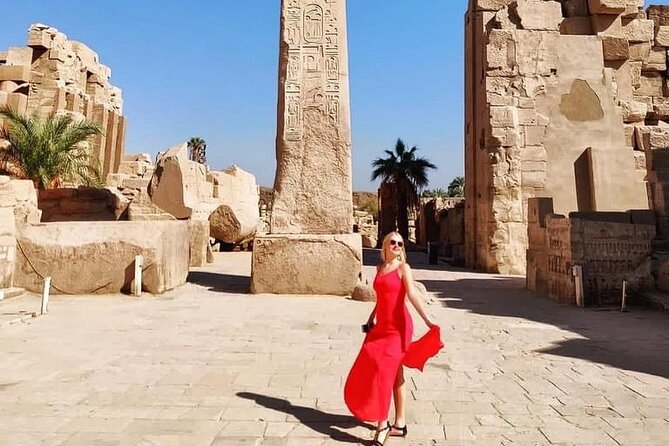
Luxor is one of those places where the sites are so famous that it’s easy to assume you’ll get a cookie-cutter day. This tour tries to avoid that. Even though the major stops are set, you can pick a package that includes a guide and tickets—or go more self-directed with just private transport.
For me, the sweet spot is choosing the level of help you want. If you love history and want someone to translate symbols and context into plain language, book the guided option. If you’d rather move faster and spend more time looking at architecture or taking photos, the car-only approach can work well. Either way, the experience is private, so you won’t be trying to keep up while your ride constantly shuffles strangers around.
Another small but real win: bottled water is included. In Luxor’s heat, that matters more than it sounds.
One more practical angle: this tour is described as 8 hours approximately. That’s a useful frame for planning your day—this isn’t a lazy half-tour. It’s a full-feel day built for people who want the highlights without spending nights on logistics.
You can also read our reviews of more guided tours in Luxor
Early West Bank timing: Valley of the Kings to Deir el-Bahari
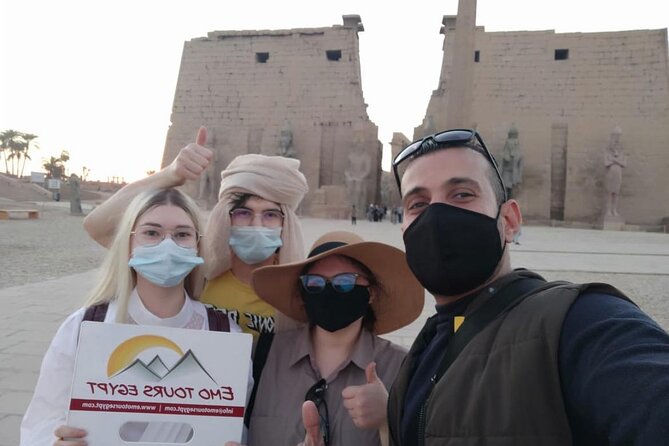
The day’s backbone is the West Bank. This is where Luxor’s ancient world gets heavy—literal tombs in the desert landscape, and mortuary temples carved right into cliff edges.
Your plan starts early (3:30 am is listed). That’s not just showy scheduling. Starting early helps you beat some of the worst heat and makes the sites feel less crowded in general terms. It also tends to make the day run smoothly, because Luxor Temple and Karnak on the East Bank usually need daylight to really read well.
Valley of the Kings
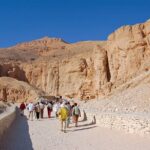
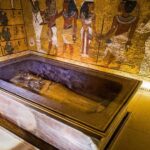
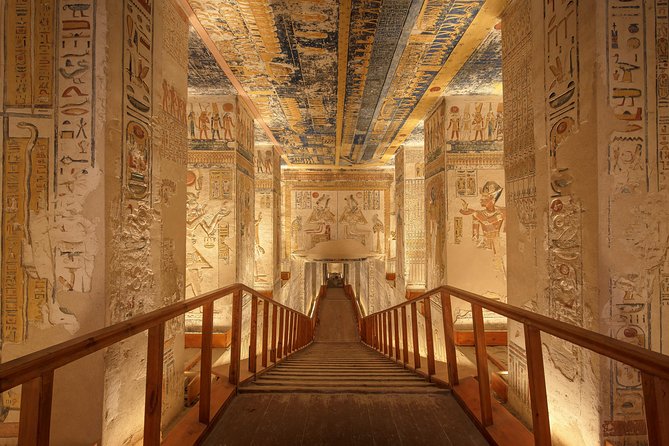
The Valley of the Kings stop is built as the first major tomb area visit, with about 2 hours allotted and admission included in many option sets. What you can expect here is tomb-focused time: walking the valley’s paths, visiting tombs from different dynasties, and getting a sense of how the Theban necropolis worked as a royal burial zone.
A practical tip: go in with a short list of what you care about most—wall scenes, royal names, architecture, or symbolism—then let your guide (if you have one) steer your attention. If you’re on the car-only package, you can still get value by deciding in advance what you want to see, because tombs and galleries can blur together if you don’t anchor your focus.
Deir el-Bahari area (Hatshepsut complex)
From the Valley of the Kings, the tour moves toward the Deir el-Bahari landscape—another stop that’s about 2 hours when the ticketed option is chosen.
Hatshepsut’s terraces: the mortuary temple that refuses to be boring
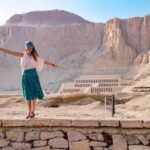
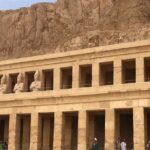
Deir el-Bahari is one of those places where you don’t just look at stone—you read a whole design idea. The mortuary temple of Hatshepsut (the Djeser-Djeseru) sits under the cliff, dedicated to Amun and built for Hatshepsut of the 18th Dynasty.
Here’s what makes this stop special in a practical way: the complex is layered and structured, so it naturally forces you to slow down just enough to understand the visual plan. You’ll see how the terraces align with the cliff and how the space feels staged, almost like a careful performance of power and devotion.
The temple is also known for modern restoration work. The Polish Academy of Sciences in Warsaw is responsible for study and restoration, and the temple’s condition has been shaped by long-term conservation efforts. That adds context to why you might notice work areas or changes over time.
If you score a great guide, this is where you’ll likely feel it most. People in the reviews praised guides for explaining hieroglyphs and temple meaning, and Hatshepsut’s complex is exactly the kind of site where that pays off.
You can also read our reviews of more private tours in Luxor
Colossi of Memnon: short stop, memorable silhouettes
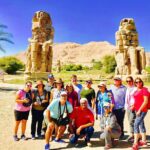
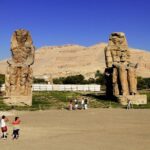
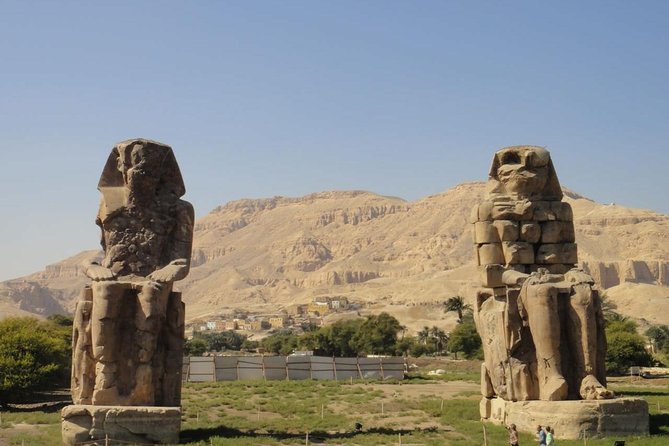
After Deir el-Bahari, the Colossi of Memnon stop is designed as a return-journey pause. It’s about 1 hour, usually with admission included in ticketed options.
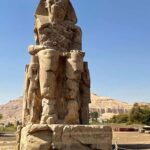
What you’ll see are two giant seated statues representing Amenophis III, facing toward the Nile. Even if you’re not a hardcore monument person, they’re hard to forget. The scale hits you immediately: you’re standing next to pieces of a larger-than-life world that were meant to anchor the landscape.
Because the stop is shorter, I’d use that time to do two things:
- Take wide photos that show the statues against the Nile side of the horizon.
- Then step back and look for details around the statues’ seating and proportions.
If you’re traveling with someone who finds tombs exhausting, this can be a welcome breather without feeling like you skipped anything important.
Karnak Temple Complex: the labyrinth of Amun’s power
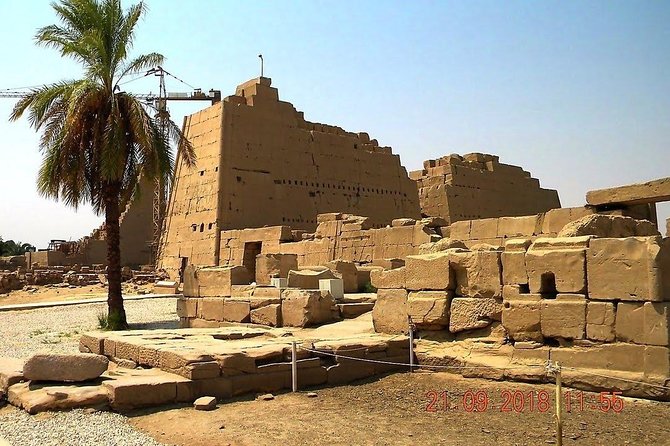
Karnak is where Luxor’s ancient worship becomes physical and overwhelming—in the best way.
This tour’s Karnak portion is set for about 1 hour (with admission included in ticketed options). You’ll likely start along the main approach area, then move through major parts of the complex such as:
- the Avenue of Sphinxes
- the Unfinished Propylon
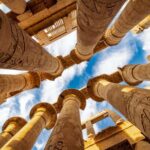
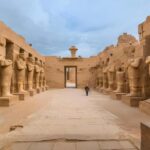
- the Hypostyle Hall with 134 giant columns
- obelisks associated with Hatshepsut and Thutmose III
- temple features decorated with lotus and papyrus designs
- the Sacred Lake area
The reason Karnak matters isn’t just that it’s large. It’s that the site is a timeline. Construction began in the Middle Kingdom era (around Senusret I), and work continued through the New Kingdom and even into the Ptolemaic period. So when you walk, you’re seeing the result of centuries of building choices, additions, and redesigns.
One more reason this stop is worth budgeting for: it rewards good guidance. Reviews praised guides like Sam and Salwa for making the sites click. Karnak is one of those places where context turns “many walls” into a readable story.
If you’re going car-only (no guide), still give yourself permission to move slowly on the Hypostyle Hall and ask at the site desk where you should prioritize photos. Don’t try to photograph everything. Pick the columns first, then work your way outward.
Luxor Temple: finishing strong on the East Bank
The last major stop is Luxor Temple, usually set for about 1 hour with admission included in ticketed options.
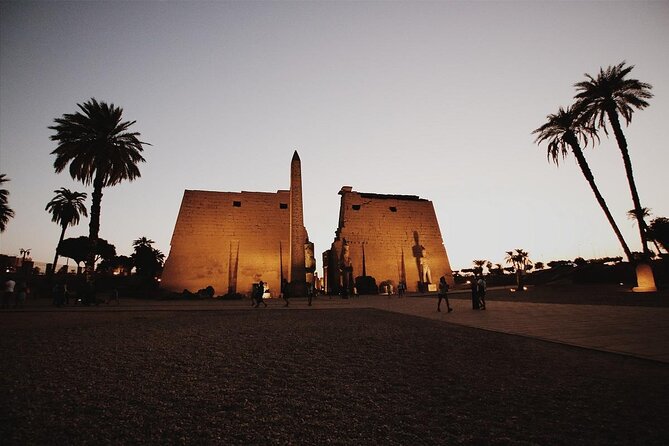
Luxor Temple is the kind of site that can feel different from Karnak. It’s more focused, more “center stage.” This tour approach includes time around:
- the Avenue of Sphinxes approach area elements
- the Unfinished Propylon
- the Hypostyle Hall area elements on the Karnak side (depending on timing)
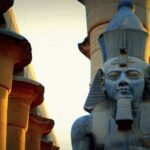
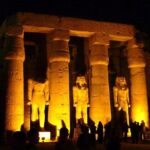
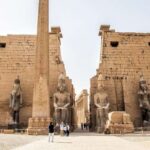
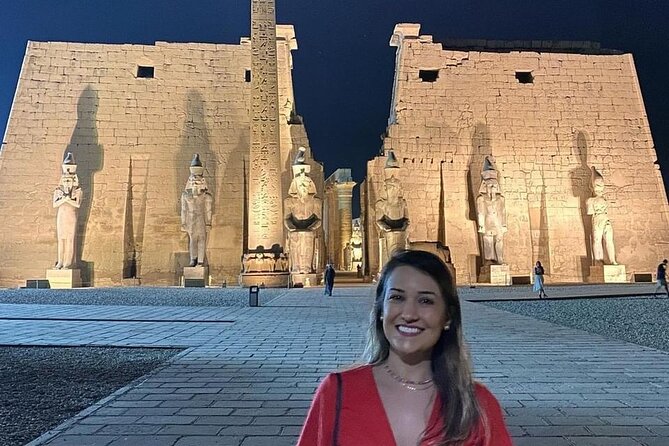
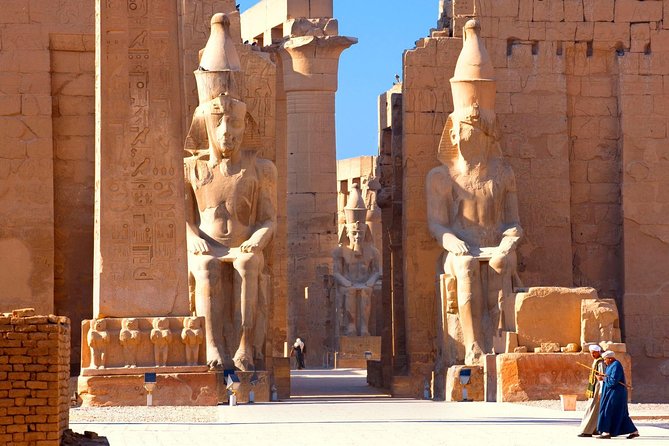
- then the Luxor Temple highlights, including statues connected with Ramses the Great
- additional temple details like granite scarabs and a Sacred Lake component, depending on the path you take
This part of the day tends to be your payoff moment: after temples and tombs on the West Bank, you get back to the East Bank’s ceremonial center. It’s a strong close because you can compare and contrast what you saw. Tombs and mortuary design on one side. Worship and state symbolism on the other.
If you’re a photo person, you’ll like the mix: monumental silhouettes early on, then temple geometry in the later part of the day.
Price and value: why $15 can be either a bargain or a trap
The price listed is $15.00 per person, but the value depends heavily on which option you pick. The tour is positioned as flexible, with packages available including:
- transportation (private)
- hotel pickup and drop-off
- bottled water
- possibly entry fees, depending on the tour option
- guide services, depending on the tour option
- lunch, which is optional
So here’s how you should think about the value.
If your package includes guides and entry fees
Then $15 can be a strong deal in practical terms, especially because the biggest “hidden effort” you’d otherwise pay for is transportation and time coordination between the East and West Bank. You also get the benefit of someone translating the experience into meaning.
If your package is car-only
You may still get value, especially if you’re confident navigating what you want to see and you don’t need a lot of historical framing. But in that scenario, entry fees and any guide time become separate costs. You’ll want to budget for those and confirm which areas are covered by the included admission.
Either way, private transportation is part of the appeal here: it keeps you from fighting the day’s moving pieces.
One more value note from reviews: people praised certain drivers for being friendly and patient, and that matters when you’re doing an early start and moving between multiple sites. A smooth pickup and a comfortable vehicle can make or break the day.
Guides can make the monuments click (look for specific names)
This tour really depends on the human element if you choose a guided package. Reviews highlighted guides with strong teaching style and a warm demeanor, including:
- Mr. Bahgat (professional, knowledgeable, and story-focused)
- Ahmed Kassem (flexible, catered to priorities)
- Mahmoud (kind, helpful, especially good with hieroglyphs)
- Gergis (excellent timing and a great introduction to key sites)
- Sam (organized, with clear explanations)
- Salwa (passionate and very engaging)
- Oraby (friendly humor and helpful photography)
- Mustafa (extremely knowledgeable)
- Omar / Ahmed Omar (history and culture passion)
- Hakeim (helpful and accommodating)
You don’t control who you get, of course. But you can control one thing: if a guided package is in your plan, be ready with what you want. Tell your guide your pace, your favorite dynasty or theme, and whether you want more time for photos or explanations. When a guide knows your priority, the day feels personal.
Also, don’t ignore the driver’s role. People appreciated drivers for keeping the schedule smooth and handling the practical parts so the guide can focus on the sites.
Make the day work for your pace, heat comfort, and photos
Luxor can be intense. To get the most out of an 8-hour plan, I’d think about your day like this:
1) Start early with a real plan
If you’re leaving your hotel very early, set out what you’ll need the night before: water, sun protection, and anything you want for tomb interiors (if applicable).
2) Decide how much you want to read
If you love hieroglyphs and symbolism, choose the guide option and ask questions as you go. If you mostly want to see and photograph, you can keep the guide light and just use them for the essentials.
3) Use the short stops strategically
Colossi of Memnon is short. Karnak can feel like a maze. Luxor Temple is a good closer. Spend your attention where it will pay off most.
4) Expect the day to be active
This is not a slow cultural stroll. It’s monuments in sequence, with transportation between them. Build your day around that.
And one last practical mindset: if you care that the day hits every scheduled stop, confirm it clearly the day before. Some negative experiences in the wider market mention incomplete days due to miscommunication. You don’t need to panic—just be organized.
So, should you book this Luxor East & West Bank private tour?
I’d book it if you want a classic Luxor highlights day with private transportation, hotel pickup, and the option to upgrade to a guide and included entries. It’s especially a good fit if:
- you’re short on time and want the major names (Valley of the Kings, Hatshepsut, Karnak, Luxor Temple)
- you prefer not to juggle taxis and ferrying between banks
- you’d like the flexibility to choose guide depth and whether lunch is worth adding
- you appreciate that great guides make monuments feel understandable, not just impressive
I’d be a little cautious if you’re the type who needs a perfectly exact, locked schedule with no changes. In that case, confirm your included items and tickets in writing so you’re not relying on vague expectations.
Overall, this is a practical way to get the East and West Bank highlights in one day, with comfort built in and a realistic timeline.
FAQ
What’s the duration of this Luxor East and West Bank tour?
It’s listed as about 8 hours.
Do I get hotel pickup and drop-off?
Yes. Hotel pickup and drop-off are included.
Is bottled water included?
Yes, bottled water is provided.
Can I choose a car-only option without a guide?
Yes. The tour offers options with or without guide services.
Are entry fees included?
That depends on the tour option you choose. Entry fees can be optional, and when included they cover basic areas.
Is lunch included?
Lunch is not included, though it can be added as an optional item.
What sites are typically included?
The core stops are the Valley of the Kings, Deir el-Bahari (Temple of Hatshepsut), the Colossi of Memnon, Karnak Temple, and Luxor Temple.
Is the tour private or shared?
It’s private. Only your group participates.
How early does the day start?
An early start is listed, with a 3:30 am start time mentioned for the schedule.
Can I cancel and get a full refund?
You can cancel up to 24 hours in advance for a full refund.