REVIEW · LUXOR
Karnak and Luxor Temples Tours in Luxor
Book on Viator →Operated by Hello Egypt Tours · Bookable on Viator
Ancient gods, easy logistics. This private East Bank tour strings together Karnak Temple and Luxor Temple in about 5 hours, with pickup and bottled water so you can focus on the monuments, not the maze. One heads-up: temple ground can be uneven, and you’ll be walking more than you think, so wear solid shoes and plan for moderate effort.
What I really like here is the human touch. With Hello Egypt Tours, you’re not just dumped at a ticket desk. You’ll have a dedicated guide you may meet as Mohammed or Zacarias, and the owner Gad is reported to be actively checking the details so the day runs on track.
In This Review
- Key Things to Know Before You Go
- East Bank Half-Day: Karnak Plus Luxor Temple in One Plan
- Price and Logistics: What the $50 Covers (and Why It Feels Fair)
- Hotel Pickup That Saves Your Brain Cells
- Stop 1: Karnak Temple and the Amon, Mut, Khonsu Triangle
- Karnak’s main consideration: give yourself time
- The “Festival Paints” Connection to Luxor Temple
- Stop 2: Luxor Temple with Amunhotep III and Ramesses II
- Luxor Temple’s main advantage: easier pacing
- Private Transportation: Clean Ride, Direct Route, Less Waiting
- What You’ll Walk Through (and What to Watch For)
- When This Tour Makes the Most Sense for You
- Weather, Timing, and Staying Comfortable
- Quick Notes on Tickets and Confirmation
- Should You Book This Karnak and Luxor Temples Tour?
- FAQ
- How long is the Karnak and Luxor Temples tour?
- Do I get hotel pickup in Luxor?
- Are admission tickets included?
- Does the tour include bottled water?
- Is this a private tour?
- What type of ticket do I need?
- What is not included in the price?
- What happens if the weather is poor?
- Can I cancel for a full refund?
- Is there a physical fitness requirement?
Key Things to Know Before You Go
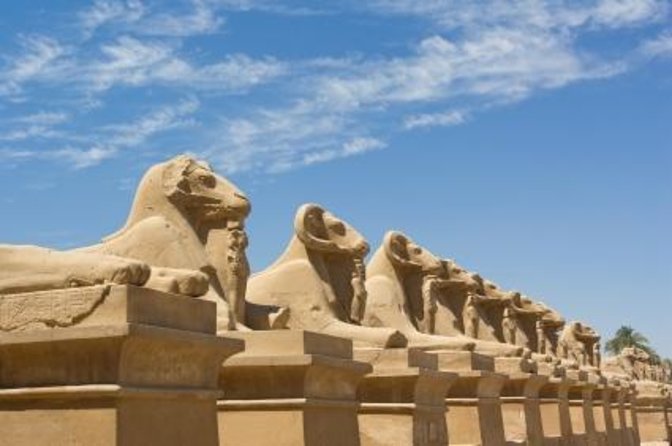
- East Bank focus: You’ll see Karnak and Luxor Temple, both on Luxor’s East Bank where most first-time temple magic happens.
- Private, not a shuffle: This is a private tour, so it’s only your group. No weaving through strangers.
- Admission included: Entrance tickets are part of the package, so you’re not doing surprise add-ons at the gate.
- Guided by Amon connections: Karnak covers Amon and his close circle (Mut and Khonsu), then you continue to Luxor Temple’s Amunhotep III and Ramesses II link.
- Bottled water provided: It’s small, but in Luxor heat it matters.
East Bank Half-Day: Karnak Plus Luxor Temple in One Plan
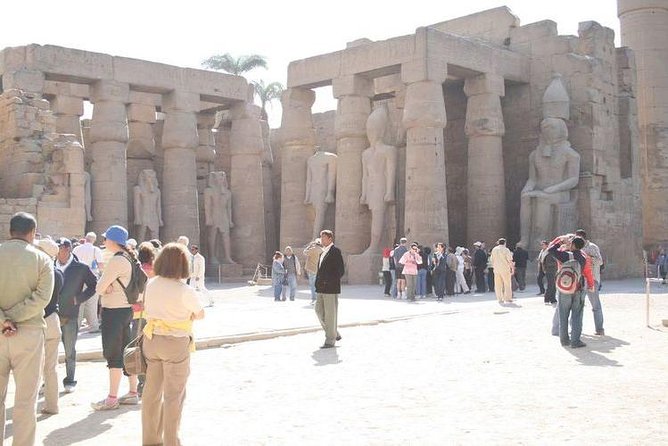
If you’re only going to spend one day on Luxor’s East Bank, this tour is the practical way to do it. Karnak is huge, Luxor Temple is smaller but still powerful, and doing them back-to-back gives you a fuller picture of how these places worked together. You’re basically watching the story of Thebes unfold across two connected temple worlds.
The format is also beginner-friendly. Hotel pickup means you skip the awkward part where you’re trying to figure out transport before you’ve even had your first sit-down coffee. Then you settle in for a guided route, with bottled water to keep the day from turning into a dehydration math problem.
Still, don’t treat this like a museum stroll. Temple interiors and courtyards mean walking, stairs, and time outside. The tour notes a moderate physical fitness level, which is fair: plan your pace and bring sunscreen.
You can also read our reviews of more tours and experiences in Luxor.


Price and Logistics: What the $50 Covers (and Why It Feels Fair)
At $50 per person for about 5 hours, the value is mostly in what’s bundled. You’re getting private transportation, all fees and taxes, and bottled water, plus admission tickets for the sites you visit. For many Egypt temple days, the cost balloons when you add transportation and entrance fees separately. Here, the package approach keeps it predictable.
It’s also a smart fit if you want a calmer experience. Private transportation and a private route usually mean less time waiting around and more time actually seeing the temples. And since this is a mobile ticket experience, you’re not stuck juggling paper tickets in the heat.
The only extra you’ll typically plan for is the tip. That’s standard in Egypt-style guiding, and it’s the one line item you should budget for if you want the day to feel smooth all the way through.
Hotel Pickup That Saves Your Brain Cells
The pickup is offered, and that changes how the day feels. In Luxor, the easiest mistake is losing time to “figure it out” logistics. Pickup means you start temple time sooner, and your guide can set the tone from the first moment.
Because it’s private, your schedule is more flexible than a big group bus plan. You can move at a pace that works for your photo rhythm, your water breaks, and your interest level in inscriptions and temple layout. You’re not trying to keep up with someone sprinting ahead to the next doorway.
One small practical note: the tour description says it’s near public transportation. That’s mostly reassuring, not something you need to rely on. The point is that your day is built around private transport.
Stop 1: Karnak Temple and the Amon, Mut, Khonsu Triangle
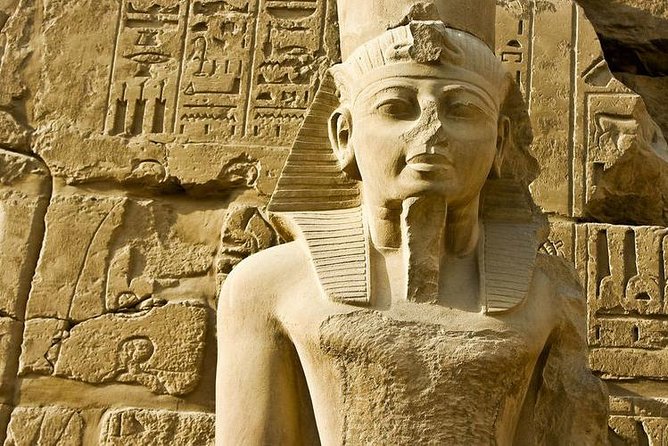
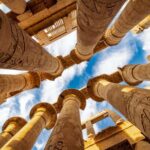
Karnak Temple is the reason many people fall hard for Luxor. It’s described as containing the largest ancient complex in the world, and the scale isn’t just marketing. Even before you focus on details, you feel the sheer sprawl—courtyards, halls, columns, and layered temple zones.
On this tour, you don’t just pass through. You visit Karnak Temple connected to God Amon, Mut (Amon’s wife), and Khonsu (their son). That matters because it gives you a framework. When you understand who these spaces honor, the layout makes more sense than random stone blocks.
You’ll also notice the paintwork. The tour highlights amazing paintings of various plants and animals. Even when some colors are faded, the surviving sections help you picture what the temple looked like when it was alive with festival activity. Karnak isn’t only about giant structures. It’s about the visual language—symbols, scenes, and nature imagery used as meaning.
Karnak’s main consideration: give yourself time
Karnak can overwhelm you if you try to see everything at once. You’ll likely spend more time inside than you expect, even if the tour is timed. So here’s my advice: don’t aim to photograph every pillar. Pick a few zones, take notes in your head, and let your guide connect the dots between temples and the religious purpose.
If you want a fast hit, you can do it. If you want the full payoff, you’ll want to slow down at the moments your guide points out.


The “Festival Paints” Connection to Luxor Temple
This tour doesn’t treat Luxor Temple as a separate stop. It links the two places through a yearly religious journey theme—when God Amon is said to travel to the Luxor Temple. That theme shows up in the way you’re guided through the murals and painted festival elements.
It’s a useful way to see the East Bank as a system, not two unrelated sites. Karnak is the giant engine room of worship. Luxor Temple is a major destination and ceremonial stage. When you connect that idea, your visit stops feeling like sightseeing and starts feeling like context.
And yes, it helps for first-timers. You don’t have to be an Egypt scholar to follow the story. Your job is to look at what’s in front of you and listen for the connections your guide highlights.
Stop 2: Luxor Temple with Amunhotep III and Ramesses II
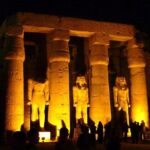
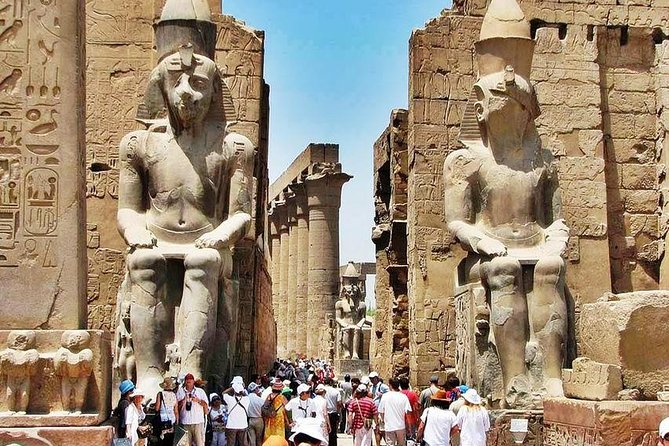
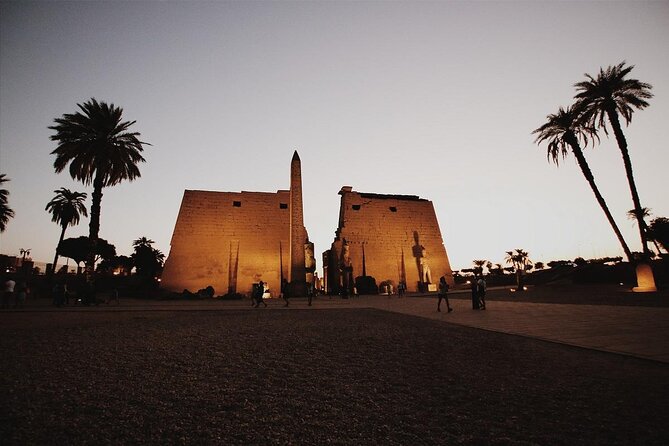
After Karnak, you head to Luxor Temple, dedicated to Amunhotep III and completed by King Ramesses II. That name pair is a good clue: you’re seeing layers of royal ambition and temple building across reigns, which is common in Egypt’s big monuments.
Luxor Temple is described as the large Ancient Egyptian temple located on the East bank in Luxor. That’s true, and it also means it’s more digestible than Karnak. The scale feels more approachable, and you can focus more on the scenes, doorways, and ceremonial spaces that define the temple’s character.
The tour notes watching the paintings connected to the festival where God Amon journeys to Luxor Temple each year. In practice, that means your guide is likely steering your attention toward wall details that tell the story, not just the big outer views.
Luxor Temple’s main advantage: easier pacing
If you found Karnak “too much” in the best way, Luxor Temple is a relief. It tends to be easier to enjoy without losing your bearings. You can spend time lingering where you see festival themes and ceremonial imagery, and then you’re ready for the drive back while your brain still feels engaged, not fried.
Private Transportation: Clean Ride, Direct Route, Less Waiting
The tour includes private transportation, which is part of why the whole day feels smoother. You’re not spending half your time coordinating or watching time disappear while everyone regroups.
Private transport also helps you get from Karnak to Luxor Temple without the typical mid-day scramble. Even if traffic isn’t a huge issue, time matters. Temples take longer than you plan because there’s always one more doorway, one more symbol, one more painted section worth stopping for.
This is also why the tour’s length works. About 5 hours is long enough to do both temples properly, but short enough to keep energy for photos and questions.
What You’ll Walk Through (and What to Watch For)
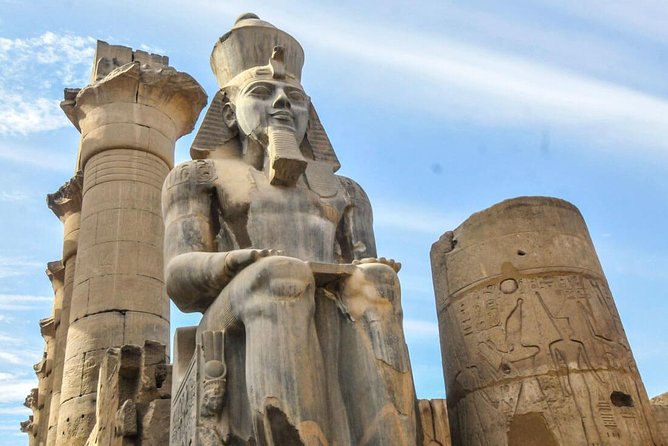
Based on the way the tour is described, you can expect a guided route that blends major temple identity with specific religious connections. At Karnak, your attention is guided toward Amon and the Amon family circle—Mut and Khonsu—and toward the painted plant and animal imagery. At Luxor Temple, the focus shifts to Amunhotep III, Ramesses II, and the festival journey theme.
So what should you watch for while you’re there?
- Look for symbols and scenes tied to the names your guide mentions (Amon, Mut, Khonsu).
- Spend a little extra time on painted wall areas, since those are highlighted in the tour description.
- When you hear the festival journey idea, use it as a lens: ask yourself how the spaces might have been used for a ritual movement from one temple to the other.
This isn’t about memorizing dates. It’s about making your eyes do something useful.
When This Tour Makes the Most Sense for You
This is a strong choice if you want:
- A first-time East Bank day that covers both Karnak and Luxor Temple without needing to plan transport.
- A private format, especially if you prefer fewer people around you for photos and questions.
- A temple route that includes religious context, not just a checklist.
It may be less ideal if you hate walking or you’re expecting a super short, sit-and-stare experience. The tour expects moderate physical fitness. Also remember: it’s an outdoor-heavy day. Heat and sun can change your tolerance faster than your schedule can.
Weather, Timing, and Staying Comfortable
The tour requires good weather, which is a real point for Luxor. If conditions aren’t right, you may be offered a different date or a full refund. That’s not something you control, but it’s helpful to know when you’re planning your Egypt dates.
For your part, you’ll enjoy the day more if you’re ready for sun and stone. Wear breathable clothing, bring sunscreen, and keep water habits steady. Bottled water is included, but it’s still smart to ration based on how you personally handle heat.
Also, aim to arrive with a clear mindset. Temple visits can feel repetitive if you’re rushing. If you go in asking one question—How do Karnak and Luxor Temple connect?—your experience will feel more coherent.
Quick Notes on Tickets and Confirmation
You’ll receive confirmation at the time of booking, and you’ll use a mobile ticket. That makes the experience feel modern and low-stress, especially if you’re juggling multiple days in Egypt.
The tour also allows service animals, and it’s near public transportation, though your day is primarily built around pickup and private transport.
Should You Book This Karnak and Luxor Temples Tour?
If you want one strong East Bank day that covers the headline temples with admission included, private transportation, and a guide who can connect Karnak’s Amon setting to Luxor Temple’s royal and festival themes, I’d say this is a smart booking. The $50 price makes sense because the essentials are bundled, not tacked on later.
Book it if you like structured sightseeing with room for questions, and if you’re okay with a moderate walking day. Skip it only if you’re looking for a very light, slow, mostly indoor experience—or if you want to do the temples entirely on your own at your own pace. For most people visiting Luxor for the first time, this hits the sweet spot.
FAQ
How long is the Karnak and Luxor Temples tour?
The tour duration is listed as approximately 5 hours.
Do I get hotel pickup in Luxor?
Pickup is offered, and the representative will pick you up from your hotel in Luxor.
Are admission tickets included?
Yes. The itinerary notes admission ticket included for the temple visits.
Does the tour include bottled water?
Yes, bottled water is included.
Is this a private tour?
Yes. It’s a private tour/activity, and only your group will participate.
What type of ticket do I need?
The tour uses a mobile ticket.
What is not included in the price?
Tips are not included.
What happens if the weather is poor?
The experience requires good weather. If it’s canceled due to poor weather, you’ll be offered a different date or a full refund.
Can I cancel for a full refund?
You can cancel up to 24 hours in advance of the experience for a full refund.
Is there a physical fitness requirement?
The tour notes that travelers should have a moderate physical fitness level.