REVIEW · LUXOR
Explore the history and treasures of Luxor on a full-day tour
Book on Viator →Operated by Horus Tours In Egypt · Bookable on Viator
A fortified village in the middle of Egypt’s temples—what’s not to love. This private full-day Luxor route is built to hit the biggest East Bank highlights and the West Bank tombs without wasting your time. I like the fact that you get an Egyptologist guide plus a private, A/C vehicle, so the day feels efficient, not rushed. I also like that the itinerary includes several tombs for a well-rounded look at royal burial art. One thing to consider: most entry fees aren’t included, and it’s still a long 9 to 10 hour day under strong sun.
You’ll spend real time at the places that usually swallow whole tours in half a day. Karnak gets a full stretch (about 2 hours), and Deir el-Bahari also clocks in at 2 hours, so you’re not just snapping photos and sprinting onward. On the West Bank, the Valley of the Kings is planned with multiple tomb stops, including major sites like Ramses III, Ramses IX, Merenptah, and Tutankhamun’s tomb. If you want Luxor highlights in one shot, this format is easy to recommend.
The only drawback I’d flag is practical: there’s no lunch included, and with optional ticket costs on top, budgeting matters. Also, a few tombs can feel dark and crowded during busy hours, so wearing comfortable shoes and keeping expectations flexible helps.
In This Review
- Key highlights worth knowing before you go
- East Bank plus West Bank in one day, without the chaos
- Private A/C pickup and how the day stays manageable
- Karnak Temple: the fortified-village complex that changes your scale sense
- Ramesses III area and the big visual hits inside Karnak
- Colossi of Memnon: a dramatic pair with an included ticket
- Deir el-Bahari and Hatshepsut: why this 2-hour block is worth it
- Valley of the Kings: more than a tomb list, it’s a burial geography
- Tombs you’ll visit: Ramses III, Ramses IX, Merenptah, and Tutankhamun
- Tomb of Ramses III (KV 11)
- Tomb of Ramses IX (KV6)
- Tomb of Merenptah (KV8)
- Tomb of Tutankhamun (Tut)
- Price and value: what your $15 pays for (and what it doesn’t)
- Who should book this Luxor tour, and who should skip it
- Should you book? My straight answer
- FAQ
- What sites are included in the full-day Luxor tour?
- Is pickup and drop-off included?
- How long is the tour?
- Is this tour private?
- Are admission tickets included?
- Is lunch included?
- Do you get bottled water?
- Is a private A/C vehicle provided?
- Are hot air balloon or optional tours included?
- Is there free cancellation?
- Is a service animal allowed?
Key highlights worth knowing before you go
- Door-to-door pickup in Luxor so you start seeing sites sooner
- Private A/C vehicle for comfort during travel between banks
- Karnak Temple Complex first, giving you the context for everything you’ll see later
- Deir el-Bahari with Hatshepsut’s mortuary temple for standout restoration and relief work
- Valley of the Kings tomb variety across different pharaohs and burial themes
- Bottled water included for long stretches between stops
East Bank plus West Bank in one day, without the chaos
Luxor rewards people who plan for two different moods. On the East Bank, the temples feel massive, ceremonial, and open to the sky. On the West Bank, the atmosphere shifts: dry air, steep paths, and tomb interiors that run cool only in comparison to the outside heat.
This tour’s layout helps you get that contrast in one day. You start at Karnak, which matters because it’s the setting for the big religious and political power of ancient Thebes. Then you move to Hatshepsut at Deir el-Bahari, a site that immediately expands what you think you know about Egyptian rulers. After that, you switch gears for the Valley of the Kings, where the focus becomes architecture, iconography, and how pharaohs staged their afterlife journeys.
I also like that this is a private tour (only your group), not a seat-in-a-row scavenger hunt. Private vehicle transfer plus door-to-door pickup means less time negotiating taxis, finding meeting points, or doing the math on public transport.
You can also read our reviews of more historical tours in Luxor
Private A/C pickup and how the day stays manageable
Duration is listed at about 9 to 10 hours, and that’s long enough to tire you if logistics are sloppy. Here, the comfort comes from the basics: latest-model private A/C vehicle, hotel pickup and drop-off, and bottled water included.
That matters because Luxor’s sites aren’t clustered like a city walking loop. You’re crossing between the East and West Banks, and then moving again within each area. When the vehicle is waiting for you and you’re not sharing it with strangers, you gain time back for the actual temples and tombs.
You’ll also want to think about pacing. Even with a tight schedule, the tour builds in meaningful blocks:
- Karnak gets about 2 hours
- Deir el-Bahari gets about 2 hours
- The Valley of the Kings includes about 2 hours plus several tomb stops, each around 30 minutes
If you’re the type who likes to read inscriptions, compare carvings, and take photos without feeling like you’re breaking a rule, those time windows are a big deal.
Karnak Temple: the fortified-village complex that changes your scale sense
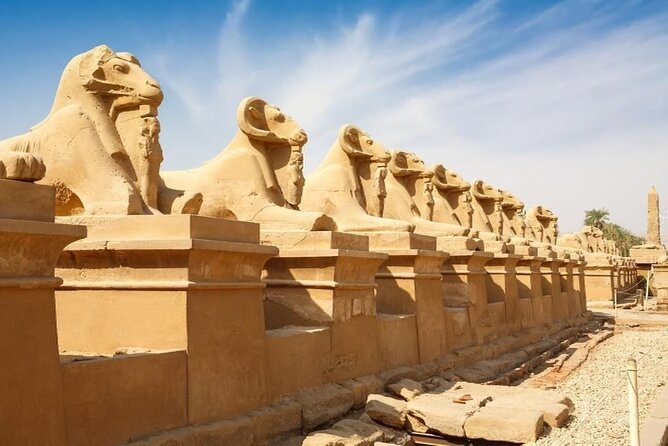
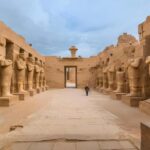
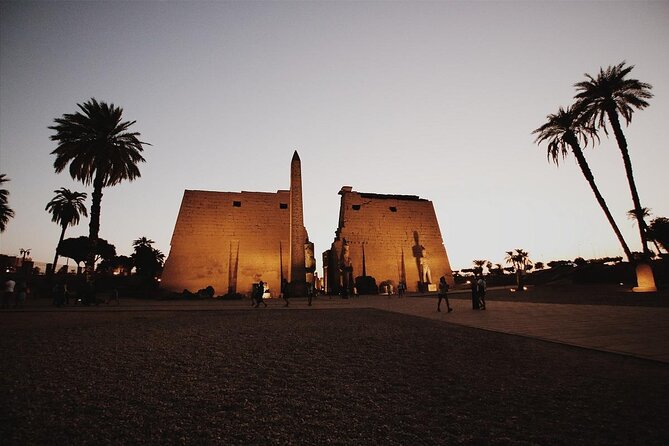
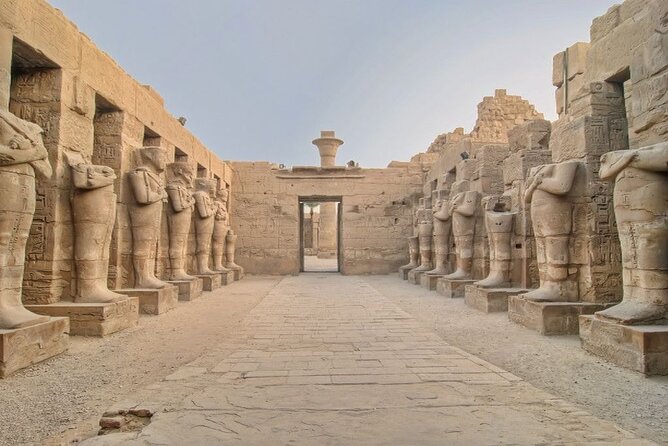
The Temple of Karnak is listed as dating from around 2055 BC to around 100 AD, and that span is part of what makes it so hard to see casually. This isn’t one temple. It’s a whole temple universe made of chapels, buildings, and cult spaces that grew across centuries.
The complex’s name is explained as Karnak = fortified village, which fits the feeling you get walking through it. You’re moving through an architectural “city” of stone. And the original religious dedication—Amun, Mut, and Khonsu—gives you a mental map for why the art and structure keep repeating themes with variations.
Why I think this stop is essential: Karnak gives you the vocabulary for the rest of Luxor. When you see later sites, you’ll recognize recurring symbolic styles, the way power and devotion were staged, and how temples acted as more than places to worship. They were political and social engines, too.
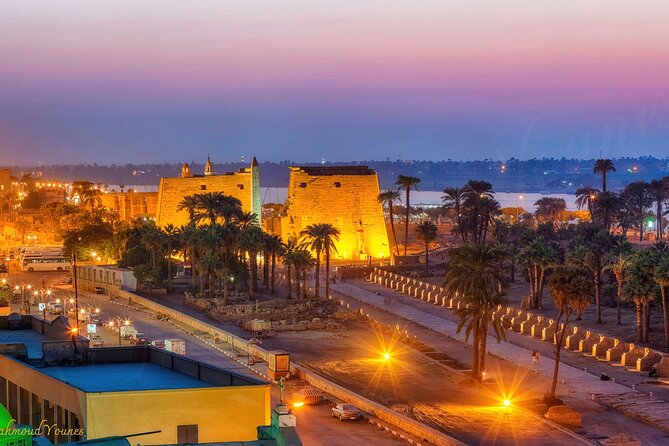
Practical note: Karnak’s scale can overwhelm you if your plan is just to wander. A guided route helps because it points you toward the most meaningful parts first, rather than having you guess what you’re looking at. The itinerary also includes additional Karnak-area stops afterward, so you’re not trying to cram everything into one location.
Ramesses III area and the big visual hits inside Karnak
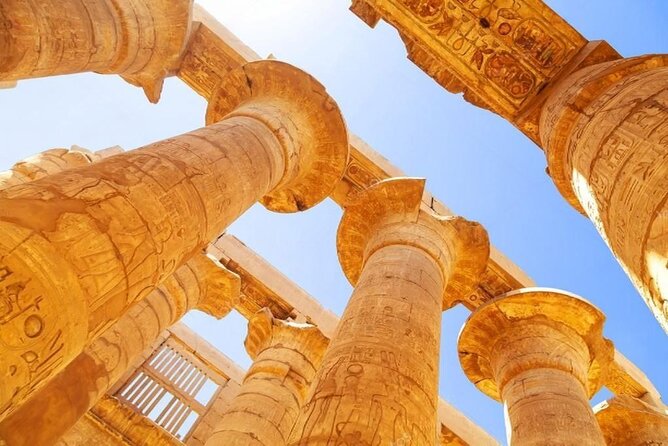
After Karnak, the tour adds a stop at the Temple of Ramesses III within the Karnak complex. You’re given a short window—about 20 minutes—but it’s timed right after the longer Karnak visit, so you’re building context instead of restarting from zero.
This is where the itinerary hints at what makes Karnak famous:
- The Avenue of Sphinxes
- The Hypostyle Hall with 134 gigantic columns
- Obelisks, including ones associated with Queen Hatshepsut and Tutomosis I
- Temple decorations such as lotus and papyrus motifs
- The Sacred Lake
Not every visitor gets the Hypostyle Hall experience fully. Even when you can physically enter it, time often runs out. Here, your schedule is structured so you hit these iconic forms without sacrificing the larger Karnak context.
Then there’s a quick stop for the Obelisk of Queen Hatshepsut (and Tutomosis I is noted as part of the Karnak obelisk story). The stop is about 5 minutes, so treat it like a focused moment: stand, look for proportions, then move on with your guide’s explanations rather than trying to “solve” the carvings in one glance.
If you love architecture and symmetry, this sequence is a good compromise: you get the grand whole first, then a few signature details before leaving Karnak for the next bank.
Colossi of Memnon: a dramatic pair with an included ticket
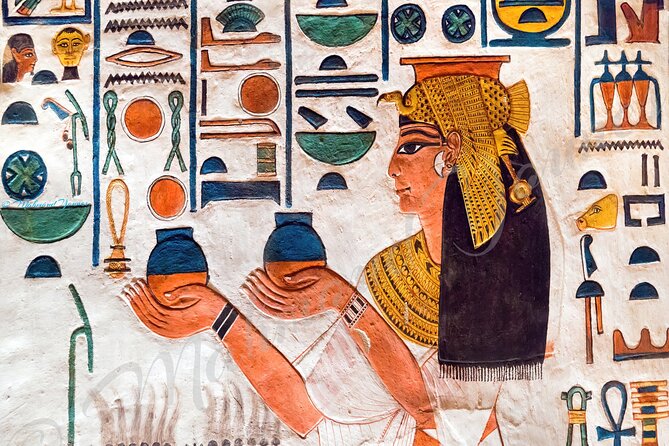
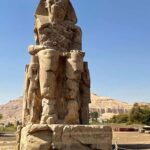
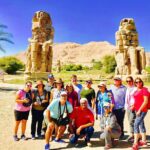
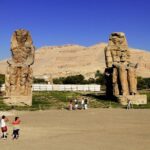
Next comes the Colossi of Memnon, which the schedule gives about 20 minutes for. These are two of the largest ancient statues in Egypt, tied to the era of King Amenhotep III.
This stop works well because it’s visually loud but time-efficient. You can enjoy the monumental scale, take photos, and reset your eyes before entering deeper temple and tomb spaces later in the day.
One nice detail: the itinerary lists admission ticket included for the Colossi stop. Since entry fees aren’t included for most other sites, having at least one ticket covered helps your budget feel steadier.
A few more Luxor tours and experiences worth a look


Deir el-Bahari and Hatshepsut: why this 2-hour block is worth it
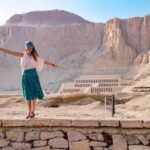
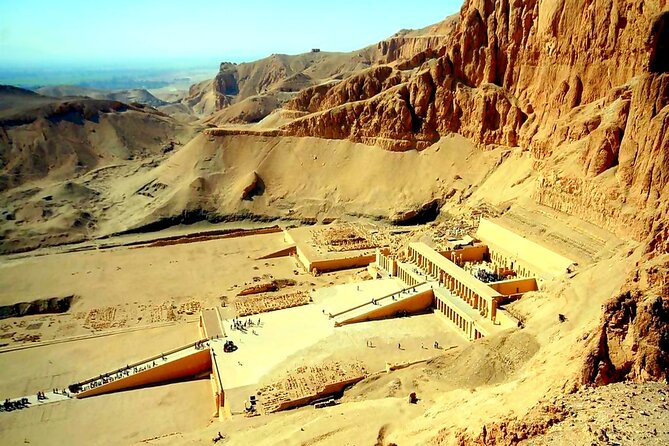
Temple of Hatshepsut at Deir el Bahari is scheduled for about 2 hours. That’s a generous block, and it’s exactly what this site needs.
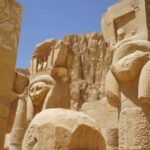
You’re visiting a mortuary temple dedicated to Hatshepsut, identified in the tour info as the longest ruling female of Ancient Egypt. The art direction you get here is different from Karnak’s sprawling complexity. Deir el Bahari feels more composed and sculptural, with restored surfaces that help modern visitors make sense of the original design.
The itinerary points out that the temple is decorated with statues, sphinxes, and reliefs, and that these elements have been meticulously restored over time. That restoration note matters. When parts of a site are worn or eroded beyond legibility, you end up reading less and guessing more. Restoration, when done carefully, makes the visual story easier to follow.
Also, this is one of those stops where taking a slower walk helps. You’ll often get better results if you pause, look up, and let the terraced feel of the architecture sink in before you rush to the next photo angle.
Valley of the Kings: more than a tomb list, it’s a burial geography
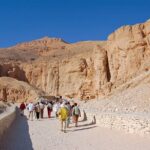
Now you cross into the Valley of the Kings, scheduled for about 2 hours. The tour explains that rulers of the 18th, 19th, and 20th Dynasties were buried across the river from ancient Thebes, giving the valley its modern name—even though it’s not exactly a perfect match for that label. Some family members and select high-ranking non-royals were buried here too.
The big practical takeaway: this valley is divided into East and West Valleys. The itinerary notes the East Valley is the more iconic side, while the West Valley contains only a handful of tombs. It also mentions the scale in numbers: over sixty tombs plus around twenty unfinished ones.
With a day like this, you’re not trying to see everything. Instead, you’re sampling key tombs that show you how royal burial art and architecture evolved (and how different rulers staged their afterlife stories).
One thing to plan for mentally: tomb interiors can feel dim compared to the sun outside. If you come in expecting bright, museum-like lighting, you might be disappointed. But if you let your eyes adjust, the painted and carved details start making sense.
Tombs you’ll visit: Ramses III, Ramses IX, Merenptah, and Tutankhamun
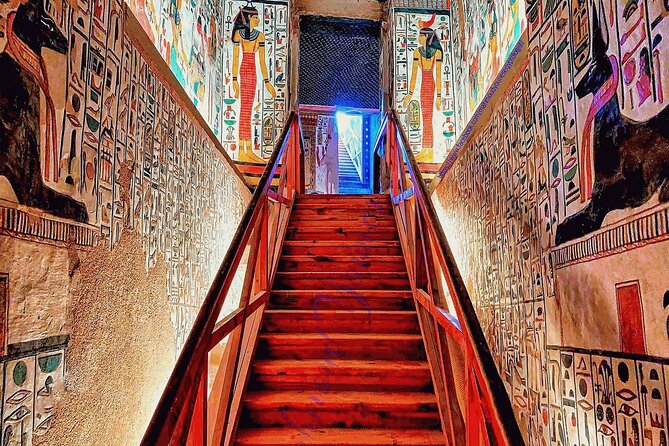
This tour doesn’t stop at just one “star” tomb. It schedules multiple tombs, each about 30 minutes, which is ideal if you want variety without feeling lost.
Tomb of Ramses III (KV 11)
Ramses III’s tomb is highlighted as a complex system in the Valley of the Kings. The notes emphasize colorful painted sunken reliefs with ritual texts like the Litany of Ra and the Book of Gates, plus scenes of Ramses before the gods.
What makes this tomb especially interesting in your schedule is the inclusion of more secular scenes in side rooms. The tour info mentions foreign tributes such as highly detailed pottery imported from the Aegean, along with royal armor, boats, and a special set of figures called blind harpists. Those harpists connect to an alternate name for the tomb: the Tomb of the Harpers.
If you like art that hints at real-world connections—trade, travel, foreign goods—this is a tomb that gives you more than just gods and rituals.
Tomb of Ramses IX (KV6)
KV6 is described as one of the first tombs in the valley and one that has been open since antiquity. A detail I like seeing included in a tour plan is that ancient visitors left inscriptions inside.
The schedule’s value here is in contrast. The tour info says archaeological findings show it was completed in a hurry, with “corners cut” after Ramses IX’s death, and that corridors and chambers aren’t fully finished or decorated. That means you’re seeing a different side of Valley of the Kings planning—less polished grandeur, more evidence of pressures and timeline.
Tomb of Merenptah (KV8)
KV8 is noted as unique in its burial chamber setup. The information explains that the front and rear walls contain multiple niches, and depict Merenptah in a set of four stone sarcophagi. It also mentions changes made when sarcophagi were brought inside: door jambs removed and later replaced with blocks.
From an art-and-architecture standpoint, KV8 also includes corridors with scenes linked to texts such as the Litany of Re, Amduat, Book of Gates, and Book of the Dead, plus astronomical scenes in the ceilings. The itinerary also references the Opening of the Mouth depiction in one of the corridors.
If you want tombs where the layout and symbolic programs feel “designed,” not just decorated, this is one of your stops.
Tomb of Tutankhamun (Tut)
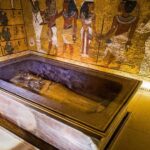
Finally, you reach the Tomb of King Tutankhamun (Tut) with an allotted 30 minutes. Even without extra detail in the itinerary notes, Tut’s name alone signals why this stop is usually on the top of many lists: it’s one of the most famous tombs associated with Egypt’s royal story.
In a multi-tomb day, your best move is simple: spend your time looking at the space you’re actually in. Don’t compare it too hard to photos. Let your guide connect what you see to the burial world around it.
Price and value: what your $15 pays for (and what it doesn’t)
The price is listed at $15.00 per person, and it’s a private tour with group discounts. That is an unusually low headline price for a full-day route with door-to-door pickup and a private A/C vehicle.
Here’s the trade-off: entry fees (tickets) are not included for most stops. The notes say tickets are optional, and lunch is optional too. The itinerary lists only one ticket as included in the schedule: Colossi of Memnon.
So how do you judge value fairly?
- You’re paying for transport + a professional Egyptologist guide + hotel pickup/drop-off + bottled water.
- You’re not paying for many of the site admissions.
- That means your true cost depends on how many of those ticketed entries you choose to purchase.
If you’re budgeting, think of the $15 as the base for the day’s logistics and interpretation. Then add the tickets you’ll want on the specific tombs and temples you’re visiting.
Also, this tour can be booked fairly far ahead on average (26 days in advance). For popular travel windows, that buffer helps you lock in a slot without scrambling.
Who should book this Luxor tour, and who should skip it
This tour makes the most sense if:
- you have limited time in Luxor and want major sites on both banks
- you prefer private comfort and hate the hassle of coordinating taxis
- you like a guide who can explain the religious and artistic logic behind what you’re seeing
- you want multiple tombs, not just one quick hit
It may be less ideal if:
- you want a light day with zero extra ticket costs
- you’re sensitive to heat and a long schedule (9 to 10 hours is still long)
- you want downtime built in for rest, shopping, or an unplanned café stop, since lunch is not included
Should you book? My straight answer
If you want a practical, high-coverage Luxor day, this is a good pick. The strongest part is the structure: Karnak first for context, then Hatshepsut, then the Valley of the Kings with multiple tombs. That combination tends to give you a more connected understanding than doing only temples or only tombs.
I’d book it if you’re comfortable budgeting for optional entry tickets and you’re ready for a long day. I wouldn’t book it if you’re hoping the $15 covers everything on-site, because most admissions are listed as extra. For many first-time Luxor visitors, though, the private vehicle, pickup, and Egyptologist guide make the day feel organized and worth the effort.
FAQ
What sites are included in the full-day Luxor tour?
You’ll visit the Temple of Karnak, a Temple of Ramesses III stop within the Karnak complex, the Obelisk of Queen Hatshepsut area, the Colossi of Memnon, the Temple of Hatshepsut at Deir el Bahari, the Valley of the Kings, and multiple Valley of the Kings tombs including Ramses III, Ramses IX, Merenptah, and Tutankhamun.
Is pickup and drop-off included?
Yes. The tour includes hotel pickup and drop-off in Luxor.
How long is the tour?
The duration is listed as 9 to 10 hours (approximately).
Is this tour private?
Yes. It’s listed as a private tour/activity, meaning only your group will participate.
Are admission tickets included?
Most entry fees are not included. The notes list admission ticket included only for the Colossi of Memnon stop.
Is lunch included?
No. Lunch is optional and not included.
Do you get bottled water?
Yes. Bottled water is included.
Is a private A/C vehicle provided?
Yes. The tour includes all transfers by private A/C latest model vehicle.
Are hot air balloon or optional tours included?
No. Hot air balloon and any other optional tours are listed as optional and not included.
Is there free cancellation?
Yes. Free cancellation is available, and you can cancel up to 24 hours in advance for a full refund.
Is a service animal allowed?
Yes. The tour notes state service animals are allowed.