A great Luxor day should feel planned, not rushed. This private East and West Bank tour links the top sights with a guide who keeps the history clear. I like that it hits both sides of the Nile, so you get the big-picture story in one go. I also like that entrance fees are included, which makes budgeting way less annoying.
You should note one trade-off: it runs as a full 8 to 10 hour day starting at 8:00 am, so it’s not a “sleep in and wander” option. Also, it requires good weather, and if conditions are poor the tour may be rescheduled or refunded.
In This Review
- Key highlights worth your attention
- Private East-to-West Luxor in a Comfortable Air-Conditioned Ride
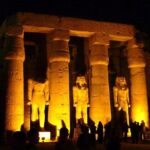
- Luxor Temple First: A Strong Start on the East Bank
- Karnak Temple Complex: Where Size Becomes the Real Story
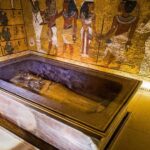
- Valley of the Kings: Royal Burials and the Reality of Limited Open Tombs
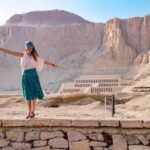
- Deir el-Bahari and Hatshepsut’s Temple: A Mortuary Site Built into the Cliffs
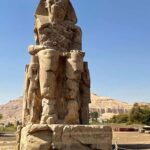
- Colossi of Memnon: The West Bank Statue Stop That’s Worth It
- Price and What Makes This Deal Feel Fair at $130.91
- Timing, Tickets, and How the Day Usually Flows
- Guide Quality: The Difference Between Seeing and Understanding
- Who This Luxor Private Tour Is Best For
- Should You Book This East and West Bank Private Tour?
- FAQ
- How long is the Half-Day East and West Bank Luxor tour?
- Is this tour private or shared with other groups?
- Do I get hotel or airport pickup?
- Are admission tickets included for the stops?
- What are the main sites you’ll visit?
- What’s not included in the price?
- What if the weather isn’t good or I need to cancel?
Key highlights worth your attention
- Private guide attention across temples and tombs, with explanations before you go in
- All admission fees included for every stop on the program
- Air-conditioned transfers with hotel or airport pickup
- A focused East-to-West route: Luxor Temple and Karnak, then Valley of the Kings and the West Bank sites
- Smooth timing adjustments, with guides described as on-time and flexible (you’ll feel it in the pace)
Private East-to-West Luxor in a Comfortable Air-Conditioned Ride
Luxor is spread out, and crossing the Nile means you want reliable transport. This tour gives you that in a modern, air-conditioned vehicle with pickup from your hotel or even the airport. That matters more than it sounds. In hot weather, comfort becomes part of the experience, not just a perk.
Because it’s private, you’re not fighting for space with a large bus group. You can also move at a pace that fits your group—some days the crowd levels inside temples can be a bit unpredictable, and having your schedule tied to your guide is a real advantage.
You’ll start at 8:00 am. Expect the day to run long enough that you’ll want to eat beforehand when you can. Once you’re in the flow, you’ll spend less energy coordinating and more time looking up at carvings and statues like they’re telling you the story directly.
You can also read our reviews of more guided tours in Luxor
Luxor Temple First: A Strong Start on the East Bank
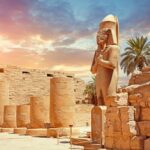
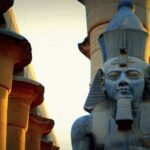
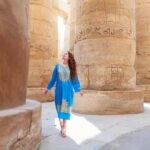
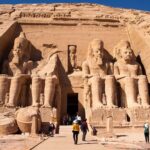
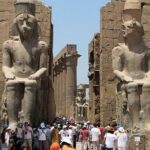
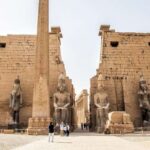
The day begins at Luxor Temple, a major Ancient Egyptian temple complex on the east bank. It was constructed around 1400 BCE, and the Egyptian name is ipet resyt, described as the southern sanctuary. Even before you go into the details, that start sets the theme: this is about place, power, and belief—built to last.
What I like about starting here is that Luxor Temple gives you an immediate sense of scale without requiring you to “decode” everything from scratch. Your guide can help you connect what you’re seeing to what came later in the day on the West Bank.
A practical note: you’ll have about 1 hour here. That’s enough time to walk the key areas and still pause for photos. If you’re the type who reads everything slowly, you might feel slightly rushed. Still, with a private guide, you can usually adjust your pace inside that hour.
Karnak Temple Complex: Where Size Becomes the Real Story
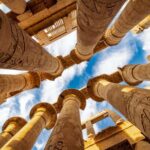
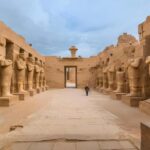
Next up is Karnak Temple Complex. It’s described as a huge mix of decayed temples, chapels, pylons, and other buildings around Luxor. That description is important, because Karnak doesn’t feel like one single building. It feels like layers—different sections, different eras of construction, different pieces that all relate.
You get about 2 hours at Karnak. This is the best stop for people who love big-scale ruins and want to understand how temple complexes worked as functioning spaces for worship and ceremony. With only 2 hours, you won’t see every single corner, but you will see enough to understand why Karnak is often the main event for first-time visitors to Luxor.
The value of having your guide here is simple: it’s easy to stand in front of stone and think, now what? A good guide helps you look with purpose—pointing out the features you should notice, so you leave with more than photos and vague awe.
Valley of the Kings: Royal Burials and the Reality of Limited Open Tombs
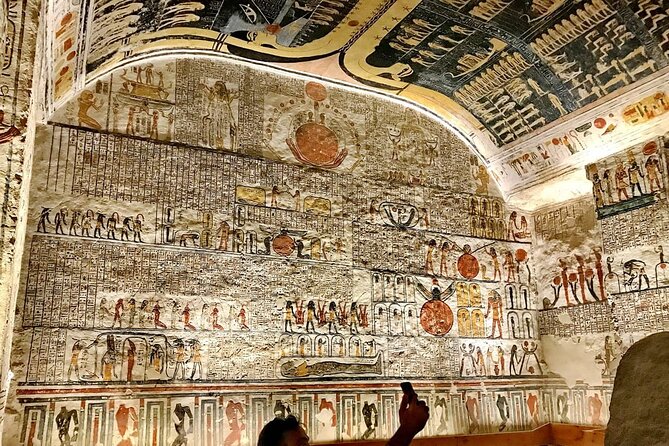
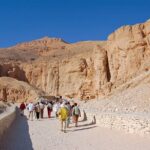
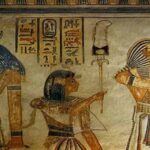
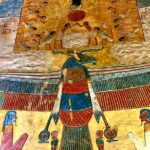
After the east bank temples, the tour moves you over to the West Bank and to the Valley of the Kings. This site is one of the most famous archaeological areas in the world for a reason: it’s a royal burial ground with exquisitely decorated tombs for pharaohs who ruled between 1539 and 1075 BC. The sheer concentration of royal tombs here is a major part of the emotional impact.
Here’s a detail that helps set expectations: there are over 60 tombs in the area, but only a handful are open to the public. That means your “tomb experience” depends on what’s open during your visit. Don’t be surprised if your day’s highlights feel slightly different from someone else’s. You’re not missing something—you’re seeing what’s available.
You get about 2 hours here, which is a solid window for walking, taking in the entrance areas, and still having time for tomb visits depending on what’s open. This stop is ideal if you want a stronger sense of “Egypt was organized” rather than just “Egypt had impressive buildings.”
Deir el-Bahari and Hatshepsut’s Temple: A Mortuary Site Built into the Cliffs
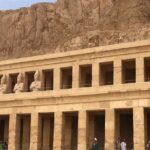
Then you head to the Temple of Hatshepsut at Deir el Bahari. This is the Mortuary Temple of Hatshepsut, also described as the Djeser-Djeseru. It’s built for the 18th Dynasty pharaoh Hatshepsut, and it sits beneath the cliffs at Deir el-Bahari on the West Bank near the Valley of the Kings.
This is one of those stops where the location adds meaning. The temple isn’t just placed in the landscape—it’s tucked under rock, which gives it a different feel compared with freestanding ruins. Even if you’re not a “numbers and dates” person, you’ll probably notice how the setting changes your experience.
You have about 1 hour at this stop. That’s often enough for a first visit because the site is visually distinctive. If you enjoy architecture and how buildings relate to their environment, you’ll appreciate this stop for its positioning and the way it complements what you saw at the Valley of the Kings.
You can also read our reviews of more private tours in Luxor
Colossi of Memnon: The West Bank Statue Stop That’s Worth It
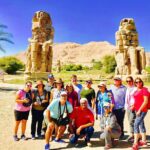
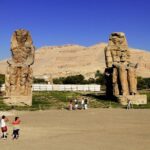
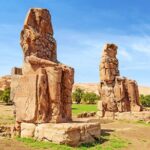
The last West Bank touch in the tour description is the Colossi of Memnon: two massive stone statues of Pharaoh Amenhotep III, who reigned during Dynasty XVIII. They’ve stood since around 1350 BCE in the Theban Necropolis, west of the Nile.
What I like about including the Colossi on a longer day is that it gives you a different kind of “wow.” After tomb corridors and temple terraces, you get these huge standing figures. They’re like punctuation at the end of a sentence—simple, powerful, and easier to take in at a glance.
This is a good stop if you want a quick but memorable marker that you really are on the West Bank—because it’s easy for your brain to get “ruins blurred together” when you spend the day moving between sites. Two hours in one place, then another tomb area, then this kind of statue stop: it helps your eyes reset.
Price and What Makes This Deal Feel Fair at $130.91
At $130.91 per person, you’re paying for a private guide, transfers by air-conditioned vehicle, and entrance fees for all mentioned sites. In Luxor, entrance fees can add up quickly when you book on your own for multiple major sites, so having them bundled matters.
The other big value piece: pickup from your hotel or the airport. That removes a chunk of stress. You’re not trying to figure out logistics while you’re already in a new place and trying to beat the day’s heat.
Also, this is described as including all services charges and taxes. That’s the kind of “small detail” that often prevents budget surprises. The only clear non-included items listed are extras not mentioned in the itinerary and a tipping kitty.
In short: if you want a smooth, guided East/West day without scrambling for tickets and transportation, the price looks like it earns its keep.
Timing, Tickets, and How the Day Usually Flows
Your start time is 8:00 am, and the day typically runs 8 to 10 hours. Because it’s private, the real rhythm depends on your guide and the flow at each site, but you can expect a sequence that makes sense:
- East Bank temples first (Luxor Temple, then Karnak)
- Then cross to the West Bank for the tomb and mortuary sites (Valley of the Kings, Hatshepsut, Colossi)
There’s also mobile ticket included. That means you’re not likely to be stuck at some window repeating your name and itinerary details. Less paperwork, more looking.
One thing I’d keep in mind: tomb and temple environments can feel intense, even if you’re outdoors most of the time. Plan for heat (even in winter) and for the fact that Egypt’s sites can involve walking on uneven ground. Your guide’s job is to help you stay oriented and keep moving, not to remove every physical challenge.
Guide Quality: The Difference Between Seeing and Understanding
Guides can make or break a day in Luxor. This tour is built around personal attention, and the descriptions you’ll see point to guides who explain things clearly before you step inside.
Names that stand out in the tour’s feedback include Ahmed and Mustafa. The consistent theme is that they’re on time, adjust the schedule when needed, and explain what you’ll see before entering temples. That matters because Luxor sites reward attention. Without context, you can feel like you’re just taking pictures of stone. With the right framing, the carvings and layout start to make sense.
Also, your guide tends to wait for you at the stops, which helps keep the day calm. In a place like Luxor, a calm day is a good day.
Who This Luxor Private Tour Is Best For
This is a strong choice if you:
- Want East and West Banks in one day with a private guide
- Prefer included admission fees to avoid ticket chaos
- Are short on time but still want the major highlights: Luxor Temple, Karnak, Valley of the Kings, Hatshepsut’s temple, and the Colossi
- Appreciate someone helping you understand what you’re looking at, not just escorting you between gates
It may be less ideal if you want a very slow day, or if you’re hoping for lots of optional add-ons (the tour description doesn’t push extras). With 1–2 hour blocks at each stop, it’s designed to be efficient and focused.
Should You Book This East and West Bank Private Tour?
If your goal is a well-paced, major-sights Luxor day with pickup, air-conditioned transport, and admission fees included, I think this is a smart booking. You’re getting the essentials without the headache of piecing everything together yourself.
I’d especially recommend it to couples and small groups who like a guide-led experience. The private format helps you keep your energy for the sites themselves, and the guide attention you’ll get at key moments can turn a good day into a memorable one.
Just go in knowing it’s a full day starting at 8:00 am and that weather can affect the plan. If you’re okay with that, you’ll likely end the day tired in the best way—still looking up at ancient stone like it’s fresh.
FAQ
How long is the Half-Day East and West Bank Luxor tour?
It runs about 8 to 10 hours, starting at 8:00 am.
Is this tour private or shared with other groups?
It’s a private tour/activity. Only your group participates.
Do I get hotel or airport pickup?
Yes. Pickup is offered from your hotel or from the airport.
Are admission tickets included for the stops?
Yes. Entrance fees for all mentioned sites are included.
What are the main sites you’ll visit?
You’ll visit Luxor Temple, Temple of Karnak, the Valley of the Kings, the Temple of Hatshepsut at Deir el Bahari, and the Colossi of Memnon.
What’s not included in the price?
Any extras not mentioned in the itinerary are not included, and there’s a tipping kitty.
What if the weather isn’t good or I need to cancel?
The experience requires good weather. It also offers free cancellation up to 24 hours in advance for a full refund, and changes within 24 hours aren’t accepted.