REVIEW · LUXOR
Valley of the Kings & Hatchepsut temple and Back into Egypt’s ancient history
Book on Viator →Operated by Luxortourguide · Bookable on Viator
West Luxor tells its story in silence. A private, Egyptologist-guided day tying together the Valley of the Kings and Hatshepsut’s temple at Deir el-Bahari makes ancient Egypt feel oddly close. I love having Egyptologist Khaled guide the story in plain language, and I love the easy hotel pickup with air-conditioned transport across the Nile. The only real catch is budget: entrance fees are not included, and the Tutankhamen burial chamber is usually an extra ticket.
You’ll spend about 5 hours total, with a focused route that doesn’t feel like a checklist. You’ll also get a mobile ticket and a private group setup, which means you can ask questions and move at a human pace instead of getting swept along.
In This Review
- Key things I’d prioritize about this tour
- Valley of the Kings tombs in the West Bank: what your ticket time really buys
- What to expect as you enter the tombs
- A small drawback to plan for
- Seeing Hatshepsut at Deir el-Bahari: the terraces, the myth, and the politics
- Why the guide matters here
- The practical reality
- Colossi of Memnon: quick West Bank icons and a good photo pause
- What I’d do with your time
- Price and logistics: is $50 per person good value?
- Group size and comfort
- Timing tips for a smooth, low-stress West Bank day
- Who this tour suits best
- Should you book Valley of the Kings and Hatshepsut with a private Egyptologist?
Key things I’d prioritize about this tour
- Private Egyptologist guide (often shared with strong English skills) so you know what you’re looking at
- Valley of the Kings tomb time with a plan for seeing multiple famous sites
- Hatshepsut at Deir el-Bahari with terrace views and stories that explain her rise to power
- West Bank pacing that avoids feeling rushed, with a quick stop for Colossi of Memnon
- Comfort and logistics: hotel pickup/drop-off plus air-conditioned vehicle
Valley of the Kings tombs in the West Bank: what your ticket time really buys
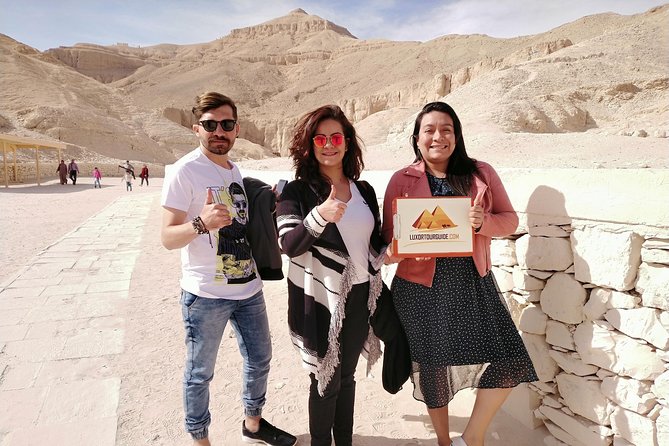
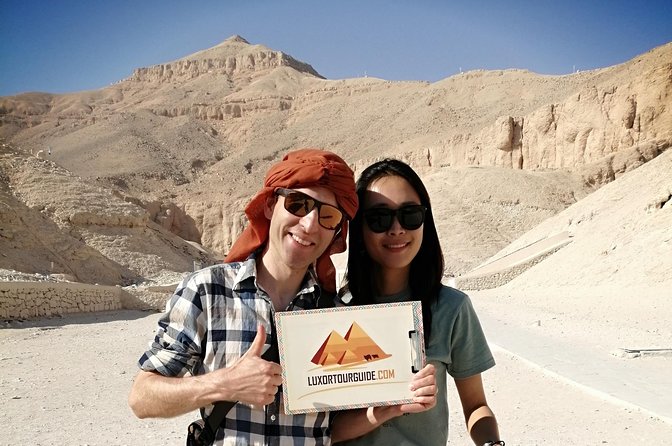
This is the part most people picture when they think of Luxor: the West Bank cliffs and the Valley of the Kings, where elite burials were built inside the rock. What makes it special is not just the fame of individual tombs, but the feeling of system and secrecy. These weren’t public monuments meant for strolling. They were built for the afterlife, with art and layout designed to support a specific religious idea of eternity.
You’ll be crossing the Nile to the West Bank, then working through multiple tombs during the main visit. One practical detail: tombs can be open in a rotation schedule, which helps protect them from wear, including the effects of air exposure. That means you should treat the day as planned for a set number of tombs rather than a guarantee that every single famous chamber is available.
Also, you’ll want to understand the ticket split ahead of time. The core tour experience includes entry for a small set of tombs, but Tutankhamen’s burial chamber requires an additional ticket. That’s common at the Valley, and it’s the biggest moment where your final cost can change depending on what you want to prioritize.
You can also read our reviews of more historical tours in Luxor
What to expect as you enter the tombs
Inside, the most helpful thing is knowing where to look. The guide’s job isn’t just history dates—it’s pointing out visual clues: the structure of scenes, how names and titles are used, and what the paintings and inscriptions are trying to say. Many people leave wishing they had a map of the meaning while standing there. With this kind of guided approach, you get that framing before you step into the dark rooms.
A small drawback to plan for
Valley of the Kings tombs involve time indoors under strict rules, and some sections can feel tight or dim. If you’re sensitive to enclosed spaces, pace yourself. Don’t try to rush each chamber. Spend an extra minute orienting yourself with your guide’s cues, and you’ll get more from fewer stops.
Seeing Hatshepsut at Deir el-Bahari: the terraces, the myth, and the politics
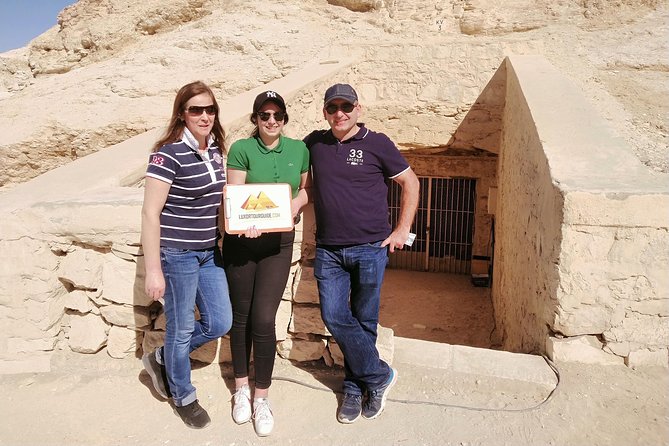
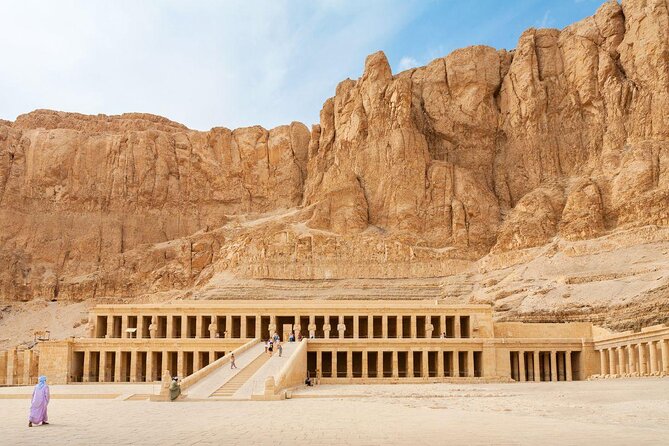
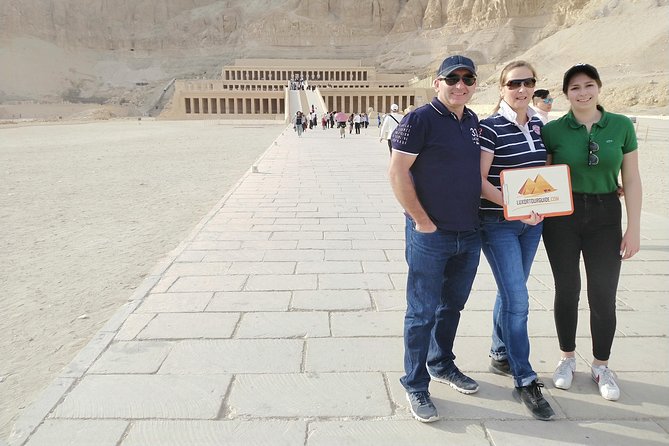
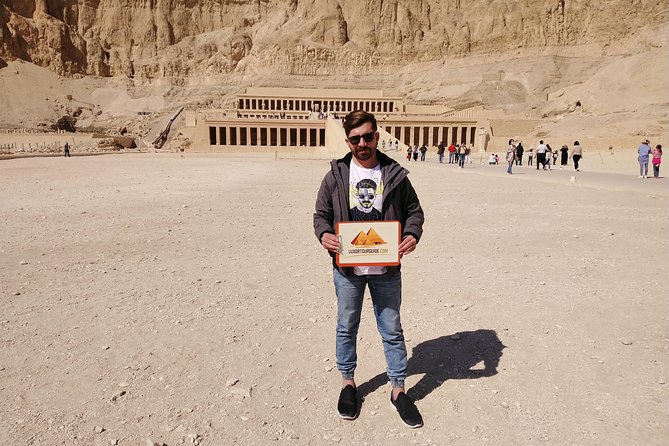
Next comes one of Egypt’s most dramatic temple settings: Temple of Hatshepsut at Deir el-Bahari. You approach a complex that rises in terraces out of the desert plain. From the outside, it already feels purposeful—built to look staged, like the architecture is playing a role in the story.
Hatshepsut is the reason this stop hits harder than most temple visits. Egypt had female rulers, but Hatshepsut is the one who really captures attention for how she was presented and how she ruled. Your guide connects the temple design to her political and religious message, including how she was framed as the daughter of Amun, the principal god connected with Luxor.
You’ll also hear about a major highlight that helps explain her reign as more than a political anomaly: the trading mission to the land of Punt, associated with areas in present-day Somalia. For you, this matters because it gives the temple a second meaning. It’s not only a monument to a ruler’s afterlife plan. It also shows a kingdom claiming reach, resources, and status.
Why the guide matters here
Temple rooms and terraces are easy to treat like scenery—nice photos, a bit of walking, then back outside. With a proper Egyptologist guide, you’ll learn the logic of the layout and the way different parts of the temple communicate power. That’s where the visit becomes memorable rather than just scenic.


The practical reality
Entrance fees are not included for this stop, so budget separately. Also, you’ll spend about an hour here—enough to appreciate the terraces and key areas, but not enough to linger in every corner for an entire afternoon. If you know you’re the type who needs lots of time to absorb details slowly, keep your expectations realistic for a 5-hour total day.
Colossi of Memnon: quick West Bank icons and a good photo pause
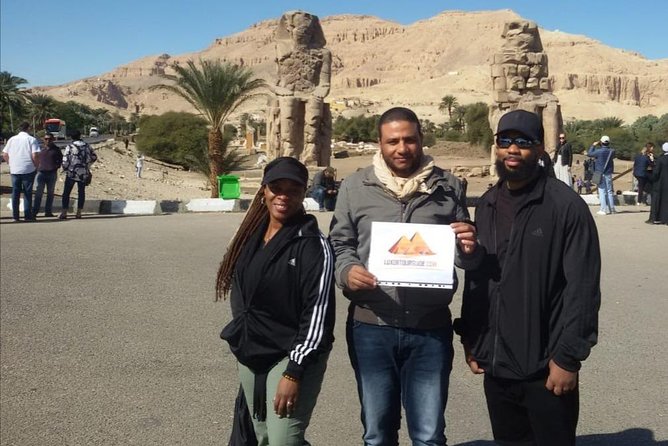
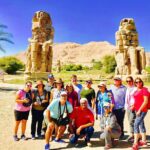
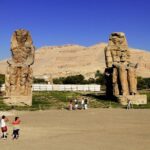
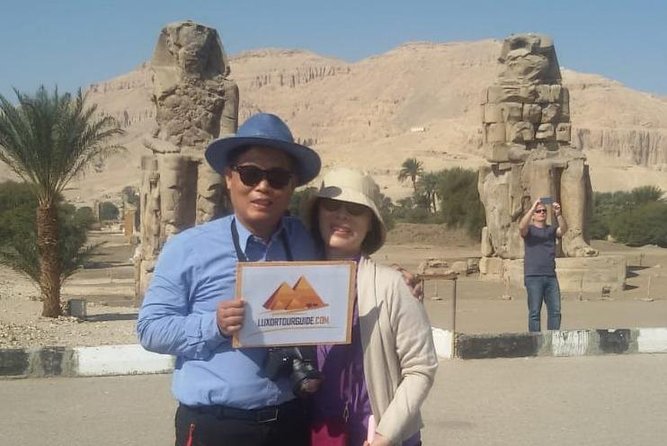
After two heavy-hitting stops, this one feels like a breather. The Colossi of Memnon are two giant statues marking the site of the funerary temple of Amenhotep III. They’re famous because so much of the original complex is gone, leaving these massive figures as the loud survivors.
Your visit here is brief—around 20 minutes—and admission is free. That makes it a smart addition to your schedule. You get one iconic West Bank sight without sacrificing time you might prefer to spend inside the Valley or at Deir el-Bahari.
What I’d do with your time
Use the pause to reset and get a few practical photos. The statues are visually strong even in simple shots. If your guide offers photo pointers, take them. One of the best things about well-run guiding on this route is timing and angles—how to include the right background with fewer people in the frame.
Price and logistics: is $50 per person good value?
At $50.00 per person, the headline price looks like a bargain for a day on Luxor’s West Bank—especially because this includes hotel pickup and drop-off, transport in an air-conditioned vehicle, and a qualified Egyptologist guide. For many people, the value is less about the ride and more about what you avoid: confusion, wasted time, and buying tickets without understanding what you’re actually looking for.
That said, the value depends on how you handle entrance fees:
- Entrance fees to all sites are not included.
- Tutankhamen’s tomb usually needs an additional ticket.
- Food and drinks are not included unless you’re told otherwise.
So you should think of the $50 as covering the guided experience and smooth logistics, not the full monument cost. If you’re planning to see Tutankhamen, budget a bit more from the start. If you’re only doing the included tombs and keeping costs controlled, this tour can be a very efficient way to see the highlights without overpaying for taxis or winging it.
Group size and comfort
This is set up as a private tour/activity, meaning you’ll only be with your group. That matters in Luxor because the West Bank can feel chaotic. Private pacing gives you space to ask questions, and it reduces the feeling of being herded.
Timing tips for a smooth, low-stress West Bank day
The biggest reason this kind of route works is timing. When you’re only out for about five hours, every minute counts. Here are the practical ways to make it feel smoother:
- Arrive ready for heat: Deir el-Bahari and the Valley approach areas can be exposed. Wear something breathable and plan for sun even if tomb time is cooler.
- Use your guide’s pre-entry explanations: Ask for one or two focus points before you go in. You’ll see more instead of just looking around.
- Pace yourself inside tombs: It’s tempting to speed-run for photos. Slow down long enough to catch the guide’s cues.
- Plan for ticket gaps: Since entrance fees and Tutankhamen are extra, bring the cash or payment method you’ll need so you’re not stuck late in the day.
Also, remember this is a West Bank plan, so you’re starting with a Nile crossing. That’s part of the charm, but it’s also why pickup and drop-off coordination matters.
Who this tour suits best
This is a strong match if you want:
- A guided day that focuses on two major West Bank sites plus one iconic photo stop
- A clear storyline: royal tombs, then Hatshepsut’s temple, then Amenhotep III’s surviving statues
- A private-group format that helps you avoid the stress of squeezing into crowds
It’s especially ideal for first-time Luxor visits when you don’t want to spend the entire day driving around and figuring things out. If you’re already a die-hard tomb hunter and want to see a long list of very specific chambers, you might find the time tight. But for most people, it’s a smart, efficient “best of the West Bank” structure.
Should you book Valley of the Kings and Hatshepsut with a private Egyptologist?
Yes, I’d book it if your goal is a guided, efficient West Bank day with clear context and smooth logistics. The $50 base price is attractive because it covers the hard part—getting you to the right places with an Egyptologist explaining what matters, not just where to walk.
Book it with extra budgeting if Tutankhamen is a priority for you, since the additional ticket is the most likely cost surprise. And do it if you appreciate a steady pace where you can ask questions and not feel rushed through the dark tomb rooms.
If you want a Luxor day that feels purposeful—valley tombs for the afterlife story, Hatshepsut for power and myth, then Colossi of Memnon as the iconic closing image—this route is a solid choice.