REVIEW · LUXOR
2-Day Private Historic Tour in Luxor with Pick Up
Book on Viator →Operated by Bastet Travel · Bookable on Viator
Luxor can feel like a time machine. This private 2-day tour packs the big names—Karnak Temple, Luxor Temple, and the Valley of the Kings—without making you play logistics games. You get a real Egyptologist guide and pickup, plus a setup that works well when your time in Egypt is short.
I love how the guide’s focus turns monuments into stories, not just stops on a map. On the West Bank, Ramses III’s tomb (KV 11) has painted sunken reliefs and even secular scenes like foreign tributes and the blind harpists, which makes the whole visit more human. On the East Bank, Karnak’s scale hits hard, especially the Great Hypostyle Hall with its 134 columns and the sacred lake at the back of the complex.
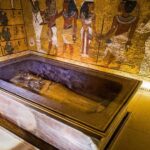
The main consideration is pace and add-ons. You’ll see several tombs on day one, but options like the Tomb of Tutankhamun, and sometimes other tombs (like Ramses VI or Seti I) cost extra, so budget a bit beyond the base price.
In This Review
- Key highlights if you only remember a few things
- Why this 2-day Luxor tour makes sense for limited time
- Pickup day: the smooth start that keeps your mornings useful
- Valley of the Kings: how to get more out of a tomb-hopping morning
- Visitor center first, then tombs with different personalities
- KV 11: Ramses III and the “Book of Gates” kind of details
- Ramses IX: color, ceiling work, and a big sarcophagus
- Merneptah: single-axis design and changing layouts
- Optional add-ons: King Tut, Ramses VI, and Seti I
- Hatshepsut at Deir el Bahari: seeing power told through architecture
- Colossi of Memnon: a quick stop with a useful payoff
- Karnak Temple: from the Avenue of Sphinxes to the Hypostyle Hall forest
- Luxor Temple and the Avenue of Sphinxes: the East Bank’s “closer to life” vibe
- Price and value: what $110 buys you and where extra costs can appear
- The tour style you’ll feel: guided focus with limited-time tomb strategy
- Who this tour fits best
- Should you book this private 2-day Luxor tour?
- FAQ
- How long is the private Luxor tour?
- Is hotel or airport pickup included?
- Is lunch included?
- Are entry tickets included for all sites?
- Is this tour truly private?
- What happens if bad weather affects the tour?
Key highlights if you only remember a few things
- Private, not crowded: only your group joins this tour, with hotel or airport pickup in an air-conditioned vehicle.
- West Bank depth in one day: you visit multiple Valley of the Kings tombs plus Hatshepsut’s mortuary temple.
- Karnak’s “wow” factor is real: the Hypostyle Hall’s column forest is a standout moment.
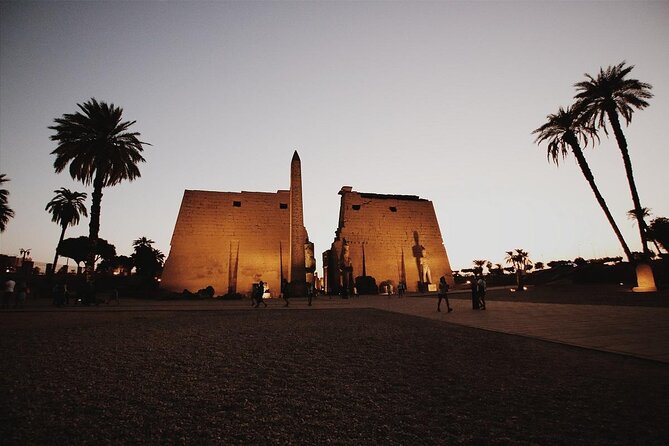
- Luxor Temple ties the era together: Ramses II statues, hieroglyphic walls, and surviving pieces of older Egypt.
- Optional tomb tickets can change your cost: King Tut’s tomb is specifically marked as extra.
- Lunch is included twice: helpful when you want your day planned end-to-end.
Why this 2-day Luxor tour makes sense for limited time
If you’ve got only a sliver of time in Luxor, you need two things: smart routing and a guide who can explain what you’re seeing. This tour is designed around both. Instead of bouncing between agencies and leaving you to figure out what matters, you get a structured two days that hits the core sites most people travel to Luxor for.
The value is not just that you visit major landmarks. It’s that the tour format gives you context. In Luxor, stones can look like stones until someone connects them: who built what, what the artwork is showing, and why one tomb differs from another. That’s where the tour earns its spot on a tight schedule.
Also, the private setup matters. A shared group can be fine, but with a private tour you’re less likely to get shoved along like a checklist. You’re there to learn and look, not to rush.
You can also read our reviews of more private tours in Luxor
Pickup day: the smooth start that keeps your mornings useful
This tour begins with pickup from your hotel, port, or Luxor airport, depending on where you’re starting. You travel by air-conditioned modern vehicle, guided by an Egyptologist who stays with you through the day.
That pickup detail matters more than it sounds. Luxor days can start early, and the drive times between the East and West Banks add up fast. A tour with pickup means you lose less time figuring out transport and more time actually being inside the monuments.
You’ll also notice how the tour balances guided time with short windows for you to look on your own. That blend is practical. The guide gives you the key things to watch for, then you get to absorb the carvings at your own pace.
Valley of the Kings: how to get more out of a tomb-hopping morning

The Valley of the Kings is the headline on the West Bank side of Luxor. It’s also where you can either feel overwhelmed or feel empowered. The guide helps you do the second one by pointing out what to look for and helping you choose tombs efficiently.
Visitor center first, then tombs with different personalities
Before you go into the tombs, you get a brief stop at the visitors center. It’s not a long detour, but it helps you understand what kinds of scenes and writing appear on the walls—so when you step inside, you’re not just staring at darkness.
On this tour, you visit three tombs of different dynasties, each on a set time block. That’s a real advantage for first-timers: you get variety without turning the day into a marathon.
KV 11: Ramses III and the “Book of Gates” kind of details
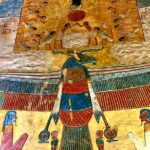
One of the tombs on the list is the tomb of Ramses III (KV 11). What makes it worth caring about is the mix of religious ritual texts and story-like scenes. The decorations include painted sunken reliefs with traditional ritual texts such as the Litany of Ra and the Book of Gates. Then you hit the part that many visitors find memorable: secular scenes in side rooms showing foreign tributes—plus boats and the blind harpists, which is why it’s known by an alternative name tied to harpers.
If you want one tomb to focus on for art details, this is a strong candidate. The guide can help you spot these elements quickly.
You can also read our reviews of more historical tours in Luxor


Ramses IX: color, ceiling work, and a big sarcophagus
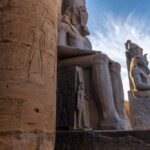
Another stop is the tomb of Ramses IX, described as having so much color and detail that even the ceiling over the sarcophagi matters. The guide’s framing helps here, since some of the paintings have deteriorated over time, but the overall composition is still striking. The tour time is short, so you’ll benefit from having someone direct your attention to the ceiling and sarcophagus area.
Merneptah: single-axis design and changing layouts
You also visit the tomb of Merneptah. This stop is useful because it points out how royal tomb design evolves. The description emphasizes changes in the layout: a single axis rather than an older jogged-axis plan, a wider entrance, and changes in rooms and corridors. Even in the limited time you get, this kind of architectural explanation makes the tomb feel less random.
Optional add-ons: King Tut, Ramses VI, and Seti I
Two things affect your budget here:
- Tutankhamun’s tomb is optional and costs extra directly. The entry fee is noted as 300 EGP.
- Other tomb options can be marked as not included, such as Ramses VI and Seti I.
If you’re aiming for maximum impact and you’re already paying for a tight two-day structure, it can be worth deciding in advance whether King Tut is a must for you. It’s one of those “you either go or you don’t” experiences.
Hatshepsut at Deir el Bahari: seeing power told through architecture

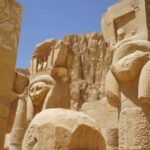
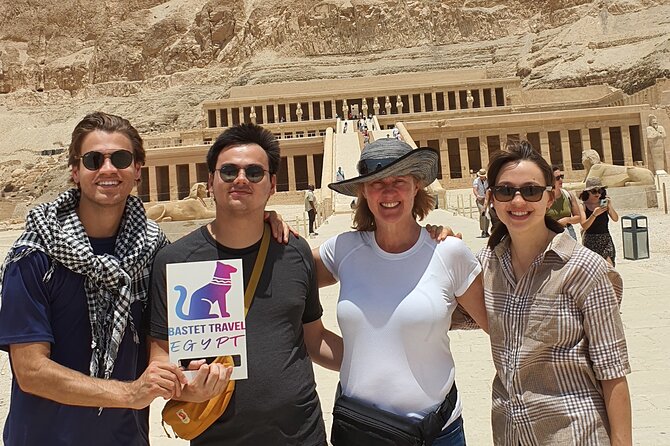
After the tombs, you head to the Temple of Queen Hatshepsut at Deir el Bahari. This is one of the stops that gives the day a different mood: from enclosed tomb chambers to open courtyards and terraces.
Hatshepsut is a big deal here because she’s described as the only woman who reigned over Egypt as pharaoh. The tour guide introduces her story and how she positioned herself for power. You also get free time to wander the courtyards and admire the intricate hieroglyphic decorations.
Practical upside: Deir el Bahari is the kind of place where you can pause, look up, and take in the scale. Even if you’re tired from tomb interiors, it gives your eyes a reset.
Colossi of Memnon: a quick stop with a useful payoff

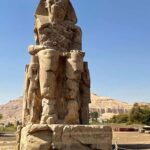
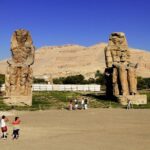
Next up are the Colossi of Memnon—two enormous statues that mark the funerary temple site of Amenhotep III. The key point for your visit is that these statues are what’s left. They help you understand how much bigger the original complex must have been.
This is also a good stop for photos and for re-centering after the smaller, enclosed spaces of the valley.
Karnak Temple: from the Avenue of Sphinxes to the Hypostyle Hall forest
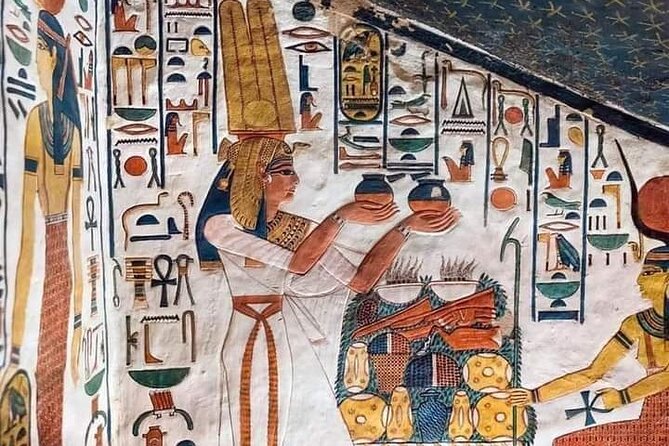
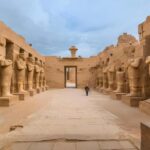
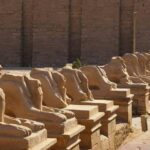
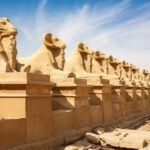
Karnak is where Luxor stops being a town and starts feeling like a project on a royal scale. You enter walking along the Avenue of Sphinxes. As you go into the complex, the guide explains how pharaohs added layers over centuries. That “growing over time” concept matters, because Karnak isn’t one single building story—it’s multiple reigns stitched together.
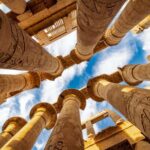
Inside, you reach the Great Court, then the Great Hypostyle Hall, with 134 towering columns. The described effect is straightforward: it feels like an ancient forest of stone. If you only have a couple days, Karnak’s Hypostyle Hall is often the single moment that justifies the trip.
You’ll also hear about the sacred lake at the rear—where pharaohs and offerings were purified, according to the tour description. It adds meaning to what would otherwise be another feature inside a huge complex.
After the guided portion, you get additional free time to explore at your leisure. That matters, because Karnak is so large that a guided route can only show you so much.
Luxor Temple and the Avenue of Sphinxes: the East Bank’s “closer to life” vibe
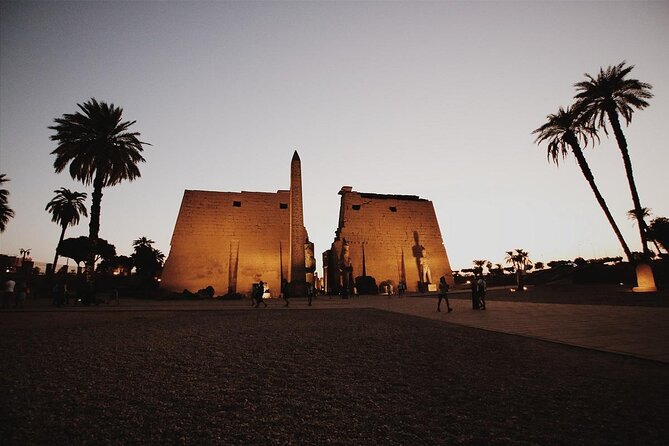
If Karnak feels massive and ancient-history-overload, Luxor Temple is the companion stop that helps the story land. It was once connected to Karnak by a two-kilometer-long Avenue of Sphinxes. Even though today that avenue is only a few hundred meters long, the idea of the connection is still part of what makes Luxor Temple feel “built into” the city.
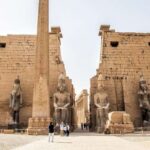
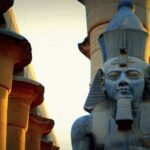
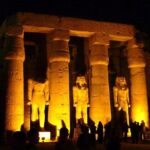
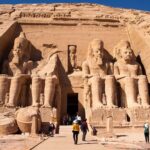
Luxor Temple is dominated by statues connected to Ramses II, and the tour notes how it survived Nile floods, foreign invasion, and thousands of years of exposure. Inside, the guide points out hieroglyphic decorations on inner walls and columns and helps you decipher what you’re seeing.
One detail you might enjoy: the tour description ties Alexander the Great into the monument’s later history. It’s a reminder that Luxor’s story didn’t stop with the New Kingdom.
There’s also a stop involving the Avenue of Sphinxes again on this day, plus mentions of obelisks, including the Obelisk of Thutmoses I and an obelisk attributed to Queen Hatshepsut (along with Tutmosis I and other Karnak-linked references). One obelisk is described as originally having a pair, with the second standing on Place de la Concorde in Paris. Even if you never visit Paris, that kind of detail helps you see how Egypt’s monuments traveled through time and politics.
Price and value: what $110 buys you and where extra costs can appear
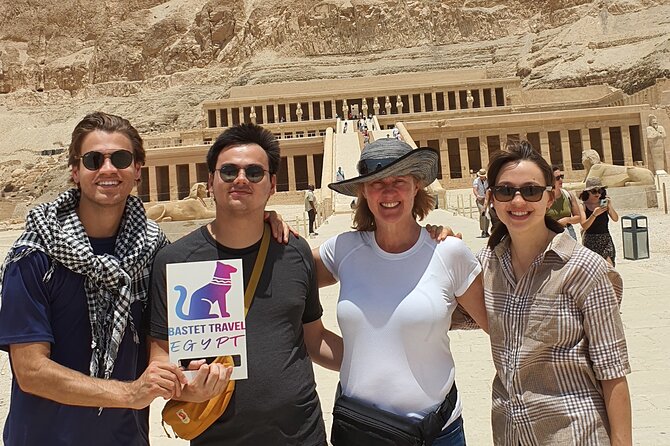
At $110 per person, the big value is what’s included, not just the sites. You get:
- a qualified Egyptologist guide
- private tour for your group
- hotel/port/airport pickup and drop-off
- air-conditioned vehicle
- lunch (2 times)
- entry tickets that are listed as included for many stops
So what’s the catch? Luxor is full of optional ticket decisions. King Tutankhamun’s tomb is explicitly noted as not included, with a stated fee paid directly. Other tomb entries can also be marked not included.
Here’s how to think about it: if King Tut is important to you, plan for extra spending so you don’t get surprised mid-day. If you prefer to see multiple tombs and keep costs tighter, you can skip the optional entrances and still get strong value from the included tomb list.
Also, the tour is built for a short time window. That usually costs more than independent travel, but it saves you time and reduces the mental load of planning between East and West Banks.
The tour style you’ll feel: guided focus with limited-time tomb strategy
Even without a long day-by-day breakdown, you can expect a pattern:
- A guided introduction that tells you what’s worth seeing first
- Short, timed tomb and temple visits
- Free time blocks when it helps you slow down
- The drive between the West Bank and East Bank handled for you
Day one has more West Bank intensity: tombs, then Hatshepsut, then the Colossi. Day two leans into Karnak and Luxor Temple.
The guide names show up in customer feedback—people like Amro, Mahmoudfarah, Abdella, Abdullah, Ahmed, and Mohamed. The repeated theme is clear: you’re not just getting facts. You’re getting explanations that help you recognize the themes running through different monuments.
Who this tour fits best
This is a great match if you:
- have limited time in Luxor and want the core highlights
- prefer a private experience with pickup and a dedicated guide
- want your day structured enough that you’re not constantly making transport decisions
- enjoy Egypt’s visual stories, from tomb artwork to temple hieroglyphic walls
It may not be ideal if you:
- want a super relaxed pace with long stays in a few single tombs
- want every tomb option included with no extra decisions
Should you book this private 2-day Luxor tour?
If your goal is to see Valley of the Kings, Karnak Temple, and Luxor Temple in a short window, I’d lean toward booking. The combination of pickup, Egyptologist guidance, and lunch included twice makes this feel like a complete package, not a loose arrangement of sites.
My decision tip is simple: decide ahead of time whether King Tut’s tomb matters to you. If yes, plan extra budget for the optional fee. If no, you can keep costs controlled and still walk away with a strong set of tombs and temples—especially Ramses III, Ramses IX, and Merneptah, paired with Hatshepsut and the column forest of Karnak.
If you’re the kind of traveler who wants Egypt explained while you stand in front of the real thing, this is a smart use of your time in Luxor.
FAQ
How long is the private Luxor tour?
It’s a 2-day private tour with time on the West Bank and East Bank, for a total duration listed as approximately 2 days.
Is hotel or airport pickup included?
Yes. The tour includes pickup and drop-off from your hotel, port, or Luxor airport, using an air-conditioned modern vehicle.
Is lunch included?
Yes. Lunch (2) is included during the two days.
Are entry tickets included for all sites?
Many entry fees are listed as included, but some are optional. In particular, entry to the Tomb of Tutankhamun is marked as not included and has an additional fee paid directly.
Is this tour truly private?
Yes. It’s a private tour/activity, and only your group participates.
What happens if bad weather affects the tour?
The experience requires good weather. If it’s canceled due to poor weather, you’ll be offered a different date or a full refund.