REVIEW · LUXOR
Explore the history and treasures of Luxor in two days
Book on Viator →Operated by Horus Tours In Egypt · Bookable on Viator
One trip and you start feeling the geography of ancient Egypt. This two-day Luxor plan strings together the biggest East Bank hits and the dramatic West Bank royal sites, with an Egyptologist guide, pickup, transport, and lunch built in. I especially like the way it pairs the giant temple world at Karnak with the story-shaped Luxor Temple, then follows that up with tomb-and-mountain scale on day 2. Another big plus is the included museum time and the belly dance show, so it’s not only stones and silence. The only real drawback to plan around is that key entry fees are not included, so your final total depends on which tombs/temples you choose to go inside.
Here’s the useful part: Luxor rewards smart pacing. You’ll get a private, air-conditioned car, mineral water during visits, and a guide who can help you read what you’re seeing instead of just pointing at carvings. Based on the service note I saw from a guest guided by Mohammed—very informative, on-time pickup, and helpful shopping tips—I’d expect a smooth, practical day. Still, you’ll want to bring your own stamina for a lot of walking in hot sun.
In This Review
- Key Highlights You’ll Feel Right Away
- Two Days That Actually Cover East and West Banks
- Day 1: Nile Cruise Lunch, Karnak, Luxor Temple, and a Practical Museum Pair
- Karnak Temple Complex: Fortified Village, Built for Gods
- Luxor Temple: Oriented Toward Karnak, Connected to the Opet Festival
- Luxor Museum and the Mummification Museum: Context Stops That Save You From Guessing
- Luxor Museum: Archaeology With a Numbers-First Reputation
- Mummification Museum: Not Just for Humans
- Day 2: Optional Sunrise Hot Air Balloon Over the West Bank
- Valley of the Kings: The Royal Burial Ground With Built-In Story
- Deir el Bahari and the Temple of Hatshepsut: Scale, Power, and a Name Change
- Colossi of Memnon: A Quick Stop With Big-Scale Effect
- Medinet Habu and the Temple of Amon: A West Bank Site You Can Actually Pair
- Valley of the Queens and Tutankhamun’s Tomb: Wives, Beauty, and What Intact Means
- Price and Value: What $110 Covers and What You’ll Still Pay For
- Service Quality: What Mohammed’s Guide Style Suggests About This Tour
- Who Should Book This Luxor Two-Day Plan?
- Should You Book This Tour?
- FAQ
- How long is the Luxor tour?
- Do you include hotel pickup and drop-off?
- Is there an Egyptologist guide?
- What’s included in the price besides the guide?
- Are entry fees included?
- Is the hot air balloon tour included?
- Is this a private tour?
- When do I get confirmation after booking?
- What’s the typical booking timing for this tour?
Key Highlights You’ll Feel Right Away
- Private, Egyptologist-led experience with hotel pickup and drop-off in Luxor
- Karnak + Luxor Temple as a matched set, not random sightseeing
- West Bank sequence: Valley of the Kings, Hatshepsut, Colossi of Memnon, and more
- Museums included (Luxor Museum and the Mummification Museum) for context
- Belly dance show on day 1, about 30 minutes
- Mineral water during visits plus lunches included for fewer stress points
Two Days That Actually Cover East and West Banks
Luxor is basically split into two different moods: the East Bank is temple-heavy and daytime bright; the West Bank is funerary, cliffs, and long shadows. This tour respects that reality by giving you two full days instead of cramming everything into one exhausting scramble.
On day 1, you’re on the East Bank with the major temple complex at Karnak, then the Luxor Temple area that connects to some of the most important religious celebrations in ancient Thebes. Day 2 takes you across the river’s “other side” into the burial landscapes that made New Kingdom pharaohs famous—especially in the Valley of the Kings.
If you like your ancient sites with clear explanations and logistics handled, this is a strong format. You get private transportation by A/C vehicle, plus pickup and drop-off, which matters in Luxor when distances add up.
You can also read our reviews of more historical tours in Luxor

Day 1: Nile Cruise Lunch, Karnak, Luxor Temple, and a Practical Museum Pair

Day 1 starts with an easy welcome. The team meets you at your hotel, the Luxor airport, or the Luxor train station, then transfers you to embark a Nile cruise before lunch. Lunch is on board, and after that you’re set up to begin with the grand East Bank temples.
Then the schedule works in a smart rhythm: two major temples (big walking, big visuals) and then two museums (slower, more “read and understand” time). It’s a nice balance if you don’t want only outdoor heat and only stone surfaces.
You also get a belly dance show at the start of the day’s program—listed at about 30 minutes—so you get a break in energy before the history ramps back up.
Karnak Temple Complex: Fortified Village, Built for Gods
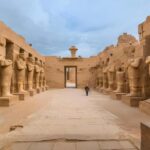
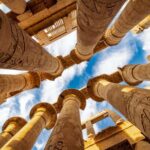
Karnak Temple Complex is huge—so huge that the complex feels like a whole miniature city. Even the name tells you something: Karnak is tied to the idea of a fortified village (Arabic meaning). The site dates back roughly from 2055 BC to around 100 AD, and it functioned as a cult temple dedicated to Amun, Mut, and Khonsu.
What I like about having a guide here is that Karnak is not just one building. You’re looking at a collection of temples, chapels, and structures that evolved across centuries. With an Egyptologist, you can connect why parts look different and why the overall layout keeps feeling purposeful even when it’s overwhelming at first glance.
Plan on about two hours for Karnak, and remember: entrance fees are not included for this stop, so check what’s required before you go.
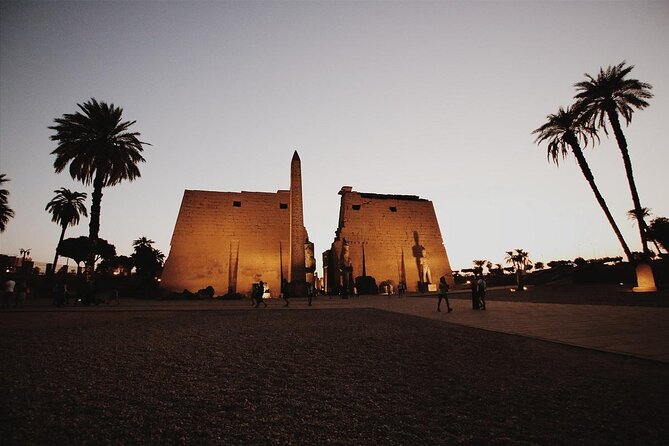
Luxor Temple: Oriented Toward Karnak, Connected to the Opet Festival
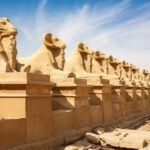
Luxor Temple sits about three kilometers south of Karnak and was once linked by a processional way bordered with sphinxes. It’s called Ipet-resyt, meaning Southern Sanctuary, and it’s tied to ancient Thebes (modern Luxor).
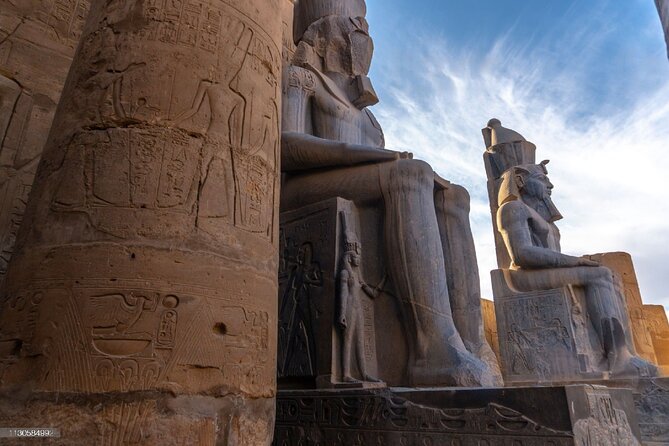
One cool detail that helps you “read” the architecture: unlike most temples laid out on an east-west axis, Luxor Temple is oriented toward Karnak. That tells you how important the connection between these sites was—especially during major religious moments.
This is where the Opet Festival angle becomes useful. During that celebration, cult images of Amun, Mut, and Khonsu were transported from Karnak to Luxor Temple in a grand procession, so the god residing there could be visited.
Expect around two hours at Luxor Temple, and again, entrance fees aren’t included for this stop.
Luxor Museum and the Mummification Museum: Context Stops That Save You From Guessing
After two temple-heavy hours, museums are where the trip starts clicking. You get both the Luxor Museum and the Mummification Museum, and the best part is that both stops are listed as free entry.
A few more Luxor tours and experiences worth a look

Luxor Museum: Archaeology With a Numbers-First Reputation
The Luxor Museum is described as a place of major archaeological interest, and it’s located in an area containing two-thirds of the country’s antiquities. Even if you’re not a museum super-enthusiast, this is a helpful reset: it gives you a wider frame for what you just saw outside.
You’re scheduled for about one hour.
Mummification Museum: Not Just for Humans
The Mummification Museum focuses on the ancient art of mummification and the embalming techniques used across species, not only humans. One of the most memorable details listed is that the museum displays mummies of cats, fish, and crocodiles—and you can also see tools used for the process.
This is about one hour and it’s a great “how did they do it?” complement to the tomb-focused day 2. If you want your Egypt experience to feel less mysterious and more explainable, this museum pair is a solid value.
Day 2: Optional Sunrise Hot Air Balloon Over the West Bank
Day 2 offers an optional sunrise hot air balloon tour over the west bank of Luxor. It’s listed at about one hour, and admission is not included.
Even if you skip it, the balloon option is worth considering because sunrise light makes the West Bank look like it belongs in a film: cliffs, temples, and valleys turn soft and dramatic. If you do go, treat it as an early wake-up and plan for a full day right after.
Since it’s optional, you can match it to your energy level. You’re not forced into it as a core part of the schedule.
Valley of the Kings: The Royal Burial Ground With Built-In Story
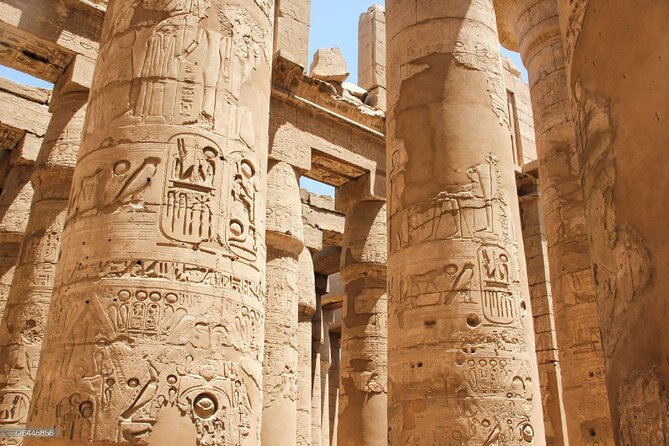
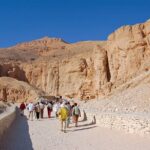
Next up is the Valley of the Kings, where many royal pharaohs were buried during the New Kingdom period (1539–1075 BC). The guide context here matters because the valley isn’t only famous for one name—it’s famous because it became the major burial ground for rulers of the era.
The tour materials highlight major pharaohs buried there: Tutankhamun, Seti I, and Ramses II. Entrance fees are not included for this stop, so again, factor that into your budget.
You get about two hours. This time window is realistic: you’ll need enough minutes to walk through what’s open and understand how the valley functions as a planned royal landscape rather than a random set of holes in the ground.
Deir el Bahari and the Temple of Hatshepsut: Scale, Power, and a Name Change
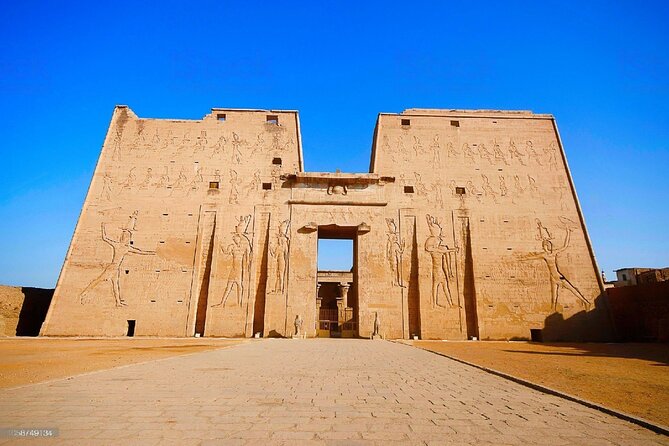
The Temple of Hatshepsut at Deir el Bahari is one of the most impressive West Bank sites, and the tour gives it the time it deserves—about two hours.
This temple was built to commemorate the achievements of Queen Hatshepsut (18th Dynasty) and function as a funerary temple, plus a sanctuary of Amun Ra. A detail worth knowing as you walk through: in the 7th century AD, the area was connected to a Coptic monastery, which is why the site is associated with the name “Northern Monastery.”
Entrance fees are not included for this stop, so plan accordingly.
If you love seeing how power, religion, and architecture all work together, Hatshepsut’s temple is the kind of stop that turns “ancient Egypt” from a list into a story with characters.
Colossi of Memnon: A Quick Stop With Big-Scale Effect
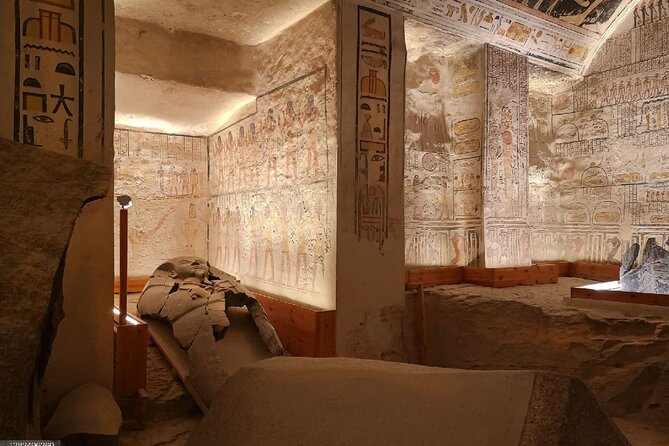
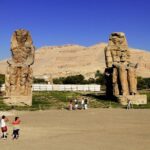
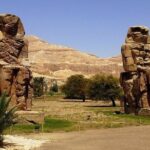
The Colossi of Memnon are listed as two large ancient statues in Egypt, dating to the reign of King Amenhotep III. You only have about 20 minutes here, and the stop is free.
That short time can work because the statues do most of the talking. Even if you don’t spend long reading every surface, you’ll still feel the scale—and that scale helps you understand why the West Bank feels so massive compared to the city temples on the East Bank.
Medinet Habu and the Temple of Amon: A West Bank Site You Can Actually Pair

After Colossi of Memnon, you head to Medinet Habu Temple. This one is described as one of the best temples on the West Bank, and it’s built by pharaoh Ramses III and dedicated to Amon.
This stop is about two hours and is listed as free entry.
If you like building a mini-route inside the big West Bank plan, Medinet Habu is helpful because it’s easy to connect with nearby sites like the Valley of the Queens or Hatshepsut Temple. In this tour, you do exactly that: Medinet Habu fits neatly between the “major monument” moments.
Valley of the Queens and Tutankhamun’s Tomb: Wives, Beauty, and What Intact Means
Next is the Valley of the Queens (Wādī al Malekāt). The tour materials give you an important meaning: it was known then as Ta-Set-Neferu, meaning place of beauty. It became famous for being the burial site of wives of pharaohs.
This is about one hour and is listed as free entry. That mix—limited time but included—makes sense if you want the West Bank variety without turning day 2 into a marathon.
Finally, you can visit the Tomb of King Tutankhamun (Tut), listed as about one hour with entrance fees not included. The materials also clarify why Tut’s tomb matters: Tutankhamun wasn’t described as especially important, but his tomb was the only royal burial found intact in modern times. That intact condition helped archaeologists record what an Egyptian king’s tomb looked like and learn more about ancient Egypt.
This is usually the moment where the trip shifts from architecture and history into something more personal. You’re standing at a site tied to discovery and preservation—two things that make it feel different from “just another tomb.”
Price and Value: What $110 Covers and What You’ll Still Pay For
At $110 per person for a private, two-day plan, the value is mainly in the support you get: Egyptologist guide, private A/C transportation, hotel pickup and drop-off, mineral water during visits, and lunches (listed as two lunches total).
That’s a lot of real-world costs handled for you. Luxor can be tricky to organize on your own, and having pickup plus a professional guide means you spend less time negotiating and more time learning.
The one place to be ready: entry fees are not included. Some stops are listed as free (like Luxor Museum, Mummification Museum, Colossi of Memnon, Medinet Habu, and Valley of the Queens), but key sights such as Karnak, Luxor Temple, Valley of the Kings, Hatshepsut, and Tut’s tomb list entrance fees as not included.
So your total cost will depend on which paid entrances you choose and how the site fees are handled for your exact visit dates. Still, even with that, this is a practical package because it organizes a huge amount of ground into two coherent days.
Service Quality: What Mohammed’s Guide Style Suggests About This Tour
One standout service note I saw was about Mohammed, the guide described as very informative and helpful with questions. The guest also mentioned he got them to and from the hotel on time and that the drivers were careful and safe.
There was also a practical bonus: Mohammed provided tips on local shops and even helped with price negotiation. That matters more than people think. Luxor shopping can be confusing if you don’t know what’s fair, and a guide who helps you handle it politely and confidently can save you both money and stress.
With a 5-star rating and 100% recommendation in the feedback summary, the takeaway is simple: this isn’t just about getting from A to B. It’s about doing it smoothly, with answers along the way.
Who Should Book This Luxor Two-Day Plan?
This tour fits best if you want:
- a private format with pickup and A/C transport
- an Egyptologist guide to connect scenes and symbols
- a balanced day plan that includes temples, museums, and a show
- a guided West Bank route that hits the big names without you guessing order
It’s also a good match for couples and small groups who don’t want the friction of public transport. If you’re the type who likes to understand why temples face a certain way or why festivals matter, you’ll get more out of it than if you’re only hunting photos.
Should You Book This Tour?
I’d book it if your priority is structured sightseeing with an Egyptologist and no hassle. The combination of East Bank monuments + West Bank burial sites in two days is the main reason it works, and the included museums help you make sense of what you’re seeing.
Skip this only if you already have everything timed tightly and you don’t want to pay separate entry fees. Also consider your comfort with heat and walking—because even with private transport, you’ll still spend time on foot at large sites.
If you want a Luxor experience that feels organized, explainable, and worth your time, this is a strong pick.
FAQ
How long is the Luxor tour?
It runs for 2 days (approximately).
Do you include hotel pickup and drop-off?
Yes. Hotel pickup and drop-off in Luxor are included.
Is there an Egyptologist guide?
Yes. You’ll travel with a qualified and professional Egyptologist guide.
What’s included in the price besides the guide?
The tour includes all transfers by private A/C vehicle, mineral water during visits, and lunch (2 lunches total).
Are entry fees included?
No. Entry fees are not included, though some specific stops are listed as free entry.
Is the hot air balloon tour included?
It’s optional. The hot air balloon is listed as not included in admission fees.
Is this a private tour?
Yes. It’s a private tour/activity, and only your group participates.
When do I get confirmation after booking?
Confirmation is received at time of booking.
What’s the typical booking timing for this tour?
On average, it’s booked about 43 days in advance.