REVIEW · LUXOR
2-Day Tour: Karnak & Luxor Temples Valley of the Kings Hatshepsut Temple &Memnon
Book on Viator →Operated by Reflections Travel · Bookable on Viator
Luxor hits harder when you slow down. This 2-day private door-to-door tour lets you see the East Bank and West Bank with your own Egyptologist guide instead of getting swept along. You get a focused route through Karnak Temple, Luxor Temple, the Valley of the Kings, Hatshepsut, and the Colossi of Memnon, with time to actually look.
I really like the easy pacing built into the schedule. You’re not stuck in a rushed one-day sprint, and the private, air-conditioned car makes the whole thing feel doable in the Egyptian heat. You’ll also start each day with transport from your pickup point and finish back in Luxor, which matters after long temple walks.
One thing to consider: the West Bank plan is great, but the coverage can be shorter than you expect. One review notes the Valley of the Queens may be excluded, so if that site matters to you, confirm it before you go.
In This Review
- Key points to know before you book
- East and West Bank in 2 Days: the smart way to see Luxor
- Day 1: Karnak Temple and Luxor Temple at a human pace
- Day 2: The Valley of the Kings names you can place
- Hatshepsut at Deir el Bahari: power, trade, and a strong name meaning
- Colossi of Memnon: the quick photo stop that feels huge
- Private A/C transport, tickets included: where the value actually comes from
- Guides make or break it: the names that came up for me
- What to watch for: lunch extras and shopping pressure
- Price check: is $115 per person a fair deal?
- Who this tour suits best
- Should you book this private Luxor East and West Bank tour?
- FAQ
- How long is the Karnak and Luxor Temples with Valley of the Kings tour?
- How much does the tour cost?
- Is hotel pickup and drop-off included?
- What’s included in the tour price?
- Are admission tickets included?
- What’s not included?
- Is this a private tour?
- Which sites are visited on the East Bank?
- Which sites are visited on the West Bank?
- Are tickets mobile?
- Cancellation policy
- Can I cancel for a full refund?
Key points to know before you book
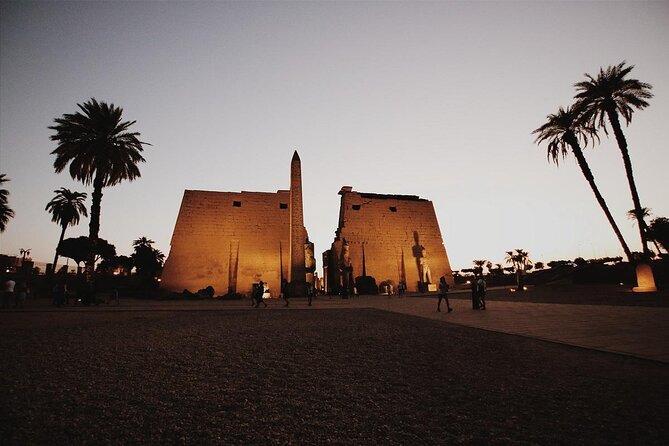
- Private Egyptologist, not a crowded bus: You get real time for questions, like hearing why Karnak was dedicated to Amon and Mut.
- Tickets and entrance fees included: Karnak, Luxor Temple, the Valley of the Kings, Hatshepsut, and the Colossi are covered.
- Two-day pacing for heat and crowd control: You get breathing room, instead of squeezing everything into one day.
- West Bank highlights that connect the dots: Valley of the Kings tomb names and Hatshepsut’s story flow naturally from stop to stop.
- Colossi of Memnon is a fast win for photos: Twin statues made of quartzite sandstone, with a strong photo moment.
- Food isn’t included: You’ll want a plan for lunch breaks between stops.
East and West Bank in 2 Days: the smart way to see Luxor
Luxor can be overwhelming fast. Temples blur together when you try to pack too much into one day, and the West Bank can feel like a long slog under the sun. This tour’s big idea is simple: split the action into two calmer blocks so you can actually absorb what you’re looking at.
On the East Bank (Day 1), you focus on Karnak and Luxor Temple. On the West Bank (Day 2), you move into the Valley of the Kings area, then head to Hatshepsut and finish with the Colossi of Memnon. That structure helps you keep the story straight without feeling like you’re sprinting from one doorway to the next.
You’ll also benefit from the private, door-to-door setup. Having a driver waiting for you and an A/C vehicle ready to move you between sites makes the day feel smoother and less stressful. If you’re the type who hates losing time on logistics, you’ll like how this tour removes that friction.
A few more Luxor tours and experiences worth a look

Day 1: Karnak Temple and Luxor Temple at a human pace
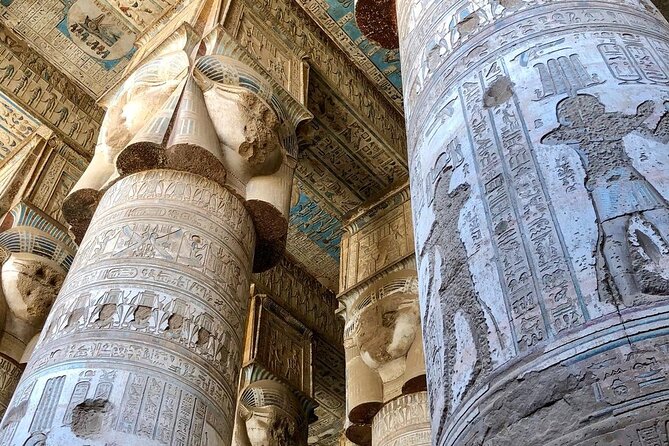
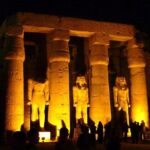
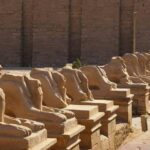
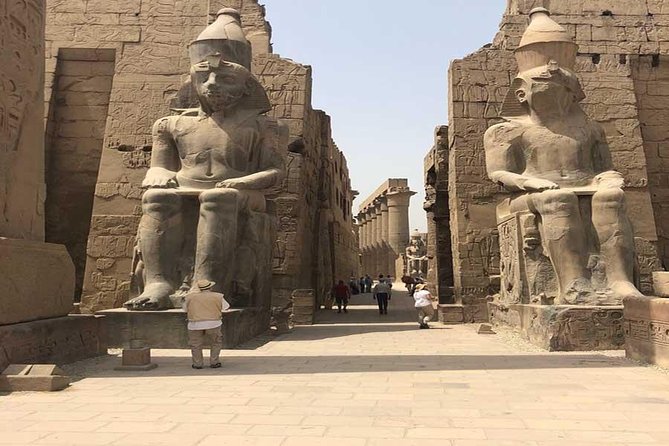
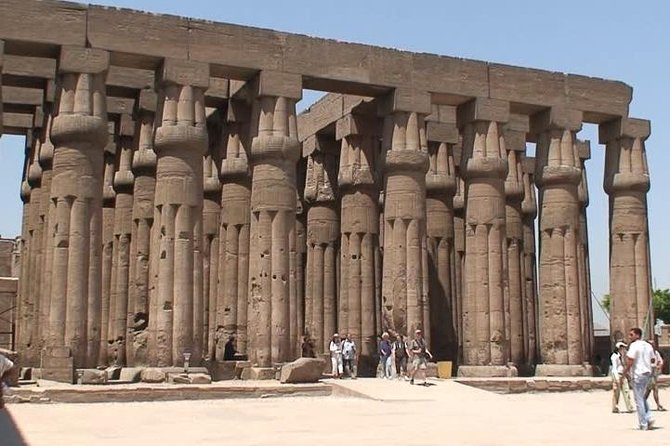
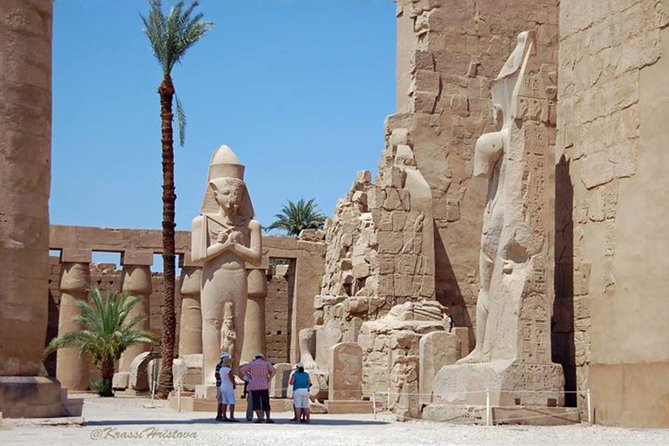
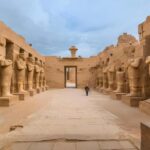
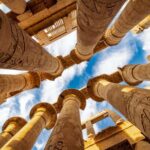
Day 1 is your East Bank day, and it’s built around two of Luxor’s most important temple spaces. First up is the Temple of Karnak (about 2 hours). Karnak isn’t just a pretty site on the way to something else. It’s described here as the greatest example of worship in history, dedicated to the god Amon and his wife Mut. That framing matters because it helps you look at the complex as a living religious center, not just a collection of stones.
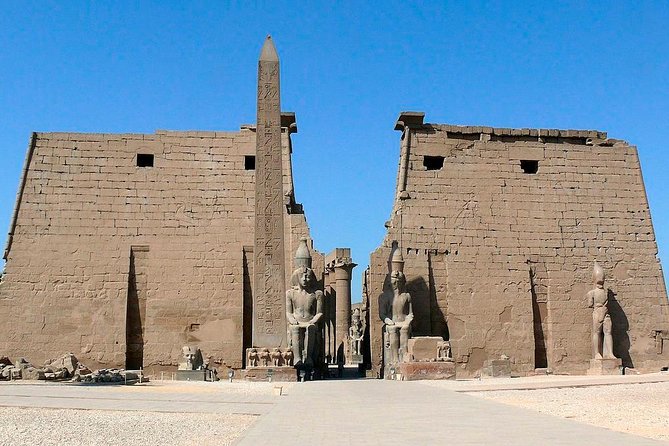
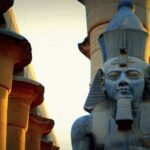
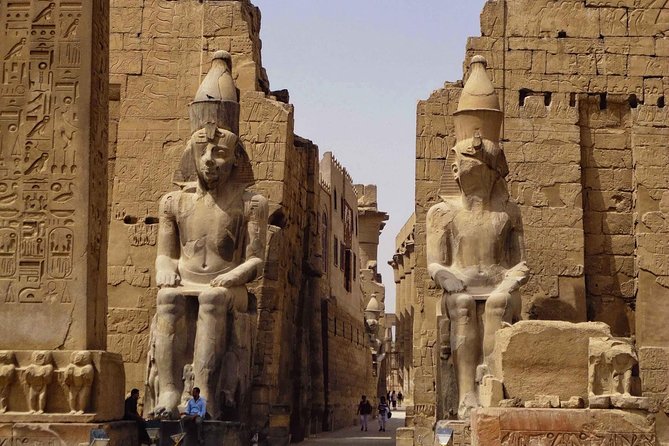
Then you move to Luxor Temple (about 1 hour). This stop has a nice historical timeline built in: it was built by Amunhotep III in the 18th Dynasty and completed by Ramesses II in the 19th Dynasty. The tour also highlights the dedication to the Theban triad: Amun-Ra, Mut, and their son Khonsu. And yes, you’ll get the specific detail about the Obelisk of Ramses II standing in front of the 1st Pylon.
What I like about doing Karnak and Luxor Temple on the same day is the contrast. Karnak is the grand, worship-focused stop. Luxor Temple feels more connected to the daily rhythms of kings and temples. With a private guide, you’re not just staring. You’re learning how the parts connect, and you’re free to linger where you feel curious.
Day 2: The Valley of the Kings names you can place
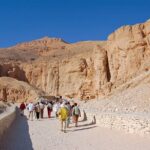
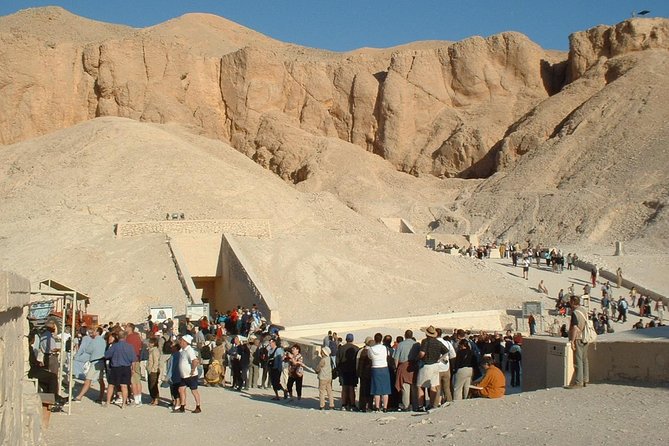
The West Bank day starts with the Valley of the Kings (about 2 hours). This is where the tour earns its keep for first-timers and repeat visitors alike: you’re not just visiting a valley. You’re meeting a lineup of tombs tied to recognizable names.
The plan calls out the well-known tombs you’ll hear about during the visit, including Tutmosis I, Tutmosis III, Tutankhamun, Ramesses VI, Mrenptah (Merneptah), and Amonhotep II. When your Egyptologist stays with you through the valley, those names stop being random facts and start becoming a map you can follow.
Two practical advantages come with doing the Kings area on day two. One, you’re not trying to learn everything on day one in the same mental session. Two, the tour structure gives you time to keep your energy for the harder-feeling terrain on the West Bank.
If you’re the type who likes to take photos, you’ll also appreciate not being rushed. You can frame shots and walk at a pace you control, rather than trying to keep up with a faster group.
Hatshepsut at Deir el Bahari: power, trade, and a strong name meaning
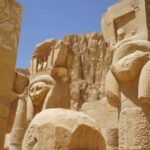
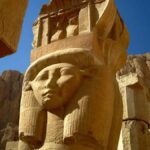
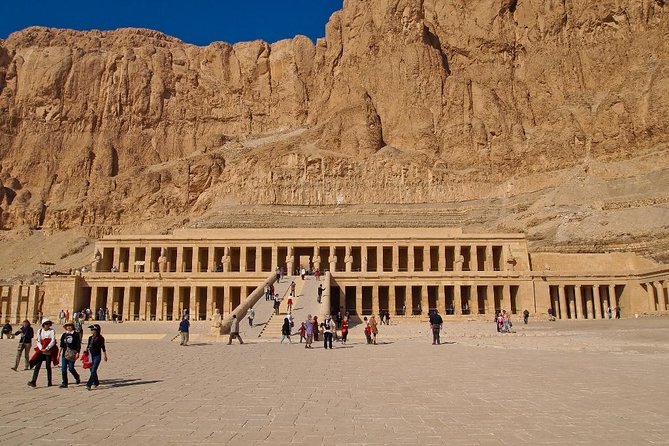
After the Valley of the Kings, you head to the Temple of Hatshepsut, also known as Deir el Bahari (about 1 hour). This stop is one of the best examples of why having a guide matters. The tour points out the name meaning: Hatshepsut translates roughly as Foremost of Noble Ladies. That little language piece helps you see the temple as tied to identity and status.
You’ll also hear the idea that Hatshepsut was thought to have started the first trading routes. Even if you don’t obsess over the claim, it gives you a lens. You’re not only looking for carvings and architecture. You’re looking for how a ruler wanted her legacy remembered.
One honest note: one review highlights that the tour may exclude the Valley of the Queens. That means if your must-see list includes the Queens area specifically, you should ask your operator before departure. If that stop gets dropped, Hatshepsut and the Colossi still make a strong West Bank day, but it’s smart to confirm so you’re not disappointed by expectations.
Colossi of Memnon: the quick photo stop that feels huge
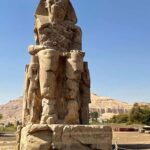
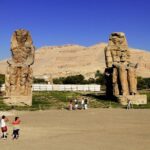
The last stop is the Colossi of Memnon (about 20 minutes). Don’t let the short time fool you. These twin statues are described as huge statues made from blocks of quartzite sandstone, and that material detail matters when you’re staring at them in person.
The tour also notes they were thought to have guarded the entrance to the Amenhotep memorial temple. That context turns the statues from a background sight into something with a job. You can see why people point their cameras here. It’s a strong end-point for the day: big, sculptural, and easy to capture.
This is also a good reminder to pack a flexible mind. Two days doesn’t mean two days of constant walking. A short closing stop like this can feel like a reward after the tomb valleys and temple entrances.


Private A/C transport, tickets included: where the value actually comes from
At $115 per person for two days, the math works best if you value what’s included: private A/C vehicle, pickup and return, a private Egyptologist guide, and entrance fees to the listed sites. In Luxor, transport time and ticket logistics can quietly eat up a DIY day. Here, you hand that to the tour operator, and you get your time back.
The private format is also meaningful. This is a private tour, so you’re not negotiating your pace with strangers. If you want to ask a question, pause for a photo, or simply stand and watch how a space feels, your guide can adjust.
I also liked the “start with pickup, end back where you began” rhythm. One review specifically praised the air-conditioned car as a lifesaver in the heat. That’s exactly why you’ll feel better doing this style of tour rather than grabbing separate taxis between sites.
One more practical detail: the tour uses mobile tickets. That can reduce time spent at ticket counters, so you spend more time outside and less time waiting.
Guides make or break it: the names that came up for me
Even with the same itinerary, a guide changes the experience. In the feedback you’ll see names like Mohsen, Hany, Roshdy, Barry, Sayed, and Kamal. Multiple people praised these guides for making the sites easier to understand and more fun to visit, not just listing facts and moving on.
That matters because these monuments can feel heavy on information if you’re reading alone. A good guide translates the “what” into the “why.” For example, hearing why Karnak is tied to Amon and Mut, or why Luxor Temple is connected to Amun-Ra, Mut, and Khonsu, helps your brain lock onto the right theme.
Also, a few reviews mentioned flexible timetables and the ability to adjust during the day. In hot weather and busy sites, that adaptability can be the difference between a tolerable visit and a stressful one.
What to watch for: lunch extras and shopping pressure
This tour includes admissions and guiding, but it does not include food and drinks. That means you’ll need to plan for lunch during your day. Some operators or guides may suggest a restaurant stop, and the quality and pricing can vary. If you’re picky about meals, it’s worth asking how the lunch break will work before you commit.
You should also be alert about extra stops that look like they’re part of the tour but feel like shopping. Some reviews mention suggestions such as light and sound shows and visits to places like an alabaster factory or perfumery. I’m not saying you’ll get these stops on your date. I am saying you should treat any extra shopping or show recommendation as optional and ask questions about what you’re paying for.
The best approach is simple: if you see a planned stop that isn’t clearly stated as part of the sightseeing, ask how long it will take and whether it’s worth your time. If it feels like hard selling, you can choose to skip.
Price check: is $115 per person a fair deal?
$115 per person can look either cheap or expensive depending on what you compare it to. Here’s the fair way to judge it: you’re paying for two days, private pickup/transport in an A/C vehicle, a private Egyptologist guide, and entrance fees included for every listed site.
So the value is strongest if you’d otherwise need to pay for a guide, tickets, and reliable private transport separately. It’s also better if you want a smoother experience and less “where do we go next?” time.
The one complaint you should keep in mind is that two days can feel short if your goal is a total monument marathon. One person felt the schedule ended early and that Karnak and Luxor Temple were close enough to do in one day. That’s a fair opinion, but it misses the point of this tour’s strategy: comfort and clarity. If you want a restful pace and guided context, two days is the point, not a flaw.
Who this tour suits best
This tour is ideal if you:
- want a private Egyptologist guide rather than a group format
- prefer calmer pacing over racing between sites
- care about having tickets and transport handled for you
- want a readable East Bank and West Bank plan without heavy planning work
It also works well for visitors on a first Luxor trip, because the itinerary maps major sights in a way that makes the bigger picture easier to understand. If you’re traveling as a couple or small group, the private setup can feel especially efficient.
Should you book this private Luxor East and West Bank tour?
If your priority is to enjoy Luxor without the stress of logistics, I think this tour is a strong choice. The biggest win is the pacing: Karnak and Luxor Temple on day one, and the Valley of the Kings plus Hatshepsut and the Colossi on day two. You’ll feel less rushed, and that alone improves how you experience the monuments.
Before you book, do one quick check: confirm whether the Valley of the Queens is actually included on your specific schedule. The tour summary mentions it, but there’s at least one indication it may be excluded. If you care about that stop, you don’t want it to be a surprise.
If you’re comfortable going at a human pace and letting your guide handle the flow, you’ll likely feel you got your money’s worth.
FAQ
How long is the Karnak and Luxor Temples with Valley of the Kings tour?
It runs for 2 days (approx.).
How much does the tour cost?
The price is $115.00 per person.
Is hotel pickup and drop-off included?
Yes. The tour offers pickup services from your starting point and return.
What’s included in the tour price?
Private A/C vehicle transfers, a private Egyptologist guide during your tour, all service charges and taxes, and entrance fees to the sites.
Are admission tickets included?
Yes. Admission tickets are included for Karnak, Luxor Temple, the Valley of the Kings, Hatshepsut, and the Colossi of Memnon.
What’s not included?
Food and drinks are not included.
Is this a private tour?
Yes. It’s private, meaning only your group participates.
Which sites are visited on the East Bank?
Temple of Karnak and Luxor Temple.
Which sites are visited on the West Bank?
The Valley of the Kings, the Temple of Hatshepsut (Deir el Bahari), and the Colossi of Memnon. The Valley of the Queens is mentioned in the tour summary.
Are tickets mobile?
Yes. The tour includes a mobile ticket.
Cancellation policy
Can I cancel for a full refund?
Yes, free cancellation is available. You must cancel at least 24 hours in advance for a full refund.