REVIEW · ALEXANDRIA
Alexandria: Library, Amphitheater & Citadel Tour
Book on GetYourGuide →Operated by Ramses tours · Bookable on GetYourGuide
One city, three time periods, zero stress. This tour threads together the Library of Alexandria courtyard, Roman Alexandria’s excavation zone, and the Qaitbay Citadel with a guided walk through older streets. I like how it shows the big icons and then backs them up with real, physical sites you can stand next to. The one real catch: you don’t enter the Alexandria Library reading area, and the Roman ruins are external views only.
What makes it feel “local” is the pacing and the variety. You’re not stuck in one museum room all day; you move from statues in the library court to Kom El-Dikka archaeology, then to church and mosque stops in the old center. On many tours you’ll be paired with guides known for clear explanations—names that show up often include Karim, Macy, and Waleed—so expect the day to be more story-led than photo-led. The main drawback to consider is timing: the start time and the order of short stops can vary, so confirm your pickup time and be ready for a tight schedule.
For value, the math is mostly solid. At about $65 per person for a 6-hour day, you get hotel pickup, air-conditioned transfers, entrance fees, and an expert guide (plus an audio guide in many languages). If you’re hoping for maximum access—library reading-room time and inside-the-ruins viewing—this won’t be the best fit.
In This Review
- Key Things to Notice on This Alexandria Tour
- A Six-Hour Rhythm Through Alexandria’s Past and Present
- Library of Alexandria Courtyard: Alexander and Ptolemy Up Close
- Roman Alexandria at Kom El-Dikka: Theater Ruins and “Outside Only” Archaeology
- St. Mark Church and Old Downtown Walking: Where Alexandria Feels Lived-In
- Qaitbay Citadel and the Lighthouse Site: The Seven Wonders Connection
- Lunch Break and the Stanley Bridge Return: Ending on Modern Alexandria
- Price and What You’re Really Paying For ($65 for a 6-Hour Day)
- Tour Size, Language Support, and Guide Quality That Changes the Day
- Who This Tour Fits Best (and Who Should Rethink It)
- Should You Book the Alexandria Library, Amphitheater & Citadel Tour?
- FAQ
- How long is the Alexandria Library, Amphitheater & Citadel tour?
- Is hotel pickup included?
- What parts of the Alexandria Library are included?
- Can I visit the Roman excavation sites inside?
- When is the Library of Alexandria closed?
- What languages are available for the live guide and audio?
- Does the tour include lunch?
- What is the cancellation policy?
Key Things to Notice on This Alexandria Tour
- Library of Alexandria courtyard access with the Alexander the Great and Ptolemy I statues you’ll see right away
- Roman Alexandria ruins, outside only—you get the setting without interior access
- St. Mark’s Church focus at a major Christian landmark, including time for photos
- Old downtown walking route that gets you off the main drag and into everyday streets
- Qaitbay Citadel photo stop on the Lighthouse site—the “Seven Wonders” connection is visual
A Six-Hour Rhythm Through Alexandria’s Past and Present
This is a well-paced 6-hour loop that tries to do a lot without doing it at a sprint. The day starts with hotel pickup in Alexandria, then you ride in an air-conditioned vehicle between key stops. That matters in Alexandria—heat and traffic can turn a “quick walk” into a sweaty slog fast, so the bus-time is a feature, not a flaw.
The tour’s structure is also smart. It’s not just a checklist of famous names. You begin with the library complex, shift into Roman remains, then move into religious landmarks in the older city center. Finally, you end with the waterfront-era landmark that ties directly back to the ancient Lighthouse of Alexandria. If you like connecting dots—how places evolved over centuries—this itinerary helps you do exactly that.
Small group size is another practical plus. The tour has a maximum of 10 travelers, which usually makes it easier to hear the guide and ask quick questions without constant “excuse me” interruptions.
You can also read our reviews of more tours and experiences in Alexandria.



Library of Alexandria Courtyard: Alexander and Ptolemy Up Close

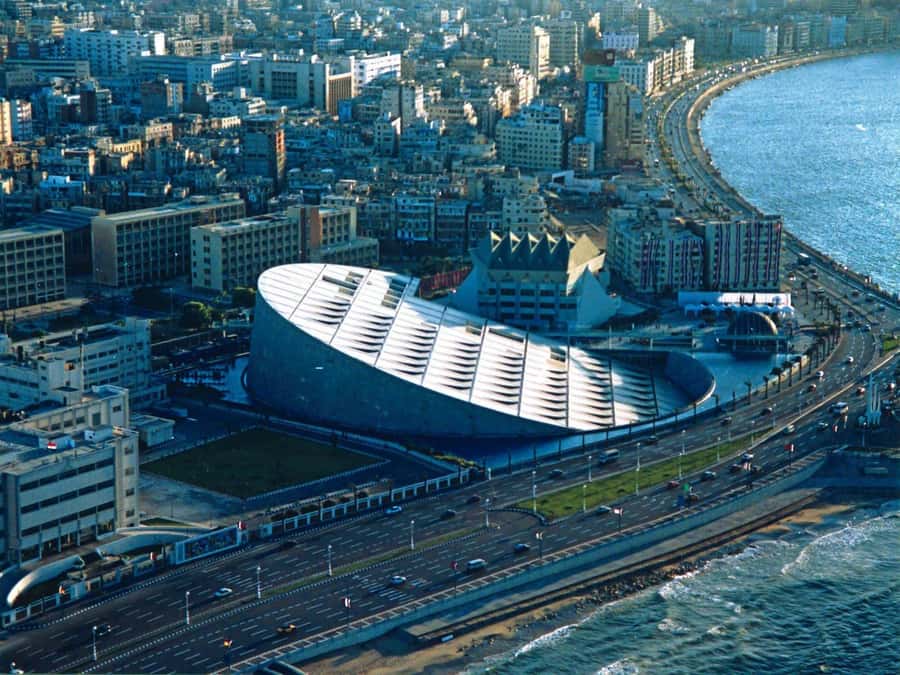
Your first major stop is the Library of Alexandria. You’ll visit the grounds with a guided look, including the open court where you can see the statue of Alexander the Great and the statue of Ptolemy I.
Two things I’d highlight. First, the courtyard is designed for viewing from the outside, so you’re not waiting around for special rooms or complicated access. Second, these statues aren’t random decorations—they’re part of the library’s identity, pointing you toward the idea of knowledge as empire and legacy. Even if you’re not a museum person, you’ll likely get a real sense of place here.
The one limitation to be aware of: entrance to the Alexandria Library reading area is not included. You can still see what you came for, but if reading-room access is a must for your trip, adjust your expectations now rather than being disappointed later.
Also keep the timing in mind: the Library of Alexandria is closed on Fridays, Saturdays, and public holidays. If your travel dates include one of those days, you’ll want to double-check whether you’ll still be able to visit the library portion as planned.
Roman Alexandria at Kom El-Dikka: Theater Ruins and “Outside Only” Archaeology
Next comes Roman Alexandria, centered around the Roman theater in Kom El-Deka. You’ll get a guided visit and then walk through the area. This is where the tour shifts from “icon sightseeing” to “archaeology you can walk around.”
A key detail: you’ll see the excavation areas of the Old Roman city, including Roman villas and amphitheater ruins, plus the Great Tomb excavation site. But you’re not allowed inside the excavation sites—you’ll enjoy external views.
That might sound limiting, but it often works better for a short city tour. Inside access usually means more waiting, stricter rules, and less time for explanation. Outside viewing keeps the day moving, and the guide can still point out what you’re seeing: how the Roman city was laid out, where the theater stood in relation to other structures, and how these ruins survived long enough to be studied today.
If you love early cities and layered streets—how new life grows on older foundations—this section is a strong payoff. It turns the idea of ancient Alexandria from a headline into something you can picture in 3D.
St. Mark Church and Old Downtown Walking: Where Alexandria Feels Lived-In
After the Roman sites, you shift to religion and older streets. You’ll visit the church of St. Mark, described as the oldest church in the city and the oldest church in Africa. Even if churches aren’t usually your “must-see” category, this stop adds a different kind of depth than the ruins.
Then you get the part that feels the most like wandering: a walking tour through the old city center. You’ll walk before reaching Abbo Elabbas Mosque for a photo stop.
This combination matters. Ruins give you the ancient layer. Religious landmarks give you continuity—people still come here, still gather, still practice. And the old downtown walk is where you start noticing the rhythm of the city beyond the big stops.
A practical tip: wear shoes you trust. This is a walking day, and the “old city-center” portion is likely where your feet will feel it the most. Sunglasses and a hat are also worth it; the sun here doesn’t care that you’re on vacation.
Qaitbay Citadel and the Lighthouse Site: The Seven Wonders Connection
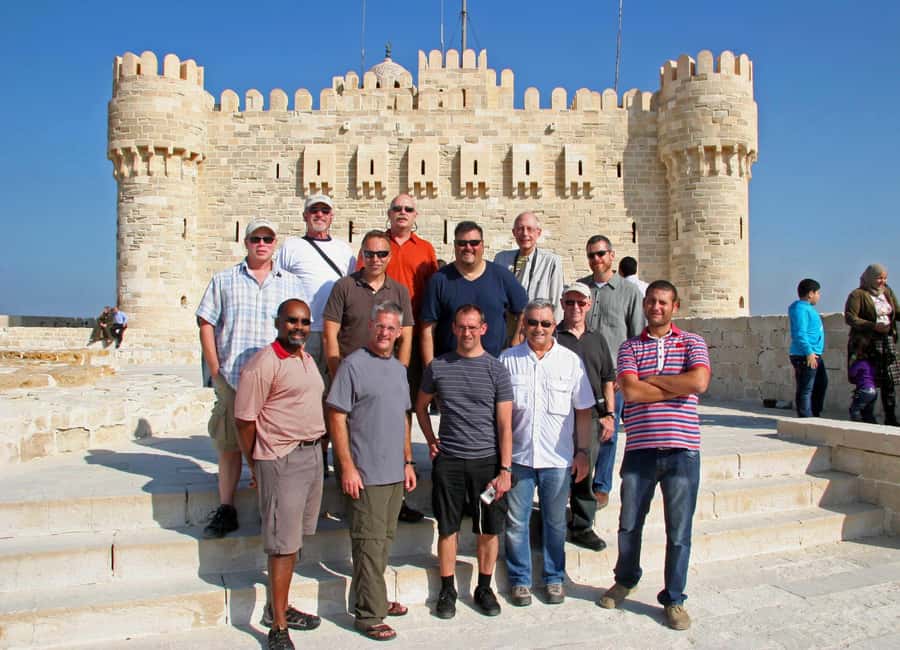
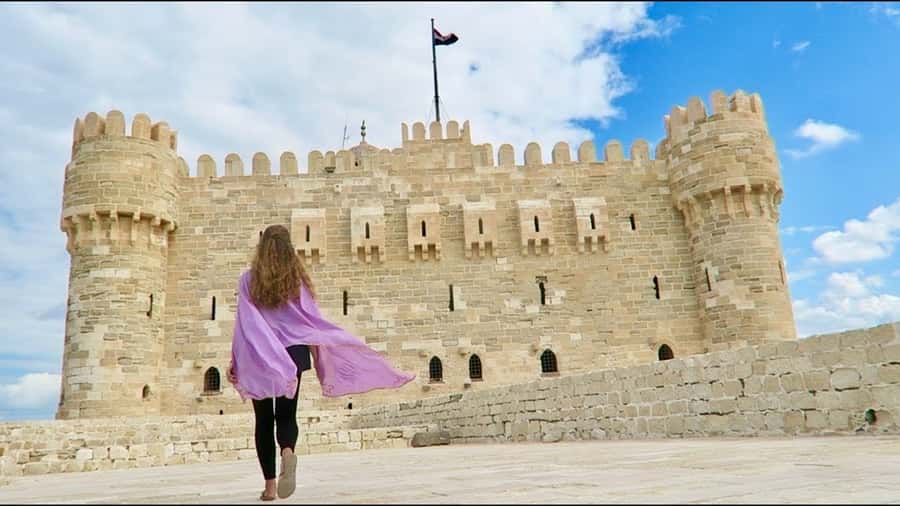
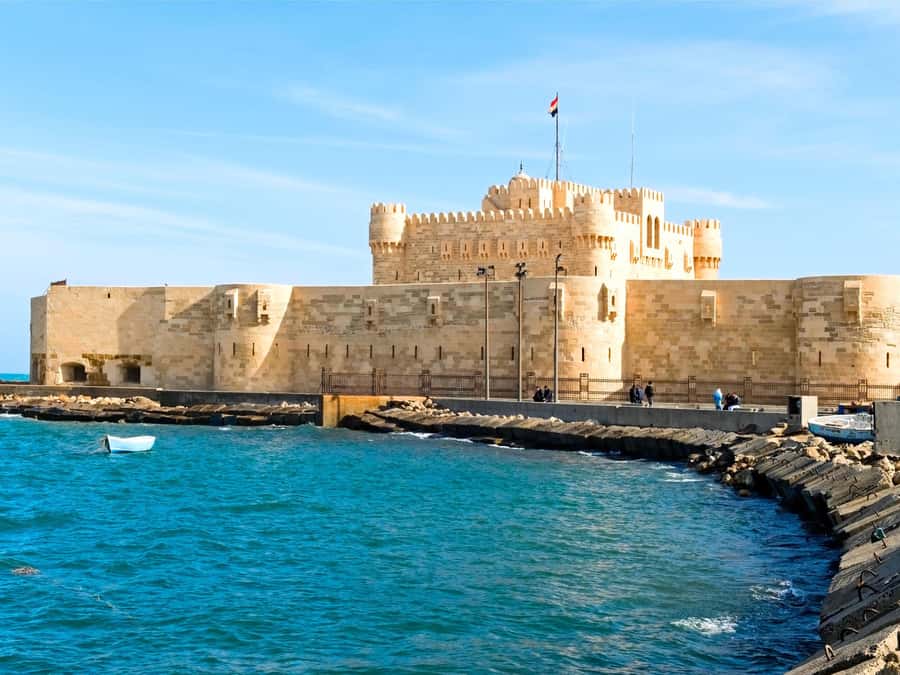
The highlight many people remember is the Qaitbay Citadel stop. You’ll take a guided look and walk around the area. What makes it special on this specific tour is the built-in connection to the ancient Lighthouse of Alexandria, one of the Seven Wonders of the Ancient World.
Quaitbay Castle (part of the citadel complex) was built on the same site as the ancient lighthouse, and the tour includes a photo stop for that connection. You’re not going to “walk on lighthouse stones,” but you are going to stand at the location and understand the continuity: how the city reused strategic waterfront ground across different eras.
If you’re the kind of traveler who likes your photos to mean something, this is a good moment to slow down. Let the guide explain why this spot mattered so much—navigation, trade, and the simple power of being seen from sea. Then take the photo while you still remember the story.




Lunch Break and the Stanley Bridge Return: Ending on Modern Alexandria
Lunch is included at a local restaurant. It’s built into the flow so you’re not spending the middle of the day guessing where to eat or trying to beat the clock. I like tours that don’t make you hunt food during the hottest hours.
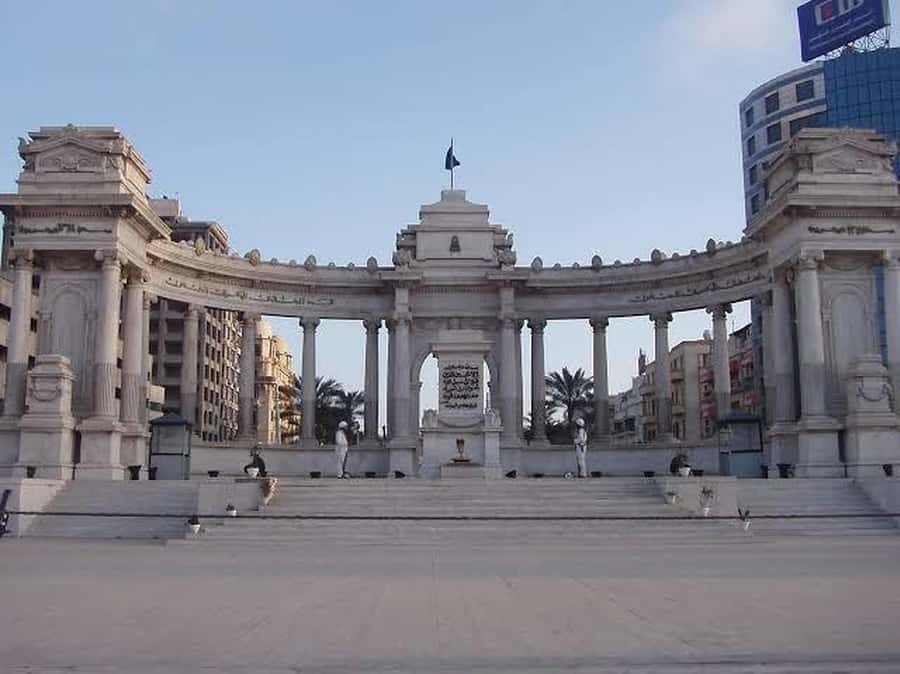
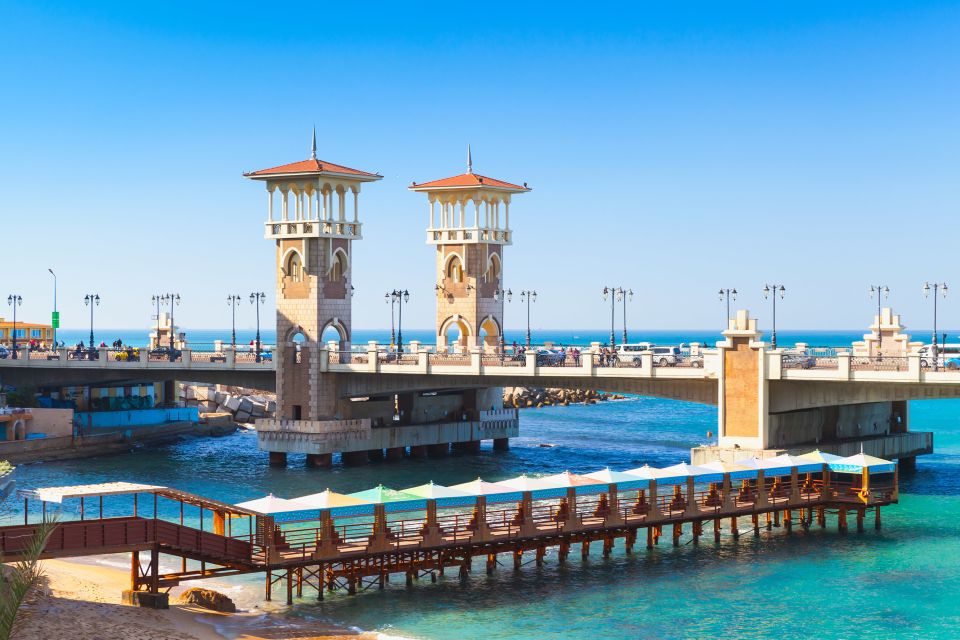
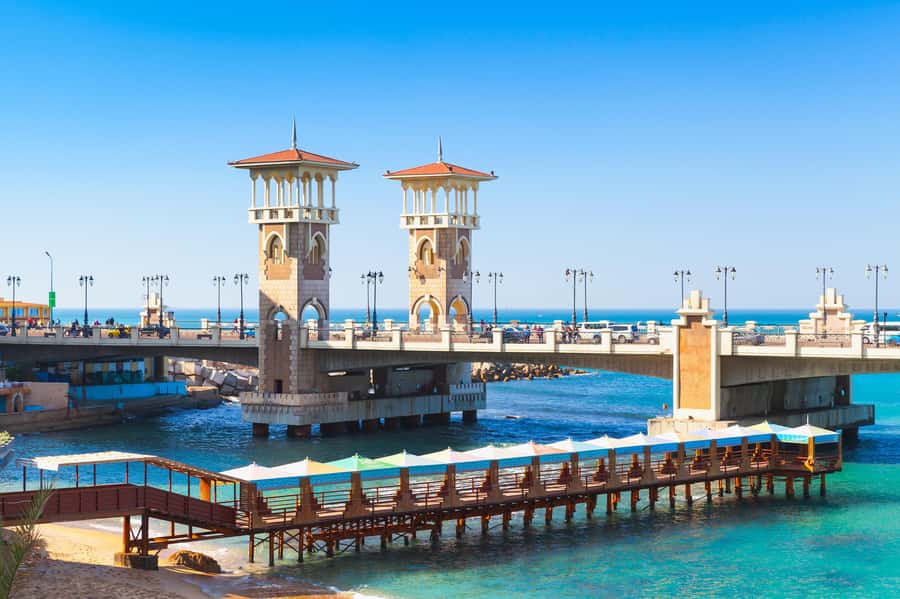
After lunch and the remaining sights, you’ll travel back to your hotel. On the way, you’ll pass by Stanley Bridge, a modern landmark of Alexandria. That short transit moment is more useful than it looks. It helps you reset your bearings and reminds you that Alexandria isn’t only an ancient backdrop—it’s a real city with a living modern face.
Then you’re back at your starting point, with the day ending as smoothly as it began: pickup and drops are handled by the operator, and you’re not left negotiating transport when you’re tired.
Price and What You’re Really Paying For ($65 for a 6-Hour Day)
At around $65 per person for a 6-hour guided tour, the value depends on what you want to access.
You’re paying for:
- Hotel transfers in an air-conditioned vehicle
- An expert guide (English and French live guide options)
- Entrance fees for the included sites
- A route that mixes big landmarks with smaller, less-tour-bus parts
You’re not paying for:
- Library reading area entry (not included)
- Inside access to the excavation sites (outside views only)
So the pricing makes sense if you’re happy with “see, understand, walk, photograph” rather than “maximum access at all times.” If your top priority is the library reading area or inside ruins, you may end up feeling like you paid full price for partial access. If your priority is learning how the different epochs connect—and getting a clean structure that keeps you on track—this price is pretty fair.
Tour Size, Language Support, and Guide Quality That Changes the Day
This tour runs with up to 10 travelers, and that changes the experience. With smaller groups, questions are easier, and the guide can keep everyone together without turning the day into a stop-start mess.
Live guide languages include English and French. Audio guidance is also included in a long list of languages (including English and French). If your preferred live language isn’t available, you’ll still get a live English guide plus the audio option in your chosen language.
Guide quality is the part that can make or break a history-heavy day. The strong guide performance that comes up around this experience includes people like Karim, Macy, and Waleed, who are noted for being passionate and informative, with English that’s easy to follow. I’d take that seriously when deciding: if you’re paying for a guided tour, this is where your money should go.
Who This Tour Fits Best (and Who Should Rethink It)

This is a good match if you want:
- A first-time Alexandria orientation that still includes the meaningful stuff
- A short day that connects ancient, Roman, and religious landmarks
- A guided walk through the old city center without having to plan the route yourself
- A mix of indoor/outdoor stops so the day doesn’t become one long waiting line
You might want to rethink it if:
- You specifically want inside access at the Alexandria Library reading area
- You’re expecting to enter excavation interiors
- You only like very slow-paced touring with lots of extra time at one place
In other words: go for it if you like structure and explanation. Skip or supplement it if you’re chasing maximum access.
Should You Book the Alexandria Library, Amphitheater & Citadel Tour?
I’d book this if your goal is to see major Alexandria landmarks in one guided circuit and leave with a clear mental map of how the city changed over centuries. The Library courtyard, the Roman area around Kom El-Dikka, St. Mark’s Church, and the Qaitbay Citadel/Lighthouse site connection are strong building blocks for a first serious day in town.
Before you commit, do two simple checks. First, confirm your calendar date isn’t one of the days the Library is closed (Fridays, Saturdays, public holidays). Second, remember that the reading area isn’t included and the ruins are outside views—so if that’s your must-have, plan accordingly.
If you want an efficient, guide-led Alexandria day without getting lost, this tour is a practical way to do it.
FAQ
How long is the Alexandria Library, Amphitheater & Citadel tour?
The tour lasts 6 hours.
Is hotel pickup included?
Yes. Pickup from your accommodation in Alexandria is included, and transfers are done in an air-conditioned vehicle.
What parts of the Alexandria Library are included?
You’ll visit the Library of Alexandria with guided sightseeing, including the open court and statues. Entrance to the reading area is not included.
Can I visit the Roman excavation sites inside?
No. You’ll see external views of the excavation areas, and it’s not allowed to visit inside the excavation sites.
When is the Library of Alexandria closed?
The Alexandria Library is closed on Fridays, Saturdays, and public holidays.
What languages are available for the live guide and audio?
Live tour guide languages include English and French. An audio guide is included in many languages, including English and French.
Does the tour include lunch?
Yes. A local restaurant lunch is included.
What is the cancellation policy?
You can cancel up to 24 hours in advance for a full refund.