REVIEW · ASWAN
03 Night Nile Cruise from Aswan to Luxor with Abu Simbel
Book on Viator →Operated by Egypt Holiday Makers Travel · Bookable on Viator
A Nile cruise that packs big temples without daily chaos is the point here. I like the way this 3-night cruise strings together Aswan’s Philae, the Egypt-famous temple stops at Kom Ombo and Edfu, and then lands you in Luxor for the West Bank sights. Another big plus is the English-speaking Egyptology guide, who keeps the meaning clear while you’re moving from site to site.
There are a few tradeoffs to plan around. Most site entries are not included, and two popular upgrades—Abu Simbel and a Luxor-area hot air balloon—aren’t part of the core price. That’s normal for Egypt tours, but it does change your final spend.
In This Review
- Key things I’d highlight before you book
- Why this Aswan to Luxor Nile cruise feels like good value
- Day 1 in Aswan: Aswan High Dam and Temple of Philae before you sail
- Aswan High Dam (about 2 hours)
- Temple of Philae (about 2 hours)
- What I’d watch for on Day 1
- Day 2: Optional Abu Simbel by car, then Kom Ombo’s Sobek-and-Horus temple
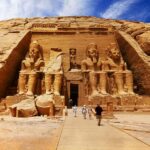
- Abu Simbel Temple Complex (optional; early morning drive)
- Kom Ombo (about 2 hours)
- How this day typically feels
- Day 3: Edfu Temple of Horus and Luxor Temple when the lights change
- Temple of Horus at Edfu (about 2 hours)
- Sailing to Luxor
- Luxor Temple (about 1.5 hours)
- A small reality check
- Day 4 in Luxor West Bank: Valley of the Kings, Hatshepsut, Colossi of Memnon, then Karnak
- Optional hot air balloon, then crossing to the West Bank
- Valley of the Kings (about 1.5 hours)
- Temple of Hatshepsut at Deir el Bahari (about 2 hours)
- Colossi of Memnon (about 15 minutes; admission free)
- Karnak Temple (about 1.5 hours)
- What’s handled for you: transport, guides, and onboard meals
- The Egyptology guide
- Meals
- Price and what you’ll likely pay extra for
- Included in the core package
- Not included, as stated
- A balanced way to budget
- Ship comfort: 5-star on paper, worth checking in real life
- Who should book this cruise, and who might want a different plan
- Should you book this Aswan-to-Luxor Nile cruise with Abu Simbel?
- FAQ
- How long is the Nile cruise tour?
- Where does the tour start, and do I get picked up?
- Is an Egyptology guide included?
- What meals are included during the trip?
- Is Abu Simbel included in the price?
- Is a hot air balloon ride included in Luxor?
- Are admission tickets included for the temples?
- Is this a private tour, and what’s the cancellation rule?
Key things I’d highlight before you book
- Aswan start with Philae Temple: you get the island temple story and myth details before you board
- Optional early Abu Simbel by car: works best if you want the big-name monuments without rushing
- Kom Ombo’s two-god layout: Sobek and Horus are built into the temple plan, not just mentioned
- Edfu Temple of Horus: one of the best-preserved temple experiences on the Nile route
- Luxor Temple in the heart of town: perfect timing for seeing the site without only chasing sunrise/sunset
- West Bank day with four classic stops: Valley of the Kings, Hatshepsut, Colossi of Memnon, then Karnak
Why this Aswan to Luxor Nile cruise feels like good value
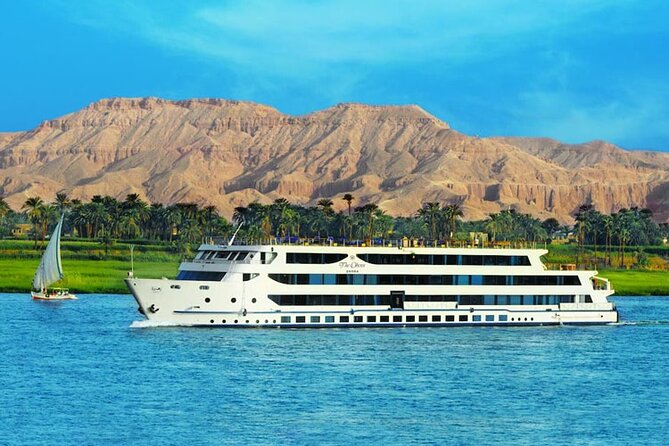
At $525 per person, this tour is aimed at one main thing: cutting the hassle between Aswan and Luxor while still giving you the big, expected temple hits. You’re getting three nights aboard a 5-star style Nile ship (as described by the operator), plus an Egyptology guide and round-trip transport by air-conditioned minivan. When you price that against doing Aswan-to-Luxor independently—guides, transfers, and meals—it usually lands in the “reasonable” zone.
The other value play is rhythm. Instead of a packed “wake up, drive, queue, repeat” day after day, you’re mostly traveling by ship between major stops. That means you can focus on the sights and not on logistics. You’ll still have early mornings on temple days, but the heavy moving is handled.
One practical note: this is listed as a private tour for your group, so the pacing can feel less rushed than the standard big-bus model. Group discounts are offered too, which can help if you’re traveling with friends or family.
You can also read our reviews of more boat tours in Aswan
- 4-Days Nile Cruise From Aswan To Luxor including Abu Simbel and Hot Air Balloon
★ 5.0 · 3,142 reviews
Day 1 in Aswan: Aswan High Dam and Temple of Philae before you sail
Your day starts with a pick-up from your hotel or the airport, plus a guided introduction to Aswan’s most famous modern and ancient landmarks. It’s a smart opener because Aswan has two “eras” in one town: the engineering story of today and the sacred-island story of ancient Egypt.
Aswan High Dam (about 2 hours)
You’ll visit the Aswan High Dam, located about 13 km south of Aswan. The tour frames it as a controversial monument of modern engineering, and it’s worth seeing even if you’re not an engineering person. The scale is the point: the description here emphasizes that the dam contains an enormous amount of material and reshaped the region by creating Lake Nasser.
If you like context, this stop sets you up for why the Nile and its surrounding settlements developed the way they did. It also helps you understand why so many monuments had to be protected or relocated over the last century.
Admission is not included in the package, so expect a separate ticket fee.
Temple of Philae (about 2 hours)
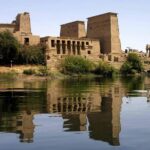
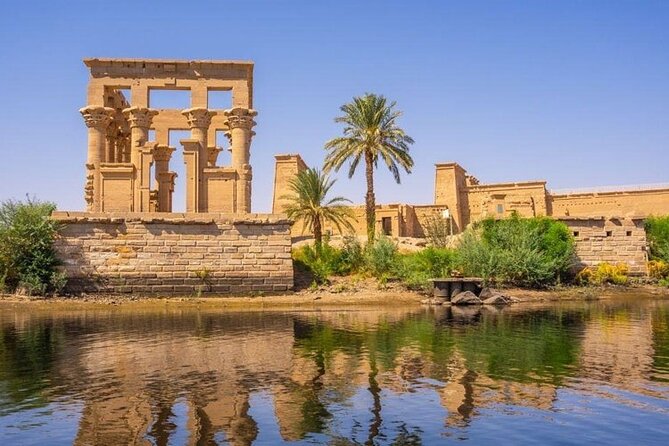
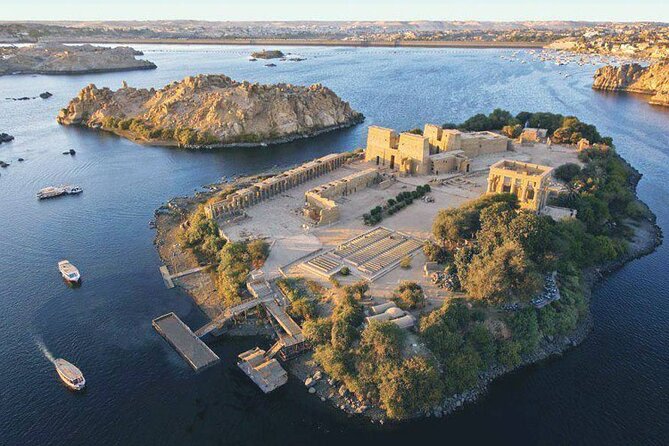
Next you go to Philae Temple, dedicated to Isis, Osiris, and Horus in a Greco-Roman period setting. The island setting matters here: the program mentions that Philae has been sacred to Isis for a long time, and the temple complex was completed under Ptolemy II Philadelphus and Ptolemy III Euergetes.
This is also where you start noticing the storytelling style of Egyptian temple art—scenes like Isis reviving Osiris, the birth of Horus, and Osiris’s mummification after death. A guide really helps you connect what you’re seeing to the bigger myth network.
After Philae, you check in to the Nile Cruise and continue with lunch and dinner onboard.
What I’d watch for on Day 1
The day is built for comfort, but you still have a full museum-temple circuit after transport. Wear shoes you can handle on uneven ground, and plan for sun. If you’re sensitive to heat, bring water and take slow breaks—temples are best enjoyed at a walking pace, not at a sprint.
You can also read our reviews of more evening experiences in Aswan



Day 2: Optional Abu Simbel by car, then Kom Ombo’s Sobek-and-Horus temple
Day 2 has two very different energies. First is the optional early Abu Simbel outing, then you ease into a temple stop on the river at Kom Ombo while the ship sails toward Edfu.
Abu Simbel Temple Complex (optional; early morning drive)
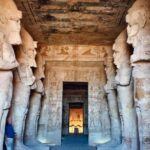
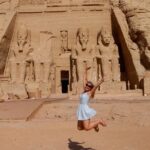
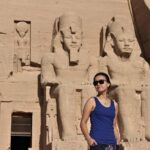
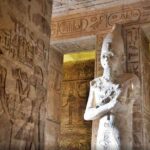
The tour offers Abu Simbel as an optional addition, and the big detail is the timing: you’re set up for an early start by car. Abu Simbel is described as one of Egypt’s most awe-inspiring ancient sites, known for towering statues and intricate carvings.
Even if you already know the headline (the temples are famous worldwide), I still like putting Abu Simbel into an organized day because it takes the stress out of timing, transport, and ticket lines. You’ll just need to budget extra—this stop is clearly marked as not included.
Also, because it’s optional, decide your style. If you want the “wow” monuments and you’re happy to trade sleep for a long early outing, add it. If you want a more relaxed day focused on the Nile and the mid-route temples, you can skip it and keep your energy for Day 3.
Kom Ombo (about 2 hours)
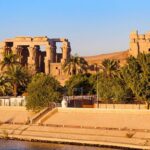
After sailing at noon, you visit the Temple of Kom Ombo, a temple with a unique dual dedication: Sobek (crocodile-headed god tied to fertility) and Horus (falcon-headed sky god). Instead of being a random set of rooms, the split worship is part of the temple design, which makes it easier to understand why the building plan feels different.
This is a good stop if you like temples where the architecture does more than decorate—it organizes meaning.
Dinner is onboard your Nile Cruise after Kom Ombo, and you’ll spend the night in Edfu.
How this day typically feels
You’re not stuck on a single “all day walking” schedule. You have one structured big optional excursion, then a temple visit, then ship time. That balance is a big reason this itinerary works.
Just be realistic: early Abu Simbel (if you add it) can be tiring. If you’re traveling with older family members or anyone who needs a slower pace, it’s worth weighing carefully.
Day 3: Edfu Temple of Horus and Luxor Temple when the lights change
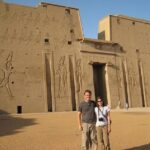
Day 3 starts with breakfast on the ship, then it’s out to the Temple of Horus at Edfu (Ptolemaic period, dated in the program between 237 and 57 BC). This is one of those stops where “preserved” really matters because you get to see lots of carved detail without it being a total ruin puzzle.
Temple of Horus at Edfu (about 2 hours)
The program emphasizes why Edfu is so well preserved: temple structures survived under desert sands after the pagan cult was banned. That matters because it shapes your experience—more intact roof elements and more readable reliefs, not just scattered stones.
The temple is dedicated to Horus as the avenging son of Isis and Osiris. If you’re thinking, Wait, where’s the rest of the story?—the guide helps connect the myth to the temple imagery.
Sailing to Luxor
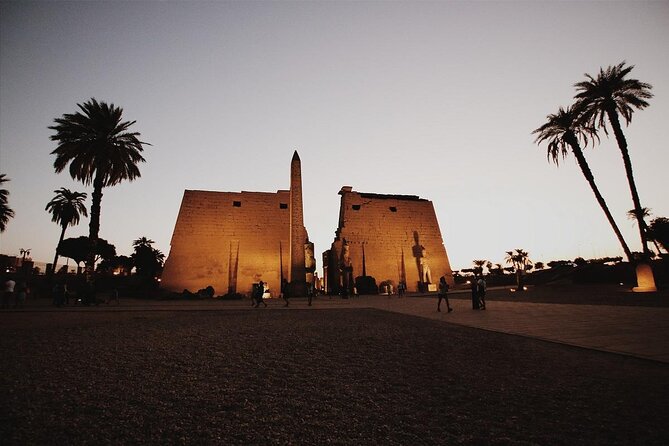
After Edfu, the ship continues, and you spend time sailing to Luxor. The day includes a Luxor Temple visit in the evening or later hours (your exact time will depend on the day’s flow). Luxor Temple is largely New Kingdom (constructed under Amenhotep III and Ramses II, as stated in the program).
Luxor Temple (about 1.5 hours)
Luxor Temple is in the heart of the modern town, and it’s connected to the annual Opet celebrations. The program notes the Avenue of Sphinxes route from Karnak to Luxor, where statues of Amun, Mut, and Khonsu are brought together during the inundation.
Even if you don’t catch that yearly procession, the temple layout gives you a sense of why it was used ceremonially. It’s a classic “how did they do religion in daily/annual cycles?” site, and a guide makes the difference.
You’ll have lunch and dinner onboard, then spend the night in Luxor.
A small reality check
This is not a “every minute is free time” day. You’ll have guided temple time plus onboard meals, so it’s best if you enjoy structured sightseeing. If you’re the type who wants to drift alone for hours, you might find your schedule a little tight.
Day 4 in Luxor West Bank: Valley of the Kings, Hatshepsut, Colossi of Memnon, then Karnak
This is the big finale day, and it covers the West Bank highlights plus an end-of-day look at Karnak. The flow is designed to keep you moving logically from major royal burials to major funerary architecture, then back toward the grand religious center of the east bank.
Optional hot air balloon, then crossing to the West Bank
You have the option of a hot air balloon ride over Luxor before crossing to the West Bank. It’s not included, but it’s timed so you can experience the West Bank from above before the ground-level temple circuit begins.
Because balloon rides depend on weather and scheduling, I’d treat this as an add-on that you confirm clearly the day before your flight. If balloon timing slips, it can affect how tight the rest of the day feels.
Valley of the Kings (about 1.5 hours)
After breakfast, check out from the cruise and start the Luxor tour. The Valley of the Kings was chosen by New Kingdom pharaohs, and the program highlights the mountain peak of Al Qurna, also called The Horn. You’re told it’s the Great Necropolis of Millions of Years of Pharaoh, with 64 royal tombs.
You’re not touring every tomb in a single day. You’re seeing the landscape and the tombs’ context—what the valley is, why it was used, and how it functioned as a royal burial statement. That’s where a guide earns their fee: they point out what you’re seeing so it doesn’t turn into a quick photo-stop.
Temple of Hatshepsut at Deir el Bahari (about 2 hours)
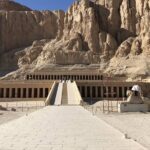
Next comes Hatshepsut’s temple at Deir el Bahari. The program calls it one of the finest examples of ancient Egyptian architecture, and it notes ongoing restoration and excavation efforts since 1891.
This is one of my favorite kinds of stops because it’s not just “a building”—it’s a whole design plan. The program describes a causeway lined with sphinxes, gardens with exotic trees and plants, and a connection to Karnak on the east bank. Hatshepsut’s reign is dated in the program (1473–1458 BC), and it also mentions the temple’s name Djeser-djeseru, meaning Most Holy of Holies.
If you like women’s leadership history, this is a strong stop. You get the architectural proof that her rule mattered enough to build a major monument around it.
Colossi of Memnon (about 15 minutes; admission free)
Then you hit the Colossi of Memnon. These are two huge statues (about 18 meters tall) originally representing Amenhotep III. The program notes each statue was carved from a single block of stone and originally weighed around 1000 tonnes. Even without faces, they’re impressive just for scale and presence.
The stop is short (about 15 minutes) but it’s well placed: after Hatshepsut’s temple architecture, this gives you a quick, dramatic visual.
Admission is marked as free in the program for this stop.
Karnak Temple (about 1.5 hours)
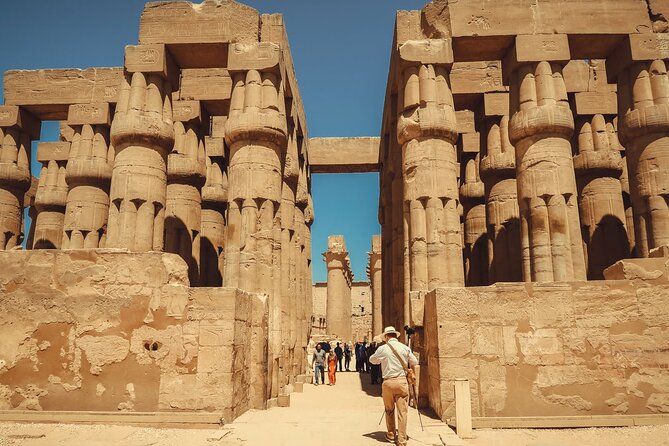
Finish with Karnak Temple. The program calls out the Temple of Amun-Ra and its hypostyle hall with columns shaped like giant papyrus plants. You also see the residences of Mut and Khonsu within the complex.
This is a strong ending because Karnak feels like the “big machine” behind the myths and ceremonies you saw earlier. When you leave Karnak, the names you heard before (Amun, Mut, Khonsu) suddenly feel more concrete.
After the tour, you transfer to your hotel or the airport, ending your services.
What’s handled for you: transport, guides, and onboard meals
One thing I appreciate about this kind of cruise format is how it protects your energy. The program includes transport by air-conditioned minivan round-trip and meet and assist on arrival and departure. It also includes portage assistance when needed, which may sound minor, but in Egypt it can save you from struggling with bags between vehicles and entrances.
The Egyptology guide
You’re getting a qualified Egyptology guide who speaks English. That matters because many of these sites look similar at first glance—temples all have walls, carvings, and columns. A guide helps you read them.
Also, one of the provided reviews mentions the ability to arrange a Japanese guide, which can be a big comfort if you’re traveling with family and want explanations in your native language. If language is important, I’d ask early during booking what languages can be arranged.
Meals
Meals are built into the day flow:
- Breakfast: 3 times (onboard)
- Lunch: 4 times
- Dinner: 3 times
Since you’re on the ship for several meal windows, you don’t have to constantly find food and manage restaurant timing. That’s a real quality-of-life factor on multi-day temple itineraries.
Price and what you’ll likely pay extra for
Here’s the clean value math: $525 per person for 4 days (about) and 3 nights on a Nile cruise, plus guided tours and included meals. That’s the base.
Included in the core package
You get:
- 3 nights accommodation on a Nile Cruise from Aswan to Luxor
- Qualified Egyptology guide (English speaking)
- Air-conditioned minivan transport
- Meet and assist, plus portage assistance when needed
- Meals listed as part of the itinerary
Not included, as stated
You should expect extra costs for:
- Tipping
- “Other attractions” not listed
- Hot air balloon in Luxor
- Admission tickets not included for several major stops (the program explicitly marks many sites as admission ticket not included)
And for Abu Simbel:
- Abu Simbel is presented as an optional tour, not included in the program.
A balanced way to budget
If you want the full “greatest hits” experience—Abu Simbel plus optional balloon—your total budget will rise beyond $525. If you’re okay skipping one or both upgrades, you’ll likely stay closer to that base price.
In other words: the deal is best if you already know what you value most. If you’re undecided, I’d think of Abu Simbel as the bigger add-on and the balloon as a “nice day” choice.
Ship comfort: 5-star on paper, worth checking in real life
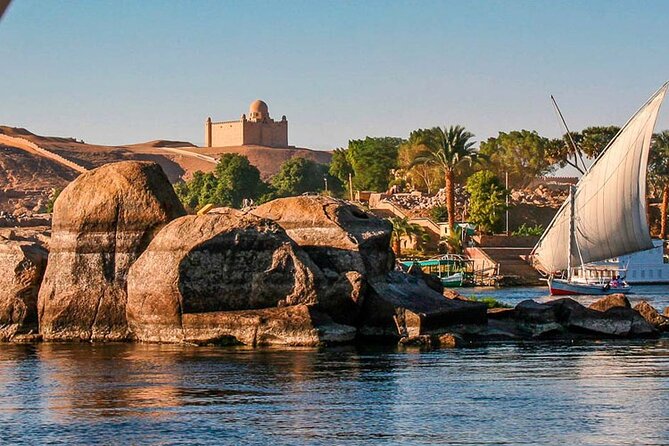
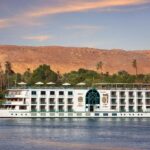
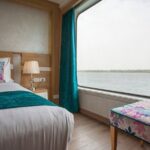
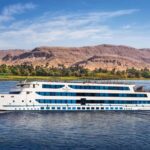
The package describes a 5-star Nile River cruise. That’s a good starting point.
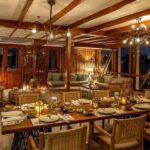
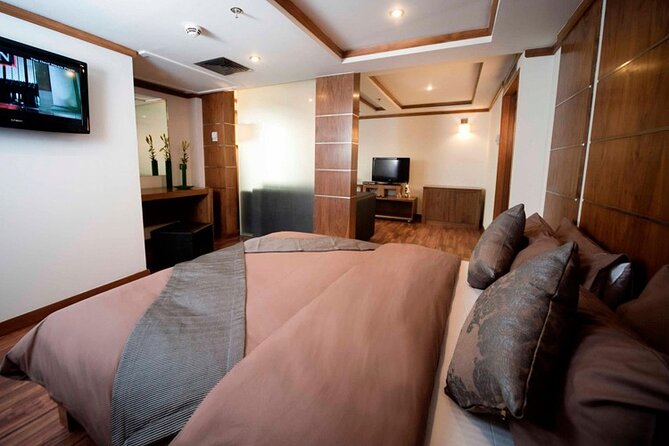
But one provided review mentions the cruise ship name HapiⅤ and notes some deterioration, even while praising the food and staff hospitality. That’s the honest kind of signal you want: the ship experience may vary by vessel, and condition can change.
My practical advice is simple: ask which ship you’ll be on and what category of cabin is included. If your priority is quiet comfort, confirm cabin details early. If you care more about the itinerary and are fine with older wear, you’ll probably still feel satisfied.
Who should book this cruise, and who might want a different plan
This tour is a great fit if you want:
- The core Aswan-to-Luxor temple route without arranging every transfer
- An Egyptology guide who explains what you’re seeing
- A structured day plan with meals handled onboard
- A private-group feel (only your group participates)
It may be less ideal if you:
- Hate any extra costs for tickets and upgrades
- Want fully free time and lots of unscheduled wandering
- Get overwhelmed by early starts (especially if you add Abu Simbel)
Because it’s built around major temples across four days, it suits couples, families with older kids, and multi-generational groups—especially if you value guidance and pacing over total freedom.
Should you book this Aswan-to-Luxor Nile cruise with Abu Simbel?
If you’re aiming for a classic Egypt “temples plus Nile” journey and you want the logistics handled, I’d say yes—especially at this price point. The combination of Philae, Kom Ombo, Edfu, Luxor Temple, the West Bank royal sites, and Karnak is a strong set of experiences for one trip.
I’d book with eyes open for the two big decisions:
1) Abu Simbel is optional, and it’s the kind of add-on that changes your day and your budget.
2) Many admissions are not included, so final totals depend on what you enter and what you add.
If you want my rule of thumb: book the base cruise if you want the full route without stress, and add Abu Simbel only if you’re sure you want that early-morning payoff.
FAQ
How long is the Nile cruise tour?
It runs for about 4 days, with 3 nights on the Nile Cruise from Aswan to Luxor.
Where does the tour start, and do I get picked up?
The tour is in Aswan, Egypt, and pick-up is offered from your hotel or the airport.
Is an Egyptology guide included?
Yes. The tour includes a qualified Egyptology guide who speaks English.
What meals are included during the trip?
Breakfast is included 3 times, lunch is included 4 times, and dinner is included 3 times, following the itinerary.
Is Abu Simbel included in the price?
Abu Simbel is described as an optional add-on and is not included in the main program.
Is a hot air balloon ride included in Luxor?
No. The hot air balloon ride is listed as an optional add-on and is not included.
Are admission tickets included for the temples?
Admission tickets are not included for many of the stops. Some items are marked as free in the program, but for several major sites you should expect to pay entry separately.
Is this a private tour, and what’s the cancellation rule?
It’s described as a private tour/activity for only your group. Free cancellation is available up to 24 hours in advance for a full refund.
You Might Also Enjoy

More Evening Experiences in Aswan
More Boat Tours & Cruises in Aswan
- 4-Days Nile Cruise From Aswan To Luxor including Abu Simbel and Hot Air Balloon
★ 5.0 · 3,142 reviews

More Tour Reviews in Aswan
- 4-Days Nile Cruise From Aswan To Luxor including Abu Simbel and Hot Air Balloon
★ 5.0 · 3,142 reviews