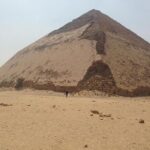
REVIEW · CAIRO
Cairo: Giza Pyramids, Sakkara & Dahshur All-Inclusive Tour
Book on GetYourGuide →Operated by Nice Tours · Bookable on GetYourGuide
Three pyramid worlds in one packed day. This private tour strings together Sakkara, Dahshur, and Giza in a logical order, so the story of pyramid-building makes sense fast. I also like that hotel pickup and drop-off are included, and you travel in air-conditioned comfort between sites.
One caution: it’s a long day with lots of walking in dust and sun. If you plan to go inside some pyramid passageways, know that tight spaces and stairs can be tough for claustrophobia or weak knees—plus you’ll want water early.
In This Review
- Key Points I’d Plan Around
- Sakkara First: Djoser’s Step Pyramid and the Story’s Real Beginning
- Dahshur’s Bent and Red Pyramids: Senefru’s Bold Experiments
- Giza Plateau in Full View: Cheops, Chephren, and Mykerinus
- The Great Sphinx: Why It Still Feels Mysterious
- Private Guide + Skip-the-Ticket Line: How Logistics Shape Your Day
- Lunch at a Local Restaurant: A Real Reset, Not an Afterthought
- What to Bring and What to Watch For (Heat, Steps, Claustrophobic Corners)
- Price and Value: Does $70 Pay Off?
- Who This Tour Fits Best (And Who Should Rethink It)
- Should You Book This Cairo Pyramid Day Tour?
- FAQ
- How long is the Cairo, Giza Pyramids, Sakkara & Dahshur tour?
- Is hotel pickup and drop-off included?
- Does the tour include entrance fees?
- Is lunch included?
- Is this a private tour?
- Which sites will I visit during the day?
- Will I skip the ticket line?
- What languages are available for the live guide?
- Is free cancellation available?
- Is there a pay-later option?
Key Points I’d Plan Around
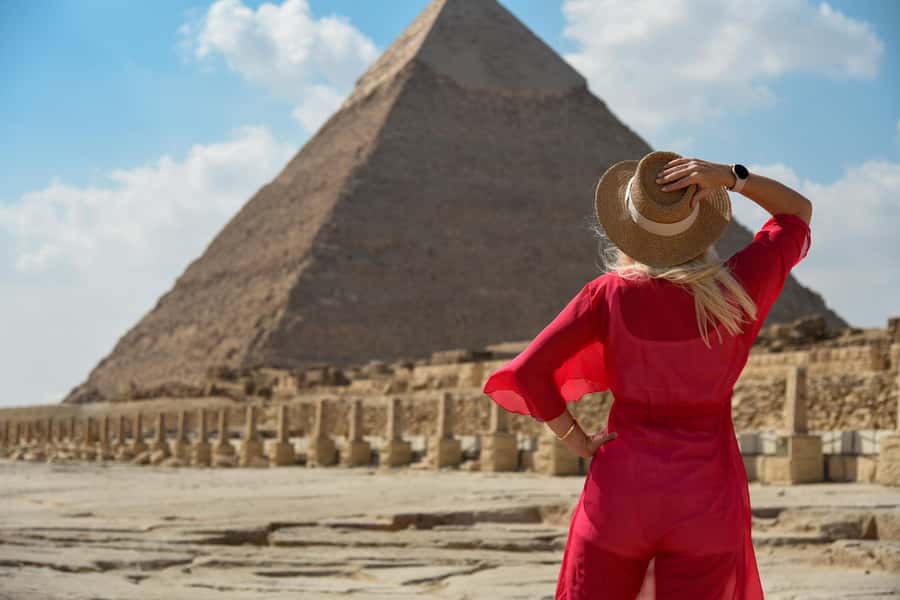
- Chronology that clicks: Start at Sakkara, then move to Dahshur’s early “smooth pyramid” attempts, and finish at Giza’s famous peak of pyramid building.
- Dahshur is the hands-on history stop: You’ll see the Bent Pyramid (an early experiment) and the Red Pyramid at Senefru’s site.
- Sakkara’s Step Pyramid is a big deal: Djoser’s step structure is described as the world’s oldest major stone building—worth seeing in person, not just reading about.
- Photo help is real: Many guests highlight guides who point out great angles and even act like an on-the-go photographer (examples include Hesham and Amir).
- You get a real break for lunch: Lunch is included at a local restaurant, so the day stays enjoyable instead of turning into a snack scavenger hunt.
- Private guide reduces stress: With a good guide (names like Sherif, Nada, Hadeer, Hazem, and Miriam show up often in positive feedback), you spend less time figuring out logistics and more time looking closely.
Sakkara First: Djoser’s Step Pyramid and the Story’s Real Beginning
Most pyramid tours start at Giza, because that’s where the postcards live. This one starts at Sakkara, and that’s a smarter way to understand what you’re looking at.
Your day kicks off at the necropolis of Sakkara, with King Djoser’s Step Pyramid leading the way. It’s a 3rd Dynasty project (around 2630 BC), built for Djoser, and it’s often described as the world’s oldest major stone structure. Even if you know the broad timeline, standing there helps you feel the shift from earlier building ideas toward the pyramid shape people associate with Egypt.
This is also where your guide can frame the whole day. You’ll hear how later pyramid builders refined angles, materials, and engineering. That context matters at Dahshur and Giza, because suddenly the pyramids aren’t random monuments—they’re part of a learning curve.
Possible drawback at Sakkara: it can feel like less “wow per minute” than Giza at first glance. The Step Pyramid isn’t trying to be dramatic like the Great Pyramid. It’s trying to be right, and that takes a little patience. If you love history and want the puzzle pieces to connect, you’ll like the pacing.
You can also read our reviews of more tours and experiences in Cairo.

Dahshur’s Bent and Red Pyramids: Senefru’s Bold Experiments
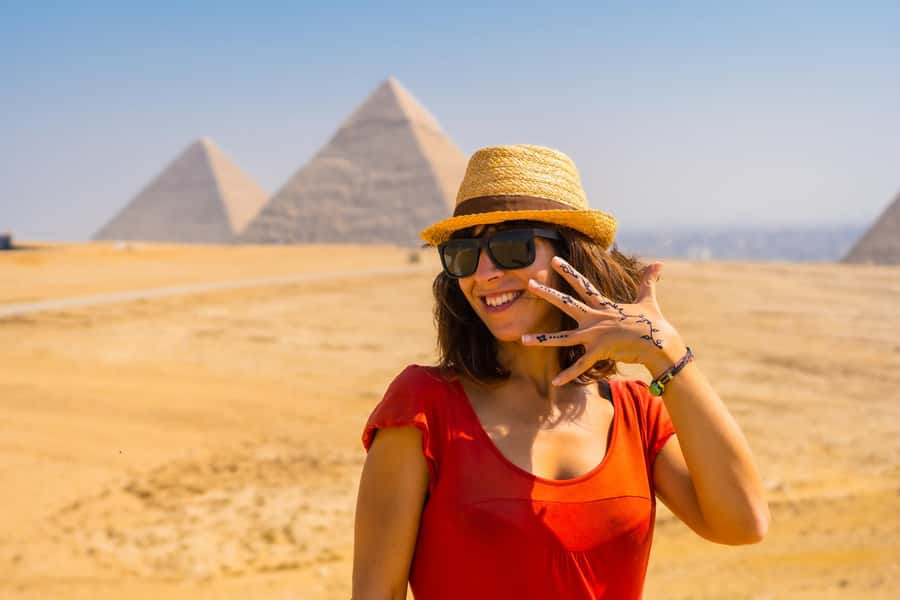
After Sakkara, you head to Dahshur, where the mood changes. Here, the pyramids feel more like experiments—careful attempts to get closer to a smooth, finished shape.
This stop is built around two famous names: the Bent Pyramid and the Red Pyramid. Dahshur is tied to King Senefru and the start of Egypt’s 4th Dynasty, and your guide will explain that Senefru is credited with building the first true pyramids. You’ll see the Bent Pyramid’s famous angle change, often explained as an early attempt to create a smooth pyramid like the ones later associated with Giza.
Then you move to the Red Pyramid, described as one of the core sights at Dahshur. The simple point for you: Dahshur shows you pyramid design not as a finished product, but as a step-by-step evolution.
A few reviews also highlight interiors, especially for the Bent Pyramid’s internal passageways. I’d treat that as an optional bonus, not a guarantee. If you’re considering it, think about comfort first: some interiors require crouching and moving through tight, sloped passages. It can be incredible if you’re up for it, and miserable if you’re not.
Tip for this stop: plan your photos with the sun. The Bent and Red pyramids can look very different depending on light angle, so if your guide is the type to suggest viewpoints (Hesham, Hisham, and others are praised for exactly this), take the advice. It saves you from wasting time walking back and forth.
Giza Plateau in Full View: Cheops, Chephren, and Mykerinus
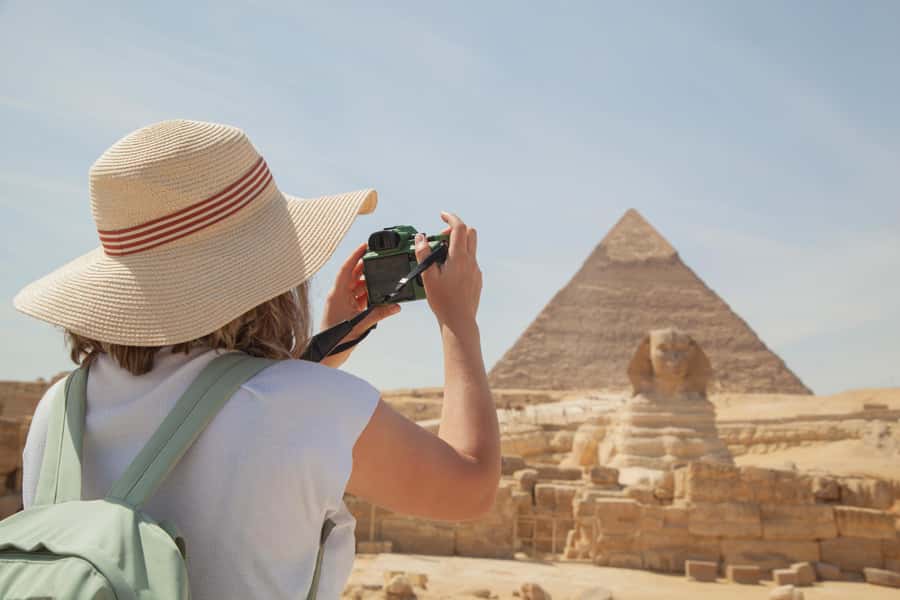
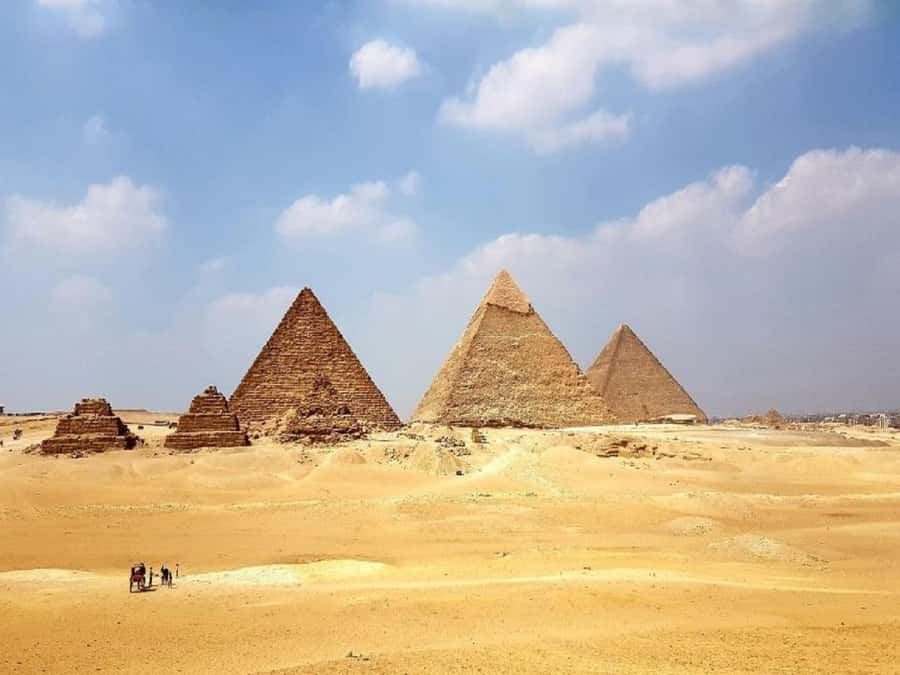
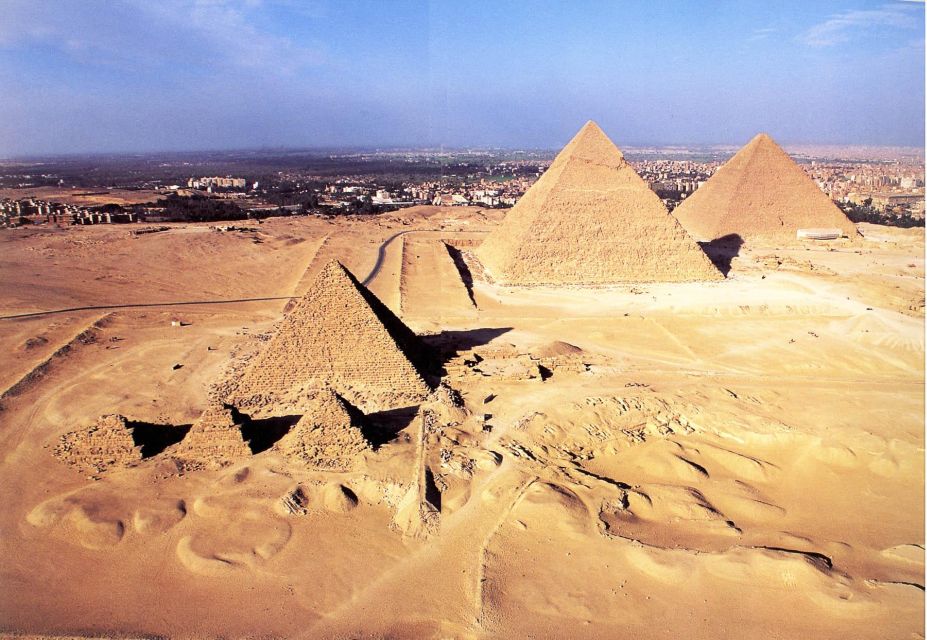
Then comes the part you’ve probably been waiting for: the Great Pyramids of Giza. Your route covers the big three:
- The Pyramid of Cheops (often identified as the Great Pyramid), described as the only one of the seven wonders of the ancient world still remaining today.
- The Pyramid of Chephren, with the note that it still has some of the original limestone façade remaining.
- The Pyramid of Mykerinus, the smallest of the three.
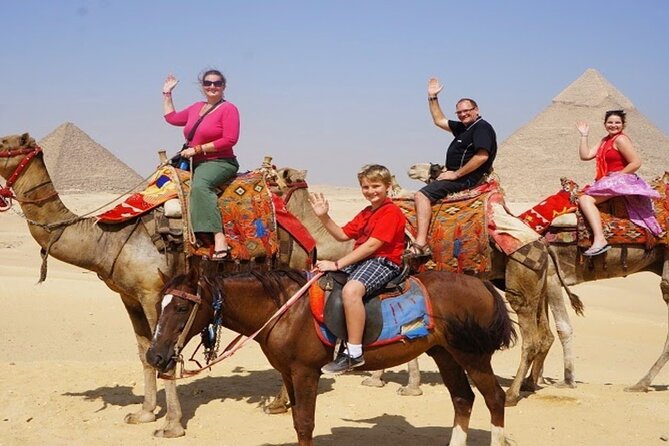
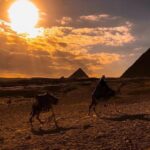
What makes this stop special on a private tour isn’t only access to the monuments. It’s that you get time for the big picture. You’ll visit a vantage point on the Giza plateau where you can capture photos showing the three pyramids together. That panoramic view is the moment things click for many people: all three pyramids feel like a planned layout, not separate tourist stops.
Possible drawback at Giza: it gets busy. Even with skip-the-ticket-line included (more on logistics below), you’ll still be surrounded by crowds at key viewpoints. A good private guide helps you move smarter—timing small breaks, steering you to less chaotic angles, and explaining what you should notice while you’re standing there.
Also, the ground is uneven and the walking adds up. Comfortable shoes matter more than you think, especially if you plan to head down closer to the Sphinx later.
The Great Sphinx: Why It Still Feels Mysterious
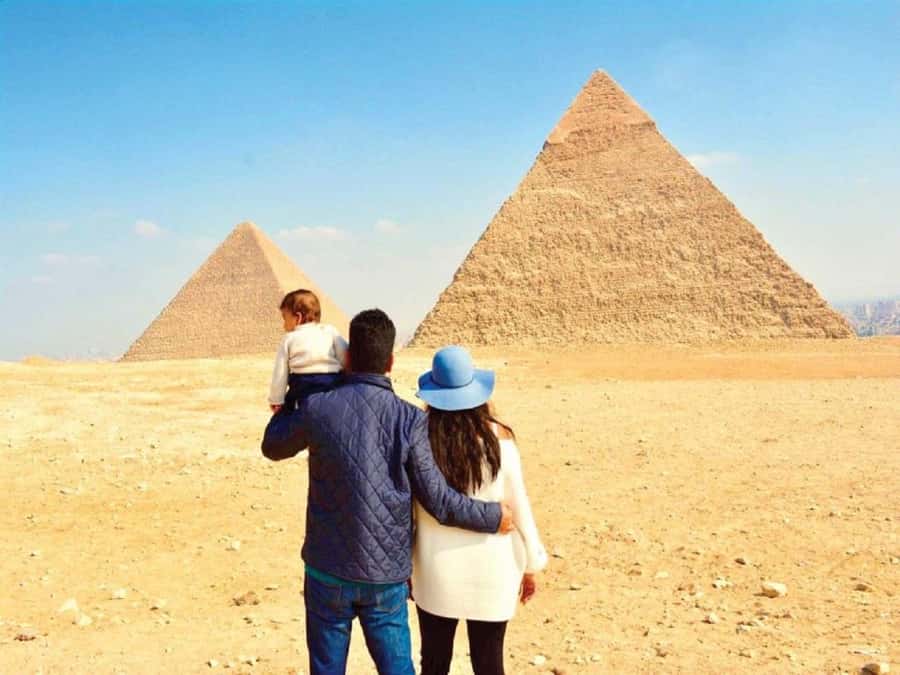
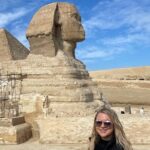
At the end of the pyramid circuit, you’ll stroll to the Great Sphinx, positioned at the foot of the Giza pyramids complex. This statue is described as having the head of a pharaoh with a lion’s body, and it’s associated with the time of Chephren. The meaning of the Sphinx is said to remain a mystery, which is part of why it still pulls people in.
Standing in front of it, you get the scale. It’s not just a carved face. It’s an ancient piece of theater—part power, part symbolism, part myth-making that has survived millennia.
What helps here: a guide who’s comfortable with pacing. A few reviews mention a good balance between giving information and letting people explore on their own. That balance is huge at the Sphinx, where you’ll want a minute to look, breathe, and take your own photos without feeling rushed.
Private Guide + Skip-the-Ticket Line: How Logistics Shape Your Day
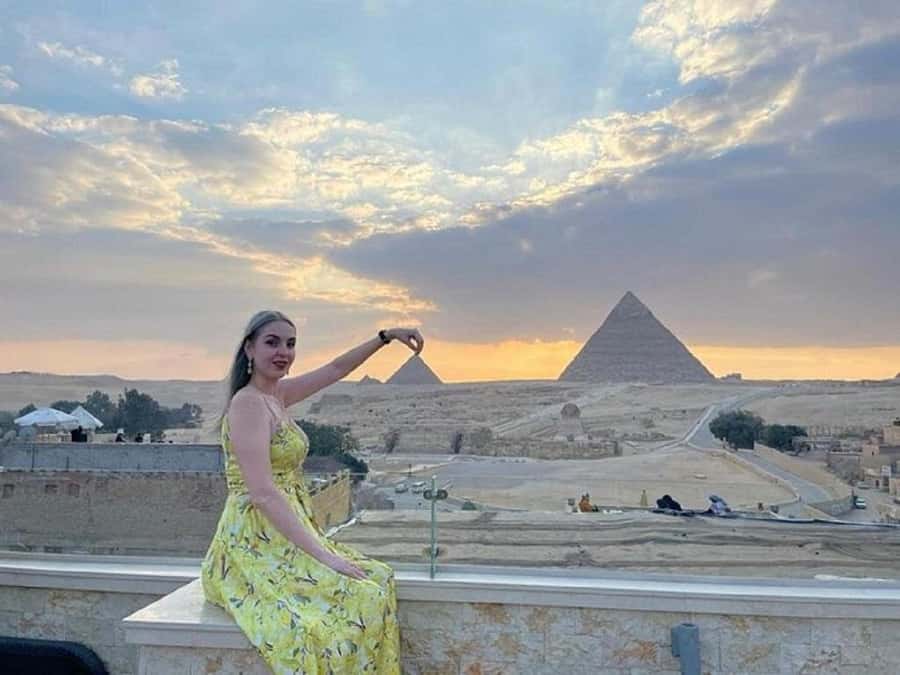
The tour is built around practicality: private English guide and transportation, plus entrance fees, plus hotel pickup and drop-off, plus skip the ticket line.
Here’s why that matters for you:
- You save time at the start of each site, which is critical when you’re moving between three major pyramid areas.
- You don’t have to translate chaos. Your guide handles the flow, so you can focus on the monuments.
- You get local problem-solving. Several guides are praised for being friendly and organized, and even helping with safe, smooth site entry.
The names that pop up often in positive feedback include Anna, Hesham, Hisham, Sherif, Jazmin, Nada, Hadeer, Hazem, Miriam, Christine, and Fatima. While you can’t guarantee a specific guide, the pattern is clear: what elevates this tour is not the vehicle. It’s the human who turns monuments into understandable stories and coordinates the day so you don’t waste hours guessing.
One more detail worth noting: some reviews mention drivers communicating via WhatsApp and arriving on time, plus keeping cars clean and comfortable. In a city like Cairo, that “small stuff” really affects your stress level.

Lunch at a Local Restaurant: A Real Reset, Not an Afterthought
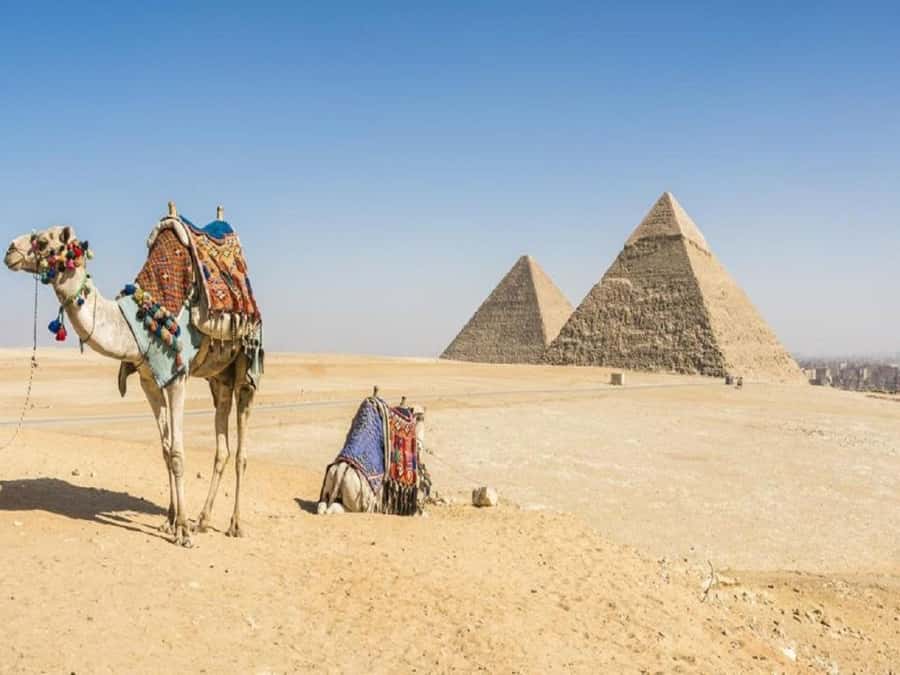
Lunch is included, and it’s more than just calories on a schedule. After hours of walking, you want a proper break—something local, not a random stop that feels like a trap.
The lunch is described as at a local restaurant. Some reviews mention good choices for different diets, including vegetarian options, and a relaxing atmosphere. A few guests also mention rooftop-style views over the pyramids, which makes lunch feel like part of the experience instead of a pause button.
How to use the lunch well: take a few minutes before you eat to re-check your priorities. Are you most interested in interiors? Photos? Sphinx time? Use lunch to decide how much energy you want to spend on additional areas so the final stretch doesn’t feel like a sprint.
What to Bring and What to Watch For (Heat, Steps, Claustrophobic Corners)
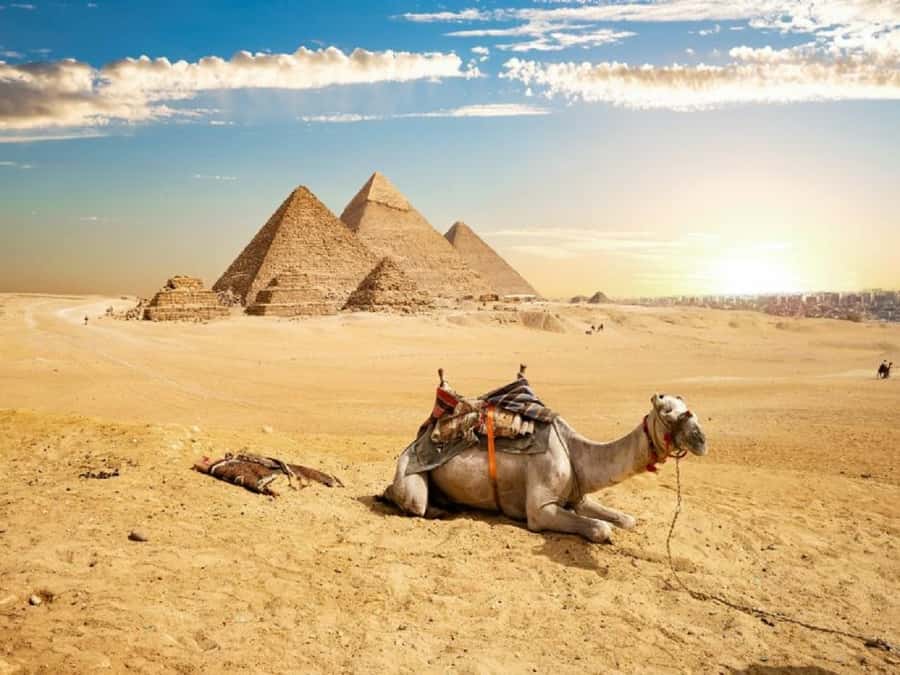
Even the best guide can’t change the reality: this is stone, sun, and walking. A few practical notes from real experiences:
- Bring good walking shoes. Steps and uneven ground are the norm.
- Bring water—and consider having it right away. One guest specifically wished a bottle was provided at the beginning because the day gets thirsty fast.
- If you might need bathrooms, carry small change. One review advises carrying change all the way and mentions 20 Egyptian pounds for restroom use.
- Pack a scarf and hand fan if you’re sensitive to heat or sun. It’s a simple comfort upgrade.
- If you’re thinking about going inside pyramids, take seriously that they can be hard on legs and uncomfortable if you’re claustrophobic.
Also, if you’re traveling with kids, older relatives, or anyone who needs frequent pauses, you’ll want to choose a day when you can keep a slower rhythm. Many reviews highlight guides who were patient and flexible in how they balanced explanation and personal exploration. That flexibility is the difference between a good day and a tiring one.
Price and Value: Does $70 Pay Off?
At $70 per person for a 7-hour private day tour, the value comes down to what’s included.
You’re not just paying for a driver and a map:
- Private English guide and transportation
- Entrance fees
- Lunch in a local restaurant
- Hotel pickup and drop-off
- Skip the ticket line
For many people, that bundle matters more than the exact dollar number. You’re paying for time saved and confusion avoided across three major sites. Instead of spending your day negotiating entry lines and planning transfers, you get a structured route from Sakkara to Dahshur to Giza.
Where value can feel weaker: if you can’t handle much walking, or if you don’t care about interiors and want only the “big views.” In that case, you might prefer a shorter route. But if you want the full pyramid storyline—from step evolution to Dahshur experiments to Giza’s icons—this format is strong.
Who This Tour Fits Best (And Who Should Rethink It)
This tour fits best if you:
- Love history and want pyramid-building in a sensible order (Sakkara → Dahshur → Giza).
- Want a guide who gives context, photo angles, and pacing support.
- Prefer private service so you can go at your own comfort level.
- Like the idea of seeing both famous pyramids and the “in-between” turning points that many first-timers skip.
It may be less ideal if you:
- Struggle with tight spaces and are especially worried about claustrophobia.
- Have limited mobility and can’t manage lots of steps and uneven walking.
- Want a slow, laid-back day with lots of rest stops. This is a full circuit.
The good news: guides in the feedback are repeatedly praised for patience and for making adjustments. One review even mentions adapting the order when plans changed due to health needs. That kind of flexibility is a sign your day might be smoother than the typical rigid sightseeing route.
Should You Book This Cairo Pyramid Day Tour?
If you’re aiming to see the big pyramid sites around Cairo in one day, and you want it organized instead of chaotic, I’d say yes. The biggest win here is the sequence: you start with the Step Pyramid at Sakkara, then head to Dahshur’s Bent and Red pyramids, and finally end at Giza with Cheops, Chephren, Mykerinus, and the Sphinx. That order helps you understand what you’re looking at, not just take photos.
I’d book it especially if you like good guidance—people consistently mention guides like Nada, Hadeer, Hazem, Miriam, and Anna for turning sites into clear stories and helping with photos. And if you want added stress reduction, the private pickup, skip-the-ticket-line, and included entrances are worth paying for.
Just go in prepared: sturdy shoes, water, and a realistic mindset about walking and heat. Do that, and you’ll come away with a day that feels like a tour of Egypt’s pyramid thinking—from early steps to its peak.
FAQ
How long is the Cairo, Giza Pyramids, Sakkara & Dahshur tour?
The tour duration is 7 hours.
Is hotel pickup and drop-off included?
Yes. Hotel pickup and drop-off are included.
Does the tour include entrance fees?
Yes. Entrance fees are included.
Is lunch included?
Yes. Lunch is included in a local restaurant.
Is this a private tour?
Yes. It is described as a private guided day tour with private transportation.
Which sites will I visit during the day?
You’ll visit Sakkara (including the Step Pyramid of Djoser), Dahshur (including the Bent Pyramid and Red Pyramid), and the Great Pyramids of Giza, plus the Great Sphinx.
Will I skip the ticket line?
Yes. The tour includes skip-the-ticket-line access.
What languages are available for the live guide?
The tour lists Arabic, English, French, German, and Spanish. The included guide is described as an English guide, and other languages may be available as an add-on depending on selection.
Is free cancellation available?
Yes. You can cancel up to 24 hours in advance for a full refund.
Is there a pay-later option?
Yes. The tour offers reserve now & pay later, with pay nothing today.