REVIEW · GIZA
Cairo 2-Day Tour: Giza, GEM, Citadel, Bazaar & Nile Dinner Cruise
Book on Viator →Operated by egytiatours · Bookable on Viator
Two days can change how you see Cairo. This Cairo 2-day plan strings together the big-ticket ancient sights at Giza, then shifts to modern “Egypt right now” at the Grand Egyptian Museum, before finishing with Islamic Cairo and a Nile dinner cruise.
What makes it work is the pacing: a private Egyptologist guide, comfortable transport, included tickets, and stops that feel connected instead of scattered.
I especially like two things about this tour. First, you get long, real time at the sites that usually get rushed—Giza and Saqqara aren’t just a quick photo stop. Second, the food is not an afterthought: you’ll have lunch on both days at local restaurants, plus a proper dinner on the Nile with live performance.
One consideration: the Great Pyramid interior is optional and costs extra, so if that matters to you, plan for the add-on before you go.
In This Review
- Key highlights worth planning around
- Cairo in two days: the value of this route
- Giza Plateau: pyramids and Sphinx without the chaos
- Saqqara and lunch: where the pyramid idea starts
- Nile dinner cruise: dinner with belly dance and night views
- GEM (Grand Egyptian Museum): a modern home for ancient artifacts
- Saladin Citadel and Mosque of Muhammad Ali: views plus Islamic Cairo
- Lunch #2 and Khan El-Khalili: shopping the Egyptian way
- Price and what’s included for $48
- Who this tour fits best
- Should you book this Cairo 2-day tour?
- FAQ
- How long is the Cairo 2-day tour?
- What does the tour cost?
- Is the tour private?
- Is hotel pickup included?
- Are entrance fees included?
- Is lunch included?
- What’s included in the Nile dinner cruise?
- Is entering the Great Pyramid included?
- Is free cancellation available?
- Is this tour suitable for most travelers?
Key highlights worth planning around
- Grand Egyptian Museum (GEM) time built in: About three hours so you can actually look, not just walk through.
- Giza Plateau + Sphinx in one day: Big monuments, spaced well enough that you don’t feel herded.
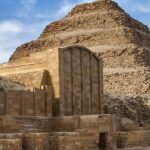
- Saqqara shows the origin story: From the Step Pyramid of Djoser to tombs and carvings.
- Nile dinner cruise with multiple acts: Belly dancing, Tanoura (whirling dervish), plus soft Oriental music.
- Citadel views + Muhammad Ali Mosque: Medieval fortress setting with Ottoman-style architecture and skyline panoramas.
- Khan El-Khalili with time to browse: Spices, perfumes, jewelry, textiles, and souvenir hunting in side-street alleys.
Cairo in two days: the value of this route
Cairo can feel like two cities at once. By design, this tour treats it that way: ancient Egypt in the morning light, museum learning in the middle of the day, then religion and street life later.
The best part for your time is how the itinerary clusters experiences by theme. Day 1 leans hard into the ancient monuments—Giza and then Saqqara—with lunch breaks that keep you from turning into a walking frown. Day 2 turns toward what Cairo looks like today: GEM, the Citadel, and the Khan El-Khalili bazaar.
For value, the price is hard to ignore because a lot is included: entrance fees to the listed sites, both day lunches, the Nile dinner cruise with live entertainment, and an Egyptologist guide. At $48 per person for about two days, this is the kind of deal where your main “cost” is energy and good shoes—not surprise ticket lines.
You can also read our reviews of more boat tours in Giza

Giza Plateau: pyramids and Sphinx without the chaos
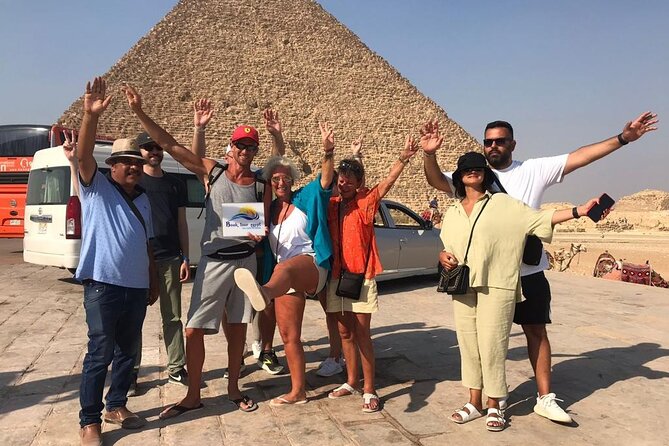
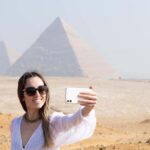
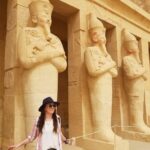
Giza is the reason most people come to Cairo. This plan gives it the time it deserves: around 3 hours for the pyramids area, plus about an hour for the Great Sphinx.
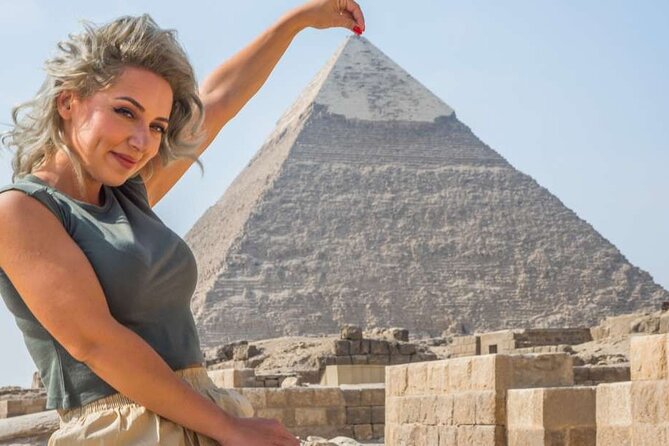
At the Giza Plateau, you’ll see the Great Pyramid of Khufu (the last surviving wonder of the ancient world), along with the Pyramids of Khafre and Menkaure. That trio is the core story of the site. With an Egyptologist guide, you’re not just looking at shapes—you’re learning what each pyramid represented, who built what, and how the landscape was used.
Then comes the Sphinx, the limestone statue with a lion’s body and a pharaoh’s head—believed to represent King Khafre. Standing there, it helps to have someone explain the symbolism and why it’s such an icon that people still circle it centuries later.
Practical detail: the pyramid interior is optional (extra cost). If you want the inside experience, you’ll need to budget for it separately. If you don’t, you’ll still get plenty of structure and viewpoint time around the plateau.
What I’d watch for: this area can feel crowded at popular hours. The benefit of a guided schedule is that you get more purposeful wandering and less random waiting. Still, go in expecting people—and focus your energy on angles, scale, and story, not just selfies.
Saqqara and lunch: where the pyramid idea starts
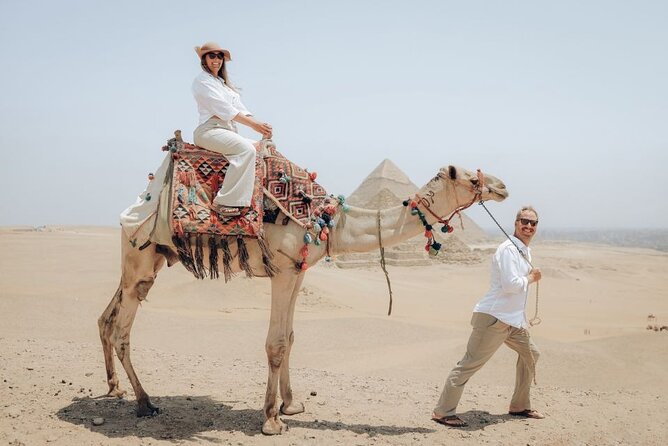
After Giza, you’ll head to Saqqara. This is where the tour gets smarter, because Saqqara shows the “origin story” of Egypt’s pyramid-building tradition.
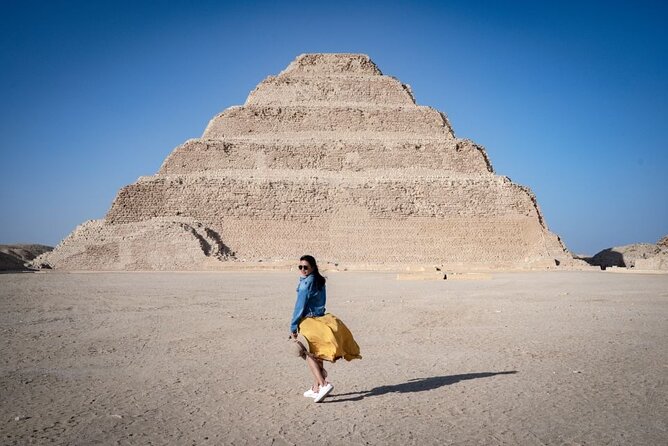
You’ll visit the Step Pyramid of King Djoser, described as the oldest stone pyramid in Egypt. From there, you’ll have time to explore the surrounding necropolis area, including tombs and vivid wall carvings. That matters because it shifts the conversation from single monuments to the evolution of design and belief.
You also get a traditional Egyptian lunch at a local restaurant in the middle of the day. The menu is described as grilled meats, rice, salads, and traditional appetizers, with vegetarian options available on request. I like this setup because it keeps your day from turning into a snack run. You eat like you’re in Egypt, not like you’re waiting for a tour bus.
One small drawback to keep in mind: Saqqara is older and more spread out than “one building at a time” stops. If you don’t love walking over uneven ground or standing for views, plan for slower pacing. The private nature helps here—you can adjust the rhythm with your guide.
Nile dinner cruise: dinner with belly dance and night views
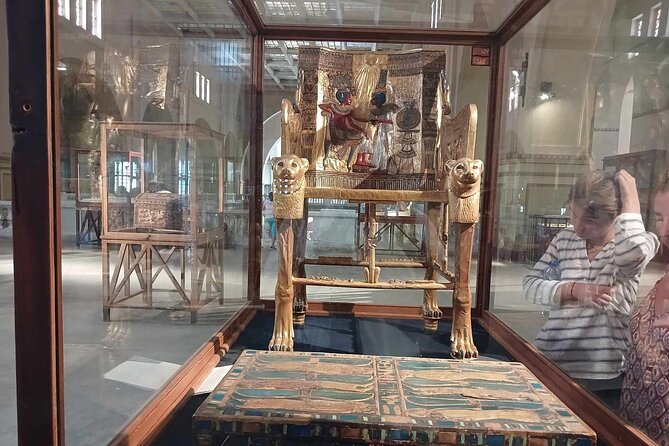
Day 1 ends with the fun part: a Nile dinner cruise with live entertainment.
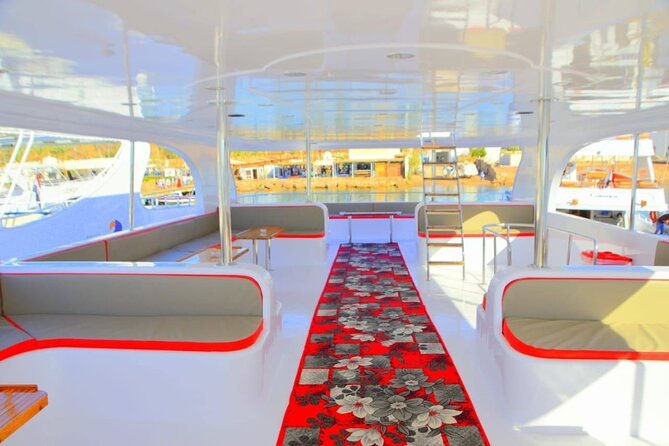
You’ll board a decorated boat for a journey along the river—described as about two hours on the Nile—with an open buffet dinner. The dinner includes a mix of Egyptian and international dishes, so you’re not stuck eating only one style of food after a day of monuments.
Then the show starts. Expect a belly dancing performance, Tanoura (whirling dervish), and soft Oriental music. It’s not just “background entertainment.” It gives the night a beat you can feel, and it breaks up the historical focus from earlier in the day.
From the river, you’ll also get Cairo’s skyline at night. Even if you think you’ve “seen enough photos of Cairo,” the view from the water is still a different scale—less street-level noise, more glow and silhouette.
My practical advice: treat this as a decompression night. Eat at an easy pace. Keep your camera ready for the skyline moments, but don’t rush through dinner to chase the next performance.
GEM (Grand Egyptian Museum): a modern home for ancient artifacts
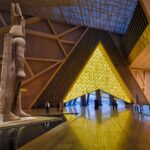
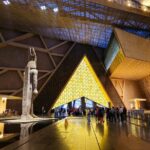
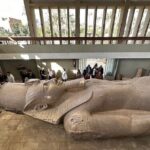
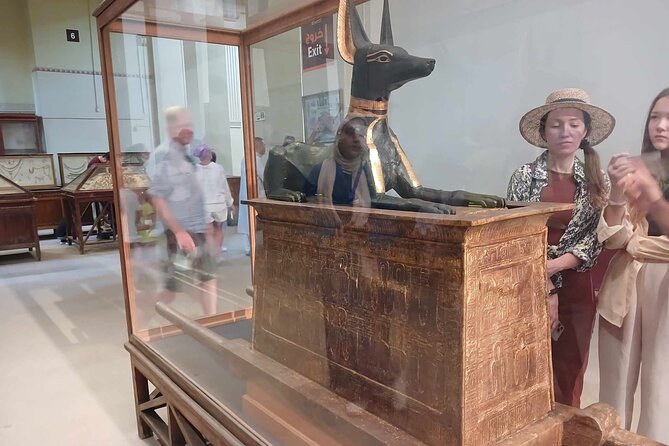
On day 2, you’ll start at the Grand Egyptian Museum (GEM). This is Egypt’s major modern museum project, and the point of this stop is straightforward: you get a lot of artifacts in a space built for long looking.
You’ll have about three hours here, and that time matters because GEM is huge and visually intense. The highlight described is the full King Tutankhamun collection displayed together for the first time, which gives you a stronger sense of the person behind the fame.
The museum experience is also described as immersive through its galleries, with over 100,000 artifacts brought together. Even if you can’t read every label, the way the collections are arranged helps you feel the scale of what Egyptologists have been uncovering.
Why this is good value: a lot of museum visits fail because people only have 45 minutes. Here you get enough time to choose what you want—Tutankhamun areas, key kings and queens, or the broader timeline—and still circle back.
If you love museums, you’ll likely want more time than you have. Still, for a two-day plan, this is a solid, realistic block.
You can also read our reviews of more shopping tours in Giza





Saladin Citadel and Mosque of Muhammad Ali: views plus Islamic Cairo
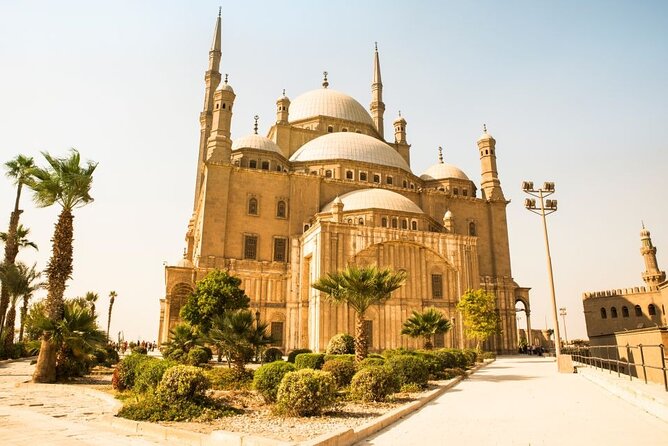
After GEM, you’ll head to the Cairo Citadel, also known as the Saladin Citadel. It’s set high above the city, which makes it a great place for both history and city views.
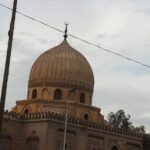
Your guide will lead you through the Mosque of Muhammad Ali, which is known for its elegant Ottoman architecture. The tour also includes context about Egypt’s Islamic history and the citadel’s defensive role over centuries.
I like this stop because it breaks Cairo into layers. Giza and Saqqara teach you ancient Egypt. GEM brings you into modern museum storytelling. Then the Citadel gives you the next “chapter” of Cairo’s identity—architecture, power, and religion shaping the skyline.
What to expect: this is a classic historical viewpoint day. You’ll likely spend part of the time looking outward over Cairo, and part inside moving through mosque spaces. Dress respectfully and expect that you may want a little extra time if you enjoy details in architecture.
Lunch #2 and Khan El-Khalili: shopping the Egyptian way
You’ll have another lunch at a local restaurant on day 2. Since the tour already included lunches on day 1 as well, this helps you keep your day consistent. You’re not paying out-of-pocket for meals in between major sites.
Then comes Khan El-Khalili, a bazaar visit that’s all about browsing. The market experience includes narrow alleys with spices, handcrafted souvenirs, perfumes, jewelry, and local textiles.
You’ll be able to take your time walking, and you’ll get the chance to bargain. That’s a big part of the bazaar culture, so go in ready to negotiate a little—especially if you want keepsakes that feel personal rather than mass-produced.
A balanced take: markets can be fun but also tiring if you try to buy everything. Set a simple plan for yourself: decide what you’re shopping for (spices? a scarf? a small piece of jewelry?) and stick to that.
Price and what’s included for $48
Let’s talk money, because this tour is priced like a “value ticket,” not like a luxury add-on.
For $48 per person, you’re getting:
- An Egyptologist guide for both days
- Entrance fees to the mentioned sites
- Lunch on both days at local restaurants
- A Nile dinner cruise with live entertainment (belly dance, Tanoura, soft Oriental music)
- A private tour format, so only your group participates
- Mobile ticket support
And the tour also includes the big modern anchor—GEM—plus the Citadel and bazaar. That’s a lot packed into two days.
So where might you spend extra? The main stated add-on is pyramid interior access inside the Great Pyramid (optional, additional cost). If you skip that, your spending stays mostly controlled.
If you’re comparing tours, watch for the ones that advertise “cheap” prices but don’t include site entries or the cruise. This one does include entrance fees and the dinner cruise, which is why the price starts to make sense.
Who this tour fits best
This works especially well if you:
- Want a structured two-day Cairo plan without rushing
- Like having a guide explain context at each stop
- Want both ancient and modern Cairo in one sweep
- Enjoy night experiences, not just daylight monuments
- Prefer a private format where your pace can be respected
It’s also a good fit for solo travelers who want a guide to handle the “what should I do next” problem. In the feedback associated with this tour type, Omar and Mohamed Omar Elgarhy are repeatedly described as professional, attentive, and good at turning history into something you can actually picture. If your assigned guide is cut from that cloth, you’ll likely appreciate the storytelling at Giza, Saqqara, and the museum.
Should you book this Cairo 2-day tour?
I’d book it if you want a clean, high-impact Cairo sampler with included entry fees, two proper lunches, and a Nile night with real entertainment. The pacing is built to cover the core classics—Giza, Saqqara, GEM, Citadel, and Khan El-Khalili—without turning every stop into a 20-minute dash.
I wouldn’t book it if you mainly want ultra-deep, slow museum time or you strongly care about pyramid interior access and don’t want add-on costs. That’s the one place where your plans may change.
If you’re flexible and want good value for two days in Cairo, this is a practical way to do it.
FAQ
How long is the Cairo 2-day tour?
It runs for about two days, with time allocated across Giza, Saqqara, the Grand Egyptian Museum, the Citadel, Khan El-Khalili, and the Nile dinner cruise.
What does the tour cost?
The price is $48.00 per person.
Is the tour private?
Yes. It’s a private tour/activity, and only your group participates.
Is hotel pickup included?
Pickup is offered, but pickup or drop-off from Airport, New Cairo, or Nasr City is available with an extra fee.
Are entrance fees included?
Yes. Entrance fees to all mentioned sites are included.
Is lunch included?
Yes. Lunch is included on both days at local restaurants. Dinner is included on the Nile dinner cruise.
What’s included in the Nile dinner cruise?
You’ll have a dinner buffet with Egyptian and international dishes, plus live entertainment including belly dancing and Tanoura (whirling dervish), along with soft Oriental music.
Is entering the Great Pyramid included?
Pyramid interiors are not included as part of the base visit. Entry to the Great Pyramid interior is optional and has an additional cost.
Is free cancellation available?
Yes. You can cancel for a full refund up to 24 hours in advance of the experience start time.
Is this tour suitable for most travelers?
Most travelers can participate.