REVIEW · GIZA
Private guided tour to Giza Pyramids, and Great Sphinx
Book on Viator →Operated by Travel Door Tours · Bookable on Viator
Pyramids without the Cairo headache. This private half-day tour is a clean way to hit the Giza Plateau and the Great Sphinx with an expert Egyptologist, plus hotel pickup, entrance included, lunch, and bottled water. I love that the schedule is built around the best photo moments, including a 20-minute camel ride and classic viewpoints with Khufu, Khafre, and Menkaure lined up.
One thing to consider: the pace is guided, and guides vary. If you want lots of quiet time for photos (not explanations), tell your guide what you prefer early.
In This Review
- Key highlights worth aiming for
- Private Giza pickup: the real value is time saved
- What the tour actually includes (and what that means for you)
- Stop 1: The Giza Plateau and your camel-photo moment
- Stop 2: Khufu’s Great Pyramid (the big one)
- Stop 3: Khafre’s Pyramid and the Sphinx connection
- Stop 4: Menkaure’s Pyramid (smaller, still worth it)
- Stop 5: Panoramic viewpoint and why the camel ride fits here
- Stop 6: The Great Sphinx and Valley Temple area
- Lunch included: the underrated part of “half-day done right”
- Guides, the real difference you’ll feel on the ground
- Price and logistics: why $35 can actually feel fair
- Who should book this tour (and who might want a different plan)
- Should you book the Giza Pyramids and Great Sphinx tour?
- FAQ
- FAQ
- Is the camel ride included in the tour?
- Does the price include entrance to the Giza Plateau?
- Will I be able to go inside the pyramids?
- Is hotel pickup and drop-off included?
- How long is the tour?
- What happens if the weather is poor or I need to cancel?
Key highlights worth aiming for
- Door-to-door pickup across Cairo and Giza so you skip the long public-transport slog
- Inclusion that adds up: Giza Plateau entrance, lunch, bottled water, and a camel ride for 20 minutes
- Photo-focused stops at iconic angles, including the camel + pyramid silhouette moment
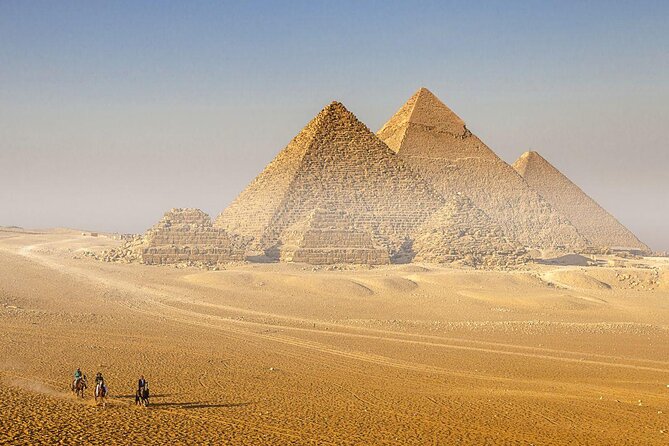
- Covers all three pyramids’ namesakes: Khufu, Khafre, and Menkaure, plus the Sphinx
- Free time at the pyramids (inside access may require a separate ticket, and the guide won’t go inside with you)
- Real guide value shown in reviews: guides like Habeba, Nada, Mohamed, Islam, Eino, Mona, Sameh, Haitham, and Mohsen are repeatedly praised for making the day smoother and more personal
Private Giza pickup: the real value is time saved
Giza can be a pain to reach by public transport, especially if you’re trying to juggle jet lag, heat, and Cairo traffic. The biggest reason this tour feels like good value is simple: you get picked up and dropped off at your choice of location across both Cairo and Giza, and you don’t spend half your morning figuring out routes, fares, and timing.
You’re also traveling with a plan. The tour runs about 4 to 5 hours, which fits perfectly when you want the “I saw the pyramids” moment without turning your whole day into a logistics project. That matters because in Giza, the site is huge, the light changes fast, and queues can stretch. A private format helps you keep moving.
Another practical win: it’s priced per person at $35. For many visitors, the cost isn’t just the guide—it’s the fact that the tour bundles the heavy hitters (entry to the plateau, lunch, bottled water, and the camel ride) into one package.
You can also read our reviews of more guided tours in Giza
What the tour actually includes (and what that means for you)
Here’s where this tour gets practical. The included items remove a lot of decision fatigue, which is a big deal when you’re at a famous, crowded, sometimes-pushy site.
You get:
- Qualified Egyptologist guide
- Entrance fee to the Giza Plateau
- Traditional lunch
- Bottled water on board
- Camel ride for 20 minutes
- Hotel pickup and drop-off
- All taxes and service charge
- Mobile ticket, plus onboard Wi‑Fi (nice for messaging, directions, and letting you stay sane between stops)
What you should interpret from that: you can focus on the experience, not the running around. Lunch included also helps. Even if you’re the kind of person who usually skips meals on vacation, Giza’s heat can turn “quick snack” into “why am I dizzy?”
Stop 1: The Giza Plateau and your camel-photo moment
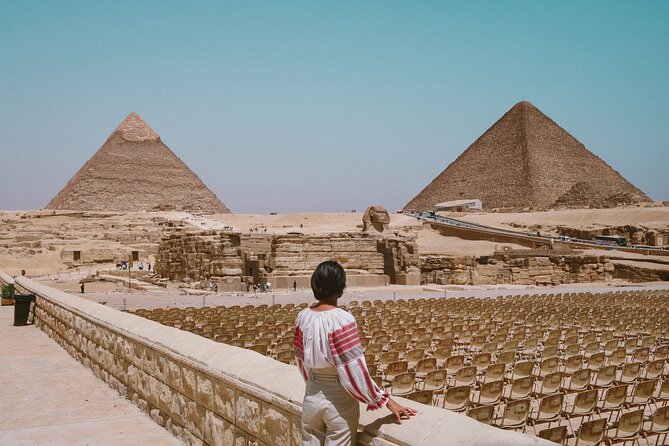
The tour starts at the Pyramids of Giza area. This is your orientation phase, but it’s also where the day becomes real. You’ll get an introduction to the three major pyramids—Cheops (Khufu), Khafre, and Menkaure—and your guide will help you understand what you’re looking at before you start taking pictures from every angle.
After that, you’ll have time to enter the pyramid area. One important note: free time for going inside is mentioned, but entry to specific pyramid interiors may require a separate ticket, and guides aren’t permitted inside with you. So think of this stop as two parts: you get the overview with your guide, then you decide how much you want to do inside.
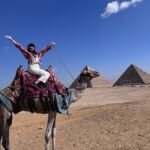
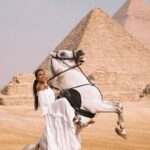
Then comes the part many people remember best: a 20-minute camel ride. This isn’t the short photo-only thing. It’s long enough to feel the desert under you, and it’s timed as a photo opportunity so you can capture the classic image of yourself with the pyramids as the backdrop. Based on guide feedback patterns, your guide will also often help you get good angles and make sure the ride doesn’t turn into chaos.
Possible drawback: camel rides aren’t everyone’s thing. If you’d rather keep both hands free for photos or you’re not comfortable on horseback-style rides, you can decide ahead of time whether you’ll swap it for extra walking time.
Stop 2: Khufu’s Great Pyramid (the big one)
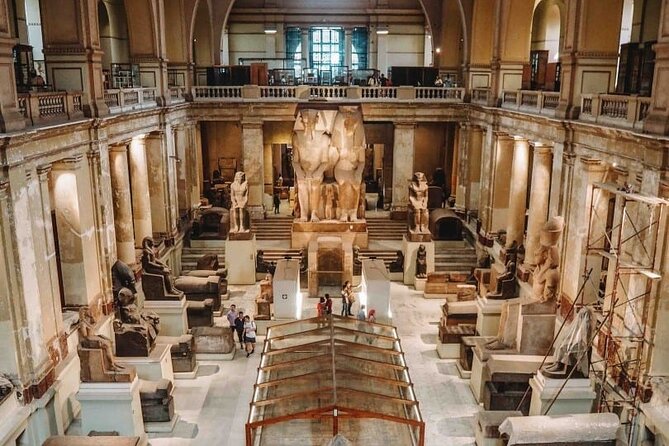
You’ll then head to the Great Pyramid of Cheops, also called the Pyramid of Khufu. This is the tallest of the three on the Giza Plateau, and it held the title of tallest man-made structure for more than 3,800 years. It originally had smooth limestone casing, which is part of why it must have looked so bright in sunlight.
In practical terms, this stop is about scale and details you’d miss without a guide. You’re not just standing in front of a “big triangle.” Your guide can point out what made it stand out, explain what the pyramid was built for, and put the interior layout into context—like the King’s Chamber and the passages that reach it.
The tour allocates about 1 hour here, which is a good amount of time for:
- seeing the pyramid from a couple viewpoints
- taking photos without rushing
- deciding whether you want to pay for inside access (if you haven’t already)
If you do go inside, remember: your guide may not accompany you inside, so you’ll rely on your own experience in that space. If you’re the kind of person who likes a clear plan (where to go, what to look for), ask your guide at the start of the stop what route or points to focus on.
Stop 3: Khafre’s Pyramid and the Sphinx connection
Next up is Khafre’s Pyramid. It’s slightly smaller than Khufu’s Great Pyramid, but it often looks taller because of its position on the plateau. This is one of those “science beats vibes” moments—your eye sees height, but your guide can show you why it works.
Khafre’s pyramid is also tightly connected to the Great Sphinx. Even if you’ve seen Sphinx photos for years, being here changes the sense of scale. The Sphinx is carved from limestone, and the idea of it as a guardian comes through in the way the surrounding complex is laid out.
This stop is shorter—around 30 minutes—which is fine because:
- you’re moving toward the Sphinx anyway
- you’re likely already getting a lot of pyramid photos
- the Sphinx visit benefits from not rushing too hard
Consideration: if you love lingering (and you enjoy reading stonework and textures), you may want to ask your guide for an extra few minutes here, since the planned timing is on the quick side compared to Khufu.
You can also read our reviews of more private tours in Giza

Stop 4: Menkaure’s Pyramid (smaller, still worth it)
Menkaure’s Pyramid is the smallest of the three, standing at about 65 meters. Smaller doesn’t mean “skippable.” In fact, it can be the most interesting for people who like contrasts: you see how the style and materials evolved, and how the complex includes the mortuary temple area and smaller pyramids connected to Menkaure’s queens.
You’ll get roughly 30 minutes here. That’s enough to take photos, recognize how it differs from its neighbors, and understand what the site designers were doing.
If you like a site that’s not just “the biggest thing,” this stop is a good breather. It shifts your focus from sheer scale to how the Giza Plateau works as a whole.
Stop 5: Panoramic viewpoint and why the camel ride fits here
There’s a panoramic viewpoint where you can see all three pyramids together against the desert backdrop. This is where the alignment clicks for many visitors. It’s also one of the best times to plan your photo sequence so you’re not juggling angles across the plateau while the light changes.
The camel ride is often tied into this part of the day. It’s typically around 20 minutes, and the point is not just the ride—it’s the photo setup. The classic shots people chase here are the ones where you get the pyramids framed behind you, not off to the side like accidental background.
Even if you don’t ride, take a moment here for a slower look. You’re seeing the plateau like a map, and it makes the earlier pyramid stops easier to understand.
Stop 6: The Great Sphinx and Valley Temple area
The final major stop is the Great Sphinx. It’s one of the most recognizable stone figures in the world: a lion’s body with the head of Pharaoh Khafre, carved from limestone. The Sphinx measures about 73 meters long and around 20 meters high, and standing near it gives you a real sense of why it’s described as a giant monolithic statue.
You’ll also be guided past nearby elements like the Valley Temple of King Khafre. That helps connect the Sphinx to the larger funerary complex. When you understand that relationship, it’s no longer just a face in a desert—it feels like a planned part of the whole ritual landscape of Giza.
The tour allots about 30 minutes here. It’s enough time to:
- get multiple viewpoint photos
- take a breath before you head back
- ask a couple final questions that might come up once you’re standing close
What to watch for: the Sphinx area can feel visually intense—giant, close, and busy. If you’re the type who likes quiet reflection, ask your guide for a slightly calmer photo spot or a short pause.
Lunch included: the underrated part of “half-day done right”
Lunch is included, and that’s a big deal in Giza. Half-day tours can feel rushed, but when food is planned, it stops the day from turning into scavenger mode. One of the strongest praise themes in guide feedback is that lunch is enjoyable, and some guides also help with tasty local options like koshary. Others have been credited with small thoughtful stops like sugar cane juice.
Also, if you’re traveling with kids or you just need breaks fast, lunch timing helps your energy stay steady. And when your guide is used to managing the crowd flow, you’re less likely to get stuck in long waits or confusion around where to eat.
There may also be extra stops depending on your guide and the day’s flow, like a papyrus shop or similar local sites. Those aren’t guaranteed in every version of the day, but you should be ready for a quick optional detour if your guide proposes one.
Guides, the real difference you’ll feel on the ground
The official promise is an Egyptologist guide. The real-life difference shows in how the tour “feels”: does it run smoothly, and do you feel protected from the stress around the pyramids?
In reviews tied to this experience, names come up again and again—Habeba, Nada, Mohamed, Ahmed, Islam, Eino, Mona, Sameh, Haitham, and Mohsen. What stands out is the practical way guides help you:
- keep the day organized so you don’t miss key viewpoints
- take photos for you so you’re not stuck asking strangers
- guide you through spots where locals may try to steer you into unnecessary detours
- offer tips for dealing with haggling, hustlers, and street pressure
You can think of the guide as part teacher, part traffic controller, and part photographer. That’s the value you can’t measure from a brochure.
Possible drawback: guide styles vary. One solo visitor described a situation where the explanation time felt too heavy, with textbook-style pacing, and the camel ride ended up being the best part. If you don’t want long lectures, say it early. Tell your guide you want more time for photos and less time sitting and listening.
Price and logistics: why $35 can actually feel fair
At $35 per person for a 4 to 5 hour private guided tour, the price looks low compared to what people often pay for “just a driver.” What makes it feel fair is the bundle:
- plateau entrance is included
- lunch is included
- bottled water is included
- camel ride is included
- pickup and drop-off are included
- onboard Wi‑Fi is included
Even if you’re the type who would pay for an Egyptologist anyway, the added costs add up fast when you’re in a place where everything is another ticket or another fee.
Just remember the key limitation: if you want specific pyramid interior entry, you may need a separate ticket, since the guide won’t go inside with you. That’s not a flaw—it’s simply how access works in many pyramid structures. Plan for that possibility when you budget.
Who should book this tour (and who might want a different plan)
This tour is ideal if you want:
- a short, high-impact day at Giza
- hotel pickup and a plan that limits wasted time
- a guide who helps you get the right photos and understands how to navigate the site
- included lunch and water so you don’t spend your day searching for basic needs
You’ll also like it if you’re traveling solo or with a partner and want photos where you’re actually in them. Reviews repeatedly highlight that guides help take pictures and keep the experience comfortable.
It might not be the best fit if:
- you hate any kind of guided pacing
- you want to spend most of your time inside pyramid chambers with no sightseeing structure
- you strongly prefer a self-paced approach where you can stop and start constantly
Should you book the Giza Pyramids and Great Sphinx tour?
Yes, if your goal is to see the big monuments without turning your day into transport problems. The combination of pickup, included entrance, lunch, and a 20-minute camel ride makes it a practical way to experience Giza. Add in a guide who knows how to manage the flow—plus the photo points—and you get a day that’s both meaningful and manageable.
If you’re booking, do two things to get the best outcome. First, tell your guide you care most about photo time versus explanations. Second, ask early whether you want to purchase separate pyramid interior access so you don’t get surprised later when you’re standing there with time running.
FAQ
FAQ
Is the camel ride included in the tour?
Yes. The tour includes a 20-minute camel ride.
Does the price include entrance to the Giza Plateau?
Yes. The tour includes the entrance fee to the Giza Plateau based on the tour option you booked.
Will I be able to go inside the pyramids?
The tour includes free time to enter the pyramid area, but extra tickets may be required for entering the pyramids, and guides are not permitted inside.
Is hotel pickup and drop-off included?
Yes. You can be picked up and dropped off at your choice of location across Cairo and Giza.
How long is the tour?
The tour runs about 4 to 5 hours (approx.).
What happens if the weather is poor or I need to cancel?
The experience requires good weather. If it’s canceled due to poor weather, you’ll be offered a different date or a full refund. You can cancel for a full refund up to 24 hours in advance of the start time.