REVIEW · GIZA
Cairo: Grand Egyptian Museum Ticket w/ Opt. Guide & Transfer
Book on GetYourGuide →Operated by OceanAir Egypt · Bookable on GetYourGuide
The museum feels brand-new, even after 3,000 years. This ticket takes you to the Grand Egyptian Museum near Giza, with optional Egyptologist guide and pickup. I like that it gives you smart context for the big-ticket sights—King Tutankhamun’s treasures, royal mummies, and sculpture galleries—and I like the museum’s modern flow, which makes a long visit feel more manageable. One drawback to plan for: the time inside is limited, so you might not see everything without prioritizing.
If you pick the transfer option, you also avoid the headache of figuring out timing and routes on your own. The guide option runs live in German, English, or French, and the museum terraces are built for a reason: views back toward the Pyramids of Giza.
Meeting is simple: you meet your guide at the main entrance of the Grand Egyptian Museum. Bring comfortable shoes, water, and a hat, and remember that no flash and no backpacks keep the visit smooth for everyone.
In This Review
- Key things to know before you go
- Why the Grand Egyptian Museum feels different from other Egypt stops
- Getting there: the van ride and how long this day will actually take
- Inside GEM: how to prioritize Tutankhamun, mummies, and sculpture rooms
- The terrace views of the Pyramids: your built-in photo break
- The guide option: what an Egyptologist adds (and what to watch for)
- Skip-the-line tickets: sometimes helpful, sometimes not
- Transfers in a Cairo-to-Giza day: comfort and timing value
- What to bring (and what to leave behind) so you don’t lose time
- Ticket-only option and WhatsApp delivery: helpful if GEM booking is tough
- Who this tour is best for (and who should skip it)
- Value check: does $59 per person make sense?
- Should you book this GEM tour with guide and transfer?
- FAQ
- FAQ
- Is admission to the Grand Egyptian Museum included?
- Do I need a guided tour to visit?
- What languages are available for the live guide?
- Is hotel pickup and drop-off included?
- Where do I meet the guide?
- How long is the tour?
- Does the ticket skip the ticket line?
- What should I bring and what isn’t allowed?
- Is this suitable for people with mobility impairments or wheelchair users?
Key things to know before you go
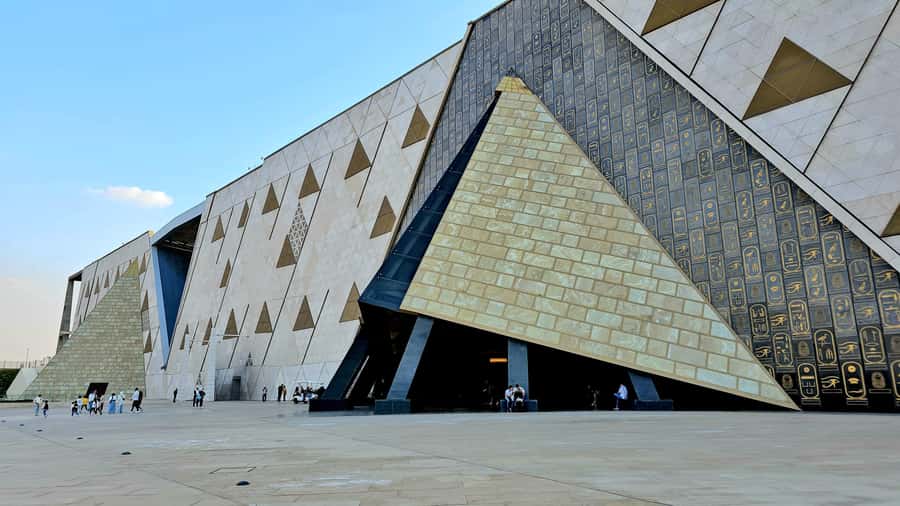
- You’re going near Giza. GEM is close enough that the trip feels like a real add-on to pyramid-area sightseeing.
- King Tutankhamun is a centerpiece. Expect to see his priceless treasures and the iconic golden mask.
- Mummies and sculpture halls matter. You’re not just looking at objects—you’re seeing Egypt’s royal world across time.
- Terraces give you Pyramids views. Build in a few slow minutes for photos and skyline moments.
- Two hours inside can fly by. The museum is huge, so a plan beats wandering.
- Guides can make or break it. Named guide examples include Tony, Aya, and Ahmed, and they can help you read what you’re seeing.
Why the Grand Egyptian Museum feels different from other Egypt stops
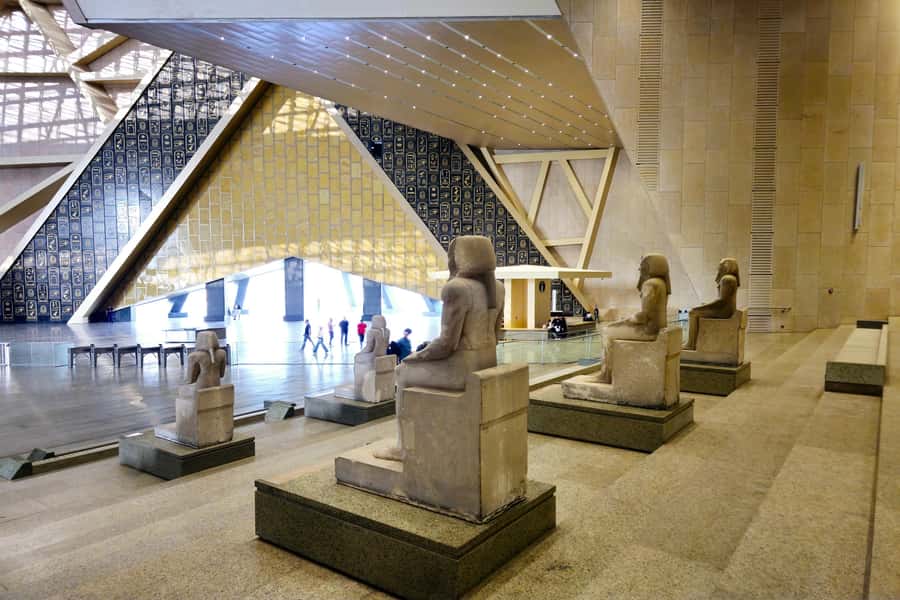
The Grand Egyptian Museum (GEM) is Egypt’s largest archaeological museum, and it shows. The building is modern and bright, designed for walking and for grouping exhibits in a way that makes a first visit easier to follow than most “stand in a room and hope you get the point” experiences.
What makes this ticket worth considering is the mix of scale and structure. You’re stepping into an exhibit world that spans thousands of years, but it’s framed around major themes and famous names—so it doesn’t feel like you’re lost in a warehouse of artifacts.
And yes, the headline items are real draws. You’ll have the chance to see King Tutankhamun’s treasures, including the golden mask, plus galleries focused on royal mummies and ancient sculptures. For many first-timers, that combination is the fastest path to understanding why Egypt’s ancient royal culture still hits so hard.
A few more Giza tours and experiences worth a look

Getting there: the van ride and how long this day will actually take
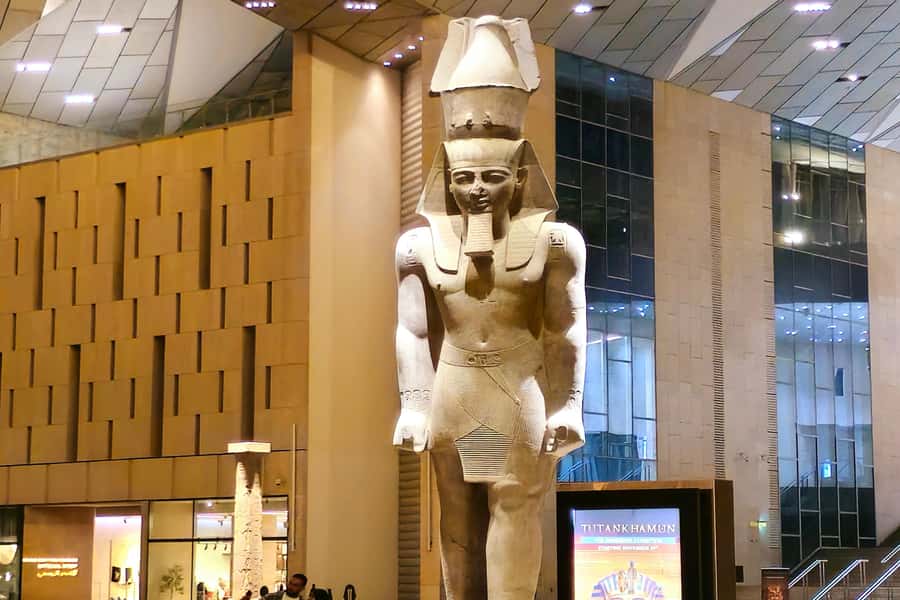
This experience is built around a simple rhythm: pickup, a van ride, museum time, then the return trip. The schedule is described as about 1 hour each way by van, with roughly 2 hours in the museum.
In plain terms: you should treat this as a half-day commitment, not an all-day museum marathon. That can be a positive if you’re also doing pyramids, camel rides, or another museum later. It can be frustrating if you love slow looking and want to read every sign.
Also, pickup is optional. You can be picked up from Cairo or Giza (with a longer-range pickup service available from several specific areas), but if you choose not to add transfer, you’ll manage the timing yourself and you’ll still be aiming for entry at the main entrance.
Inside GEM: how to prioritize Tutankhamun, mummies, and sculpture rooms
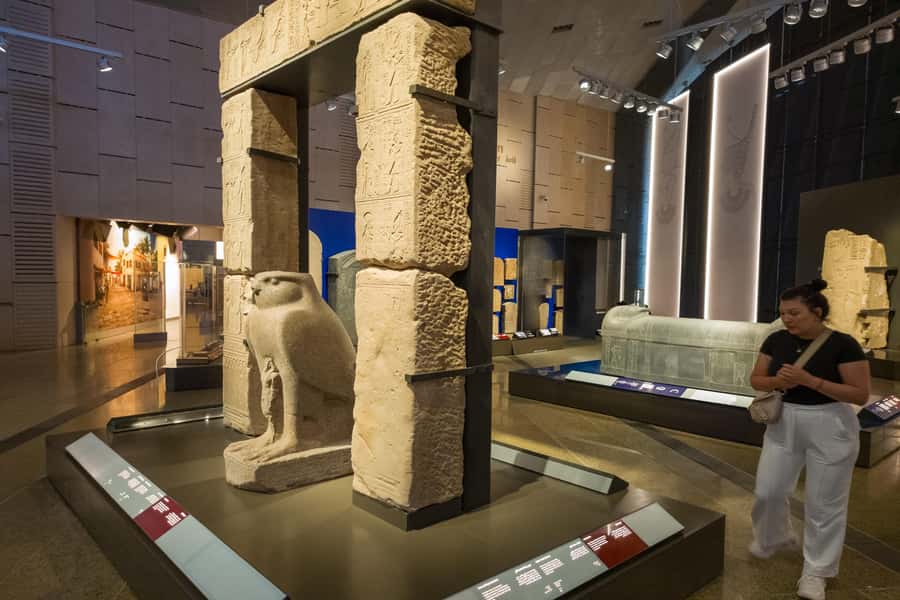
You’re seeing over 100,000 artifacts in total across the museum. That number is big enough that it almost becomes a trick of the mind. The reality: you won’t “see everything” in a short visit—so your best move is to focus on what you want your museum day to mean.
Here’s how I’d prioritize based on what’s emphasized in the experience and what tends to delight people most:
1) Tutankhamun treasures first, if that’s your reason for going
Tutankhamun’s display is one of the museum’s headline moments, and it’s the kind of stop that’s worth your full attention. If you’re the type who likes to connect the art to the story, you’ll get more from going early before you’re tired.
2) Royal mummies: the scale is the lesson
The museum’s royal mummy collection is designed to show status and ceremony, not just specimens. You may not catch every detail in one pass, but you’ll come away with a clearer sense of what “royal” meant in ancient Egypt—inside and outside the tomb.
3) Sculptures: use them to get Egypt’s visual language
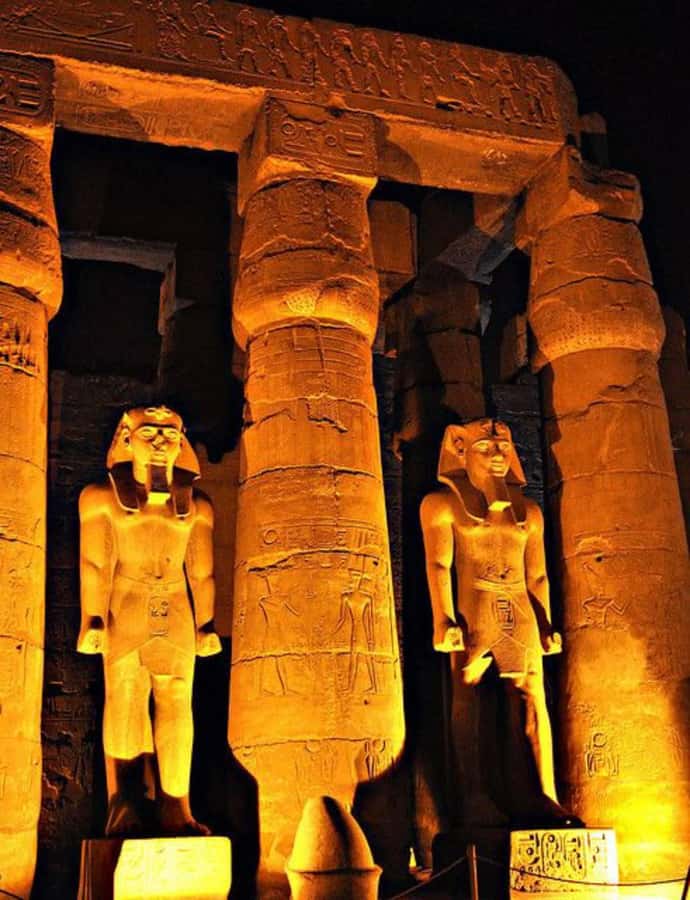
Sculptures and statues help you recognize recurring symbols and styles. Even if your guide spends time on the famous objects, you’ll likely get extra value by noticing body language, materials, and how figures are posed.
If you book the guide option, I’d expect them to steer you toward the most meaningful sections for first-time visitors. Named guide examples in the experience include Tony, Aya, and Ahmed, and people repeatedly highlight that a good guide makes the museum’s information feel organized instead of overwhelming.
The terrace views of the Pyramids: your built-in photo break
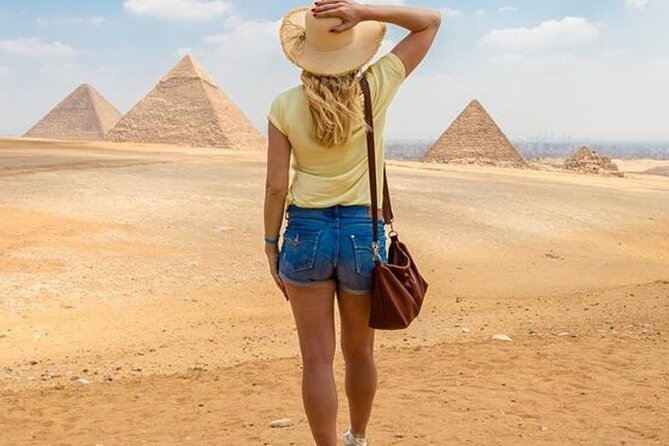
One of the nicest details here is that the museum isn’t just “inside.” GEM includes terraces with breathtaking views of the Pyramids of Giza.
This matters for two reasons. First, it gives your brain a breather. Second, it ties your artifacts back to the landscape that tourists usually associate with ancient Egypt—so the day feels more connected.
Plan for a pause. Even if you’re wearing the wrong shoes (we’ve all done it), you’ll want a couple of minutes outside to reset before you head back toward the galleries.
The guide option: what an Egyptologist adds (and what to watch for)
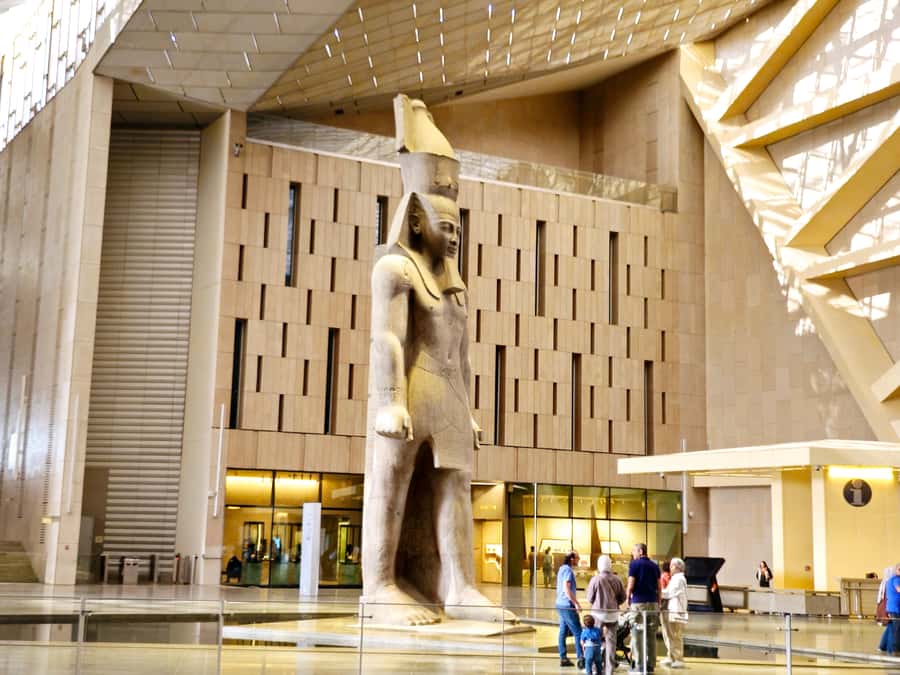
Booking with a professional Egyptologist guide is the biggest difference between simply entering a museum and actually understanding it.
A good guide helps you translate what you’re seeing into meaning: why a piece matters, what a symbol might represent, and how the object fits into the bigger story of ancient Egyptian culture. In the experience, guide languages include German, English, and French, and people have praised guides like Basan/Flower, Aya, Ahmed, and Tony for making the visit feel purposeful.
That said, timing is real. With only about 2 hours inside described for the museum stop, you can feel rushed if your guide keeps moving quickly. And if you’re the type who likes to stop often—especially in museum rooms with tons of text—you may want to speak up early and ask how much time you’ll have at each section.
So my practical advice is simple: if it’s your first GEM visit and you care about understanding what you’re looking at, the guide is a strong add-on. If you’re mostly there for photos and iconic objects, you might feel fine without one.
You can also read our reviews of more guided tours in Giza




Skip-the-line tickets: sometimes helpful, sometimes not
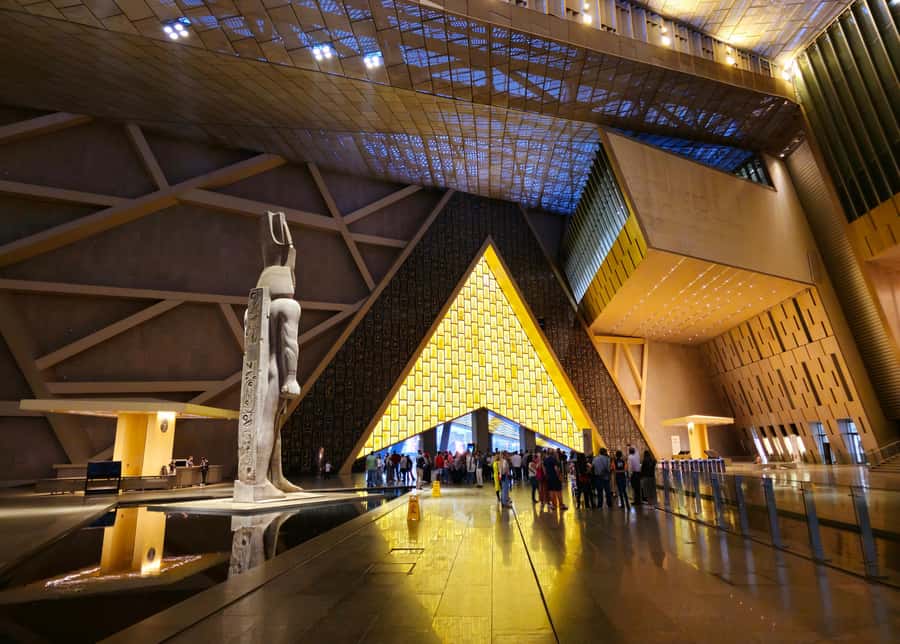
This experience includes skip the ticket line. In theory, that’s what you want when you’re visiting a major museum in a high-demand area.
In practice, entry can still involve waiting depending on how operations are running that day. One person even reported that the skip-the-line part didn’t fully prevent a wait. My takeaway: treat it as helpful, not magical.
If you’re sensitive to crowds or you hate losing time, arrive ready to move fast—water on hand, hat ready, and camera ready (but no flash). Then you can use your saved minutes inside where it counts.
Transfers in a Cairo-to-Giza day: comfort and timing value
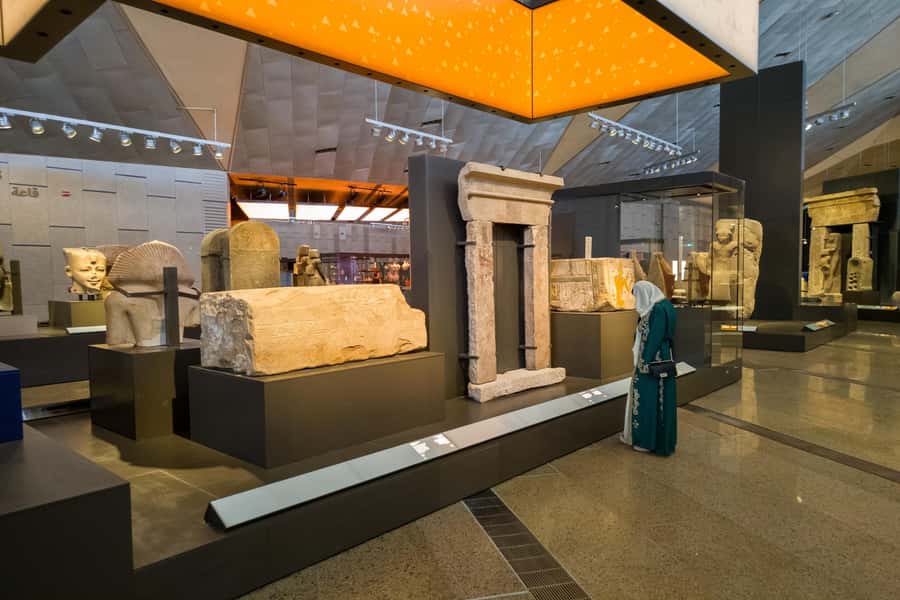
Optional hotel pickup and drop-off can be a lifesaver in Cairo and the Giza area. The museum is near the pyramids, but that doesn’t automatically mean it’s easy to reach at the time you want without planning.
When pickup is included, you also gain a kind of built-in pacing. The van ride gives you a clear start and end time for your half-day, and it reduces the stress of finding your way back after the museum.
People have specifically praised a punctual, clean, air-conditioned car and friendly drivers such as Mohamed Atef. That sort of service matters because Cairo traffic can turn a simple plan into a long one—so having a set plan is usually worth it.
What to bring (and what to leave behind) so you don’t lose time
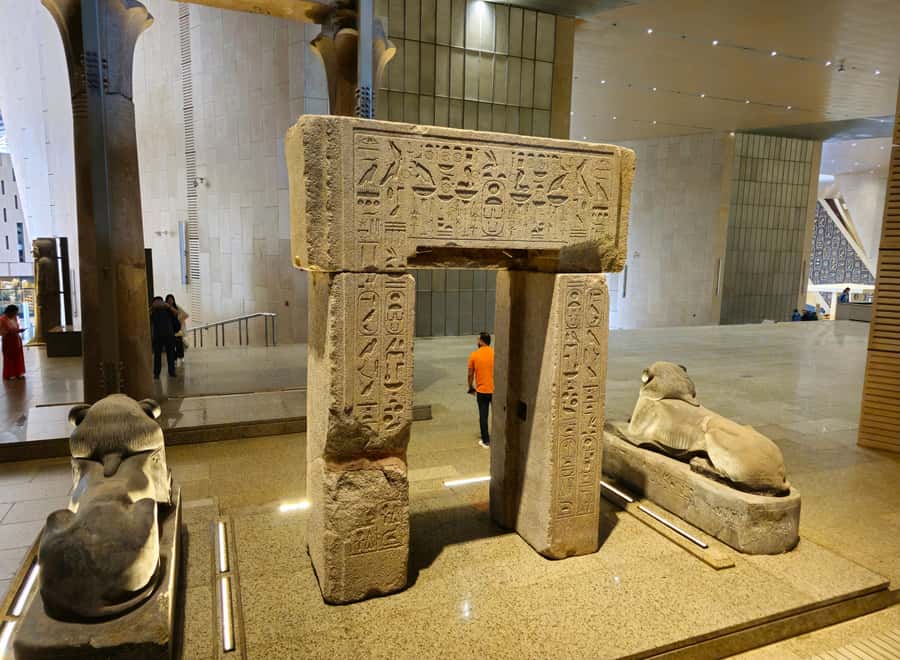
A museum day goes better when you’re not fighting your own gear. For this experience, bring:
- Comfortable shoes
- Hat
- Camera
- Sunscreen
- Water
And leave behind anything that slows entry or violates rules:
- No flash photography
- No backpacks
Quick practical note: GEM is large, and you should expect walking. If you show up in fashion sneakers that look good but pinch your toes, you’ll feel it. I’d rather you bring the practical pair you usually save for sightseeing.
Ticket-only option and WhatsApp delivery: helpful if GEM booking is tough
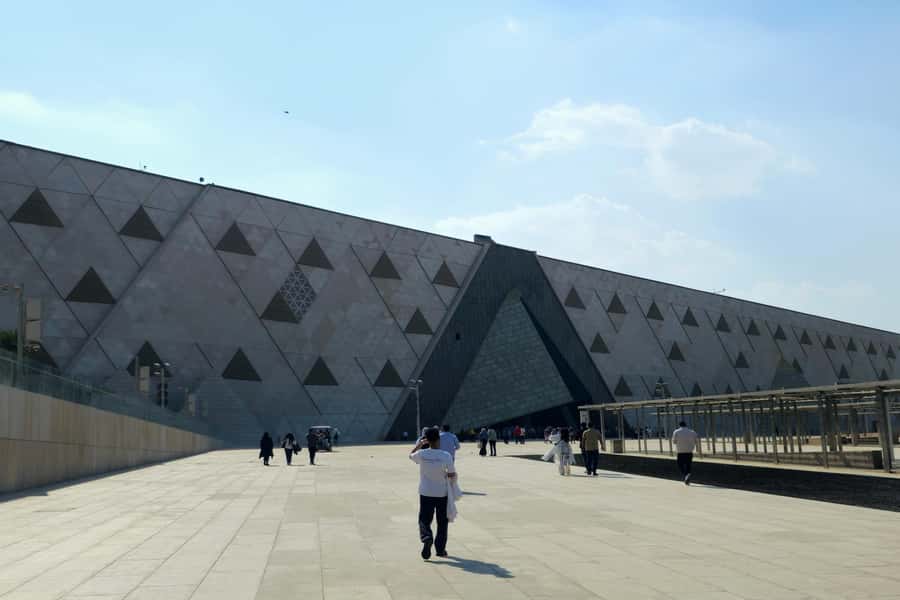
If you choose the ticket-only option, the ticket is sent via WhatsApp. That’s valuable if you’re trying to lock in a specific day and entry time but don’t want to keep wrestling with online museum systems.
One person said this option helped when the GEM website was crashing, and communication arrived in a smooth way ahead of the visit. If that kind of uncertainty makes you nervous, having the ticket handled for you can reduce mental load.
Still, keep your expectations realistic. Ticket-only doesn’t include a guide, so you’ll be reading on your own and deciding priorities without an Egyptologist directing your route.
Who this tour is best for (and who should skip it)
This works well if you want:
- A first-time GEM visit with the museum’s major highlights
- Optional guidance in German, English, or French
- A structured half-day with optional Cairo/Giza transfer
It may not be the best match if:
- You want an all-day museum deep dive. With about 2 hours inside, you’ll need to prioritize.
- You need step-free access or wheelchair support. The experience notes it’s not suitable for wheelchair users and for people with mobility impairments.
- You’re traveling with children under 6 (the experience specifies it’s not suitable for children under 6).
If you’re pairing this with pyramids-area sightseeing, it fits nicely. If you only have time for one museum stop in the Giza area, GEM is a strong candidate—and a guide can help you get your money’s worth.
Value check: does $59 per person make sense?
At $59 per person, the value depends mostly on which option you choose.
You’re paying for:
- Admission to the Grand Egyptian Museum
- Optional professional Egyptologist guide
- Optional hotel pickup and drop-off
If you’re booking just the ticket, you’re basically paying for the convenience of entry without managing it yourself. If you add a guide, you’re paying for clarity—someone translating the museum into story and meaning. In a museum of this size, that can save you from wandering with half-understood objects.
And if you add transfer, you’re paying to reduce friction. Cairo logistics can cost you more than you think in time and stress, so having pickup/drop-off can feel like “quiet savings,” especially if you’re not already local to the area.
My rule: if you can afford the guide option, I’d lean that way for your first visit. If you prefer exploring at your own pace and only want the standout pieces, ticket-only can still work well.
Should you book this GEM tour with guide and transfer?
Book it if you want a structured, low-stress way to see the Grand Egyptian Museum near Giza with the option to learn from an Egyptologist. I especially like this setup for first-timers because it’s focused on the museum’s most famous anchors—Tutankhamun’s treasures, royal mummies, and sculpture halls—without asking you to solve transport and timing on your own.
Skip the guide or consider ticket-only if you already have strong museum context and you’d rather spend every minute on your own route. Also, if your priority is to see everything slowly, remember that the museum time here is described as about 2 hours, so you may need to plan a longer follow-up visit.
If you’re deciding today, I’d choose based on one question: do you want the museum to teach you, or do you want it to entertain you while you read later? Either way, GEM is an impressive modern way to meet ancient Egypt.
FAQ
FAQ
Is admission to the Grand Egyptian Museum included?
Yes. Museum admission is included in the experience price.
Do I need a guided tour to visit?
No. You can book with a professional Egyptologist guide (if that option is selected), or you can book a ticket-only option.
What languages are available for the live guide?
The live tour guide is available in German, English, and French.
Is hotel pickup and drop-off included?
Pickup and drop-off are optional. If you select the pickup option, it’s available from Cairo or Giza (and certain longer-range areas can be added at checkout).
Where do I meet the guide?
Meet your guide at the main entrance of the Grand Egyptian Museum.
How long is the tour?
The duration is listed as 3 to 5 hours.
Does the ticket skip the ticket line?
The experience includes a skip-the-line ticket, though entry flow can vary.
What should I bring and what isn’t allowed?
Bring comfortable shoes, a hat, camera, sunscreen, and water. Flash photography and backpacks are not allowed.
Is this suitable for people with mobility impairments or wheelchair users?
No. The experience is not suitable for people with mobility impairments or wheelchair users.