REVIEW · GIZA
All inclusive two days Tour at Giza and Cairo
Book on Viator →Operated by Siwa Travel Egypt · Bookable on Viator
Two days, two eras, one big wow. You’ll move from Giza’s pyramids to Cairo’s older quarters, with a guide who keeps the story clear and the pacing realistic.
I love the all-inclusive feel here: taxes and fees are covered, you get skip-the-line access, and two lunches are included. I also like that this is a private tour, so you can ask questions and take breaks without working around a large group.
One thing to watch: transfers can cost extra ($10 per person) if you’re staying in certain areas like airport hotels, Nasr City, 6 of October, or New Cairo.
In This Review
- Key highlights
- Two days in Giza and Cairo: how the pacing actually works
- Giza pyramids: Khufu, Khafre, Menkaure, plus the inside option
- The Great Sphinx: a short stop with big symbolism
- Camel or horse ride, then the Valley Temple at Khafre’s edge
- Memphis ruins and Saqqara: the “first capital” and the world’s first pyramid
- Egyptian Museum on day one: artifacts, including Tutankhamun-era items
- Day two begins in Coptic Cairo: Hanging Church and Saint Sergius and Bacchus
- Khan el-Khalili and Al-Mu’izz Street: market energy with historic structure
- Ben Ezra Synagogue and then the Citadel skyline
- Price and what you really get for $135 per person
- What I’d expect from the guide setup (and why it matters here)
- Who should book this Giza and Cairo combo tour?
- Should you book Siwa Travel Egypt for this 2-day Giza and Cairo tour?
- FAQ
- What is included in the tour price?
- Are there any optional activities during the tour?
- Do I need to pay extra for airport or specific hotel areas?
- Is this tour private?
- Is cancellation free?
- What if weather affects the tour?
Key highlights
- Skip-the-line admissions to cut down waiting at major sites
- Great Pyramid complex access (with an optional inside visit if you want it)
- A tight combo of Giza + Saqqara + Cairo Old City in just 2 days
- Coptic Cairo stops like the Hanging Church and Saint Sergius and Bacchus Church
- Khan el-Khalili + Al-Mu’izz Street for market wandering and historic street views
- Citadel of Saladin and Al-Azhar Mosque for skyline panoramas and Islamic Cairo context
Two days in Giza and Cairo: how the pacing actually works
This is one of those trips that sounds simple on paper—pyramids and Cairo in two days—but the real win is how it bundles the big-ticket sights with the “in-between” places that help everything make sense. You start in Giza with the most famous monuments on earth, then you shift to Memphis and Saqqara to see how earlier Egyptian ideas about kingship and tombs evolved. By day two, Cairo’s religious architecture and old streets take over, so you get both monument-scale wonders and lived-in city atmosphere.
Because it’s private, you’re less likely to feel stuck in line with strangers or rushed through each stop. And because meals are part of the package (two lunches), you’re not constantly doing the mental math of where to eat between sites. It’s still a packed schedule, so you’ll want to show up ready for a full day of walking and sun, but the itinerary is designed to keep moving without feeling like a sprint.
A few more Giza tours and experiences worth a look

Giza pyramids: Khufu, Khafre, Menkaure, plus the inside option
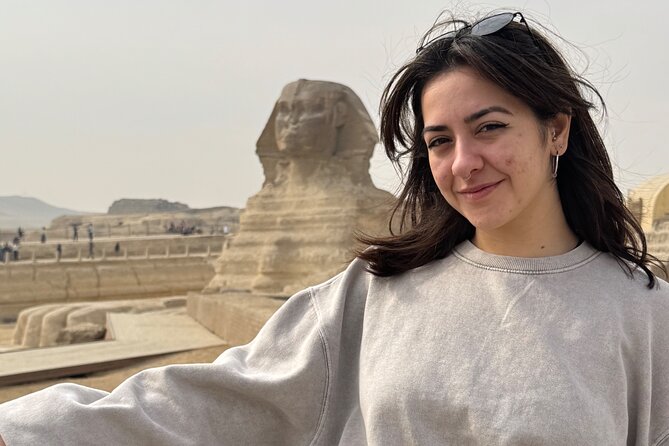
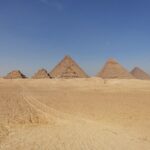
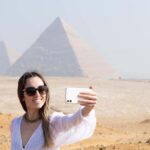
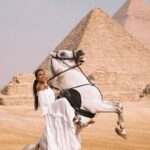
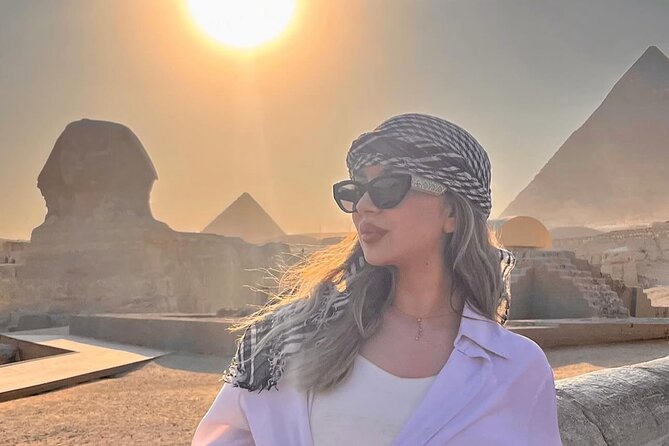
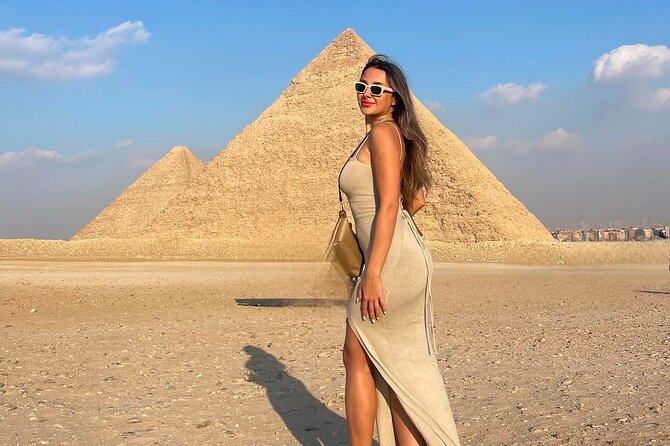
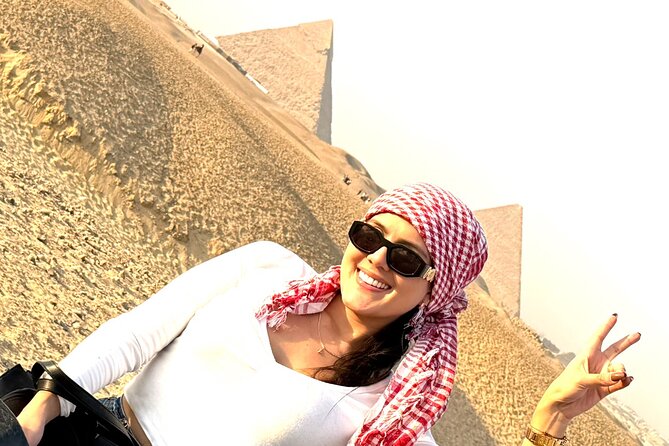
Your first real wow moment is the Great Pyramids of Giza complex. The focus isn’t just on the “big one,” either—you’re meant to see the Pyramid of Khufu (the Great Pyramid), the Pyramid of Khafre, and the Pyramid of Menkaure. Standing there, it’s hard not to stare upward and feel small in the best way. The guide’s job is to connect what you’re seeing to the how and why—construction, purpose, and what people still debate about these monuments.
You also get admission included for the pyramid area (the ticket part is built into the experience). If you want to go further, there’s an optional inside visit into one of the pyramids, but that requires a separate ticket. For most people, it’s worth considering because being inside changes the scale and atmosphere instantly. Just go in with realistic expectations: inside access is not the same as seeing every chamber, and it can feel tight compared to the open plateau views.
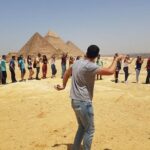
Photo-wise, you’ll get panoramic viewpoints during this block of time, which is where the pyramids stop being just landmarks and start looking like a planned site. This is also the portion of the trip where a good guide matters most—if you get someone like Eman, who’s known for explaining both major facts and lesser-known details, the whole area clicks faster and feels more personal.
The Great Sphinx: a short stop with big symbolism
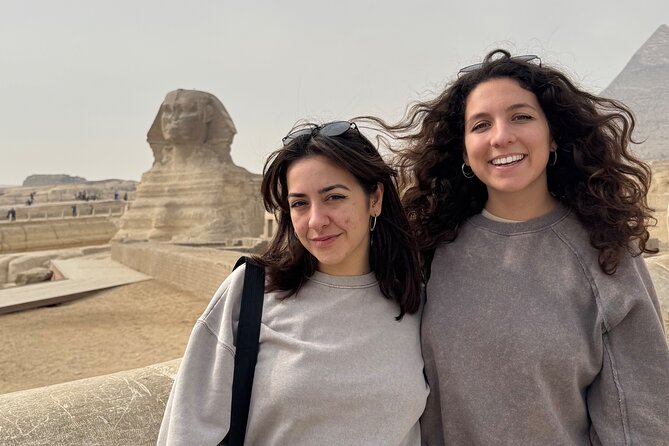
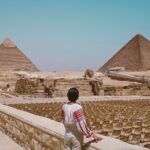
Right after the pyramids comes the Great Sphinx. You’re given enough time to stand in front of it, take photos, and learn the legends and significance behind it in ancient Egyptian culture. The practical upside here is simple: it’s a shorter segment than the pyramids complex, and it doesn’t eat your whole morning.
Admission is listed as free for this stop, so you don’t have to factor in ticket friction. The Sphinx is one of those sites where you may arrive expecting “cool statue,” and then leave thinking about what it meant to people who lived around it. The best way to enjoy this one is to slow down for a few minutes and look at the surroundings—not just the face—because the Sphinx reads differently when you notice how it sits in the landscape.
Camel or horse ride, then the Valley Temple at Khafre’s edge
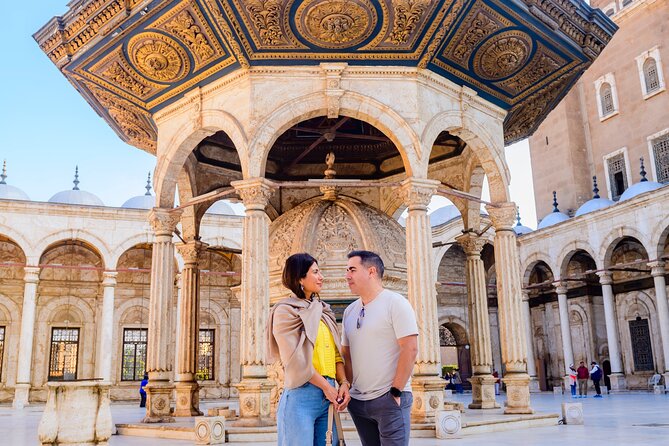
There’s an optional camel or horseback ride across the Giza Plateau or you can skip it and stay on foot. If you do it, it’s a classic choice: a short desert-style ride that gives you movement across the plateau instead of only standing still. The ride window is about 30 minutes, so you’re not committing to a half-day detour.
Then you head to the Valley Temple connected with King Khafre. This stop is one of the best “why it mattered” moments on day one because the Valley Temple is tied to ancient funerary rituals, not just royal branding. You’ll learn about how it functioned and what you’re looking at, including well-preserved granite blocks. It’s also a strong contrast to the pyramids: the scale is still impressive, but the focus shifts from massive monuments to temple details and ritual purpose.
If you’re traveling with a kid, or if you want a balanced day, this sequence helps. You get action (optional ride), then you get meaning (the Valley Temple). It’s not all photos; it’s facts with walking shoes.
Memphis ruins and Saqqara: the “first capital” and the world’s first pyramid
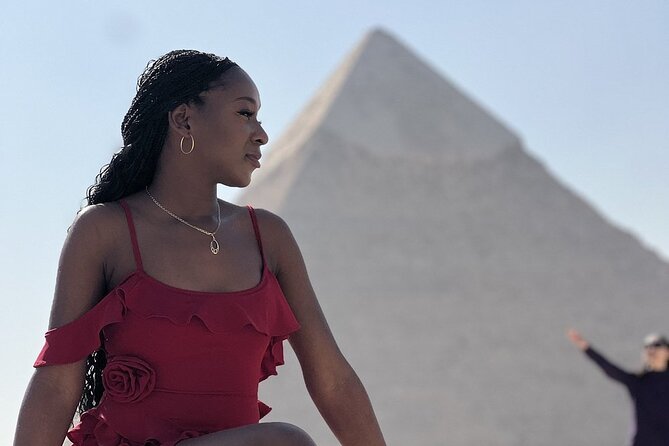
After Giza, you’re taken to Memphis, described as the first capital of Egypt. You’re not stepping into a museum-style reconstruction; you’re walking through ruins, which changes the feel instantly. Here, the big learning points are the scale of history and the idea that Cairo-area Egypt wasn’t just pyramids later—it had earlier political power and monumental ambition.
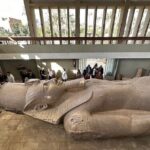
You’ll see notable monuments such as the Colossus of Ramses II and the Alabaster Sphinx. Time here is about 30 minutes, so this isn’t a slow museum day. The guide matters again: if you get someone who explains what these pieces represent and how the city fit together, Memphis becomes a shortcut into understanding Egypt’s statecraft.
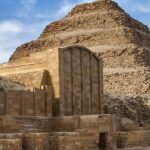
Then it’s onward to Saqqara, one of the most important necropolis areas in Egypt. You’ll visit the Step Pyramid of Djoser, which is famous for being the world’s first pyramid. From there, you can enter one of the Tombs of the Nobles, where carvings depict daily life in ancient Egypt—this is the kind of detail that makes the site feel human instead of distant. You’ll also see the Pyramid of Teti, including the Pyramid Texts, described as the oldest religious writings in the world.
This Saqqara block is around one hour with admission included. It’s long enough to absorb key points, short enough that the day stays focused. If you’re someone who likes structure, you’ll appreciate how Saqqara shows a progression—from earlier tomb concepts to later pyramid-building ideas—without needing extra travel time.
Egyptian Museum on day one: artifacts, including Tutankhamun-era items
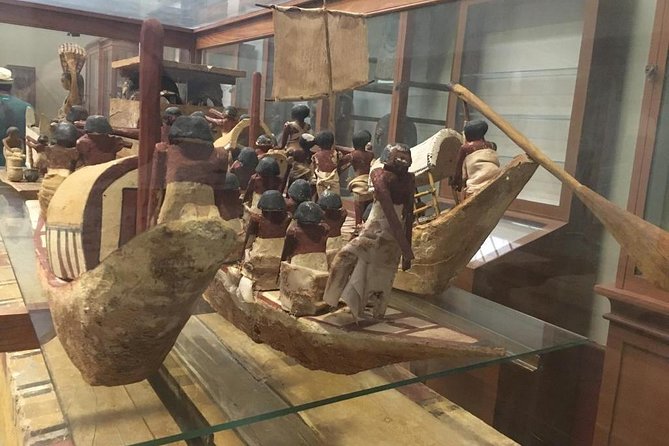
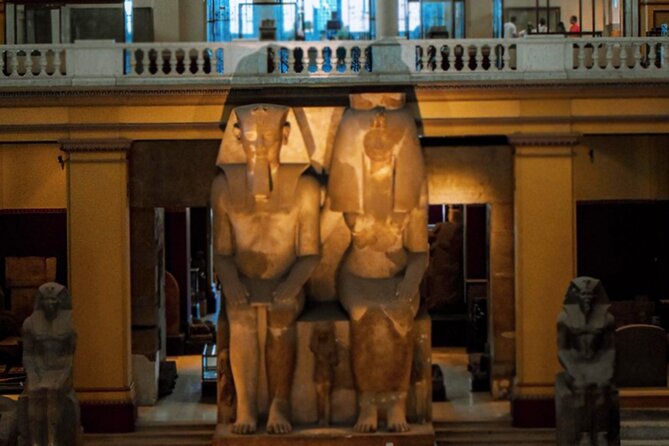
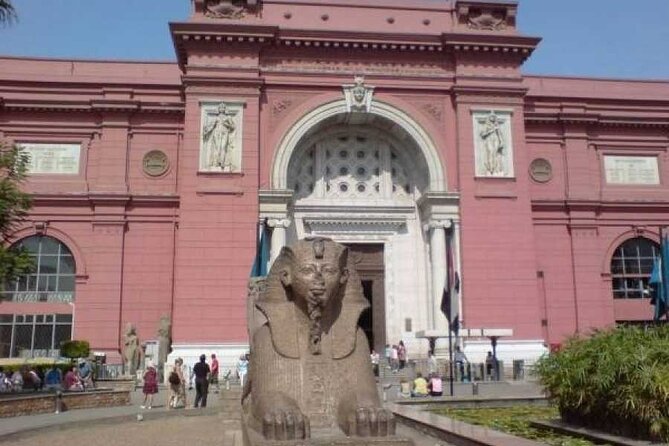
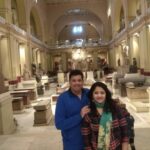
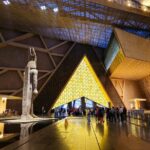
Day one finishes with the Egyptian Museum in Cairo. The interesting part is that this isn’t the “city tour” end of the day—it’s still a deep history stop. You’re told the museum holds ancient artifacts, including items connected to Tutankhamun’s tomb.
Admission here is listed as free in the tour information, so you’re not adding extra ticket steps at the end of an already packed day. The one-hour time slot works best if you treat it like a focused highlight session. Don’t try to see everything. Pick the areas your guide points out, connect them to what you saw in Giza and Saqqara, then let the museum serve as a “bridge” between monuments and objects.
Day two begins in Coptic Cairo: Hanging Church and Saint Sergius and Bacchus
Old Cairo is where the atmosphere changes. Instead of standing in front of giants made of stone thousands of years ago, you’re walking into layers of living religious tradition. The first stop is Coptic Cairo, including the Hanging Church (Saint Virgin Mary’s Coptic Orthodox Church). It’s perched above a gatehouse tied to the Roman Babylon Fortress, and that combination of Coptic and Roman-era connections is part of what makes the stop feel textured.
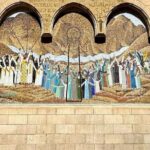
You’ll also visit the Saint Sergius and Bacchus Church, described as linked to the Holy Family’s journey through Egypt, with roots in the 5th century. Time here is about one hour with admission included. This is one of those sections where a calm, clear guide makes a big difference—if you get someone like Yasmina, who’s praised for guiding visitors patiently and even helping with great photo angles, the experience can feel organized rather than rushed.
Khan el-Khalili and Al-Mu’izz Street: market energy with historic structure
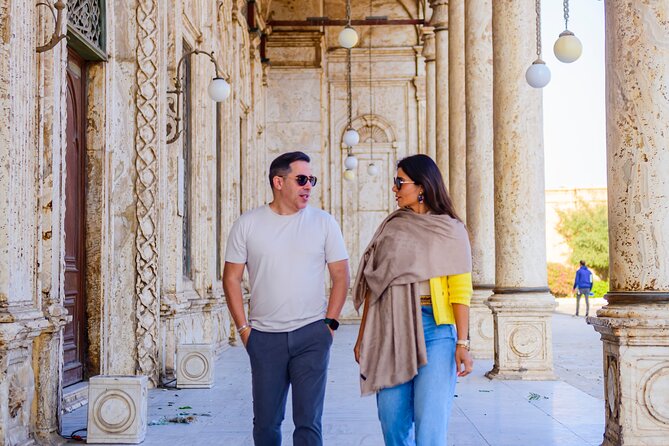
Then you move into the Khan el-Khalili Bazaar and Cairo’s old streets, including Al-Mu’izz Street. This is the part of the tour where you can actually feel the city happening around you—jewelry, spices, and that everyday chaos that’s hard to recreate through photos alone.
You’re given about one hour for this section, with admissions listed as included. The trick here is to keep it fun and controlled. Look, compare, ask questions through your guide, and don’t let the pace of the market hijack your schedule. If you enjoy shopping, this is also where your guide’s practical help can matter. Several experiences highlight that guides can help you feel safer and more confident while navigating the bazaar scene.
Al-Mu’izz Street adds the “why this place matters” layer. It’s described as one of the oldest streets in Islamic Cairo, lined with mosques, palaces, and caravanserais. So you’re not just shopping—you’re learning how the old city was laid out and how it functioned.
Ben Ezra Synagogue and then the Citadel skyline
Next is Ben Ezra Synagogue, a historic site dating back to the 9th century, located near the Hanging Church. With about 30 minutes here, it’s another highlight stop, not an all-day immersion. Still, it adds an important perspective: Cairo’s old religious landscape isn’t only one community; it’s layered.
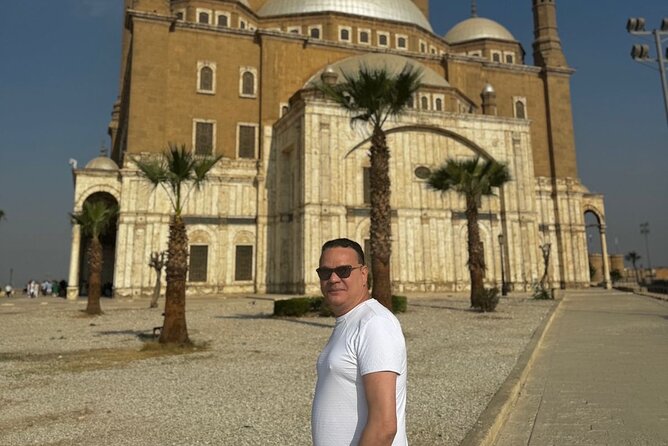
After that, you head to the Citadel of Saladin. This is a major medieval Islamic fortification that gives panoramic views of Cairo. It’s also connected with major mosques, including Muhammad Ali Mosque. The point of this segment isn’t just the view—it’s context. When you can see Cairo from above, the geography makes more sense, and the city’s sprawl looks less random.
Admission is listed as included for the Citadel and related stops. Then you round out the old-city loop with Al-Azhar Mosque, described as the heart of Islamic learning, founded in 970.
Price and what you really get for $135 per person
At $135 per person, this tour can represent good value if you like having tickets, meals, and transportation handled in one package. The experience lists all fees and taxes included, plus lunch for two days. It also includes skip-the-line access and uses a mobile ticket, which generally means less time stuck on paperwork.
The optional parts are part of the appeal, too. You’re not forced into the camel or horseback ride, and the pyramid inside visit is optional (though it needs a separate ticket). So you can choose how intense you want day one to feel.
The one cost that can surprise people is the transfer supplement: $10 per person if you’re coming from certain locations like airport hotels, Nasr City, 6 of October, or New Cairo. If you’re staying elsewhere, you may not pay that extra. If you want fewer surprises, ask about your hotel’s pickup category before you lock it in.
What I’d expect from the guide setup (and why it matters here)
A tour like this rises and falls on the guide’s ability to connect scenes without running you over. The stops here are famous, but what makes the day feel worth it is how the guide explains construction, ritual purpose, and how Egyptian history changes from one place to the next.
In the guide experiences associated with this company, you’ll often see a pattern: people get strong explanations and practical help, including patience with questions, careful pacing, and help navigating busier areas like the bazaar. Names that come up often include Mohamed (commonly tied to transfers and first contact), Eman, Yasmina, Hajer, Emad, and Karim. Even if you don’t get the same person, the takeaway for you is that the best-fit guide is one who can manage time while still giving you the story behind what you see.
Private format also helps with feeling safe and comfortable, especially if it’s your first time in Egypt or you’re traveling with family. You still need to use common sense anywhere, but the tour structure reduces random uncertainty.
Who should book this Giza and Cairo combo tour?
This tour fits you best if you want a structured two-day hit of Egypt’s most iconic sights without spending time planning tickets, meals, and the transit between areas. It’s also a good match if you like history that moves forward in time: pyramids to early capitals to necropolis evolution, then religious Cairo layers on day two.
I’d also consider it if you like having options. You can keep the camel/horse ride and pyramid inside visit as optional add-ons rather than mandatory upgrades. That flexibility matters if your group has different energy levels.
If you hate early starts or you want a slow, museum-only pace, this may feel too full. But if you’re the type who likes “see a lot, understand more,” this itinerary does that job.
Should you book Siwa Travel Egypt for this 2-day Giza and Cairo tour?
If your goal is a high-impact first trip—pyramids, Memphis and Saqqara, then Coptic Cairo and Islamic Cairo—this is a strong “do it” choice. The skip-the-line and lunch included setup helps the value, and the private format keeps the experience feeling more personal than it would in a large group.
Before you book, double-check whether your hotel falls into the transfer supplement areas ($10 per person). If it does, the total price goes up a bit, but you may still prefer the convenience. If not, you’re basically buying a guided, ticketed, two-day route that covers the main sights you’ll be dreaming about later.
FAQ
What is included in the tour price?
The tour includes all fees and taxes, skip-the-line access, and lunch for two days. It also includes listed admission for many stops, plus pickup is offered, and you’ll receive a mobile ticket.
Are there any optional activities during the tour?
Yes. You can choose an optional inside entry into one of the pyramids (additional ticket required). There’s also an optional camel or horseback ride on the Giza Plateau.
Do I need to pay extra for airport or specific hotel areas?
There is an additional $10 per person supplement for transfers from Airport hotels, Nasr City, 6 of October, and New Cairo.
Is this tour private?
Yes. It’s listed as a private tour/activity, meaning only your group participates.
Is cancellation free?
Free cancellation is available. You can cancel up to 24 hours in advance for a full refund, and changes within 24 hours of the start time are not accepted.
What if weather affects the tour?
The experience requires good weather. If it’s canceled due to poor weather, you’ll be offered a different date or a full refund.