REVIEW · GIZA
3-day tour Giza Fayoum Alexandria
Book on Viator →Operated by Pharaoh Tours · Bookable on Viator
Three days, three worlds of Egypt.
I love how this route strings together Giza’s pyramids and Great Sphinx with the science-straight-from-the-desert feel of Wadi al-Hitan (Valley of the Whales), all with hotel pickup and an Egyptologist guide to keep the facts grounded. The pacing is built for first-timers who want the big-ticket sights without a travel day every hour.
One key thing to plan for: entry tickets and the safari/cruise dinner are not listed as included, so your final cost may be a bit higher than the base price.
In This Review
- Key Highlights (Why This Trip Works)
- A Tight 3-Day Plan That Still Feels Manageable
- Day 1 on the Giza Plateau: Pyramids, Sphinx, Memphis, and Saqqara
- How to Get the Most Out of Giza Without Burning Out
- Nile Dinner Cruise Night: Belly Dance and Tanura Under City Lights
- Day 2 in Fayoum: Oasis Views, Lake Qarun, and Wadi El-Rayan
- Wadi Al-Hitan and the Whale Fossil Story (Plus Desert Safari Time)
- Day 3 Alexandria: Bibliotheca Alexandrina, Fort Qaitbay, Museums, and Catacombs
- Price and Value: What $117.72 Covers (and What It Doesn’t)
- Guides and the Human Touch: What Makes the Experience Feel Easier
- Who This Tour Fits Best (and Who Might Want a Softer Pace)
- Should You Book This Giza, Fayoum, and Alexandria Tour?
- FAQ
- What’s included in the 3-day tour?
- Are entry tickets included for the sites?
- Is lunch included?
- Is the Nile cruise dinner included?
- Does the tour include hotel pickup and drop-off?
- What kind of transportation is used?
- Is this a private tour or a shared group?
- Where does the itinerary take you?
- Is there free cancellation?
- Can most people participate, and are service animals allowed?
Key Highlights (Why This Trip Works)
- Hotel pickup and A/C private transport from your Cairo/Giza base
- Egyptologist guide who explains what you’re seeing, stop by stop
- Giza Plateau combo: pyramids, Sphinx, then Memphis and Saqqara
- Fayoum natural contrasts: lakes, desert reserves, and traditional oasis views
- Wadi al-Hitan fossils tied to the whale evolution story
- Alexandria classics: Bibliotheca Alexandrina, Fort Qaitbay, Kom el Shoqafa, and the Greco-Roman Museum
A Tight 3-Day Plan That Still Feels Manageable
This is the kind of itinerary you book when you want Egypt’s headline acts, but you still want explanations, not just drop-offs. You start in Giza with the pyramids and Sphinx, then you swing southwest to Fayoum for salt-lake scenery and whale fossils, and finish on the Mediterranean in Alexandria with museums and catacombs.
The big practical advantage is the structure: hotel pickup, an Egyptologist guide, and an air-conditioned vehicle mean you’re not piecing together transport. You’ll also have snacks along the way, which matters when days stretch long and the sun does its own schedule.
The trade-off is that you’re doing a lot in a short time. If you like slow museum wandering and long café hangs, you might find the pace brisk. If you like getting oriented fast and moving with purpose, this plan fits well.
A few more Giza tours and experiences worth a look


Day 1 on the Giza Plateau: Pyramids, Sphinx, Memphis, and Saqqara
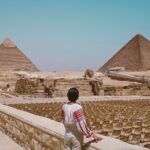
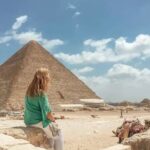
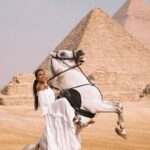
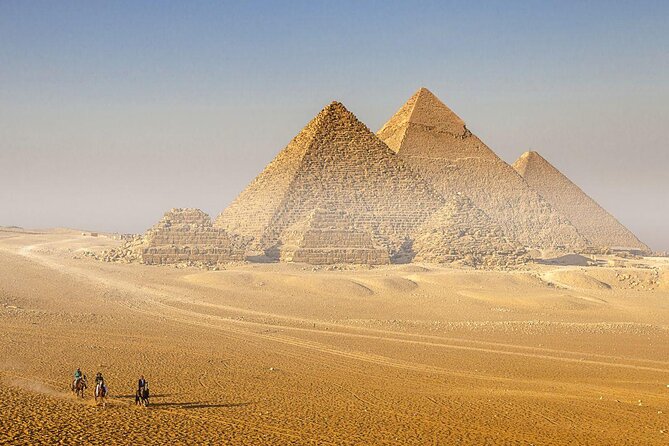
Day 1 is built around the Old Kingdom backbone of Egypt—and it covers a lot of ground without feeling scattered. You’ll start at the Pyramids of Giza, where the scale does the talking even before the guide gets technical. The pyramids you’ll see are associated with Pharaoh Khufu (tallest), Khafre (often associated with the background pyramid), and Menkaure (the smallest of the three). You’ll also be told about the burial-complex idea: pyramids as tombs meant to support the ruler in the afterlife, with temples to gods tied into the concept of eternal power.
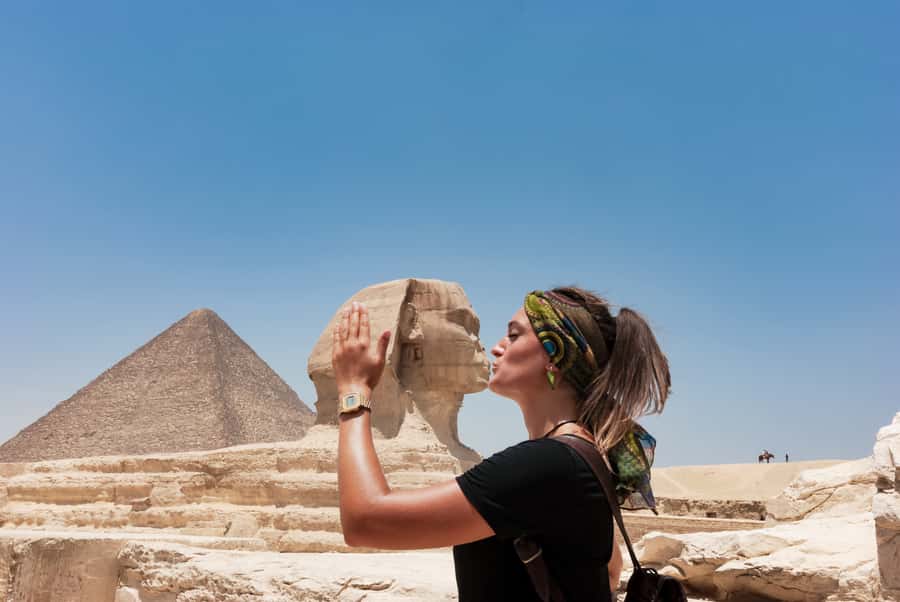
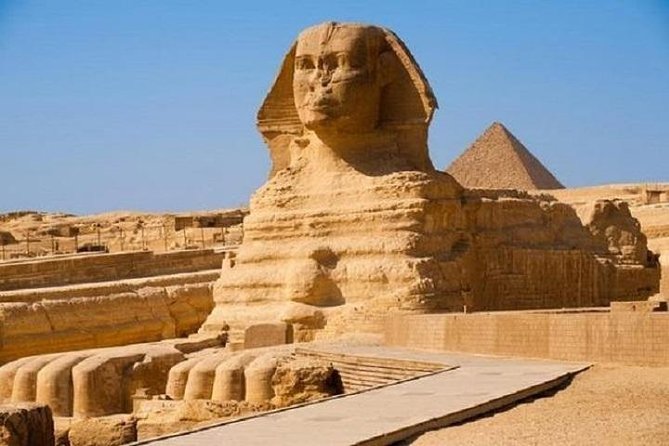
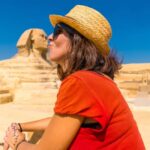
Next comes the Great Sphinx, carved from a single piece of limestone and famous for its lion body and human head. What I like here is the extra layer beyond the photo op: you’ll hear that pigment residue suggests it may have been painted at some point. It’s a small detail, but it makes the monument feel less like a statue and more like a finished, purposeful artwork.
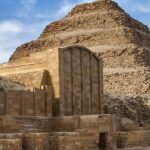
Then you shift into Memphis and Saqqara. Memphis matters because it was a major capital, and Saqqara functioned as a necropolis used across many centuries. Even the basic story—Saqqara used from early dynastic times through later periods—helps you understand why the site is more than just one pyramid.
How to Get the Most Out of Giza Without Burning Out
The Giza portion is iconic, but it can also be exhausting—sun, dust, and lots of walking. What makes this tour more comfortable is that you’re not navigating alone. The guide’s role is especially useful on sites that feel crowded or chaotic at first glance, because they can point your attention to what matters.
Two practical tips make a difference:
- Wear shoes you can walk in for a while, not just sandals.
- Bring a hat and plan for heat, especially during the late morning.
Also, note that admission tickets aren’t included for the sites on Day 1, so you’ll need to budget for separate entry fees as you go. That doesn’t ruin the value, but it does change the final price.
Nile Dinner Cruise Night: Belly Dance and Tanura Under City Lights
Day 1 ends with a Nile River cruise dinner setup, with food plus performances including belly dance and Tanura. This is the emotional counterweight to Day 1’s stone-and-myth heaviness. After pyramids and tomb cities, it’s a different kind of Egypt: music, moving light, and the breezy change of pace from day to night.
The photo moment is real here too. You’ll have a chance to take pictures of the show and of the illuminated Cairo city view from the top deck.
One caution: the trip description says cruise dinner isn’t included in the base package. So before you assume everything is covered, check what your booking includes for the dinner cruise. If you’re budgeting tightly, this is the part to confirm early.
Day 2 in Fayoum: Oasis Views, Lake Qarun, and Wadi El-Rayan
Day 2 is a change in scenery that feels like Egypt slowed down. You head to Fayoum Oasis, described as an artificial oasis created by canal systems tied to Nile flooding and Joseph’s canal. If you’re used to the Nile as a moving ribbon, Fayoum is more like a network of water and birdlife that creates a whole different mood.
You’ll also stop at Qasr Qarun and Medinet Quta, connected to Lake Qarun, which has protected status linked to its beauty and importance for birds and people. The wording here leans into how natural, historical, and scientific value overlap—so the lake isn’t just scenery. It’s part of the ecosystem story.
Next comes Wadi El-Rayan, a nature reserve about 75 km from Fayoum city. The purpose of adding nature-reserve stops is simple: it breaks up the days where you’re mostly looking at monuments. It’s still Egypt, just with different facts to absorb—water systems, conservation, and desert-to-water transitions.

Wadi Al-Hitan and the Whale Fossil Story (Plus Desert Safari Time)
This is the Day 2 moment that people remember, because it turns evolution into something you can see. Wadi al-Hitan (Valley of the Whales) in the Western Desert contains fossil remains of early whale suborder Archaeoceti. The guide will connect those fossils to the broader story: whales becoming ocean-going mammals from earlier land-based animals.
What I like about this stop is that it’s not stuck in the past. It’s a science narrative you can walk through. You’re standing in the desert where that transition story gets made visible, which makes the whole day feel more than sightseeing.
After seeing the fossil valley, the itinerary includes safari time in the desert area connected with the Tunis Village oasis viewpoint. Tunis is described as being in the oasis region of Fayoum on a hill facing a large saltwater lake, with desert-edge views across the water. That combination—water one side, desert the other—doesn’t just look good on camera. It helps you understand why oasis life has always mattered here.
Important for planning: safari and any related entry fees aren’t included in the base cost. Also, if you’re sensitive to time in the sun, bring water and keep an eye on your energy level. Desert weather can shift fast.
Day 3 Alexandria: Bibliotheca Alexandrina, Fort Qaitbay, Museums, and Catacombs
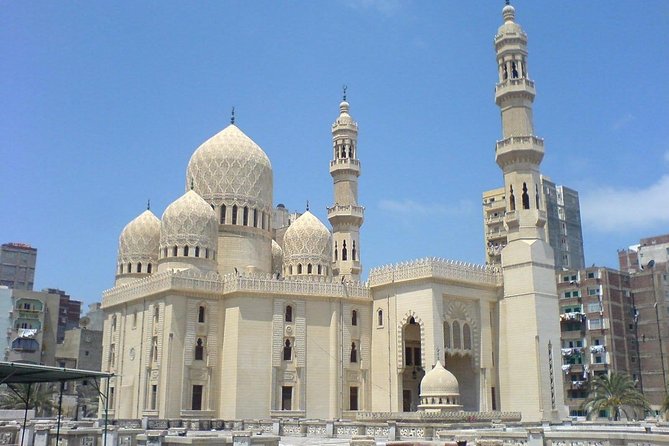
On Day 3 you trade pyramids and desert for coastal Alexandria. This day is designed to cover major landmarks in a sequence that keeps the city’s layers clear.
First is the Bibliotheca Alexandrina, the modern library complex opened in 2002. The point isn’t just architecture. It’s a deliberate attempt to reconnect with the idea of a classical center of learning. You’ll also visit associated museums on-site, which means you’re not only looking at a building—you’re seeing curated collections in the same place.
Then you head to Fort Qaitbay, a defensive stronghold at the entrance of the eastern harbor. The itinerary ties it to the story of the Lighthouse of Alexandria, noting the fort sits on the exact site of that famous lighthouse. You’ll hear that the lighthouse was one of the Seven Wonders of the Ancient World and functioned until the Arab conquest, with disasters changing its shape over time.
After Fort Qaitbay, you’ll visit the Catacombs of Kom el Shoqafa. This necropolis is known for a mix of Roman, Hellenistic, and pharaonic art elements in wall paintings and sculpture styles. If you like seeing how cultures blend instead of staying in separate boxes, this stop is a strong match. It’s also described as one of the major medieval wonders.
Finally, you’ll tour the Greco-Roman Museum. The highlights shared include artifacts like an alabaster Good Shepherd and a silver torso of Aphrodite dated to the 2nd century. There are also details connecting parts of the museum to early Christian and Coptic-style elements. It’s a museum stop where you get enough structure to feel like you understood what you saw, not just walked through rooms.
Price and Value: What $117.72 Covers (and What It Doesn’t)
At $117.72 per person, the value comes from the workload you’re getting. You’re booking a route that includes:
- an Egyptologist guide
- a private tour setup for your group
- hotel pickup/drop-off
- air-conditioned vehicle time
- snacks
That’s the practical core. The base price is essentially buying the guiding + transport engine that makes this kind of multi-region itinerary possible without you constantly renegotiating plans.
What can change your final total is that entry fees for the listed sites and safari are not included, and lunch isn’t included. The cruise dinner is also listed as not included. So you should budget for those add-ons rather than assume the first price you see is the last price you pay.
If you’re comparing alternatives, this tour tends to win when you want one organized plan across multiple regions and don’t want to coordinate driving yourself. If you already have tickets lined up and you’re comfortable arranging your own transport, you might find a cheaper DIY approach. But the “no-fuss” value here is real.
Guides and the Human Touch: What Makes the Experience Feel Easier
The guide’s impact shows up in the reviews through consistency: people describe guides as friendly, fun, and able to answer questions. Names that come up include Medhat and Menna, both praised for making explanations clear and questions easy to handle.
For you, that means less time stuck at the level of I saw it. With an Egyptologist guide, you get the why behind what you’re standing in front of. At Giza, that’s how pyramid tomb concepts connect to afterlife beliefs. At Saqqara, it’s the long timeline of the necropolis. At Wadi al-Hitan, it’s turning fossil facts into a coherent evolution story.
If you do have questions, bring them. This kind of itinerary rewards curiosity—your guide’s job is to translate big ideas into something you can actually use.
Who This Tour Fits Best (and Who Might Want a Softer Pace)
This tour is a strong match if:
- you’re short on time and want a full Egypt overview
- you like having a guide handle logistics like pickup and transport
- you want both monuments and nature/science stops
- you prefer a private group setup rather than joining a crowd
It may not be ideal if:
- you need large stretches of free time each day
- you want museums without rushing between multiple sites
- you dislike paying separate entry fees for each stop
For most first-time visitors, though, it’s a sensible balance of iconic landmarks and different Egypt moods: stone tombs, oasis lakes, desert fossil valley, then a coastal city of libraries and catacombs.
Should You Book This Giza, Fayoum, and Alexandria Tour?
I’d book this tour if you want a high-efficiency first trip that still includes real interpretation, not just sightseeing checkmarks. The combination of Giza + Fayoum + Alexandria is a smart way to avoid picking only one Egypt theme. You get monument scale, natural reserves, and Alexandria’s layered cultural mix in one package.
Book it with your eyes open: confirm what’s covered for the cruise dinner and plan for entry fees and lunch not included. If you do that, the price starts to make a lot more sense, because you’re essentially purchasing an organized, guided circuit across three major regions.
If your goal is to hit the highlights and understand them along the way, this is a very workable choice.
FAQ
What’s included in the 3-day tour?
The tour includes an Egyptologist guide, a private tour setup, hotel pick up/drop off, an air-conditioned vehicle, and snacks.
Are entry tickets included for the sites?
No. All entry fees for the places mentioned and for the safari are listed as not included.
Is lunch included?
No, lunch is listed as not included.
Is the Nile cruise dinner included?
No. Cruise dinner is listed as not included, even though the itinerary includes a Nile River dinner cruise with performances.
Does the tour include hotel pickup and drop-off?
Yes. You’ll be picked up from your Cairo/Giza hotel and dropped back after the day’s activities.
What kind of transportation is used?
You travel in an air-conditioned vehicle, with pickup described as happening in a private mini van.
Is this a private tour or a shared group?
This is a private tour/activity. Only your group will participate.
Where does the itinerary take you?
You’ll visit Giza (Pyramids and Sphinx), Memphis and Saqqara, then Fayoum (including Lake Qarun and Wadi el-Hitan), and finish in Alexandria (Bibliotheca Alexandrina, Fort Qaitbay, Greco-Roman Museum, and the Catacombs of Kom el Shoqafa).
Is there free cancellation?
Yes, free cancellation is available. You can cancel up to 24 hours in advance for a full refund.
Can most people participate, and are service animals allowed?
Most travelers can participate, and service animals are allowed.