REVIEW · GIZA
Unveil the Secrets of the Giza Pyramids & the Great Sphinx
Book on GetYourGuide →Operated by Ramses tours · Bookable on GetYourGuide
Pyramids and Sphinx in a focused sprint. This tour is interesting because it groups the Giza Plateau highlights into one tight route: Khufu first, then Khafre and Menkaure, plus the Great Sphinx and Valley Temple, all with hotel pickup and modern air-conditioned van transfers. I like the way the pace stays sightseeing-first, with a skip-the-ticket-line approach and planned photo stops (including a panoramic viewpoint). The one drawback to keep in mind is that it’s a shared tour, so if the start runs late or the group moves fast, your on-site time can end up feeling short.
Guide quality can make or break this kind of day. I’ve seen strong experiences linked to guides like Mira, with clear explanations and a friendly, calm vibe. I’ve also seen trouble spots tied to Ahmed, where English fluency and pacing made it harder to follow, and where timing issues cut into what you hoped to see.
In This Review
- Key Things to Know Before You Go
- Giza in 4 Hours: What This Tour Really Covers
- Hotel Pickup, Shared Van, and Timing That Can Affect Everything
- Stop 1: The Great Pyramid of Khufu (First Impressions Count)
- Stop 2: Khafre and Menkaure Pyramids (Symmetry and Differences)
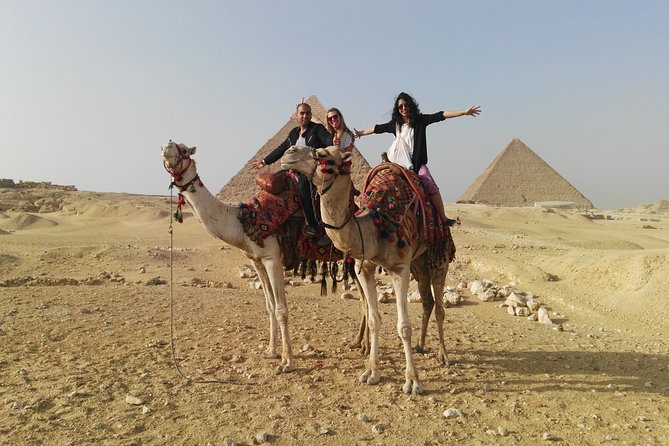
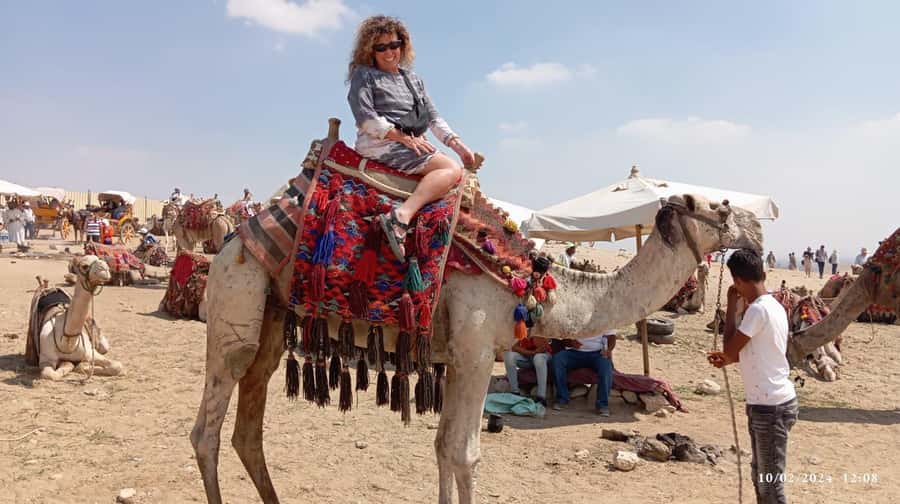
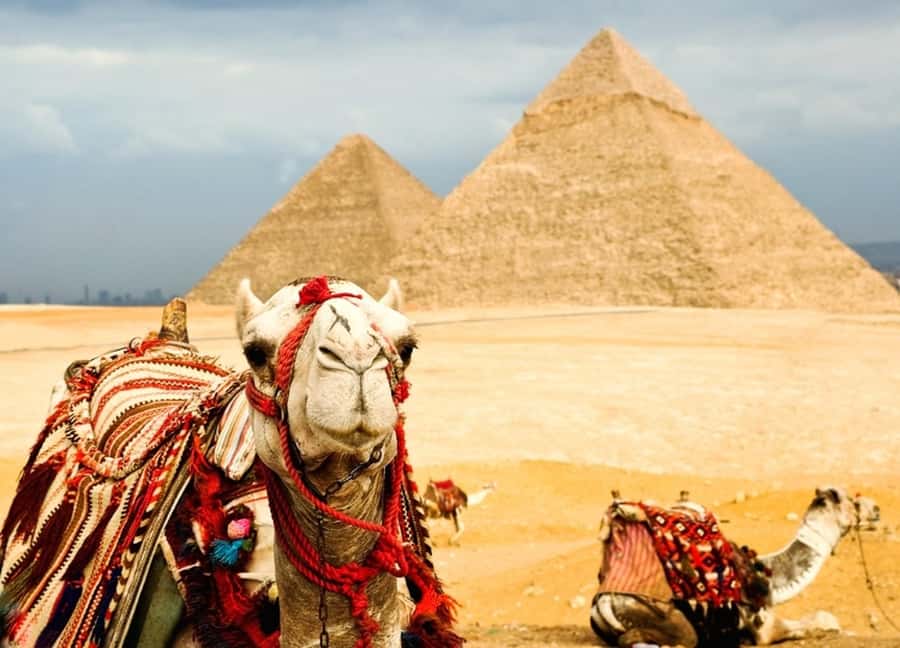
- Panoramic Viewpoint and the Optional Camel Ride
- Great Sphinx and Valley Temple of Khafre: The Mysterious Half
- Lunch Break at Giza: Plan Like It Might Be Short
- Entrance Fees, Transfers, and What $44 Actually Buys
- Photo Moments That Actually Work (and How Not to Waste Them)
- Tour Guide Language: The Single Biggest Variable
- Who This Tour Suits Best (and Who Might Want Another Option)
- Should You Book This Tour?
- FAQ
- How long is the Giza Pyramids & Great Sphinx tour?
- What is included in the price?
- Is the camel ride included?
- Where does pickup happen?
- Is this tour shared with other people?
- What languages are available for the tour guide?
Key Things to Know Before You Go
- Skip-the-ticket-line planning helps you spend more minutes looking, less time waiting
- Hotel pickup in an A/C van keeps the start comfortable in Cairo traffic
- Four named historic stops (Khufu, Khafre, Menkaure, Sphinx + Valley Temple) keep the day structured
- Panoramic viewpoint + optional camel ride adds classic photo options without forcing them
- Shared tour format means you’re on other people’s timing too
- Language support can vary: English plus optional audio for your preferred language
Giza in 4 Hours: What This Tour Really Covers
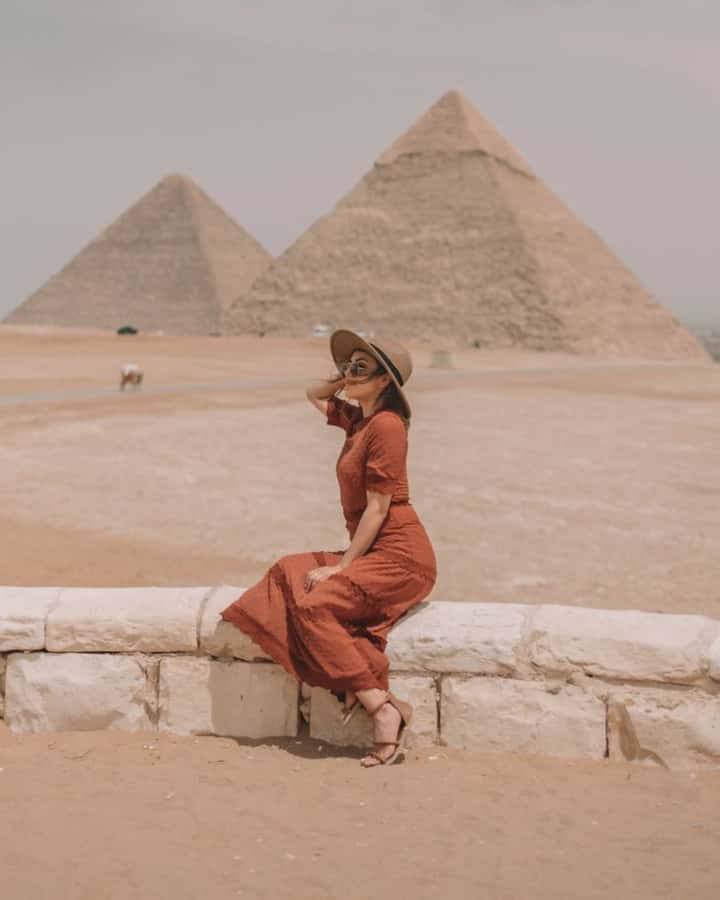
This is a “big hits” tour. In about 4 hours, you’re meant to see the Pyramid of Khufu, then the pyramids of Khafre and Menkaure, then shift to the Great Sphinx and the Valley Temple of Khafre. You also get a photo-focused stop at a panoramic viewpoint, with an optional camel ride if you want the classic shots.
For value, the key is what’s bundled. Your price includes the guided portion plus entrance fees and the required transfers, which matters at Giza where getting from one area to another is part of the day’s effort. At $44 per person, you’re not just paying for a guide—you’re paying for the whole route with the main entry costs handled.
The structure is helpful if it’s your first trip to Giza. You’ll know where to stand for views, what order to see things in, and which monuments are the main priorities when time gets tight.
You can also read our reviews of more tours and experiences in Giza.

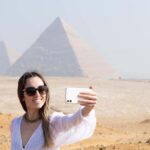
Hotel Pickup, Shared Van, and Timing That Can Affect Everything
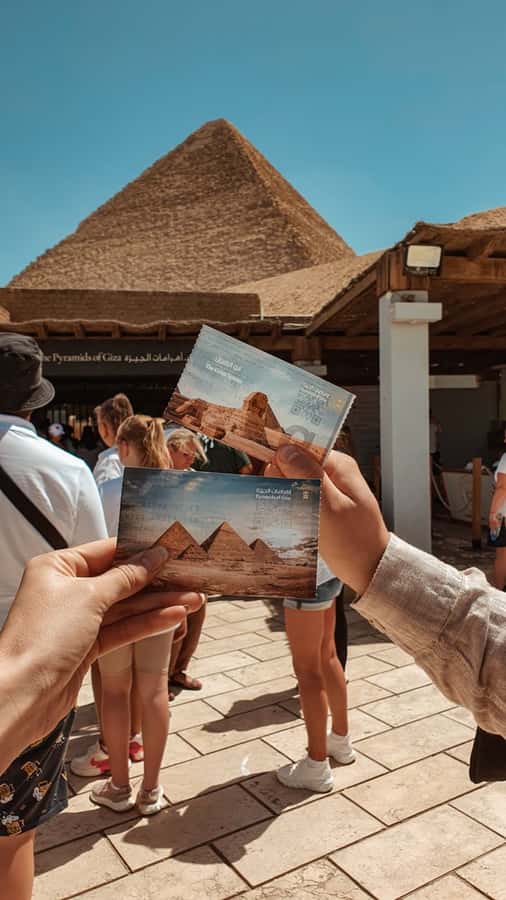
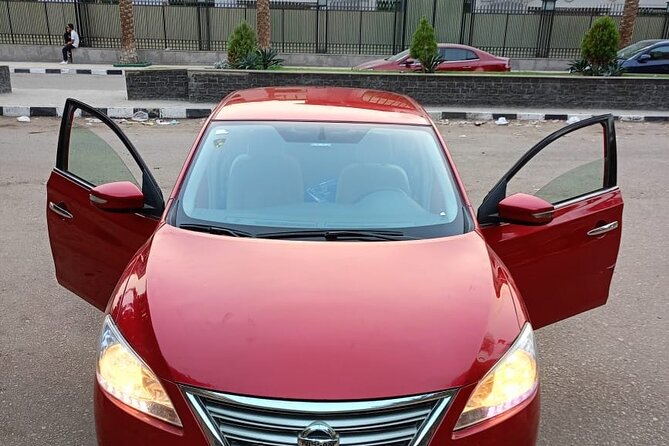
Pickup is from your hotel in Cairo, using a modern air-conditioned van. That’s a real comfort win. Cairo driving can be unpredictable, and having a set pickup usually saves you from trying to coordinate transport yourself on a tight schedule.
Because it’s shared, your day can feel a bit like a group movie: if you’re waiting for someone else, you’re waiting. A shared day also means the guide may need to keep moving to fit everyone into the planned route.
Here’s the practical way to think about timing. Your listing says 4 hours, but the visit can feel shorter if you lose time to delays or a rushed pace at the pyramids. If you’re the type who wants slow wandering and lots of questions, this format might feel “too scheduled.” If you like clear structure and fast orientation, it can work very well.
Stop 1: The Great Pyramid of Khufu (First Impressions Count)
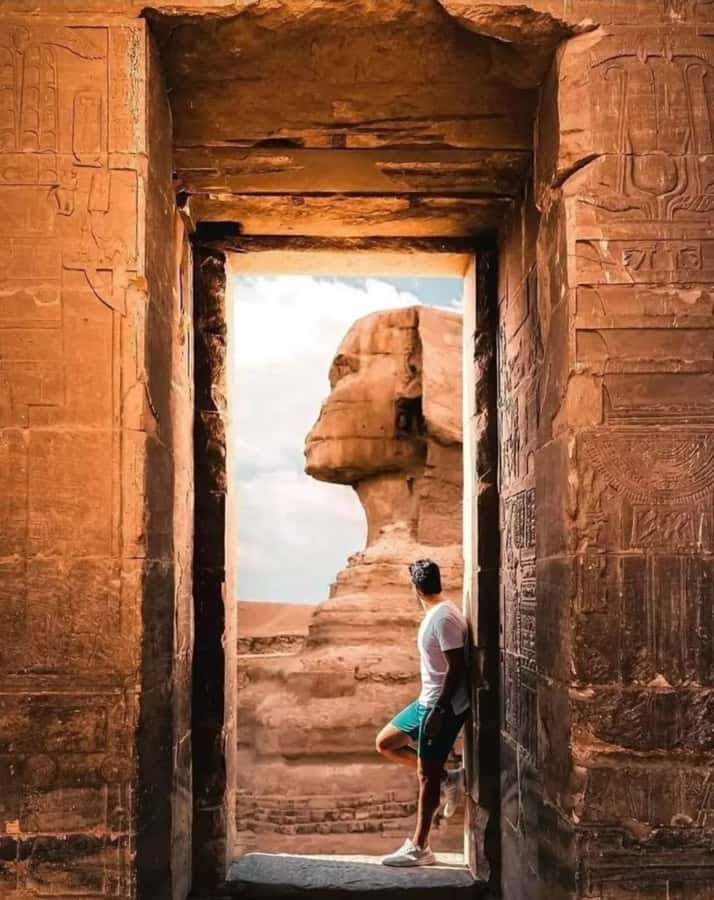
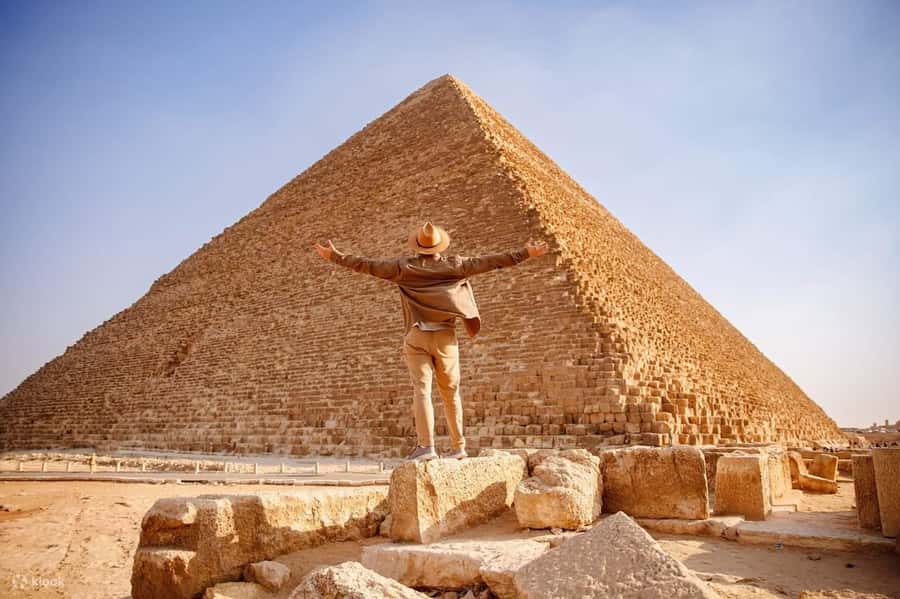
You start at the Great Pyramid of Khufu, described as the largest and oldest of the three main pyramids on the plateau. That opening matters because Khufu sets the mental picture for everything else you’ll see. Even if you already know the basics, this is where you usually understand the scale.
With a guided visit, you can expect the story behind its construction, history, and purpose to get explained in a way that’s easier to absorb than reading placards on your own. This is also where you’ll want to watch your footing and your camera angles, because this is the spot where crowds form and photo lines can creep.
If language matters to you, this first stop is also where it shows. When a guide’s English is clear, you’ll follow explanations more easily. When it’s not, the visit can become mostly visual, with fewer takeaways beyond what you can see with your own eyes.
Stop 2: Khafre and Menkaure Pyramids (Symmetry and Differences)
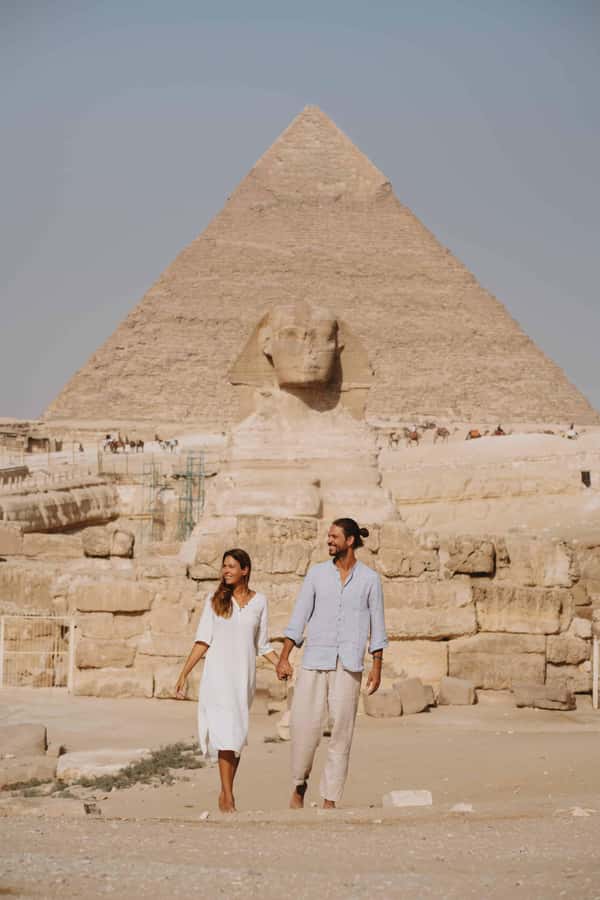
Next you move to the pyramids of Khafre and Menkaure. The pitch here is symmetry and grandeur, but the real payoff for you is contrast. Even though they’re part of one landscape, each pyramid has its own character and story.
A guided stop helps you look beyond the obvious. You’re not just checking off pyramid shapes; you’re learning what makes each one significant and why they’re remembered together. If your goal is to understand the big picture of Giza as an ensemble, this second stop is where the tour’s coherence really shows.
The pacing is important. Since the schedule is tight, you might not have endless time at each viewpoint. Still, this step is usually enough time to appreciate differences in form and context, especially with a guide pointing out what to notice.
Panoramic Viewpoint and the Optional Camel Ride
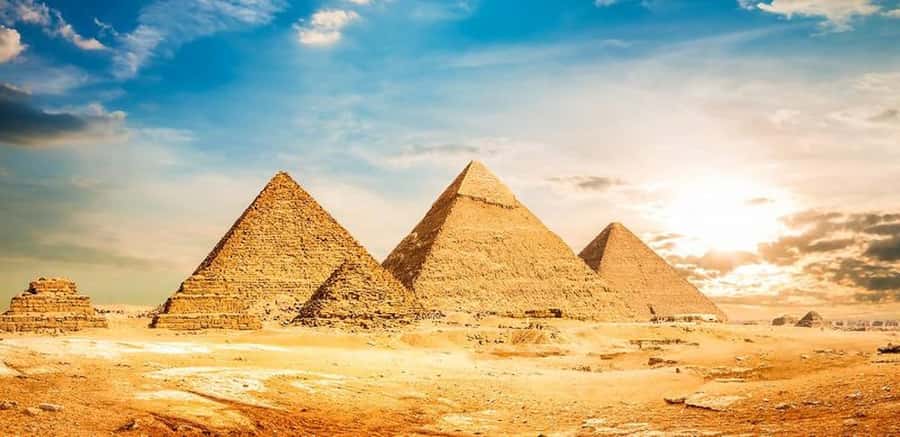
Then you’re sent to a panoramic viewpoint. This is one of those stops that seems simple, but it’s smart. From a viewpoint, you can get a clean sense of layout—where pyramids sit in relation to each other—and that helps your photos look less like random close-ups and more like a composed scene.
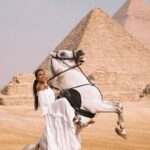
The camel ride is optional. If you love the classic image, it’s an easy way to get it. If you don’t want the time, the animals, or the extra cost, you can skip it and still get your photos at the viewpoint.
A quick reality check: optional activities can turn into time-drainers if your group waits around. If you want the ride, go in knowing it’s optional and you should be ready when your turn comes—so it doesn’t swallow your remaining minutes elsewhere.

Great Sphinx and Valley Temple of Khafre: The Mysterious Half
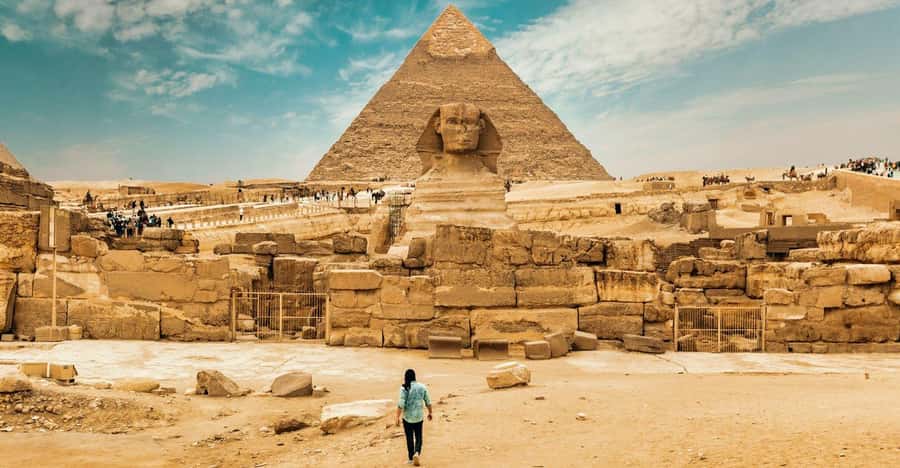
The Great Sphinx is the emotional headline of the day. You stand in front of it, and the atmosphere tends to do its own storytelling. What makes this stop worth paying attention to is that the tour doesn’t stop at the Sphinx alone—it also takes you to the Valley Temple of Khafre.
That Valley Temple piece is where the visit gains depth. Instead of treating the Sphinx like a standalone photo prop, you get the nearby context of where ancient rituals took place. In practical terms, it helps you make sense of why the Sphinx and these structures belong together in one viewing plan.
This is also a spot where crowd control and group movement matter. If your guide keeps moving ahead, you can lose your chance to ask questions or get a good timing window for photos. If your guide stays with the group and explains as you walk, you’ll likely enjoy this part more, because it’s easier to follow the flow.
Lunch Break at Giza: Plan Like It Might Be Short
The schedule includes lunch at Giza. What you should know is that the provided details list entrance fees and transfers as included, but they don’t clearly state lunch as part of the price.
So treat lunch like a scheduled stop, not automatically like a full meal you’re guaranteed. If you have dietary needs, plan ahead and bring a backup snack. The area is not a place you want to be caught hungry without options.
Entrance Fees, Transfers, and What $44 Actually Buys
At $44 per person, this tour’s value comes from bundling several expensive-to-mess-up pieces: air-conditioned van transfers from your hotel, a tour guide, entrance fees, and service charges and taxes. You also get skip the ticket line, which is the kind of time saver that can matter a lot when your overall window is only 4 hours.
If you were to do this DIY, you’d need to coordinate transport, find the right entrance, buy tickets, and negotiate a guide-less route across multiple sights. The tour reduces those moving parts. Even when the day is tight, that’s a comfort.
One thing to watch: extras are not included, and tipping isn’t included either. If you plan to do the camel ride or other add-ons, budget for it rather than expecting it to be covered.
Photo Moments That Actually Work (and How Not to Waste Them)
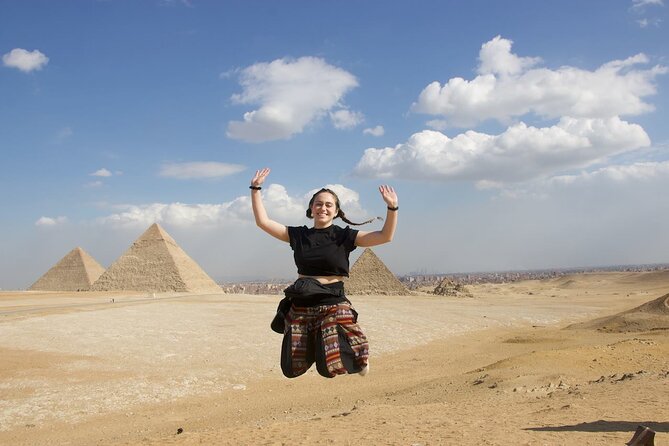
Giza is a camera magnet. This tour is designed around photo moments, including a panoramic viewpoint and photo opportunities at multiple monuments.
Here’s how I’d protect your photo time:
- Wear shoes you can walk in for a while, because you’re moving between sights.
- Don’t wait for the “perfect” shot at the cost of missing the guide’s explanation at the next stop.
- If you want camel photos, decide early and commit to the optional stop so you’re not rushing at the end.
Also, keep your expectations realistic. Even with “secret spots” mentioned as part of the concept, this is still a busy tourist complex. Your best photos usually come from clean timing, a bit of patience, and understanding where the view lines are.
If you get a guide who keeps the group together, you’ll spend less time hunting and more time composing.
Tour Guide Language: The Single Biggest Variable
The tour lists English, Arabic, Spanish, and Japanese. If your preferred language isn’t available on a particular day, you may get live English support paired with an audio guide in your language.
That’s good news if you want language help without risking a total loss of communication. Still, the guide’s on-the-spot fluency can change the experience more than you’d expect. In one booking tied to Ahmed, English fluency was described as difficult, and pacing made it hard to follow. In a stronger booking tied to Mira, the experience was described as clear and friendly.
So here’s your practical move: if you care about understanding details, message or confirm language availability before you go. And on the day, if you notice the guide is moving fast or drifting ahead, adjust your strategy—ask your questions quickly, and don’t rely on catching explanations later.
Who This Tour Suits Best (and Who Might Want Another Option)
This tour is a good match if you:
- Want a first-time orientation to Giza without planning your own route
- Like guided explanations but don’t want a full-day commitment
- Prefer set transportation from Cairo hotels instead of haggling for rides
- Are comfortable with a shared group pace
It might feel less ideal if you’re:
- Hoping for a slow, wandering exploration with lots of time at each monument
- Very sensitive to timing delays caused by traffic or group coordination
- Expecting a deep, unhurried experience in only 4 hours
In other words, it’s best for people who enjoy structure and want the main sights clearly connected.
Should You Book This Tour?
Yes, with eyes open.
Book it if you want a tight, guided run through Khufu, Khafre, Menkaure, the Great Sphinx, and Valley Temple, with the convenience of hotel pickup, air-conditioned transport, entrance fees included, and skip-the-ticket-line time savings. The price is also reasonable for what’s bundled.
Think twice if you rely on perfect timing or if you’re counting on lots of extra add-ons within the same 4-hour window. Because it’s shared and guide pace can vary, you’ll have the best experience when you treat this as a focused highlight tour, not a slow museum day.
If you do book, do one simple thing: choose your priorities now. Decide whether you want the camel ride, where you want to spend extra time for photos, and how quickly you’re willing to move between stops. With that mindset, the day has a good chance to feel satisfying instead of rushed.
FAQ
How long is the Giza Pyramids & Great Sphinx tour?
The tour duration is listed as 4 hours.
What is included in the price?
The price includes hotel pickup and return by modern air-conditioned van, a tour guide, entrance fees, and all service charges and taxes.
Is the camel ride included?
A camel ride is optional at the panoramic viewpoint, so it’s not automatically part of the core tour.
Where does pickup happen?
Pickup is from your hotel in Cairo.
Is this tour shared with other people?
Yes, the tour is operated as a shared tour with other participants.
What languages are available for the tour guide?
English, Arabic, Spanish, and Japanese are listed. If a non-English language isn’t available, you may get live English plus an audio guide in your preferred language.