Four hours to meet ancient Egypt up close. I love how this half-day route hits the core monuments—Cheops, Chephren, and Mykerinus—then brings you to the Great Sphinx and the nearby Valley Temple, with time for a camel ride panorama. I also like the practical setup: hotel pickup in an air-conditioned minivan, a professional guide, and bottled water, so you can focus on what’s in front of you instead of paperwork and logistics.
One thing to plan for: this is a tight 4-hour visit, and extras like the Solar Boat Museum aren’t included (and you may also run into landing and facility fees), so decide ahead of time how many “bonus stops” you truly want.
In This Review
- Quick Hits: What Makes This Half-Day Work
- Giza in Four Hours: Timing, Heat, and the Real Expectation
- Hotel Pickup to the Plateau: The Comfort Advantage
- The Pyramids of Cheops, Chephren, and Mykerinus: How to Read Them Fast
- Great Sphinx and Valley Temple: What to Listen for
- Camel Ride for a Panoramic View: Worth It If You Go in Smart
- How the Guide Shapes Everything: Names People Praise
- Price and Value: Is $37 a Smart Deal?
- What to Bring (So the 4 Hours Feel Easy)
- Who This Half-Day Tour Fits Best
- Should You Book This MyEgyTours Half-Day Pyramids and Sphinx Tour?
- FAQ
- How long is the half-day Giza pyramids and Sphinx tour?
- Does the tour include hotel pickup and drop-off?
- What major sights are included in the visit?
- What is not included in the tour price?
- Is this a private tour?
- Is free cancellation available?
Quick Hits: What Makes This Half-Day Work
- Private guide and hotel pickup so you start and end with less hassle
- Three pyramid icons in one run: Cheops, Chephren, and Mykerinus
- Great Sphinx plus Valley Temple with explanations tied to mummification
- Camel ride for the panoramic view—a quick way to see the plateau’s layout
- Comfort matters: air-conditioned minivan and bottled water included
- Some costs are extra like Solar Boat Museum, lunch, and landing/facility fees
Giza in Four Hours: Timing, Heat, and the Real Expectation
A half-day at Giza is basically a sprint through the most famous stone in the world. You’ll see the headline monuments—pyramids and Sphinx—and you’ll still have that “I can’t believe this is real” feeling when you look up at their scale. The trade-off is simple: you get a focused highlight reel, not a slow, museum-level day.
The schedule shows an early start pattern (pickup timing is listed around 7:00 am, with a start time of 9:00 am). Either way, expect a morning format. That’s smart here. The light is often better, the crowds can be calmer, and your muscles (and patience) tend to survive longer before the heat ramps up.
What I’d do to make the 4 hours feel like “enough” is keep your expectations tight: this tour is designed to get you bearings fast, then give you a few key viewpoints—especially with that camel ride panorama.
You can also read our reviews of more tours and experiences in Giza.

Hotel Pickup to the Plateau: The Comfort Advantage
The biggest quality-of-life win is that you’re not figuring out transport on your own. This is a private tour with hotel pickup and drop-off from Cairo or Giza, using an air-conditioned minivan. In a place where waiting and traffic can eat your time, that direct door-to-door style is a real help.
Also, bottled water and local taxes are included. That sounds minor until you’re standing in strong sun with no shade and you suddenly realize you forgot to plan. The tour also uses a mobile ticket, so you’re not juggling paper in your pocket like a lost tourist detective.
Because it’s private, the pacing works for your group. If someone needs a pause for photos (or a short break to catch breath), you can usually do that more easily than on big group tours.
The Pyramids of Cheops, Chephren, and Mykerinus: How to Read Them Fast
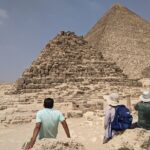
The heart of the visit is seeing three main pyramids: Cheops, Chephren, and Mykerinus. Seeing them close together is more useful than it sounds. Once you’re on-site, you can compare shapes, placement, and what’s still visible from different angles. It turns “I’ve seen pictures” into “I understand the layout.”
Here’s the practical way to get value from this stop:
- Give yourself a moment to look for the pyramid alignments before you start snapping photos.
- Let your guide point out what to notice, rather than trying to “self-explain” everything at once.
- Aim for one or two longer looks from key viewpoints. Quick photos are fun, but pyramids reward patience.
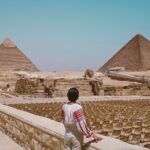
Your tour includes a panoramic view of the pyramids, and that matters because it helps your brain map the site. Even if you’re not a history nerd, the visual logic comes through when you can see multiple pyramids at the same time.
If you’re the kind of person who likes structure, you’ll probably appreciate that the tour keeps the focus on these named pyramids. No scattered stops. Just the essentials, well organized.
Great Sphinx and Valley Temple: What to Listen for
Next up is the Great Sphinx, described as the head of a pharaoh with a lion’s body, dating back to the time of Chephren. Standing there, you understand why it’s still on every postcard. It’s enormous, and it has that “human-made myth” feeling that doesn’t quit.
What makes this portion more than a photo stop is the Valley Temple connection. The tour includes a visit to the Valley Temple, which belongs to the Chephren pyramids. Your guide should walk you through the story associated with mummification—the way these monuments connect to beliefs about the afterlife.
How to make this stop pay off:
- Don’t just look at the Sphinx. Listen for how your guide ties it to the broader complex at the site.
- Ask questions like why the Valley Temple matters for the process people believed in. It gives the stones context.
- Take a step back before you shoot. A wide angle helps you appreciate how the Sphinx sits in its setting.
One small reality check: the site can feel crowded in spots, and the walking paths can be uneven. Wear shoes you can move in comfortably, and plan for a bit of jostling around the most popular viewpoints.
Camel Ride for a Panoramic View: Worth It If You Go in Smart
This tour includes a camel ride with a panoramic view. The camel part is usually quick, but the payoff can be big—mainly because it gives you a different eye level and a chance to see how the pyramids sit across the plateau.
To make the ride more comfortable and less stressful:
- Wear closed-toe shoes with grip.
- Bring something to protect from sun (a hat or sunglasses help a lot).
- Hold your belongings close and keep your phone secured. You don’t want to fumble while you’re trying to look around.
Also, set your personal expectation: camel rides are not a theme-park experience. It’s a practical transport-and-view moment in a real environment. If you treat it that way, you’re more likely to enjoy it.
If your priority is getting the best overall sight picture quickly, this is a smart add-on. If your priority is spending lots of time on your own, you might feel the ride time cuts into your free exploration. For most people on a half-day plan, it’s a good trade.


How the Guide Shapes Everything: Names People Praise
On a tour this short, the guide makes a noticeable difference. In recent feedback for MyEgyTours, guides such as Sara were praised for being friendly, knowledgeable, and even acting like a helpful photographer. Ahmed and Ali were noted for accommodating attitudes and strong explanations, with extra care to help people see the right views efficiently. Mohammad also shows up in praise for taking great photos and keeping the experience moving at a pace that doesn’t feel rushed.
Other names mentioned include Anas for expertise in Egyptian history and a pace set to the visitor’s rhythm. You might also hear about drivers like Mina being particularly smooth and sweet during transfers.
The practical takeaway for you: when your time is limited, choose a tour where the guide has a reputation for clarity and taking care of the little photo moments. This one is getting that kind of feedback.
Price and Value: Is $37 a Smart Deal?
At $37 per person, this tour sits in the “great value” category if you want the big hits without the full-day price tag. What you’re getting for that money is meaningful:
- A private tour
- Professional guide
- Transport by air-conditioned minivan
- Hotel pickup and drop-off
- Bottled water and local taxes
- Camel ride and a set route that covers major sights
Where value can wobble is in what’s not included. The Solar Boat Museum isn’t part of this half-day, and lunch and landing and facility fees aren’t included. So your final total may be higher than the headline price once you factor in those add-ons and any site fees.
My advice: treat the $37 as the cost of the core experience—then budget a bit extra for whatever fees pop up on the day. If you’re trying to keep everything ultra-budget, bring cash for small extras and keep your lunch plan simple.
Also, the tour is often booked about 17 days in advance on average. That doesn’t mean you must book early, but it does suggest people plan this into their first Egypt trip days. If your travel calendar is fixed, booking sooner can help lock in your preferred time.
What to Bring (So the 4 Hours Feel Easy)
This tour is short, but it happens outdoors and on stone paths. You’ll enjoy it more with a few simple basics:
- Sun protection: hat, sunglasses, sunscreen
- Comfortable shoes with grip (uneven ground is common)
- A small bottle or refill option if you want extra water beyond what’s provided
- A light layer for morning air conditioning in the minivan
- A charged phone/camera for the panoramic viewpoints and camel-ride moments
If you’re going to take photos, consider charging everything the night before. When you’re at the pyramids, you don’t want “dead battery” to ruin your best angle.
Who This Half-Day Tour Fits Best
This is a strong match if:
- You’re short on time but want the essential Giza highlights
- You prefer a private setup with pickup and drop-off
- You like your sights organized in a tight route, rather than wandering around unsure what matters most
- You want the Sphinx and Valley Temple connection explained, not just photographed
It also fits first-timers well because it’s built to get you oriented quickly. The camel ride adds a fun “different perspective” moment without dragging the schedule into a full day.
If you’re the kind of visitor who wants museums, long explanations, and plenty of free wandering, you might find the half-day format a bit limiting. In that case, you’d likely want a longer plan that includes the Solar Boat Museum or extra time on-site.
Should You Book This MyEgyTours Half-Day Pyramids and Sphinx Tour?
If your goal is simple—see the pyramids of Cheops, Chephren, and Mykerinus, visit the Great Sphinx and Valley Temple, and get a camel ride panorama—this is a very reasonable way to do it. The included guide, air-conditioned transport, bottled water, and private setup make the $37 price feel practical, not flashy.
I’d book it when you want a morning experience that gives clear highlights with minimal logistics stress. I’d skip it or consider a longer alternative when you want extra attractions beyond the core route—especially if the Solar Boat Museum is on your must-do list.
FAQ
How long is the half-day Giza pyramids and Sphinx tour?
It runs for about 4 hours.
Does the tour include hotel pickup and drop-off?
Yes. The tour offers hotel pickup and drop-off from Cairo or Giza.
What major sights are included in the visit?
You’ll visit the Pyramids of Cheops, Chephren, and Mykerinus, then see the Great Sphinx and visit the Valley Temple. A camel ride with a panoramic view is included.
What is not included in the tour price?
Not included: Solar Boat Museum, lunch, and landing and facility fees.
Is this a private tour?
Yes. It’s a private tour, and only your group participates.
Is free cancellation available?
Yes. You can cancel for a full refund if you cancel up to 24 hours in advance of the experience start time.