REVIEW · LUXOR
Luxor Half-day Valley of the King &Hatshpsut and Memnon
Book on Viator →Operated by Icon Tours Egypt · Bookable on Viator
Two stops, big history on the Luxor West Bank. This half-day tour strings together Valley of the Kings tombs, Queen Hatshepsut’s temple at Deir el Bahari, and the looming Colossi of Memnon—all in about 4 hours.
I like that the timing is built for people with limited West Bank hours. You get a full two hours in the Valley of the Kings with admission included, and you can add King Tutankhamun’s tomb for an extra fee if that’s your one must-see.
I also like the practical setup: hotel pickup and drop-off, an air-conditioned vehicle, and an English-speaking Egyptology guide. The one thing to watch is the occasional extra stop for shopping; a few guides have added stores not on the plan, so go in with a firm idea of what you will (and won’t) buy, and stick to it.
In This Review
- Key things to know before you go
- The West Bank, condensed: what this half-day actually covers
- Valley of the Kings: tomb time, not just a quick photo stop
- Temple of Hatshepsut at Deir el Bahari: why this place feels so intentional
- Memnon’s Colossi: the statues you see even when tombs steal the focus
- Pace, comfort, and the guide role you’ll actually use
- Price and value: how $18 stacks up for this mix
- Who should book this Luxor half-day (and who might want more time)
- Should you book this tour?
- FAQ
- What sites are included in this half-day tour?
- How long is the tour?
- Is hotel pickup and drop-off included?
- Are entrance fees included?
- Can I add the tomb of King Tutankhamun?
- Is this a private tour?
- Is free cancellation available?
Key things to know before you go
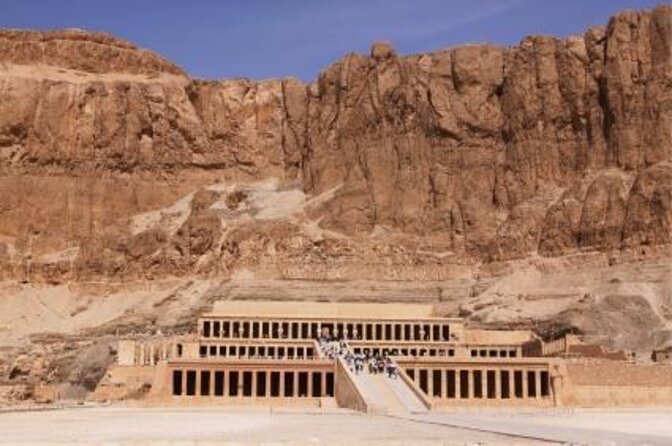
- Two major sites with tickets included: Valley of the Kings + Temple of Hatshepsut (Deir el Bahari)
- A West Bank-focused schedule: about 4 hours total, ideal when you’re short on time
- Tutankhamun is optional: you can add it during your Valley of the Kings visit for an extra fee
- Photo time matters: you’ll have moments to see key spots and take pictures on your own
- Expect some tourist shopping pressure: a couple departures include extra shop stops outside the main plan
- Your guide may not enter tombs with you: you’ll get briefings, then explore the tomb spaces yourself
The West Bank, condensed: what this half-day actually covers
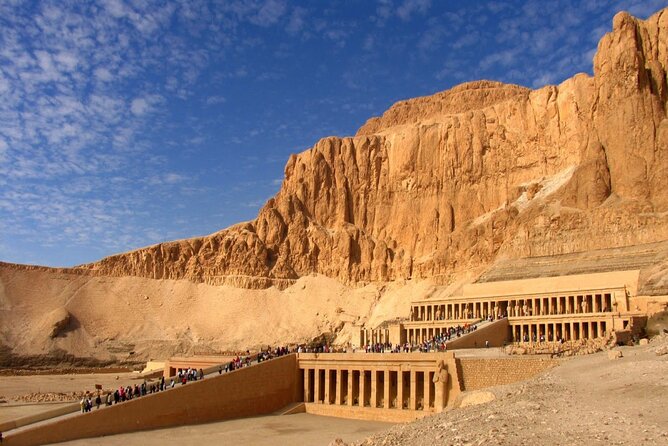
This is a classic Luxor West Bank sampler that packs two headline monuments into one morning or afternoon. The big win is the flow: you start with the Valley of the Kings—where New Kingdom pharaohs were buried—and then move to Deir el Bahari for Hatshepsut’s temple complex. Along the way, you’ll also see the Colossi of Memnon, those two towering stone statues that act like sentries near the entrance area of Amenophis III’s old funerary zone.
At about 4 hours, it’s not trying to be an all-day West Bank marathon. That matters because the West Bank can feel long: driving time adds up, walking adds up, and heat (even when you’re used to it) can drain stamina fast. This tour keeps the priorities tight: tombs and a temple you’ll remember for its scale and drama.
A few more Luxor tours and experiences worth a look
Valley of the Kings: tomb time, not just a quick photo stop
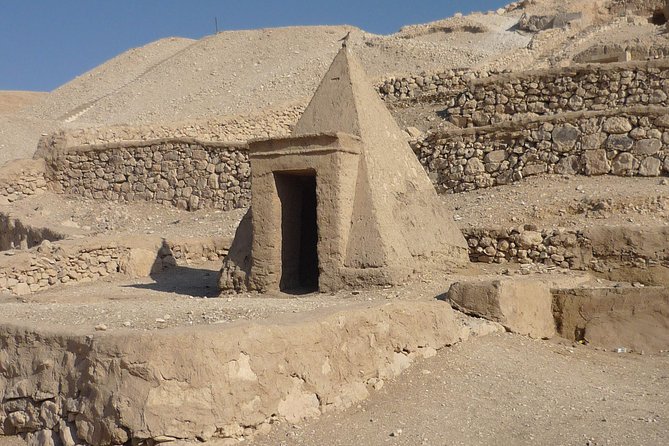
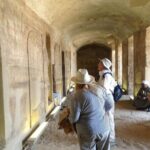
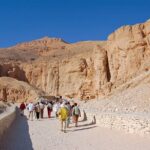
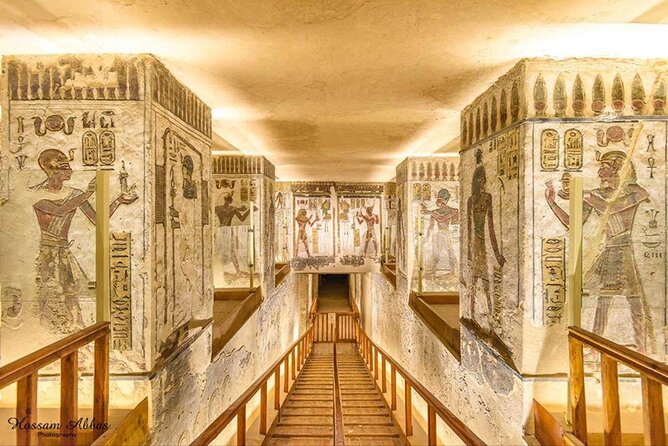
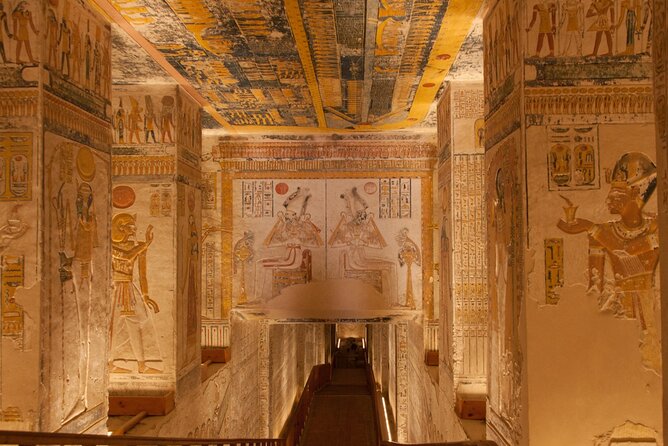
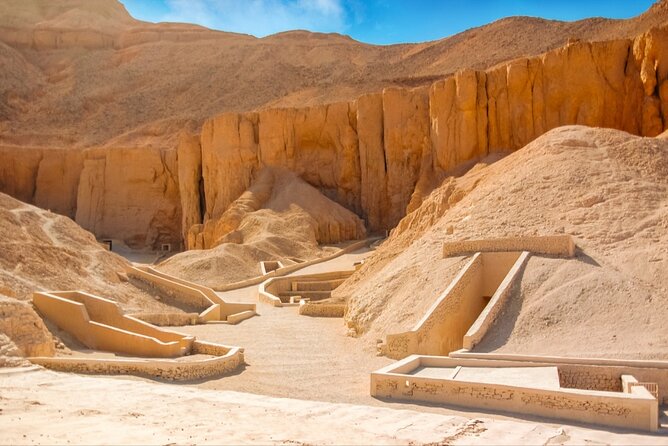
The Valley of the Kings visit is built around a two-hour window with admission included. That’s enough time to see how the valley works—cut tomb entrances set into the cliff, corridors leading inward, and the feeling that you’re moving through a real cemetery of royalty rather than a single monument.
Here’s what you’re actually looking at:
- It’s part of the Theban necropolis on the Nile’s west bank.
- The Valley of the Kings contains 64 tombs, and it includes burials spanning the New Kingdom period (1550–1080 BC).
- Among the oldest tombs is associated with Tuthmosis I, the father of Hatshepsut, with dates listed around 1506–1493 BC.
If you’re the type who wants the most famous name—yes, King Tutankhamun—you can add it. The tour info specifically says you can visit the tomb of Tutankhamun for an additional fee during the Valley of the Kings time.
One practical note: on tours like this, guides are often limited in where they can go inside tombs. In the feedback I’m using to understand the experience, people noted that your guide may not be allowed to join you inside the tombs. So the best approach is to expect that you’ll get the context and pointing from your guide outside and near entrances, then you’ll do your own slow-looking once you step into the darker spaces.
What to do with your time
- Start by taking a minute at the entrance area to orient yourself—where the tomb entrances line up and how the valley layout feels.
- If you’re adding Tutankhamun’s tomb, treat it as your anchor and build the rest of your tomb choices around that.
- Give yourself a little patience for crowds and ticketing lines. Two hours sounds long, but tomb entrances can mean waiting in short bursts.
Temple of Hatshepsut at Deir el Bahari: why this place feels so intentional
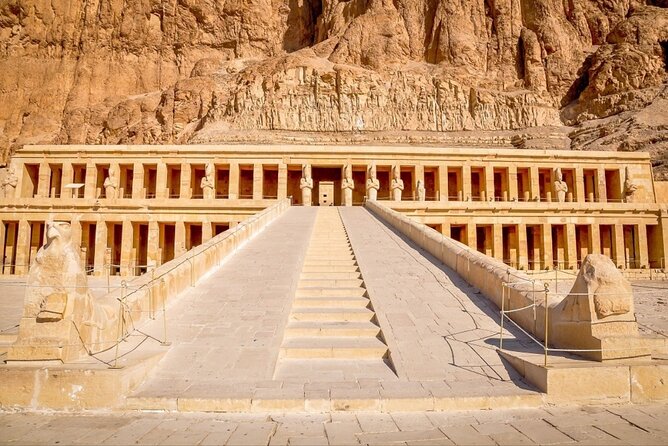
After the valley, you head to Deir el Bahari for the Temple of Hatshepsut—one of Egypt’s most recognizable achievements. This stop is also two hours and includes admission.
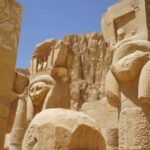
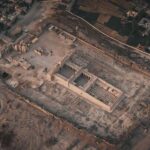
What makes Hatshepsut’s temple special is the way it was designed to sit against the cliffs, spread across three terraces. You’re not just walking past walls; you’re moving through a planned sequence of spaces that would have led visitors from a grand approach into the temple’s deeper areas.
Some details you’ll likely hear from your guide (and that make the visit click):
- The temple is associated with an original avenue of sphinxes leading toward the Nile-side approach.
- Myrrh trees are mentioned as being part of the entrance setting in the original concept.
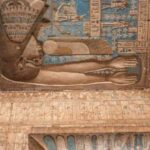
- Hatshepsut is shown in masculine form, wearing a pharaoh’s kilt and beard—an artistic choice that connects directly to her political power as Egypt’s female pharaoh.
- The temple’s location and terraces give you constant visual drama: the cliffs are part of the architecture, not just background.
If you like history with visuals, this is a strong match. Hatshepsut’s temple makes a political message feel physical. You’re seeing stone choices meant to persuade—about legitimacy, divine favor, and rule.
Photo reality check
You should plan on pictures, but also plan on looking slower than you think you need to. In the feedback I’m drawing from, people praised the pacing and the chance to take photos on their own in key areas. Take advantage of those pockets of independent time, especially if you want clean shots without constantly repositioning around other groups.
Memnon’s Colossi: the statues you see even when tombs steal the focus
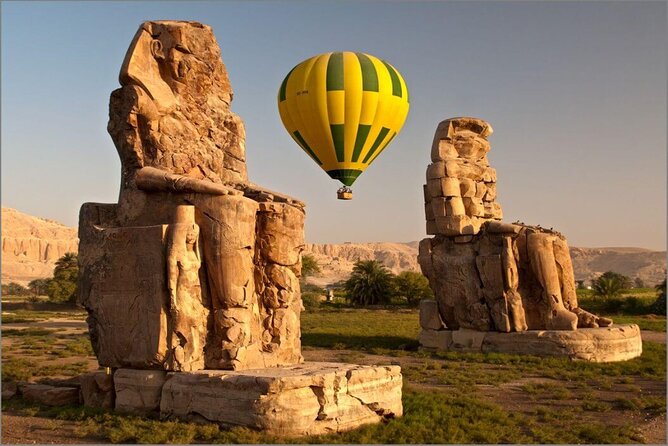
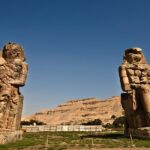
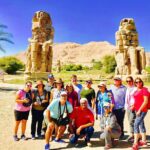
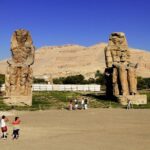
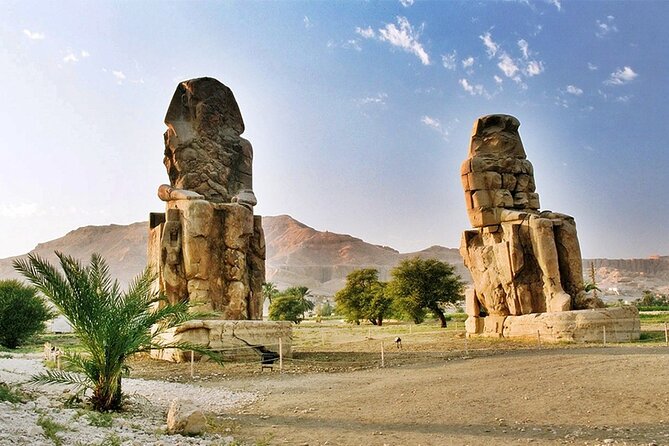
Even though the headline stops are the Valley of the Kings and Hatshepsut’s temple, the experience also includes a chance to see the two Colossi of Memnon. These statues are described as towering at twenty meters high.
They function like a short scenic break in the broader story. The tour info ties them to Amenophis III’s funerary temple leftovers. That means you’re seeing an echo of a larger, now-ruined project—one that helps connect the dots between different royal reigns on the West Bank.
I like this stop because it’s a reminder that Luxor’s west bank story isn’t only about tombs. It’s also about temples, monuments, and the way power was displayed through scale—long before anyone cared about museum lighting or interpretive signs.
Pace, comfort, and the guide role you’ll actually use
This tour is set up as a private experience, meaning only your group participates. That matters for your comfort and rhythm. You’re not fighting a bigger herd for attention, and your guide can adjust explanations based on what you’re most interested in.
From the experience details and feedback, these are common strengths:
- On-time pickup and an organized flow between stops.
- Air-conditioned transport, which is genuinely important on the West Bank.
- Clear explanation and time for photos, not just marching you from one wall to another.
- Flexibility when you have a specific interest.
Guide languages
Most descriptions point to an English-speaking Egyptology guide. Still, one piece of feedback included disappointment about English clarity on a particular departure. You can reduce the risk by going in prepared with a short list of questions you care about—something like Hatshepsut’s role, why tombs were carved here, or what you should look for in the temple relief themes. If communication is a bit spotty, you’ll still get value by focusing your curiosity.
Shopping stops: the one thing that can change your mood
A recurring caution from feedback: some departures include short stops at places selling crafts or stone products—such as a pottery shop or a limestone store—some of which people felt were not part of the plan. Other passengers described the tone as more pressure than they wanted.
Here’s my practical advice:
- Decide before you go whether you want shopping at all.
- When you stop at a store, treat it like a quick break unless you truly want to browse.
- If you don’t want to buy, say it once clearly. Then move on with your time.

Price and value: how $18 stacks up for this mix
At $18 per person, this tour is positioned as a budget-friendly way into two top West Bank priorities. The reason that price can work is simple: the ticket costs for the Temple of Hatshepsut and the Valley of the Kings are included, and you’re also getting hotel pickup/drop-off plus an English-speaking Egyptology guide and an air-conditioned vehicle.
Compared to DIY day planning, you’re paying for:
- Transport that keeps you from coordinating transit across the west bank
- A guide who can provide context while you’re standing in front of the actual stones
- Admissions to the two main sites in the schedule
What could change the total cost
- Tipping is not included.
- King Tutankhamun’s tomb, if you add it, may be an additional fee.
- Airport pickup is not included (hotel pickup is included). One piece of feedback mentioned a $10 airport pickup charge, but the most reliable takeaway is that airport pickup is separate from what’s included.
So is it worth it?
If your goal is to see Hatshepsut’s temple and the Valley of the Kings without spending the whole day in logistics, this pricing looks like strong value—especially when tickets and guidance are bundled in.
Who should book this Luxor half-day (and who might want more time)
This tour is a great fit if:
- You have limited time on the Luxor West Bank and still want the headline monuments.
- You prefer a guided plan but still want time to take photos and look at places on your own.
- You value comfort—air-conditioned transport and organized pacing—over long, unstructured wandering.
You might want a different option if:
- Shopping detours would stress you out. If you hate any sales pressure, you’ll want to pick a departure that keeps stops tight, and you should go in with a “no buying” mindset.
- You want a deeper tomb-by-tomb approach. With about two hours in the Valley of the Kings, you’ll have to choose how many tombs you want to prioritize.
Should you book this tour?
If you’re trying to make the most of a short Luxor stay, I’d say yes—especially because you’re getting admission to both major sites and an Egyptology guide in one 4-hour package. The structure makes sense: tombs first, then Hatshepsut’s terraces, then the Colossi of Memnon as a visual payoff.
Just go in with two expectations set:
- You’ll likely get best results when you use the guide for context, then enjoy your own time in the temple and tomb spaces.
- You should stay firm about shopping stops. If a store is added, treat it as optional and keep your decisions simple.
If you want a half-day that covers Luxor’s West Bank essentials without turning the day into a transportation puzzle, this is a smart, good-value choice.
FAQ
What sites are included in this half-day tour?
You’ll visit the Valley of the Kings and the Temple of Hatshepsut at Deir el Bahari. The tour also includes seeing the Colossi of Memnon.
How long is the tour?
The tour duration is about 4 hours.
Is hotel pickup and drop-off included?
Yes. Hotel pick up and drop off are included. Pick-up from the airport is not included.
Are entrance fees included?
Yes. Entry/Admission is included for both the Temple of Hatshepsut and the Valley of the Kings.
Can I add the tomb of King Tutankhamun?
Yes. During the Valley of the Kings time, you can visit the tomb of Tutankhamun for an additional fee if you want.
Is this a private tour?
Yes. It’s a private tour/activity, and only your group will participate.
Is free cancellation available?
Yes. You can cancel up to 24 hours in advance for a full refund.