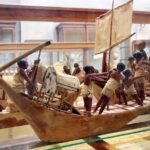
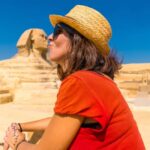
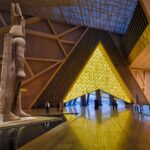
One day, three ancient heavyweights. This private full-day route strings together the Pyramids of Giza, the Great Sphinx, Saqqara’s Step Pyramid of Djoser, and Memphis in a way that feels efficient without feeling rushed. Expect air-conditioned transport, hotel pickup, and a guide who can explain what you’re looking at while you enjoy the views.
What I like most is the guide focus. Names like Osama, Hassan, Mahmoud, and Soumaya show up with a clear pattern: steady history explanations, lots of time for photos, and a relaxed pace that lets you wander a bit at each stop. Second, I like the flexibility built into the day—this is a private setup, so you’re not trapped behind a train of strangers, and you can adjust priorities with your driver and guide.
One possible drawback: not every entrance is included, and pyramid interiors cost extra. You’ll also want to plan for site timing, since closures can affect how much you see in certain areas on the day you visit.
In This Review
- Key highlights worth planning for
- How the day flows: pickup to Old Kingdom highlights
- Giza Plateau: starting where the monuments cluster
- Inside the Pyramids complex: Khufu, Khafre, and Menkaure
- The “inside the pyramid” question
- Khafre’s pyramid area: valley temple context without the full marathon
- Menkaure complex: shorter visit, more archaeological detail
- Panorama viewpoint and Great Sphinx: where the photos feel easy
- Saqqara’s Step Pyramid of Djoser: the evolution moment
- The smaller Pyramid of Teti: quiet, but meaningful
- Memphis and the Ramses II statue: seeing the city behind the monuments
- Price and value: what $12 per person buys you
- Who this tour suits best (and who should choose differently)
- Practical tips to make the day smoother
- Should you book this private Giza–Memphis–Saqqara day?
- FAQ
- How long is the tour?
- Where is pickup offered?
- Is this a private tour or a shared group tour?
- What sights are included in the day?
- Are entry tickets included?
- Are pyramid interiors included?
- Is lunch included?
- What about tipping?
- Does the tour provide bottled water?
- What is the cancellation policy?
Key highlights worth planning for
- Private, full-day circuit from Giza to Saqqara and Memphis without self-navigating in traffic.
- Guide-led history with photo-friendly stops, with guides like Osama and Soumaya often praised for pacing.
- Step Pyramid of Djoser and Pyramid of Teti have admission included, so you don’t have to guess what costs extra there.
- Great Sphinx + Valley Temple area viewpoints give you classic angles without sprinting between distant spots.
- Air-conditioned vehicle + bottled water, a real comfort factor in a long day.
How the day flows: pickup to Old Kingdom highlights
I like tours that build a logical arc, and this one does. You get picked up from Cairo or Giza by your guide/driver, then you head west toward the Giza Plateau where the big monuments sit close together. From there, the day follows a sensible order: Giza first (pyramids and Sphinx), then Saqqara (older pyramid evolution), and then Memphis (the city and power center behind the monuments).
The total time is usually 7 to 9 hours, so you’re committing to a full day—but in a good way. You’re not doing one quick “look then leave” stop. Instead, you’re getting the feel of how these sites relate to each other: royal tomb architecture in Giza and Saqqara, and the administrative heartbeat at Memphis.
One practical note: the tour includes bottled water and uses air-conditioned transport. That matters because the walking is spread out, but the day still moves fast. If you’re sensitive to heat, this setup helps you stay focused on what you’re seeing.
You can also read our reviews of more city tours in Giza
Giza Plateau: starting where the monuments cluster
The first stretch is on the Giza Plateau, where you’re essentially stepping into the wider Giza Necropolis area. This stop is listed as 2 hours, and the admission for this part is shown as ticket-free for the tour’s included plan.
Why this start works: it helps you get your bearings. Before you rush up close to the pyramids, you see the setting—how the pyramids sit on the plateau, how the Sphinx area fits into the layout, and how the “world-famous” monuments still feel grounded in a real archaeological site.
The plateau stop also gives you breathing room for photos that don’t require standing shoulder-to-shoulder right at the tightest angles. If you like taking a few wide shots first, this is your moment.
Inside the Pyramids complex: Khufu, Khafre, and Menkaure
Next you’ll move directly into the core views of the three major pyramids. You’re given about 1 hour at this main area, and the admission here is marked as included.
Here’s what to pay attention to as you look:
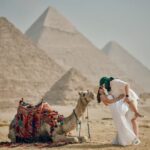
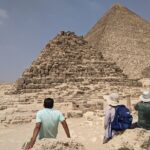
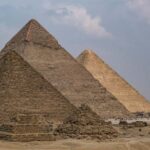
- The Great Pyramid (Khufu): listed as the largest and oldest of the group, built around 2560 BCE. It was originally about 146.6 meters tall (now lower), and it held the title of tallest man-made structure for thousands of years.
- Pyramid of Khafre: it can look taller partly because of its slightly elevated position. You’ll also notice surviving casing stones near the top area.
- Pyramid of Menkaure: the smallest of the three, at about 65 meters tall.
This hour is a great value moment in the day. You get the iconic trio without turning the day into a long line-wait. If you care about photography, ask your guide to show you a couple of angles rather than staying locked on one side—Egypt’s best pyramid photos often come from shifting just a little.
The “inside the pyramid” question
This tour covers the big sights from the outside. Entry fees for inside the pyramids are not included, and the tour also offers optional pyramid interior access as an add-on. If you know you want the inside experience, I’d treat that as a decision to make before you go so you’re not surprised by extra costs once you’re already on-site.
Khafre’s pyramid area: valley temple context without the full marathon
After the main trio, you’ll spend time at Khafre’s pyramid complex, which includes pieces like the valley temple, the Sphinx temple, a causeway, and mortuary temple. Your time here is listed as 1 hour, and admission for this stop is shown as not included.
I like this part because it adds structure to what you saw earlier. Even if you’re not tracking every architectural term, you start to connect the dots: the pyramids weren’t just isolated shapes. They were part of a whole funerary complex with connected spaces meant for rituals and power symbolism.
One drawback to plan for: because admission isn’t included here, you might pay extra depending on what you choose to enter. If you’re trying to keep costs tight, you can still enjoy the exterior layout while deciding carefully what “ticketed” parts are worth it for you.
You can also read our reviews of more private tours in Giza


Menkaure complex: shorter visit, more archaeological detail
Then you head to Menkaure’s pyramid complex for about 30 minutes. Admission here is also marked not included.
This stop is shorter on purpose. It’s a chance to see the smaller pyramid complex up close and compare it with the bigger Khufu and Khafre areas. If you love details and want a bit more texture than just the main postcard views, this is the place to slow down. If you prefer to conserve energy, you can keep it light and focus on what’s visible without paying for extra entrances.
Panorama viewpoint and Great Sphinx: where the photos feel easy
A big part of why this tour is popular is that it doesn’t just move you between distant sites—it also sets you up with classic viewpoint opportunities.
You’ll get a panoramic view near the pyramids and Sphinx for around 30 minutes. Admission is listed as not included, but the value is in the angles: you can see the pyramids from a higher viewpoint, get multiple photo angles without constant repositioning, and generally feel like you’re “surveying” rather than “scrambling.”
Then comes the Great Sphinx, typically around 1 hour, with admission marked not included.
The Sphinx is the kind of monument that forces you to look longer than you expect. It’s described as a mythical creature with a human head and lion body, linked (in the information provided) to the reign of Khafre around 2500 BCE. It’s massive—about 73.5 meters long—and made of limestone, with visible weathering over time.
Practical tip: if you’re going for photos, give yourself time to find a calm spot. The Sphinx area is popular, and the best shots often come when you’re willing to wait for a little breathing room in the frame.
Saqqara’s Step Pyramid of Djoser: the evolution moment
After Giza, the day shifts to Saqqara, and this is where the story expands beyond the most famous pyramids.
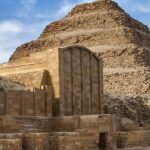
You visit the Step Pyramid of Djoser for about 30 minutes, and admission for this stop is included. The key idea: this pyramid is described as one of Egypt’s oldest, built around 2670 BCE, and designed by Imhotep. The Step Pyramid’s layered design represents a major step forward from earlier mastaba tombs—think of it as the blueprint stage that leads to later pyramid forms.
Why this matters for you: even if you’ve seen pyramid photos before, Saqqara gives you perspective. You’re not only looking at finished giants. You’re looking at architectural evolution. That shift makes the day feel smarter, not just longer.
The smaller Pyramid of Teti: quiet, but meaningful
Right after Djoser, you’ll see the Pyramid of Teti in Saqqara. Time is about 30 minutes, and admission is also included.
This one is much smaller (around 14 meters tall), and it’s notable for Pyramid Texts, described as some of the earliest religious texts intended to aid the king in the afterlife. If you like the “why did they build it this way?” side of history, this stop can be surprisingly satisfying.
Because the visit is short, my advice is simple: don’t rush it. Even ten minutes of steady looking here can feel more rewarding than spending extra time in the busiest areas later.
Memphis and the Ramses II statue: seeing the city behind the monuments
Next up: Memphis, one of the oldest and most important cities in ancient Egypt. You’ll also include Sakkara-linked context again through the Memphis portion. This section is about 1 hour, and admission is listed as included.
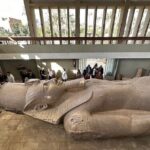
Memphis is presented as the capital during the Old Kingdom, founded around 3100 BCE by King Menes. It’s tied to administration, religion (like the Temple of Ptah), and major political power. Today, the ruins and archaeological remnants give you a more human scale to what can otherwise feel like pure stone worship.
A highlight in the provided details: you’ll see the famous statue of Ramses II as part of the Memphis experience.
Why I think this stop is good value: it prevents “monument tunnel vision.” After spending most of the day with tomb architecture, you get a sense of where rulers governed and where religious power lived in the real city fabric.
Price and value: what $12 per person buys you
The price shown is $12.00 per person, which is unusually low for a private, full-day circuit with pickup and air-conditioned transport. So you should evaluate the value based on what’s included and what’s not.
What you get included:
- Hotel pickup and drop-off
- Air-conditioned vehicle and private transportation
- Bottled water
- Lunch at a local restaurant is optional
- Mobile ticket is mentioned
- An Egyptologist guide is part of the tour concept (tour guide is optional in the plan), with flexibility to customize
What you should expect to pay separately:
- Tipping is not included
- Entry fees for inside the pyramids are not included
Also, several specific sites have admission marked not included (like parts of Khafre and Menkaure complexes, panoramic viewpoint, and the Sphinx area). That means your final total depends on how many “ticketed within-site” sections you choose to enter.
So is it a bargain? For the right kind of traveler, yes. If you want private transport, guided context, and classic hits in one day, this price can feel like a strong deal. If you’re the type who expects every single admission to be fully covered with no extras, you’ll want to plan ahead for add-on costs.
Who this tour suits best (and who should choose differently)
This is a great fit if:
- you have limited time in Cairo/Giza and want a structured day
- you prefer a private setup rather than joining a large group
- you care about explanations, photos, and pacing (guides like Osama, Hassan, and Soumaya are repeatedly linked with that vibe)
- you’re okay mixing included stops with a few optional paid entrances
It may be less ideal if:
- you’re trying to keep your budget to a strict single-payment total with no extras for admissions
- you’re strongly focused on going inside multiple pyramids, since inside access is not included and is listed as an additional decision
Practical tips to make the day smoother
- Wear comfortable shoes. Even when stops are timed (like 30 minutes), you’ll still want stable footing on uneven ground.
- Bring light layers. Even with air-conditioned travel, you’ll spend time outdoors at the monuments.
- If you want interior access, decide early. Once you’re at the sites, it’s easy to feel rushed into a choice.
- Use the private nature of the tour. If you care more about Sphinx views than another complex interior, tell your guide. The day is built to be adjustable.
Should you book this private Giza–Memphis–Saqqara day?
I’d book this tour if you want a single-day sweep that covers the essentials—Giza pyramids, the Sphinx, Saqqara’s Step Pyramid of Djoser, and Memphis—with private transportation and a guide who helps you make sense of what you’re seeing.
The main reason to hesitate is money math: some entrances are marked not included, and pyramid interiors cost extra. If you’re comfortable paying a bit more for the parts you really care about, the $12 price (plus pickup and AC) can be a standout value.
If you want my bottom-line take: this is a smart choice for first-timers with limited time who want classic monuments plus meaningful context, without fighting for your spot in a crowd.
FAQ
How long is the tour?
The tour is listed as 7 to 9 hours approximately.
Where is pickup offered?
Pickup is offered from your hotel in Cairo or Giza by the tour guide.
Is this a private tour or a shared group tour?
It’s a private tour/activity, and only your group participates.
What sights are included in the day?
You’ll visit the Giza Pyramid Complex and Great Sphinx area, then Saqqara (including the Step Pyramid of Djoser and the Pyramid of Teti), and Memphis.
Are entry tickets included?
Some admissions are included (for example, the main Giza pyramids area, Step Pyramid of Djoser, Pyramid of Teti, and Memphis). Other parts are marked as not included.
Are pyramid interiors included?
Entry fees to inside the pyramids are not included, and interior access is offered as an optional add-on.
Is lunch included?
Lunch is listed as optional (included only if you choose the add-on).
What about tipping?
Tipping is not included.
Does the tour provide bottled water?
Yes, bottled water is included.
What is the cancellation policy?
Free cancellation is available up to 24 hours in advance for a full refund. If you cancel less than 24 hours before the experience starts, the amount paid is not refunded.