REVIEW · CAIRO
Best of Egypt Tour Discover Cairo & Luxor & Aswan & Nile Cruise Flight Included
Book on Viator →Operated by Look at Egypt Tours · Bookable on Viator
Nine days from Giza to Aswan, no fluff. This trip strings together Cairo’s main sights, Luxor’s best-known temples and tombs, and a steady Nile-river rhythm, with a qualified Egyptologist to make sense of what you’re seeing while entrance fees stay included.
I also like that it’s capped at max 10 travelers, so you can ask questions without shouting over a crowd, and that domestic flights plus private transfers handle the big jumps between cities. The tradeoff is a packed schedule and early starts, so you’ll want stamina and comfortable shoes.
In This Review
- Key Things That Make This Best of Egypt Tour Feel Worth It
- Giza Pyramids and Sphinx: where the photos can’t keep up
- Saqqara Step Pyramid and Memphis: seeing Egypt’s earlier ambition
- Cairo Museum, Coptic Cairo, and Khan el-Khalili: the city’s three faces
- Temple of Karnak and Luxor Temple: the East Bank hits hard
- Valley of the Kings, Hatshepsut Temple, and Colossi of Memnon: icons on Luxor’s West Bank
- Kom Ombo and Temple of Horus: the surprise stop with a strong payoff
- Philae Temple near Aswan: the UNESCO rescue story you can still feel
- The Nile Cruise Part: your 4-night decompression window on water
- Price and Logistics: what you’re really paying for at $2,515
- Who This 9-Day Cairo to Aswan Tour Fits Best
- Should You Book This Tour?
- FAQ
- How long is the Best of Egypt tour from Cairo to Aswan?
- What time does the tour start?
- Where do I start the tour?
- Are airport transfers included?
- Are entrance fees included?
- Does the tour include domestic flights?
- Is the Nile cruise included, and for how many nights?
- Are meals included?
- What is the maximum group size?
- What is the cancellation timeframe for a full refund?
Key Things That Make This Best of Egypt Tour Feel Worth It
- Egyptologist-led big-site viewing at Giza, Luxor, and Aswan, not just sightseeing
- 4-night Nile cruise included, with a traditional Galabeya party on board
- Entrance fees included, which matters on a country where ticket lines add up fast
- Cairo, Luxor, Aswan flights included so you spend less time on long overland transfers
- Small group size (up to 10) for a calmer pace and better attention
- Most meals covered (breakfasts plus lunches in Cairo and dinners)
Giza Pyramids and Sphinx: where the photos can’t keep up
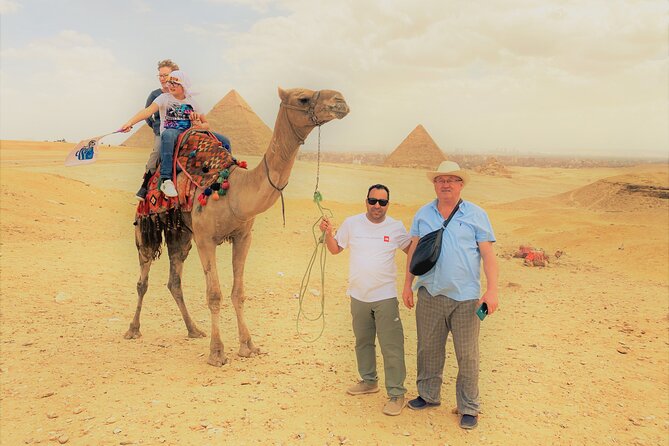
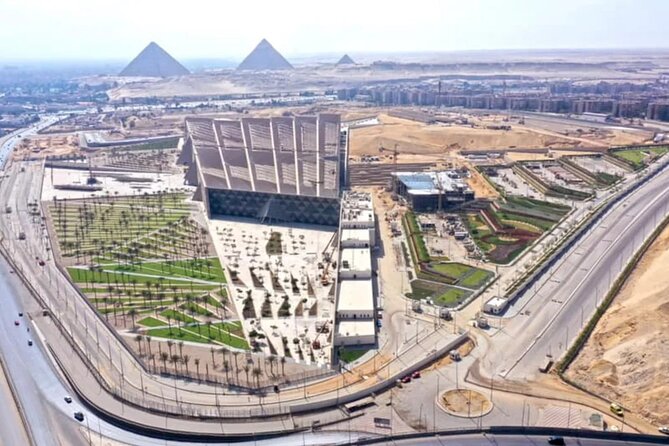
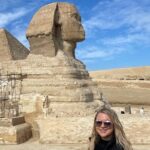
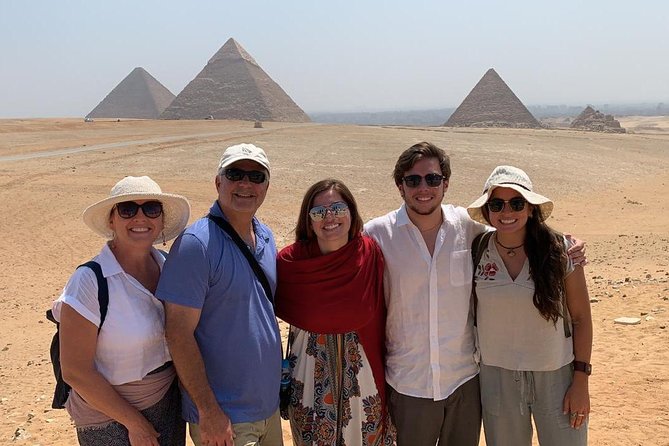
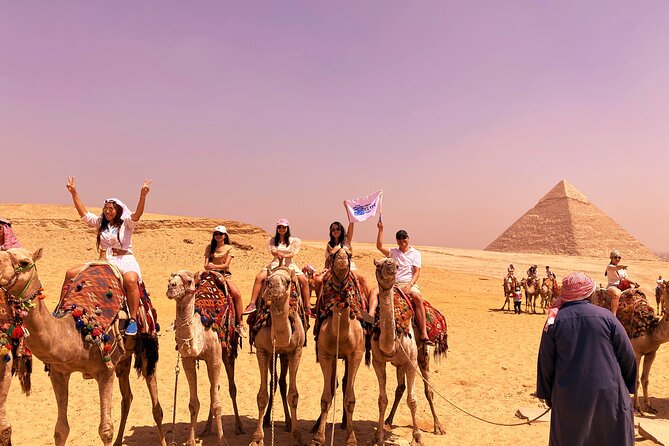
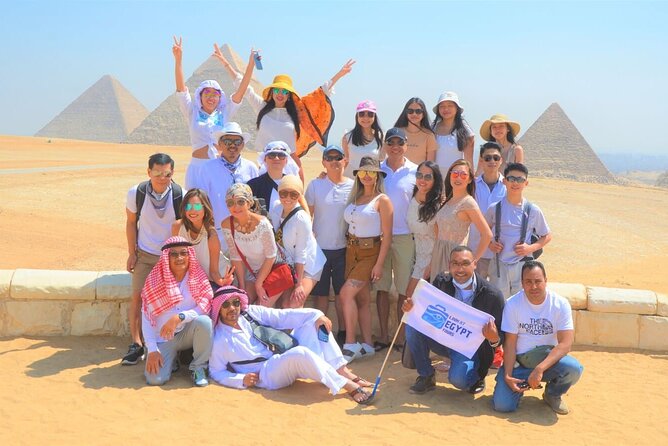
Giza is the kind of place where you instantly understand why ancient Egypt still grips modern imagination. You’ll visit the Pyramids of Giza and the Sphinx at the base of the plateau, with time set aside to see the iconic shapes in real scale and take the classic photos from the right spots.
What I like about this stop is that it’s not treated like a quick walk-by. The ticket time is listed at about 3 hours, which gives you breathing room to notice details, study the layout, and actually look around instead of only staring upward.
A practical consideration: this is one of the most famous places in the world, so you should plan for sensory overload. If you get overwhelmed by crowds, you’ll still be fine, but you’ll want to keep your expectations simple: you’re here for the big monuments first, the perfect photo second.
You can also read our reviews of more boat tours in Cairo



Saqqara Step Pyramid and Memphis: seeing Egypt’s earlier ambition
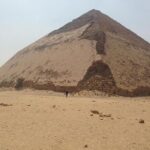
After Giza, the tour shifts to Saqqara, where the star is the Step Pyramid of Djoser. This site is special because it’s tied to early pyramid-building ideas, and you can feel the progression from earlier tomb styles to the stone monument approach.
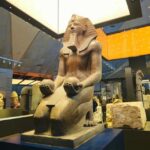
You also get time for Memphis and Sakkara, including ruins near Mit Rahina and the massive statue of Ramses II plus an alabaster sphinx of Queen Hatshepsut. This combo matters because it connects the dots between major capital power and the tomb traditions that fed it.
If you’re worried about travel days feeling repetitive, here’s why it works: Saqqara is a different mood from Giza. You’re trading postcard-famous geometry for a more layered, archaeologically meaningful stop.
One thing to think about: the Memphis and Saqqara area is visited in about 1 hour in the schedule, so if you’re a slow wanderer, you may want to focus your attention on the big names you came for.
Cairo Museum, Coptic Cairo, and Khan el-Khalili: the city’s three faces
Cairo is not only pyramids and politics. This tour gives you three distinct tastes in one day: the Egyptian Museum, Coptic Cairo, and the Khan el-Khalili bazaar.
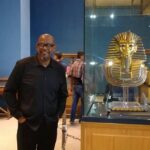
First is the Museum of Egyptian Antiquities (often called the Egyptian Museum), listed with time for about 2 hours. You’ll see a representative collection from a much bigger collection base, which is a smart way to handle a museum that can otherwise eat an entire day.
Next comes Coptic Cairo, including the Babylon Fortress, the Coptic Museum, and churches like the Hanging Church and the Greek Church of St. George. This stop adds depth beyond pharaohs and dynasties by showing how Cairo kept rewriting sacred spaces over centuries.
Finally, you’ll have time at Khan el-Khalili, a classic souk in historic Islamic Cairo. It’s a good place to slow down, buy small items, and watch the city move.
The consideration here is simple: Cairo days are dense. You’ll be walking and switching zones, so build in mental flexibility. If you prefer one neighborhood at a time, this may feel like a lot. If you like variety, it’s a strong day.
Temple of Karnak and Luxor Temple: the East Bank hits hard
After Cairo, the trip moves toward Luxor. The schedule centers on two major East Bank temples: Karnak and Luxor Temple.
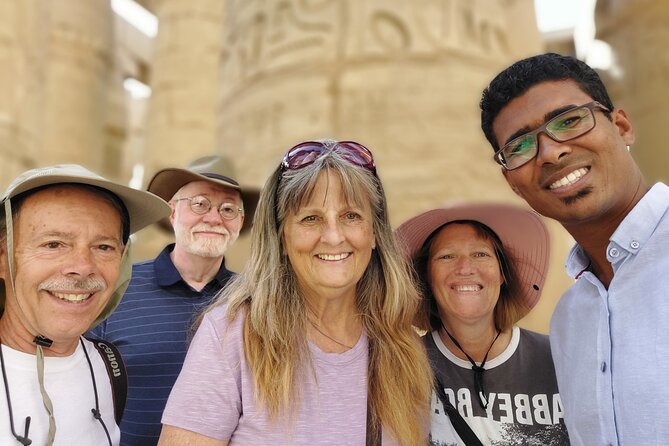
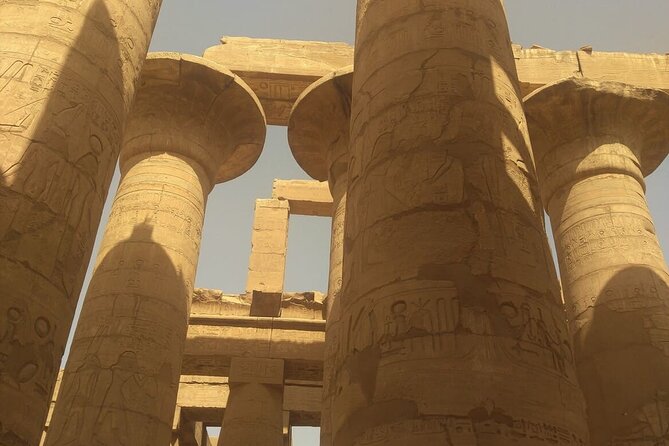
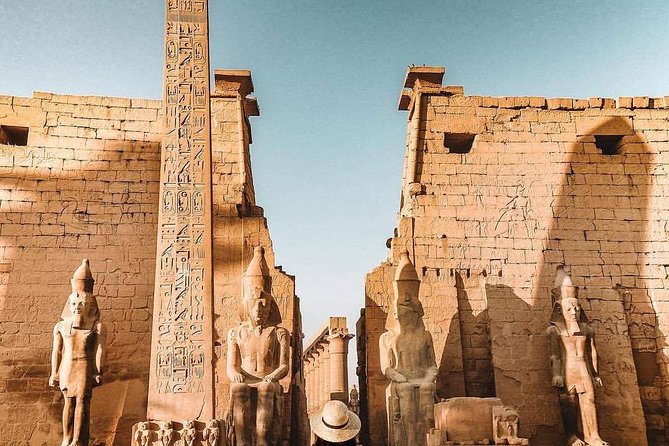
Karnak Temple is described as a vast complex dedicated mainly to Amun, dating as far back as 2000 BC, and the tour gives about 2 hours. This is the kind of site where a guide helps most, because the scale can make the meaning feel scattered if you don’t have someone organizing the story for you.
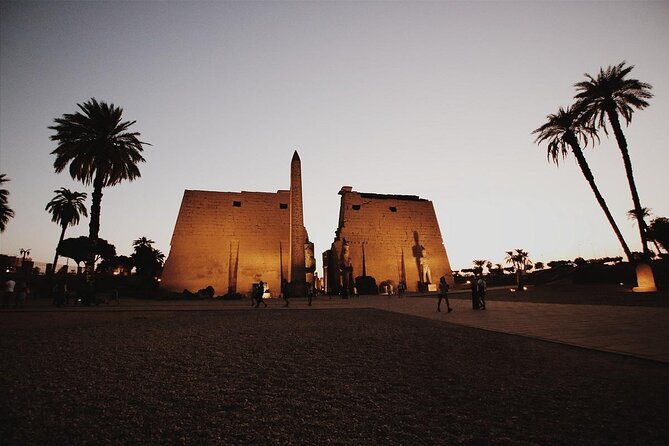
Luxor Temple follows, with about 1 hour. It’s another big complex, built around 1400 BCE, and the timing works well because you’re not forced to sprint through both places back-to-back.
What makes these stops valuable is their contrast. Karnak is the massive statement. Luxor Temple is the refined follow-up. Together, they give you a fuller view of how ancient Egyptians designed sacred space along the Nile.
Valley of the Kings, Hatshepsut Temple, and Colossi of Memnon: icons on Luxor’s West Bank
The West Bank is where the air changes. You’ll visit the Valley of the Kings, with listed time of about 3 hours, plus stops tied to some of Luxor’s most memorable rulers.
For the Valley of the Kings, the schedule notes that the ticket allows visits to 3 of the 63 tombs, and Tutankhamen’s tomb is excluded. That’s important to understand before you go in, because many people build their expectations around specific tomb names. Here, the trip is giving you time with the site while managing access realistically.
Next is the Temple of Hatshepsut, visited for about 1 hour. This is a standout in any Egypt plan because her story is tied to power, legitimacy, and later efforts to reshape memory. The tour includes her temple as a major stop, which helps you connect West Bank monuments to political history.
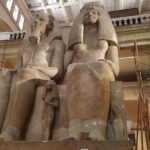
Then you’ll see the Colossi of Memnon, the two towering statues of Pharaoh Amenhotep III. This stop is short, but it works because it’s visual and immediate.
A practical drawback to keep in mind: West Bank days are visually intense but logistically controlled. You won’t have unlimited time in every tomb spot. If you’re the type who needs to linger, focus your attention on learning what each site represents, not only photographing every surface.


Kom Ombo and Temple of Horus: the surprise stop with a strong payoff
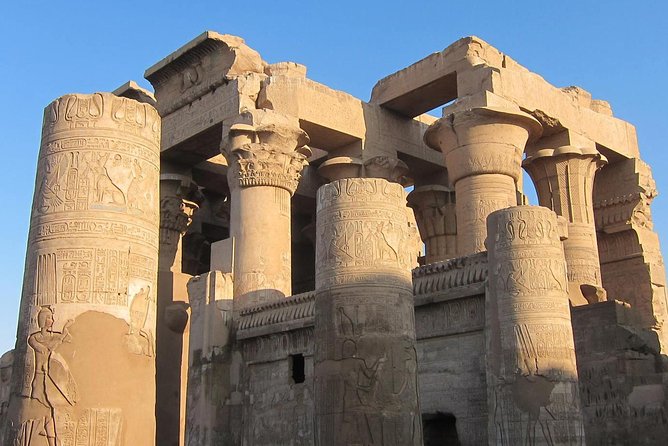
As you move south, the tour includes two monuments that make the trip feel less like a straight line. In the Kom Ombo area, you’ll visit the Temple of Kom Ombo, a double temple linked to the Ptolemaic dynasty.
The schedule highlights that the temple has two halves: the southern half tied to Sobek, the crocodile god, and the other associated with other deities. This double setup is one reason people find Kom Ombo refreshing. It’s not just more of the same temple architecture.
Then you’ll head to the Temple of Horus, visited with about 3 hours listed. It’s noted as one of the best-preserved monuments, with a roof that remains intact and an atmospheric feel created by desert sand over time.
If you’re wondering whether this will feel like extra work compared to the big Luxor temples, it usually doesn’t. Kom Ombo and Horus add variety in layout and tone, so the story of Egypt’s religious life feels broader.
Philae Temple near Aswan: the UNESCO rescue story you can still feel
Near Aswan, the tour takes you to the Temple of Philae. The schedule notes it’s 12 kilometers south of Aswan and describes it as an important pilgrimage center for the cult of Isis.
What’s especially memorable here is the UNESCO rescue project. The tour notes the temples were moved block by block from Philae Island to Agilika Island to protect them from a watery grave. That kind of survival story gives you a different kind of perspective while you’re standing there: the stones aren’t just old, they were saved.
You’ll have about 3 hours at Philae, which is a good window for photos, guide explanations, and a slower look. This is also the moment where you’ll likely feel the Aswan pacing—less frantic than Cairo, less compressed than parts of Luxor.
The Nile Cruise Part: your 4-night decompression window on water
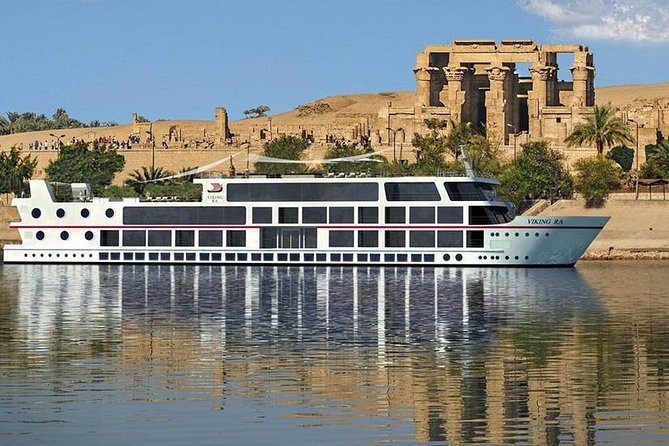
This is a “best of Egypt” package, but it’s not only land days. You’ll enjoy a leisure paced 4-night Nile cruise, which is built into the itinerary between the Luxor and Aswan temple segments.
The cruise adds value in two ways. First, it reduces the stress of constantly changing hotels. Second, it gives you a more natural rhythm for processing everything you just saw on land—especially after the West Bank intensity.
The tour also mentions a traditional Galabeya party on board. Even if you’re not the type to dress up, it’s a fun, low-pressure cultural moment that fits the cruise vibe.
One thing to plan for: the cruise days are part of your schedule, not free time with no structure. You’ll still be moving and doing shore visits tied to the included temple stops, but the water time helps break the pattern.
Price and Logistics: what you’re really paying for at $2,515
At $2,515 per person for an approximately 9-day trip, the headline price can look steep until you match it to what’s handled for you.
From the included list, you’re getting:
- 8 nights accommodation
- breakfast daily (listed as 8 breakfasts)
- lunch during Cairo tours and dinner on multiple days (listed as 6 lunches and 4 dinners)
- qualified Egyptologist guide
- all entrance fees included
- round-trip private transfers
- domestic flights (Cairo–Luxor–Aswan–Cairo)
- mobile ticket and pickup offered
- group limits of up to 10 travelers
That combination is the real value. You’re not only paying for sights. You’re paying for transport, timed access, and interpretation—plus multiple domestic flights that can turn into a planning headache if you do the route yourself.
Where the cost may feel less justified is if you only care about one or two sites. This is an all-in itinerary, from Giza to Saqqara to Luxor’s temples and tombs, down to Kom Ombo and Philae.
Also note what’s not included: drinks and any excess luggage charges. If you pack heavy or plan to rely on drinks during long days, that’s where extra costs can creep in.
Who This 9-Day Cairo to Aswan Tour Fits Best
This tour is a great match if you want:
- a structured Egypt plan with a guide to explain what you’re seeing
- a mix of Cairo, Luxor, and Aswan without you rebuilding transportation
- a small-group experience capped at 10 travelers
- a real Nile cruise time instead of a token overnight
It may be less ideal if you prefer slow travel, one neighborhood per day, or lots of unscheduled time. This trip moves. It’s designed for seeing key monuments in a single run, which is both the appeal and the pressure.
It’s also a strong choice for first-timers who want the famous sites plus context. Cairo’s museum and Coptic areas keep the trip from becoming just tomb-and-temple photos. Luxor and Aswan do the heavy lifting on monumental history.
Should You Book This Tour?
If you want a clean, pre-arranged route that covers the big moments—Pyramids of Giza, Step Pyramid at Saqqara, Cairo Museum, Karnak and Luxor Temple, Valley of the Kings, Philae, plus a 4-night Nile cruise—this is a solid pick. The value improves when you factor in the guide, entrance fees, domestic flights, and the amount of meals included.
My main advice is to go in with a realistic mindset: you’ll see a lot, and not every tomb stop is built for maximum lounging. If that sounds fine, you’ll likely feel satisfied with how tightly the trip connects Cairo’s past to the Nile’s sacred story all the way down to Aswan.
FAQ
How long is the Best of Egypt tour from Cairo to Aswan?
The tour is listed as 9 days (approx.).
What time does the tour start?
The start time is listed as 8:00 am.
Where do I start the tour?
The location is Cairo, Egypt, and the plan includes assistance on arrival with a transfer to your hotel.
Are airport transfers included?
Yes. The included package lists round-trip private transfer and also includes transfers on arrival and departure days.
Are entrance fees included?
Yes. All entrance fees included is listed in the highlights and features.
Does the tour include domestic flights?
Yes. Domestic flights are included for Cairo – Luxor – Aswan – Cairo.
Is the Nile cruise included, and for how many nights?
Yes. The highlights mention a 4-night Nile cruise.
Are meals included?
Yes. Breakfast is included (listed as 8 breakfasts). Lunch is included during Cairo tours (listed as 6 lunches) and dinner is included on 4 days (listed as 4 dinners).
What is the maximum group size?
The tour lists a maximum of 10 travelers.
What is the cancellation timeframe for a full refund?
You can cancel up to 6 days in advance for a full refund. If you cancel less than 2 full days before the experience start time, the amount paid is not refunded.