REVIEW · HURGHADA
Quality Kitesurfing in El Gouna
Book on Viator →Operated by Nomad Kite Events · Bookable on Viator
If you’ve ever watched kitesurfers and thought I could learn that, this is your kind of session. In El Gouna, you get a fast beginner introduction with instruction focused on safety, gear, and real control on the water. It’s a high-energy Red Sea day that starts at Kitepower and keeps you moving.
I especially love that lessons run in small groups, not big crowds where you get ignored. You’re also in premium equipment with beach assistance and facility support, plus equipment insurance built into the package. That combination makes learning feel controlled instead of chaotic.
One consideration: this is only about 3 hours, so it’s a skills starter kit, not a full course that guarantees total independence by the end. If you’re expecting a long session or lots of wind-chasing time, you might want to book extra practice days.
In This Review
- Key Highlights Worth Pricing In
- First Stop: Kitepower El Gouna and How the Session Starts
- The 3-Hour Rhythm: Theory, Gear, Then Water Control
- Gear and safety first (because kiteboarding punishes shortcuts)
- Then you learn steering and power control
- What You’ll Actually Practice in Calm Water
- Controlling the kite so the board becomes the easy part
- Steering drills that lead to real riding improvements
- The Small-Group Advantage You Feel Immediately
- Equipment Quality and Why It Changes the Learning Curve
- How Pickup and Transportation Fit Into Your Day
- Who This Beginner Kite Course Is Best For
- The Names You’ll Hear on the Beach (and Why It Matters)
- Weather Reality: When Wind Helps and When It Doesn’t
- Value for Money: $95.08 for 3 Hours That Actually Teaches
- What a Great Outcome Looks Like by the End
- Should You Book This El Gouna Kitesurfing Course?
Key Highlights Worth Pricing In
- Small-group instruction designed to keep your attention on technique, not waiting your turn
- Premium gear + equipment insurance, so you’re learning with the right setup
- Calm-water practice built around safety and learning control step by step
- A real kite in the water, not just theory and demos
- Instructors who focus on fundamentals, including steering and power control
- Kitepower base with beach help and facility fees included for smoother logistics
First Stop: Kitepower El Gouna and How the Session Starts
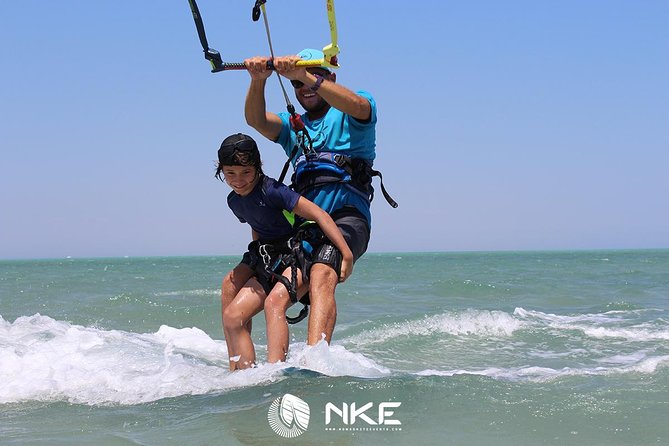
Most of your time begins right at Kitepower El Gouna (Kitestation Kitepower). The schedule starts at 9:30 am, and the activity ends back at the same meeting point. That matters because you avoid wasting time hunting for gear, taxis, or directions once the wind is right.
When you arrive, the tone is practical. Expect beach-side help and facility setup so you can get ready quickly. Then the coaching shifts into beginner mode: what you need to know before you ever go out.
If pickup is offered on your booking, it can save time versus coordinating your own ride. Still, the package notes also mention transportation to and from attractions isn’t included, so confirm what’s covered before you plan your day.
You can also read our reviews of more tours and experiences in Hurghada.



The 3-Hour Rhythm: Theory, Gear, Then Water Control
This course is built like a ladder. You start with the basics, then you practice in order, so you’re not just launching a kite and hoping for the best.
Gear and safety first (because kiteboarding punishes shortcuts)
You’ll cover the theory you need before practicing: how the kite works, how to think about safety, and what gear you’re using. This is the part that helps you avoid common beginner mistakes like misunderstanding power or rushing launches.
In a sport this wind-driven, your brain matters as much as your legs. Clear instruction on safety and control helps you stay calm when conditions change and your kite starts doing kite things.
Then you learn steering and power control
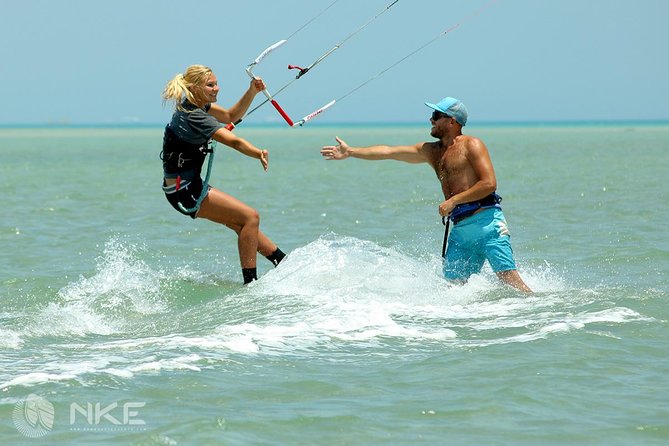
The next step is the big moment: you’ll fly a real kite in the water. The goal isn’t fancy tricks. It’s learning how to steer and manage the kite’s power so you can predict what’s coming next.
Based on past student outcomes, the coaching approach supports real progress quickly. Some learners have come away in only a few hours with skills like better control in both directions, beach-starts, and confidence for more advanced riding patterns later.
What You’ll Actually Practice in Calm Water
El Gouna is known for being a good place to learn, and this course leans into that. You’ll practice in calmer conditions so you can build coordination without constantly being overwhelmed.





Controlling the kite so the board becomes the easy part
A lot of beginners fixate on the board. The instructors here push you to treat the kite as the engine. When you can steer the kite and manage its power, the rest starts to feel logical.
That’s also why the lesson includes a structured progression. Small-group setup matters because you can get corrections on your body position and kite handling before those habits harden.
Steering drills that lead to real riding improvements
From instructor-focused lessons with the Nomad Kite Events team, you’ll see a pattern: students often leave with clearer control and more riding confidence than they expected. In past sessions, instructors such as Gehad, Moe, Mahmoud, and Gogo have been credited for thorough, patient teaching that covers both technique and the mental checklist of what to do next.
What that means for you: don’t expect magic. Expect drills that build into short, repeatable wins—like controlling toe-side riding, working on beach-starts, or starting to move toward upwind progress.
The Small-Group Advantage You Feel Immediately
This isn’t a large group “watch from the sand” situation. Lessons are conducted in small groups, and the payoff shows up fast: you spend more time practicing and less time standing around.
In kiteboarding, timing is everything. You can’t learn well when you’re waiting 20 minutes between attempts. A smaller group helps instructors adjust for your pace and keep your skills progressing during your limited lesson window.
It also makes it easier to ask questions. When someone spots your issue quickly—like kite angle, body tension, or how you prepare for a start—you lose less time and gain confidence sooner.
Equipment Quality and Why It Changes the Learning Curve
The package includes premium equipment, beach assistance, facility fees, and equipment insurance. That’s not just extra fluff. Gear quality affects how predictable the kite is, how comfortable you feel on the board, and whether your learning stays productive.
When your equipment is reliable, you can focus on technique instead of fighting problems. You also feel safer, because the setup is handled by the center rather than you improvising gear decisions alone.
How Pickup and Transportation Fit Into Your Day
This is one of those topics where the details can confuse people. The summary says pickup offered and mentions return transport on offer with this package. But it also lists transportation to/from attractions as not included.
Here’s the practical way to handle it: when you book, confirm whether pickup is direct from your accommodation and whether the return is included. If not, plan on getting yourself to Kitepower El Gouna for the 9:30 am start.
Since the activity ends back at the meeting point, your main focus should be being there on time. In windy sports, being late can mean missing the best window.
Who This Beginner Kite Course Is Best For
This course is aimed at beginners who want a structured introduction. Most travelers can participate, which suggests the center is set up to handle a range of comfort levels.
You’ll likely love it if:
- You’ve watched kitesurfing and want hands-on control, not just a sightseeing experience
- You want safety and technique taught in plain steps
- You prefer learning with a real kite in the water within a short time window
- You’re okay building toward independence instead of expecting it instantly
You might want a longer plan (or extra lessons) if:
- You’re set on reaching advanced riding goals in one session
- You want lots of time on the water without a tight 3-hour cap
- You’re sensitive to wind changes and need a slower learning pace
The Names You’ll Hear on the Beach (and Why It Matters)
A big part of why people rave about this style of learning is the teaching vibe. Past sessions have praised instructors for being thorough, clear, patient, and focused on goals.
You may meet:
- Martina during initial engagement and communication
- Gehad, credited with teaching skills like jump, toe-side riding, and beach-starts with careful instruction
- Nomad instructors including Gogo, Mahmoud, Mans, and Moe, noted for relaxed energy and strong technique coaching
It’s not just friendliness. In instruction-heavy sports, good coaches translate your mistakes into fixable actions. That’s what you want, especially when you’re learning to control kite power.
Weather Reality: When Wind Helps and When It Doesn’t
Kitesurfing depends on good weather. If conditions are poor, the experience may be canceled and you’ll be offered a different date or a refund. That’s standard for wind sports, but it’s worth planning around.
A practical approach: keep your day flexible and avoid booking hard-to-change activities right next to your lesson time. If the wind is right, this kind of course can move quickly. If not, you’ll need that reschedule buffer.
Value for Money: $95.08 for 3 Hours That Actually Teaches
At $95.08 per person for about 3 hours, the value comes from what’s included. You’re not paying only for a coach’s time. You’re getting:
- Professional instruction
- Premium equipment
- Beach assistance and facility fees
- Equipment insurance
- Small-group format
- Taxes and handling charges included
That’s a lot folded into one price. If you’ve priced kite lessons elsewhere, you know gear and safety systems often become add-ons. Here, the package is structured so the learning setup is part of the deal.
Food and drinks are not included, so budget for water and a snack plan. And transportation can be murky depending on your exact booking, so verify whether pickup and return are actually included for you.
What a Great Outcome Looks Like by the End
A realistic goal for a first lesson is confidence in the fundamentals: kite control, safe starts, and enough riding ability to feel like you understand the sport. Many learners improve quickly once they can connect kite power to board movement.
In past short sessions, people have described progress like riding in both directions, starting to work toward upwind, and learning techniques such as toe-side control and beach-starts. Even when goals vary, the common thread is that instruction makes the sport feel less random.
That’s what you’re buying: a roadmap plus reps.
Should You Book This El Gouna Kitesurfing Course?
If you want a structured beginner start in a place built for learning, I think this is an easy yes. The small-group format, premium gear, and emphasis on safety and control are exactly what beginners need to avoid frustration.
Book it if:
- You’re new (or nearly new) and want a real kite-in-water intro
- You want clear coaching and manageable group dynamics
- You’d rather pay for quality instruction and equipment than DIY your first session
Consider booking extra time if:
- You want to go from beginner to reliably independent riders fast
- Your schedule allows more than one practice window
If you show up ready to focus and you take instruction seriously, you’re likely to leave with more confidence than you expected—plus a strong itch to keep riding.