REVIEW · GIZA
All Saqqara treasures (Pyramids and Tombs) and the underground Serapeum
Book on Viator →Operated by Egypt guide tours · Bookable on Viator
Saqqara beats Giza for focus and quiet. This private Egyptologist-led outing takes you into Egypt’s Old Kingdom burial landscape, with the Step Pyramid of Djoser plus tomb interiors and the underground Serapeum. It is an efficient morning (or half-day) that helps you skip the feeling of being herded through bigger sites.
I especially like two things: the chance for inside-access to tombs, including the Pyramid of Unas, and the underground Serapeum tunnels; and the fact that everything crucial is handled up front with private A/C transport and all fees and taxes included.
One consideration: it is a 2 to 4 hour sprint through several major zones. If you want slow, linger-all-day wandering, you may feel a bit rushed, and lunch is not provided.
In This Review
- Key things that make this Saqqara + Serapeum tour worth your time
- Why Saqqara feels calmer (and more interesting) than Giza
- The $140 price: what you get and what you still need
- 8:30 am pickup and how to use the morning well
- Stop at Saqqara pyramids: stepping into Memphis’s royal burial world
- Entering the tomb experience: the Pyramid of Unas and what you’ll actually see
- The underground Serapeum tunnel: going beneath the monuments
- Guides make or break this kind of site
- Logistics that actually matter: tickets, fees, transport, and water
- Who this tour suits best (and who should choose something else)
- Should you book this Saqqara and Serapeum private tour?
- FAQ
- How long is the Saqqara pyramids and Serapeum tour?
- Is pickup included, and where does it start?
- What’s included in the tour price?
- Are entrance fees included for the monuments and tombs?
- Is lunch included?
- What level of walking is expected?
Key things that make this Saqqara + Serapeum tour worth your time
- Crowd-avoidance from the start: you get out early and spend your time in Saqqara, not stacked queues at Giza.
- Tomb access, not just photos: you can enter sites including the Pyramid of Unas and go into the Serapeum underground tunnel.
- Egyptologist guidance: you are not stuck guessing at what you are seeing when the guide explains what matters.
- Private A/C transport from Cairo and Giza: pickup means less hassle and more daylight time at the monuments.
- Price clarity: admission and essential fees are rolled into the tour cost, plus bottled water is included.
- A smart half-day format: you get a lot of ground covered without needing a full-day commitment.
Why Saqqara feels calmer (and more interesting) than Giza
If you have ever stood in front of the Giza pyramids and felt your attention snap back and forth between monuments, noise, and crowds, Saqqara hits differently. Saqqara is Memphis’s ancient necropolis, built up over thousands of years on a desert plateau above the modern village. The result is a burial city where royal and high-status tombs share the same general setting, so the story stays coherent.
This tour keeps you oriented. Instead of treating every structure like a separate stop, you move through the big themes of Old Kingdom Egypt: early pyramid power, royal burials, and the underground spaces built for the dead. The Step Pyramid area alone sets the tone. Then the experience keeps going, with tomb entries and the Serapeum underground tunnel that adds a real sense of going beneath the surface.
For value, that matters. A lot of tours in Egypt sell “pyramids” as a checklist. Here, you get a more focused sweep of why the necropolis matters and what you can actually see once you are on site.
You can also read our reviews of more tours and experiences in Giza.


The $140 price: what you get and what you still need
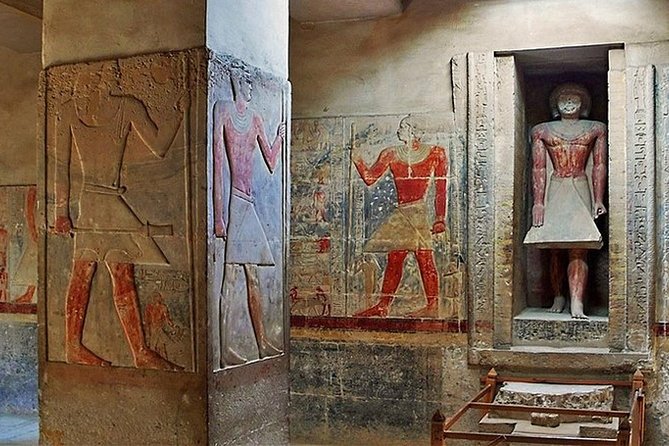
At $140 per person, this is priced like a private, guided, ticketed half-day. The key is what is included: an Egyptologist guide, bottled water, an air-conditioned vehicle, private transportation, and all fees and taxes. That last part is surprisingly important. Egypt can have add-on charges at the door, so rolling essential costs in helps you budget without last-minute math.
What is not included is lunch. For a 2 to 4 hour window, you can handle this easily, but plan for timing. If you eat before pickup, great. If you tend to get hungry quickly, bring a snack just in case. You will already have water, but extra calories can save your mood.
Also note the mobile ticket element. It is usually meant to make entry smoother and reduce paperwork time. You still want to show up on time, especially for an early start.
Bottom line: you are paying for (1) a private guide who can interpret what you are seeing and (2) access-focused stops. If you want that kind of structure, the price starts to look reasonable fast. If you only care about outside views, you could get cheaper options, but you would miss the point of this particular tour.
8:30 am pickup and how to use the morning well
The start time is 8:30 am, and the tour offers pickup from Cairo and Giza hotels in a deluxe A/C car or van. That is a practical advantage. Driving yourself or coordinating multiple transit legs can burn your monument time before you even reach the plateau.
This timing also helps with atmosphere. Saqqara is not as swamped as Giza, and arriving early typically gives you better odds of quieter moments inside tomb areas. It also matters for photos, not because you get a professional-studio result, but because you spend less time waiting for people to shuffle.
One small reality check: the tour duration is listed as 2 to 4 hours. That means you will move. You can still slow down when something catches your eye, but you should expect a guided pace. If you want to maximize it, wear comfy walking shoes and keep your water bottle accessible. Desert days are not always cruel, but they are always dry enough to make you feel it.
Stop at Saqqara pyramids: stepping into Memphis’s royal burial world
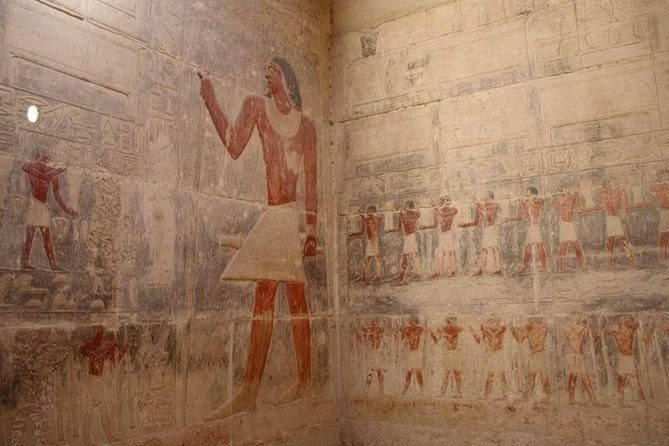
Saqqara sits above the modern village, and its plateau served as a major cemetery for the ancient capital of Memphis. Over the centuries, the site attracted a lot of royal and high-prestige burials, which is why you see both pyramids and decorated tombs clustered in one place.
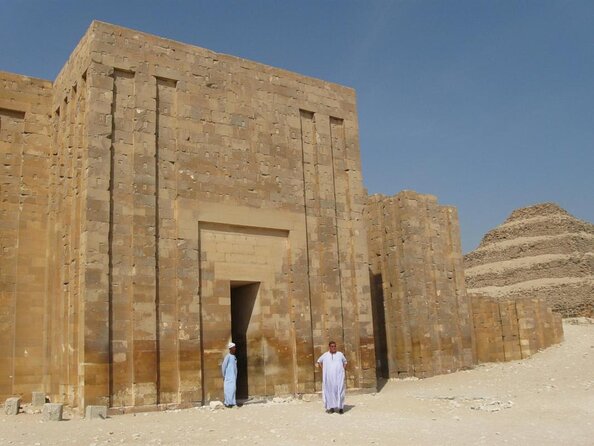
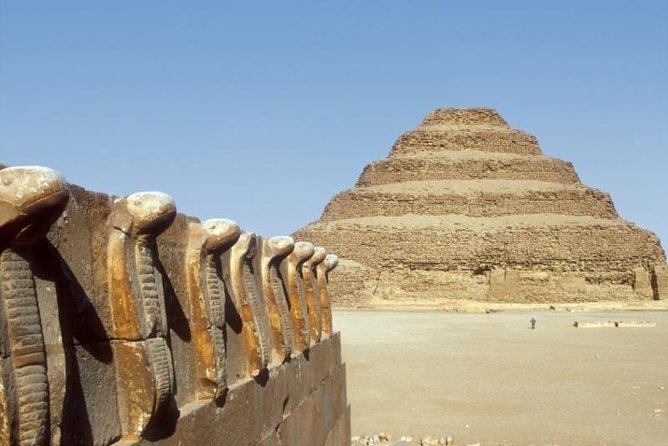
The highlight is the Step Pyramid area of King Djoser, often described as Egypt’s oldest pyramid and paired with its temple complex. Even if you have only seen it in pictures, it is one of those structures that changes how you think about early pyramid building. The step design feels deliberate, like a blueprint in stone rather than a final form. That is exactly the kind of mental shift a good Egyptologist guide can help you make during your walk through the precinct.
Another plus: this part of the tour is designed to get you out of the “drive up, look, leave” mode. You are there to listen and connect details. In the most smoothly run versions of this trip, the guide adapts the pace to what you want in the moment: listening when you want context, then giving you room to just look when you want to absorb shapes and carvings.
Potential drawback at this stop: the ground and timing can be a little demanding if you are not used to walking on uneven surfaces. The tour lists moderate physical fitness, so come prepared.
Entering the tomb experience: the Pyramid of Unas and what you’ll actually see
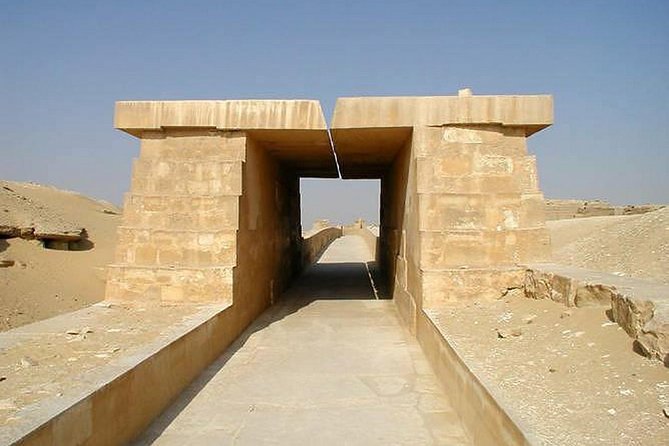
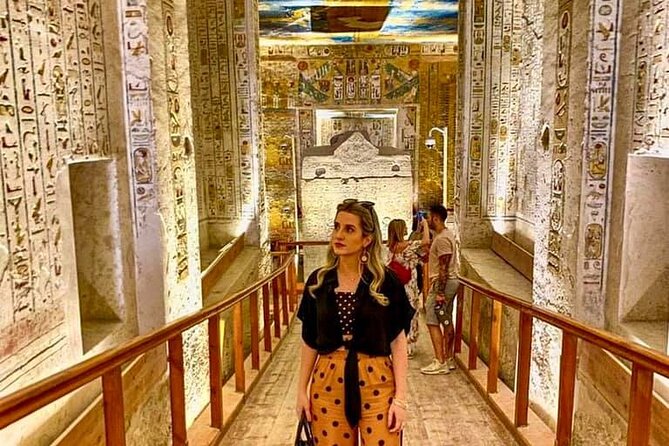
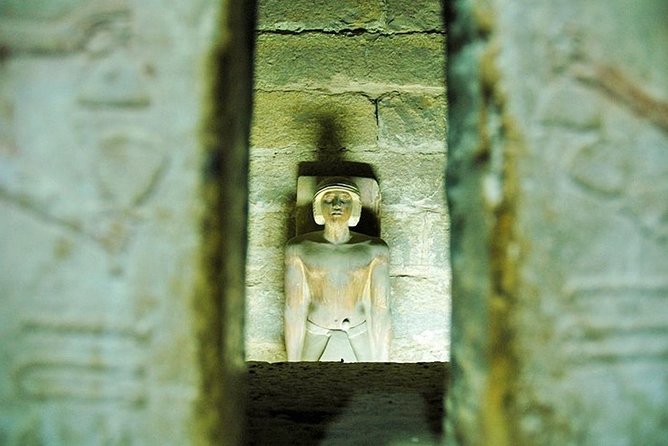
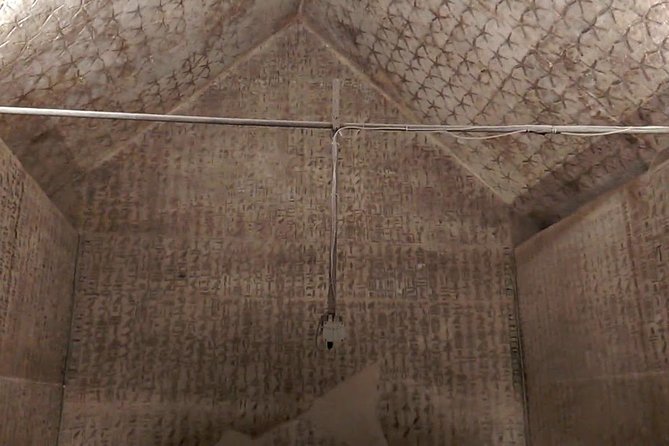
One of the biggest reasons to choose this tour is the access angle. You do not just stand outside tombs and call it a day. You can enter some of the tombs, including the Pyramid of Unas.
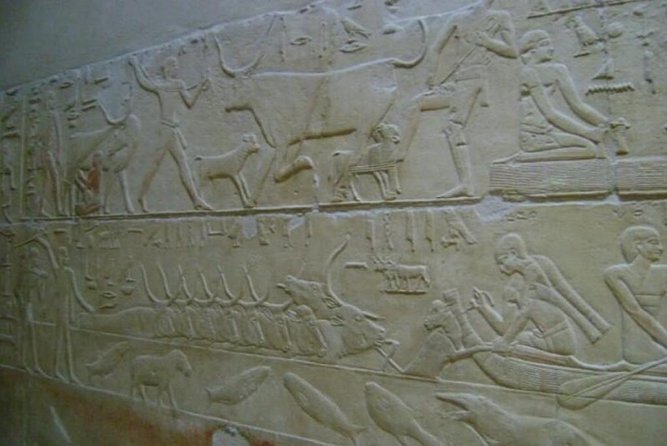
Unas is part of the later Old Kingdom story, and being inside changes the whole feel. Outside, you can admire scale and layout. Inside, you focus on what the builders carved for the afterlife: space, entry points, and the way surfaces were finished to matter for eternity. The Egyptologist guide’s role becomes more than narration. They help you notice what you might otherwise overlook, like the logic of decoration placement and how texts relate to the burial purpose.
This is also where private matters. A group tour can turn tomb entry into a timed shuffle. In a private format, your guide can help you manage the inside moments without feeling like you are being rushed past the exact features you came to see.
If you love symbolism, this part is a strong match. If you only want broad-strokes monuments, you might feel tomb entry is too technical. But given that Unas is a named highlight here, this tour clearly leans toward people who want to see more than exterior stone.


The underground Serapeum tunnel: going beneath the monuments
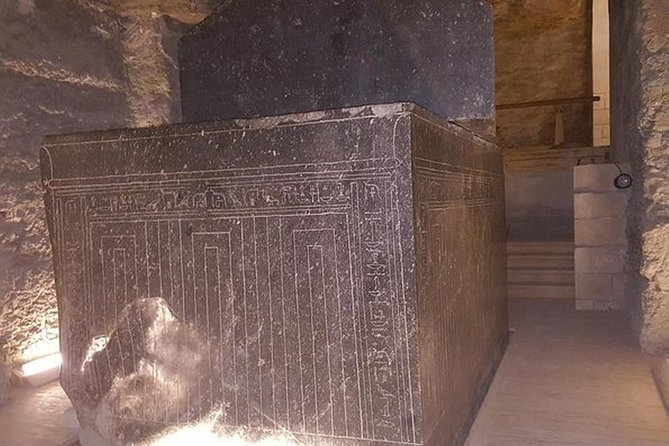
The Serapeum is the moment most people remember, because it adds a physical twist: you go underground. This tour includes the underground Serapeum tunnel, where you move away from bright open courtyards and into a more enclosed, ancient-feeling space.
The Serapeum is tied to burial practice and the underground storage of remains. When you are in that tunnel, it stops being an abstract story. You feel the scale of the excavation and how the space was built to last. It is also one of the best places to ask questions, because the guide can point out what you should pay attention to in an area that would be easy to miss if you only saw it from the entrance.
From a pacing standpoint, this stop can be intense in a good way. It is not just “another site.” It is the kind of visit where you keep walking, then suddenly realize you are deep in the necropolis’ underworld layer.
Practical note: if you are claustrophobic, you should think carefully. The tour does not promise extreme tightness level, but it is explicitly a tunnel and underground experience. For everyone else, it is an excellent contrast to the open pyramid areas.
Guides make or break this kind of site
This tour is led by an Egyptologist guide, and the names people mention most often include Deen and Sam (also seen as Osama). There is also mention of expert driver Faisal. Even if you do not get those exact individuals, the pattern in how this experience is run matters.
The best part is not just that the guide can talk. It is that the guide can translate the site into something you can use. In particular, people describe guides who stay patient and adjust when you want to look silently instead of listening for every minute. That is the right skill for Saqqara, because you need both explanation and breathing room to really read the site visually.
So what should you look for when your guide starts talking? Ask them how to prioritize what you will see next. Then listen for how they connect the structure you are standing in front of to the larger Memphis story. When the guide does that, you end up remembering themes instead of forgetting everything 30 minutes later.
Logistics that actually matter: tickets, fees, transport, and water
Here’s what you should care about before you go, based on what this tour includes.
- Bottled water is included, so you can focus on monuments, not hunting for drinks.
- An A/C vehicle handles the Cairo or Giza hotel transfer, which helps a lot during the morning heat.
- All fees and taxes are included, which reduces surprise costs.
- A mobile ticket is included, which typically speeds up check-in.
One more detail that helps: this is a private tour/activity. Only your group participates. That means you are not stuck waiting for others to catch up during walking segments or tomb entry.
If you are traveling with kids, the guide style can matter a lot. Some people on similar tours mention bringing children and feeling the guide kept things enjoyable while still informative. If you want a family-friendly pace, private is your friend.
Who this tour suits best (and who should choose something else)
This tour is a great fit if you:
- Want to see major Saqqara monuments without battling the largest crowd patterns
- Care about tomb entry and underground sections, not just exterior views
- Like structured expert explanations that still leave room to look
- Prefer a private half-day with pickup and clear inclusions
It may not be the best fit if you:
- Want a full day at Saqqara with unhurried wandering
- Are uncomfortable with walking and underground tunnel spaces
- Need lunch provided inside the tour
If you are doing a short Egypt stay, this makes sense as a high-impact stop. If you are a detail person, it also works because tomb access adds depth. If you are a casual sightseer who only wants the biggest skyline hits, you might choose something else and keep this as a future option.
Should you book this Saqqara and Serapeum private tour?
Yes, I think you should book it if your ideal Egypt day includes actual site access—Step Pyramid areas, tomb interiors like the Pyramid of Unas, and the underground Serapeum tunnel. The $140 price feels more like value than a splurge because the tour includes tickets, essential fees and taxes, private A/C transport, and bottled water. Less hassle means more time where it counts.
Book it with confidence if you like guided interpretation and you want your morning to feel purposeful, not chaotic. Just plan for a brisk pace and skip the fantasy that you will linger forever in every chamber. Come prepared with comfortable shoes, eat before you go (since lunch is not included), and bring a calm, curious mindset. Saqqara rewards that.
FAQ
How long is the Saqqara pyramids and Serapeum tour?
The duration is listed as 2 to 4 hours (approx.).
Is pickup included, and where does it start?
Pickup is offered from Cairo and Giza hotels, using an air-conditioned car or van.
What’s included in the tour price?
The tour includes bottled water, an air-conditioned vehicle, private transportation, and all fees and taxes.
Are entrance fees included for the monuments and tombs?
Yes. Admission tickets are included as part of the tour.
Is lunch included?
No, lunch is not included.
What level of walking is expected?
The tour asks for a moderate physical fitness level, since it involves walking and visiting tomb areas and an underground tunnel.